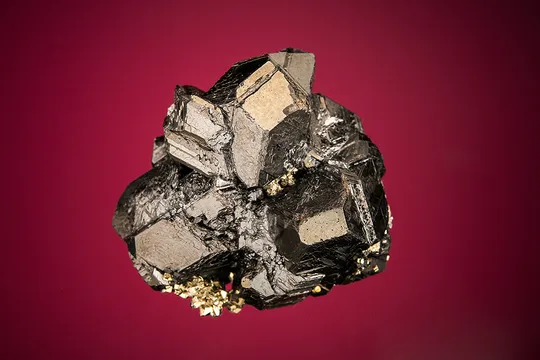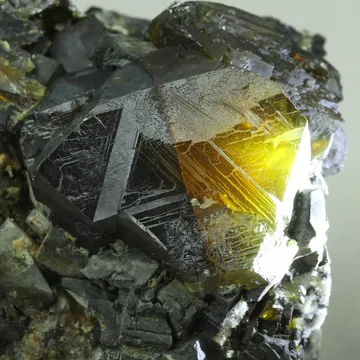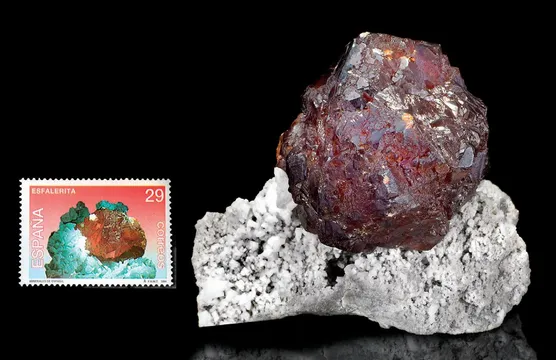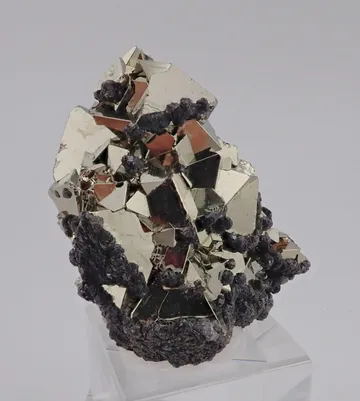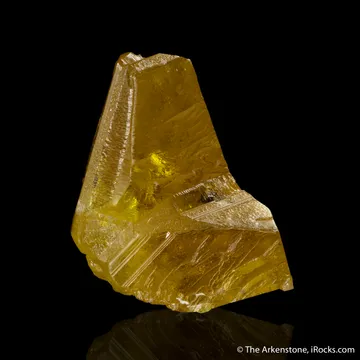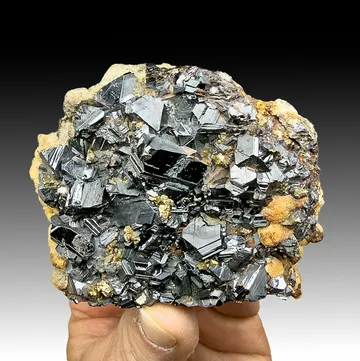
Sphalerite — a spectrum of colors and crystal forms, resinous to adamantine luster, gemmy on matrix; prized by collectors for iconic localities and displays.
Key facts
Sphalerite (ZnS) is the most important ore of zinc and one of the most visually diverse sulfides in the mineral kingdom. It forms in the isometric system, commonly as complex tetrahedral, dodecahedral, or highly modified crystals, and ranges from water-clear honey and fiery orange-red to root-beer brown, chocolate, and opaque black (“marmatite,” iron-rich sphalerite). Its luster can be adamantine to resinous, and high dispersion gives gemmy crystals a surprising “diamond-like” sparkle when properly lit. On matrix, sphalerite is a star in combinations with fluorite, calcite, dolomite, quartz, galena, and barite, delivering excellent color and textural contrast. While softer than many showcase sulfides (Mohs 3.5–4) and cleavable, it rewards careful collectors with some of the most dramatic display pieces from classic ore fields around the world.
Collectors love sphalerite for its breadth of aesthetics and storied localities. Tennessee’s Elmwood Mine produced iconic large, lustrous honey to cognac crystals on dolomite and purple fluorite; Spain’s Áliva Mine is famous for “ruby sphalerite,” with vivid red gemmy crystals; Kosovo’s Trepča district and Bulgaria’s Madan ore field set the standard for sharp, lustrous black sphalerites in striking sulfide/quartz associations. Peru’s Huanzala Mine is a modern classic for brilliant resinous brown crystals with pyrite, while Dal’negorsk, Russia, provides highly lustrous, intricately faceted crystals on snowy calcite. Because fine sphalerite occurs across multiple, historically significant districts—and it pairs beautifully with other cabinet species—it remains a staple from beginner shelves to world-class museum cases. Pricing spans from affordable black marmatite clusters to gemmy, color-saturated, well-composed matrix pieces commanding strong premiums.
Below are renowned sources known for distinctive, highly collectible sphalerite. Each offers characteristic color, crystal habit, and associations that define connoisseur-quality examples.
The benchmark for large, gemmy honey to cognac-brown sphalerite crystals, often in spectacular association with saddle-shaped white dolomite and royal-purple fluorite. Terminated crystals to 10+ cm occur, sometimes with internal “embers” that glow when backlit. Luster ranges from resinous to adamantine, and compositions are often elegant, with sphalerite perched or framed by fluorite cubes. Top Elmwood pieces balance size, clarity, and minimal damage—matrix specimens with strong color, mirror-bright faces, and clean edges are especially prized.
A legendary Balkan ore field producing bold, lustrous black sphalerite (marmatite) crystals with quartz, galena, and pyrite. Classic specimens show sharp, blocky crystals with striking metallic sheen, often contrasted against drusy quartz for high visual drama. The best pieces have razor-sharp edges, minimal cleaves, and strong composition; large, architectural sulfide clusters with sparkling quartz screens are Trepča classics.
Madan defines modern European sphalerite: sharp, jet-black to chocolate crystals with brilliant luster, often on glittering quartz and paragenetically associated with galena, pyrite, and chalcopyrite. The best display crisp complex faces, attractive stepped growth, and superb contrast. Aesthetic clusters with balanced arrangement and minimal contacting represent excellent value and remain highly sought.
Dal’negorsk produces high-luster, intricately faceted sphalerite crystals ranging from amber-brown to root-beer hues, frequently set against snow-white calcite, quartz, or delicate datolite. Crystals can be extraordinarily bright, with beveled edges and mosaic growth patterns that catch light superbly. Fine matrix arrangement and pristine condition elevate top pieces from this prolific Far Eastern district.
A modern classic: highly lustrous, resinous-to-adamantine sphalerite in warm browns and orange-browns, often associated with dazzling pyrite, quartz, and galena. Huanzala pieces are prized for their “wet-look” shine and crisp crystal faces. Top examples feature gemmy windows, vibrant backlighting, and a clean, balanced composition with minimal pyrite overgrowth or damage.
Famed for its giant gypsum caves, Naica also produced excellent sphalerite—gemmy honey to red-brown crystals, sometimes with calcite, galena, and fluorite. The best display bright internal fire and sharp, glassy faces. With the mine closed and material long dispersed, attractive, well-preserved matrix specimens carry both aesthetic and historical premiums.
The classic source of “ruby sphalerite”: vivid red to red-orange gemmy crystals that glow intensely with backlighting. Typically on white quartz or calcite, top Áliva pieces show saturated color, high clarity, and sharp, reflective faces. Bright, undamaged red crystals on contrasting matrix are scarce and highly coveted.
A prolific northern China mine that has yielded sharp, lustrous sphalerite crystals in brown to black tones, occasionally with interesting complex faces and attractive associations (quartz, calcite, fluorite). While quality varies, standout pieces show clean, bright faces, good translucency at edges, and geometric compositions characteristic of the deposit’s diverse pocket environments.
Color and Transparency:
Luster:
Crystal Form and Aesthetics:
Condition:
Size and Rarity:
Locality and Provenance:
Repairs/Reattachments:
Polishing/Coatings:
Acid Etching:
Sphalerite rewards gentle handling and careful cleaning.
Handling and Display:
Light and Temperature:
Cleaning:
Storage:
By prioritizing vivid color or ultra-bright luster, sharp form, and excellent condition—ideally on contrasting matrix from a classic locality—you can build a sphalerite suite that ranges from textbook black marmatite clusters to gemmy, glowing showpieces that hold their own in any display.