イングランド Red Gill Mine — 鋭い結晶を持つ深い空色のリナライトで著名で、歴史的な帰属とコレクターにとっての主要な英国産地としての地位が知られています。
Key facts
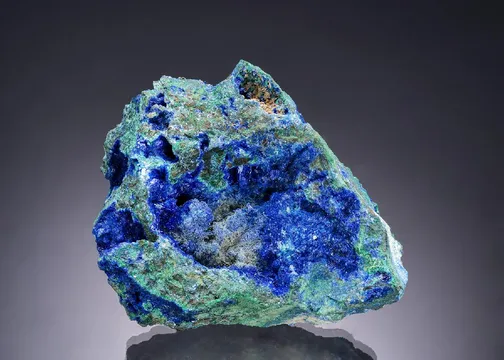
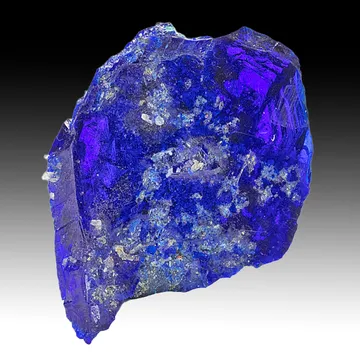
Red Gill Mine is one of the classic British homes of linarite, and its best specimens occupy a special place in the history of the species. In the tiny oxidized cavities of quartz-sulphide veinstone, the mine produced deep azure-blue PbCu(SO4)(OH)2 crystals that were exceptional for nineteenth-century collectors: thick, sharp, glassy blades reaching sizes that made Red Gill material among the finest linarites then known. The color is the immediate attraction — not a soft powder blue, but a concentrated, almost enamelled blue set against white quartz, iron-stained gossan, dark sulphides, and the paler blue-green of caledonite.
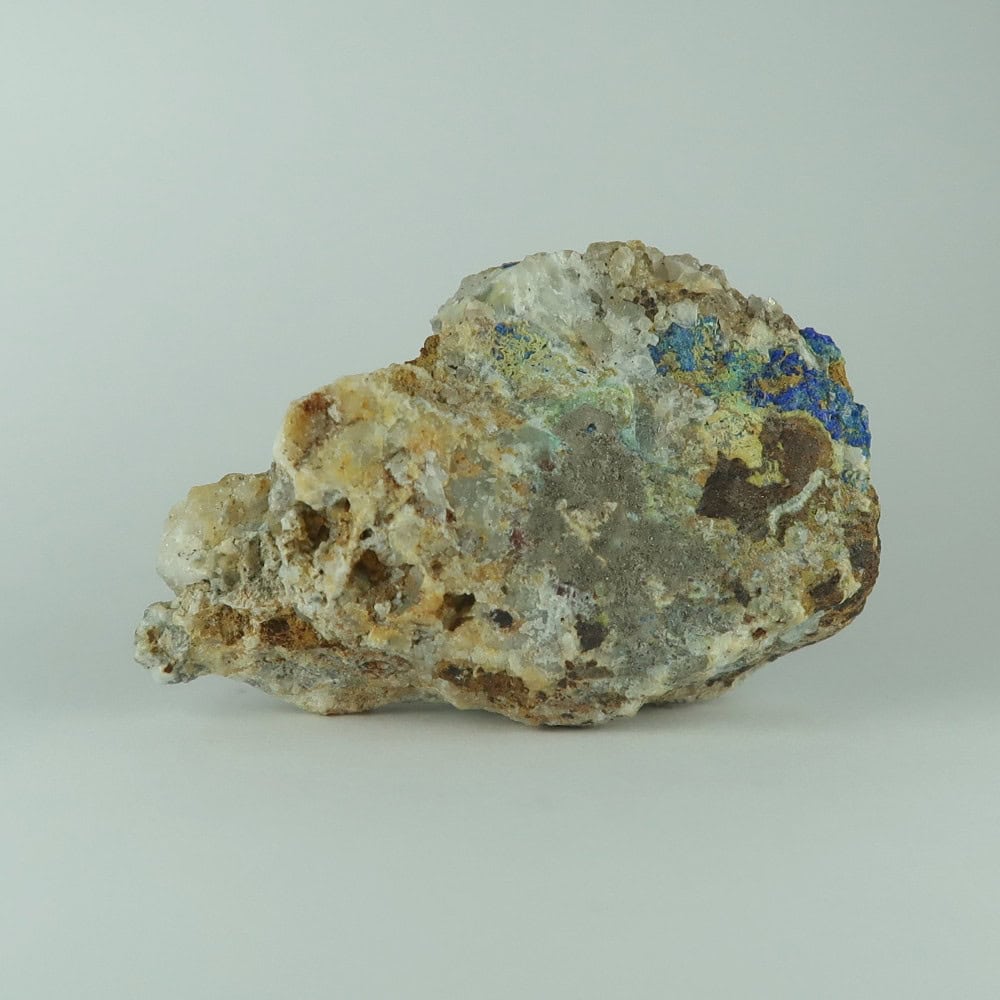
Photo: Albion Fire and Ice
The mine sits in the Caldbeck Fells of northern Cumbria, a compact district whose small lead-copper workings produced a mineralogical literature out of all proportion to their ore output. Red Gill is a secondary-mineral locality above all: the primary ore assemblage was based on galena and chalcopyrite, but prolonged oxidation of lead- and copper-bearing sulphides generated a remarkable suite of lead and copper sulphates, carbonates, phosphates, and related supergene species. Linarite is the signature blue mineral in that assemblage, commonly accompanied by caledonite, leadhillite, cerussite, anglesite, quartz, malachite, and iron oxides.
Red Gill’s collector importance is also historical. Many early specimens were labelled simply “Cumberland” or “Roughton Gill,” a broader and more famous collecting name. Modern reassessment of the Red Gill/Roughton Gill district has argued that many of the old, large, classic “Roughton Gill” linarites most probably came from Red Gill Mine itself. That matters to collectors: a precise Red Gill attribution ties a specimen to the actual source of the finest known nineteenth-century Caldbeck linarite, rather than only to the broader mining field.
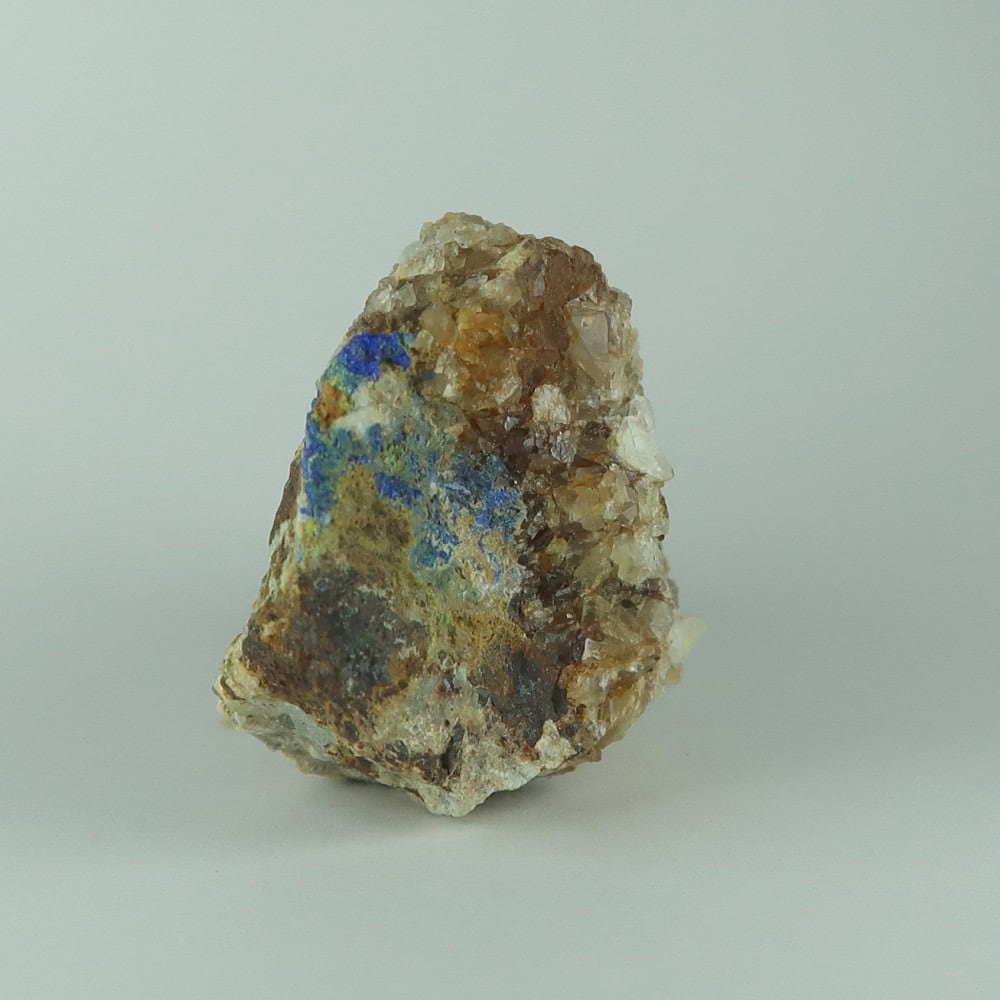
Photo: Albion Fire and Ice
For the advanced collector, the best Red Gill linarite is not merely “blue mineral from England.” It is a classic British supergene specimen with a specific look: deep-blue bladed crystals or rich crystalline areas in quartz-sulphide matrix, often with enough associated lead-copper secondary minerals to place it unmistakably in the Caldbeck Fells. Fine crystals are scarce; old labels and convincing provenance add substantially to desirability.## Featured Specimens
Search for specimens: View all linarite specimens from Red Gill Mine, England
Red Gill Mine lies at Roughton Gill in the Caldbeck Fells, northern Lake District, Cumbria, England. The locality is recorded at National Grid Reference NY295347, with Mindat listing coordinates of approximately 54°42'8" N, 3°5'38" W. It is an abandoned mine within the Roughton Gill group of mines.
The deposit belongs to the Caldbeck Fells lead-copper vein system. The Red Gill veins cut rocks of the Ordovician Eycott Volcanic Group, especially andesites. The mined ore minerals were principally galena and chalcopyrite. The most important collectors’ specimens, however, came from the oxidized upper parts of the vein system, where oxygen-rich groundwater acted on sulphides and produced a richly varied supergene mineral suite. Red Gill’s celebrated linarite formed in cavities within quartz-sulphide veinstone; the best specimens are not loose crusts divorced from their setting, but part of a compact lead-copper oxidation assemblage.
Three veins are known at Red Gill. Most of the workings followed the Main or South Vein, trending roughly north-northwest to south-southeast. Historical geological descriptions recorded the vein as up to about 1.2 m wide in an 8 m shaft near the junction of Red Gill and Swinburn Gill, composed of quartz ribs and broken country rock in a clayey, iron- and manganese-stained matrix. Another level exposed vein material up to about 1.5 m wide. These are small mines by industrial standards, but their oxidized mineralogy was unusually rich.
Mining may have begun very early. Red Gill is said to have been worked in Elizabethan times, and some workings may be older. Documentary evidence exists from the eighteenth century, but the nineteenth-century working period is better recorded. Surviving production figures are incomplete: records note 47 tons of dressed copper ore raised between 1863 and 1869 and a little under 18 tons of lead ore between 1861 and 1866. Those modest tonnages contrast sharply with the mine’s specimen legacy.
The underground workings are not generally accessible today. Mine explorers have entered parts of the workings in the past, but Red Gill is not a collecting locality to approach as an open underground site. The classic material came from old workings and dumps, especially material derived from the Main or South Vein. The dumps have been searched by generations of collectors, and modern accounts describe them as heavily depleted to virtually barren for good linarite, though small representative pieces and micromount-level material have appeared from time to time.アクセスは管理されています。 Red Gill は Caldbeck および Uldale Commons 採集制度の内にあり、これは Lake District National Park Authority および関連する土地所有者によって運用されています。 これらの共同地での鉱物採集は、現行の許可制度の下で許可を要し、採集区域と条件は当局によって定められています。 真剣な採集者は Red Gill を保護された歴史的・地質学的な地 locality として扱い、無制限の埋め捨て場とは見なさないでください。
Red Gill からの顕著な発見は linarite を超えます。 この鉱山は caledonite と leadhillite に関連する linarite で有名であり、鉱物リストには anglesite、cerussite、malachite、pyromorphite、mattheddleite、macphersonite、queitite、native silver、そして多くの他の種が含まれます。 Redgillite, Cu6(SO4)(OH)10·H2O は Red Gill に因んで命名されましたが、正式な型地点は近くの Silver Gill です。 Red Gill はこの鉱物の歴史と評判の中心であり続けます。## Red Gill Mine, England からのリナーライトの特徴
Red Gill のリナーライトは、飽和した空色から深い青色の色調が高く評価されています。最良の結晶では、青色は白い石英や錆びた鉄酸化物、灰色の硫化物の痕跡、そしてカレドナイトのターコイズ青〜青緑色の対比が強く、白く輝く見た目と対照を成します。最も望まれる標本は、質量のある青い着色だけでなく、保護された空隙内に見られる離散的な刃状や厚い板状結晶です。
Mindat の産状記録は、Red Gill のリナーライトを最大6 mmの刃状結晶と、小さな結晶の銅硫化物コーティングとともに記述しています。いくつかは採掘後に由来するものと考えられます。より広範な文献には、鉱山からはるかに大きな古典的結晶が多数記録されています:Cooper と Stanley は最大で長さ25 mmに達する厚く深青色の結晶を記述・図示し、後の総説は、Red Gill の19世紀の大きなリナーライトが採集時には最良の例の中にあったことを強調しています。
結晶形態はリナーライトの典型的なものですが、Red Gill の最良標本では特に魅力的です:細長い刃状、板状結晶、スプレー状、結晶の外皮、そして空隙の内包部を形成します。いくつかの標本は石英や方解石を含む基質上に、濃い青色の結晶が広く覆われている一方、他はマイクロマウント規模の空隙に孤立した高光沢結晶を持ちます。美しい Red Gill 標本は物理的サイズが小さめでミニチュア〜サムネイル程度ですが、見た目のインパクトは青の強さと結晶の鮮明さによります。キャビネット規模だけではなく、その美観は大きく左右されます。
共生鉱物としては、カルエドノイト、アンギサイト、セリュサイト、リードヒリット、ビンドヘイマイト、石英、マラカイト、カルサイト、そして銅シリケート様のクロム石様物質が含まれます。カルエドノイトは特に視覚的・遺伝的に重要です。ターコイズブルーのカルエドノイト結晶と深い青リナーライトを持つ Red Gill ピースは、クラスック Caldbeck の関連鉱物として古典的です。リードヒリットとセリュサイトは酸化系列の鉛富域を示唆し、マラカイトや他の銅系二次鉱物は黄銅鉱と関連鉱物の変質を反映します。
基質は品質要因です。最も説得力のある Red Gill リナーライトは、鉄の着色を伴う石英-硫化物の脈石上にあり、残存の方鉛鉛や黄銅鉱、または関連する鉛-銅二次鉱物と結びついています。風化基質上の大きな青色域は魅力的かもしれませんが、空隙内の鋭い結晶の方がコレクション価値が高くなります。硫化物を裏打ちした暗色の標本や、石英で内包された空隙は、リナーライトの地質学的文脈を保持するため特に望ましいです。
状態は非常に重要です。リナーライトは完全な解け目と適度な硬度を持つため、刃状結晶は rough handling によって簡単に傷つき、欠け、はがれ、鈍ることがあります。良好な Red Gill の例は、結晶先端の破損、空隙端の擦り傷、粉状のコーティングの緩み、青色物質が結晶リナーライトではなく単なる擦り跡であるという証拠を拡大鏡で確認して評価されるべきです。小さく、鋭く、無傷の結晶群は、より大きく傷ついたコーティングよりも好まれます。## Collector Notes
レッドギルリンライトの主な真正性の問題は起源である。19世紀および20世紀初頭のラベルには「Cumberland(カンブルランド)」や「Roughton Gill(ロータン・ギル)」「Roughten Gill(ラフテン・ギル)」または「Caldbeck Fells(カールドベック・フェルズ)」と記され、Red Gill Mine(レッドギル鉱山)とされていない場合がある。現代の産地研究は、カンブルランドやロータン・ギルと広くラベル付けされた多くの初期の古典的リンライトが実際にはレッドギル由来であった可能性を示唆している。標本がレッドギルの結晶形状と共生関係に一致する場合、コレクターにとっては良いニュースだが、ラベルは文字通りの確実性ではなく歴史的な慎重さをもって解釈されるべきである。
A.W.G. Kingsbury に関わるより広範な Caldbeck の警告も存在する。Kingsbury の資料の大規模な再検証では、英国の希少鉱物鉱床に関する所在地の偽装が明らかにされており、特に湖水地方と Caldbeck Fells において顕著である。Red Gill 自体がそのような詐称の対象であると決定的に示されたわけではないが、Kingsbury に関連する裏付けのない希少種の主張には慎重に対応すべきである。リンライトの問題は「偽リンライト」というよりも、所在地の特定が不正確または継承的であることにある。
このガイドで参照した情報源には、Red Gill リンライトの特定の処理伝統は文献として記録されていない。一般的なリスクは自然状態、伴生する青緑色鉱物の誤同定、鉱山採掘後に形成されるいくつかの小さな硫酸塩コーティングである。リンライトは写真が悪いと青銅鉱(アズライト)、ラングサイト、カレドナイト、その他の青色の銅・鉛銅系二次鉱物と視覚的に混同されることがある。真剣な標本では、信頼できる旧ラベル、レッドギル基質鉱物との関連、曖昧なマイクロマウントに対する分析的確認がすべて有用である。
リンライトには鉛が含まれるため、標本は通常の鉛鉱物の取り扱いを用いて扱うべきである。粉塵を吸入しない、ディスプレイ品をなめたり酸洗いしたりしない、取り扱い後は手を洗う、破片を子供や食物の区域から遠ざける。清掃は保守的に行うべきである。水、酸、及び過度に力を加えた機械清掃は、付随する硫酸塩を損傷させたり、洞穴内の脆い結晶を緩めたりする可能性がある。
市場での流通は不均一である。小さなレッドギルの破片は英国のディーラーや旧コレクションから依然として現れることがあり、時には明るい青い結晶を持つ控えめな小型キャビネット標本や鉄染めの石英上の巨大なリンライトとして現れる。販売ディーラーの例には、サムネイルサイズの破片でカレドナイトとの古典的結びつきが示されていることもある。歴史的により強い標本、特に古いラベルや「電気青色」結晶の豊富な洞窟がある標本ははるかに希少で、別の価格帯で取引されることがある。より広義の「Caldbeck Fells」や「Roughton Gill」リンライトは魅力的であり得るが、専門家は標本がレッドギルの古典的な一群に妥当するかどうかにより注意を払うだろう。## Stories & Field Notes
古い Red Gill の話は、小さな露天と過大な鉱物の名声の物語である。工業的には、この鉱山は決して巨大ではなかった。その記録された19世紀の産出量は —1860年代の処理済み銅鉱石47トンと、同様の period における鉛鉱石少なくとも18トン弱— 大規模な金属鉱山に比べればほとんど目立たない。だが、石英-硫化物の脈石にある酸化した空洞が、収集家と博物館の収蔵家に長く後に語り継がれるリナライト結晶を生み出した。
最も喚起される field details の一つは、No. 2、または「Old Dutch」レベルから来る。1979年の眺めは、後の鉱物学的総説の一部としてそのレベルと脈を記録しており、生産期を過ぎた Red Gill の一場面だが、さらなる収集によって古い鉱物土壌の残存物が尽きる前の瞬間でもある。同じ総説には、1983年に Peter Briscoe が No. 2 Level の捨て場から採った標本が示されている。エメラルドグリーンの板状ブルチャンサイト結晶が最大0.3 mm長さで、隣には大きなリナライト結晶がある。これは Red Gill のミニチュアだ — 小さな後期銅硫酸塩、歴史的な捨て場、そして鉱山を有名にした深い青色の鉱物。
ラベルにはそれ自体の物語がある。大きな古いリナライトのいくつかは「Roughton Gill」とラベル付けされていたが、収集界でその名が重みを持っていたためだ。しかし後の研究では、多くの初期の古典的な Cumberland および Roughton Gill のリナライトが実際には Red Gill 由来の可能性が高いと示唆されている。実用的な収集の観点から言えば、19世紀の「Roughton Gill」リナライトが、適切な習性、基質、および関連性を備えた場合、実際には古い地区名の下で移動して来た Red Gill の生存体である可能性がある。標本ラベルは狭い意味では間違っているかもしれないが、当時の収集文化が生み出した歴史的真実を伝えている。
業者の記録は別のタイプの field note を保存する。Red Gill の素材がキャビネットに残した余生だ。2010年に販売されたクラシックな Caldbeck リナライトは、宝石箱のように光を放つ「electric-blue」結晶を4 mm まで含むミニature として説明され、A.E. Foote のラベルは約1884–1890年の日付、1840年代–1870年代に採掘された可能性が高いと考えられていた。そのラベルは Caldbeck Fells 全体を示すもので Red Gill Mine を特定してはいないものの、古い素材を追い求める収集家の時代とスタイルを捉えている。密度のある石英-硫化物の基質、保護された空洞の中の青い結晶、そして底部に貼られた初期のアメリカの取引業者ラベルという、文書的なロマンスがある。## ミネラル学的記録と出版物- Red Gill Mine, Roughton Gill, Caldbeck, Cumbria — Mindat locality page — コアロカリティ記録(座標、鉱物リスト、参考文献、および早期の「カンブリア紀」および「ロートン・ギル」リンライトの Red Gill 起源の推定に関する Notes を含む)
Linarite from Red Gill Mine — Mindat occurrence record — Red Gill リンライトの種特異的記録、産状、色、関連鉱物、文献情報を含む。
Red Gill Mine, Cumbria — GeoGuide / Geological Conservation Review — 鉱山の地質学的・歴史的概要、脈の説明、産量、アクセス状況、および Red Gill リンライトの意義。
Bridges, T.F., Green, D.I., Rumsey, M.S. & Leppington, C.M. (2008). “A review of the mineralisation at Red Gill Mine, Caldbeck Fells, Cumbria, England.” Journal of the Russell Society, 11, 29–47. — Red Gill の鉱化作用に関する現代の主要レビューで、現場写真、試料図、 locality の鉱物群の再評価を含む。
Greg, R.P. & Lettsom, W.G. (1858). Manual of the Mineralogy of Great Britain and Ireland. John Van Voorst, London. — Red Gill / Cumberland リンライトに言及される初期英国鉱物学参考文献。
Hessenberg, F. (1864). “Linarit (Bleilasur) aus Cumberland.” Abhandlungen der Senckenbergische Naturforschende Gesellschaft, 7, 304–308. — Cumberland リンライトの歴史的結晶学的・鉱物学的解説。Red Gill リンライトの文献リストに掲載。
Koksharov, N.I. (1869). “Ueber Linaritkristalle” and “Notiz über Linaritkristalle.” — 19世紀の結晶学的文献、古典的 Cumberland/Red Gill リンライトに関連。
Cesàro, G. (1905). “Formes nouvelles dans la Linarite et dans la Mélinose.” Bulletin de l’Académie Royale des Sciences, des Lettres et des Beaux-Arts de Belgique, 328–333. — Red Gill リンライト文献リストに後年の結晶学的研究を掲載。
Cooper, M.P. & Stanley, C.J. (1990). Minerals of the English Lake District: Caldbeck Fells. Natural History Museum, London. — Caldbeck Fells の現代標準的書籍解説、Red Gill リンライト、カレドノイト、レイドヒリット、広範なスーパーゲン標本群を含む。
Stanley, C.J. & Cooper, M.P. (1991). “Famous Mineral Localities: Pyromorphite-Group Minerals from the Caldbeck Fells, Cumbria, England.” The Mineralogical Record, 22(2), 105–121. — 重要な locality コンテキスト Caldbeck Fellsのスーパーゲン鉛鉱化の論文。
[Pluth, J.J., Steele, I.M., Kampf, A.R. & Green, D.I. (2005). 「Redgillite, Cu6(OH)10(SO4)·H2O, a new mineral from Caldbeck Fells, Cumbria, England: description and crystal structure.」 Mineralogical Magazine, 69(6), 973–980.]( Red Gillにちなむ名称のレッドギリーライトの記述。鉱山の銅硫酸塩鉱物学的意義の理解に役立つ。
Redgillite — Mindat鉱物ページ — レッドギリーライトはRed Gillに因んで命名されたこと、正式な標本産地はSilver Gillであること、マンチェスター博物館の標本材料に言及していることを明記。## さらに読むべき資料と外部リンク
Lake District National Park Authority — Caldbeck minerals — CaldbeckおよびUldale Commonsの現在のコレクション方針源、許可ガイダンスとゾーン別採集管理を含む。
Natural England — Managing geological specimen collecting: Caldbeck Fells case study — Caldbeck Fellsの標本採集計画の保全背景。
Lake District Minerals — Mineral locations — Red Gillのリンナライト、カレドナイト、リードヒルサイトを含む、コレクター向けの湖水地方鉱物情報。
Albion Fire and Ice — Red Gill Mine locality page — 現代様式のRed Gill素材と小標本の市場在庫状況を示すディーラー向け地 locality 要約。
Albion Fire and Ice — Linarite from Red Gill Mine product page — 写真と寸法付き、現代の小型キャビネット向けRed Gillリンナライトの例。
Steetley Minerals — Caledonite & Linarite from Red Gill Mine — 古典的なcal edonite-リンナライトの関連を示す Sold thumbnail 例。
Mineral Auctions — Caldbeck Fells linarite old-timer — 古いラベルの Caldbeck linarite のアーカイブ売却記録。19世紀材料との比較に有用。
Crystal Classics — Roughton Gill linarite specimen — Caldbeckのリンナライトに関する広範なRoughton Gill/Red Gill由来の問いを示す市場例。
RRUFF Handbook of Mineralogy — Linarite PDF — リナライトの公式データシート。式、性質、著名な産地を含む。