$2,500Median
99Sold (12 mo)
$1,500Last sale
Recent salesSee more
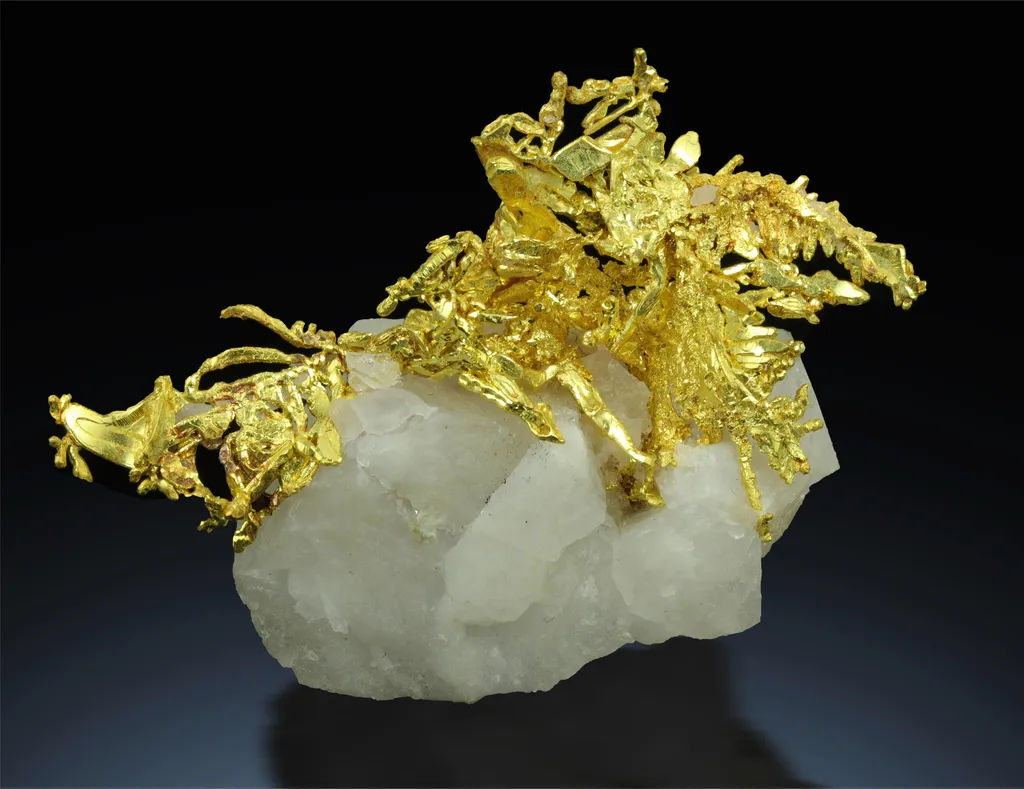
When neutron star mergers or through r-process (rapid neutron capture) under extreme conditions, gold, a rare metal, is formed. As a siderophile element, gold prefers to stay in the Earth's core during the differentiation of protero earth thus very scarce in the continental crust. However, there is a special type of orogenic gold deposit, Mother Lode ( originally the name of a gold-bearing geological belt in the Sierra Nevada foothill), including gold bonanzas, and the finest crystallized gold specimens.
Many questions remain about the transportation process and source of orogenic gold. Metamorphic dehydration of seafloor rocks is a viable mechanism for producing abundant aqueous-carbonic and low-salinity fluids, as documented in orogenic gold deposits from fluid inclusions. These fluids( probably gold-carrying hydrosulfide complexes) transported to gold deposition sites are controlled by earthquakes. The ultimate source of gold is highly debated, whether igneous (mafic or felsic magma) or metamorphic origin. In this case,time to form these gold deposits is critical. If they form quickly, igneous sources might be more probable, but if they form over extended periods, metamorphic sources would be more probable.
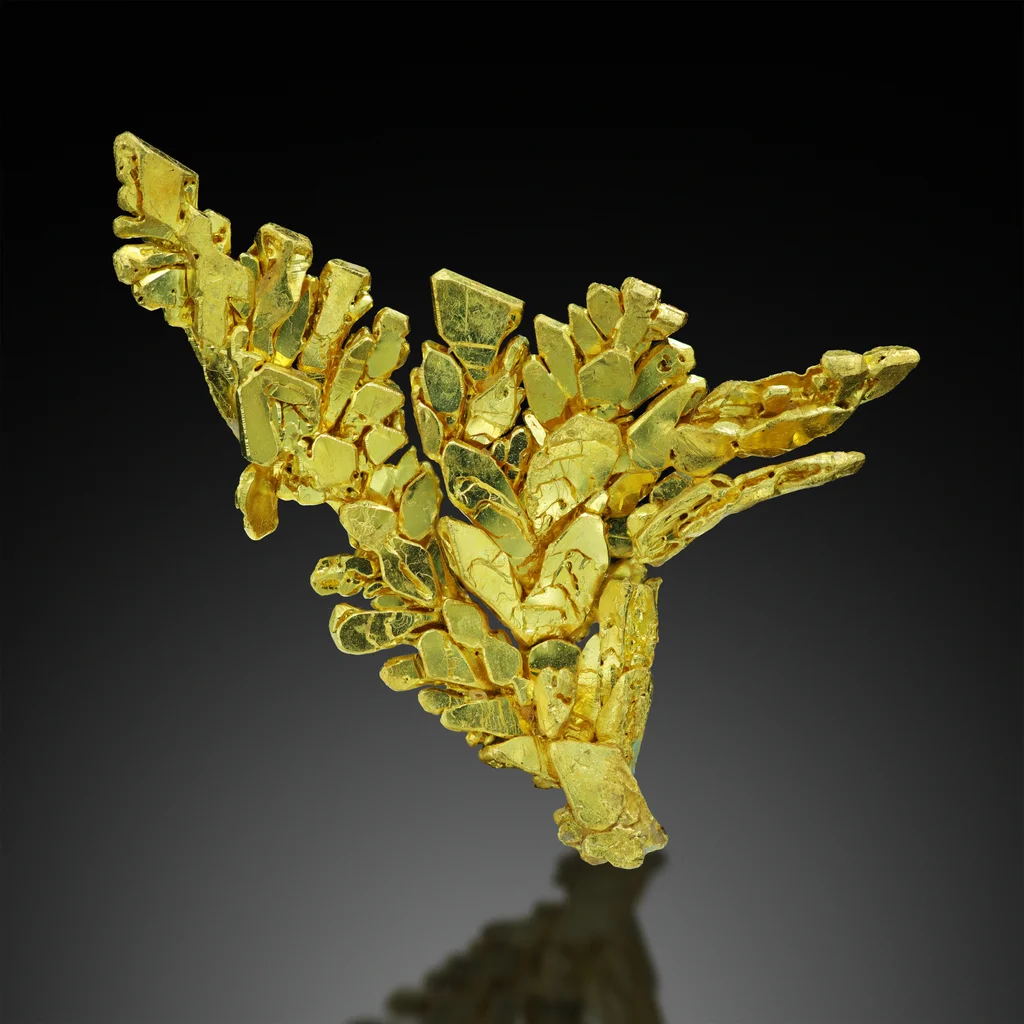
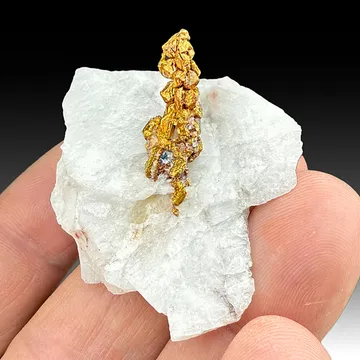
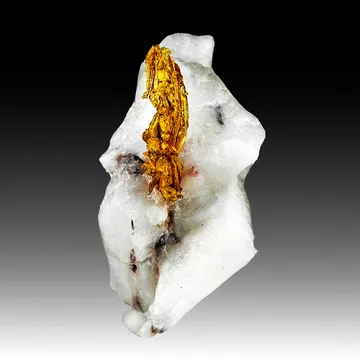
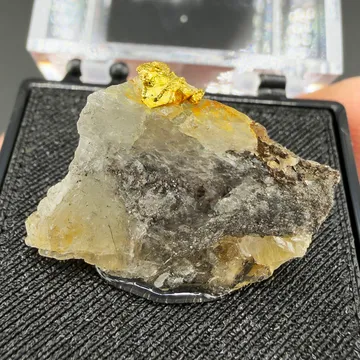
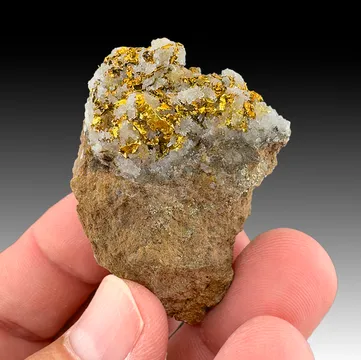
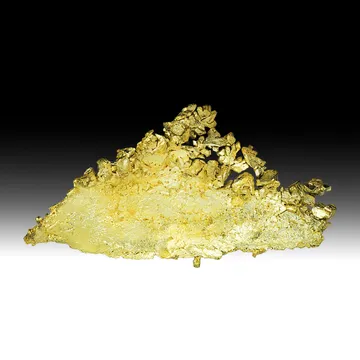
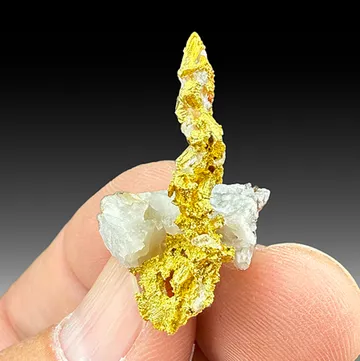
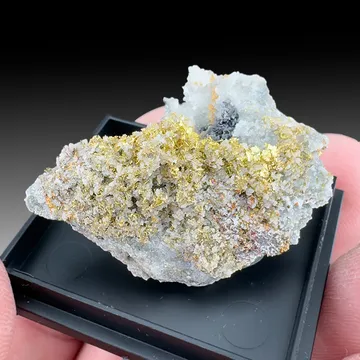
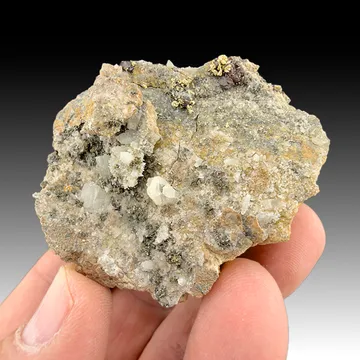
The specimen below features a classic looking of crystallized gold from California. Pretty is just the appearance that everyone observes, the story inherent in this tiny metal is about mountain building, Earth dynamics, and the universe.
Gold, 2.8cm, Eagle's Nest Mine, Sage Hill, Michigan Bluff Mining District, Placer County, California, USA
Jingnan (Tom) Zhang Coll & Photo
Comments