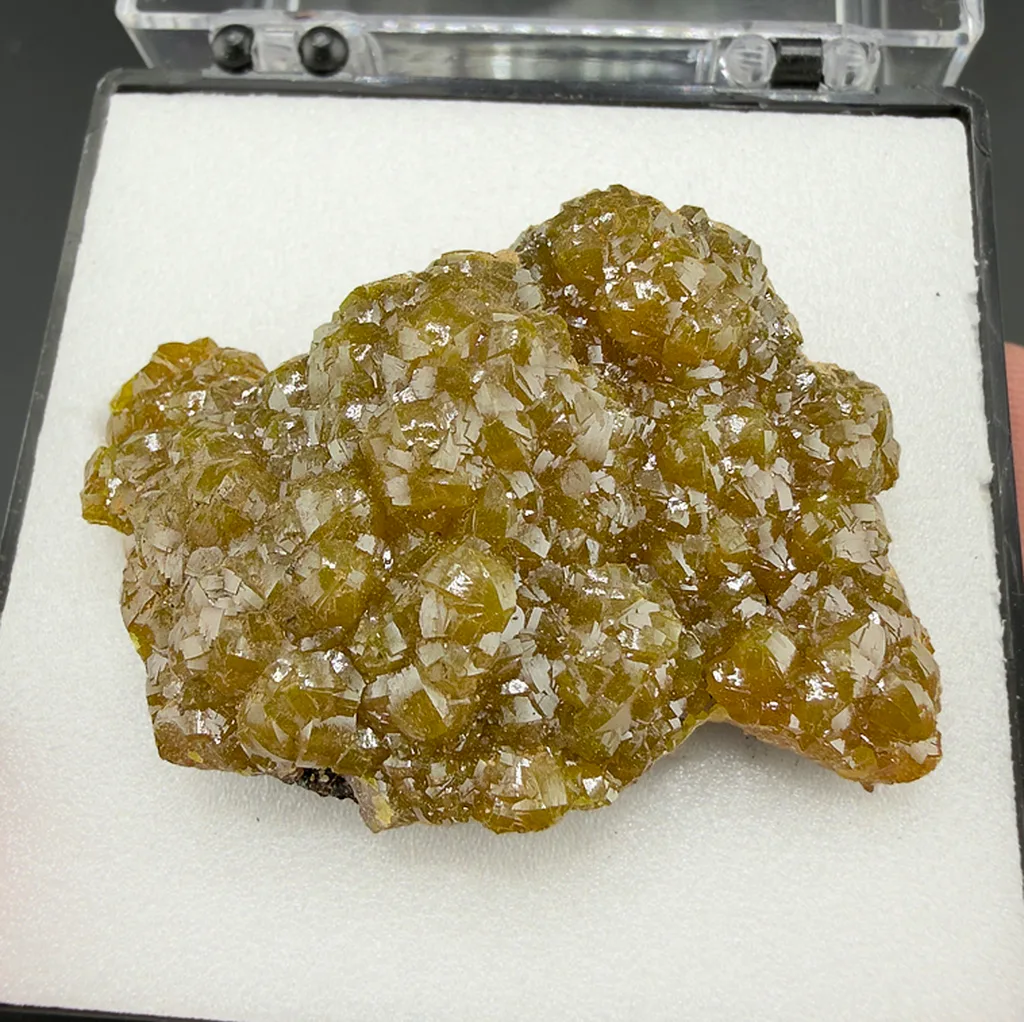
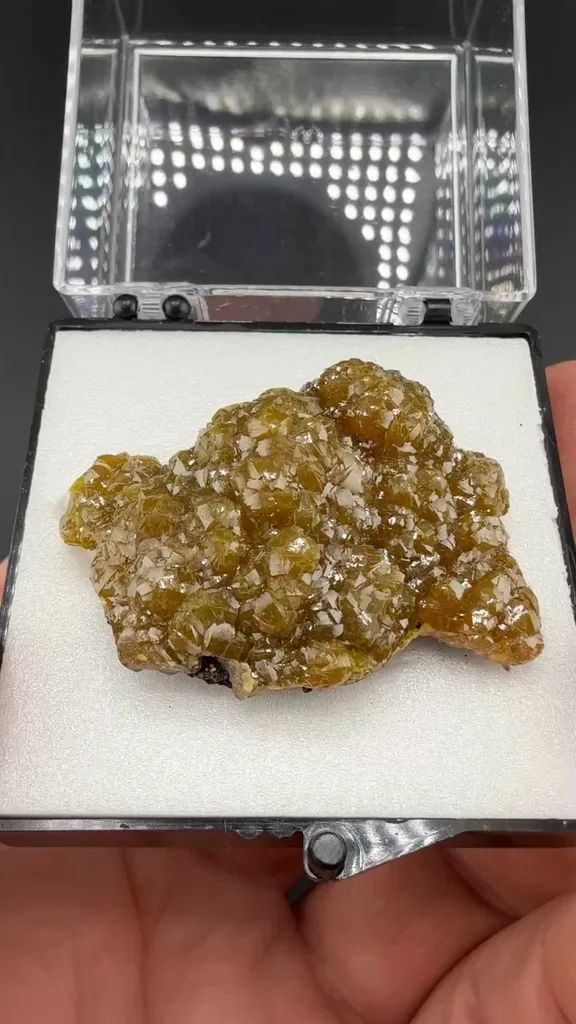
The Bunker Hill Mine, situated in Shoshone County, Idaho, was discovered in 1885 and operated for roughly 95 active years before closing its primary production in 1981, with subsequent intermittent periods ending around 1991. Geologically, the mine is hosted within the late Precambrian (Neoproterozoic) sedimentary rocks of the Belt Supergroup, primarily thick-bedded quartzites, argillites, and siltites. The mineralization occurs as complex hydrothermal vein, fault-filling, and replacement deposits containing galena, sphalerite, and tetrahedrite, which yielded massive quantities of lead, zinc, and silver over its lifetime.

Comments