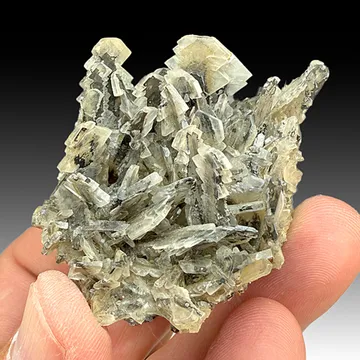
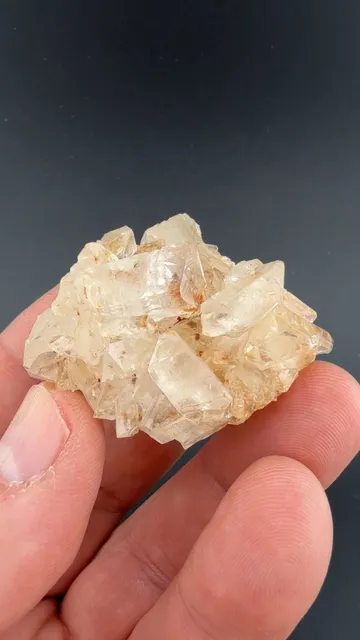
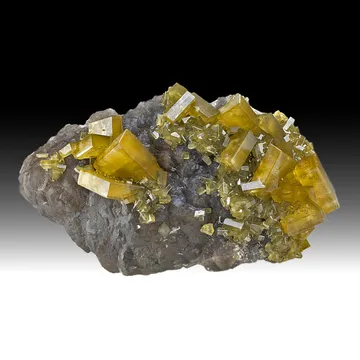
Barite - image 1
specimen video

Barite

Help improve this record

No owner is registered for this specimen yet. If it's yours or you know more about it, you can add the owner, provenance, publications and other details.

Sign in to contribute
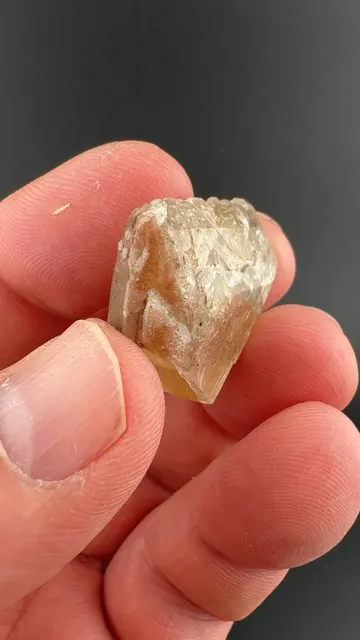
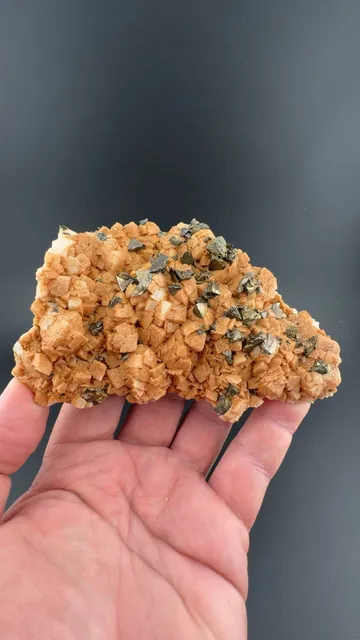
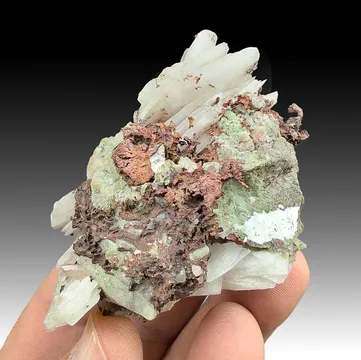
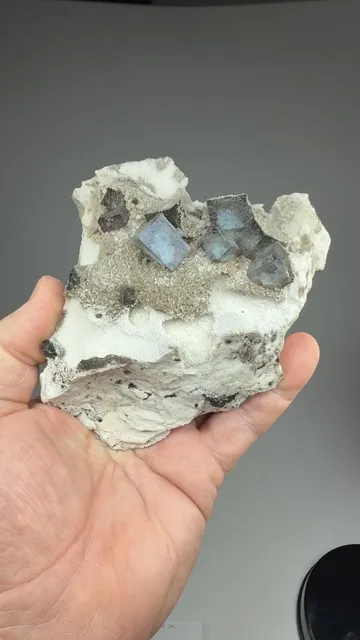
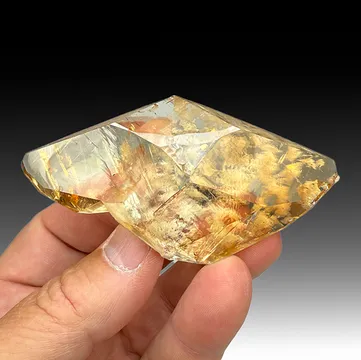
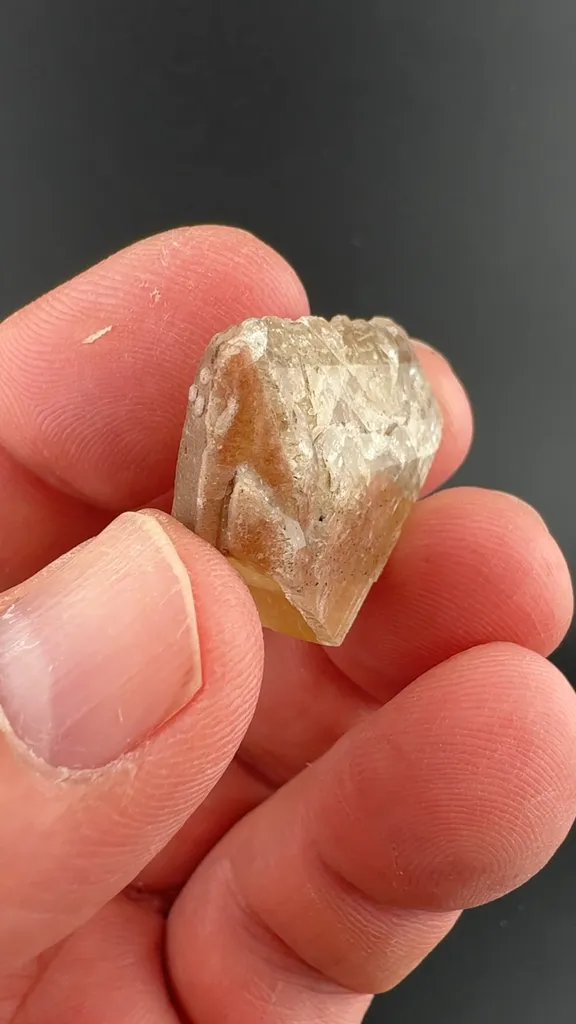
A loose single partly gemmy crystal of barite from this classic locality. The specimen comes with an antique label as shown at the end of the video. Frizington, located in the West Cumberland iron mining district of Cumbria, England, evolved from a small agricultural settlement into a major industrial hub during the nineteenth-century iron ore boom. Geologically, the area is situated on the carboniferous limestone fringe of the Lake District, where circulating iron-rich hydrothermal fluids replaced host rock to form massive high-grade hematite deposits. Mineralogically, the local mines became world-famous for producing exceptional specimens of massive and botryoidal kidney ore hematite, alongside brilliant quartz, baryte, and dolomite associations. Large-scale commercial extraction intensified rapidly from the 1840s onward with the sinking of numerous deep pits, though production dwindled by the early twentieth century as international competition and resource depletion led to the eventual closure of the mines.
Product details

SpeciesBarite
SizeMiniature
Dimensions3.5 x 2.5 x 1.0 cm
Added on08/18/2026
Current owner
Unknown Owner
Previous owners
DateCollectorAcquisition price
—Weinrich MineralsNot disclosed

Learn more

Barite
Mineral guide
Learn about Barite
dense barium sulfate prized for blue blades and honey clusters; top localities include Elk Creek, Meikle, Spain, Morocco; quality factors and care.
Barite
Regional guide
Barite from Frizington Mine, Cumbria, England
Frizington Barite, Cumbria: pale blue to blue-green tabular crystals, often doubly terminated with hematite; prized for color, form, and historic locality.
Locality guide
Frizington Mine
A collector's guide to Frizington Mine, UK: its geology, mining history and notable minerals, illustrated with the 267 specimens documented from this locality on EarthWonders.