$350Median
65Sold (12 mo)
$185Last sale
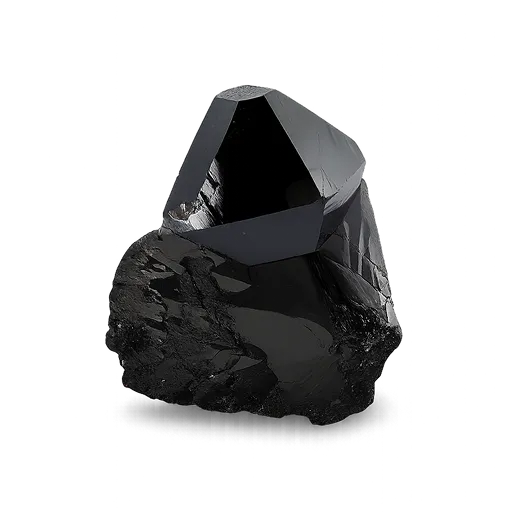
We’re all drawn to colorful rocks, like gem crystals, vivid mineral combinations, and visually striking specimens. However, many of the most economically important ore minerals aren’t always so eye-catching. Unlike precious gemstones, these minerals are essential to modern industry and also preserve clues to Earth’s geologic history.
Tin was one of the earliest metals used by humans, alloyed with copper to create bronze, an innovation that shaped ancient civilizations. Despite its historical and industrial importance, tin is relatively scarce in Earth’s crust, with an average abundance of only ~2 ppm, which is less than more common metals like copper or zinc.
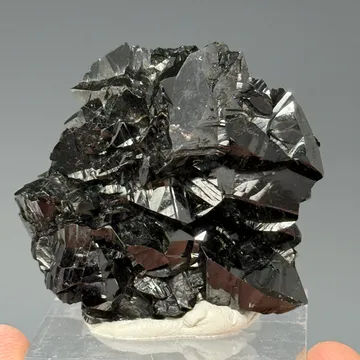
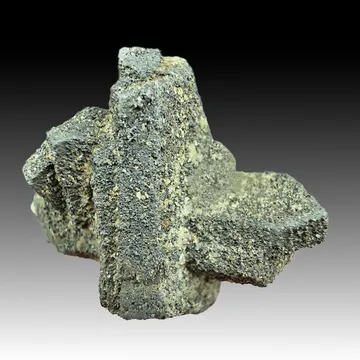
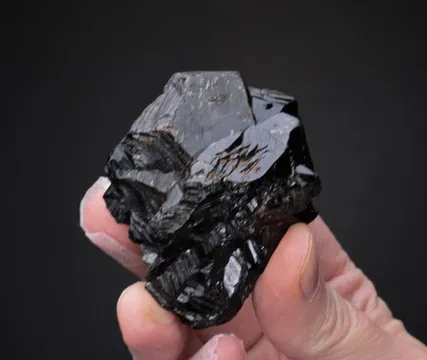
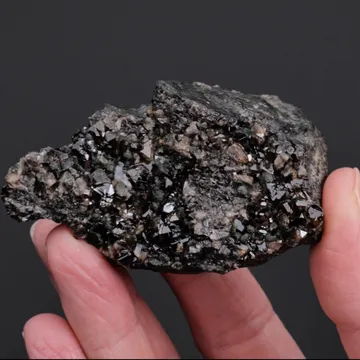
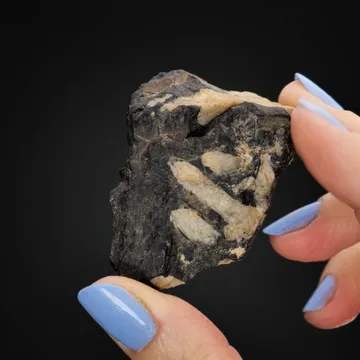
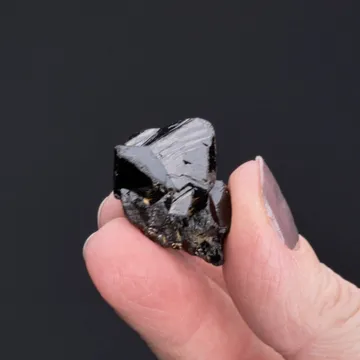
The primary ore of tin is cassiterite, which typically forms in highly evolved, silica-rich igneous systems. These include granites, granitic pegmatites, greisens, and hydrothermal veins.While granite occurs across all major tectonic settings, different types of mineralization are favored by different tectonic environments and source rocks. Cassiterite is especially associated with S-type granites, which form from the partial melting of sedimentary rocks during syn-collisional tectonic events. As an incompatible element, tin tends to concentrate in the residual melt if sulfur is absent. Chlorine plays a critical role in cassiterite formation by mobilizing tin from wall-rock in hydrothermal systems through complex chloride species.
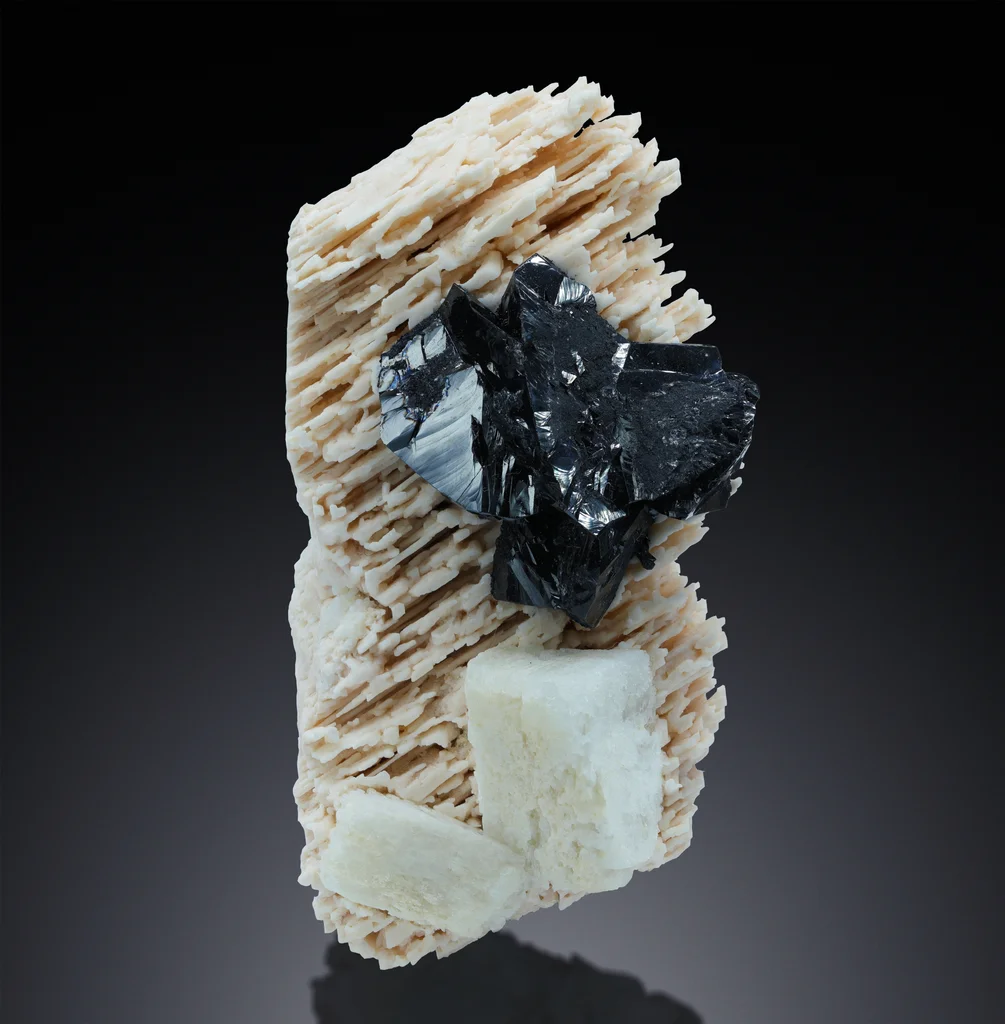
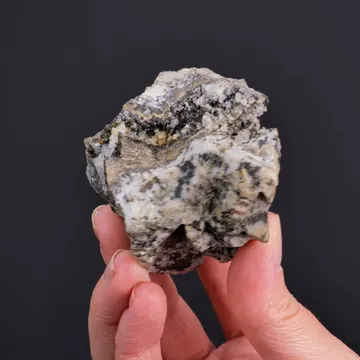
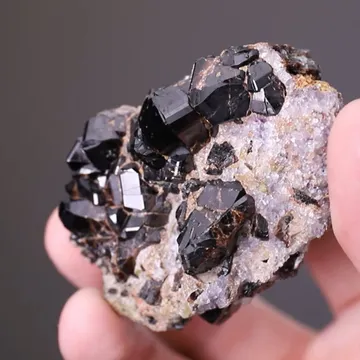
The specimen below, from the Jenipapo pegmatite field in Brazil, offers a snapshot of this complex process. Although the full evolutionary history of the pegmatite is not yet fully understood, its mineral paragenesis provides insight. Early-stage perthitic microcline likely crystallized from an initial batch of fluid. A second, Cl-bearing fluid, potentially from a different source, migrated through the system, partially dissolving earlier-formed albite and leaving orthoclase behind. As the fluid evolved and pH increased, new albite crystallized. Cassiterite precipitated late, under oxidized conditions.
Cassiterite and Albite on Microline, 6.8cm, Jenipapo pegmatite field, Itinga, Minas Gerais, Brazil
Jingnan (Tom) Zhang Coll & Photo
Comments