$2,500Median
100Sold (12 mo)
$975Last sale
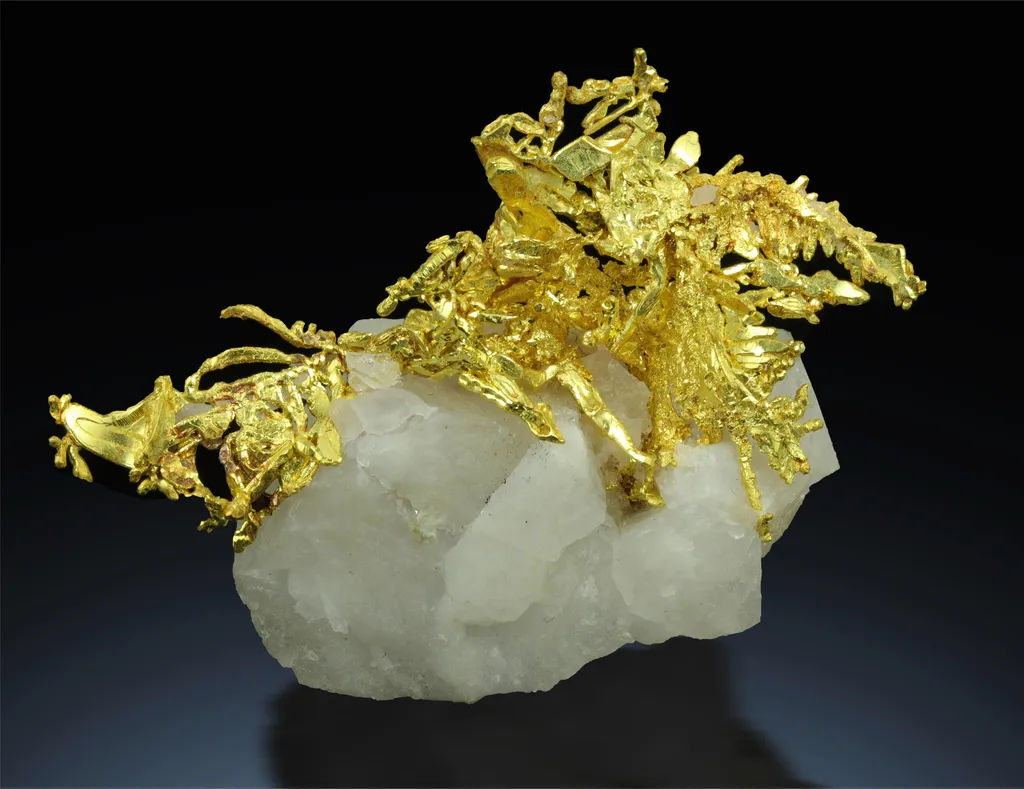
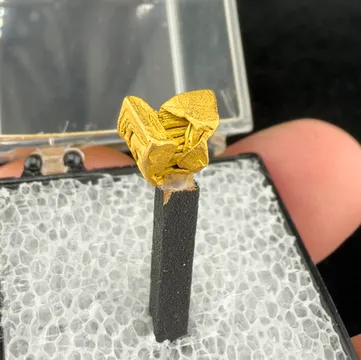
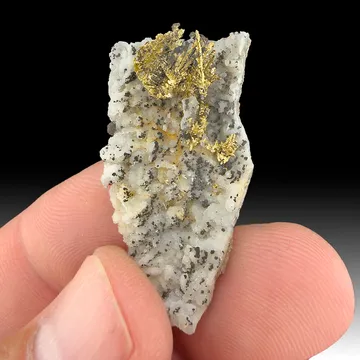
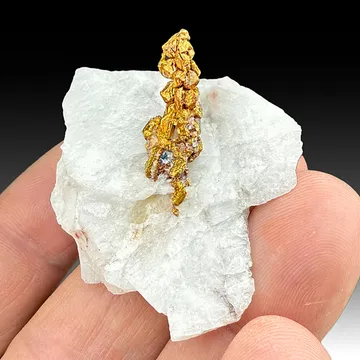
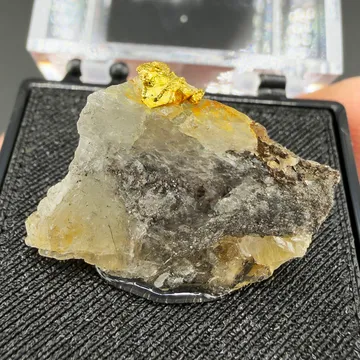
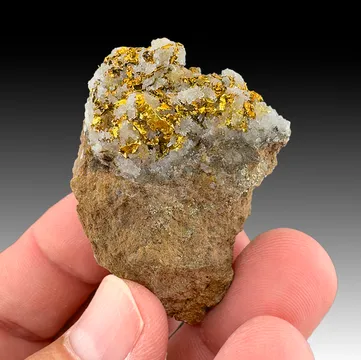
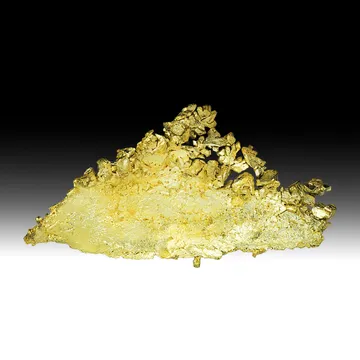
A fine crystallized gold specimen is likely on the wish list of many collectors. California is recognized as one of the world’s major sources of the finest crystallized gold specimens, particularly during the 1970s and 1980s, when some of the best examples in the state's gold mining history were discovered. But how did these beautiful specimens form?
Most well-crystallized gold is found in gold-bearing quartz veins hosted in metamorphic rocks within the California Mother Lode area. Various geothermometers and paragenetic relationships suggest that vein gold deposition occurred during the late stages of mineralization. The mineralizing fluids responsible for the gold-quartz veins were typically H₂O-CO₂ mixtures of modest salinity and remarkably uniform composition. These fluids ascended from depth, driven by deep magmatic activity related to the resumption of east-dipping subduction along the western margin of North America following the Late Jurassic Nevadan collision event.
Gold typically forms complexes with chlorine (Cl) in hydrothermal fluid. However, due to the low NaCl content of fluids in the fluid, gold was more likely transported as complexes with arsenic (As) or sulfur (S) rather than chlorine. In the veins, native gold is commonly associated with arsenopyrite.
The exact source of the gold remains debated, and the underlying processes are likely complex. One possible source is altered (serpentinized) ultramafic rocks, suggested by their close spatial association with gold-bearing veins. The arsenic (and sulfur, which can be magmatic) components may have been derived from subduction-related sediments, which are also characterized by elevated oxygen-18 isotope signatures.
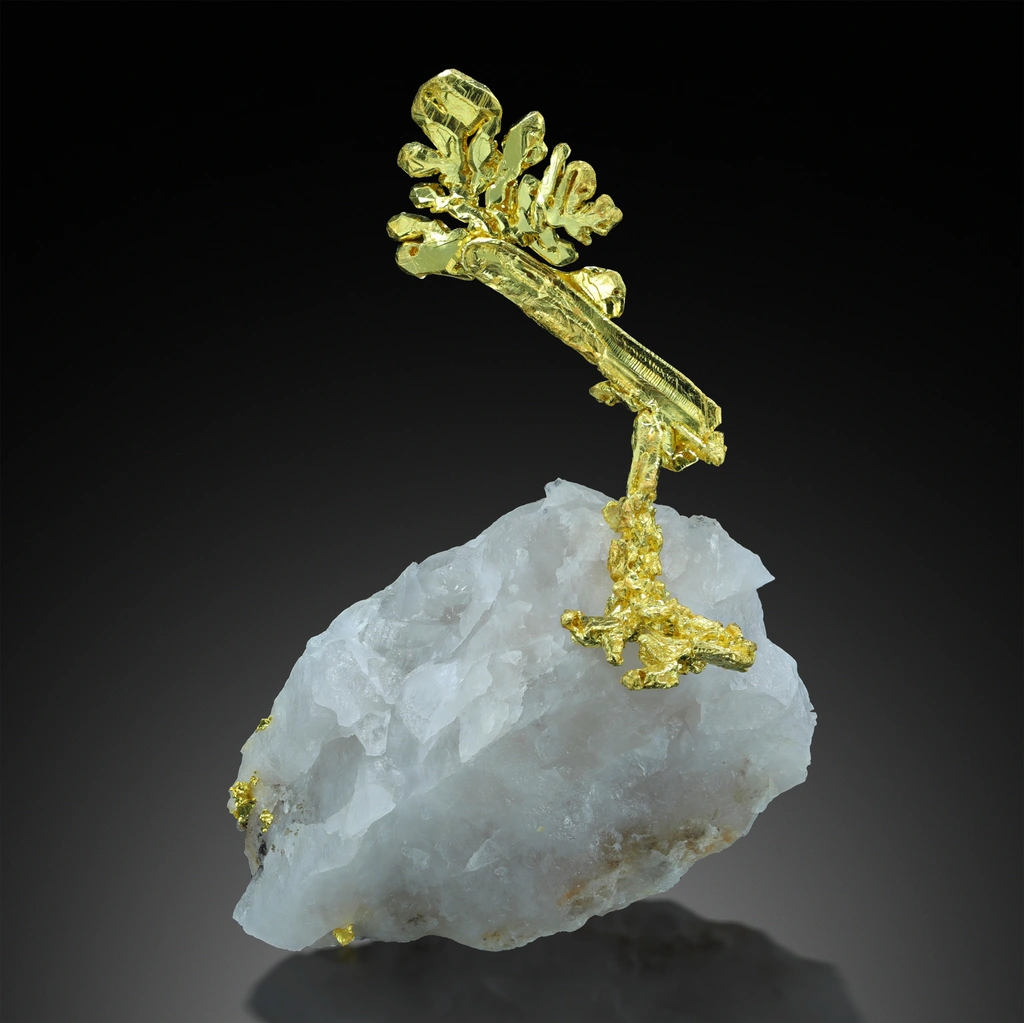
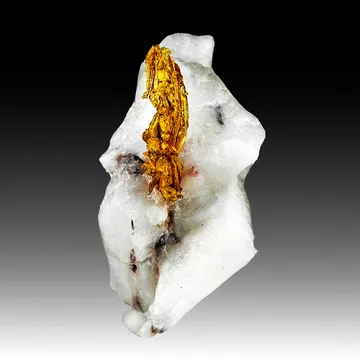
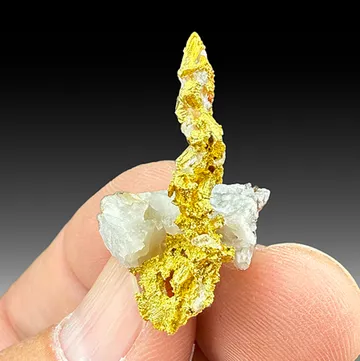
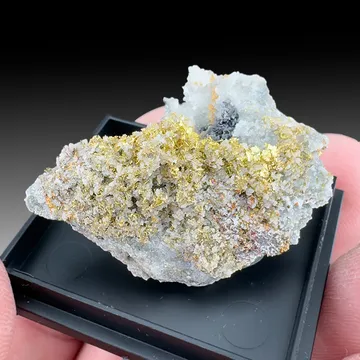
It is increasingly rare to find such a high-quality, well-balanced matrix specimen today.
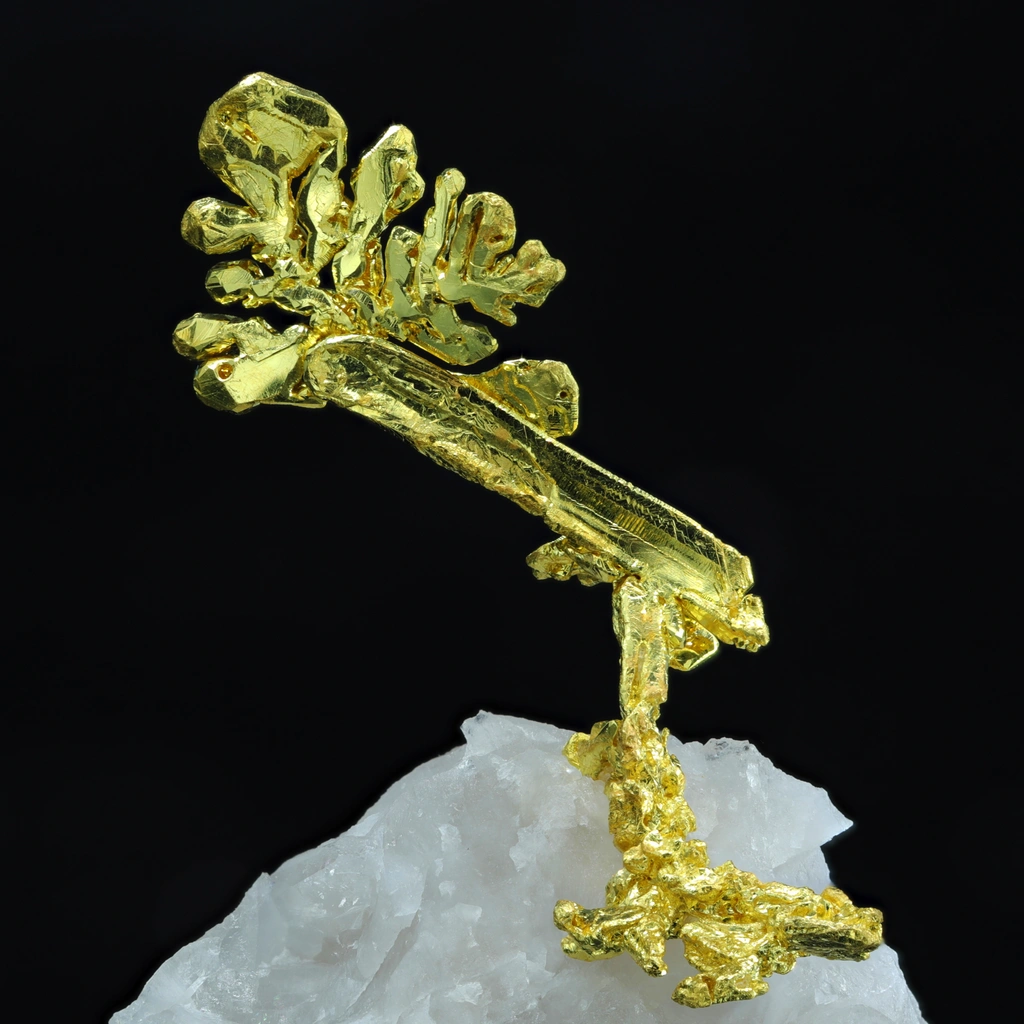
Gold on Quartz, 3.3cm, Eagle's Nest Mine (Mystery Wind Mine), Sage Hill, Michigan Bluff Mining District (Michigan Bluff Mining deposit), Placer County, California, USA
Jingnan (Tom) Zhang Coll & Photo
Comments