
Guide
28 for sale · $60–$5,500 USD
173 in the gallery
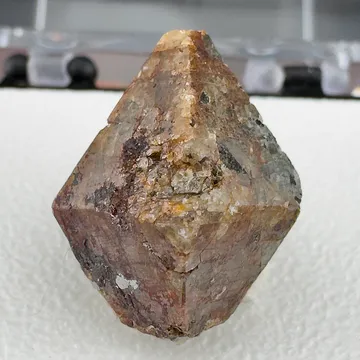
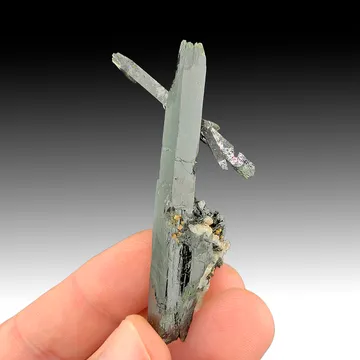
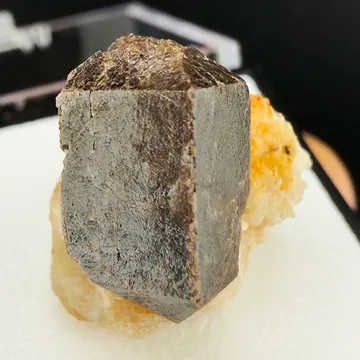
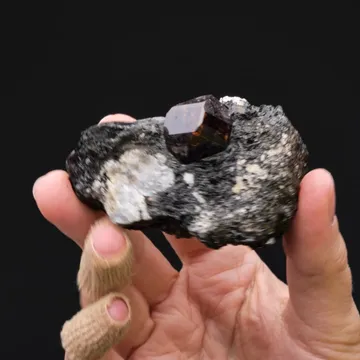
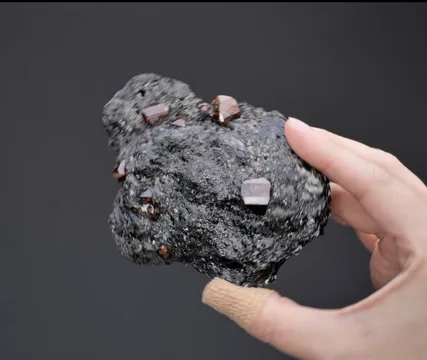
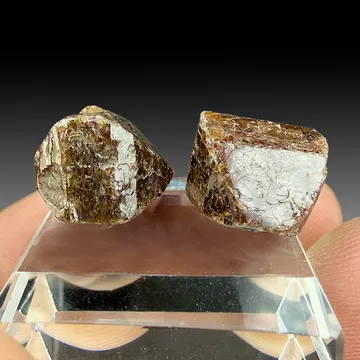
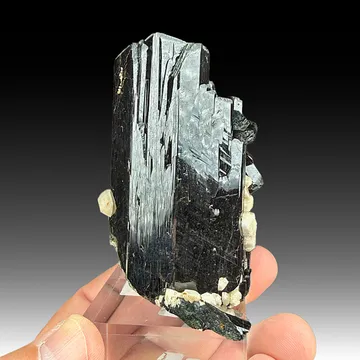
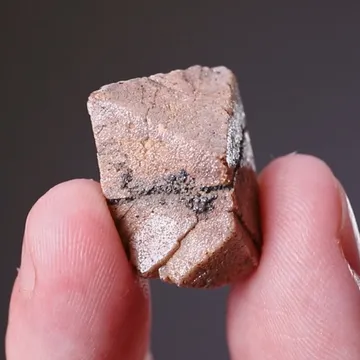
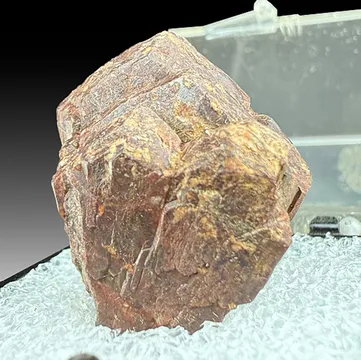
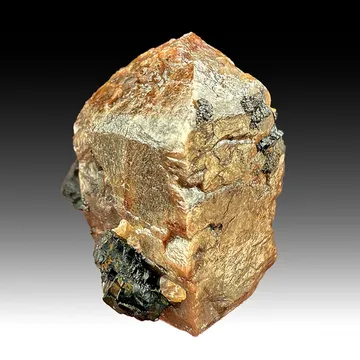
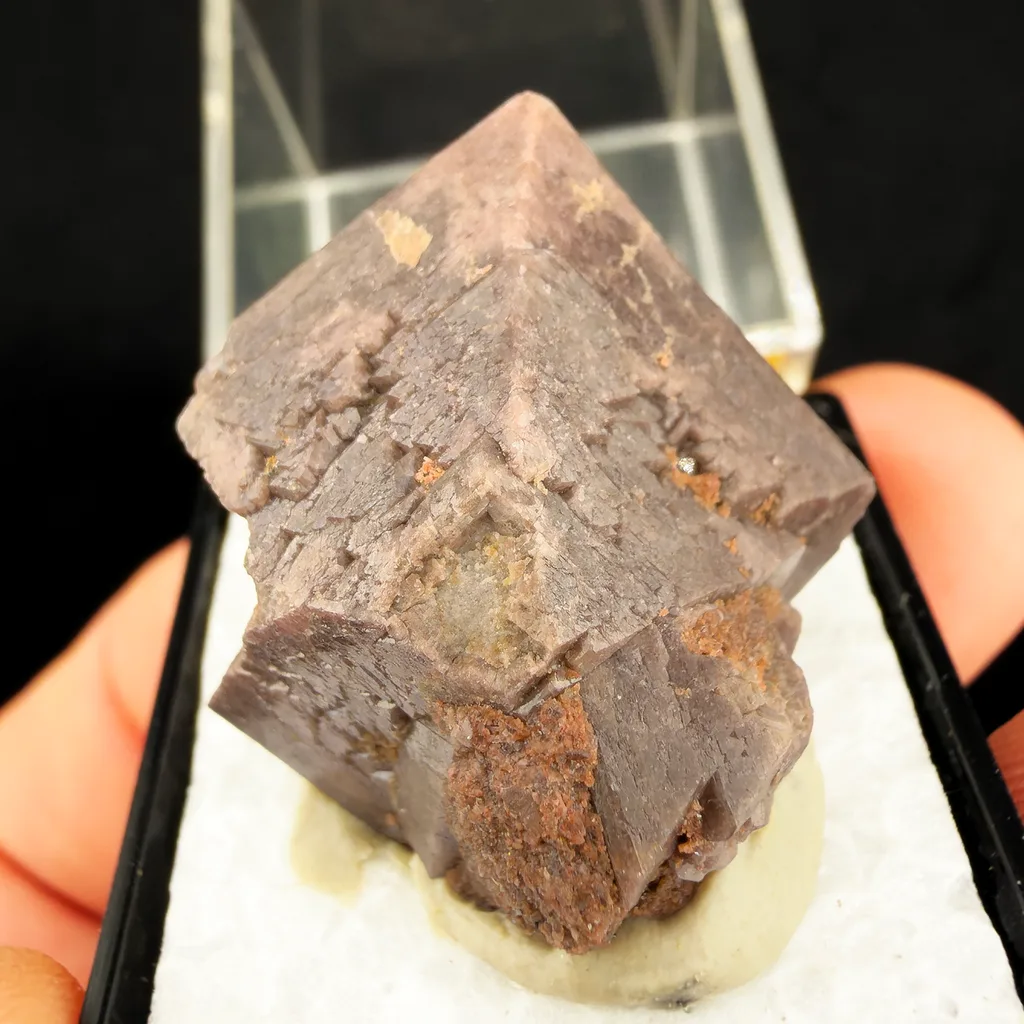
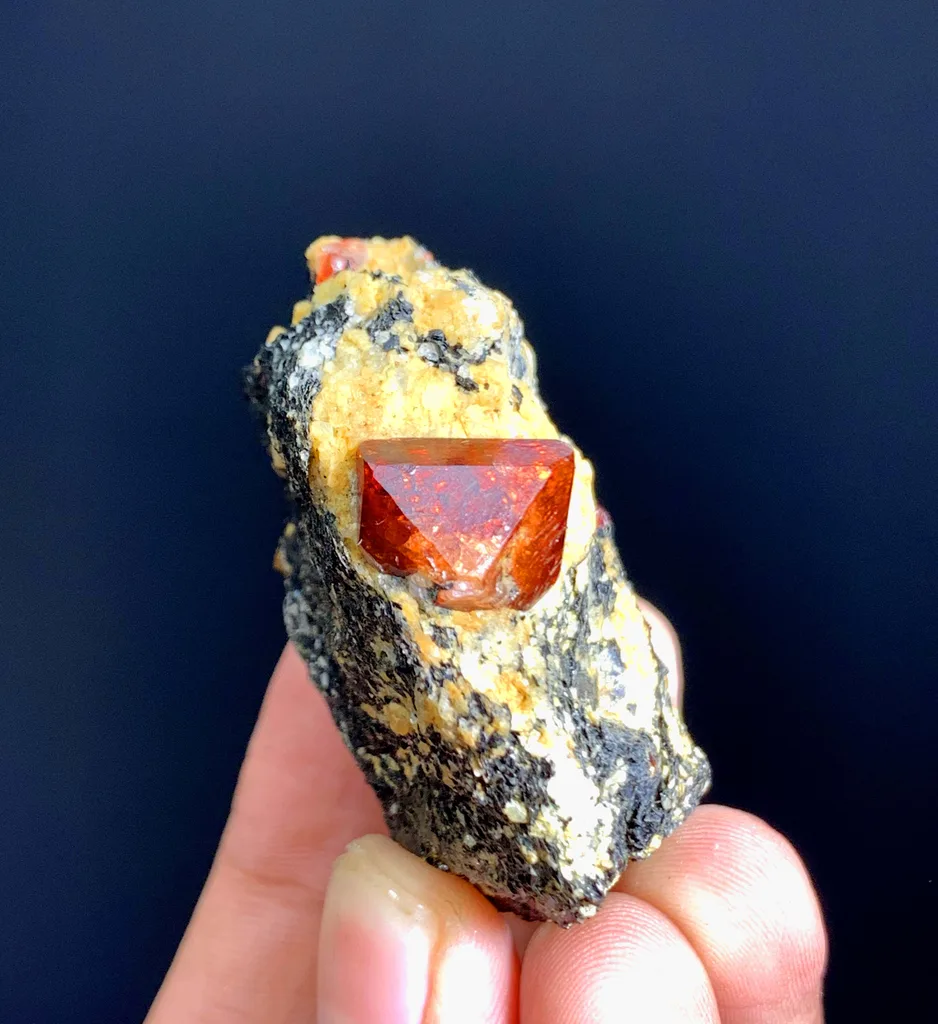
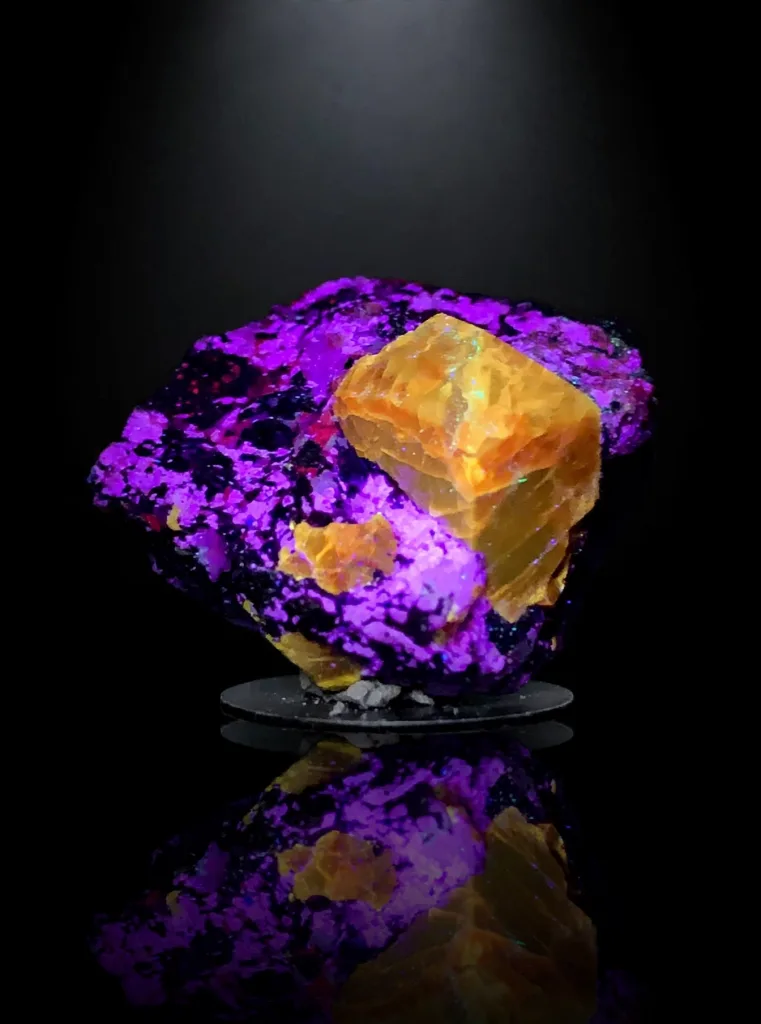
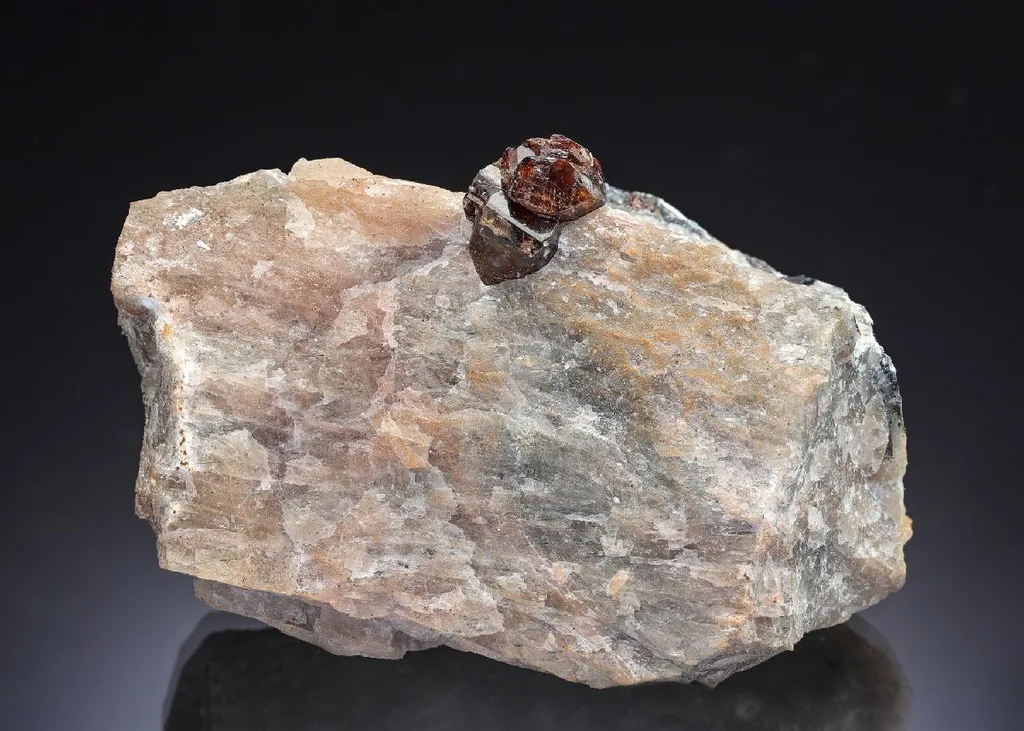
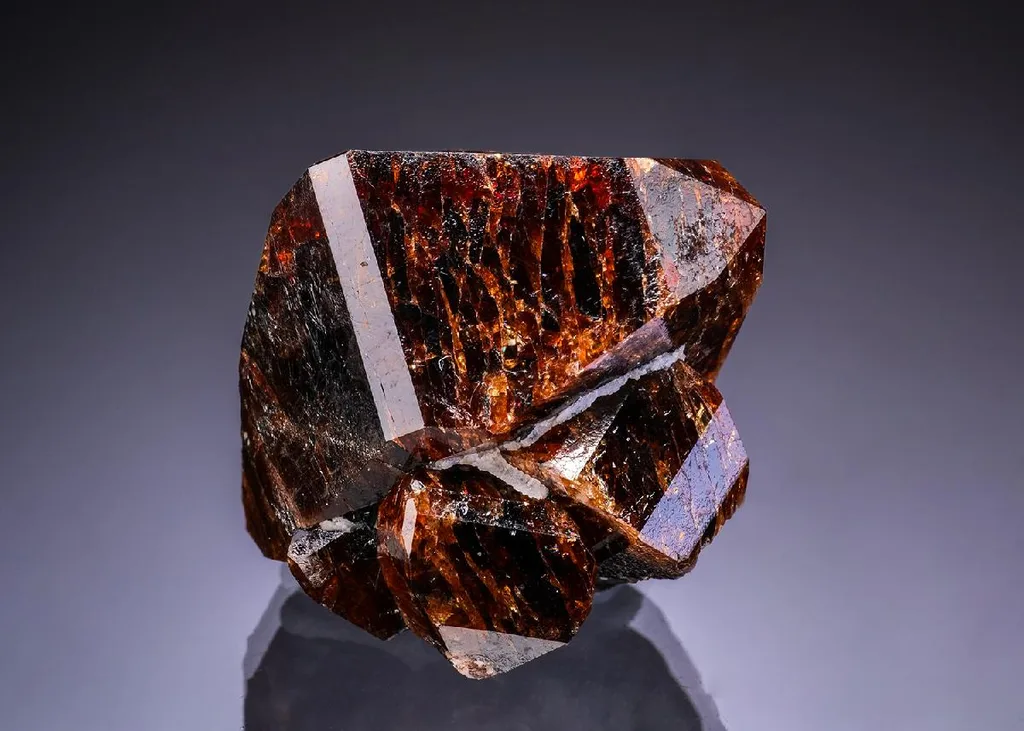
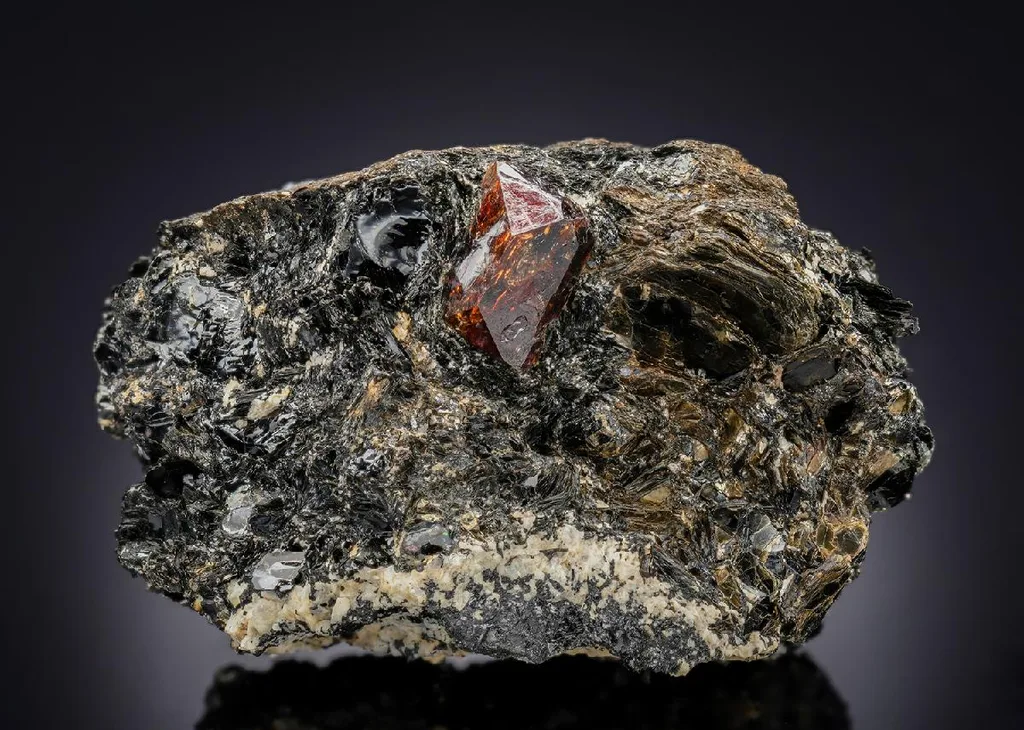
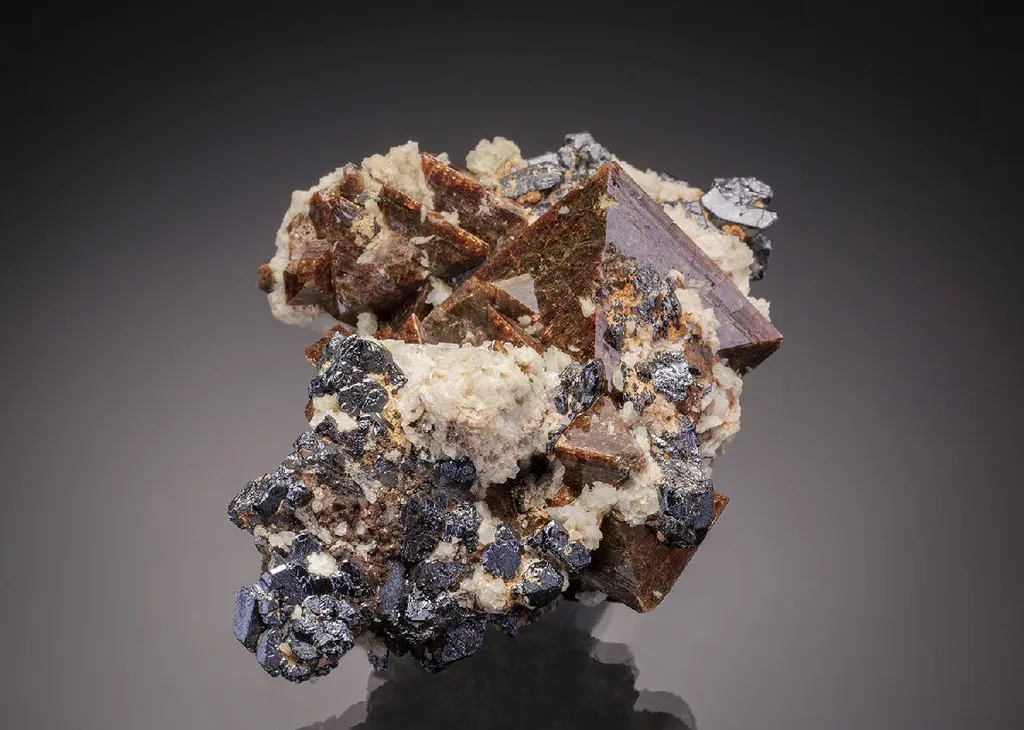
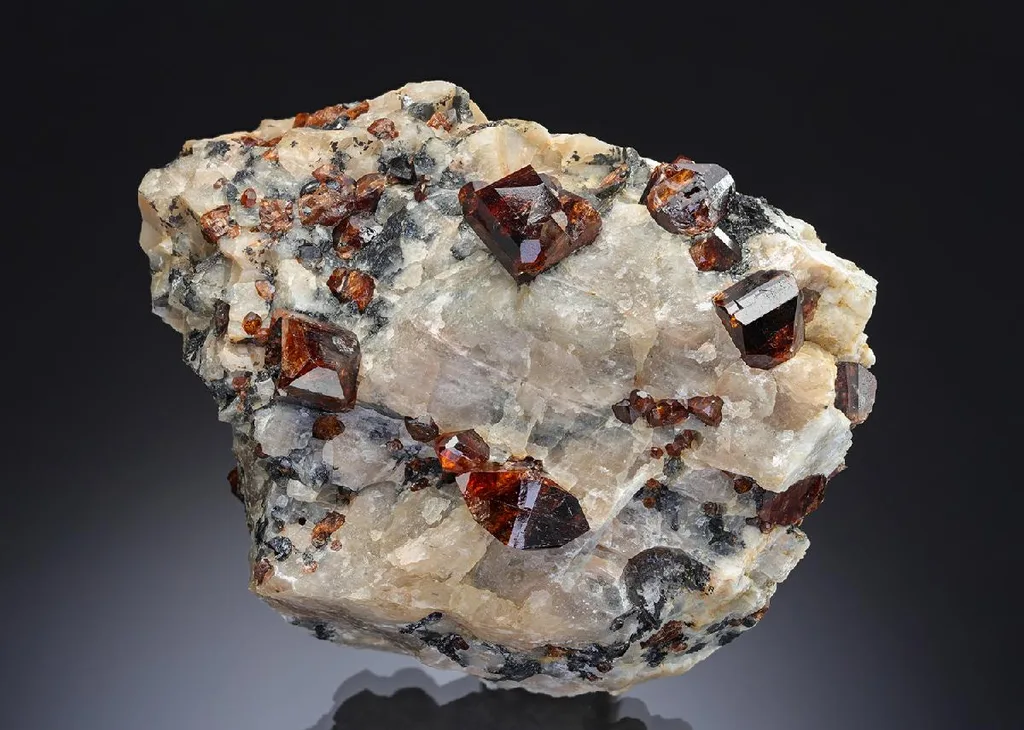
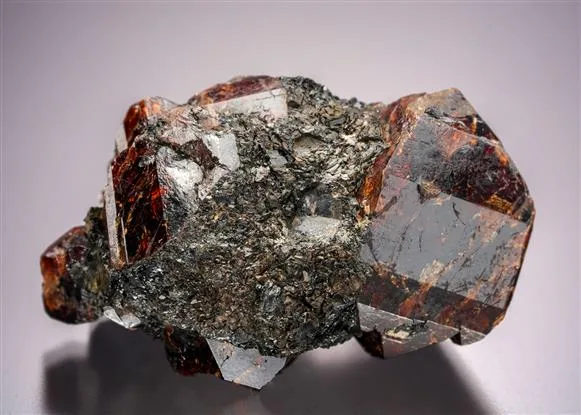
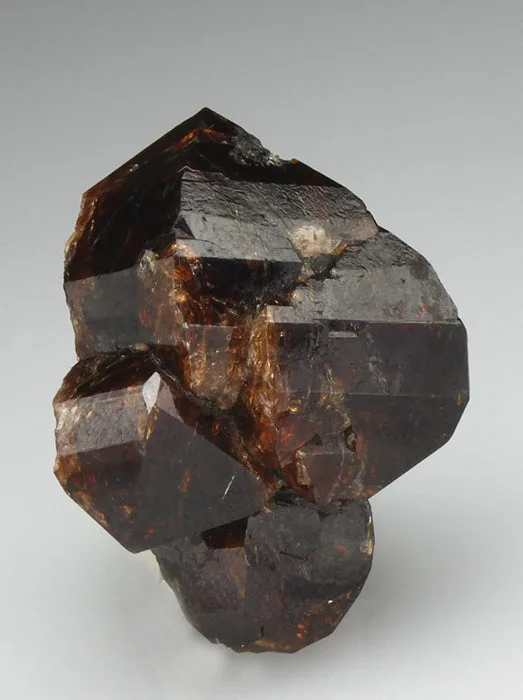
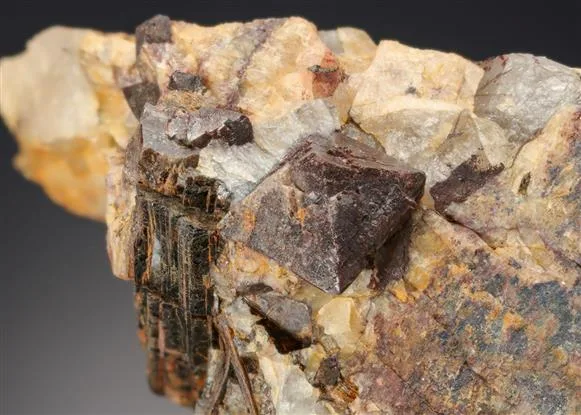
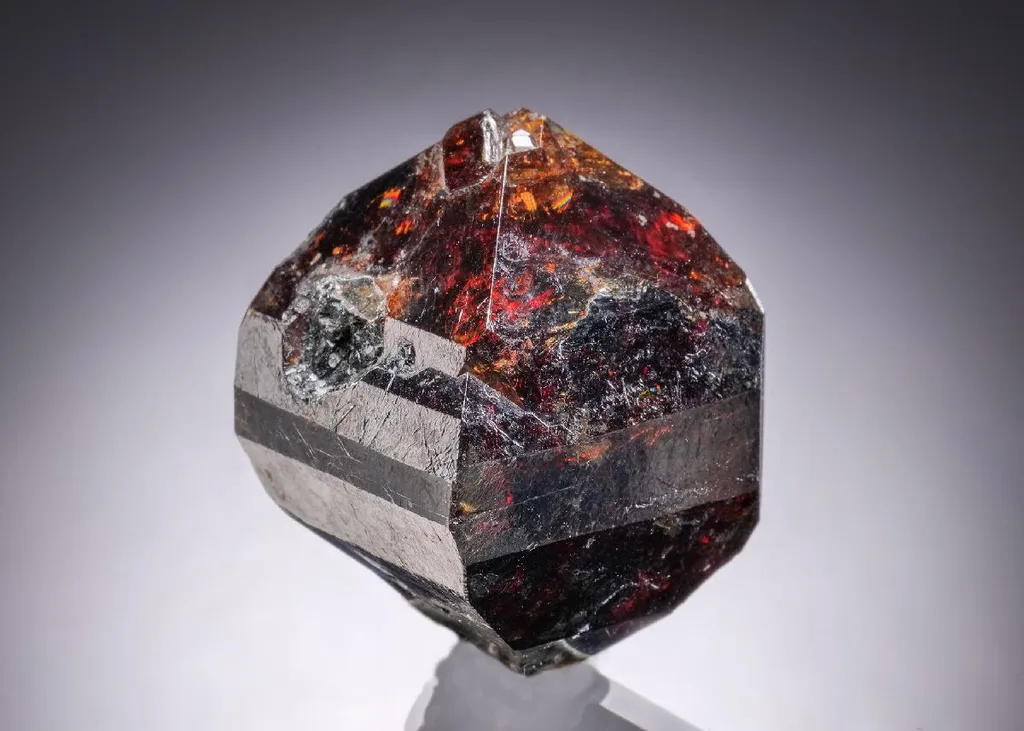
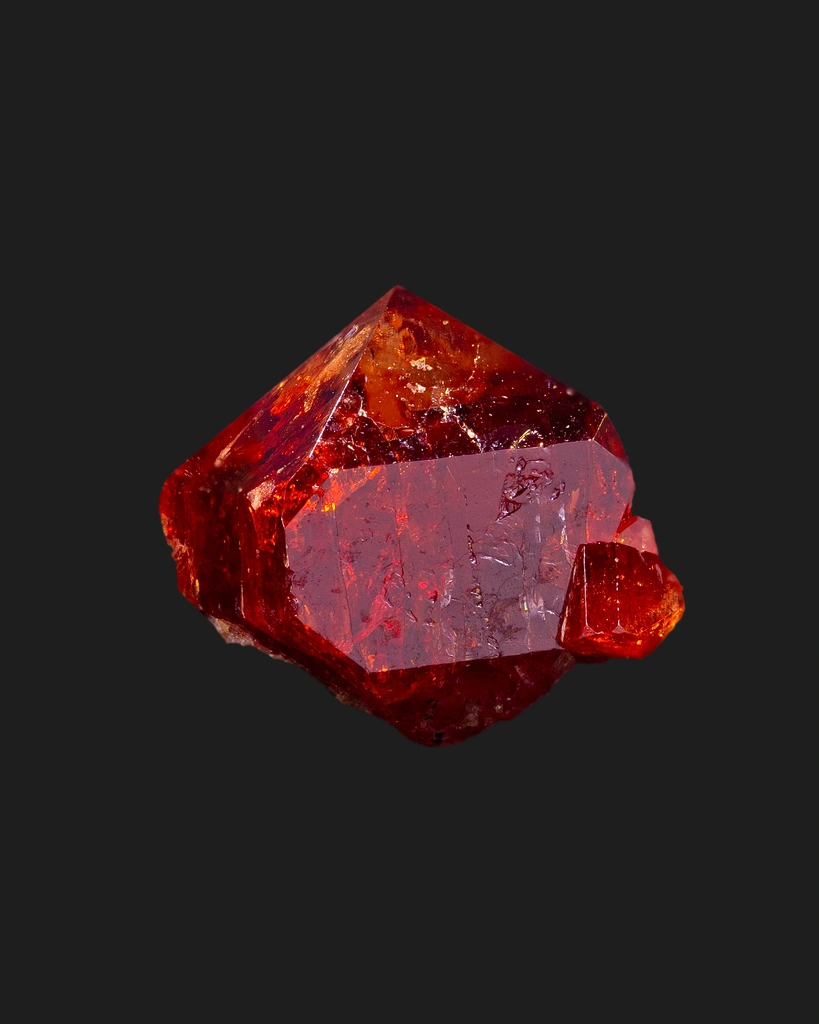
Zircon is a zirconium silicate mineral that commonly forms as prismatic to tabular crystals and may display a subhedral to euhedral habit. It often shows a brilliant adamantine to vitreous luster and can occur in a range of colors from colorless to brown, red, or yellow, with some specimens showing zoning or pleochroism that hints at its complex crystallography. The mineral is widely known for its hardness and high refractive index, which contribute to its striking appearance when cut as gemstones, as well as for its strong tetragonal crystal system that can produce sharp terminations and well-defined faces.
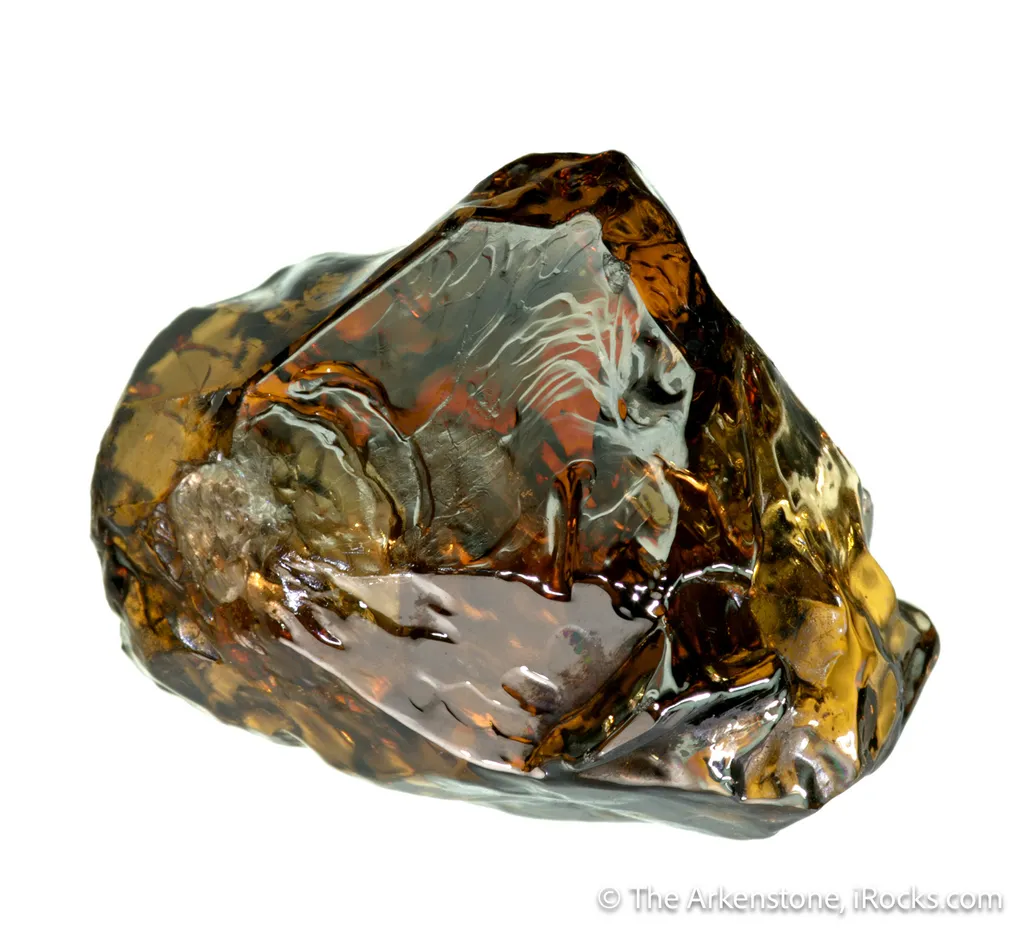
Notable localities include Norge and other regions where zircon-rich pegmatites and granitoids yield well-formed crystals, as well as mines in Myanmar, Pakistan, the United States, and Malawi that have produced museum-quality specimens. Collectors prize Zircon for its classic crystal forms, jacketed terminations, and the way color and transparency interact under varied lighting. While pristine crystals with sharp edges and defined faces are sought after, even smaller, well-preserved specimens can be attractive for display and study, offering a window into crystallography and mineral stability within granitoid environments.