
Guide
17 for sale · $75–$3,000 USD
32 in the gallery
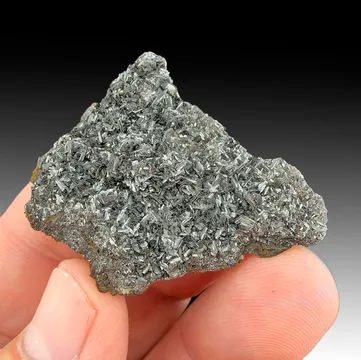
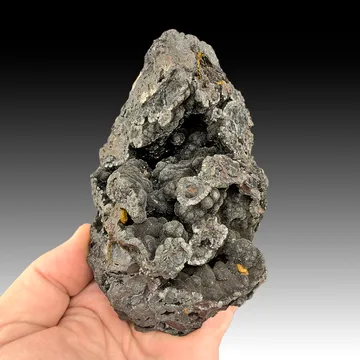
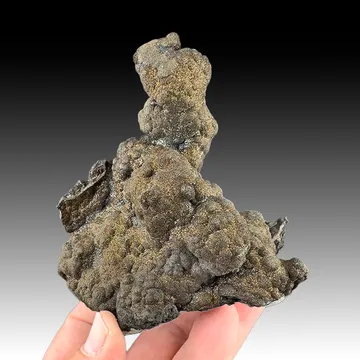
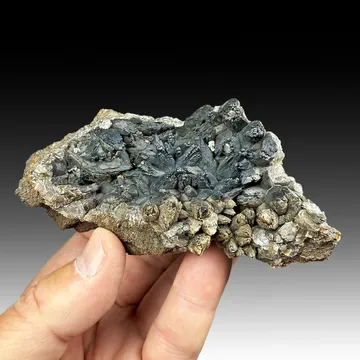
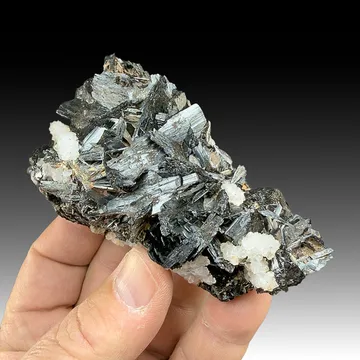
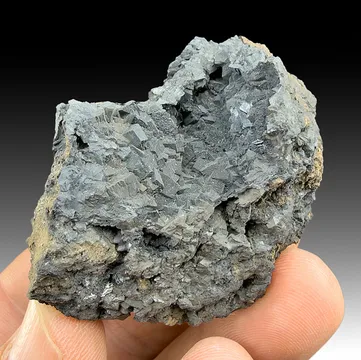
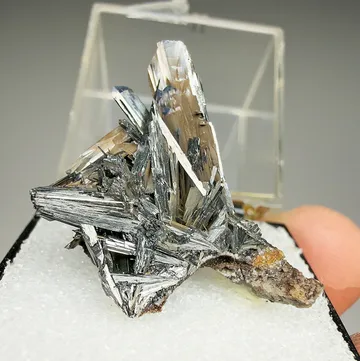
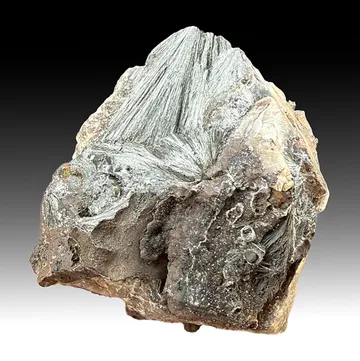
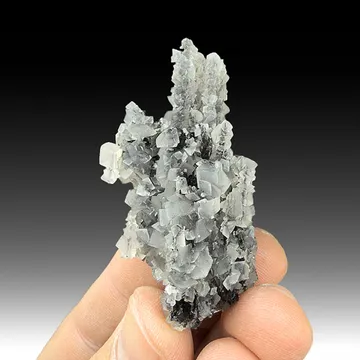
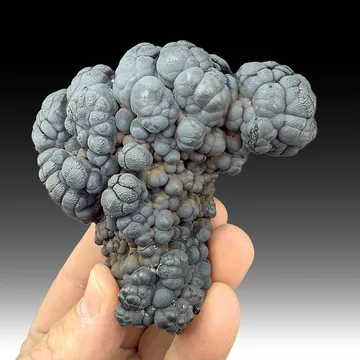
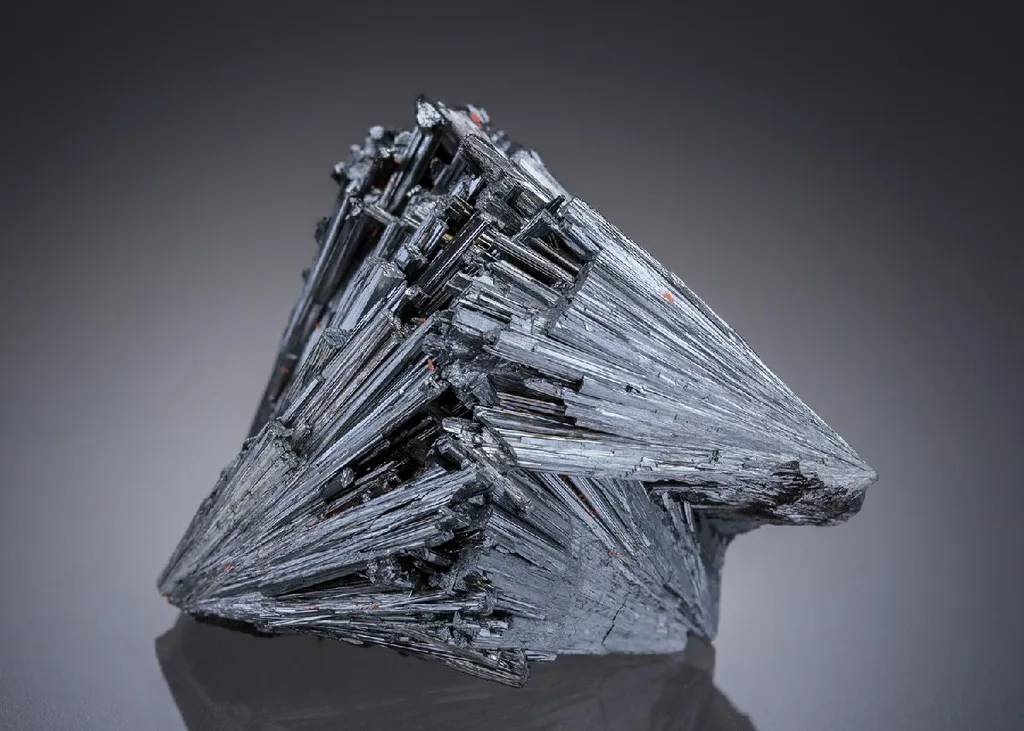
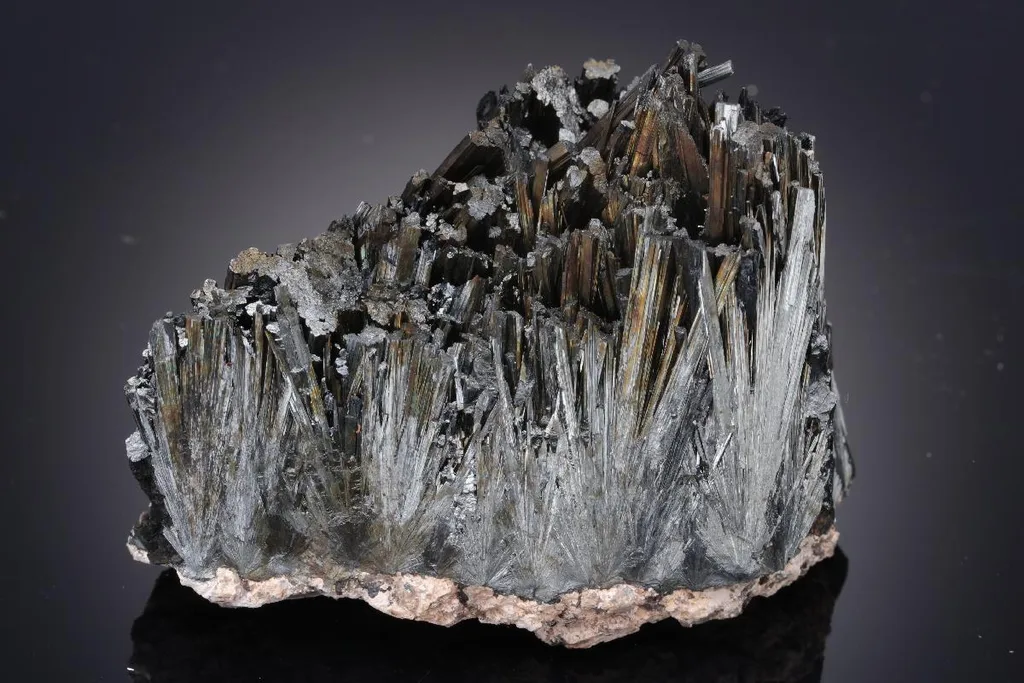
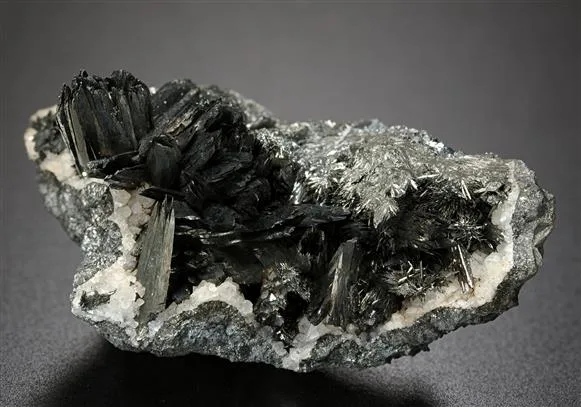
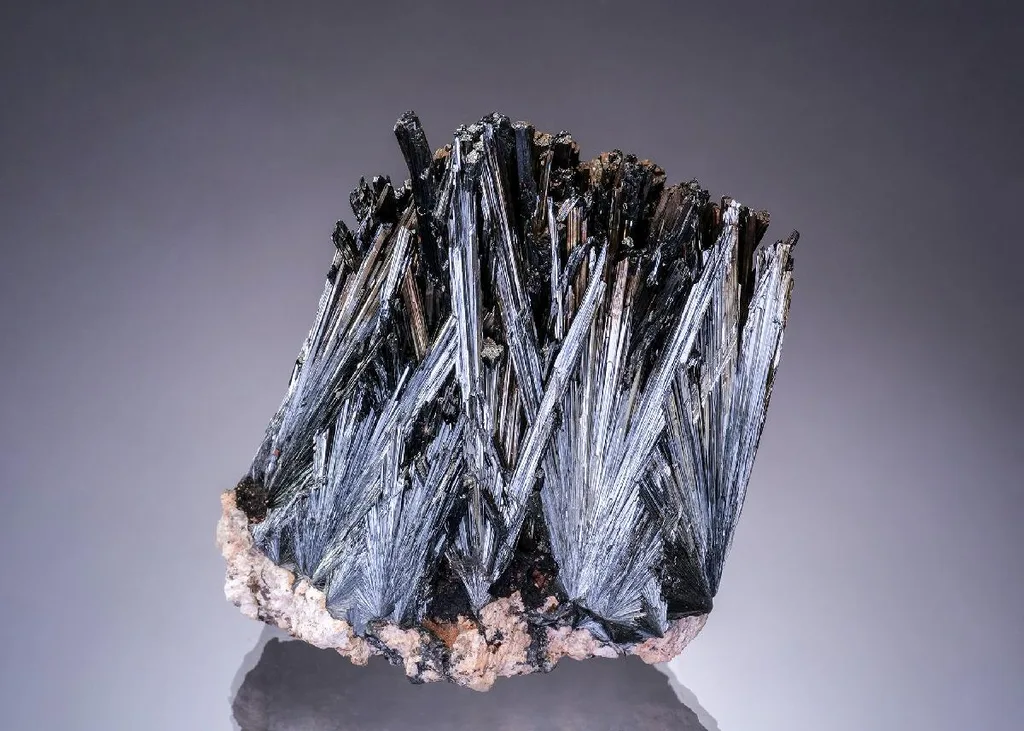
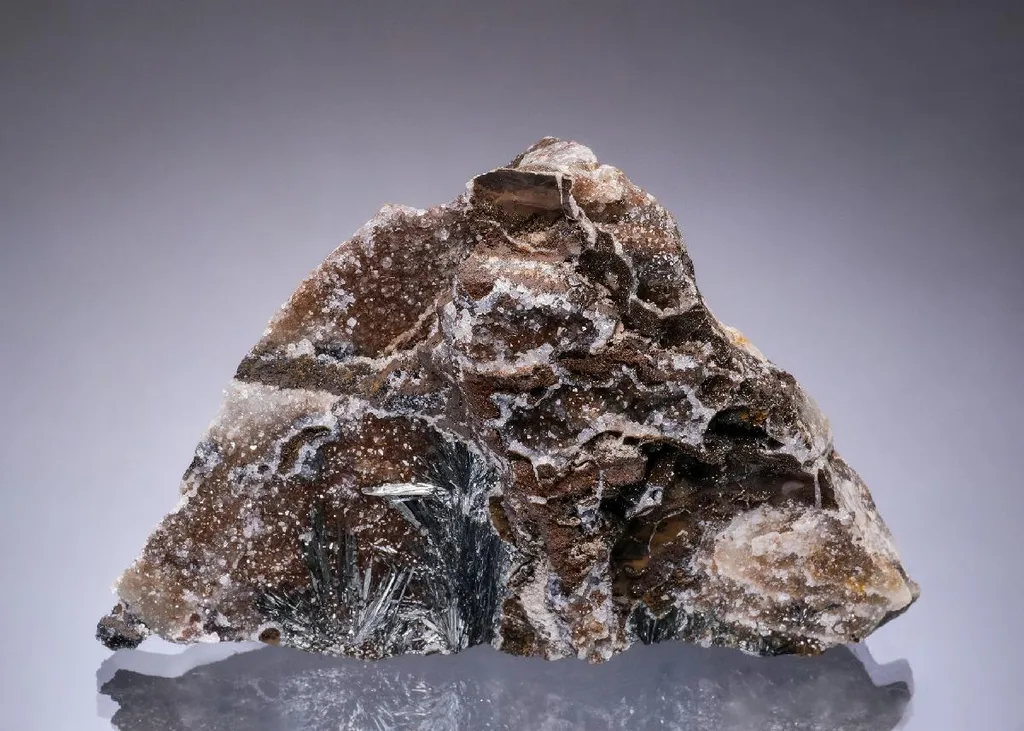
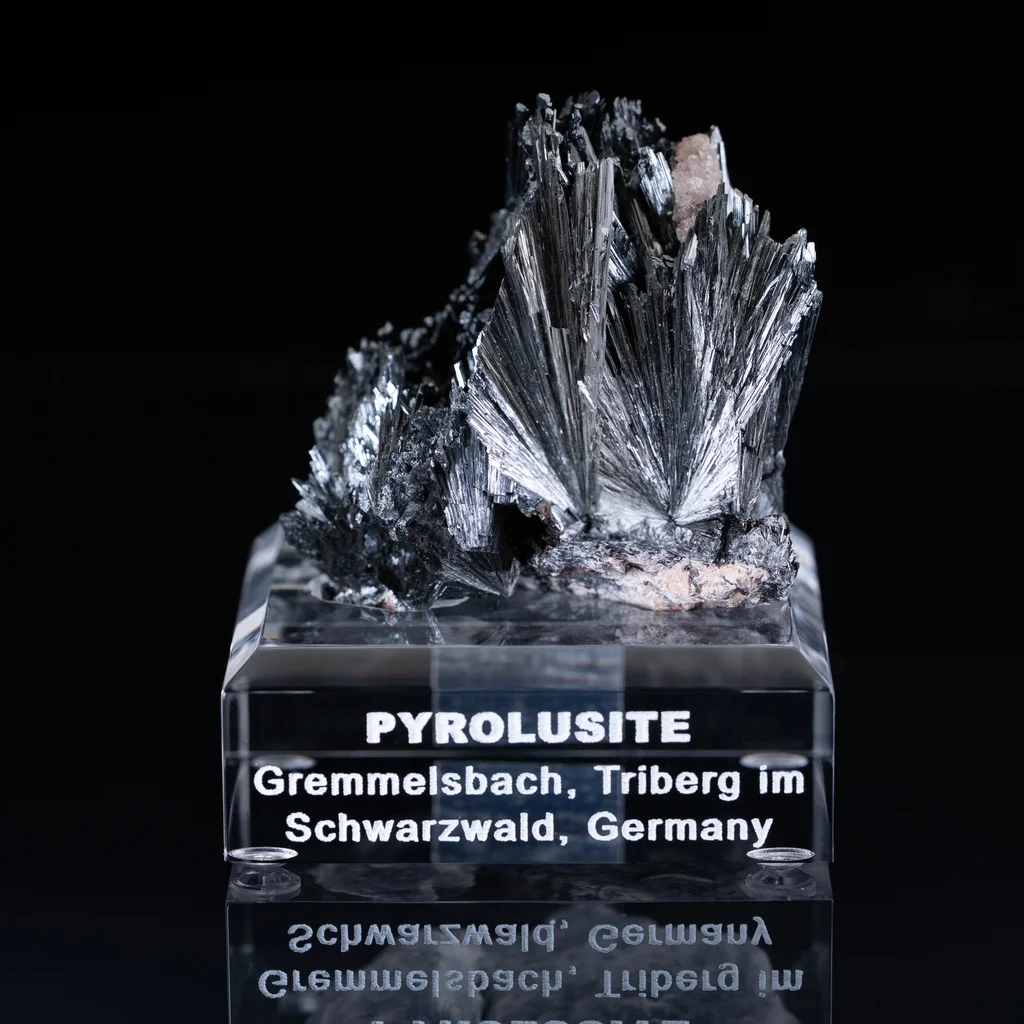
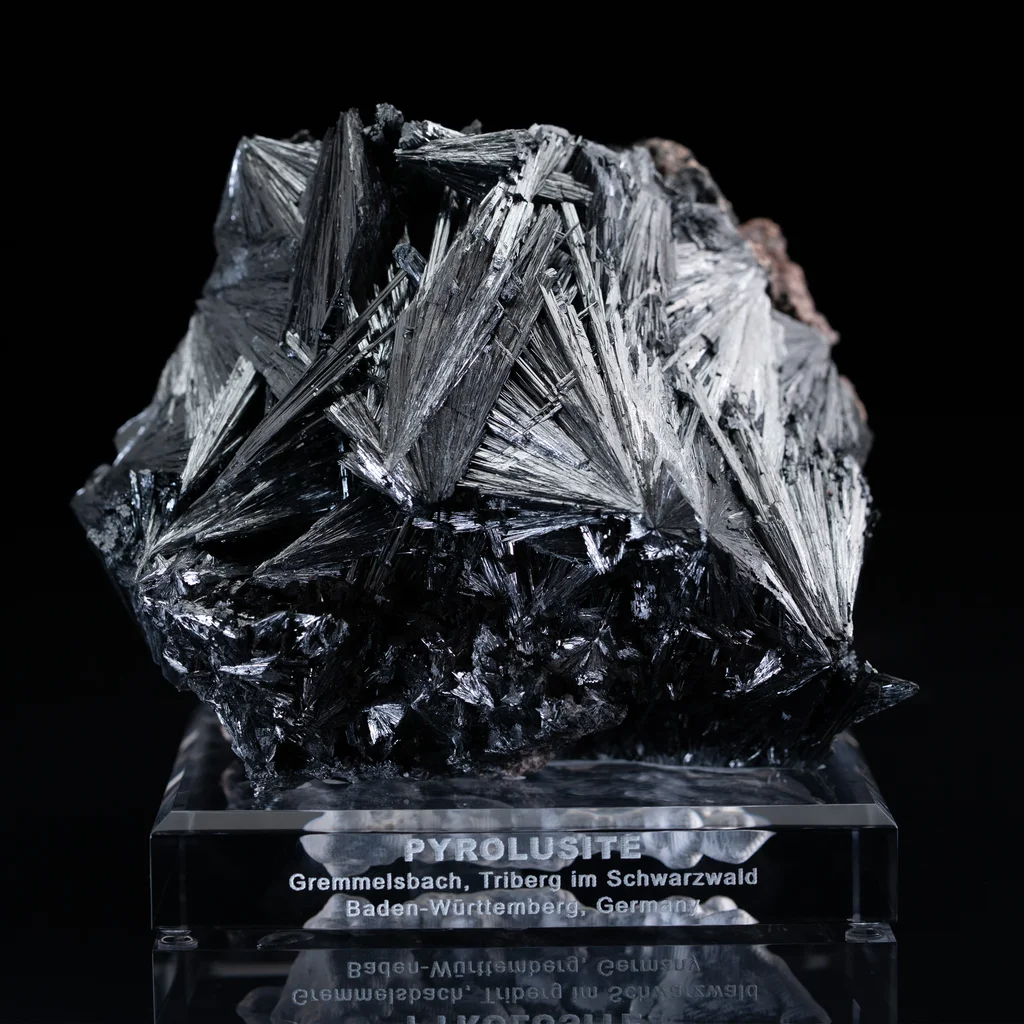
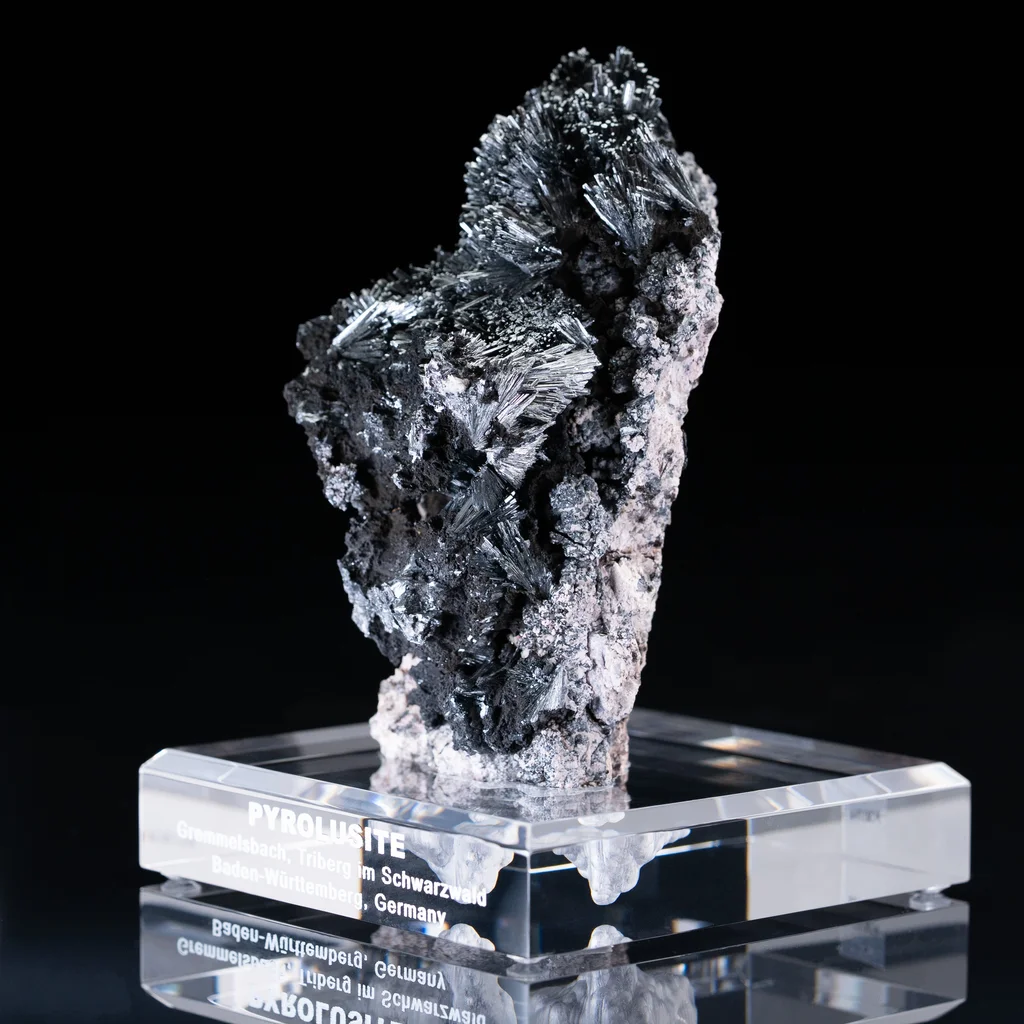
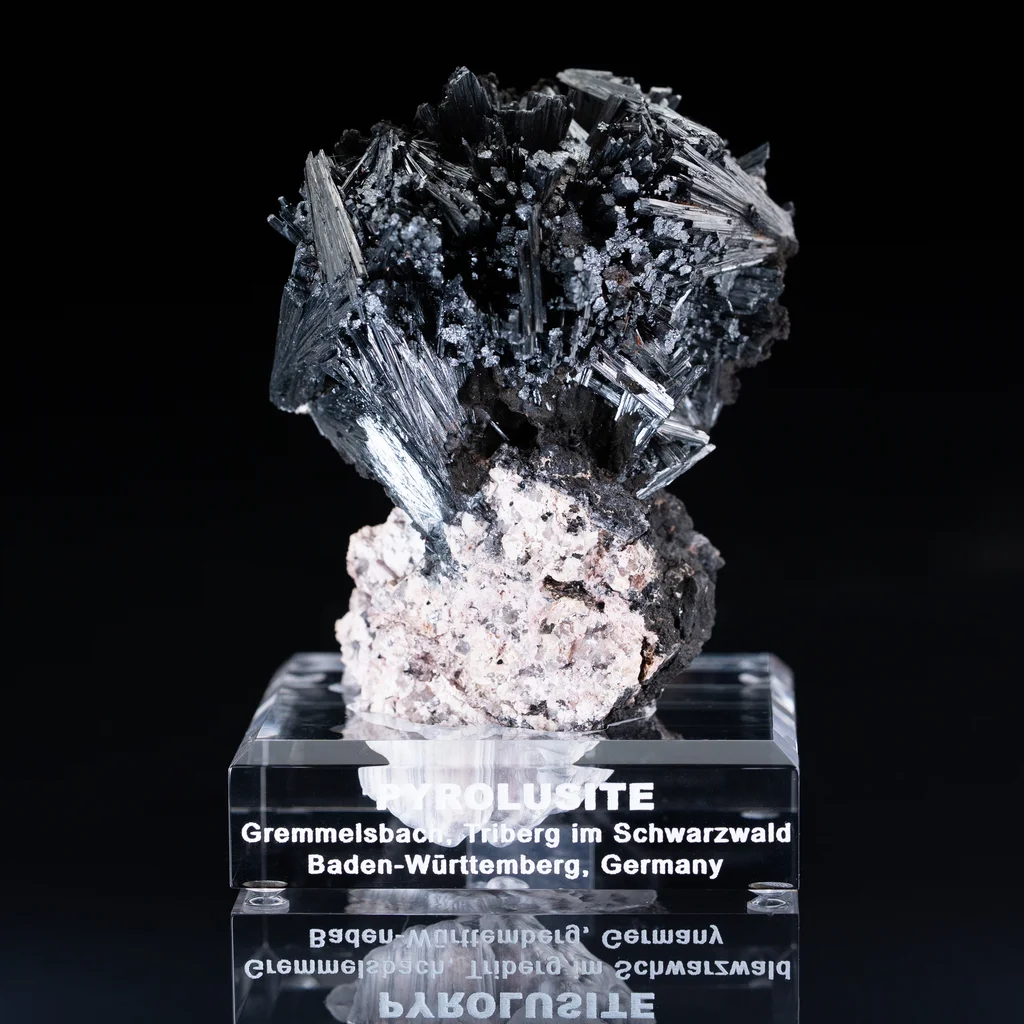
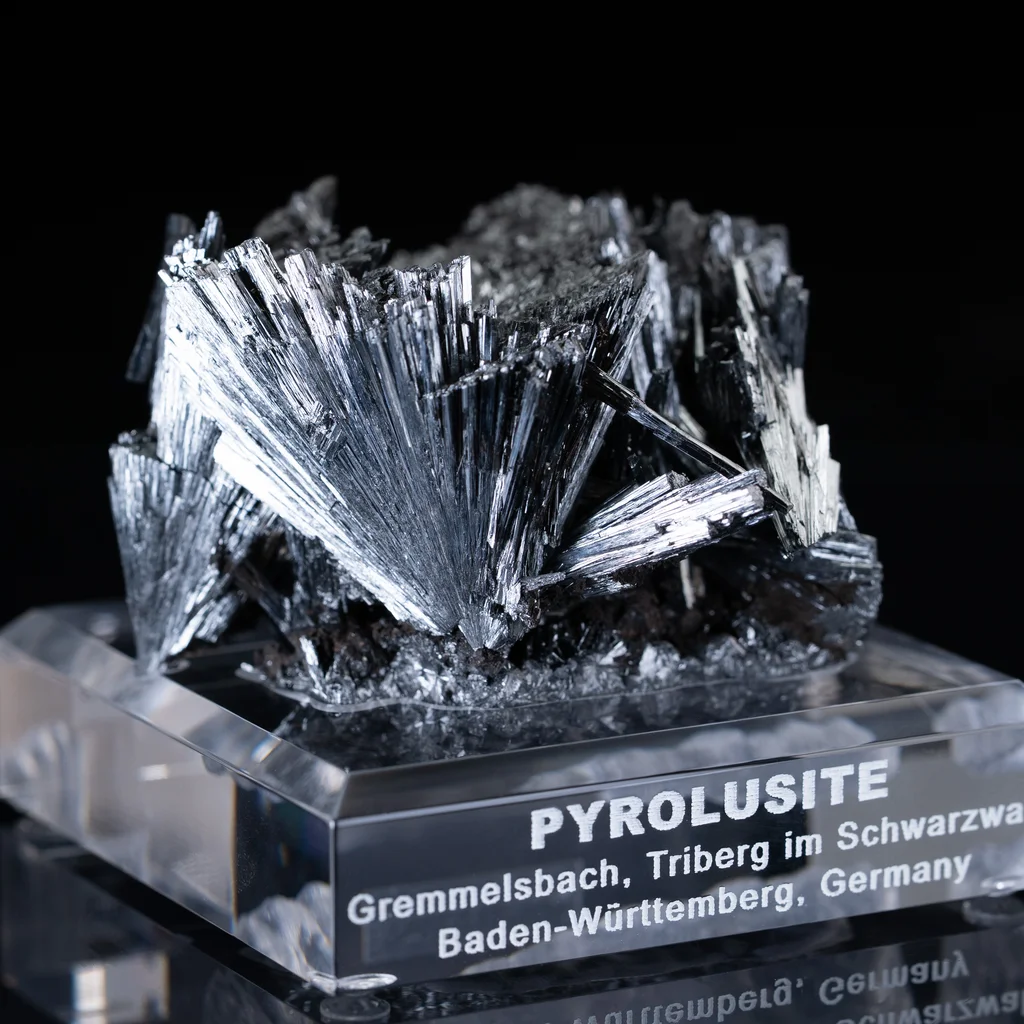
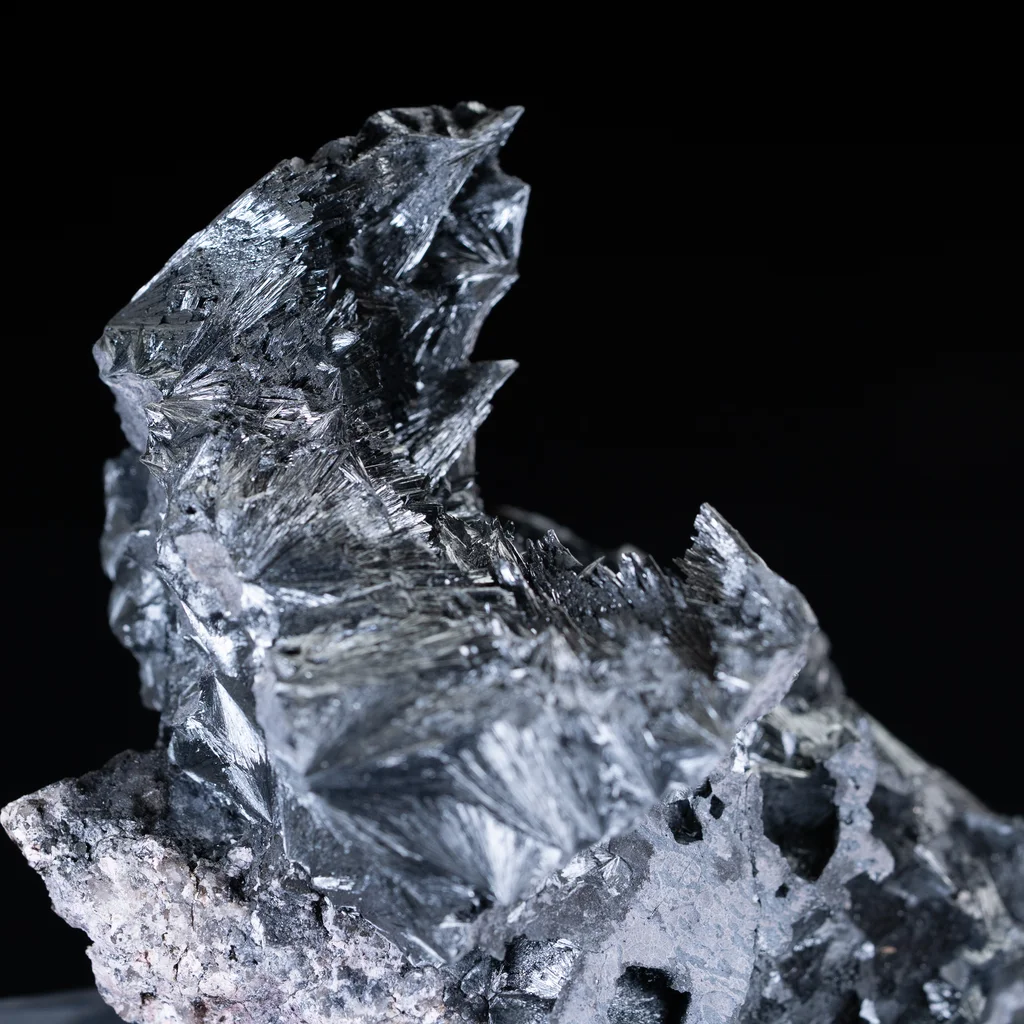
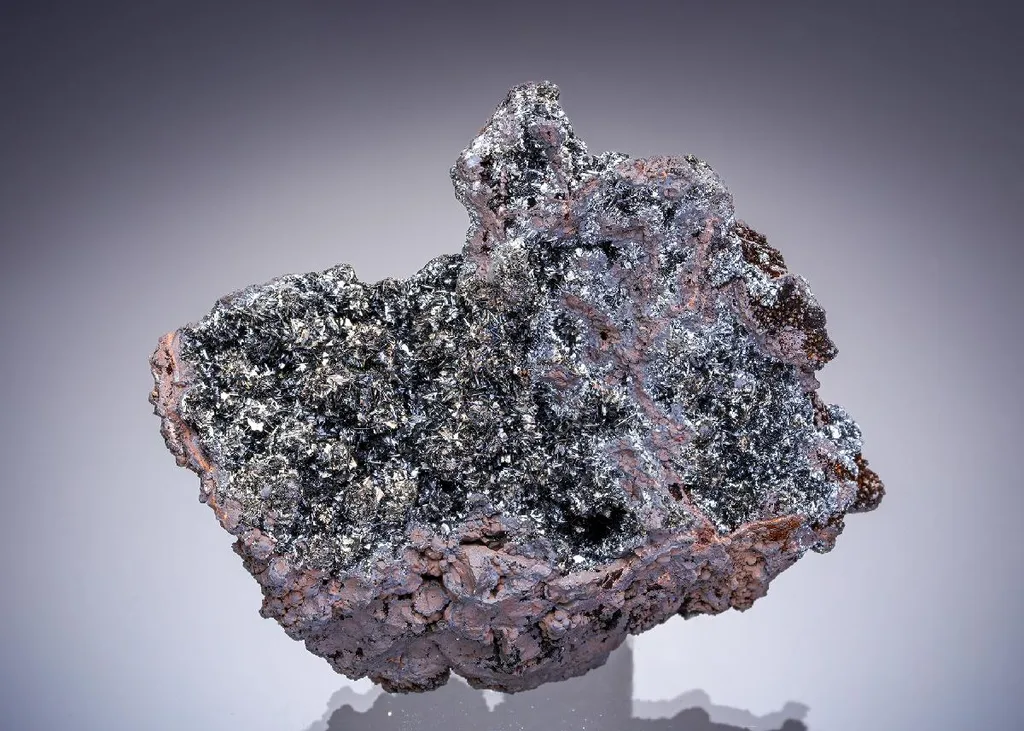
Pyrolusite is a manganese oxide mineral that forms in oxide and secondary hydrothermal environments. It commonly occurs as black to steel-gray aggregates, matted crystals, and botryoidal or crust-like masses with a metallic to submetallic lustre. The mineral often weathers into crusts or veins and can display a layered or fibrous habit that collects in vein networks, making it recognizable in hand samples and rock slabs. High-quality specimens feature sharp, elongated crystals and a dense, earthy surface that catches the light in dull gleams rather than bright reflections.
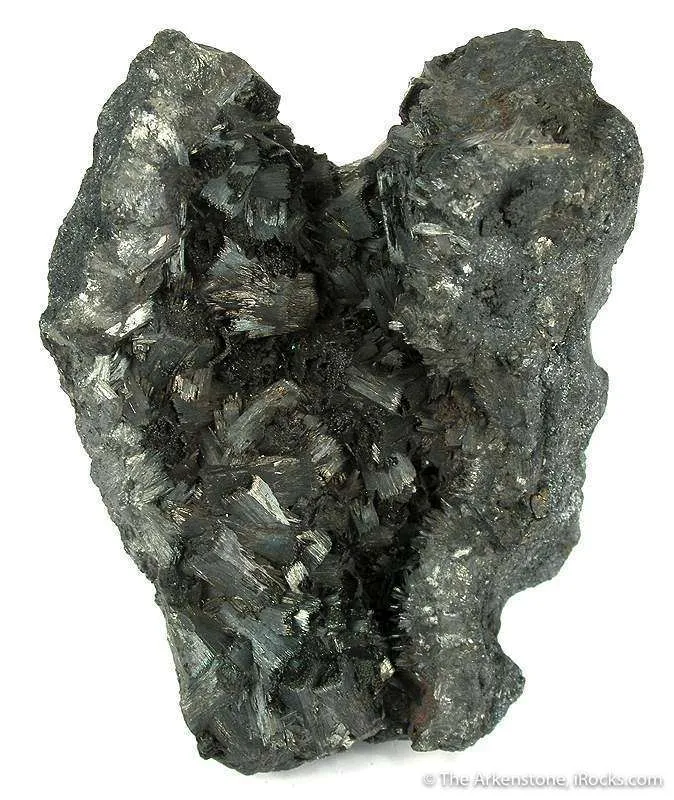
Notable specimens originate from various localities worldwide, with significant collections converging on classic sites in the USA, Germany, Morocco, the Czech Republic, and Australia. These sources have produced both compact botryoids and well-formed crystal druses, drawing attention for their depth of color, texture, and the mineral’s historical role in manganese ore studies. For collectors, pyrolusite offers visual intrigue and a tangible link to secondary mineralization processes that occur after primary ore formation. Its aesthetic versatility makes it suitable for display alongside other oxide minerals and for study within mineralogy and ore-deposit contexts.