

Guide

10 for sale · $75–$5,000 USD
145 in the gallery
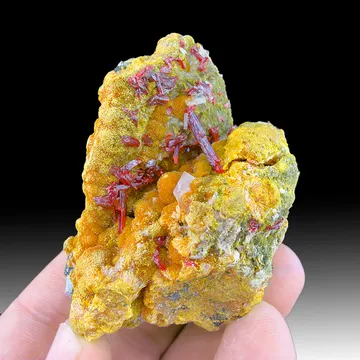
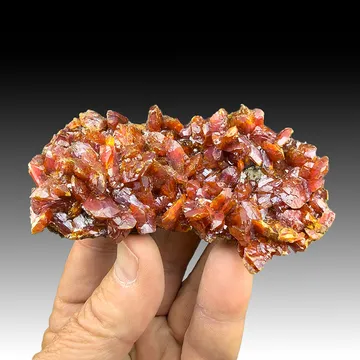
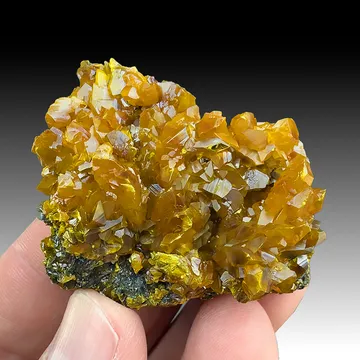
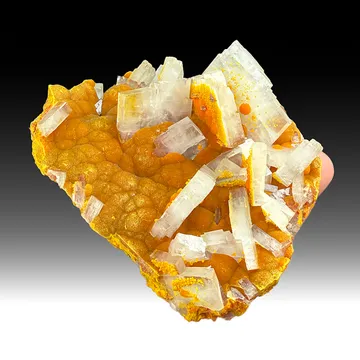
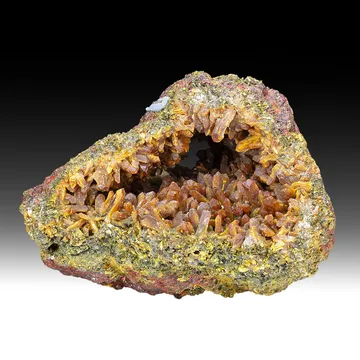
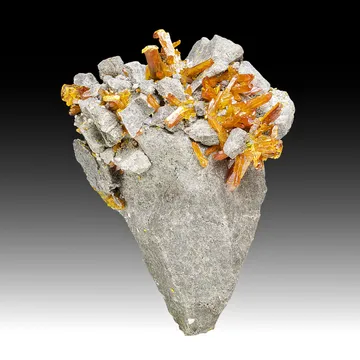
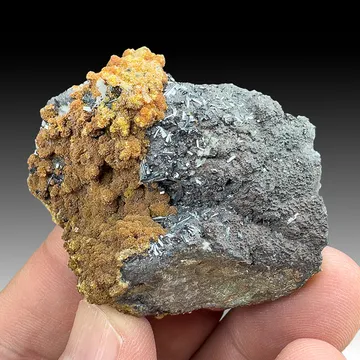
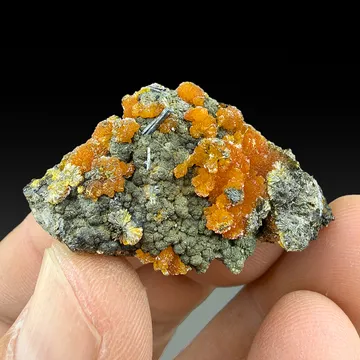
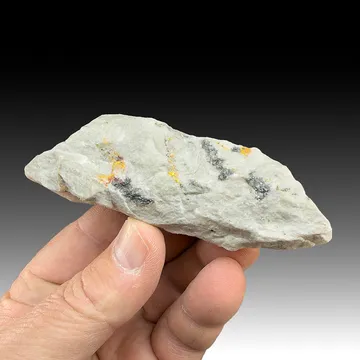
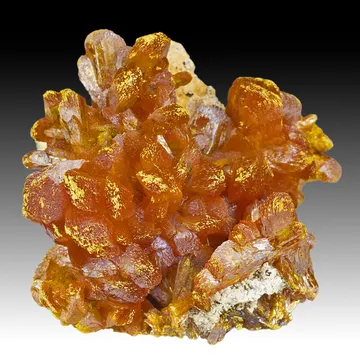
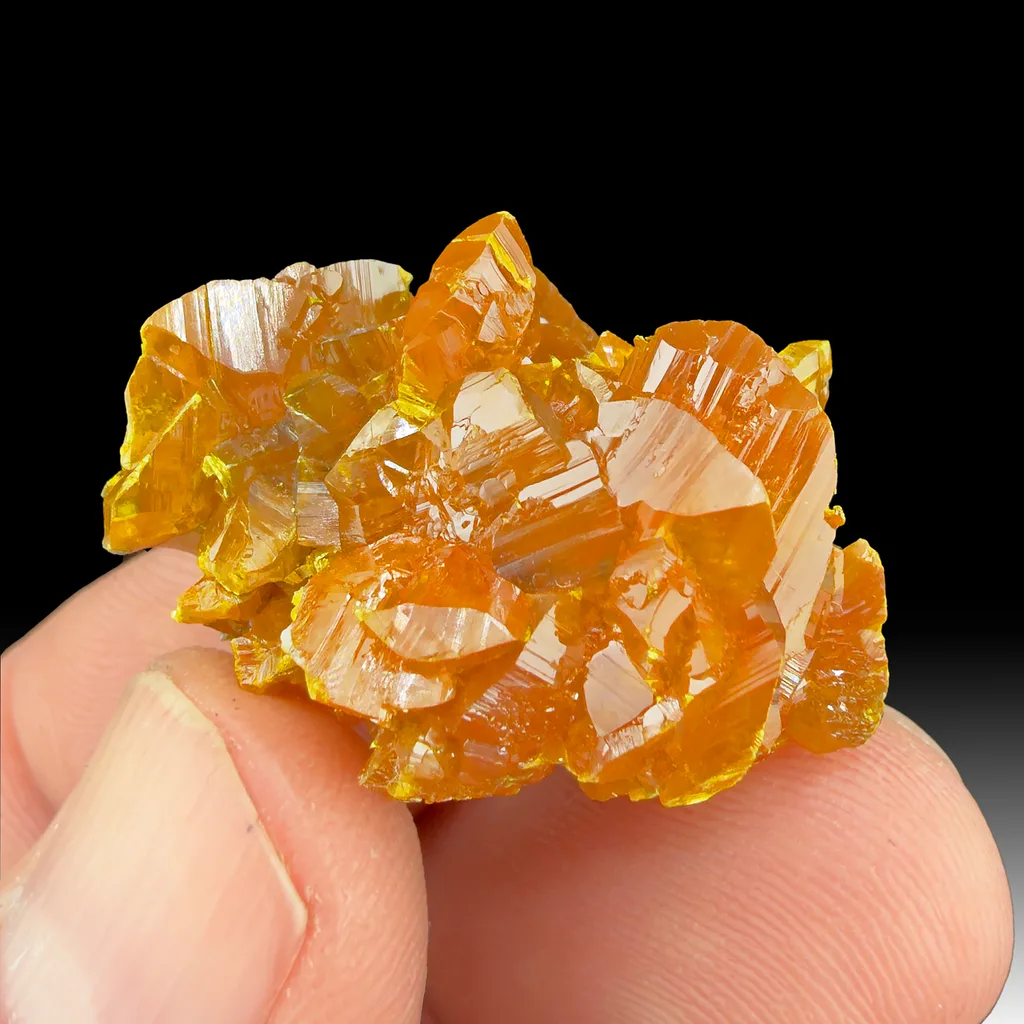
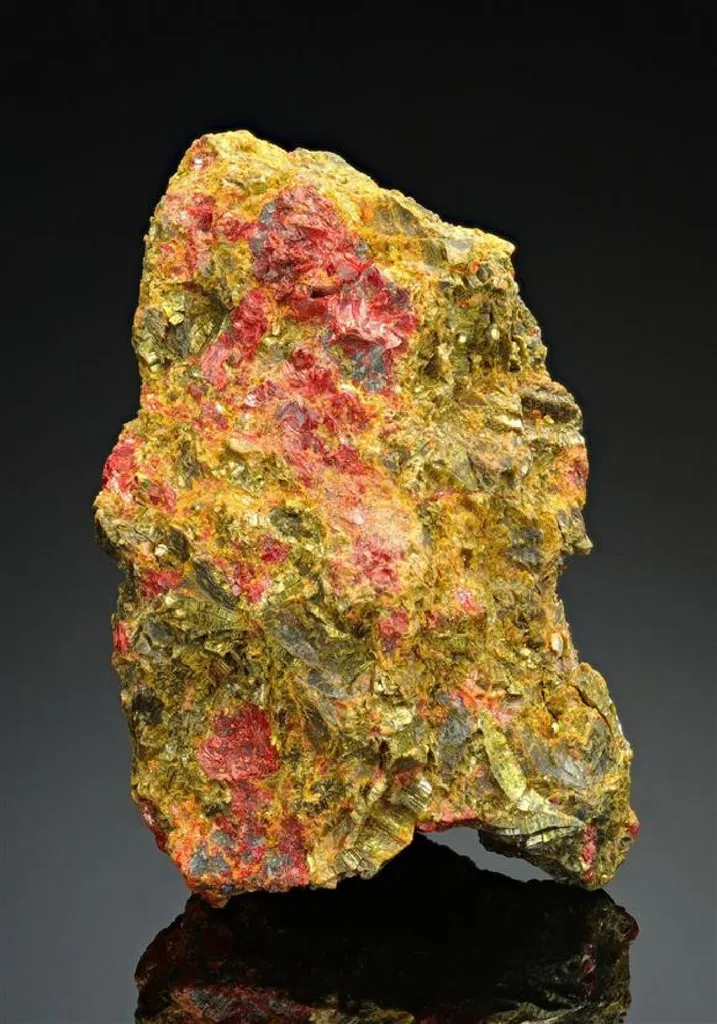
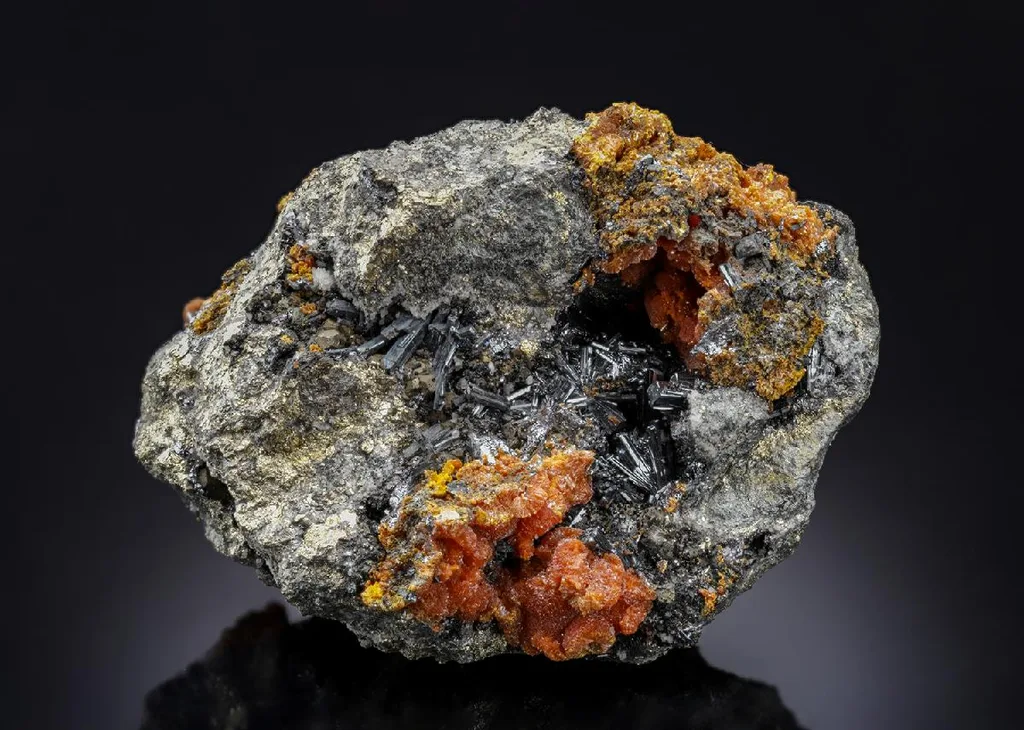
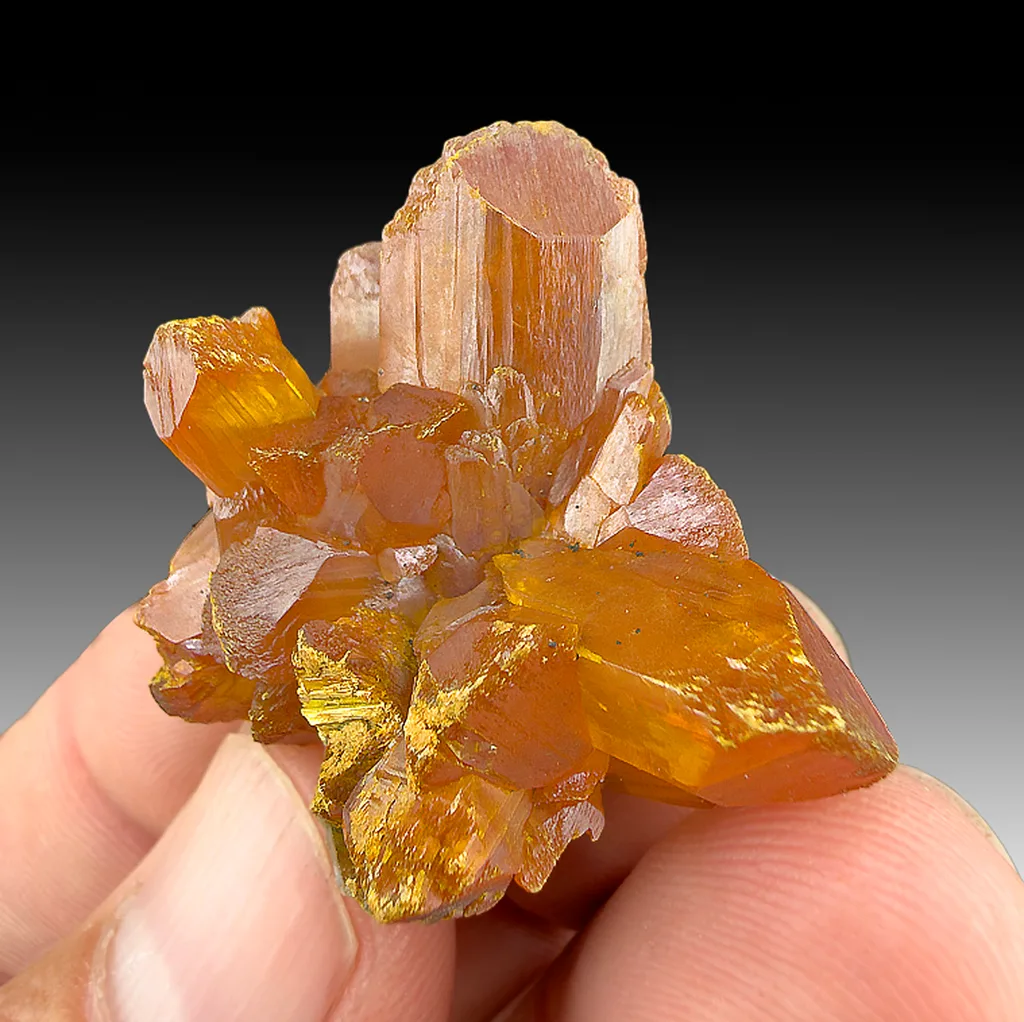
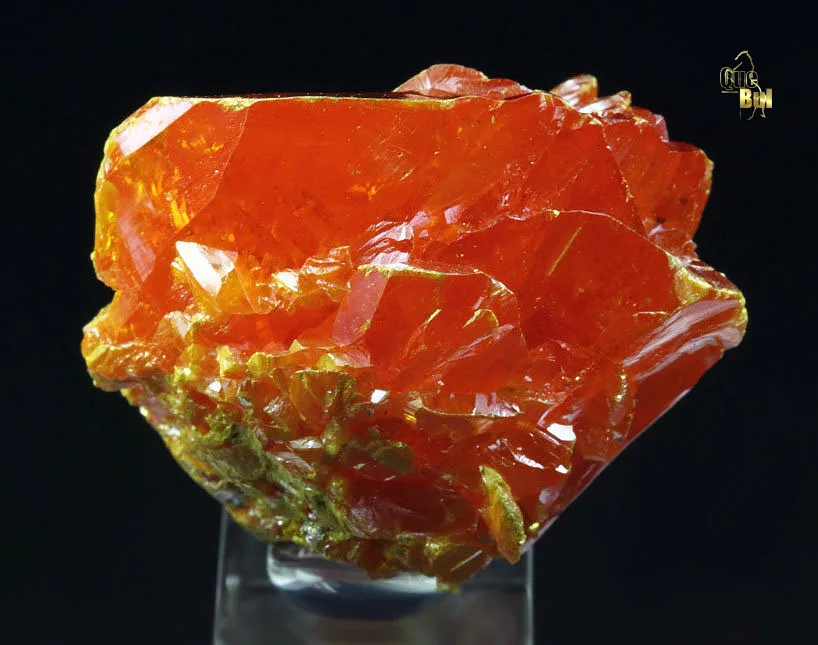
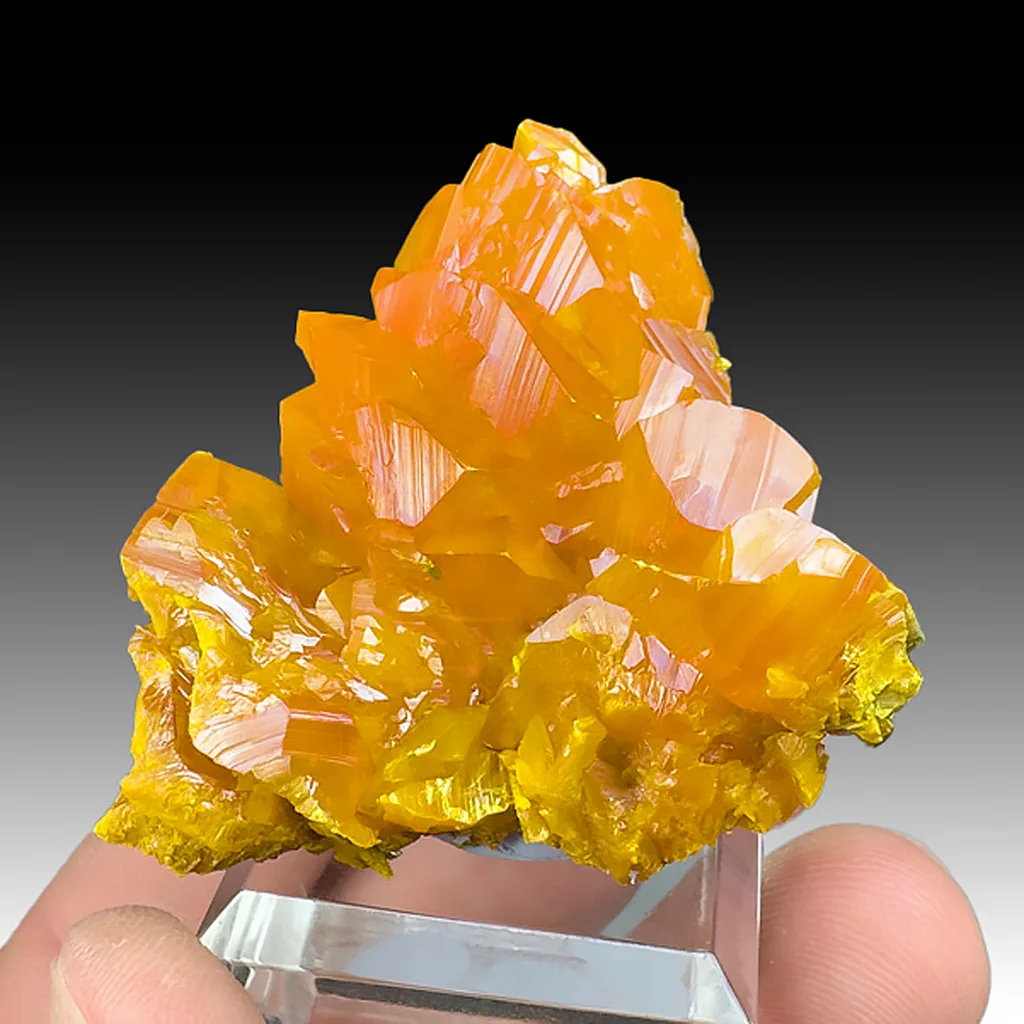
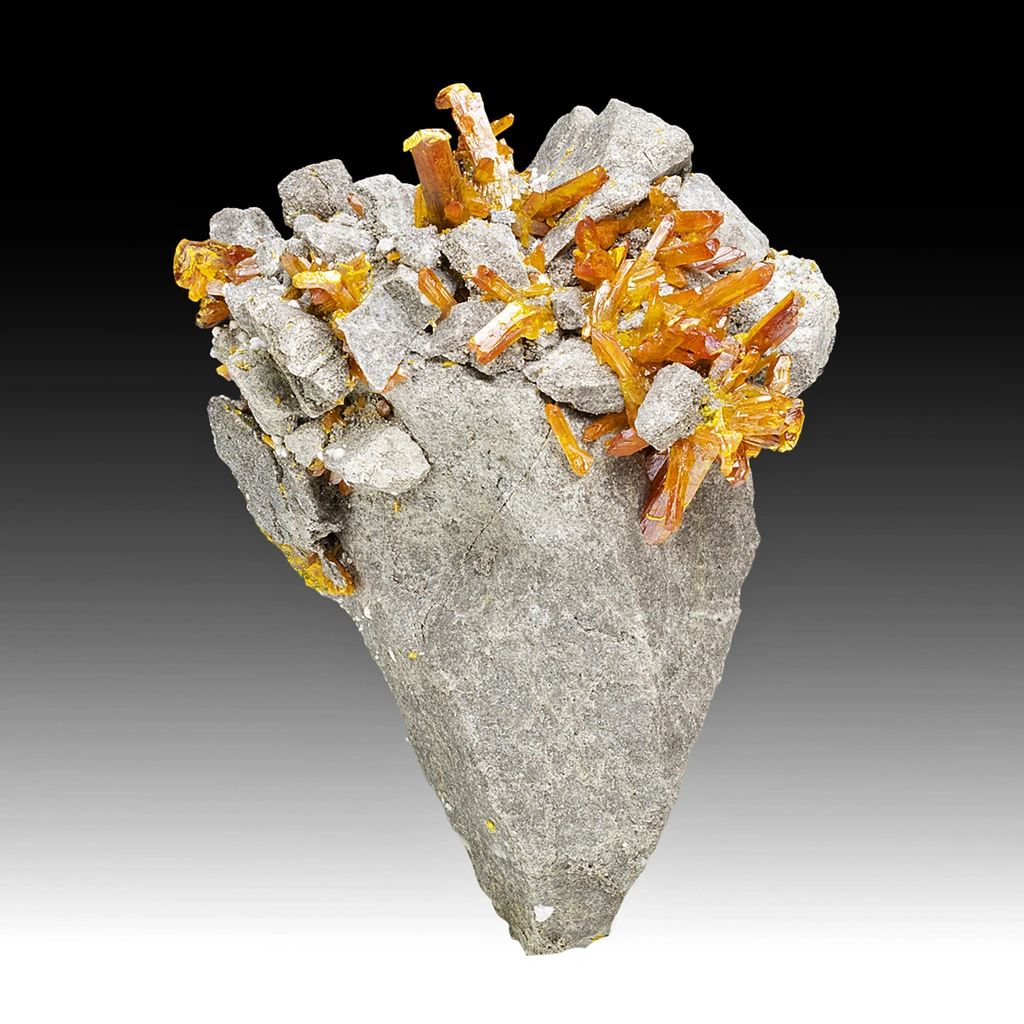
Orpiment is a mineral composed of arsenic sulfide (As2S3) that forms typically in crystallized, yellow to orange-yellow masses. It commonly occurs as tabular or prismatic crystals with a vibrant, resinous to vitreous luster and a soft, brittle texture. The color ranges from diverse golden to honey-yellow hues, and its habit can include well-formed crystals and microcrystalline aggregates, often found in hydrothermal veins and volcanic environments.
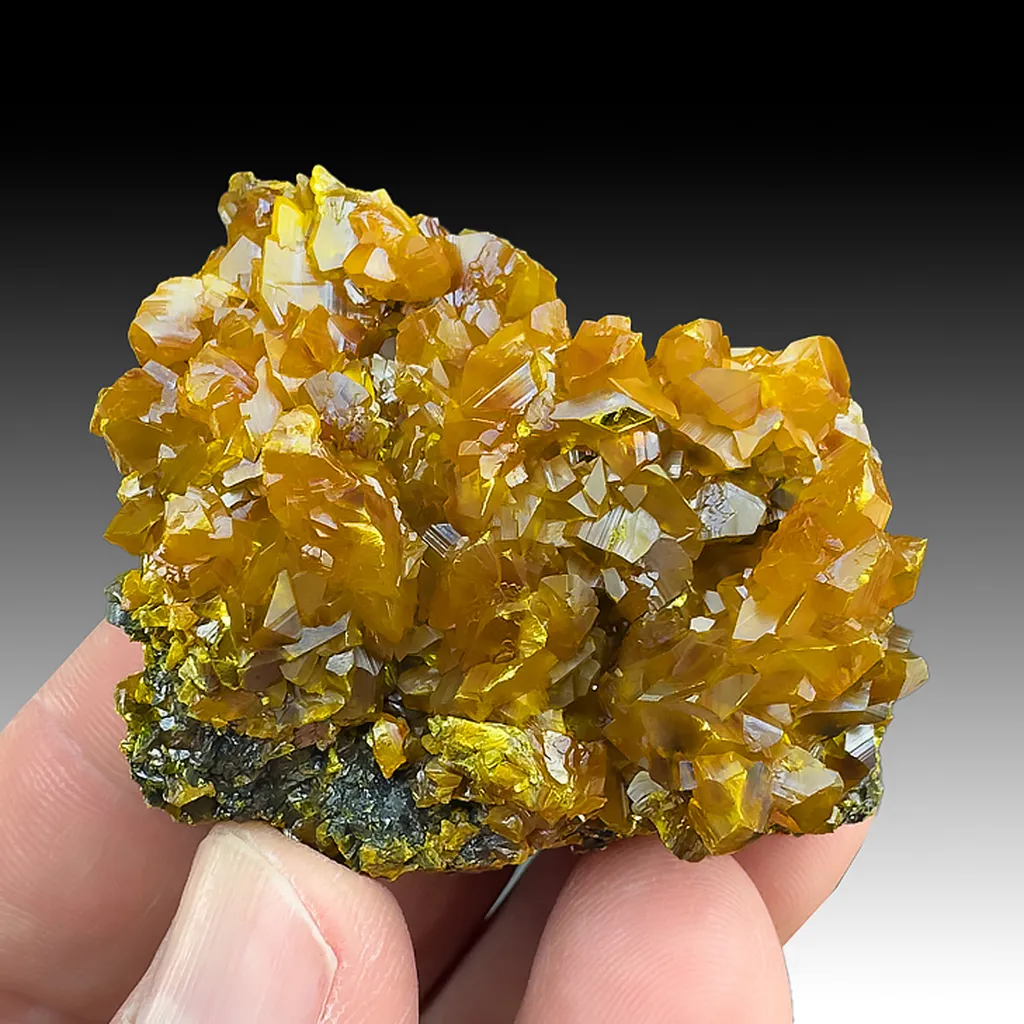
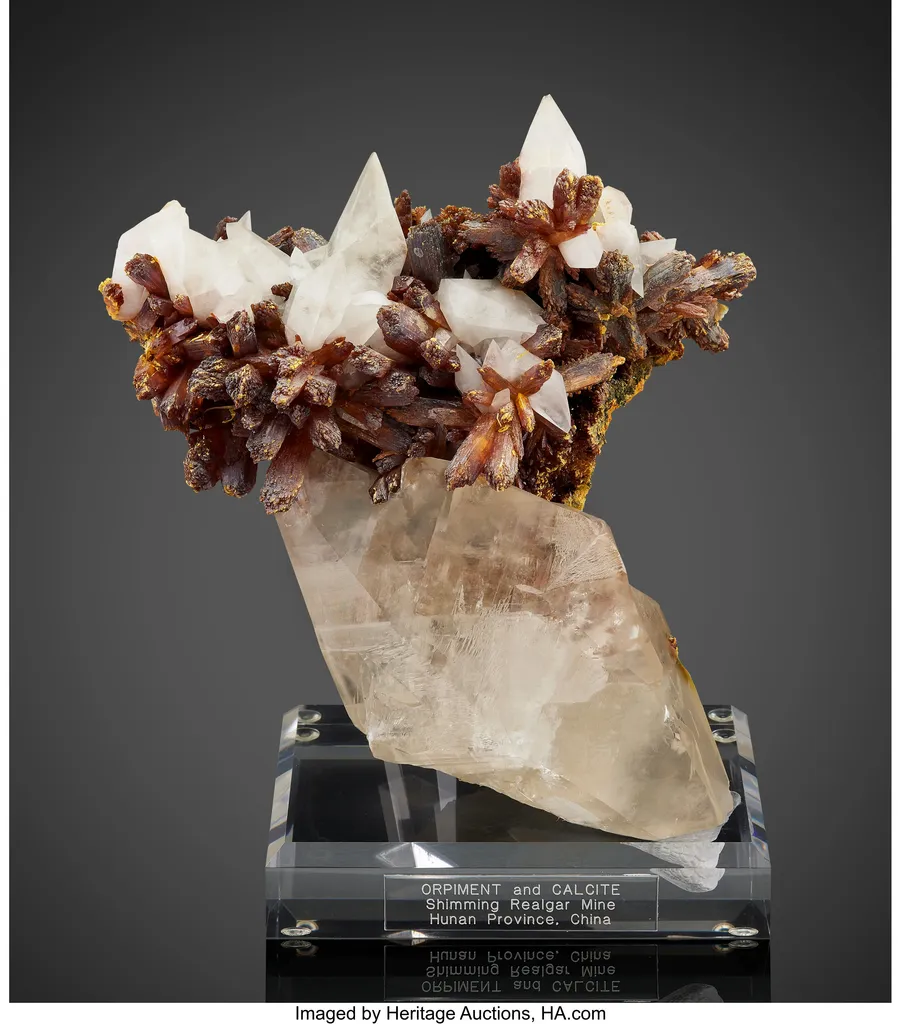
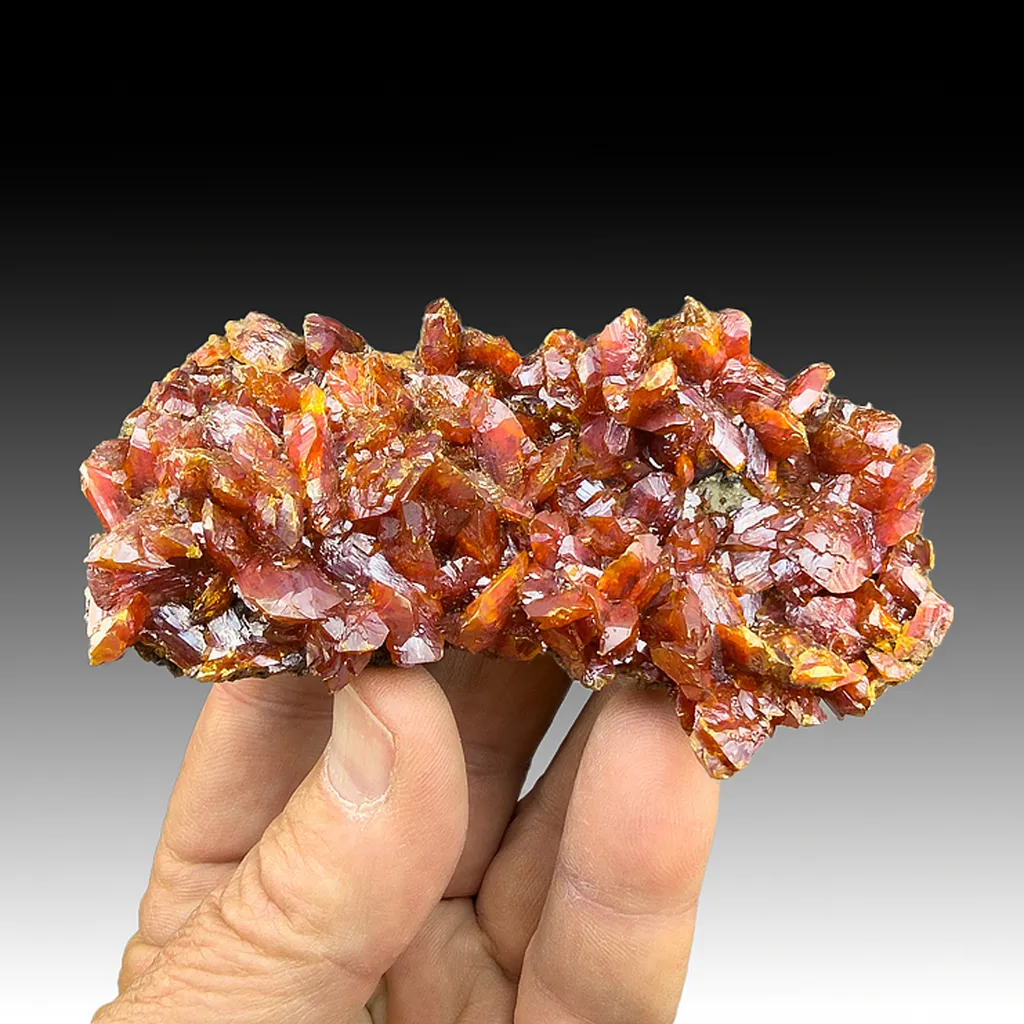
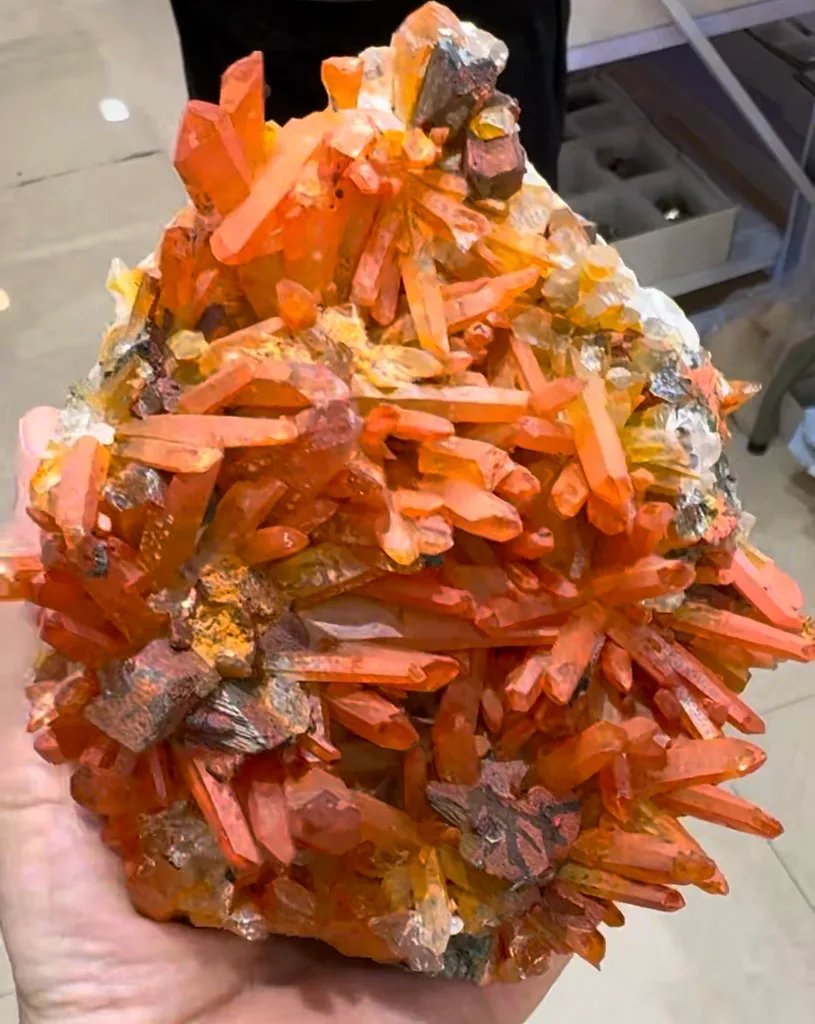
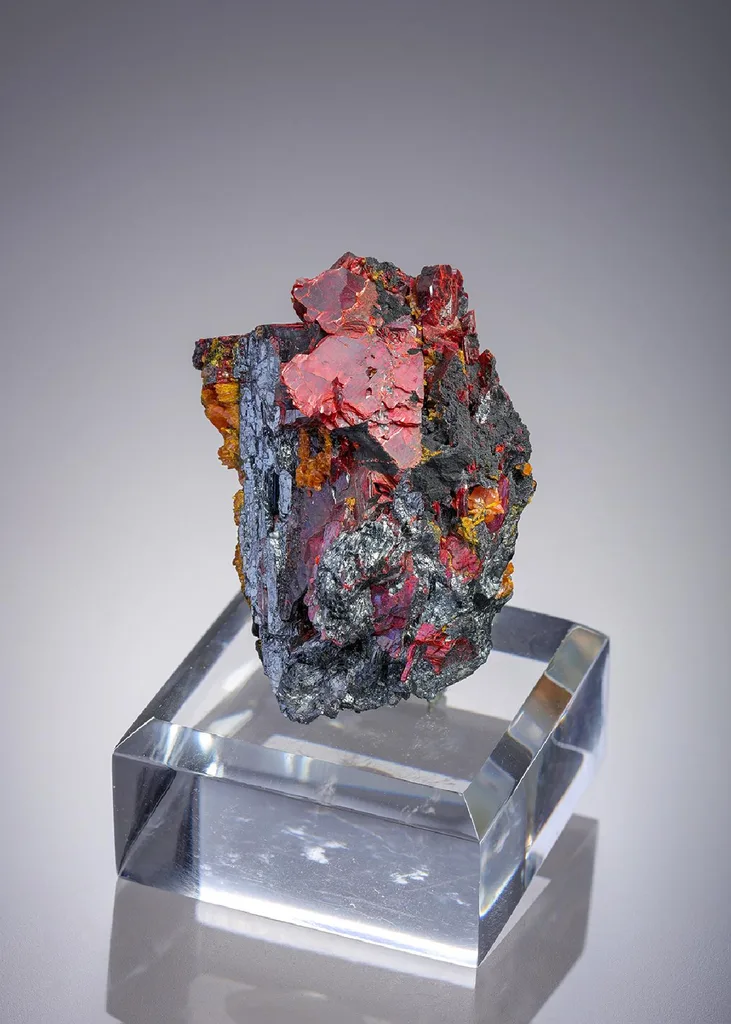
Notable specimens originate from regions with historic mining and sulfur-rich geology, including locations in the United States, Peru, China, Russia, and North Macedonia. In such settings, Orpiment may be associated with realgar or other arsenic-bearing minerals, sometimes forming stunning crystal groups or reflective coatings that catch the eye of collectors. Localities with long mineralogical traditions frequently produce small to medium-sized crystals that display strong color and luster, making them sought after for display and study.
Collectors value Orpiment for its vivid color, contrast with darker minerals, and its reminder of arsenic sulfide chemistry. While less durable than harder minerals, well-preserved specimens with sharp crystal forms and clean faces offer striking visual appeal and educational insight into hydrothermal and volcanic mineral paragenesis.