$475Median
2Sold (12 mo)
$200Last sale
8 in the gallery
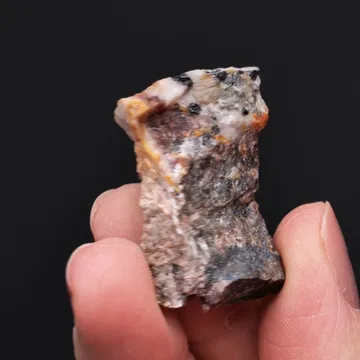
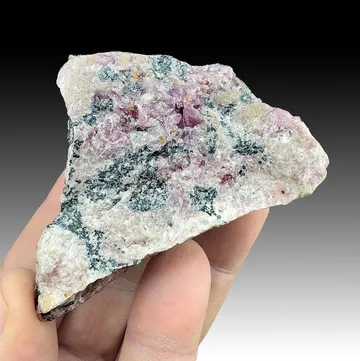
Hodgkinsonite is a hydrated silicate mineral containing manganese and zinc, with a composition that includes silicate groups and hydroxide. It typically occurs as soft, often blocky crystals with a pale green to brownish green color and a resinous to submetallic lustre, commonly forming in low-temperature hydrothermal environments or as alteration products in oxide-rich systems. The mineral’s habit can be prismatic to tabular, and it may occur in modest-sized crystals that reflect its relatively gentle crystallization conditions.
Notable specimens have been reported from localities in the United States and other regions where manganese-rich hydrothermal activity occurs, contributing to its presence in collections that emphasize rare silicates with distinctive green hues. Hodgkinsonite is appreciated for its unusual combination of Mn and Zn in a silicate framework, along with its characteristic hydroxide-bearing structure, which can set it apart from more common manganese silicates. For collectors, it offers a window into specialized parageneses and mineralogical environments, rewarding careful study of crystal form, color zoning, and the subtle variations in transparency and luster that can accompany different assemblages.