
Diopside specimens for sale
37 for sale · $60–$6,000 USD
255 in the gallery
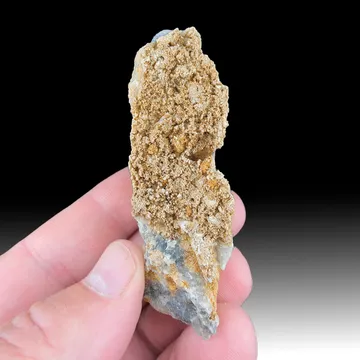
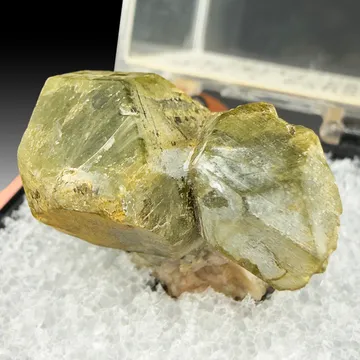
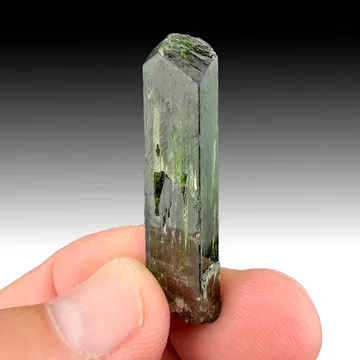
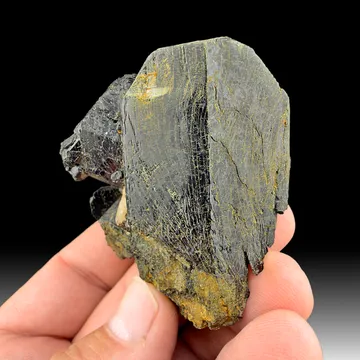
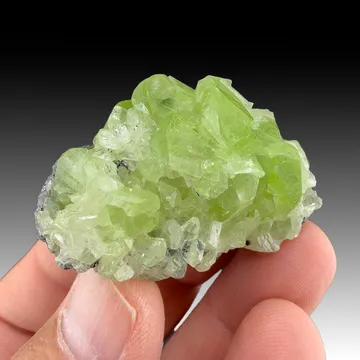
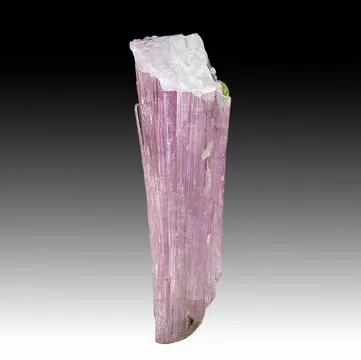
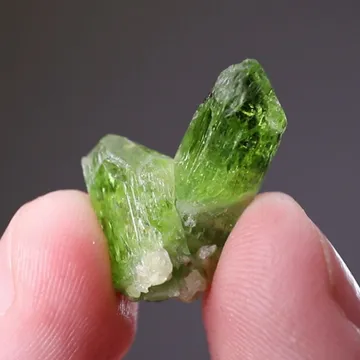
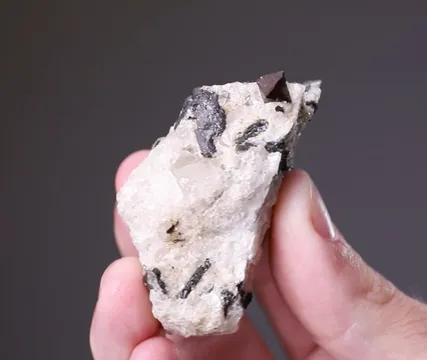
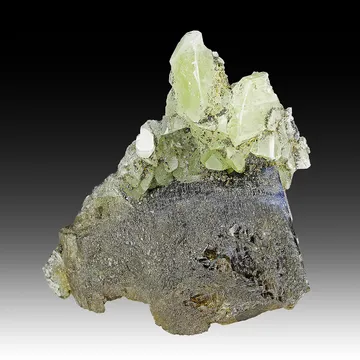
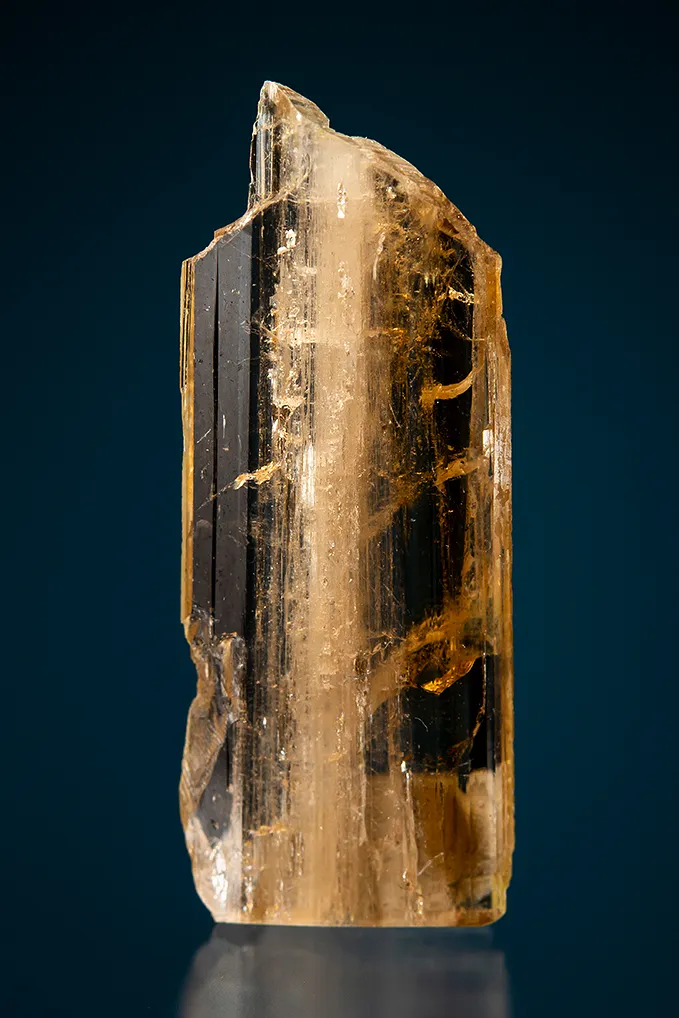
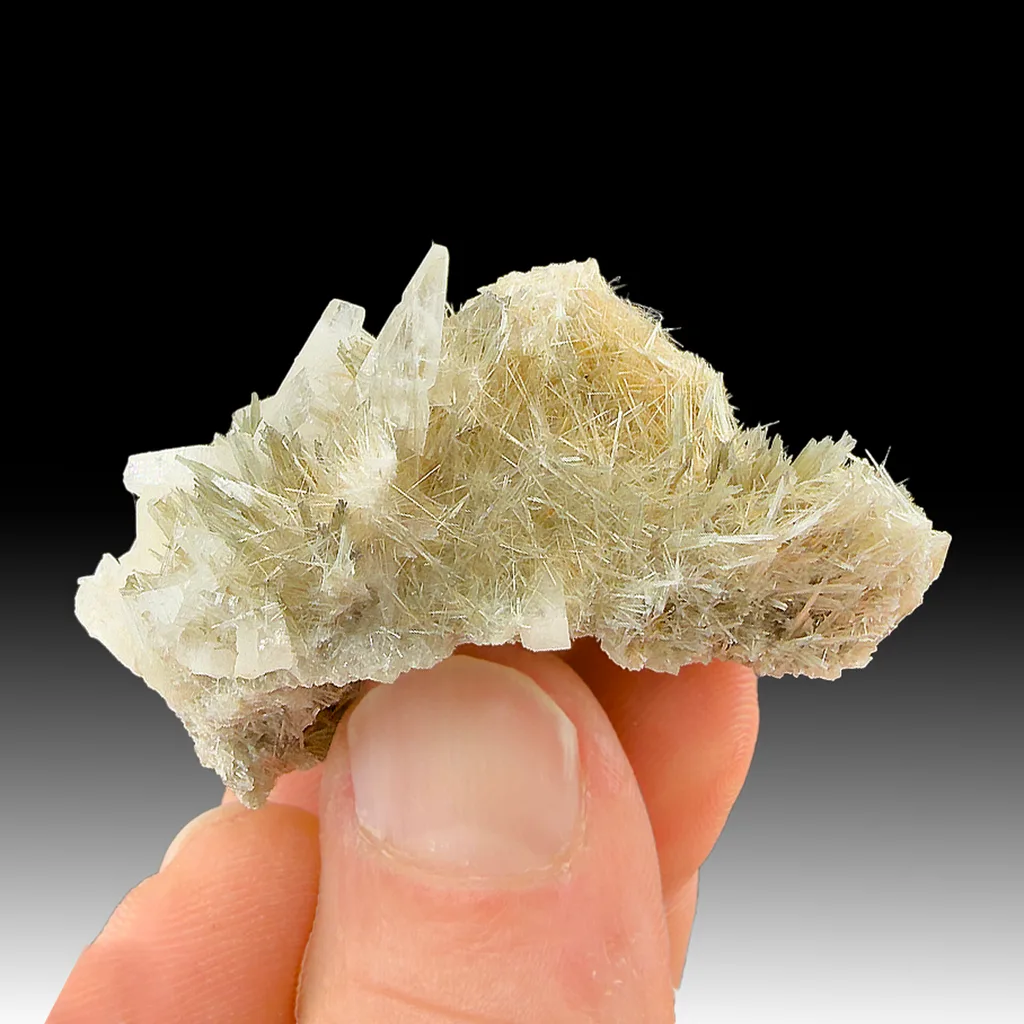
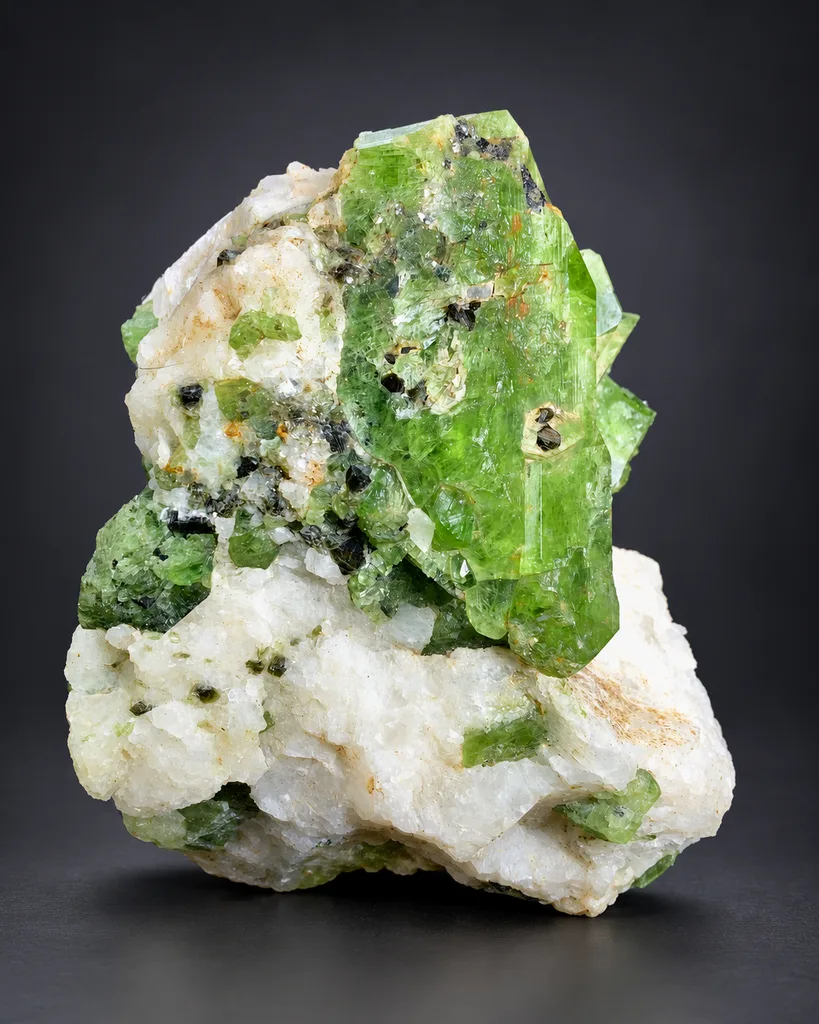
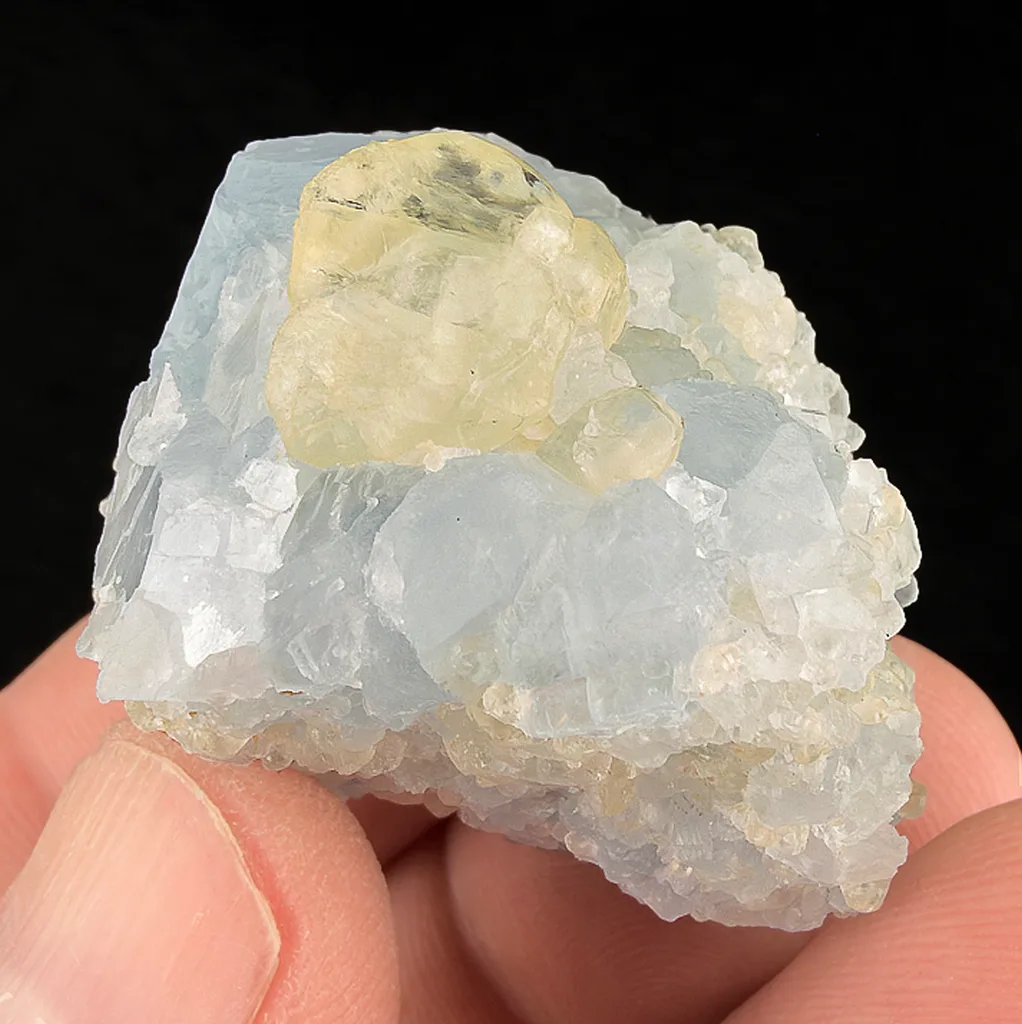
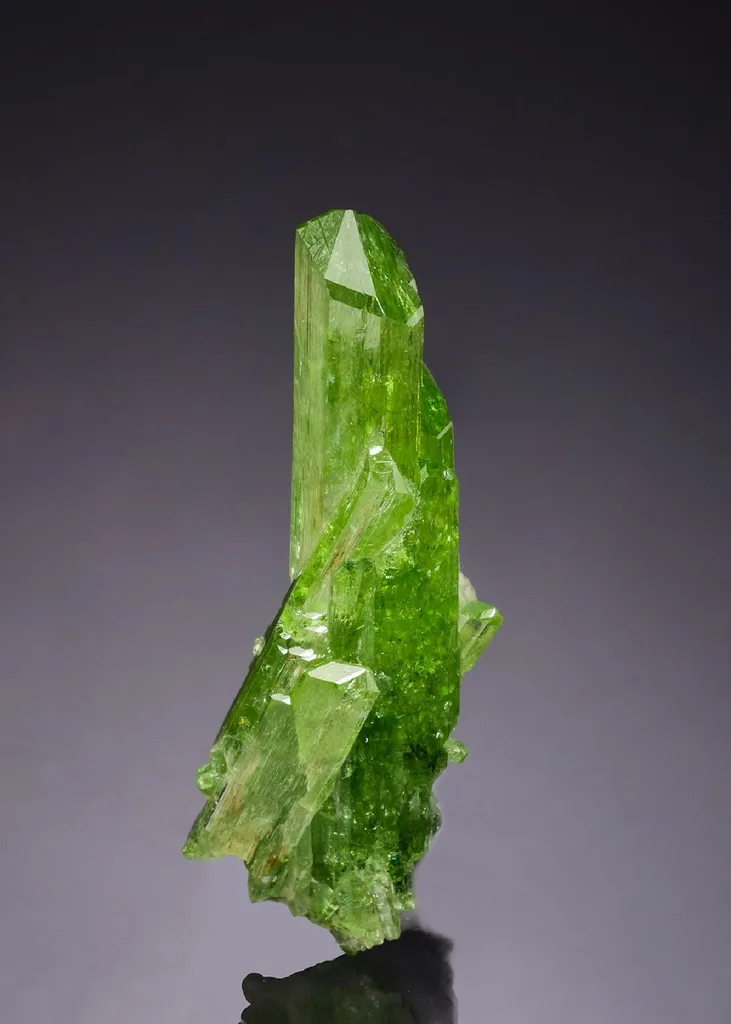
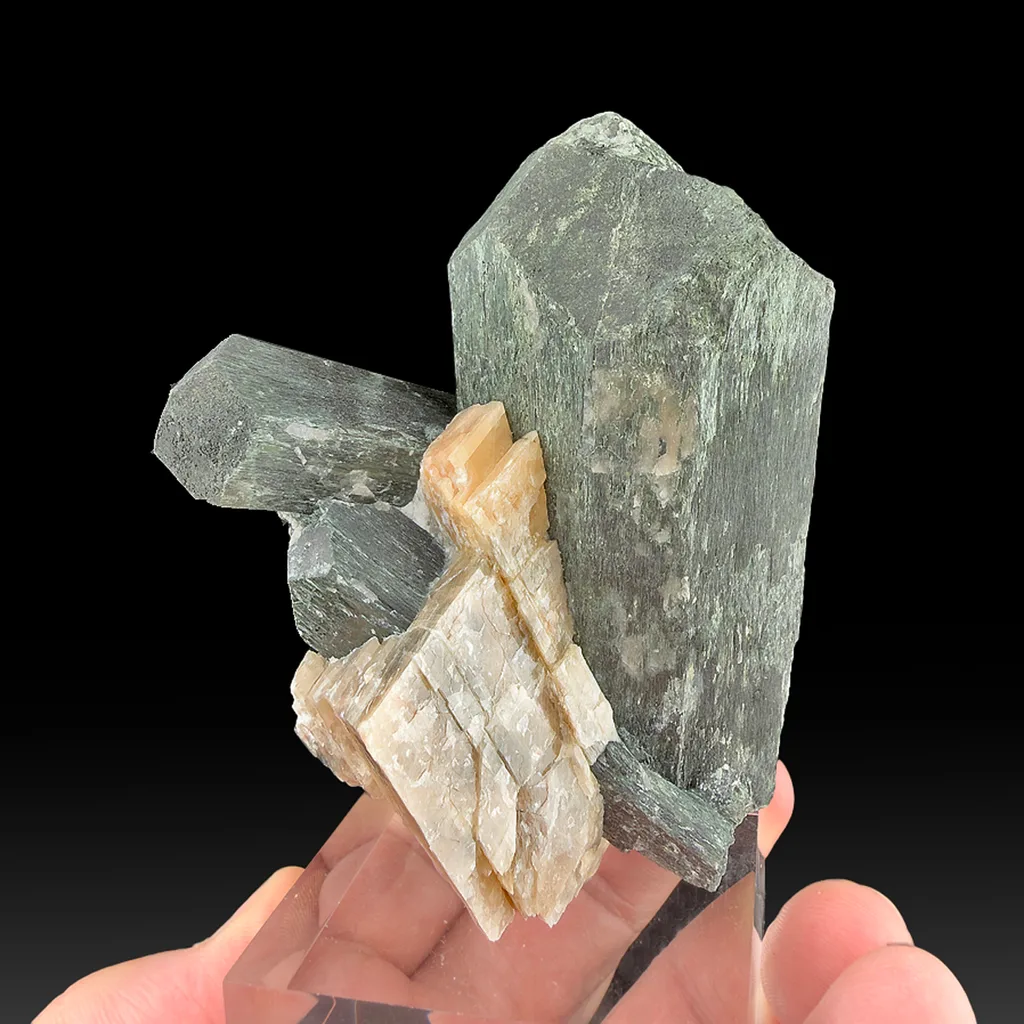
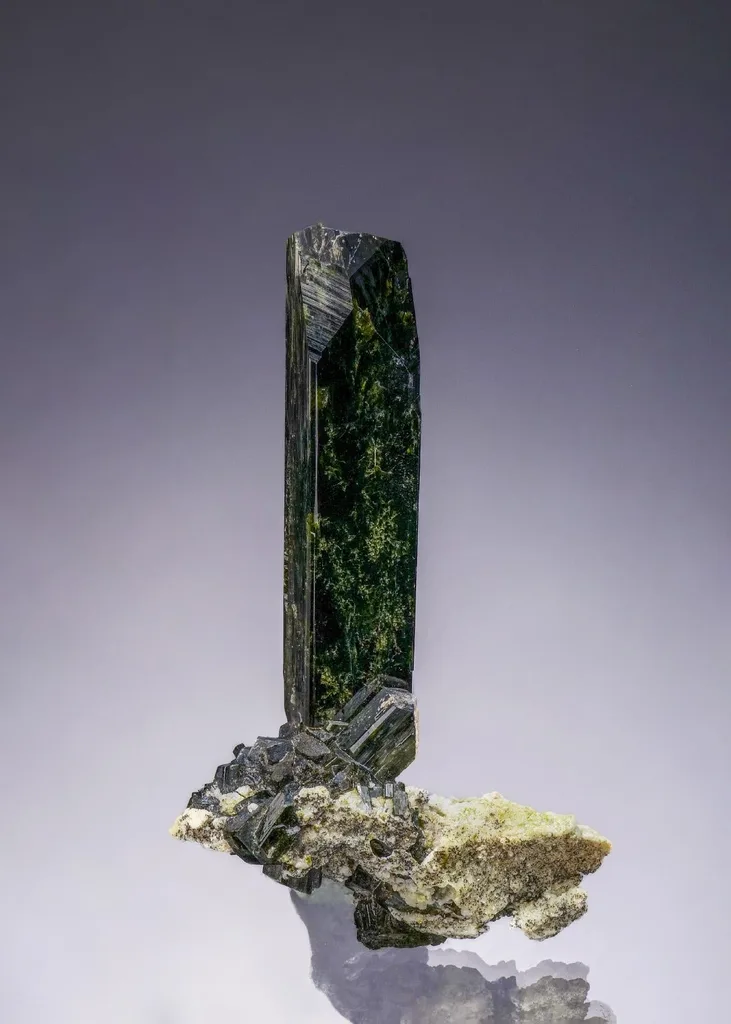
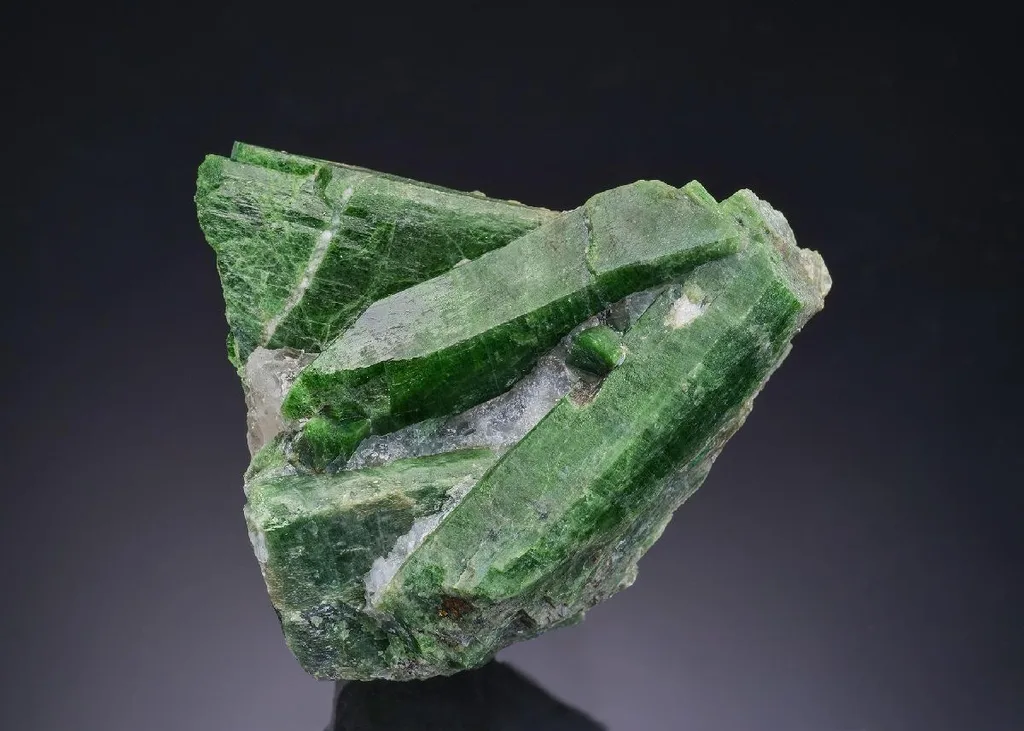
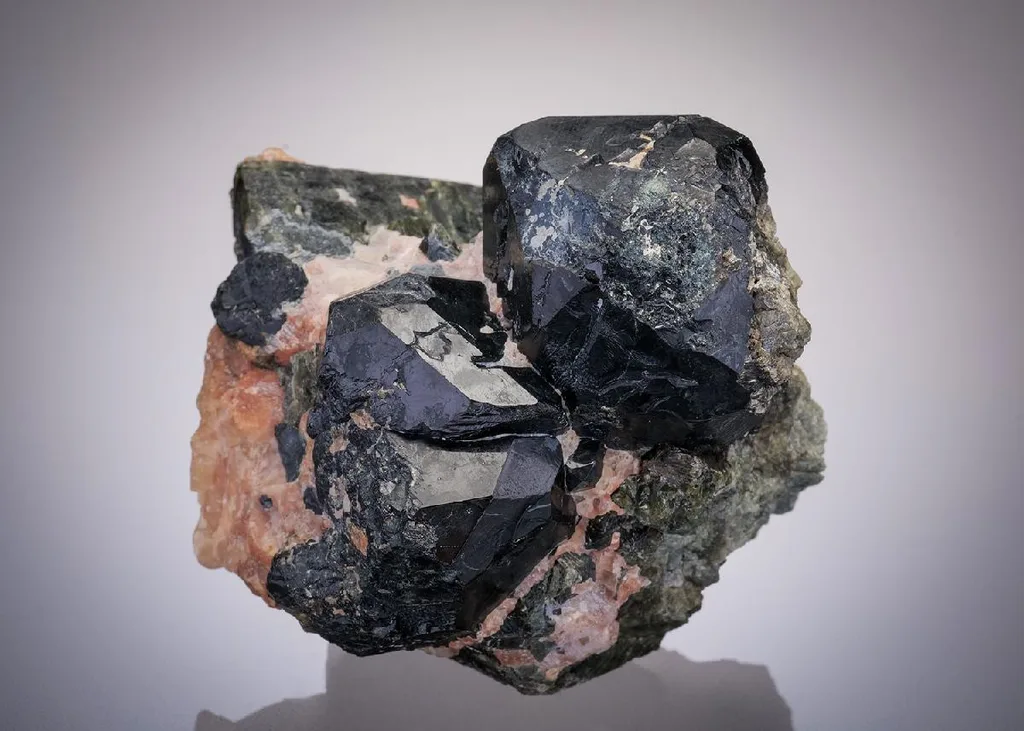
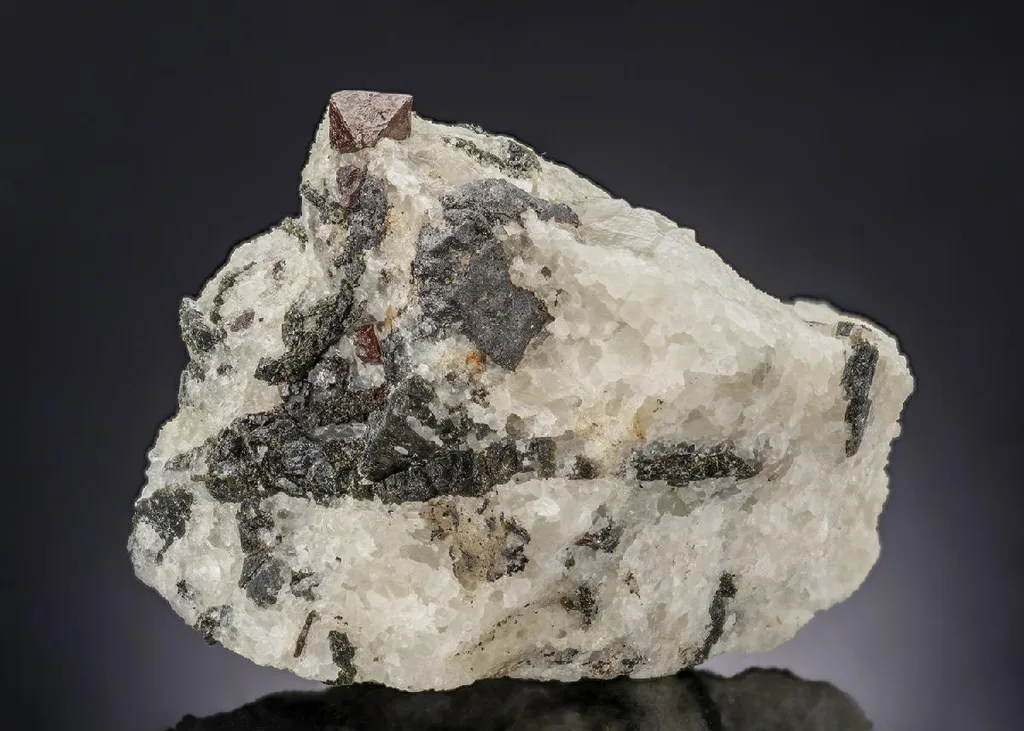
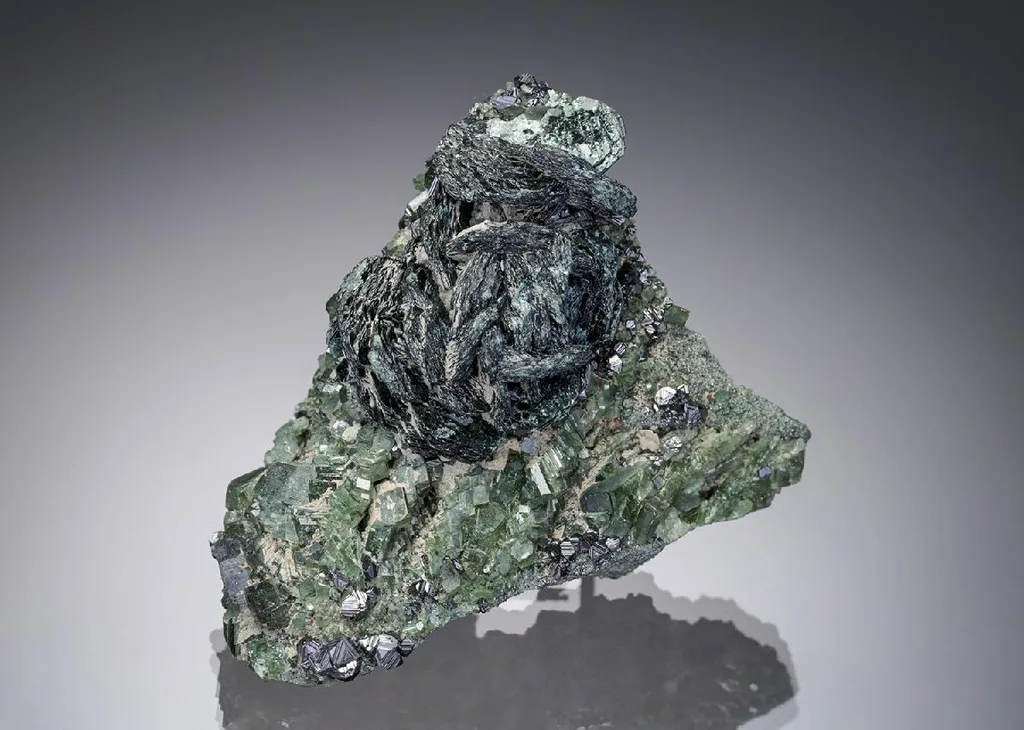
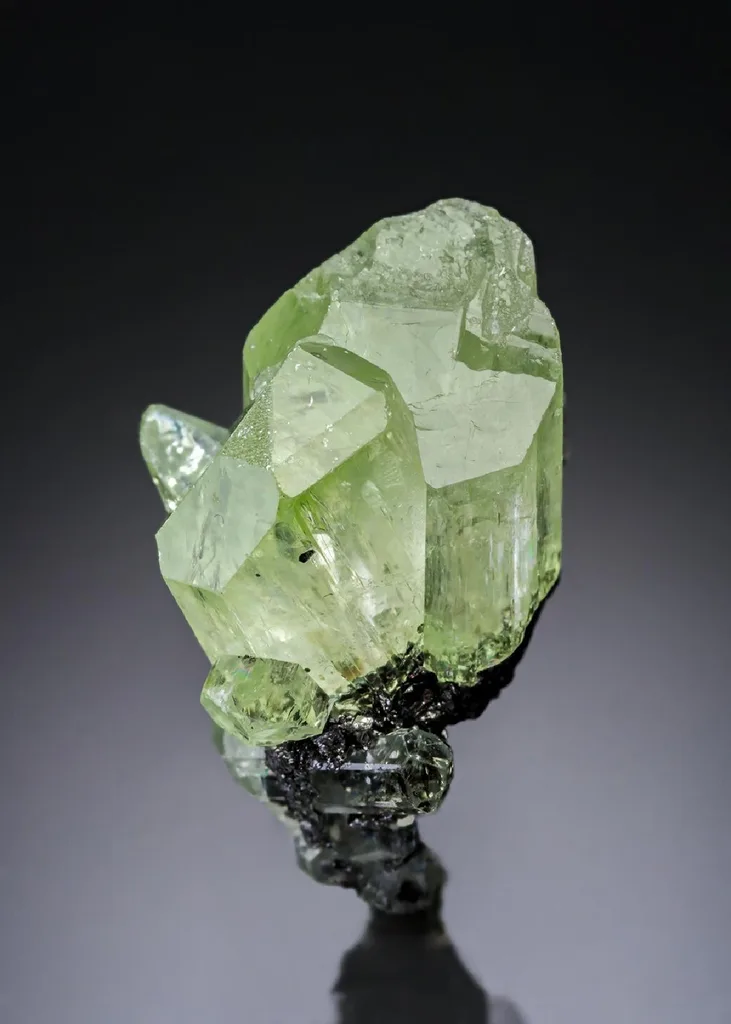
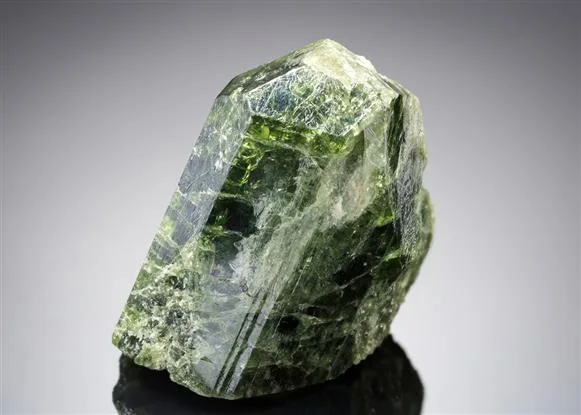
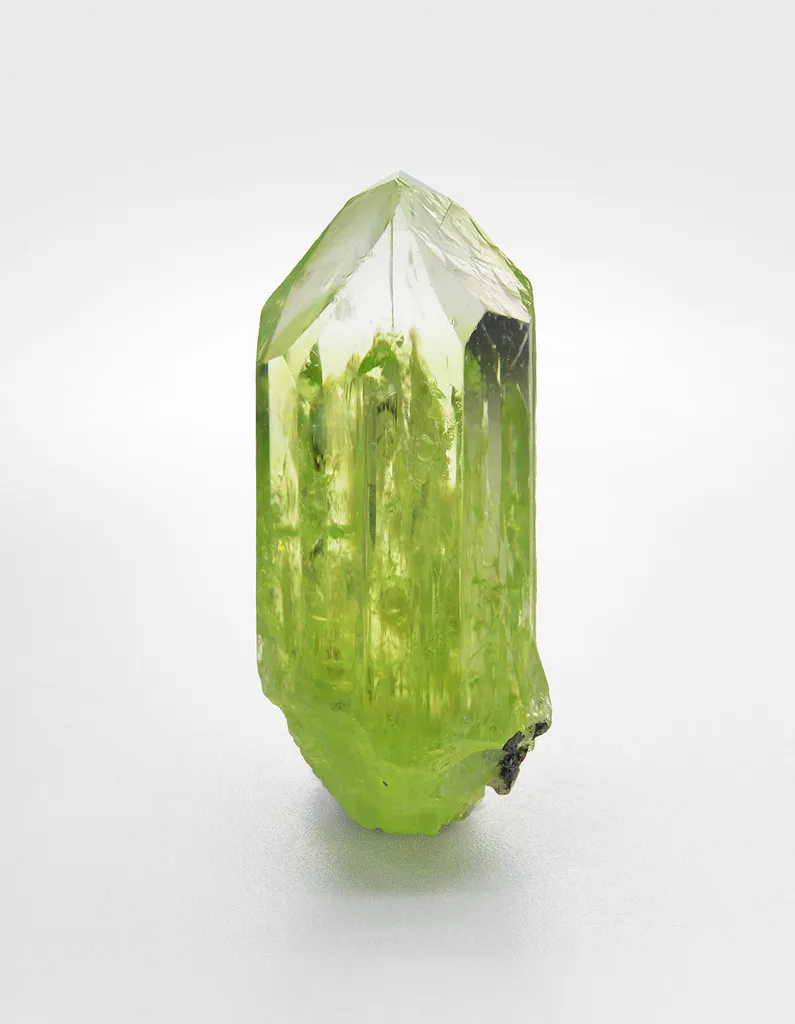
Diopside is a monoclinic pyroxene mineral that forms prismatic to blade-like crystals with a vitreous to glassy luster and a green to emerald color in many specimens. It commonly occurs in contact metamorphic zones and skarns, where it crystallizes alongside calcite, tremolite and other pyroxenes, producing sharp, well-formed crystals on matrix or as intergrown aggregates. Pale to medium green hues are typical, with darker emerald greens appearing in chromium-rich pockets; crystal habit ranges from long prisms to stout, columnar forms, and some specimens exhibit pleasing transparency.
- Formula
- CaMgSi2O6
- Rarity
- Common
- Stability
- Stable
- Collector interest
- Moderate Interest
- Classification notes
- Silicates; Inosilicates (Pyroxenes)
Key characteristics
- Crystal system
- monoclinic
- Mohs hardness
- 5.5–6.5
- Specific gravity
- 3.22–3.38
- Luster
- vitreous
- Transparency
- transparent, translucent, opaque
- Color
- colorless, white, gray, green, brown, yellow, black
- Streak
- white
- Cleavage
- good
- Fracture
- uneven, conchoidal
- Crystal habit
- prismatic, granular, massive, equant
- Gem mineral
Buy Diopside specimens
View all 37Where Diopside is found
Top localities
- Merelani Hills46 specimens
- Jeffrey Mine36 specimens
- Belvidere Mountain Quarries9 specimens
- Ala Valley7 specimens
- Jaipur Division4 specimens
- Afghanistan3 specimens
- Kokcha Valley3 specimens
- Mussa Alp3 specimens
- Bellecombe2 specimens
- Dar-e-Zu mine2 specimens
Guides
All guides

Diopside from Merelani Hills, Tanzania
Merelani Hills, Tanzania: Diopside prized for lime-green crystals, glassy clarity, and specimen contrast with graphite; a standout locality for collectors.Read guide
Diopside from Jeffrey Mine, Canada
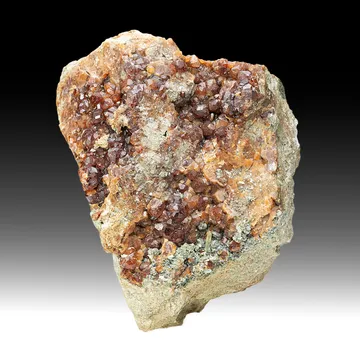
Diopside from Jeffrey Mine, Quebec — green, needle-like and tabular crystals with garnet and vesuvianite; historic locality prized for texture and association.Read guideAbout Diopside
Notable specimens have come from renowned localities such as Tanzania, Canada, the USA, Italy and Pakistan, where diopside crystals have been recovered with excellent terminations and clean surfaces. Collectors prize well-formed diopside crystals for their classic pyroxene glare and the way light plays along the crystal faces, as well as when diopside occurs with other minerals like wollastonite or calcite that enhance display. The mineral’s presence across varied geological environments also offers interesting collecting targets, from gemmy transparent crystals to robust, historic matrix pieces.