
Guide
177 for sale · $90–$35,000 USD
166 in the gallery
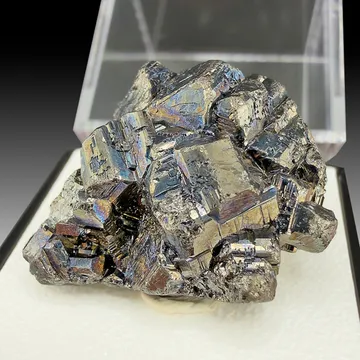
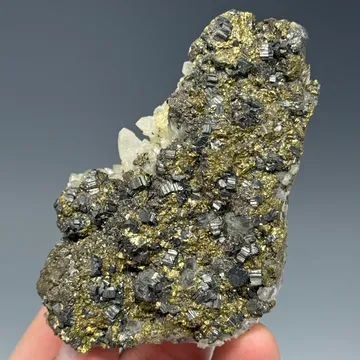
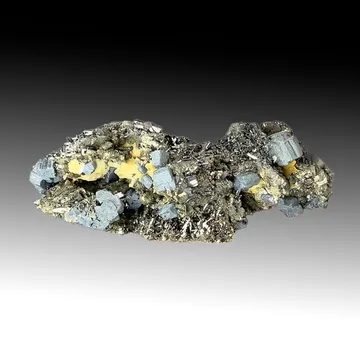
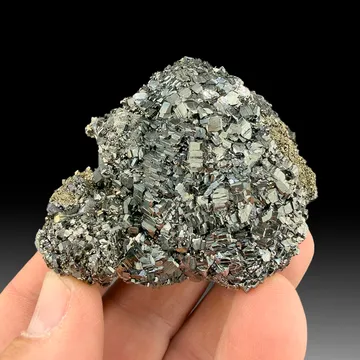
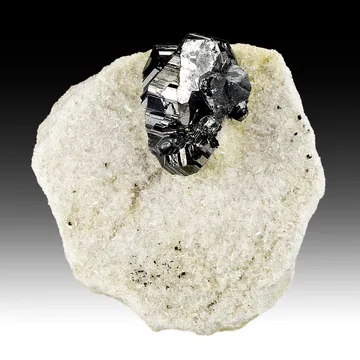
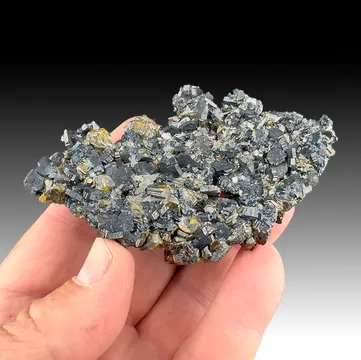
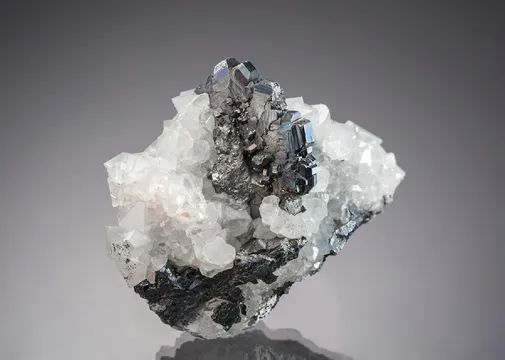
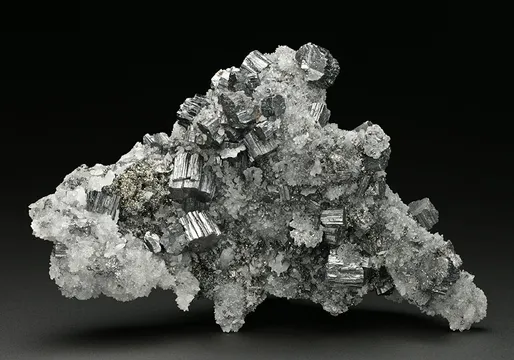
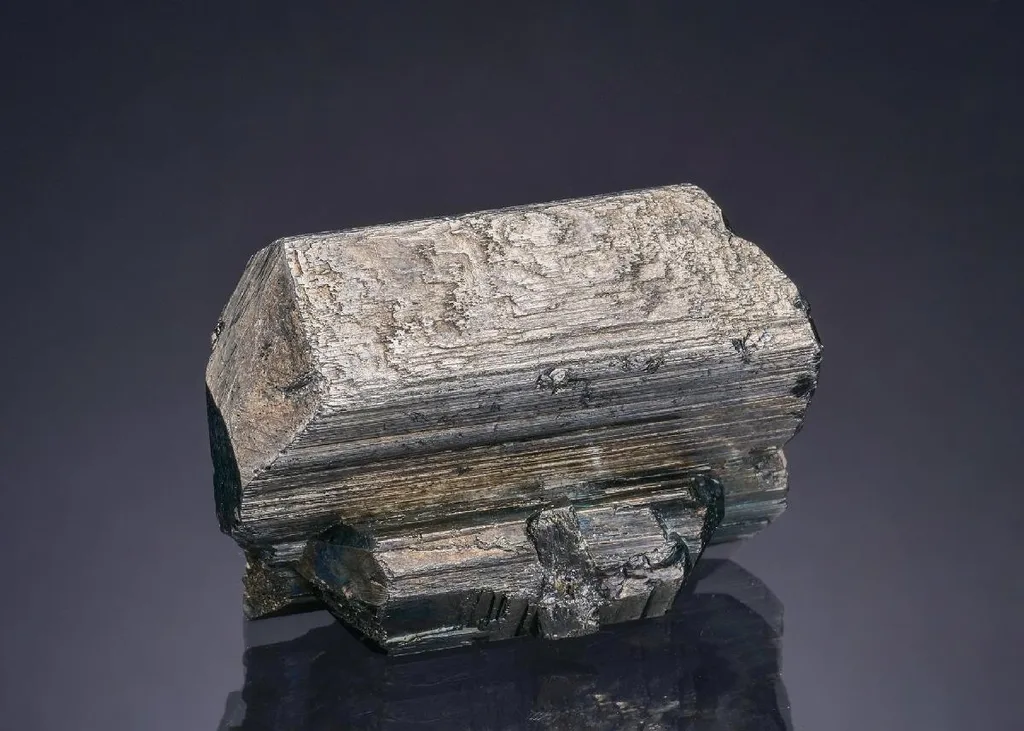
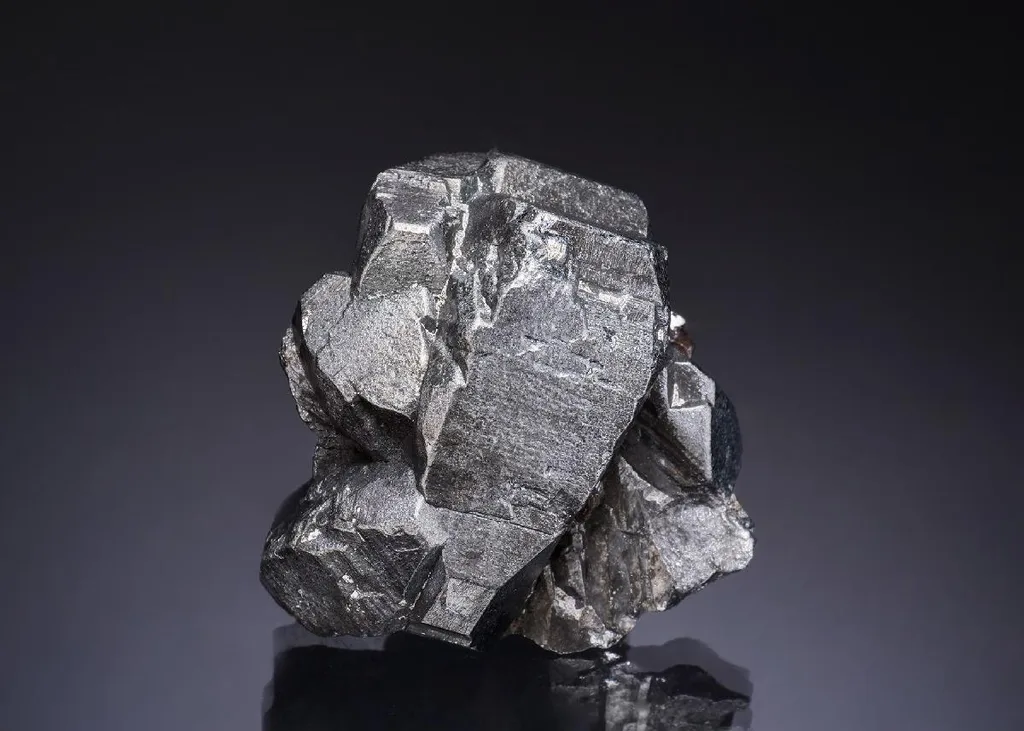
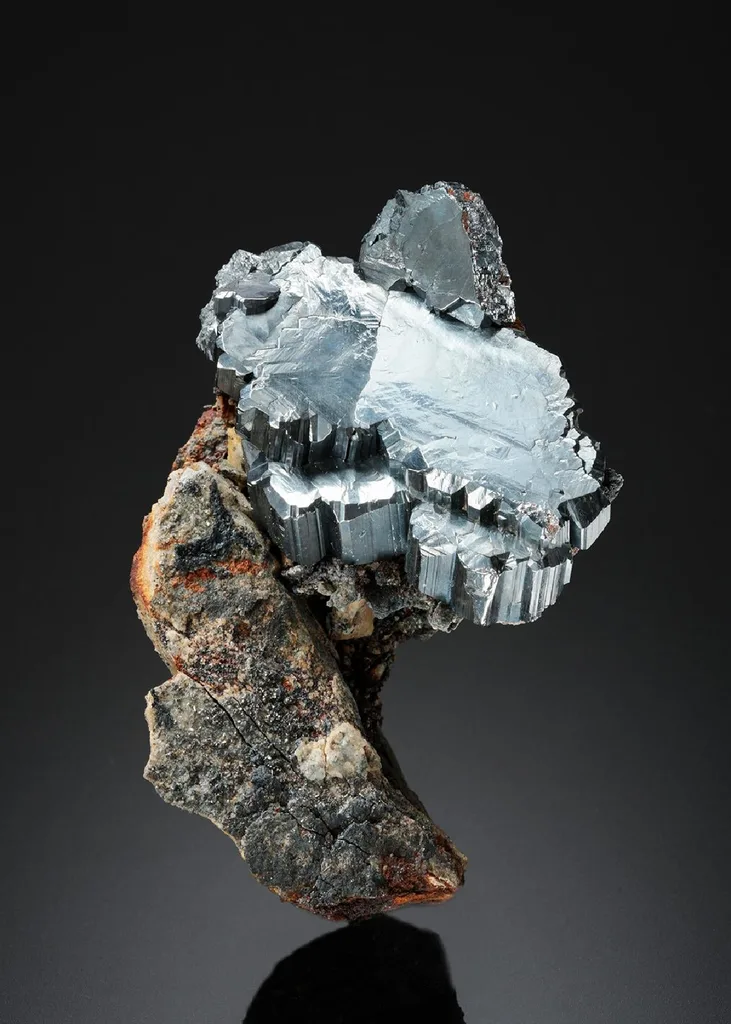
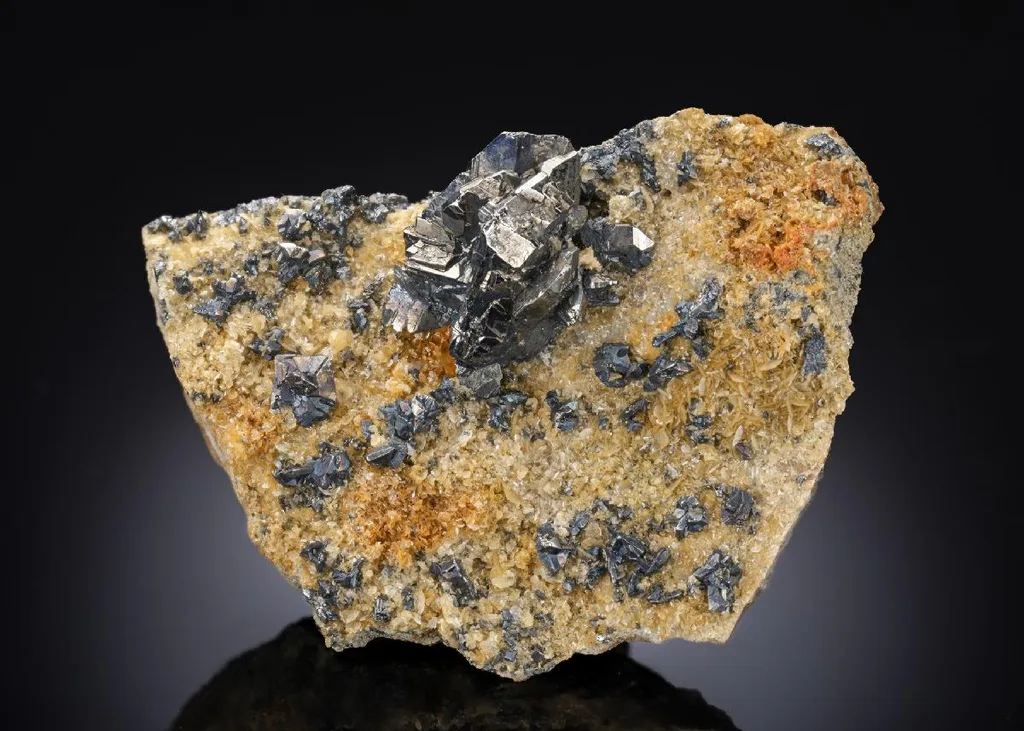
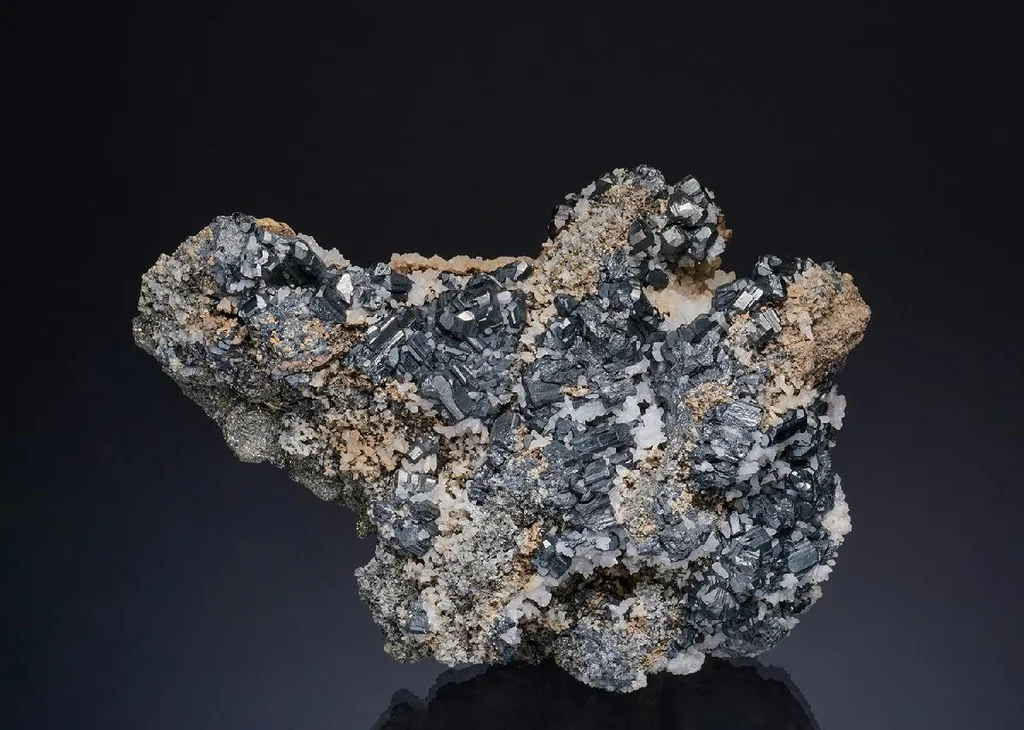
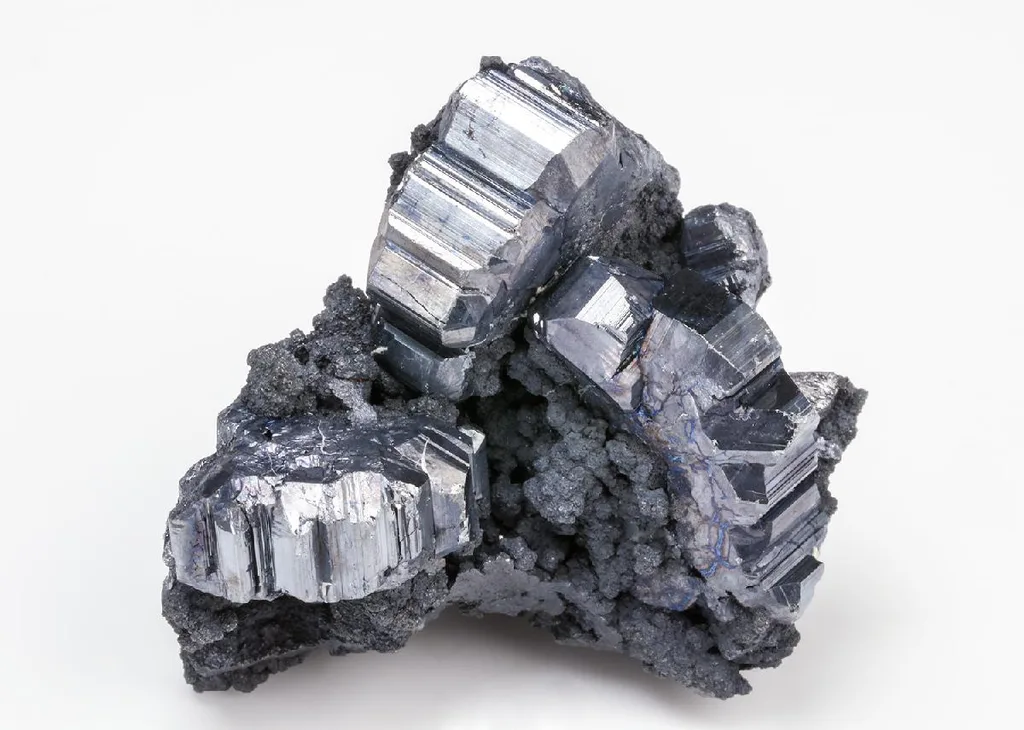
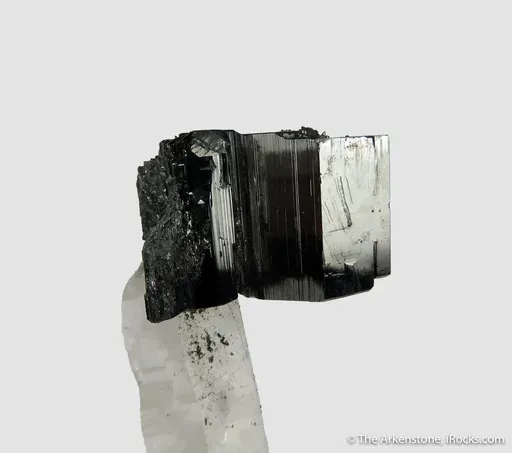
Bournonite is a sulfosalt mineral consisting of lead copper antimony sulfide. It forms metallic, often prismatic crystals that can take on a blocky, striated habit with a bright to dull luster. Color ranges from steel gray to dark silvery tones, and it frequently displays characteristic sharp cleavage planes that can create striking stepped faces in well-formed specimens. Some specimens show subtle iridescence or patina on exposed facets, adding to their visual appeal.
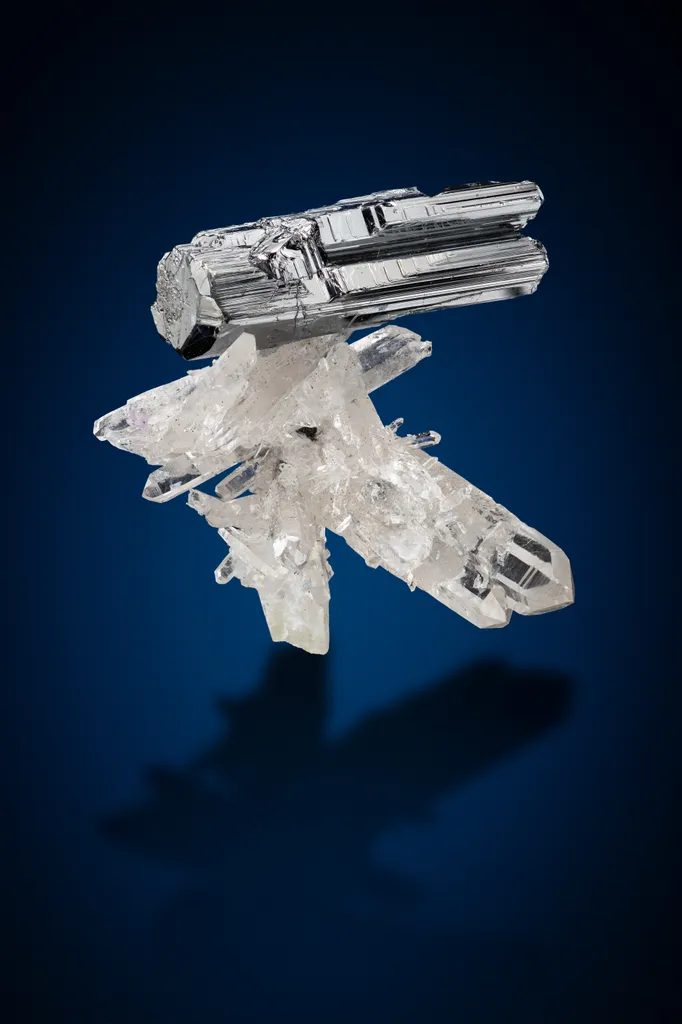
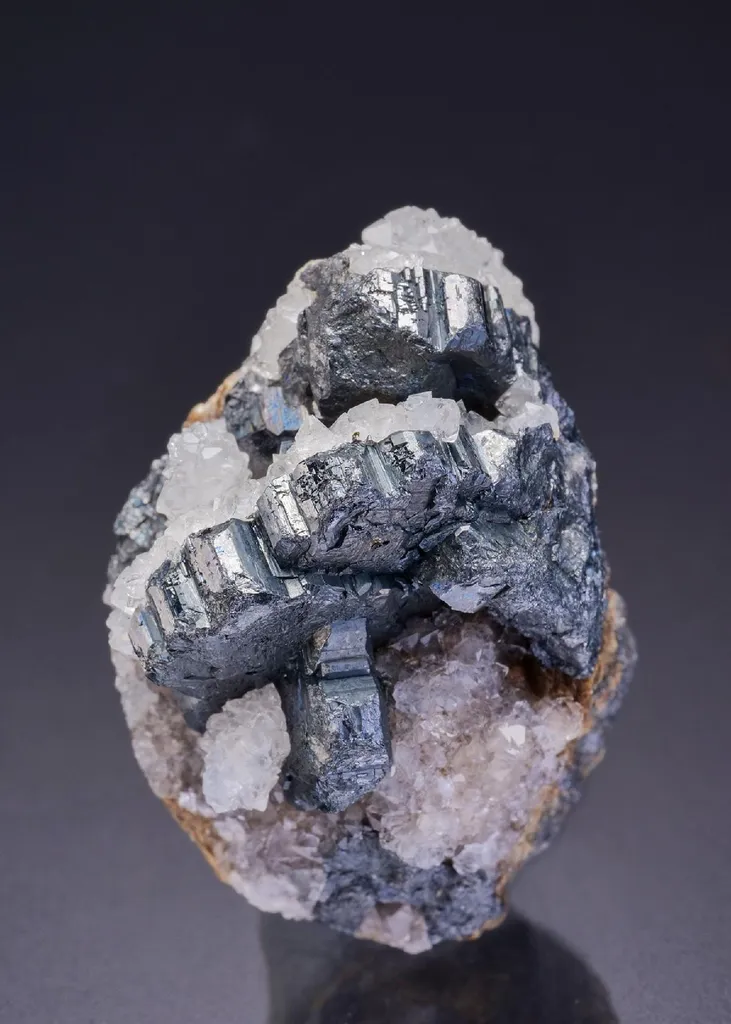
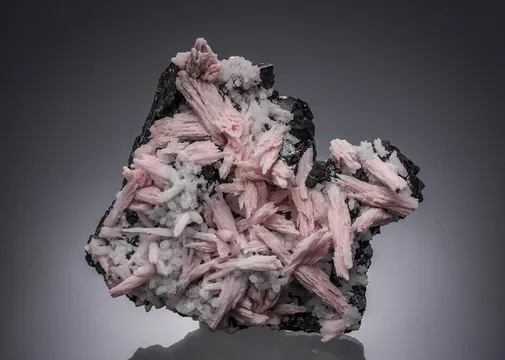
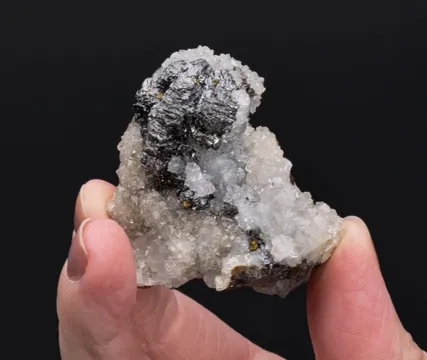
Notable localities include Bolivia, Peru, and Romania, where high-quality crystals have been collected from classic hydrothermal veins and sulfide-rich environments. China and the United Kingdom also yield notable examples, contributing to widespread recognition among mineral collectors. Bournonite crystals are often accompanied by other sulfides, and matrix specimens incorporating contrasting minerals can enhance display value. Collectors prize well-formed, lustrous crystals that reveal the mineral’s characteristic geometry when split along cleavage planes.
For collectors, bournonite offers a combination of structural clarity and mineralogical interest. Its robust crystallography and dramatic cleavage make aesthetically compelling pieces for display, while its associations with classic ore-field parageneses provide geological context that enriches a collection.