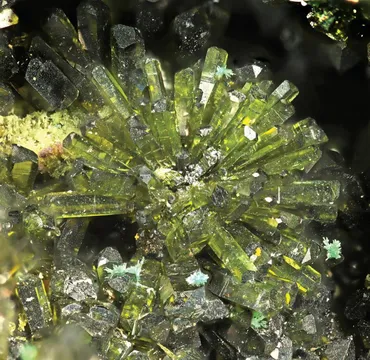
クレイキャニオン、ユタ州 — varisciteの結晶団塊や英語石英英石(englishite)と wardite のような希少リン酸塩を産出する著名なリン酸塩鉱山地帯。コレクターに高く評価されている。
Key facts
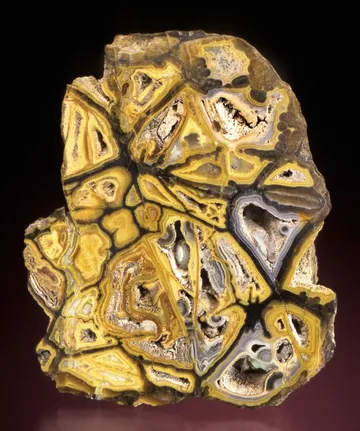
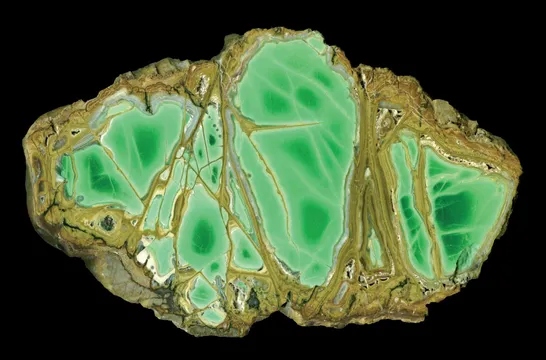
Clay Canyon variscite is the classic American cabinet form of the species: polished nodules and slabs of dense apple- to chrome-green AlPO4·2H2O, cut by yellow crandallite and dotted or veined with gray-green wardite and other late phosphate minerals. The best pieces have the look of a miniature geological map—green islands, yellow rinds, pale seams, and occasional pockets—rather than the uniform cabochon rough that most gem buyers associate with variscite. For serious mineral collectors, that texture is the locality’s signature.

Photo: Wikimedia Commons
The mine’s fame rests on more than beauty. Clay Canyon, near Fairfield in the Sunshine Mining District of Utah County, is one of the great phosphate-mineral localities of North America. The deposit is a former underground gemstone and phosphate occurrence in altered limestone, best known under the Little Green Monster name but historically also tied to the Clay Canyon, Utahlite, and Chlorutahlite mine names. Its nodules are not simply variscite; they are mineralogical capsules in which variscite was overprinted, replaced, fractured, and refilled by a remarkable suite of hydrous aluminum, calcium, sodium, magnesium, strontium, and scandium phosphates.
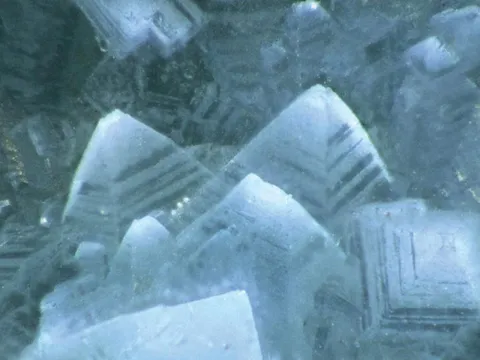
The locality has type-locality status for a cluster of phosphate minerals that grew out of the scientific study of these nodules, including englishite, gordonite, millisite, montgomeryite, overite, and wardite. That concentration of species is why a polished Clay Canyon nodule can belong equally well in a gem cabinet, a phosphate systematic suite, or a collection of classic American localities.
The field setting is just as distinctive. The Clay Canyon deposits are hosted by dark limestone and black shale of the Upper Mississippian Great Blue Limestone, above the Long Trail Shale Member, on the northwestern limb of the Ophir anticline. At the Little Green Monster deposit, variscite nodules replaced limestone along a north-trending vertical fracture zone, occurring in pipe-like bodies that plunge north. The phosphate bodies are tied to brecciated and fractured carbonate rock, with alteration minerals including limonitic clay, alunite, chalcedonic quartz, and calcite.コレクターは鮮やかな緑色のヴァリスサイトの核、強い黄色のクランダライトの縁、灰緑色のワード岩石の球体や縞模様、そして結晶全体の内部構造を明らかにする清浄な光沢を探します。地方性の出所が証明された老齢ラベルを持つ標本、特にエド・オーバー–アーサー・モントゴメリー時代につながるものや、より古い博物館/ディーラーの分散に遡れるものは、宝石磨き美だけでなくプレミアム価値を帯びます。## 注目の標本
Search for specimens: View all variscite specimens from Clay Canyon Mine, Utah, USA
Clay Canyon variscite locality lies near Fairfield, Utah, in the Sunshine Mining District of Utah County, on the south side of the Oquirrh Mountains. The collecting name most often encountered on labels is Little Green Monster Variscite Mine, though older and commercial labels may read Clay Canyon, Clay Canyon Variscite Mine, Utahlite Mine, Chlorutahlite Mine, Fairfield, or simply “Utah variscite.” Those names are not interchangeable for every Utah variscite occurrence, but in the classic green-and-yellow nodular material they commonly point back to this Clay Canyon mine area.
Geologically, the deposit belongs to a western Utah–Nevada class of scandium-bearing aluminum phosphate deposits characterized by variscite, crandallite, wardite, kolbeckite, and related minerals. In Clay Canyon, three separate variscite occurrences have been described: the Little Green Monster deposit and two unnamed deposits. At Little Green Monster, variscite and crandallite occur as nodular aggregates in highly altered matrix, elongate replacements along fractures, and fissure fillings. At the western Clay Canyon occurrence, variscite was reported both as nodules in brecciated limestone and as vug fillings in jasperoid.
The paragenesis is central to understanding the specimens. The earliest major event was replacement of limestone by variscite. Crandallite then largely replaced earlier variscite, producing the yellow rinds and internal yellow seams so characteristic of polished Clay Canyon nodules. Rare phosphate minerals accompanied and followed this crandallite alteration, with quartz, calcite, and limonite coming later. That sequence explains why an attractive slab is often both gem material and a cross-section through a complex phosphate alteration history.
The mining history begins in the late nineteenth century. Variscite from the Clay Canyon deposit was brought to scientific attention in 1893, when F. T. Millis of Lehi, Utah, sent a specimen to George P. Merrill at the U.S. National Museum. Don Maguire later mined and marketed the green stone on a small scale for jewelry under names such as chlor-utahlite; early production was modest, and the yellow companion material also entered the trade under the name sabalite.
The locality’s great collecting period came with Arthur Montgomery and Edwin Over. In 1936 they staked the Little Green Monster claim, fresh from work at Green Monster Mountain on Prince of Wales Island, Alaska, and the name followed them to Utah. In 1937, and apparently again in 1939, they mined thousands of pounds of phosphate nodules. Much of that material went to major institutions, dealers, and serious collectors, which is why old Clay Canyon slabs still appear with museum-style or early dealer provenance.鉱床はジンクスキュービック・スカンジウムの経済的関心も引きました。スカンジウムを含む鉱物は variscite の結晶団と関連して特定され、1959年からカウェツキ化学会社が潜在的なスカンジウム源として鉱床を調査しました。1959年と1960年には、それぞれ約330ポンドと4,000ポンドの crandallite 鉱石の出荷が行われました。これらの出荷は持続的なコレクター標本の復興の始まりにはなりませんでしたが、その場所の異例の地球化学的重要性を補強しました。
現在の採集アクセスは実質的には閉鎖と見なすべきです。鉱山は再生され、旧入口やダンプは周囲の丘陵の輪郭に合わせてブルドーザーで整地され、元の作業地点の痕跡は地表でほとんど認識できなくなっています。訪問を検討する人は、現在の土地および鉱物権の許可が必要であり、生産的な採集を期待すべきではありません。

Photo: Wikimedia Commons## Clay Canyon Mine, Utah, USA産ヴァリサイトの特性
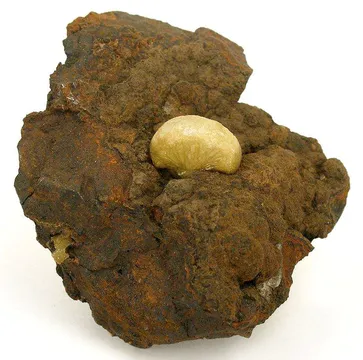
Clay Canyon産ヴァリサイトは、可視結晶としてではなく、コンパクトで微結晶性の結節として現れる。Larsenの古典的研究は、 Fairfield結節を直径約0.25インチから2フィート以上の範囲と描述し、最も一般的なサイズは1〜3インチであるとした。球状であることが多く、時には平坦化し、隣接する結節が互いに接触して成長した際の接触干渉を示すことがある。いくつかの材料は角張った破片として現れ、以前の結節の破片と解釈されている。
色は第一の品質指標である。最高品質のClay Canyonヴァリサイトは、飽和したアップルグリーンからクロムグリーンまでで、時には青味がかることがある。色は丸い核の中、分節状の房、崩れた島、または二次リン酸塩物質に囲まれた不規則な塊として現れることがある。低品位のピースは、より淡く、多孔性で、crandalliteへと変化したり、基質に希釈されていることがある。
第二の品質指標はパターンである。最も特徴的な研磨結節は、緑のヴァリサイトの周囲に黄色のcrandalliteの外皮が見られ、多くは追加の黄色のcrandalliteの縫い目で切られている。灰緑色のwarditeは、結節構造内に小さな円形スポット・球体・斑点として現れることがある。細かい板では、その関係がはっきりしており、緑色のヴァリサイト領域、黄色のcrandalliteの縁、灰緑色のwarditeのアクセント、時には淡色または白色のリン酸塩の外皮と腔充填が見られる。
Little Green Monster/Clay Canyonの産地で見られる関連鉱物には、crandallite、wardite、englishite、gordonite、millisite、montgomeryite、overite、kolbeckite、goyazite、フルオロアパタイト、ヒドロキシルアパタイト、alunite、方解石、石英、酸化鉄を含むリモナイト質物、及び関連するリン酸塩相が含まれる。ほとんどのコレクターにとって、展示品質の板での実用的な関連鉱物の三重はヴァリサイト-crandallite-warditeであり、体系的収集家にとっての本当の賞は、希少なリン酸塩を含む小さな空洞と変質帯かもしれない。
Clay Canyonのヴァリサイトは、一般に、未加工の宝石粗石よりも研磨標本として評価される。高級品には、強い色、緑と黄色の間の良好なコントラスト、読取可能な結節構造、異方性硬度と多孔性による過小削りやピットの最小化、が求められる。魅力的な研磨面と自然な結節文脈の両方を備えた完全な半結節または厚い板は、薄くて匿名のカービングスライスよりも一般に望ましい。
サイズは重要性を高めるが、色とパターンが持続する場合に限る。小さく鮮やかな研磨結節は、大きくてくすんだものよりしばしば良い。鋭い緑と黄のアーキテクチャを備え、特に数インチ幅で、古いラベルを伴う大きなキャビネット板は、Clay Canyon材料の最上位層を占める。## Collector Notes
最初の本物性の問題は局在性の正確さです。「ユタ州 variscite」は自動的にClay Canyonを指すものではありません。ユタ州は Fairfield/Clay Canyon、Lucin、その他の西ユタの発生源を含め、いくつかの地域から著名な variscite を産出しています。Clay Canyon の材料は、灰色がかった緑色の wardite の縁取りと継ぎ目、黄の crandallite の皮膜で特徴づけられる nodular な緑色の variscite を特に目立たせます。Lucin の材料や他のユタ州の variscites も独自の美しさを持ちますが、出自が確実でない限り Clay Canyon として販売すべきではありません。
二つ目の問題はターコイズの問題です。Variscite とターコイズは色、用途、マーケット用語が重複しており、緑色の variscite は長くターコイズの代用品として用いられたり混同されたりしてきました。しかし Clay Canyon の材料は、研磨標本の形で自らをはっきりと示すことが多いです。黄の crandallite の皮膜と内部のリン酸塩脈は、普通のターコイズより Clay Canyon の結節の方がはるかに典型的です。孤立した緑色の領域から切られたカボションでは、その診断的文脈が消えることがあり、出自と dokumentation の重要性が高まります。
ガーメットおよび宝石材料では処理に注意を払うべきです。Variscite は油分、蝋、ポリマー、その他の安定化剤や色彩変化剤を吸収するほど多孔性であり、ダブレットは広範な variscite 宝石取引で文書化されています。Clay Canyon のコレクター標本については、通常望ましい仕上げは、自然ノジュル材の清潔な機械研磨です。樹脂充填、裏打ち、着色、安定化、あるいは再構成されたスラブは開示されるべきです。
状態の問題は混合リン酸塩結節では予測可能です。Variscite、crandallite、wardite、関連する変性鉱物は研磨の仕方が異なり、切断部縁の過小露出、黄色い柔らかく見える部位、窪み、あるいは開洞を生じさせることがあります。薄板は古い亀裂や crandallite-rich な縦走部に沿って壊れやすい場合があります。自然の亀裂は一般的で致命的ではありませんが、修復された破損、接着された薄片、または損失を覆い隠す研磨面は慎重に評価すべきです。
希少性は現実的です。伝統的な鉱山は回収され、古い堆積場とポータルは消え、偉大な採掘・コレクションの時代は長く過ぎ去りました。入手可能な標本の多くは古い在庫の研磨ノジュル、薄片、半分、そしてコレクションやディーラーの在庫からリリースされた稀に粗い断片です。高度に研磨された薄片と半ノジュルは高値をもたらしており、トップピースはカ Cabinet minerals(キャビネット鉱物)としての価値があり、気まぐれな宝石彫刻の好奇心ではなく真剣なコレクター向けの鉱物として評価されてきました。最良の購入戦略は、文献情報を優先することです。古いラベル、コレクション履歴、または販売業者の記録が付いたClay Canyon標本は、出所が不明な緑-黄の薄片よりも好ましいです。Little Green Monster、Clay Canyon、Fairfield、Utah County、Arthur Montgomery、Ed Over、 Smithsonian関連の拡散品、Harvard関連資料、または長く確立された鉱物ディーラーのラベルを探してください。その材料は独特ですが、出所情報こそが、きれいなバリサイトの薄片をクラシックな産地標本へと変える要素です。## Stories & Field Notes
Clay Canyonの物語は偽りの輝きから始まる。1893年、Frank Buttとその兄はClay Canyonで金を見つけたと思った。彼らはそうではなかった。「黄金」への興奮は薄れたが、奇妙な緑色の結節の一つがLehiのF. T. Millisの手に渡り、彼は資料をGeorge P. MerrillのもとUS National Museumへ送った。そのいわゆる鉱床は小さな金鉱現象以上のものへと成長した:専門家を何十年も忙しくさせる鉱物学的 localityとなった。
Don Maguireは1904年頃に鉱床を引き継ぎ、緑色の石をターコイズのような宝石として販売しようとした。しかし商業的現実は厳しかった。4年の間に生産されたのは約200カラットほどで、その多くが中国へ送られたと報告されている。旧い商名—緑色の物質にはchlor-utahlite、黄色の伴性リン酸塩にはsabalite—は、石が宝石界で試されていた初期の時代に属し、鉱物コレクターが結節の複雑さを完全に理解する前の名残だった。
最も語られる章は1936年に始まる。Arthur MontgomeryとEdwin Overは、アラスカ州プリンス・オブ・ウェールズ島のGreen Monster Mountainでエピドートを採取しており、その名をユタ州へと運んだ。Clay Canyonで「Edが掘り、Artが市場化した」。二人は鉱山に永続的なアイデンティティを与えた:Little Green Monster。1937年から約1940年の短い間に、Overは手作業で数トンの材料を掘り出した。地質学者として訓練を受け、結節の科学的価値をすでに認識していた Montgomery は、最高の材料が宝石加工在庫へとただ消え去らないようにした。主要な美術館、特にハーバード大学とスミソニアンは重要な標本を受け取った。
結節はその配慮に報いた。以前の鉱物学的研究はすでに異常なリン酸塩の存在を示していたが、OverとMontgomeryの採掘はより良い材料を引き出し、いくつかの関連種の優れた結晶と新しい未知の結晶を研究対象として提供した。鉱山は広大な産業操業ではなく、慎重な目が量と同様に重要な典型的な標本採掘の試みだった。1940年までに数十トンが取り除かれ、新しい結節を見つけるのは難しくなり、二人は次へと進んだ。
Smithsonianとのつながりは素晴らしく実用的な形で続いた。1950年代にT. B.とNellie GillespieはLittle Green Monster Mineへ赴き、MontgomeryとOverを取り巻く採集界の影響を受けつつ案内された。彼らは大きなvariscite標本を見つけ、それをSmithsonianのMineral Departmentによって「切断・研磨」してもらった。支払いの取り決めは古き良き方法で優雅だった:サービス料が結節のもう一方半分であった。その結果、Gillespie Museumのvariscites—およびmontgomeryiteやoveriteといった関連標本には、ワシントンDCに双子が存在することとなった。アーサー・モンゴメリー自身の人生は、クレーキャニョンが地域の歴史的広がりを拡げたことで始まりました。第二次世界大戦中、ニューメキシコ州のハーディング鉱山を操作し、戦争努力のためにタンタル、ベリリウム、リチウムを供給し、後にその鉱山を教育資源として保全する手助けをしました。彼は1951年にハーバード大学で博士号を取得し、ラファイエット大学で教え、The Mineralogical RecordとFriends of Mineralogyの双方の設立に貢献しました。従って Little Green Monster の物語は、ユタ州の緑色の結晶団だけの話ではなく、現代のアメリカの鉱物収集と鉱物保存を形作るのに寄与した同じ人生の軌跡の中に位置づけられます。
エッド・オーバーの物語は現場により近いものでした。彼は20世紀の卓越した商業的な野外コレクターの一人となり、Red Cloud鉱山、Topaz Mountains、Mt. Antero、Quartzsite、Pikes Peak、その他の古典的な産地からの優秀な鉱物と共に名声を得ました。彼は最も知っていた野外の世界であるロット鉱山の近くの車内で発見され、コロラド州の Nine Mile Hill の遠隔地で鉱物標本を採取していた際にこの世を去りました。出所を重視するコレクターにとって、Overに関連するClay Canyonの作品は、その厳しく鉱物標本狩りの伝統への直接的な結びつきを持っています。## 鉱物学的記録と出版物- Wilson, Wendell E. “The Clay Canyon Variscite Mine, Fairfield, Utah.” The Mineralogical Record 41(4), 2010, pp. 321–354. mine の現代的な専門的資料としての取り扱い、歴史、標本、および鉱物学的重要性を专門に扱う。
Larsen, Esper S., 3rd. “The Mineralogy and Paragenesis of the Variscite Nodules from near Fairfield, Utah. Part 2.” American Mineralogist 27, 1942, pp. 350–372. 結節状構造、鉱物分布、および伴生関係の主要な記述研究。
Larsen, Esper S., 3rd. “The Mineralogy and Paragenesis of the Variscite Nodules from near Fairfield, Utah. Part 3.” American Mineralogist 27, 1942, pp. 441–451. Fairfield/Clay Canyonの結節の起源と沈着溶液に関する古典的議論。
Larsen, Esper S., 3rd. “Overite and Montgomeryite: Two New Minerals from Fairfield, Utah.” American Mineralogist 25(5), 1940, pp. 315–326. Clay Canyon/Fairfield結節に結びつく二つのリン酸塩種の原著。
Larsen, Esper S., and Earl V. Shannon. “The Minerals of the Phosphate Nodules from near Fairfield, Utah.” American Mineralogist 15(8), 1930, pp. 307–337. 結晶団のリン酸塩ノード標本の基礎的初期研究。英語石をはじめとする現代標本記録で引用される。
Davis, Allen M. “Scandium-Bearing Aluminum Phosphate Deposits of Utah.” Utah Geological and Mineral Survey Report of Investigation 209, 1988. Clay Canyon および関連するユタ州の variscite-リン酸塩 deposits の重要な経済地質学的取り扱い。
Francis, Carl A., and Kristen Marshall Mattson. “Signature Specimen: Variscite, Little Green Monster Mine, Clay Canyon, Utah, at the Gillespie Museum.” Rocks & Minerals 100(3), 2025, pp. 284–289. Clay Canyon の重要な Variscite 標本に焦点を当てた最新の博物館向け論考。
Wikimedia Commons: “Variscite from Clay Canyon, Fairfield, Utah Co., Utah, USA — Harvard Museum of Natural History.” 公開閲覧可能な Harvard 自然史博物館標本写真。クラシックな光沢仕上げの結節パターンを示す。
Wikimedia Commons: “Variscite and Wardite, Fairfield, Utah — Springfield Science Museum.” Fairfield 由来の variscite-wardite の組成を示す博物館展示標本。
Wikimedia Commons: “Varisite, Clay Canyon, Utah — Natural History Museum of Utah.”--_DSC07453.JPG) ユタ州立自然史博物館のディスプレイ標本、Clay Canyonから。## さらに読むべき資料と外部リンク
Mindat: Little Green Monster Variscite Mine, Clay Canyon, Fairfield, Utah County, Utah — コアの産地ページで、座標、鉱物リスト、写真、参考文献、現在のアクセス状況を掲載。
Mindat: Clay Canyon, Fairfield, Sunshine Mining District, Utah County, Utah — 地域の Clay Canyon 産地ページ。鉱山を広い峡谷産地と区別するのに有用。
Mindat: Wardite from Clay Canyon — Clay Canyon/Fairfield の文脈における Wardite の種の出現ページとその型標識地の記録。
Mindat: Englishite — Clay Canyon 由来の型標識地データと関連鉱物を持つ種ページ。
Geology.com: Variscite — Clay Canyon のノジュールの写真と実用的な宝石 Variscite の解説をわかりやすく提供。
Utah Geological Survey: Scandium-Bearing Aluminum Phosphate Deposits of Utah — Clay Canyon および関連するユタ州の鉱床の地質・地球化学的背景。
Dave Crosby, Mindat article: Clay Canyon & the Little Green Monster Variscite Mine — 収集家向けの鉱山の歴史、Ed Over、Arthur Montgomery、そして Little Green Monster の名称の解説。
Durango Silver: Fairfield Variscite and Associated Phosphates — Clay Canyon/Fairfield の鉱物群と初期の科学史についての長文解説。
Stetson Today: A Connection to the Smithsonian Institution — Gillespie Museum の Clay Canyon ノジュールが Smithsonian でどうノコギリ挽き・研磨されたかを説明する博物館の物語。
Wikimedia Commons: Little Green Monster Variscite Mine category — Clay Canyon/Little Green Monster の variscite、crandallite、wardite 標本の公開画像アーカイブ。