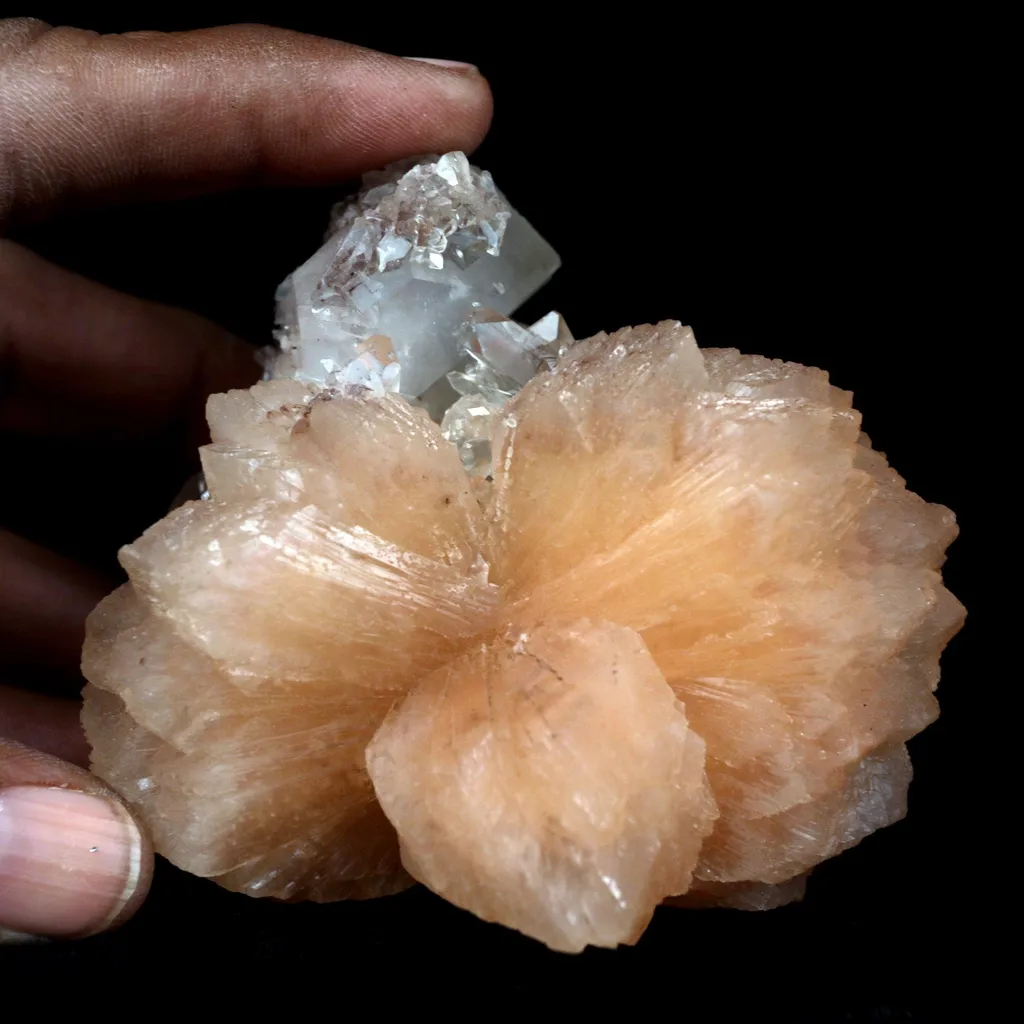
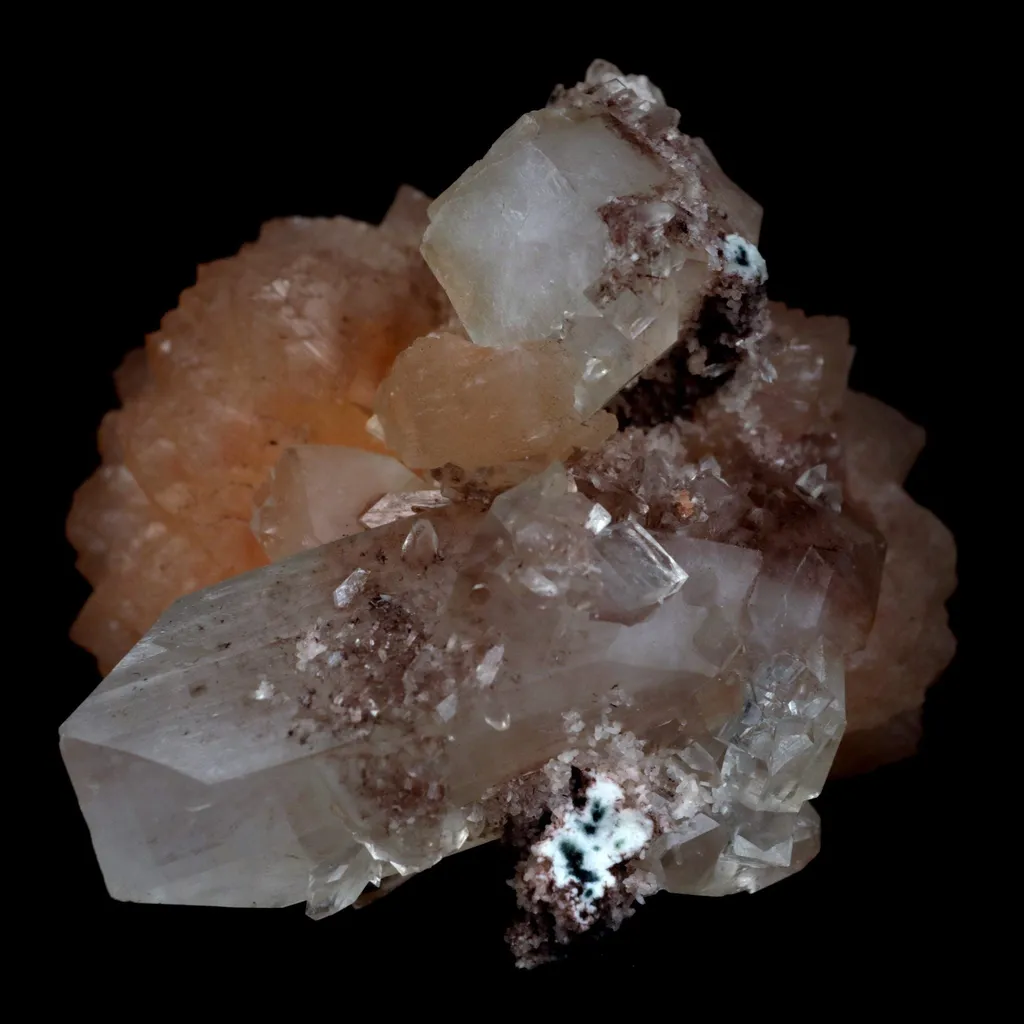
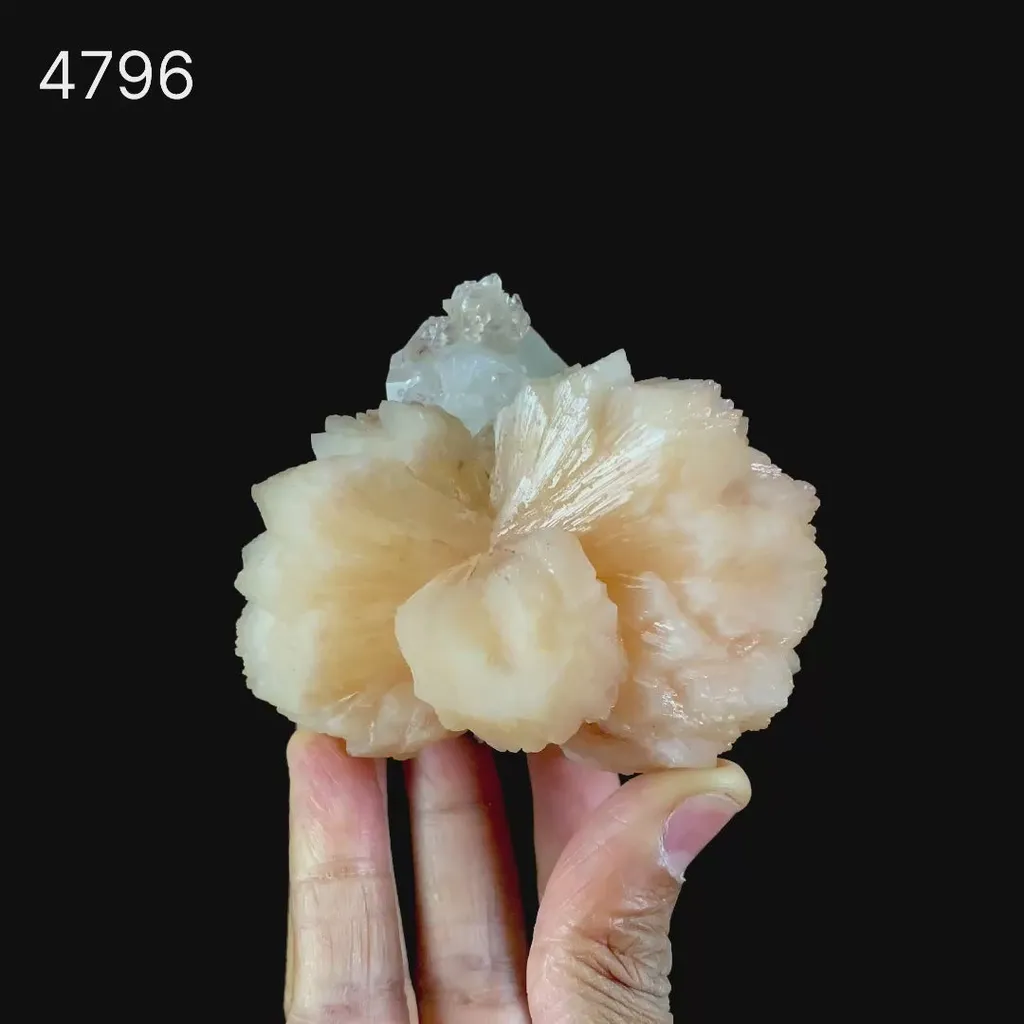
Apophyllite With Stilbite Perfect Bow-Tie formation Natural Mineral Specimen - image 1
Apophyllite With Stilbite Perfect Bow-Tie formation Natural Mineral Specimen - image 2
Apophyllite With Stilbite Perfect Bow-Tie formation Natural Mineral Specimen - image 3
Apophyllite With Stilbite Perfect Bow-Tie formation Natural Mineral Specimen - image 4
Apophyllite With Stilbite Perfect Bow-Tie formation Natural Mineral Specimen - image 5
Apophyllite With Stilbite Perfect Bow-Tie formation Natural Mineral Specimen - image 6

Apophyllite With Stilbite Perfect Bow-Tie formation Natural Mineral Specimen

$300.00

VisaMastercardAmerican ExpressPayPalPayPal Pay In 4Discover·
  • Free shipping
  • Seller offers an extended return window of up to 30 days
  • USAShips from USA

873 for sale·Member since 2024
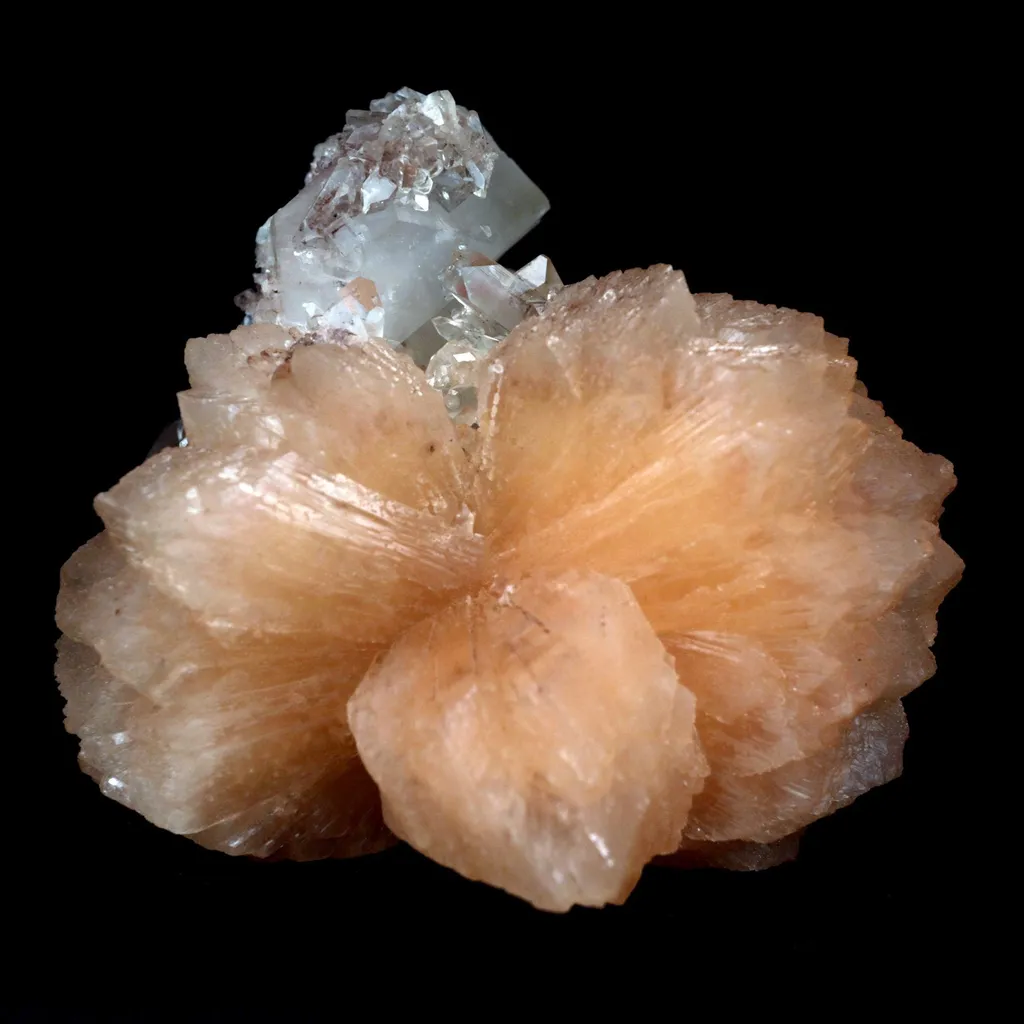
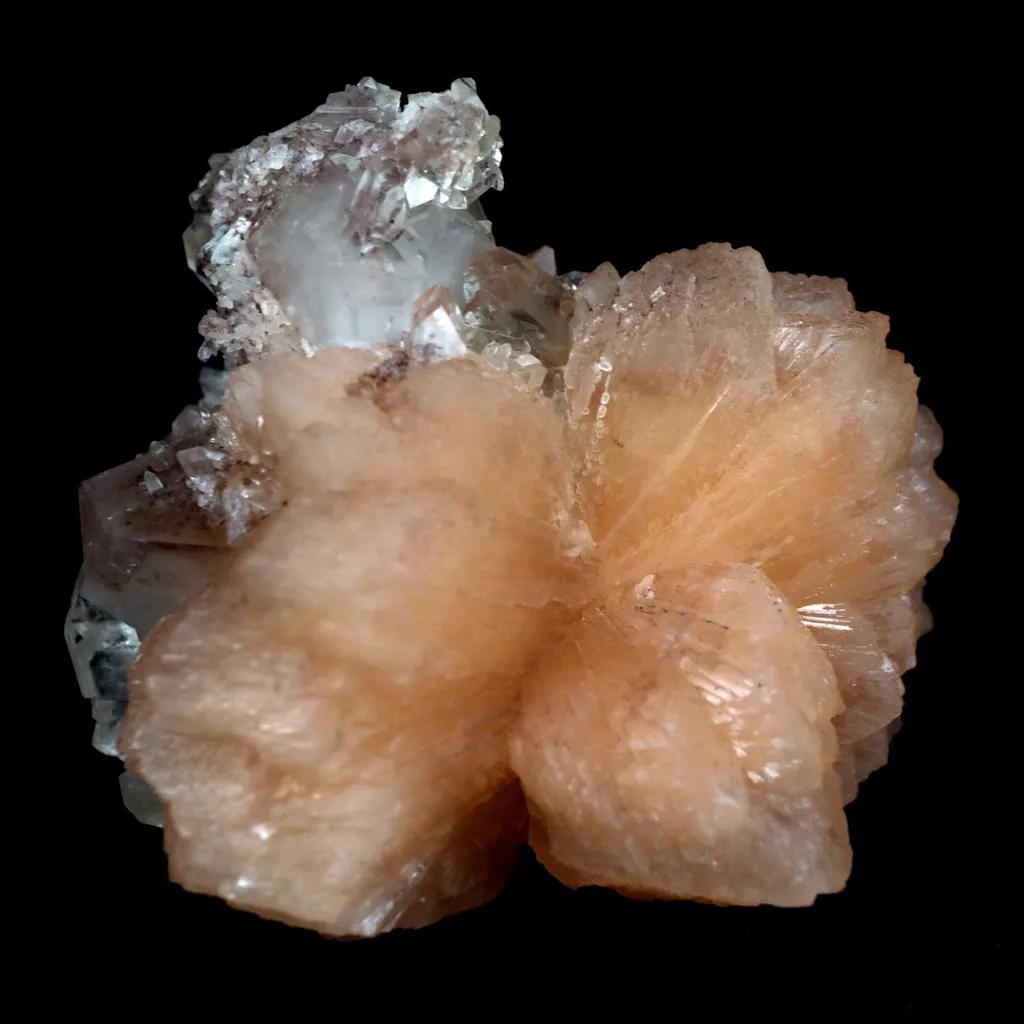
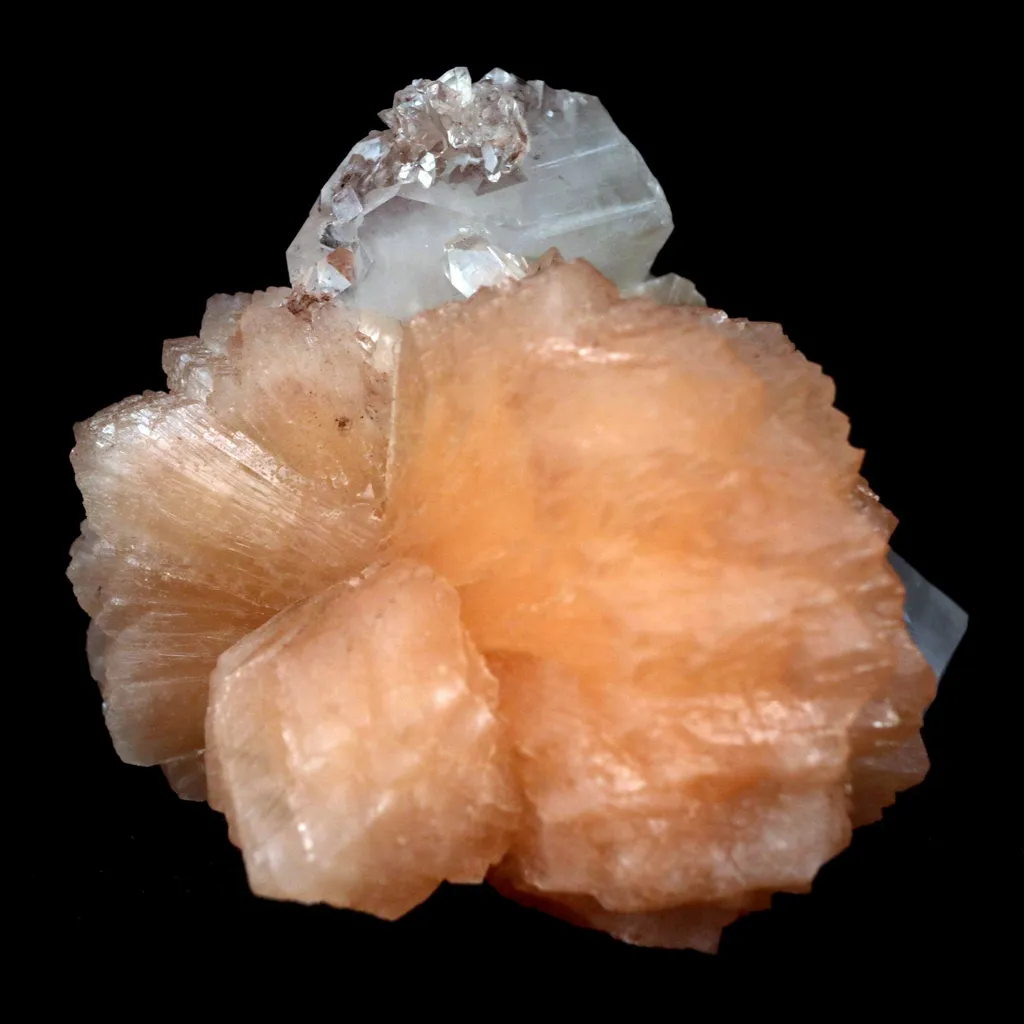
Features: A stunning, large doubly terminated stilbite bowtie with fantastic broad form is aesthetically set on the Chalcedony basalt matrix. The highly lustrous, translucent, cream-colored stilbite is wonderfully complemented by the numerous lustrous, that are peppered on the matrix. A very fine and artistic combinat

Product details

SizeSmall Cabinet
Dimensions7.6 x 7.6 cm
Weight290 grams
Listed on10/28/2024
SKUB 4796

Learn more

Apophyllite
Mineral guide
Learn about Apophyllite
glassy, fish-tail crystals; colorless to green. Great for display and provenance. Key sources: Deccan Traps (India), New Jersey; collecting value.
Apophyllite
Regional guide
Apophyllite from Jalgaon District, India
Jalgaon District is one of the great modern names in apophyllite collecting: a Deccan Trap basalt locality where glassy, geometric fluorapophyllite-(K) crystals emerge from dark volcanic rock with the kind of sculptural contrast collectors remember. The best pieces combine water-clear to mint-green apophyllite with peach stilbite, brown heulandite, sugary chalcedony, quartz crusts, celadonite-rich matrix, calcite, and, more rarely, powellite. The visual language is unmistakably Indian Deccan: bright vitreous faces, steep pyramidal terminations, pseudocubic outlines, and vug-shaped matrix plates that still read as sections of the original cavity.