Guide
254 for sale · $20–$25,000 USD
470 in the gallery
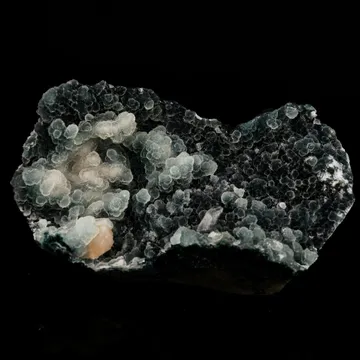
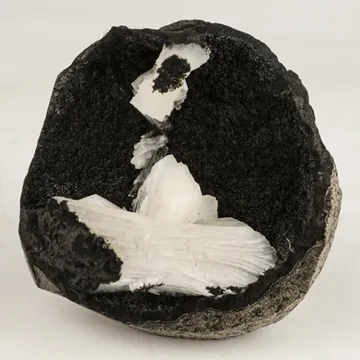
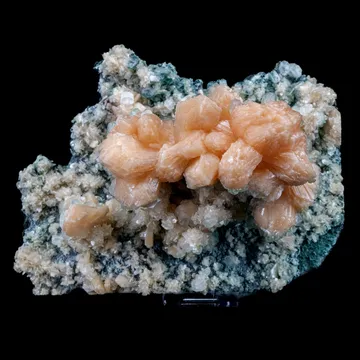
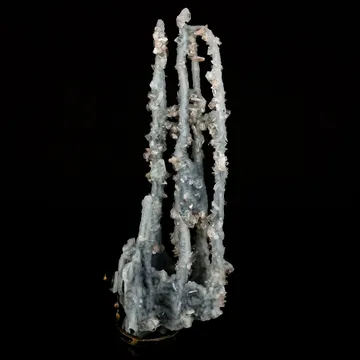
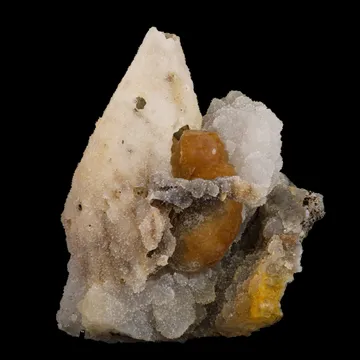
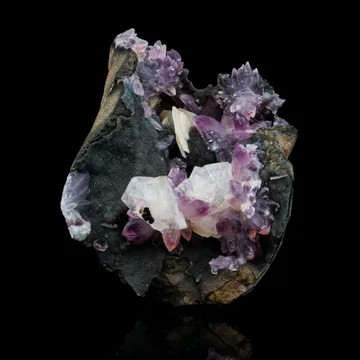
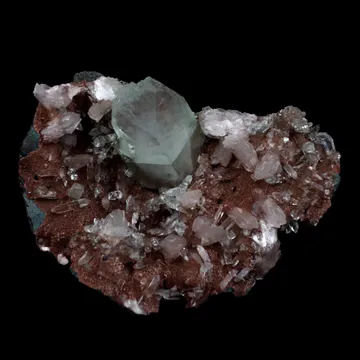
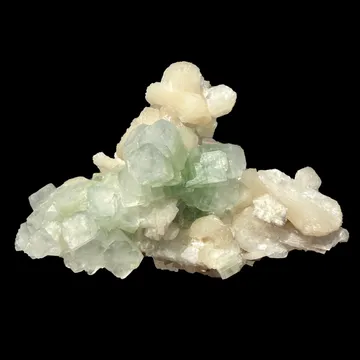
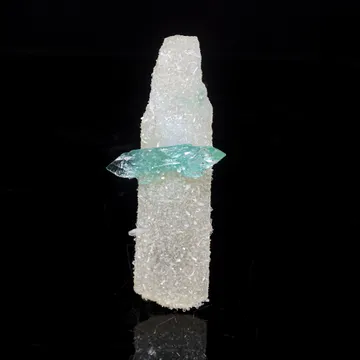
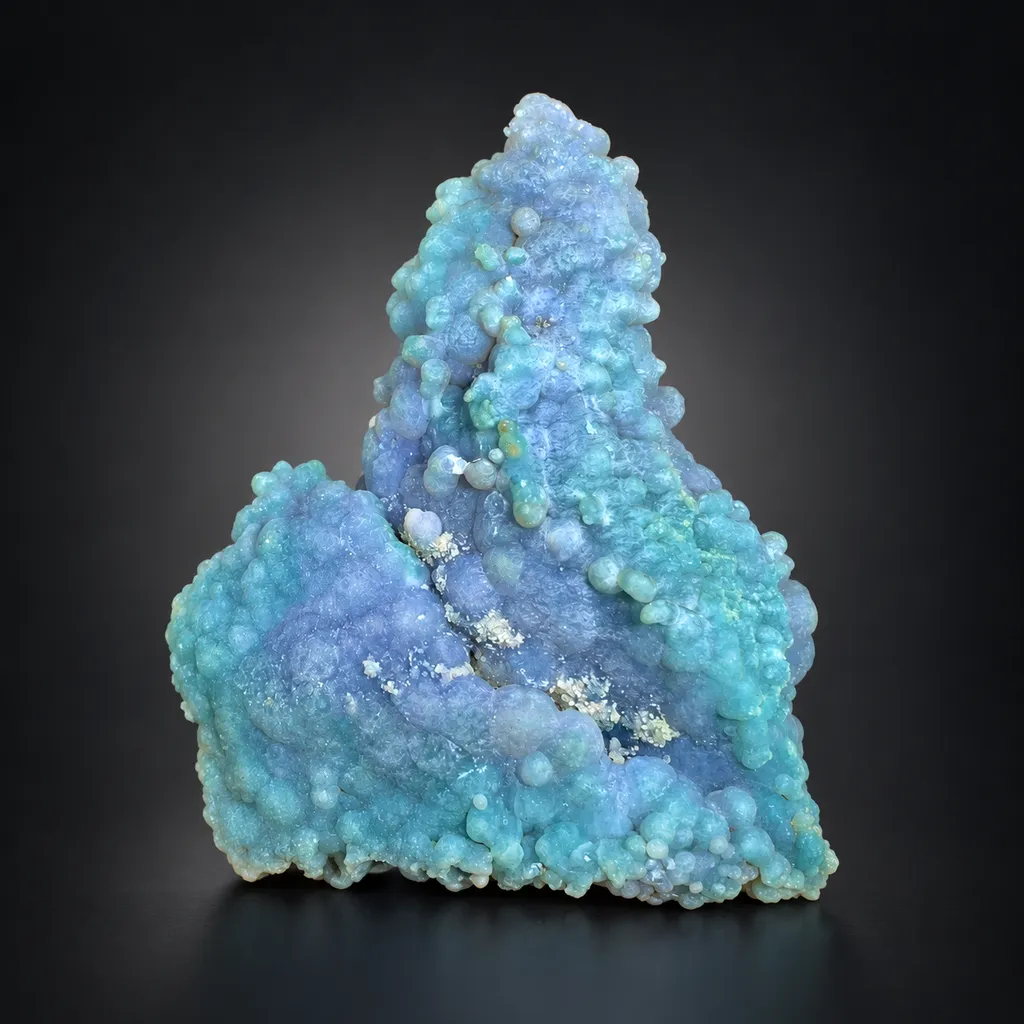
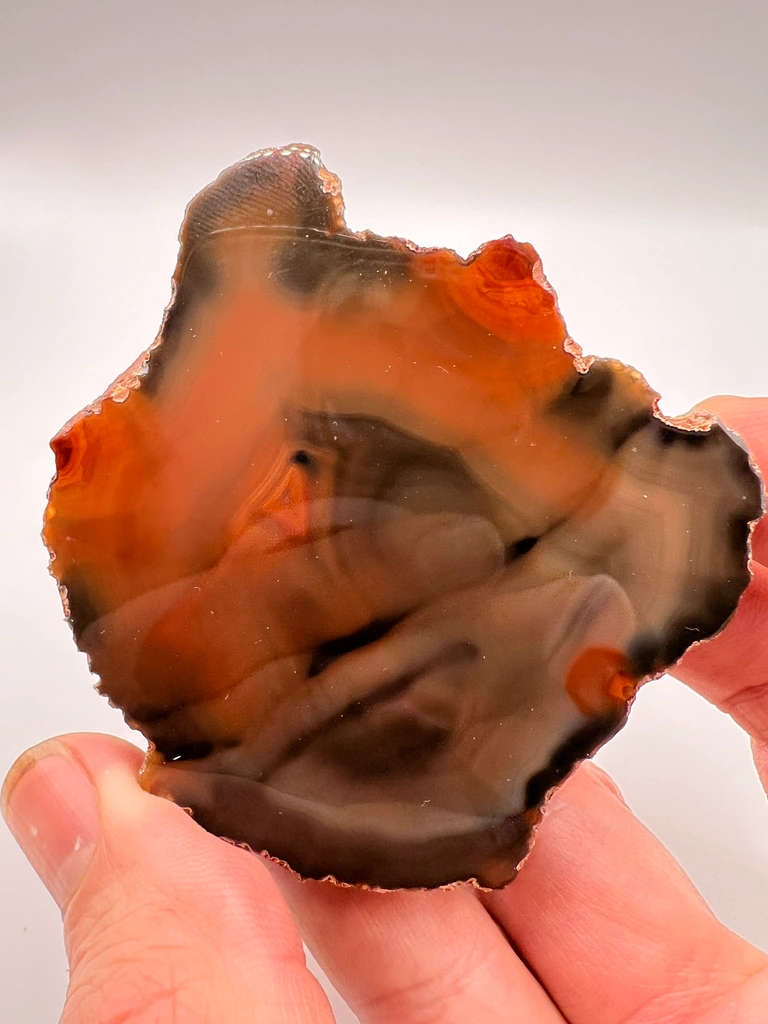
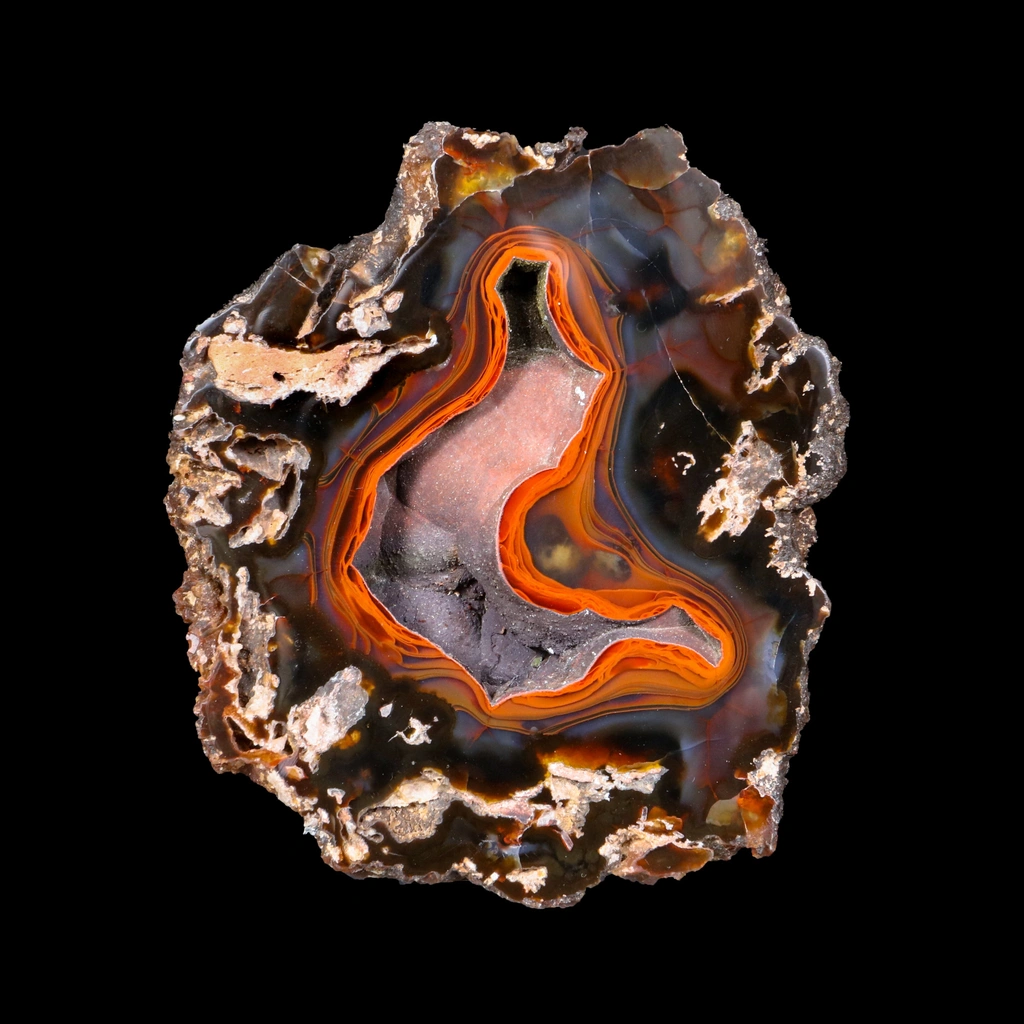
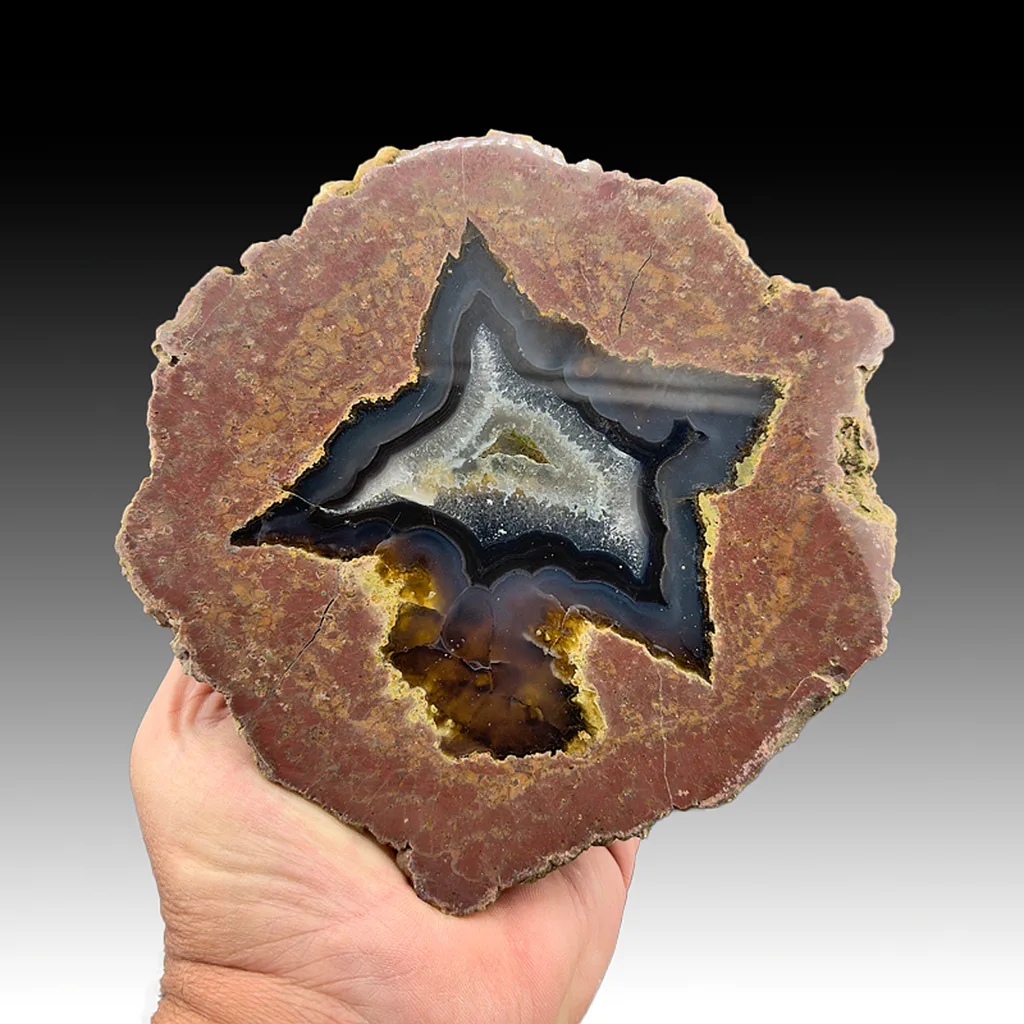
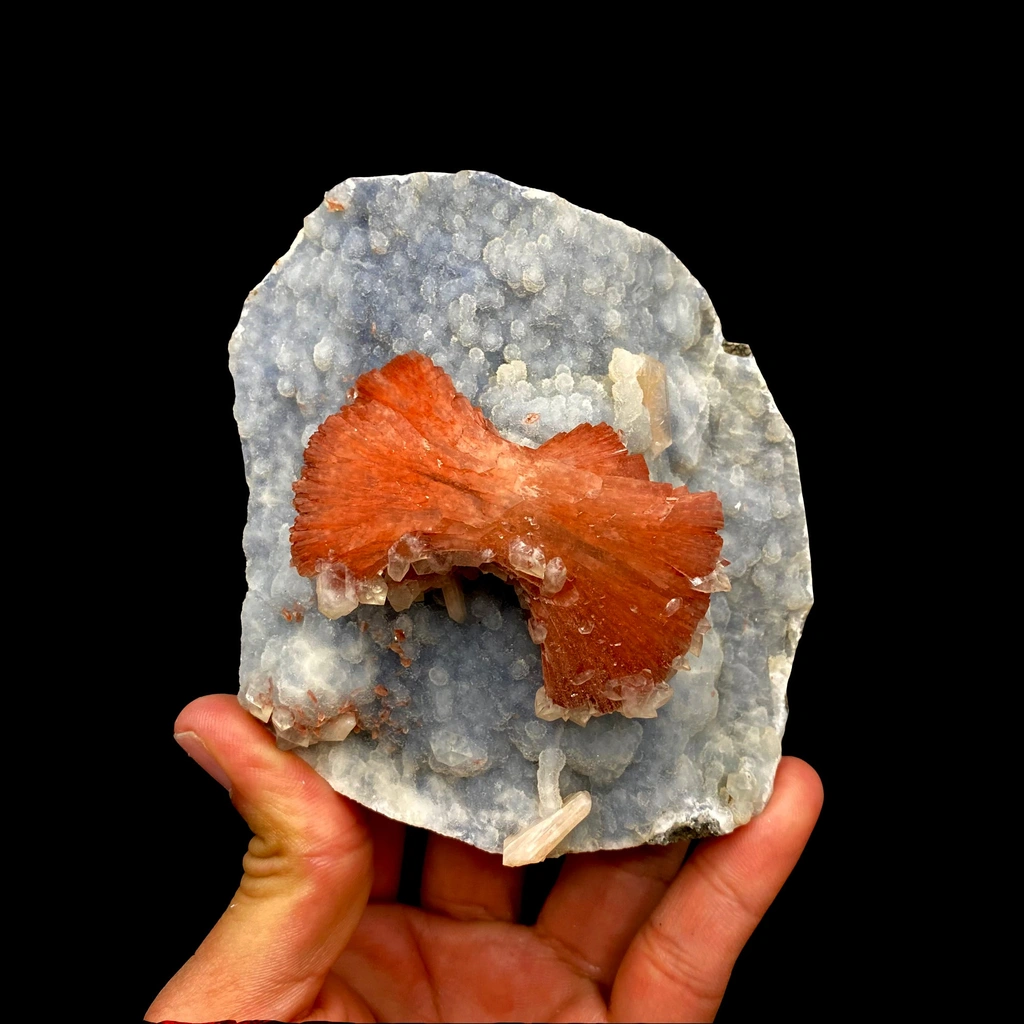
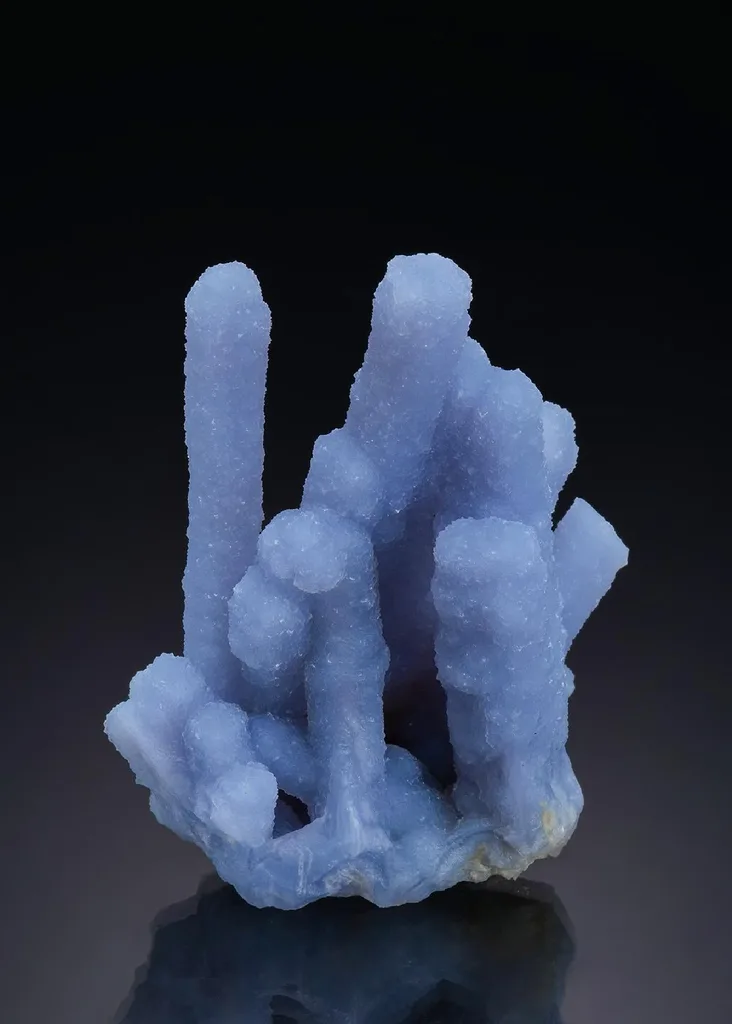
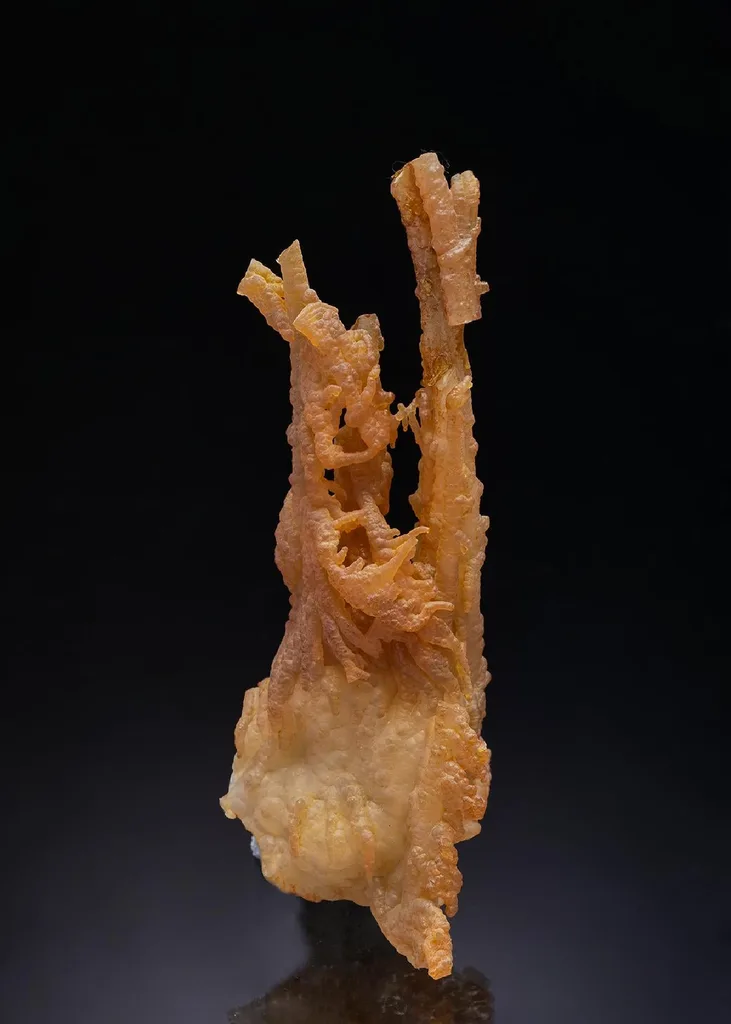
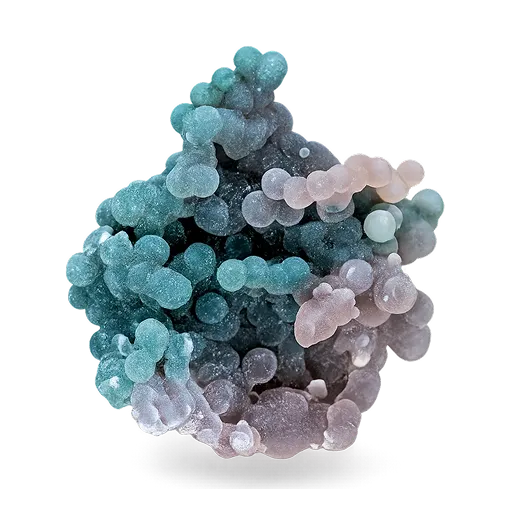
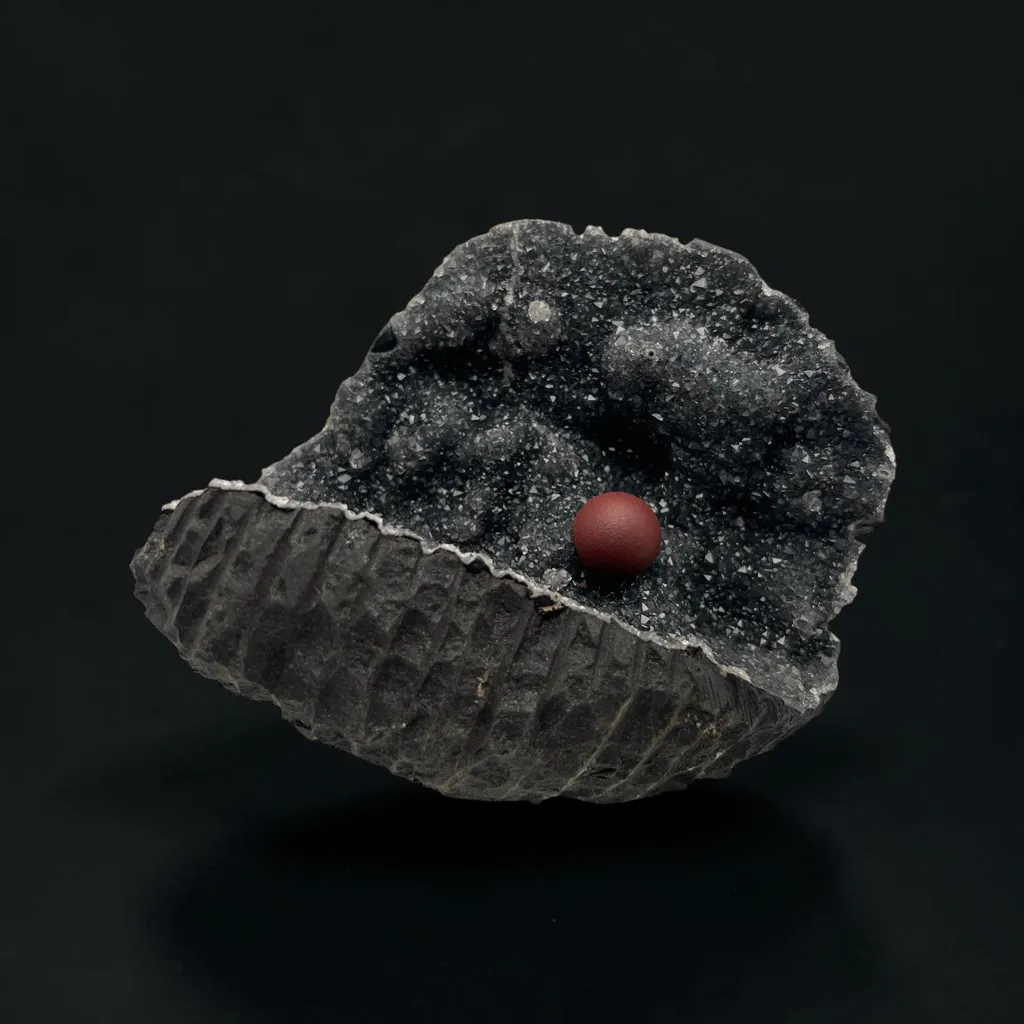
Chalcedony is a cryptocrystalline form of silica composed of intergrown quartz and moganite. Its appearance ranges from milky white to blue, gray, or brown, often displaying translucent to opaque tones and a waxy to vitreous luster. It commonly forms in botryoidal, nodular, or agate-like masses, with banding patterns that can create subtle, clouded designs inside the stone. Collectors prize chalcedony for its versatile colors, smooth textures, and deceptively soft glow when cut or polished.
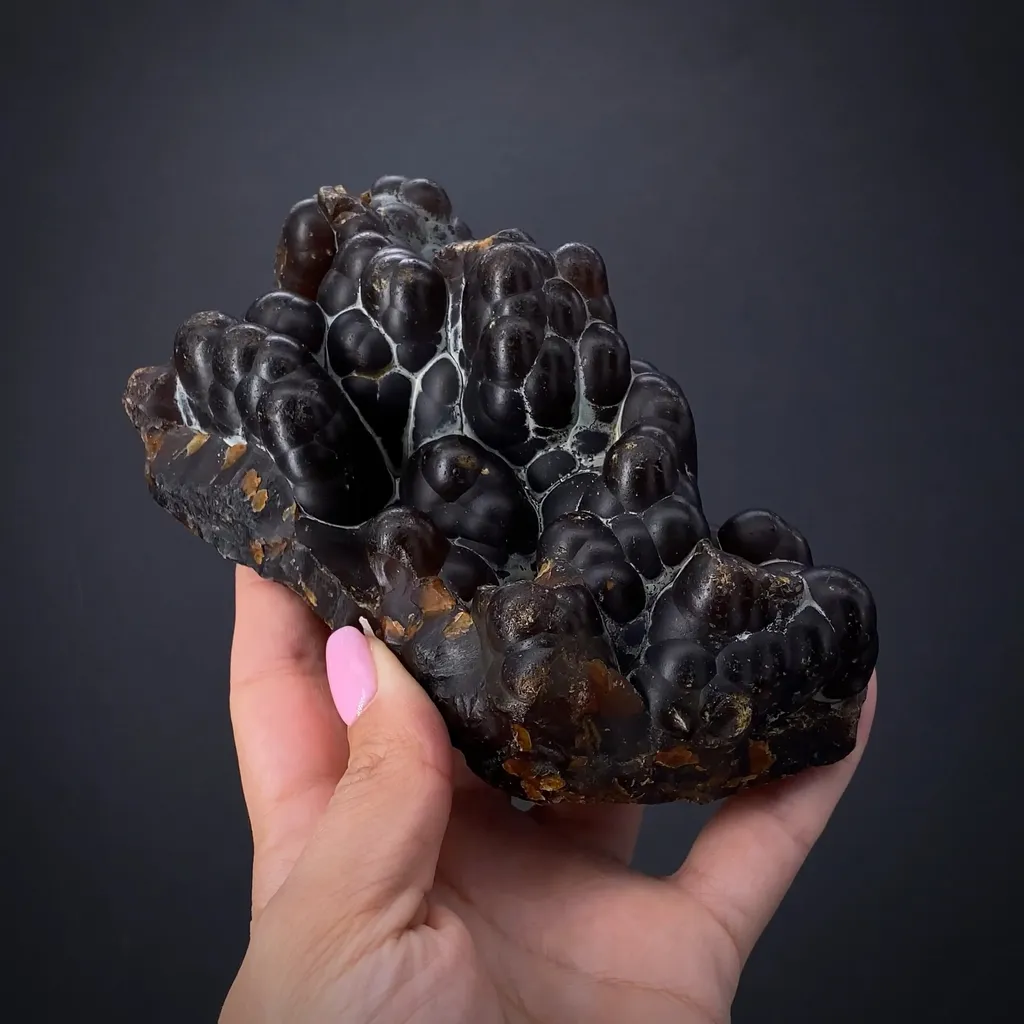
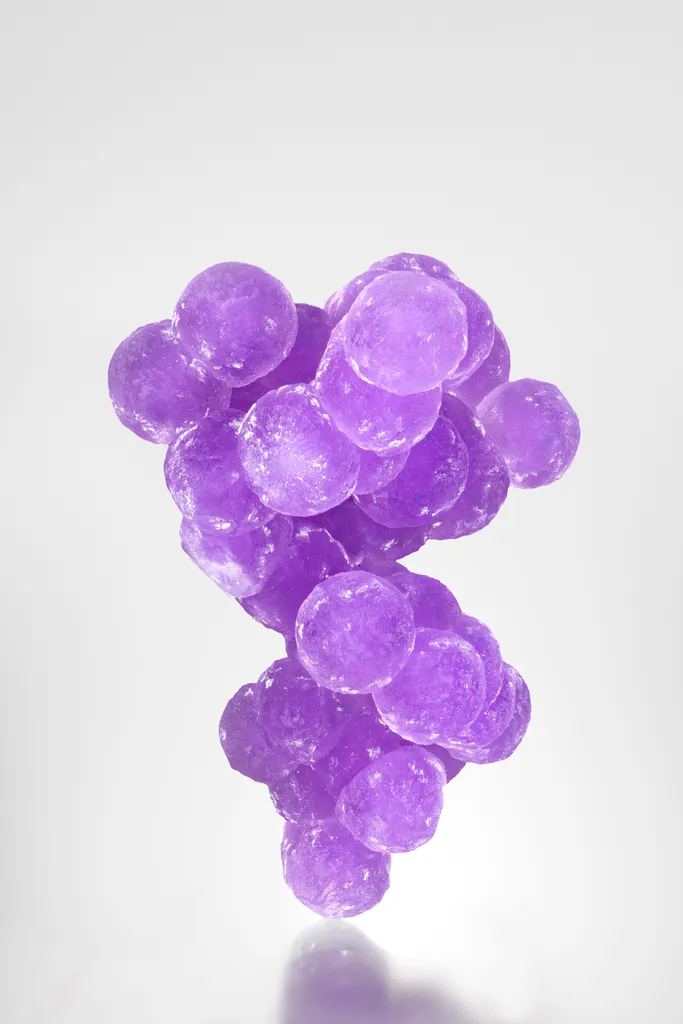
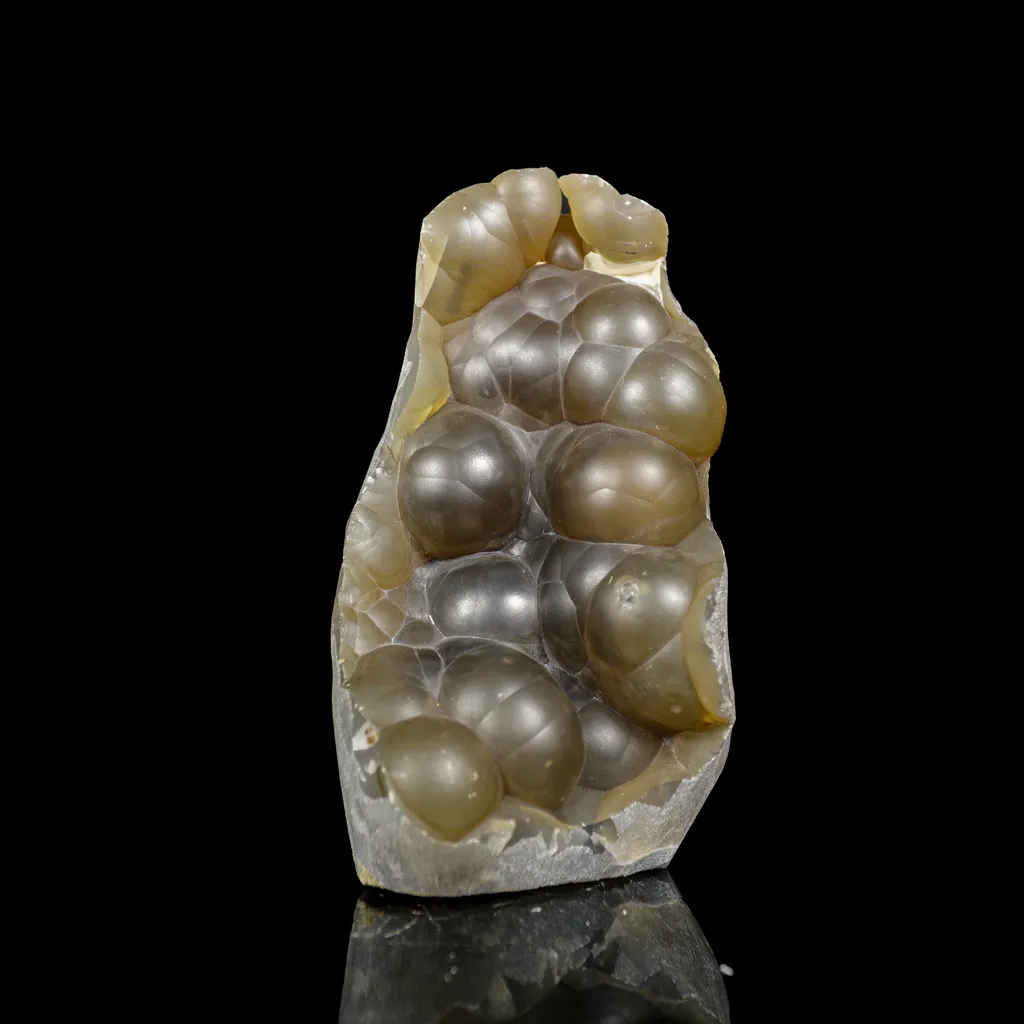
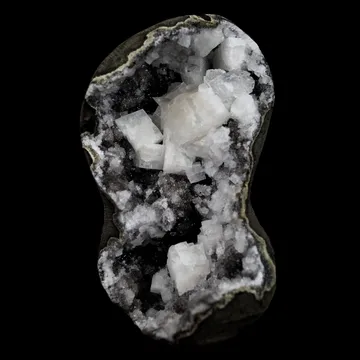
Notable localities include specimens from India, the United States, Namibia, Brazil, and the United Kingdom, where chalcedony occurs in diverse forms—from nodules in volcanic rocks to agate horizons and caramelized, banded geodes. These sources contribute to a broad spectrum of appearance, with some pieces displaying intricate concentric bands or vibrant color zoning. The material is widely faceted or left in natural form, making it accessible to a range of display and study preferences.
Collectors value chalcedony for its general availability, pleasant translucence, and ease of care, as well as the variety of textures and colorways it offers. Its understated elegance and versatility in cutting and polishing make it a staple in many mineral cabinets and museum displays, appealing to both novices and experienced enthusiasts.