$950Median
566Sold (12 mo)
$65Last sale
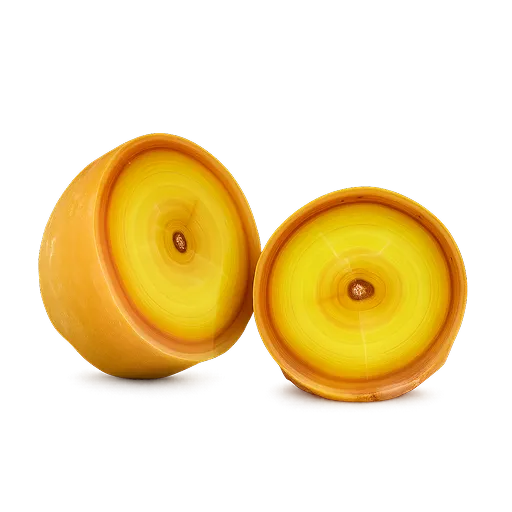
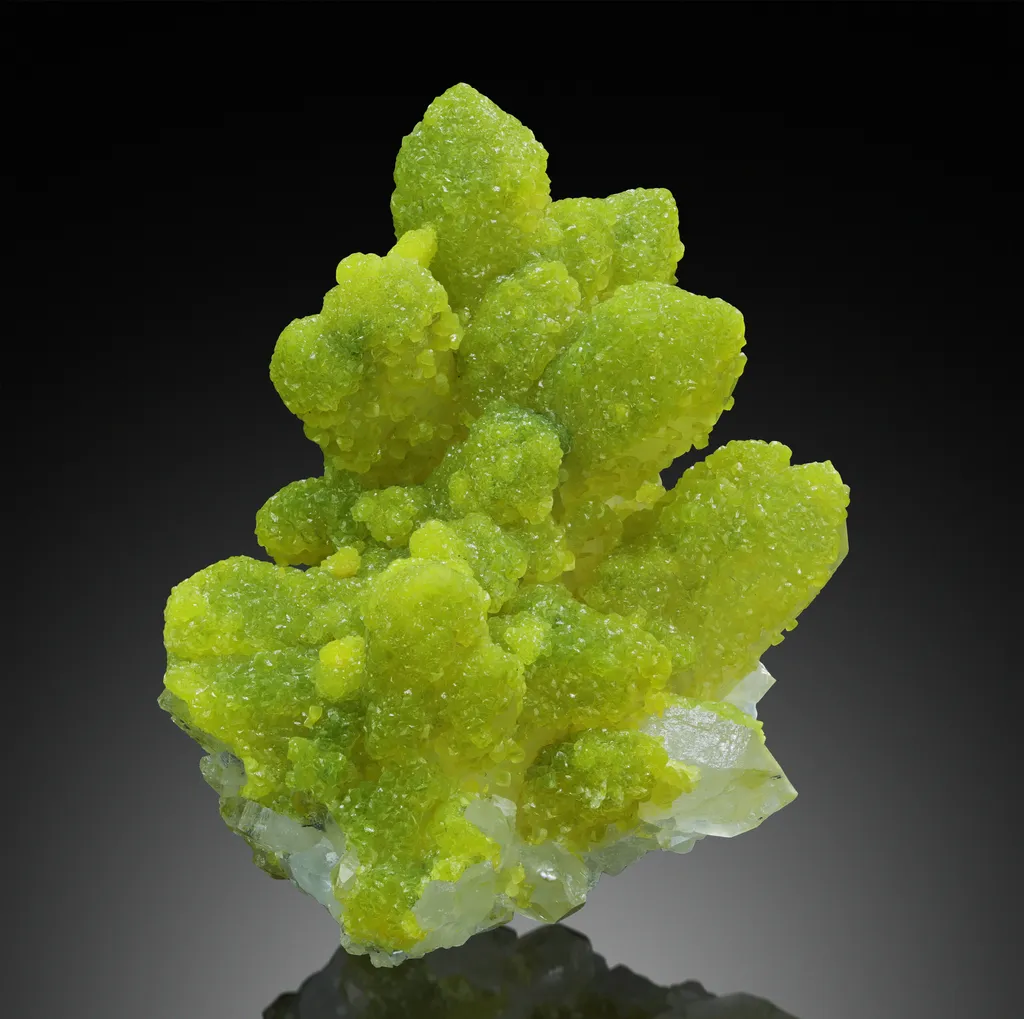
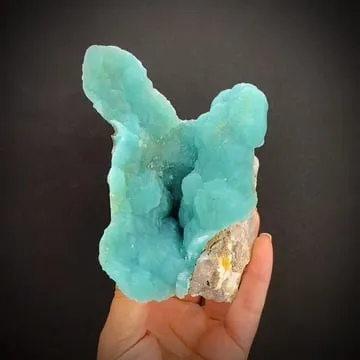
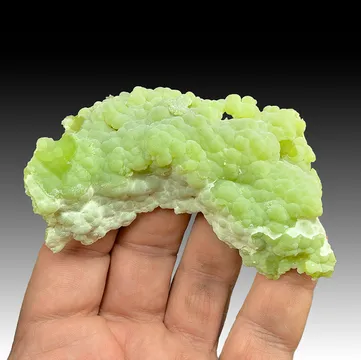
Luster and color are often the first features that capture our attention in a mineral specimen. Collectors frequently describe exceptional pieces with highly lustrous. Yet among minerals, smithsonite stands apart, by its highly reflective but silky luster with brilliant colors. Beyond aesthetics and on a big picture, nonsulfide zinc deposits has growing economic importance are increasingly attractive thanks to advances in hydrometallurgy.
The principal supergene zinc minerals are hydrozincite, smithsonite, and hemimorphite, which commonly form in carbonate host rocks. This association reflects the strong reactivity of carbonates with acidic, oxidized, zinc-rich fluids produced by the breakdown of sphalerite-bearing sulfides. Interestingly, unlike magmatic systems that I often discuss, the key control on these secondary zinc minerals is climate. Hydrozincite tends to crystallize in arid environments at low pressure when CO₂ degasses. Smithsonite, by contrast, stabilizes deeper, at higher pressures where fluids remain nearly CO₂-saturated. When water or soil turns acidic, smithsonite, stable near neutral pH, gives way to hemimorphite.
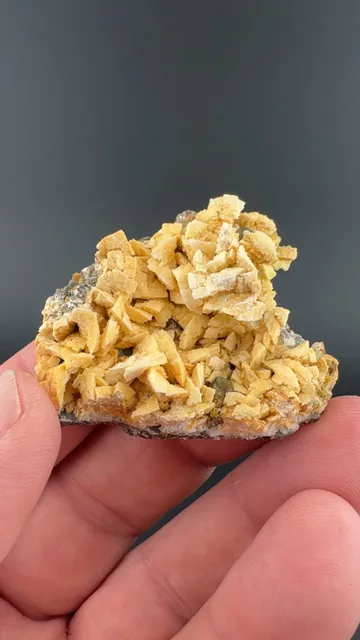
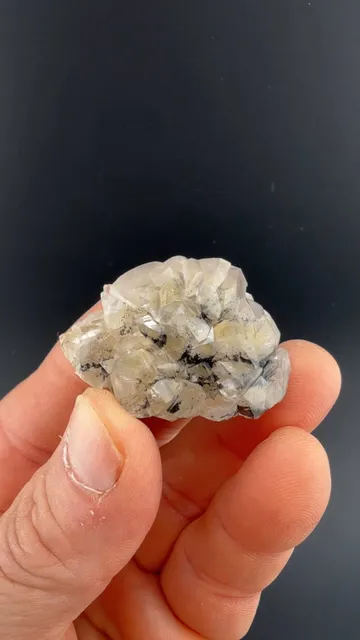
This specimen below features a rare association that smithsonite growth on quartz, Indicates distinct Zn²⁺ and CO₃²⁻-bearing fluids infiltrated a quartz vein, rather than forming in situ within carbonate rock.Yellow color is contributed by the high concentration of iron and manganese. Greenockite is reported, although absent here, suggest the PH is relatively low, which hemimorphite may occur.
Smithsonite on Quartz, 4.1cm, Wenshan, Yunnan, China
Jingnan (Tom) Zhang Coll & Photo

Comments