Guide
85 for sale · $70–$9,000 USD
117 in the gallery
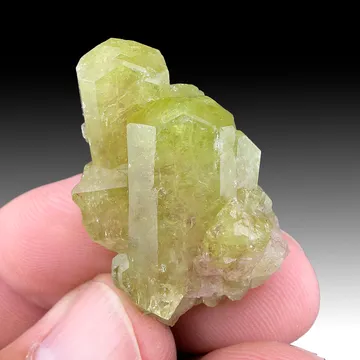
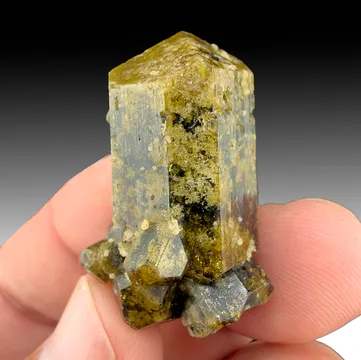
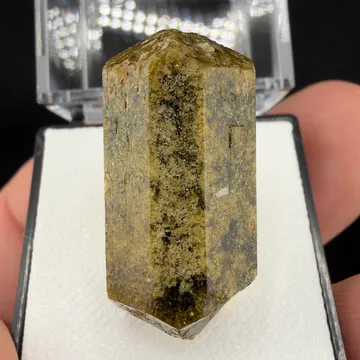
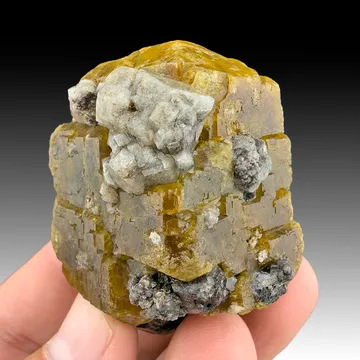
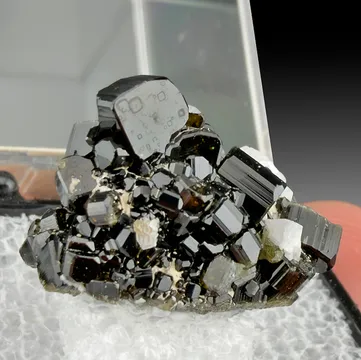
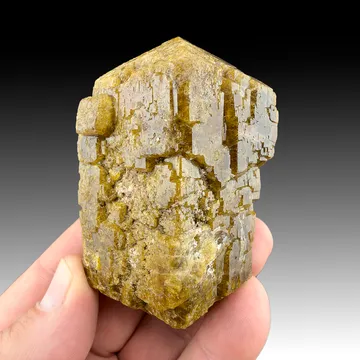
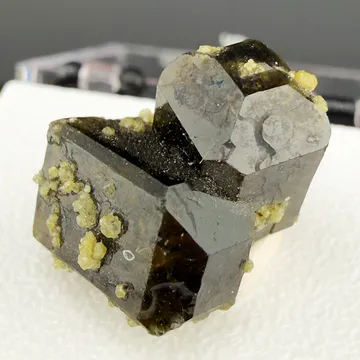
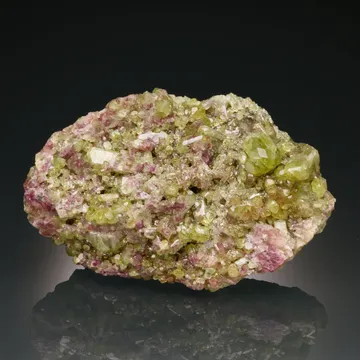
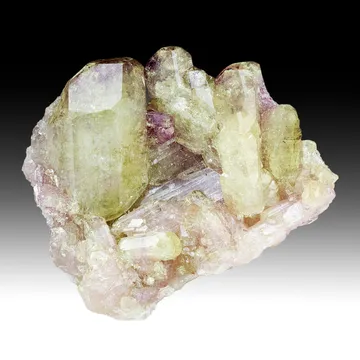
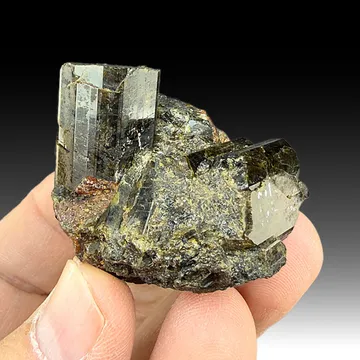
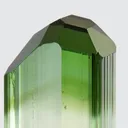
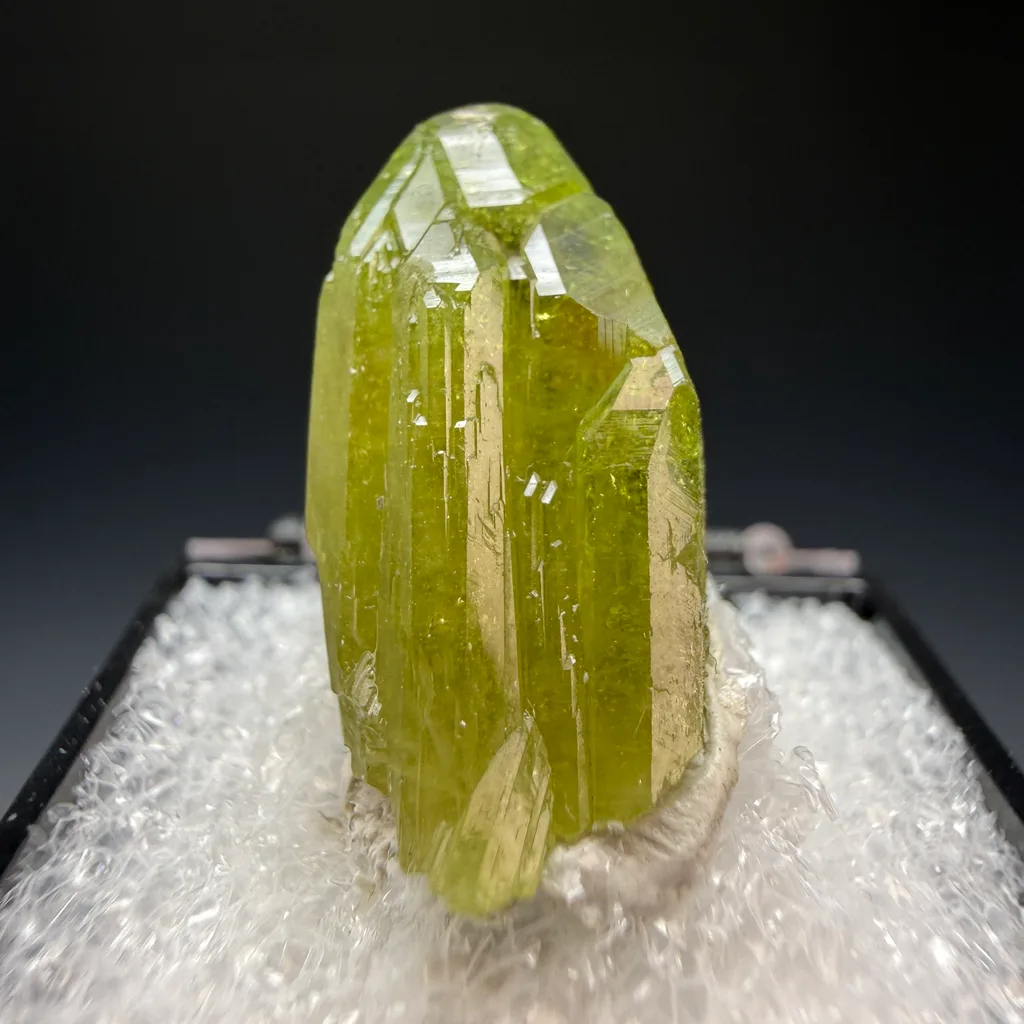
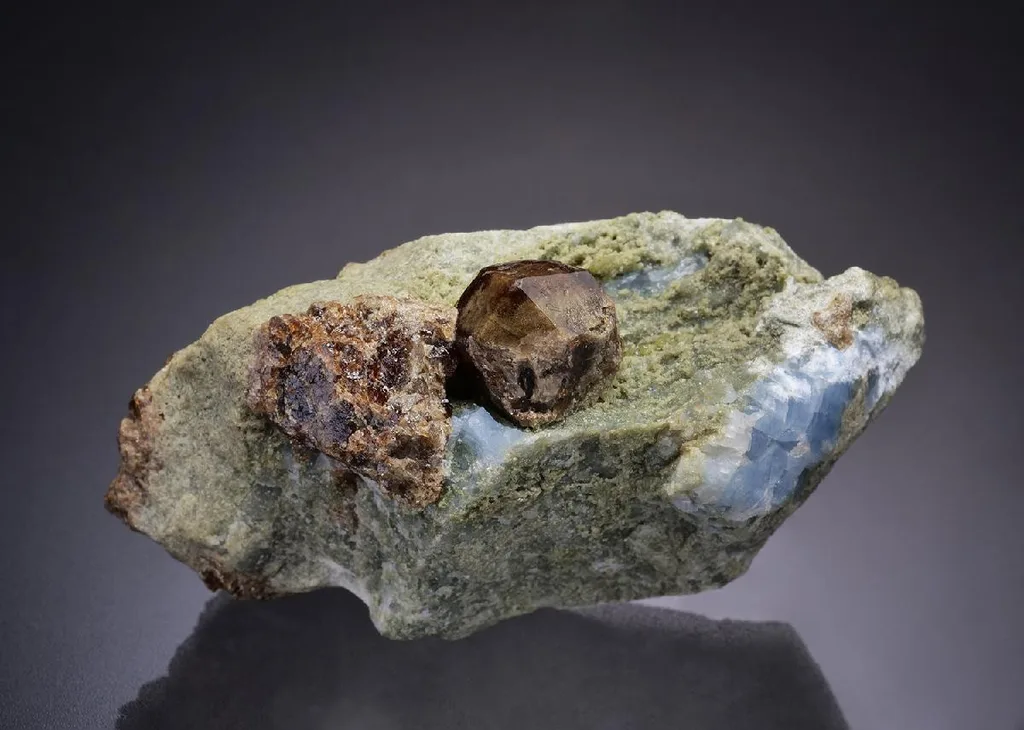
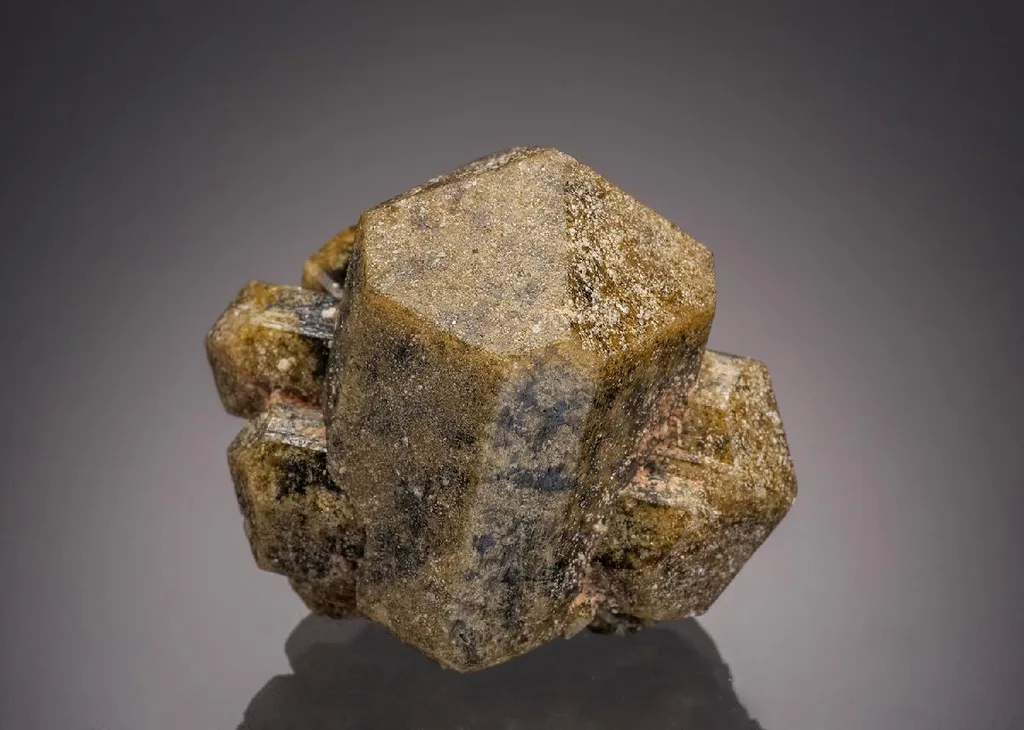
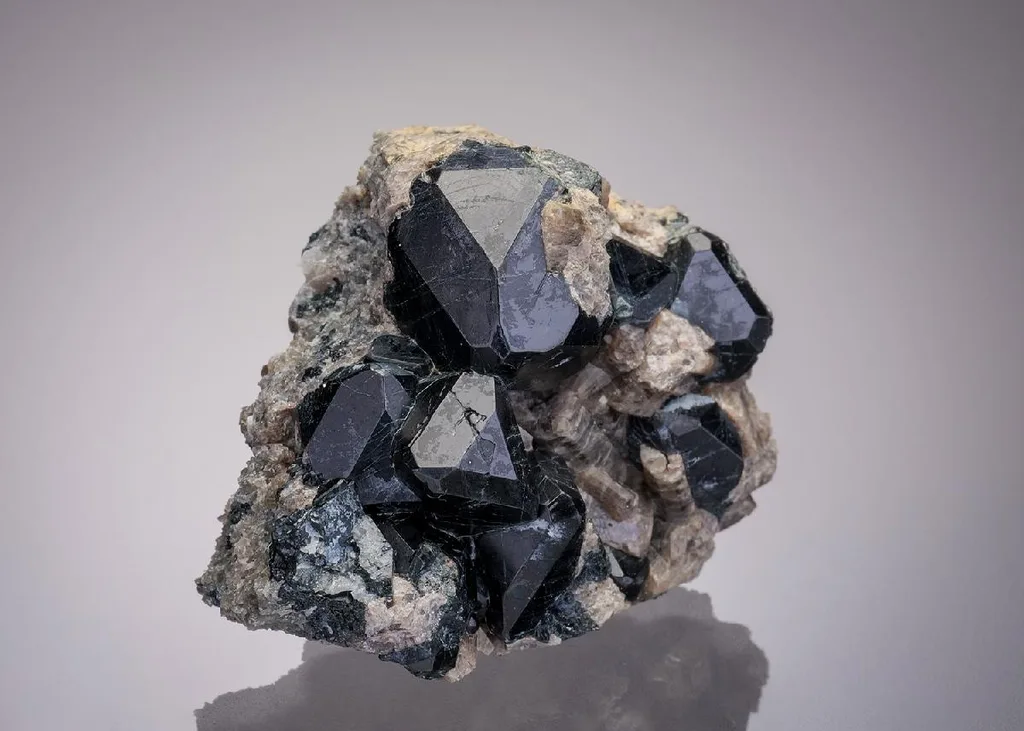
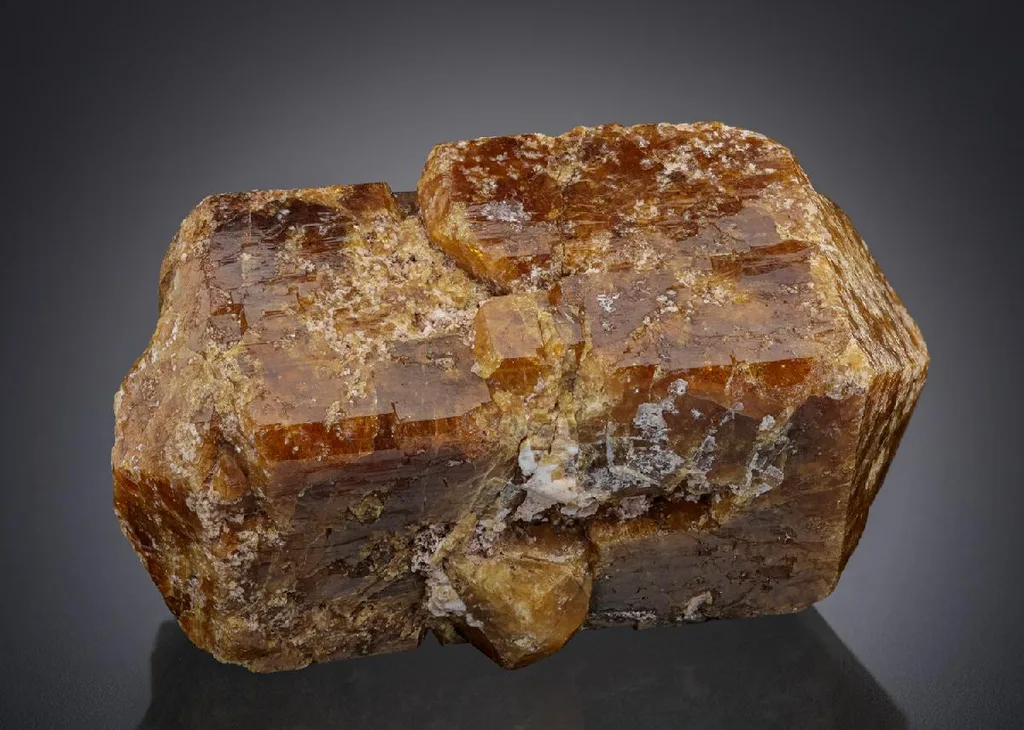
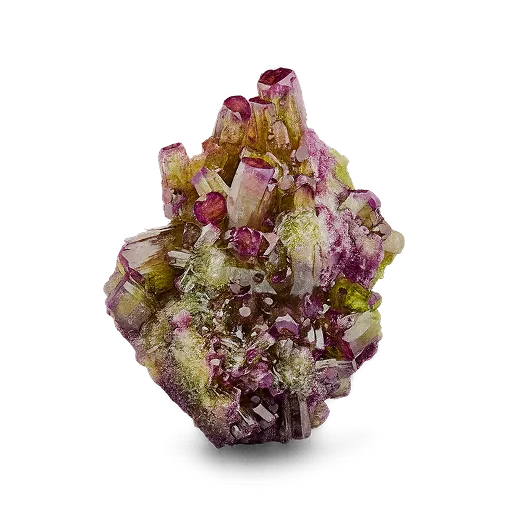
Vesuvianite is a silicate mineral that forms in contact and regional metamorphic rocks, typically presenting as prismatic to tabular crystals with a vitreous to resinous luster. Color ranges from olive green to brown and sometimes yellowish, with a layered, often granular appearance that reflects its complex crystal structure. Crystals can be elongate and well-formed, occasionally showing twinning and a vitreous surface that highlights subtle color zoning.
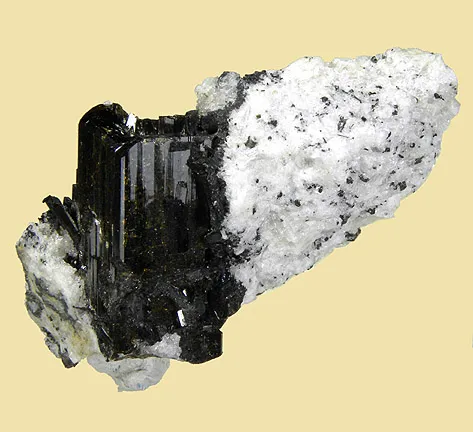
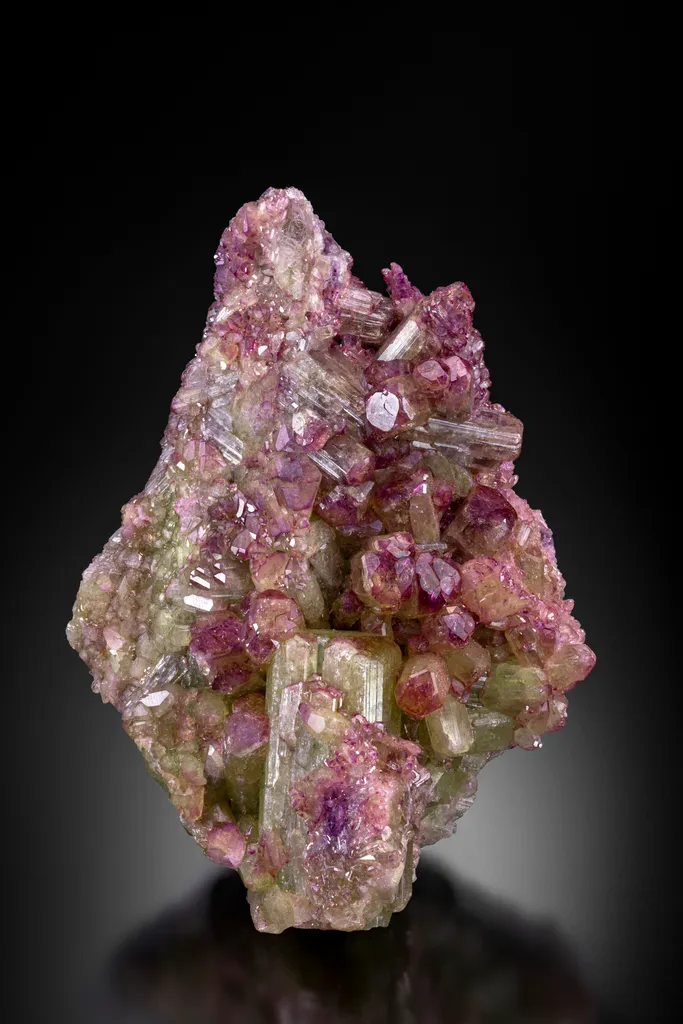
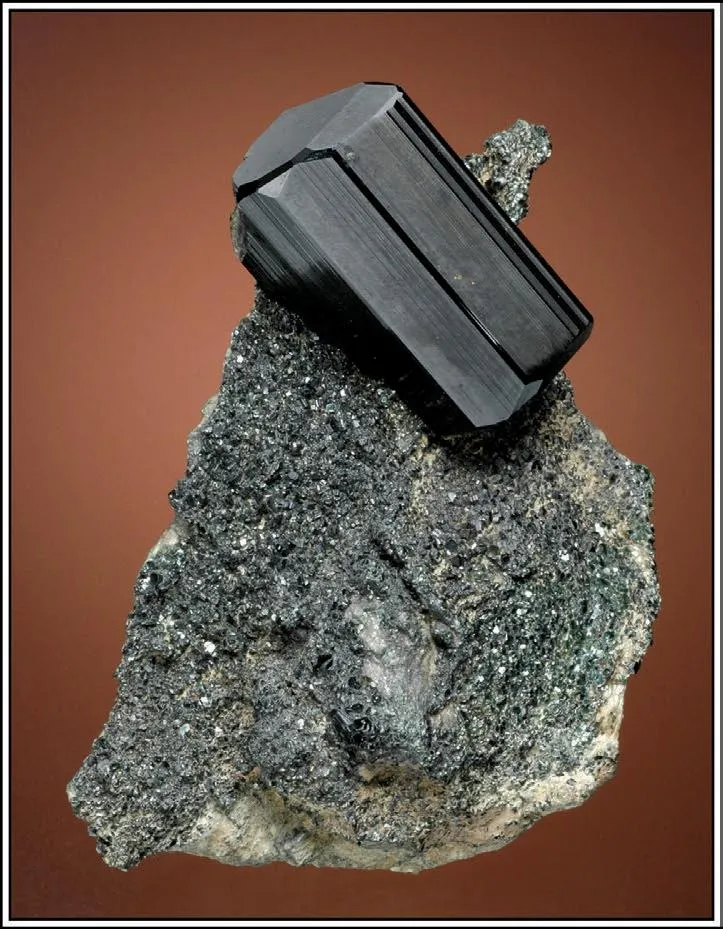
Notable localities include classic pockets and metamorphic deposits in Canada, Italy, Mexico, the United States, and Pakistan, where vesuvianite is often found in skarn environments or marble-hosted assemblages. Specimens from these sources are valued for sharp, well-developed prisms and the depth of color variation, sometimes displaying green-to-brown hues within the same crystal. Collector-quality pieces may exhibit terminal terminations and good symmetry, contributing to their display appeal.
Collectors prize vesuvianite for its mineralogy and aesthetics, including its association with calc-silicate systems and its intricate, layered crystal habit. The mineral’s size range and the potential for sharp, lustrous faces make well-prepared crystals attractive for cabinet displays, as well as for study in crystallography and metamorphic geology.