
Guide
4 for sale · $300–$1,975 USD
17 in the gallery
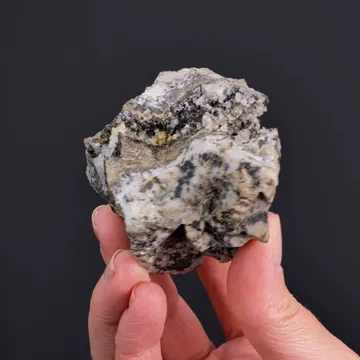
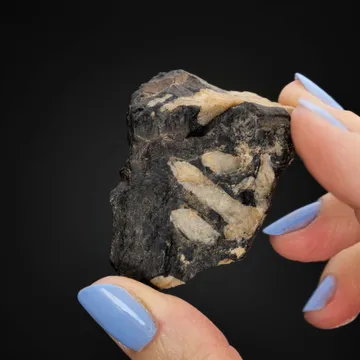
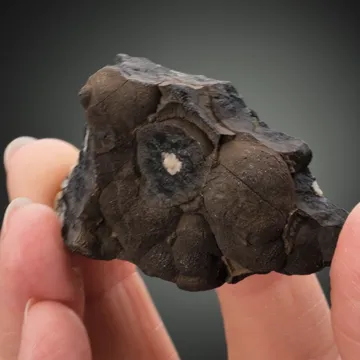
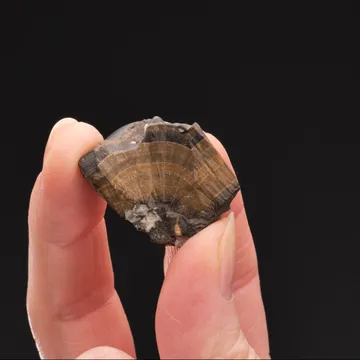
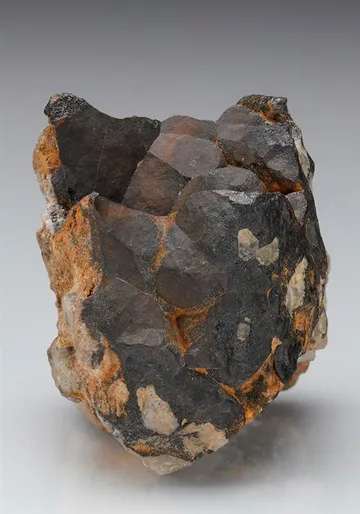
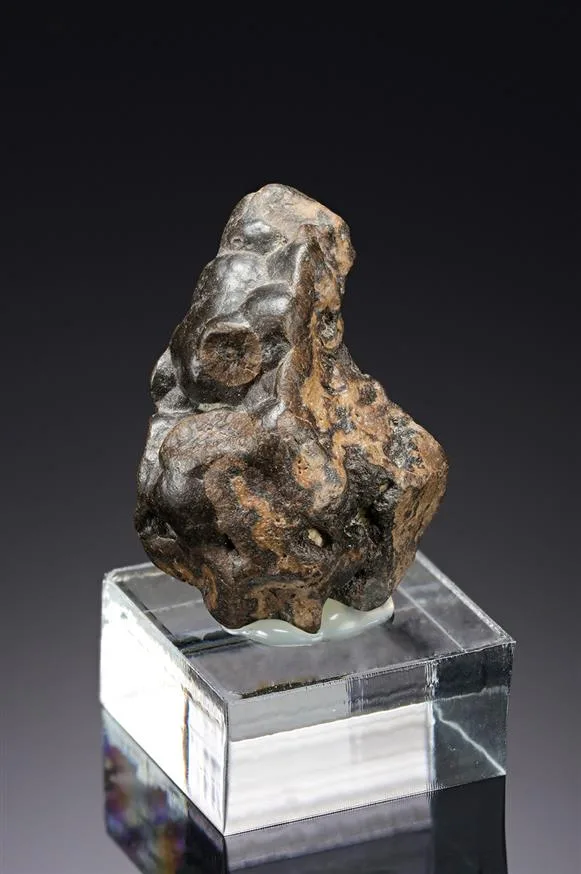
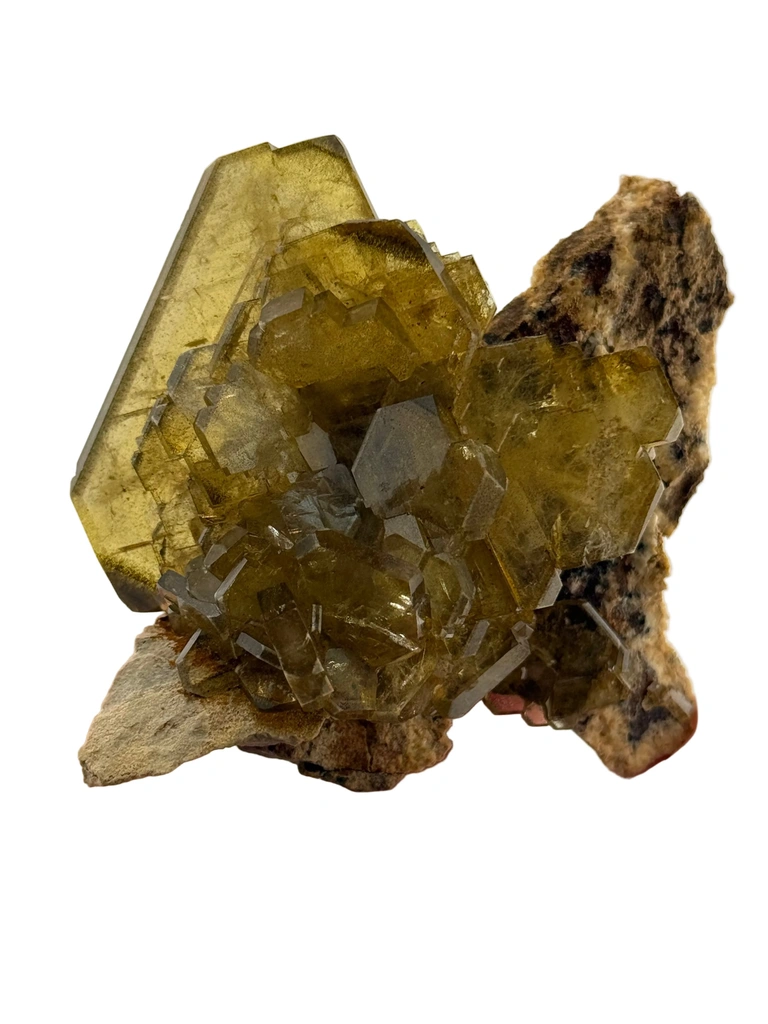
Tin is a chemical element with the symbol Sn and atomic number 50. It is a soft, malleable metal with a silvery-grey appearance and a characteristic metallic lustre. In mineral form, tin commonly occurs in cassiterite, which is usually brown to black with a resinous to brilliant lustre, and it forms stubby, often prismatic crystals or compact, granular aggregates.
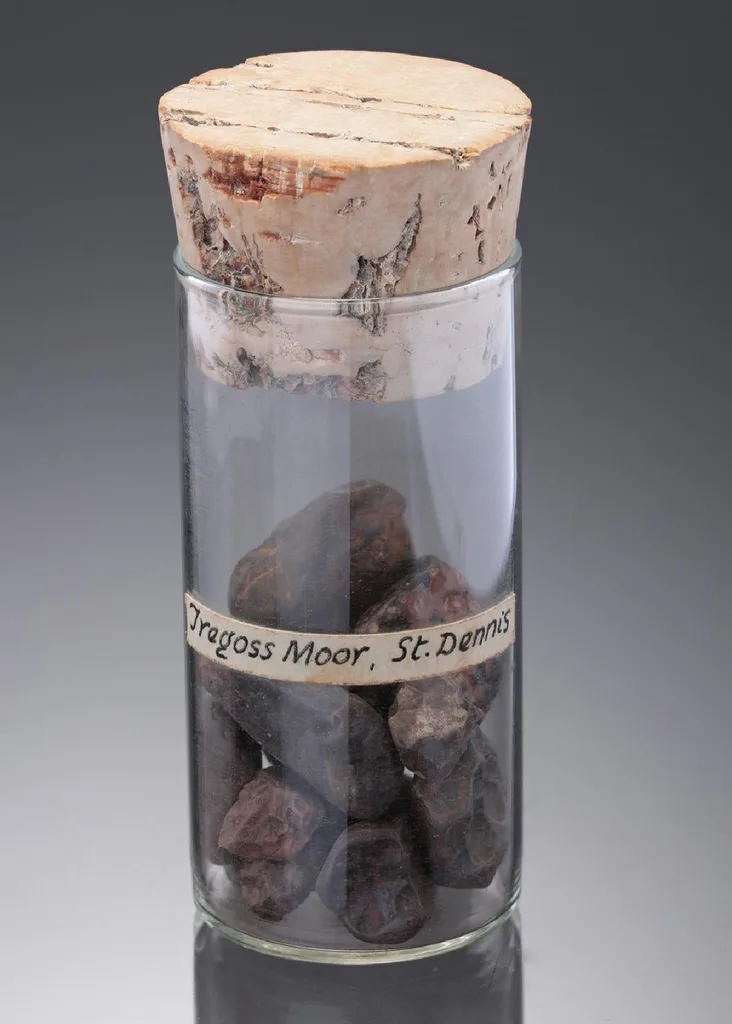
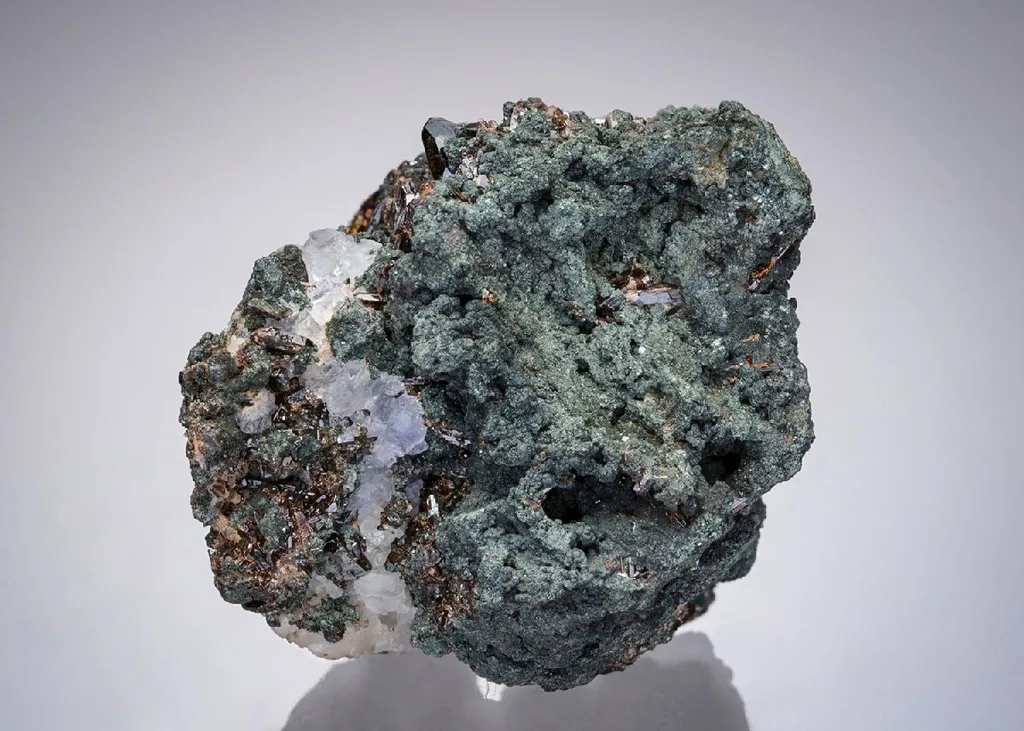
Notable specimens of tin-bearing minerals are sourced from historic and productive regions around the world, with significant examples coming from places associated with cassiterite deposits in the UK, Mexico, Italy, Colombia, and Nigeria. Collectors prize well-formed crystals and xenoliths where cassiterite shows crisp edges and rich transparency, sometimes presenting contrasting matrix minerals that highlight their color and luster. Tin minerals are commonly collected for their historical mining associations and their role in understanding ore-forming processes in hydrothermal and skarn environments.