
Guide
42 for sale · $340–$9,500 USD
170 in the gallery
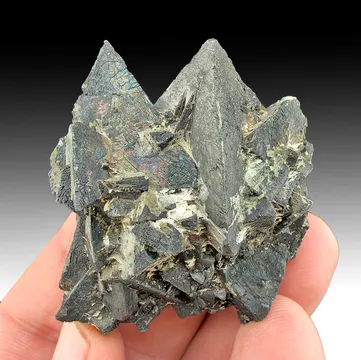
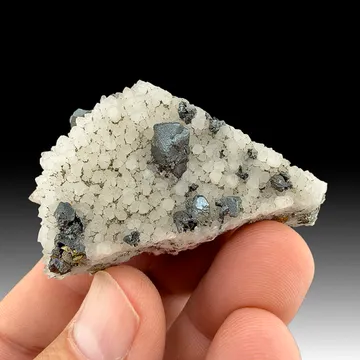
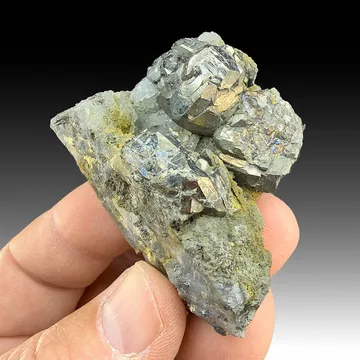
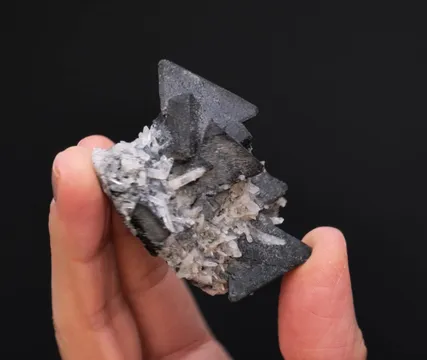
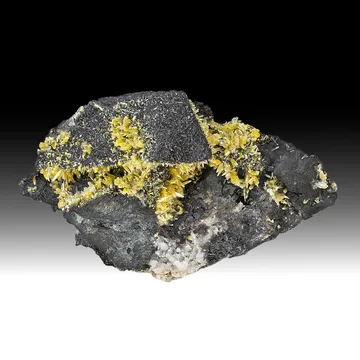
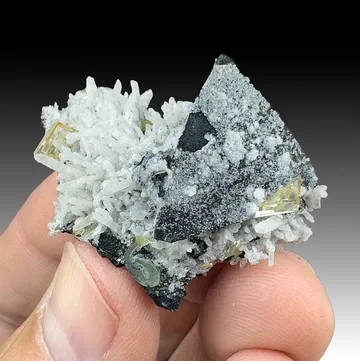
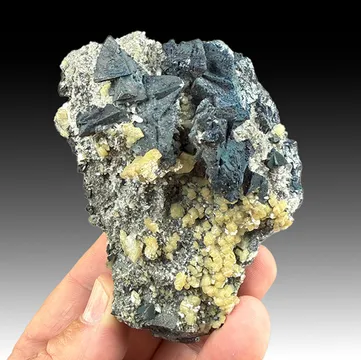
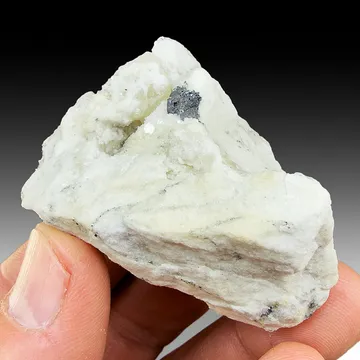
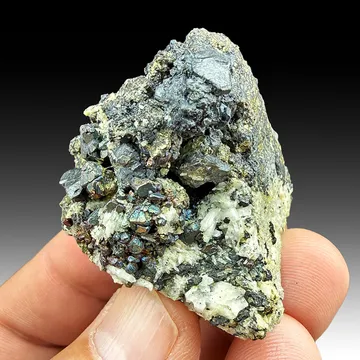
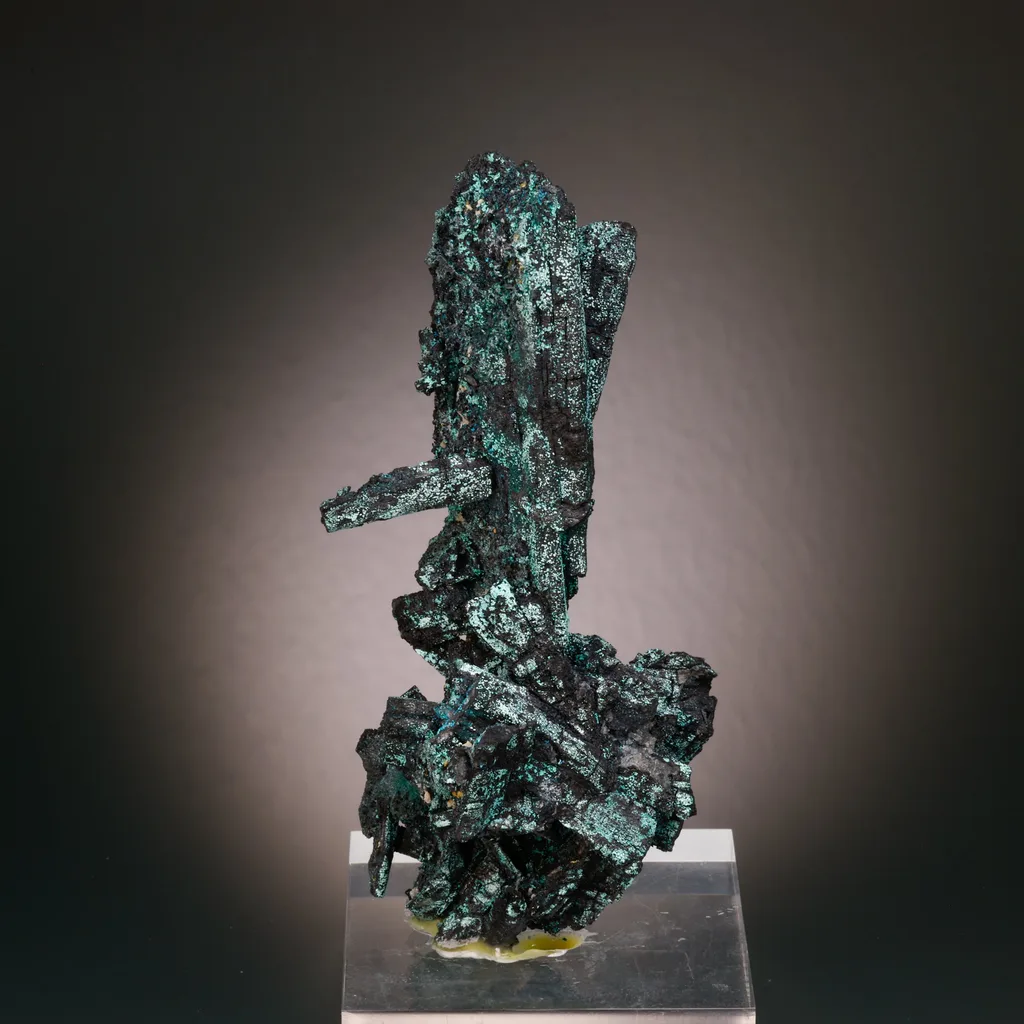
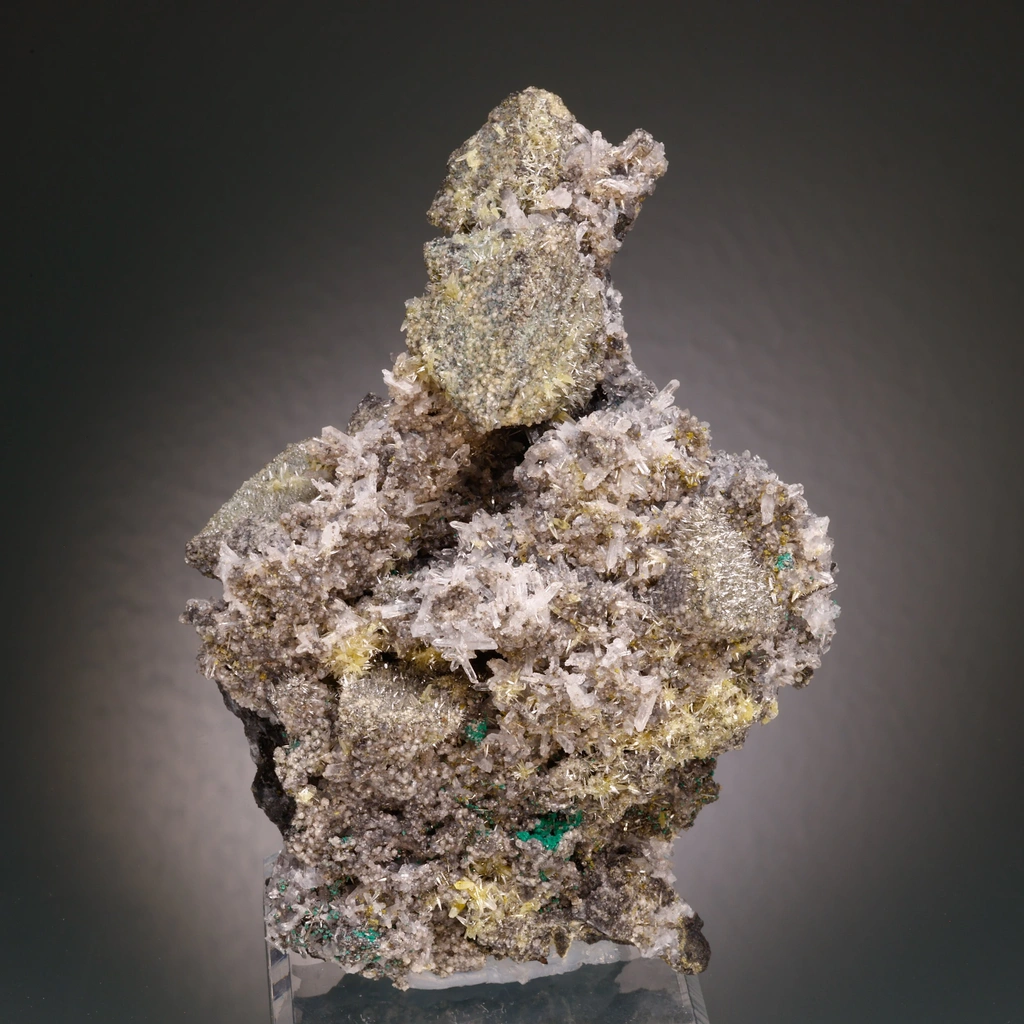
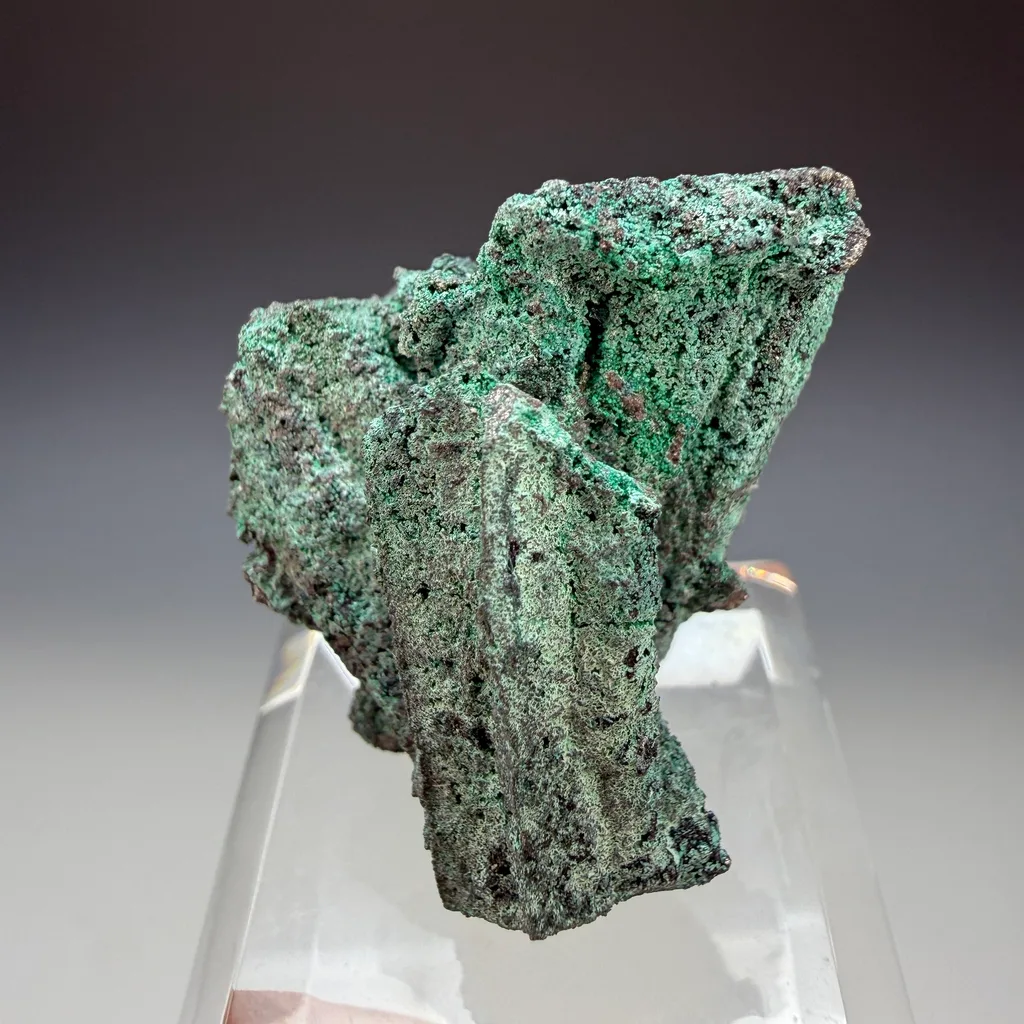
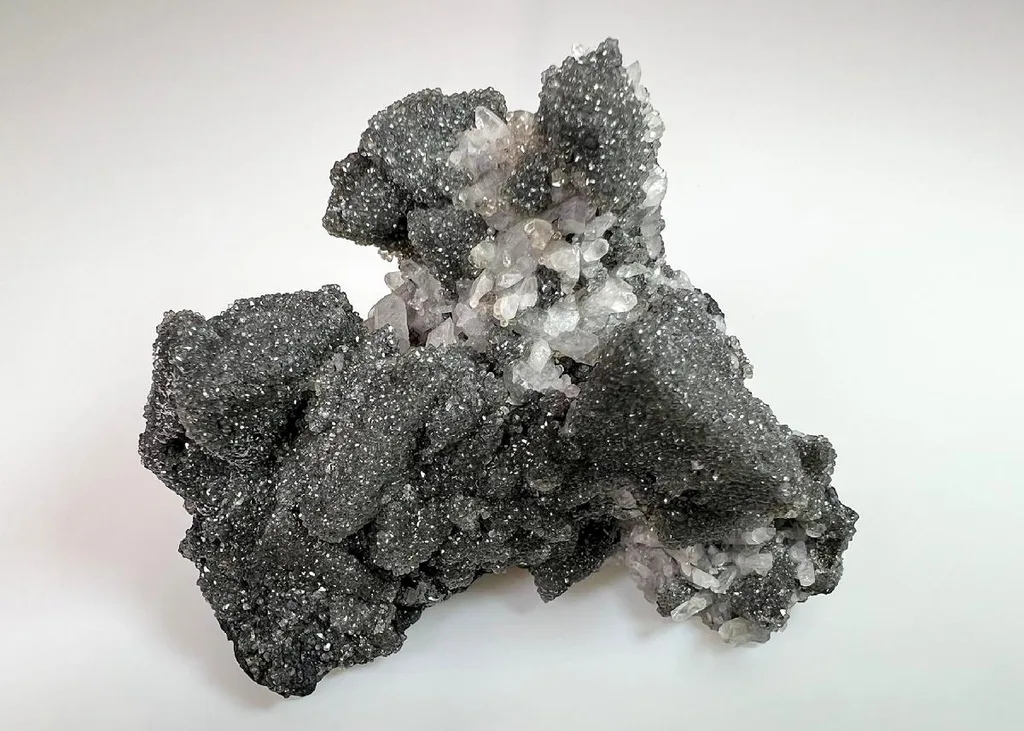
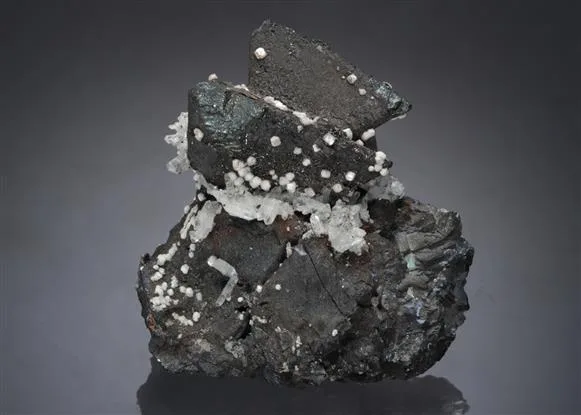
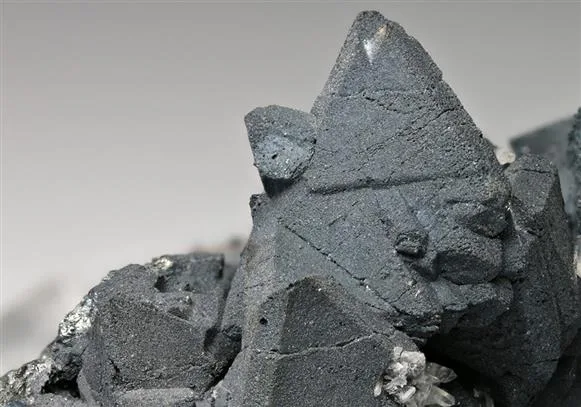
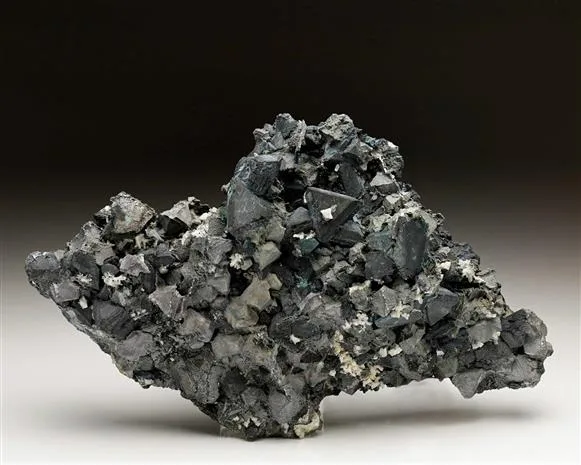
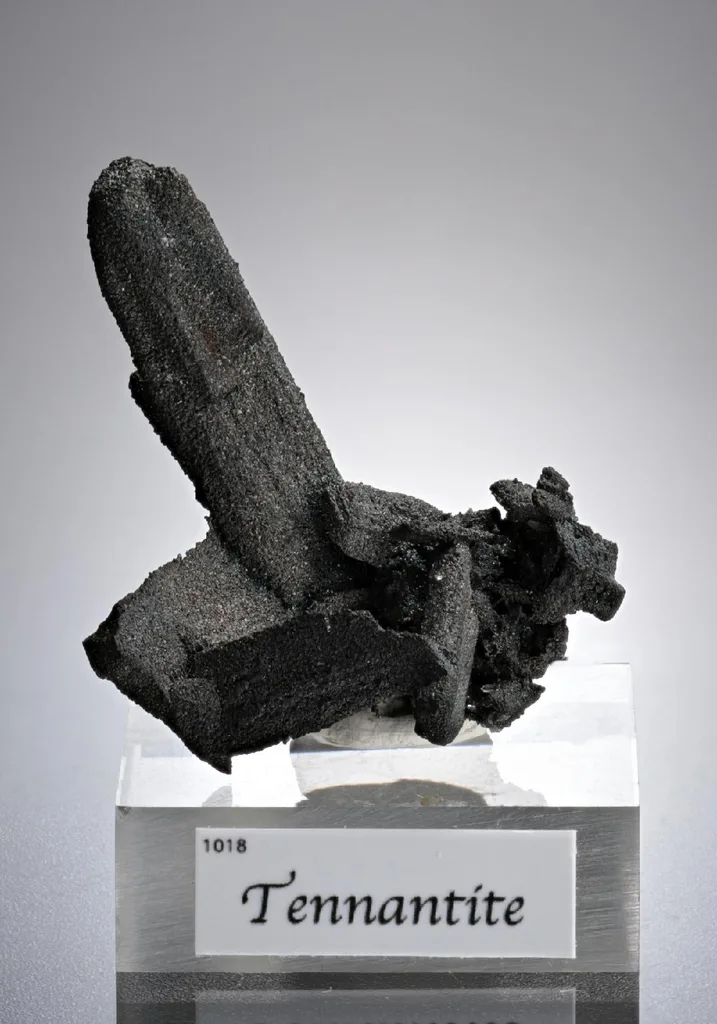
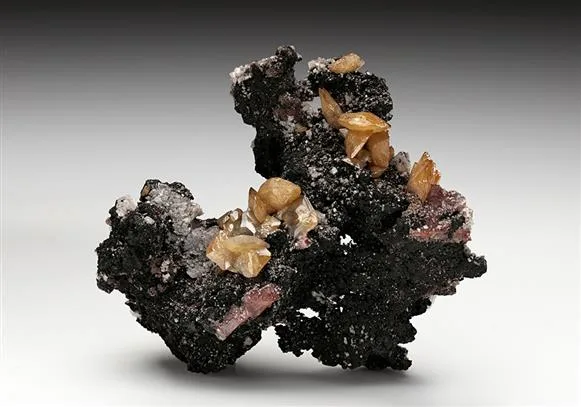
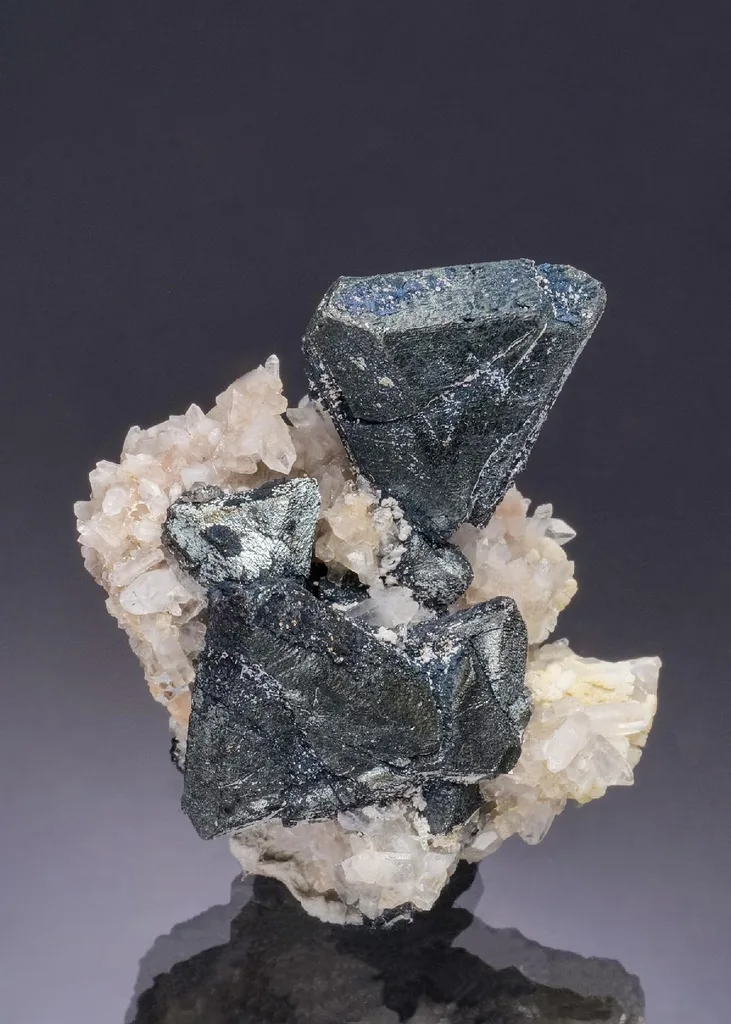
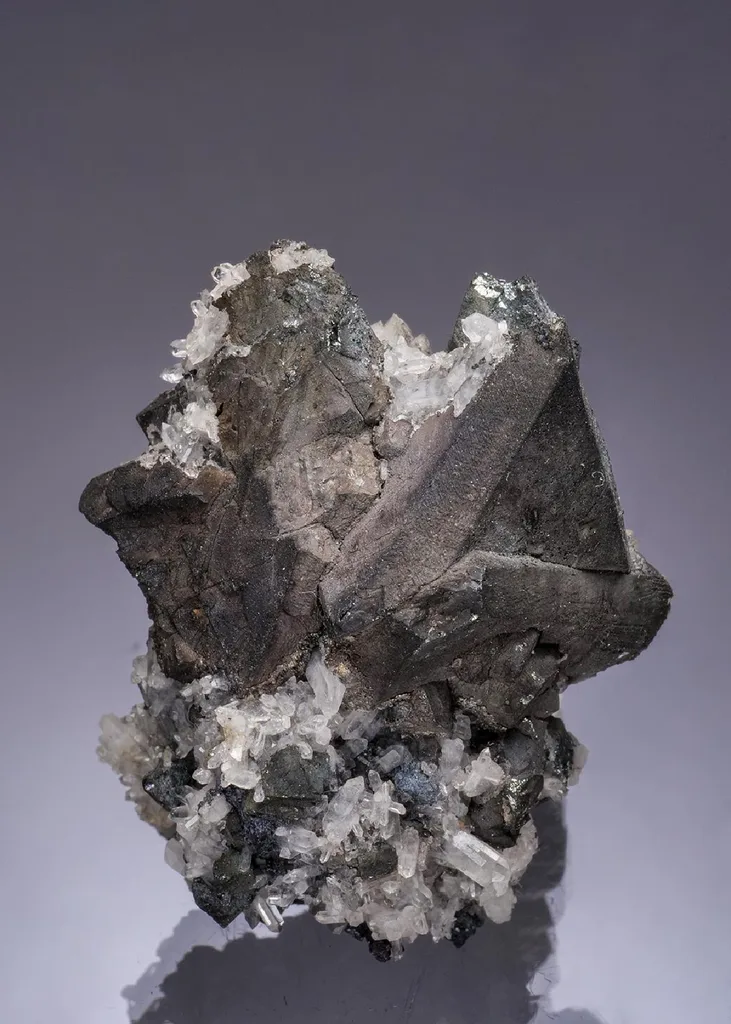
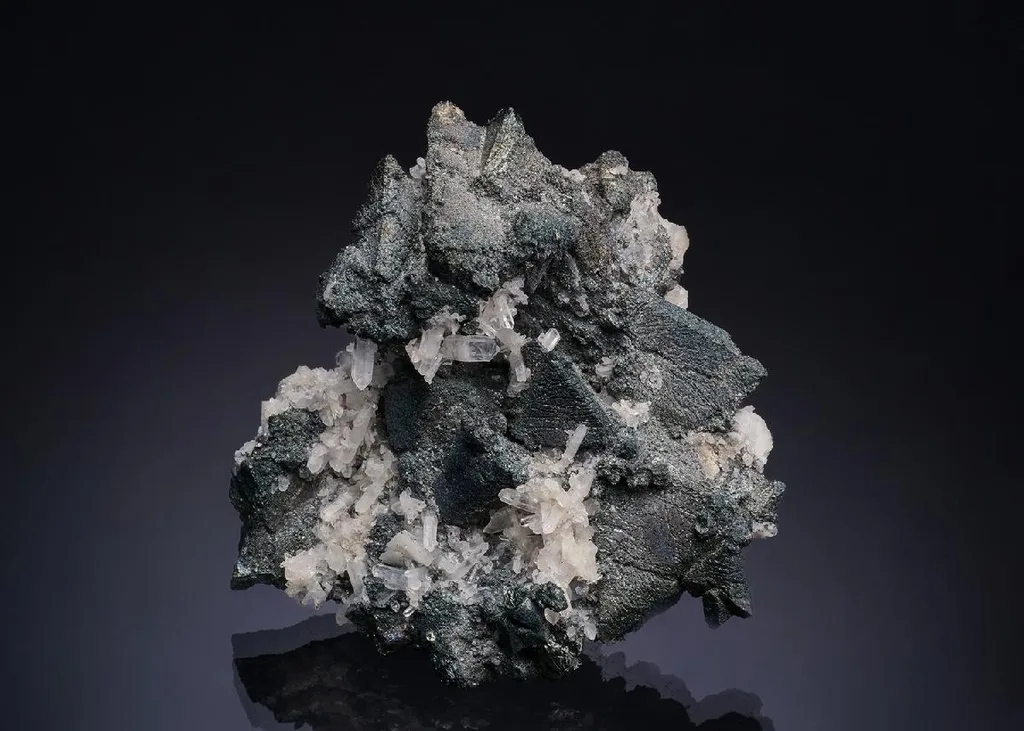
Tennantite is a copper arsenic sulfide mineral that forms as a metallic, often dark gray to black to bronze-gray aggregate. It commonly occurs in a crystalline, usually cubic or tetrahedral habit, with a bright metallic to submetallic luster that can show hints of iridescence on fresh surfaces. In well-formed specimens, sharp crystal faces and facets reveal the mineral’s geometric geometry, while massive aggregates display a granular to vein-filling texture. The color ranges from steel gray to almost black, sometimes with a brownish or bronze tinge, and it can accompany other sulfides and sulfosalts in hydrothermal ore deposits. Tennantite often occurs with its polymorphs and related minerals, adding contrast and interest to hand specimens and cabinet displays.
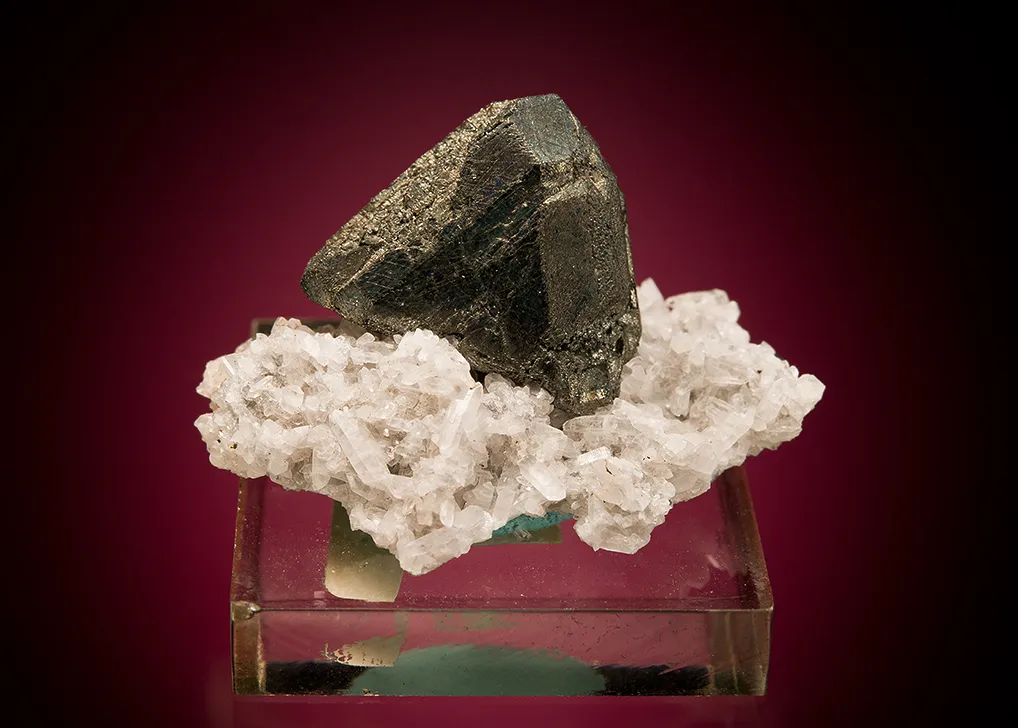
Notable specimens come from historic and contemporary mining districts in Namibia, the United States, Mexico, Peru, and Kazakhstan, among others. Classic localities yield well-formed crystals and high luster, making Tennantite a favored specimen for mineral enthusiasts. Collectors value specimens that show clean crystal faces, good transparency in cleavage planes where present, and contrasting matrix or mineral associations that highlight its metallic brilliance. While more commonly encountered in opaque masses, the finest crystals offer a striking aesthetic for display and study alike.