$100Median
3Sold (12 mo)
$75Last sale
5 in the gallery
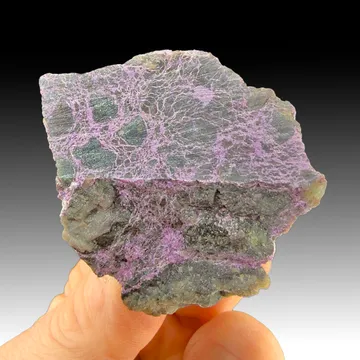
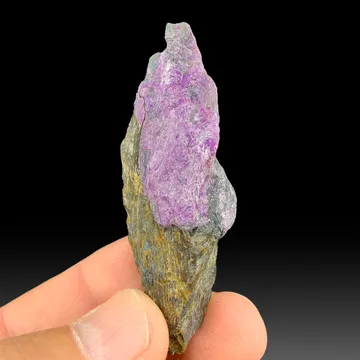
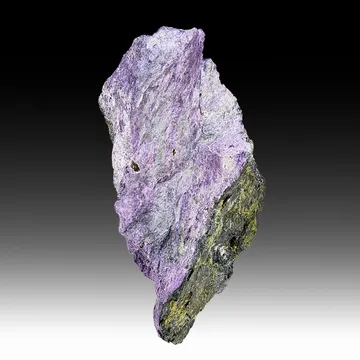
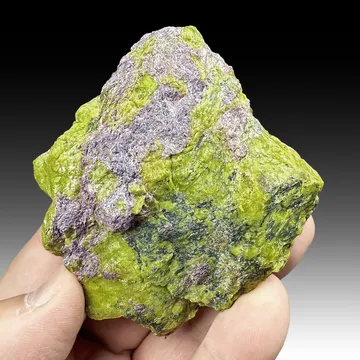
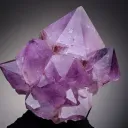
Stichtite is a hydrous magnesium chromium carbonate mineral that forms in bright pink to purple masses and crusts, commonly with a pearly to glassy luster. It often occurs as associated crystallized pockets and can be found in layered masses or rosettes, sometimes with serpentine minerals and other chromian carbonates. The most celebrated examples come from ultramafic and serpentinite terrains in Australia and South Africa, where hydrothermal processes and mantle-derived fluids contribute to its distinctive coloration and texture.
Collectors value stichtite for its striking color range and the way it displays well in slabbed specimens and hand specimens. In Australia, particularly in Tasmania and Western Australia, as well as in certain South African localities, high-quality specimens have been described and attract attention for their vivid pinks and lilac tones, sometimes with contrasting green or brown matrix. While not among the most common minerals, stichtite specimens can be notable for their layered habit and translucent to semi-opaque appearance, making them appealing for display and study by mineral enthusiasts.