
Guide
38 for sale · $125–$15,000 USD
93 in the gallery
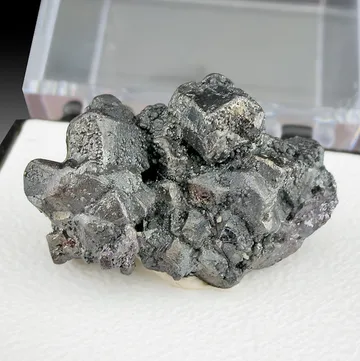
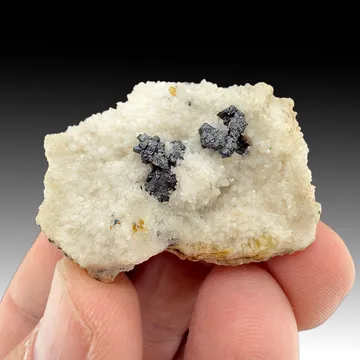
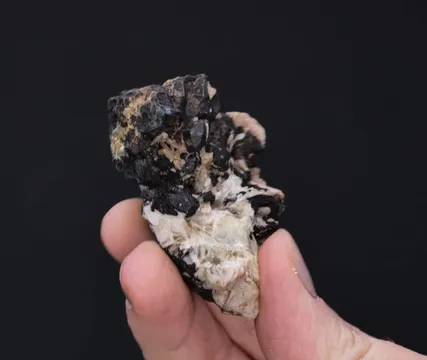
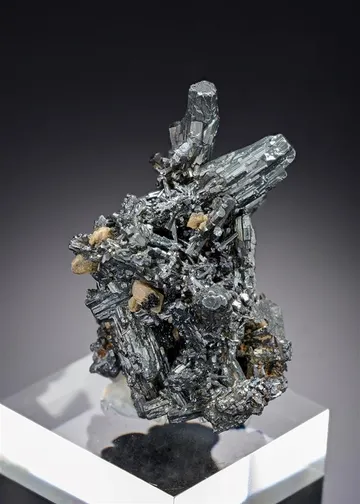
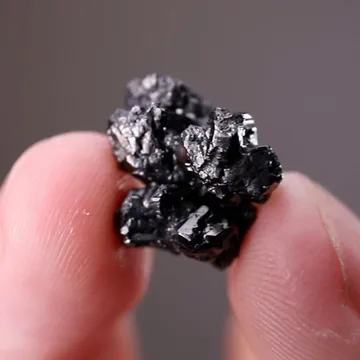
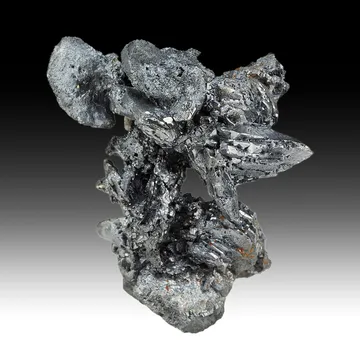
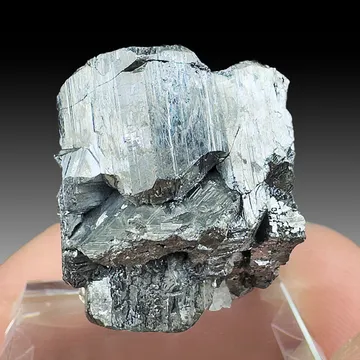
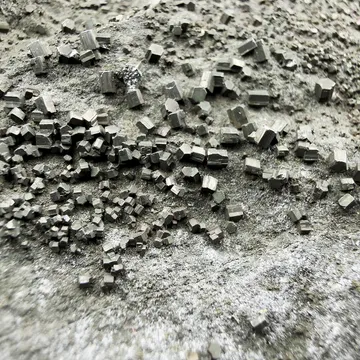
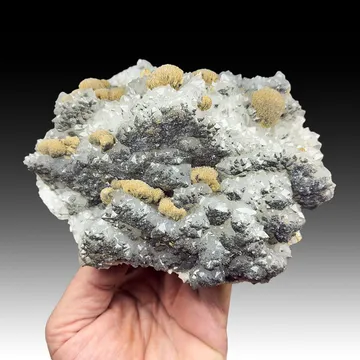
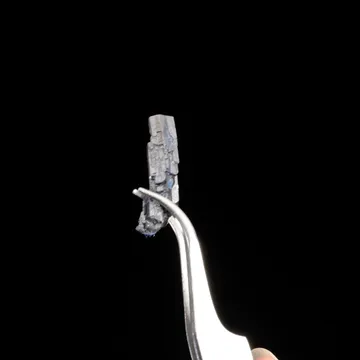
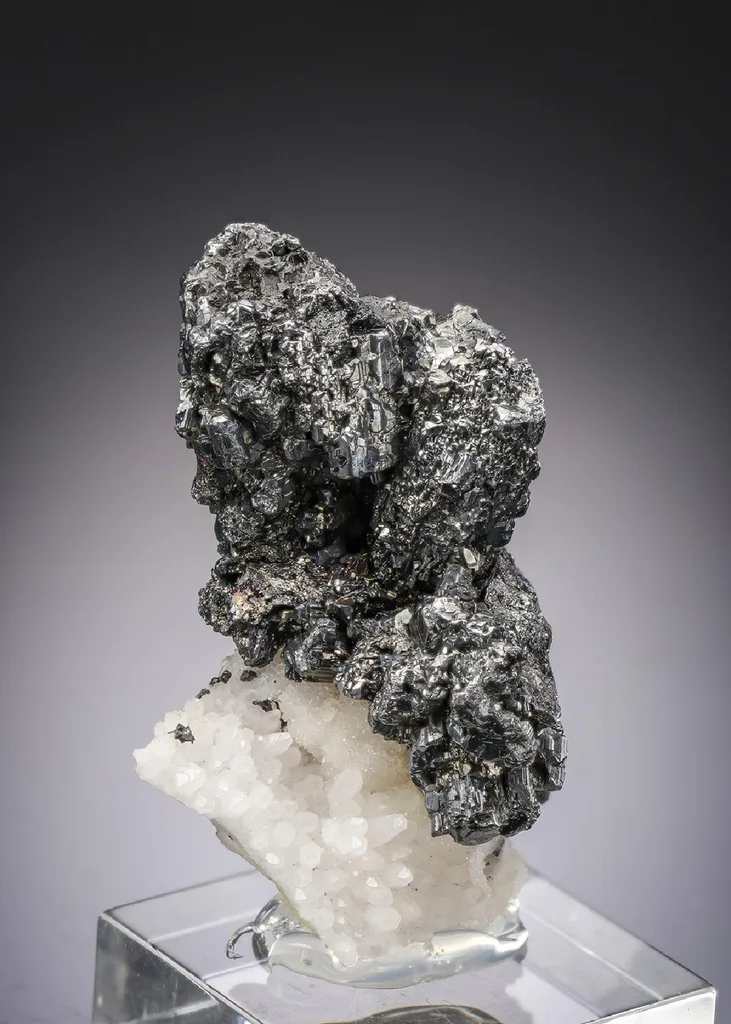
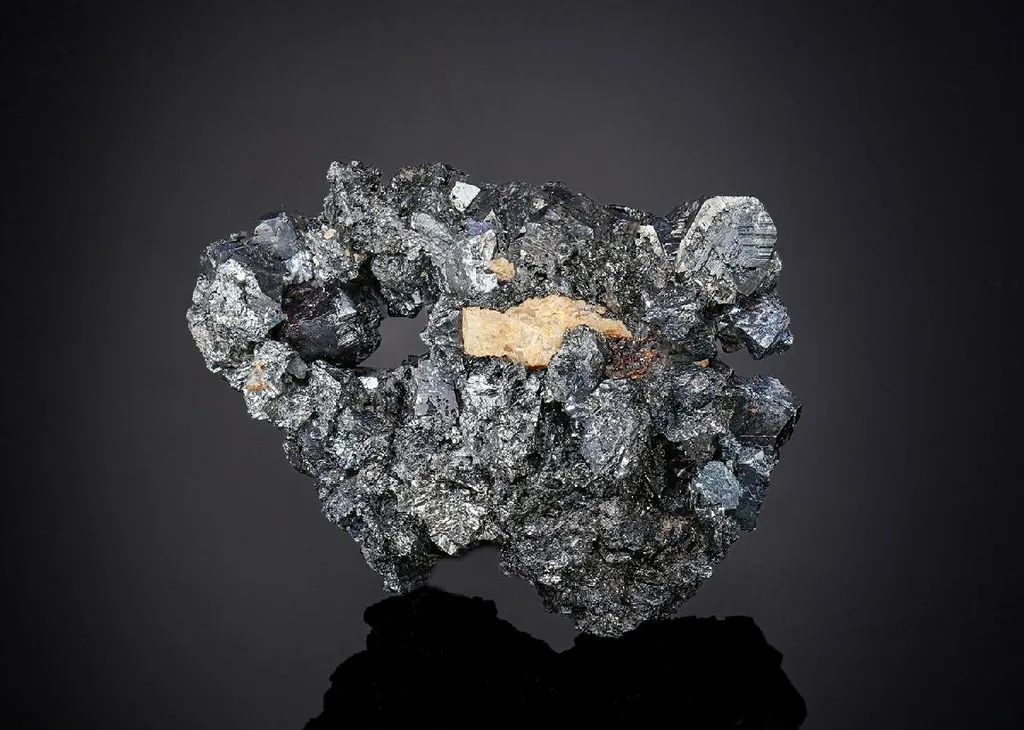
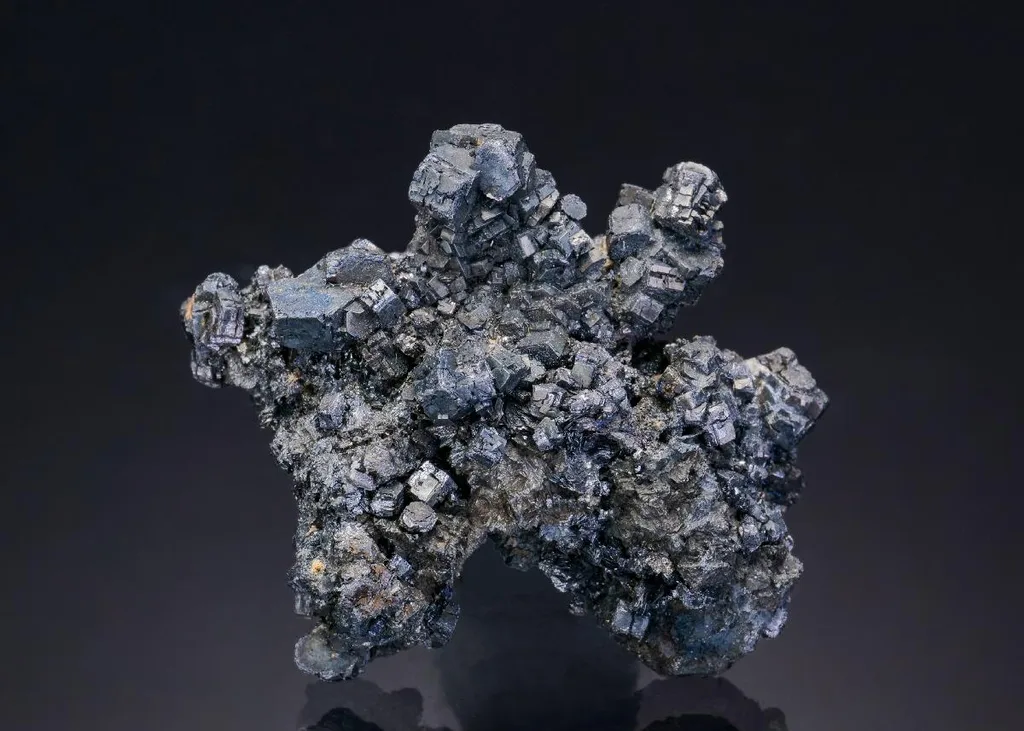
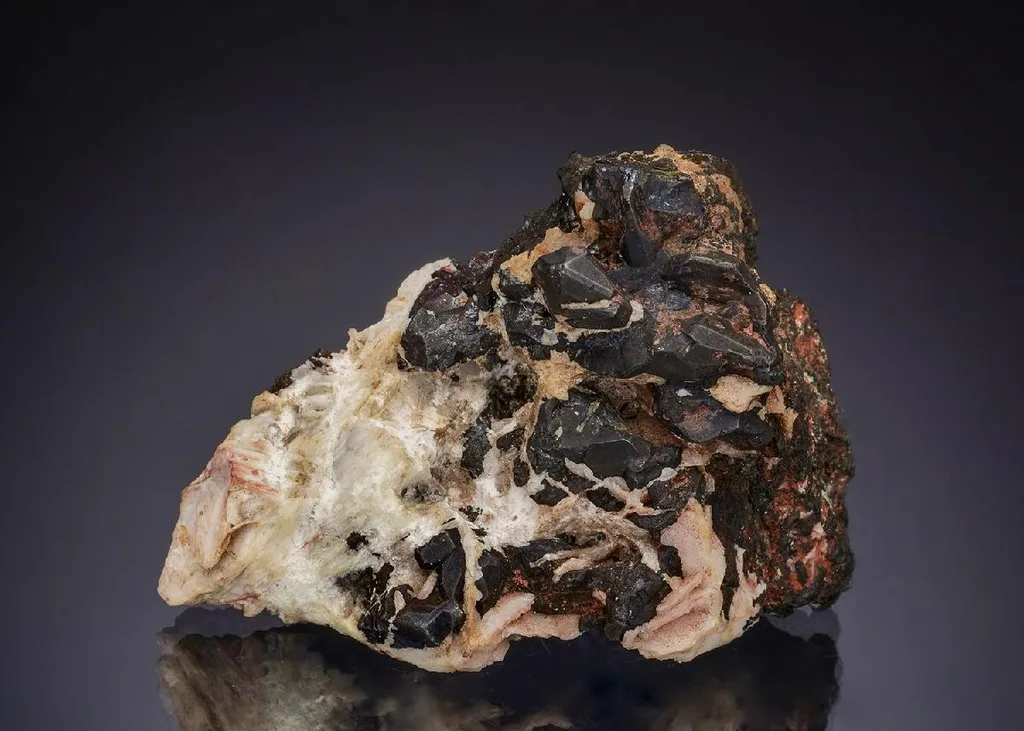
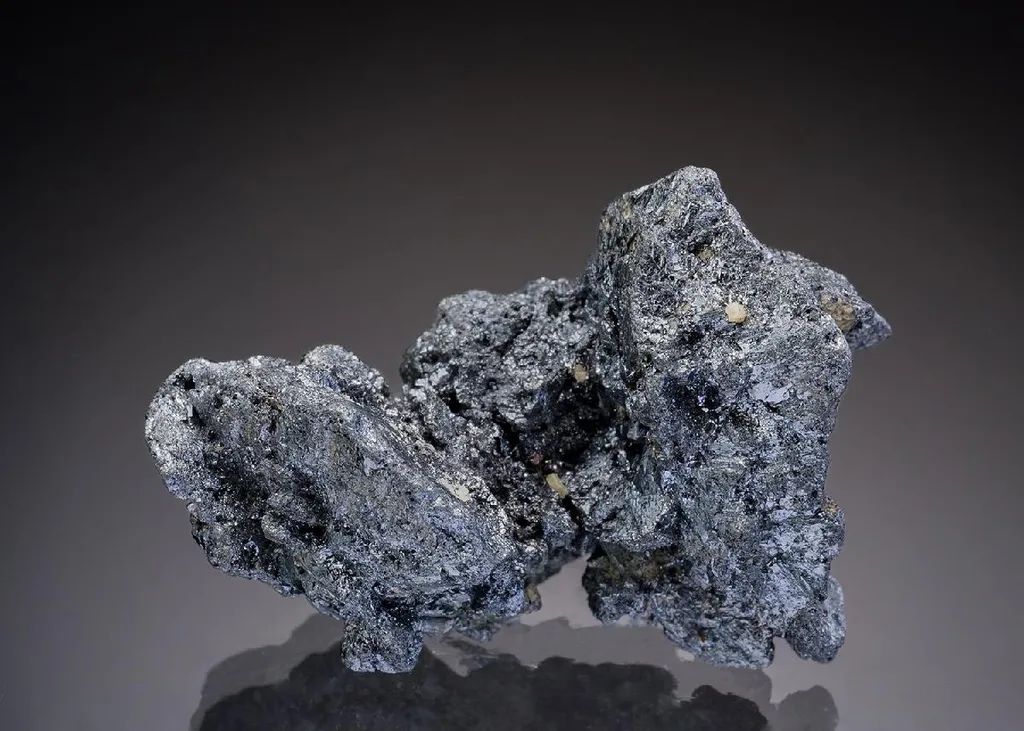
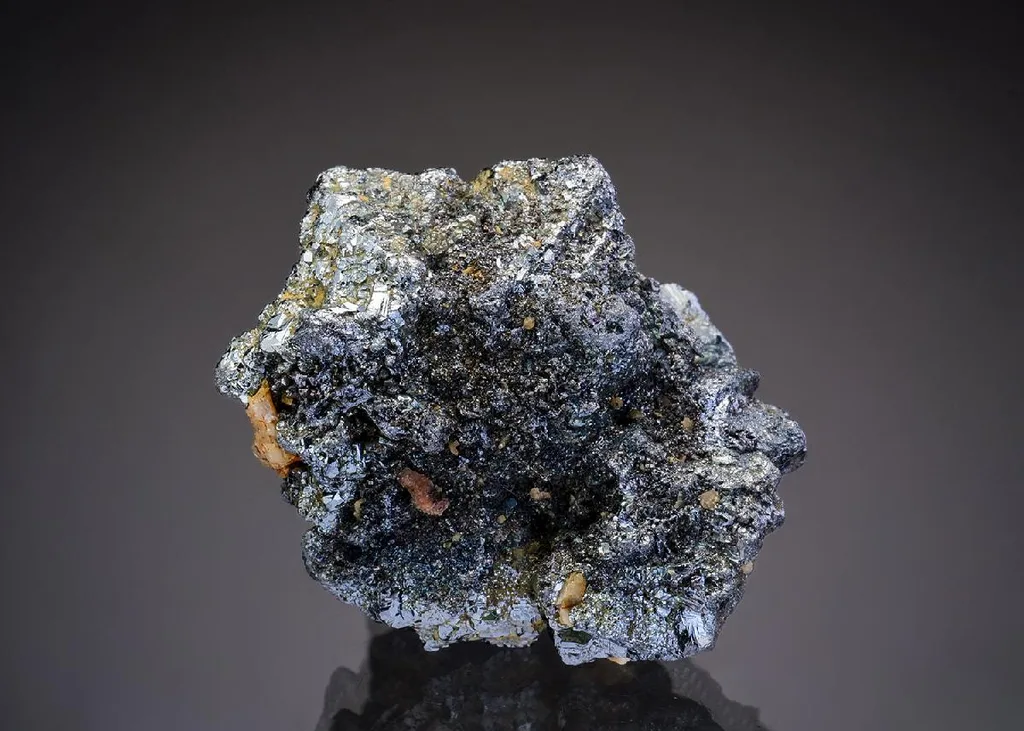
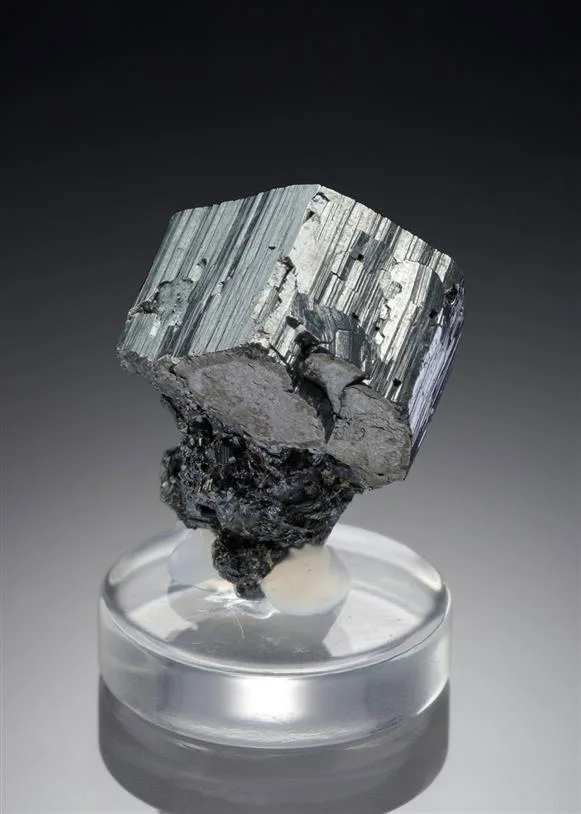
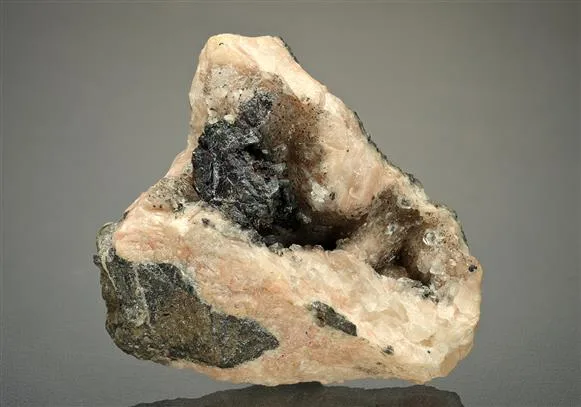
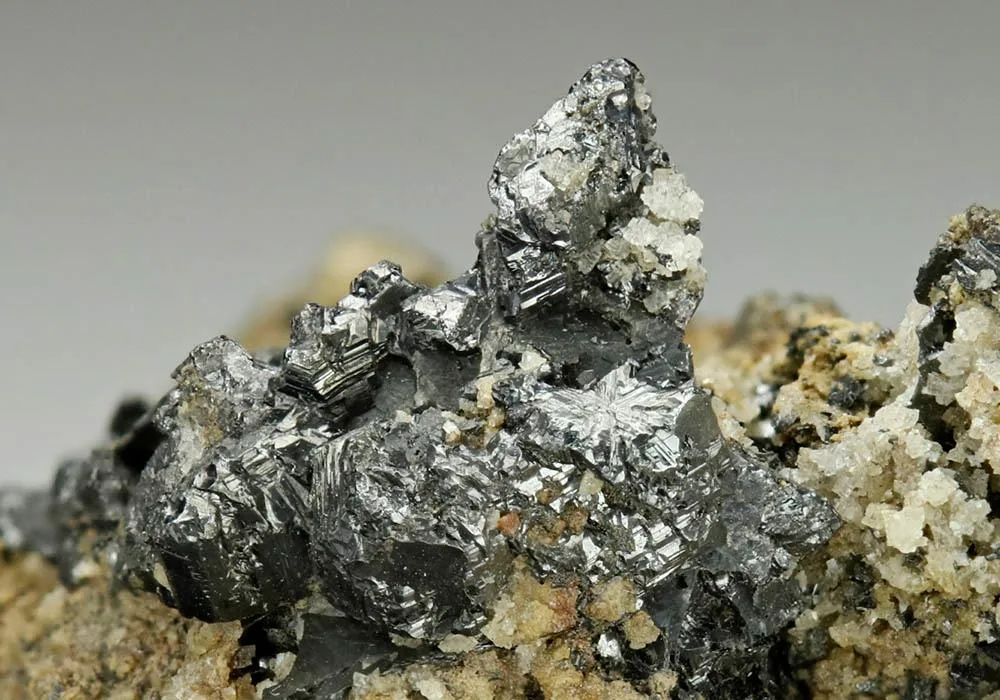
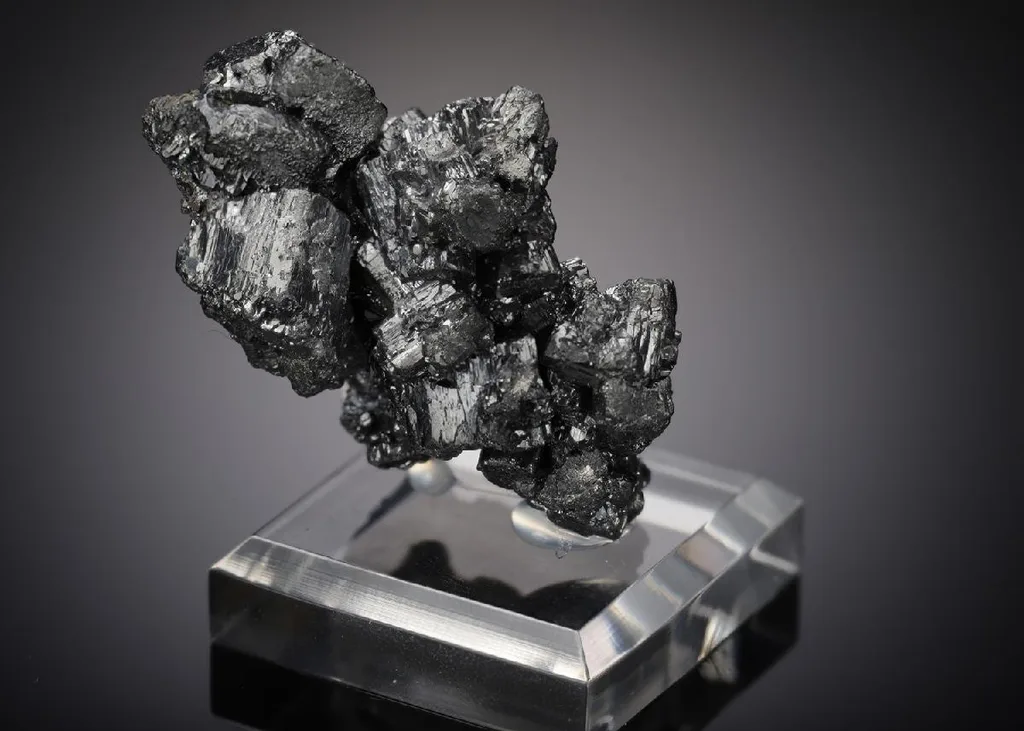
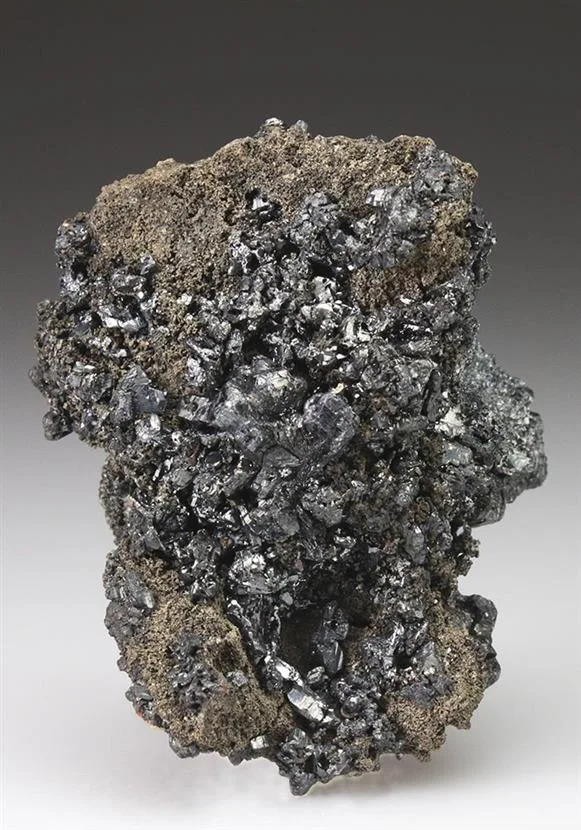
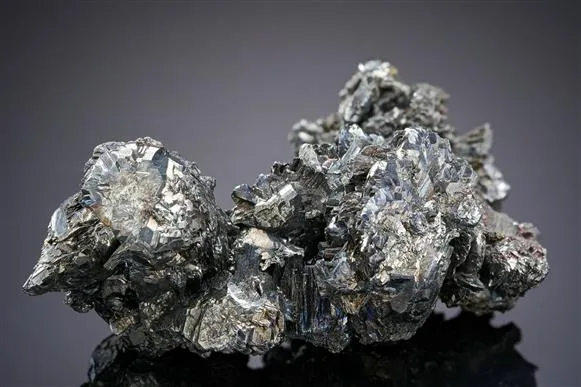
Stephanite is a sulfosalt mineral composed of silver, antimony, and sulfur, typically presenting as metallic to submetallic, often gray to black crystals. It commonly forms in prismatic to tabular habits and can exhibit a dull to submetallic lustre that reflects light along its crystal faces. In good specimens, Stephanite crystals can show well-defined, flattened tabular forms, sometimes intergrown with other sulfides or antimonides, contributing to a striking metallic sheen.
Notable localities include Germany, Mexico, Canada, the Czech Republic, and Slovakia, where Stephanite has been recovered from polyphase ore deposits and hydrothermal veins. Collectors prize these crystals for their bright metallic luster, sharp edges, and the contrast they provide against associated minerals such as quartz or other sulfides. While Stephanite can be relatively brittle and prone to alteration in some environments, well-preserved crystals from classic locales remain highly regarded for display and as historical references in the sulfide mineral family.