
Guide
95 for sale · $35–$15,000 USD
756 in the gallery
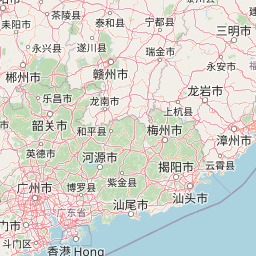
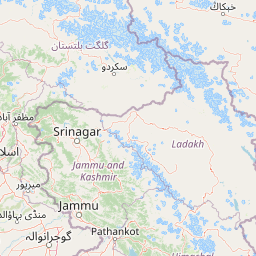
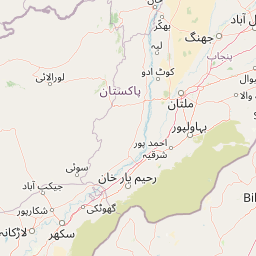
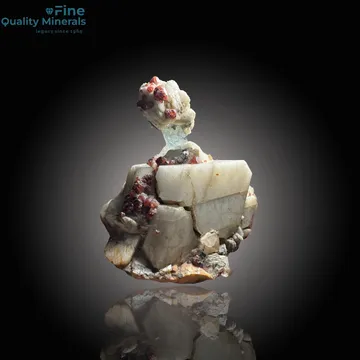
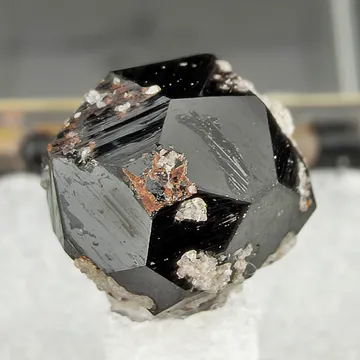
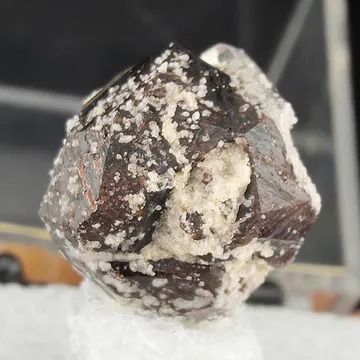
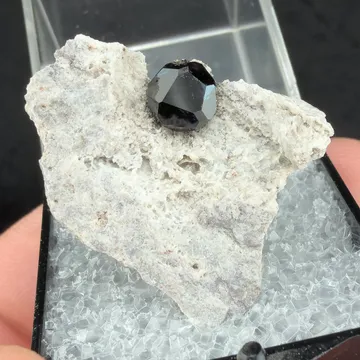
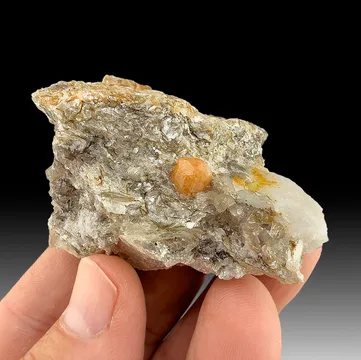
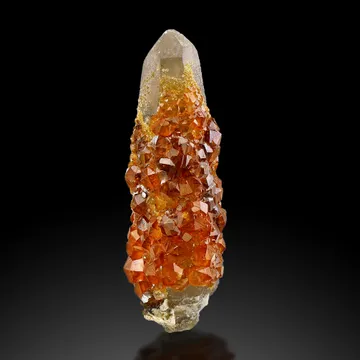
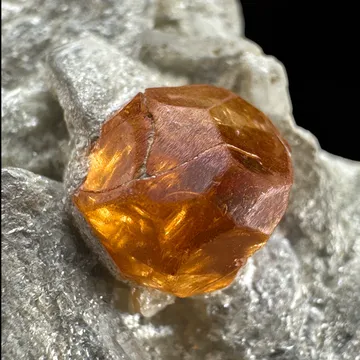
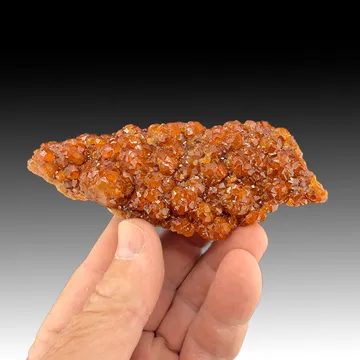
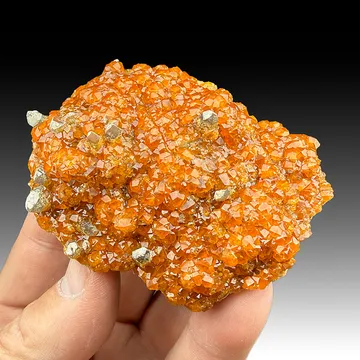
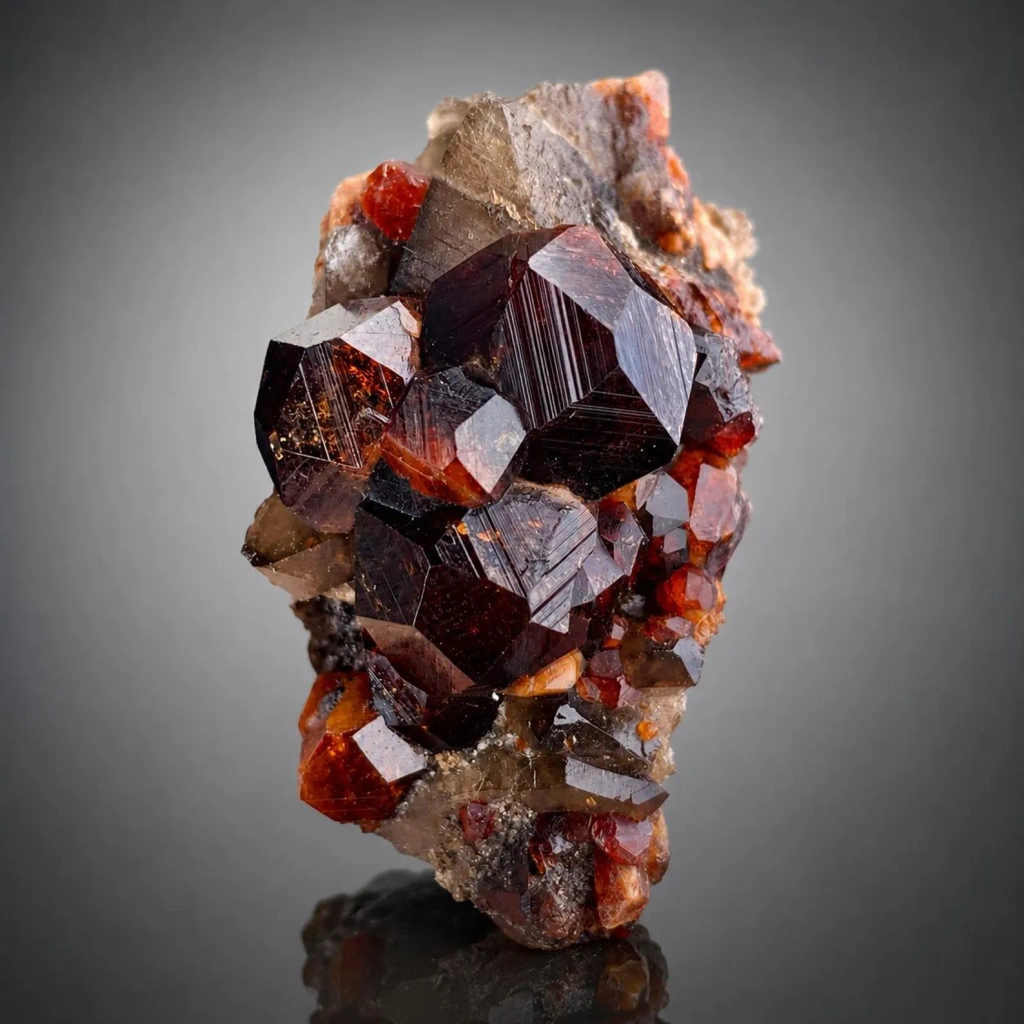
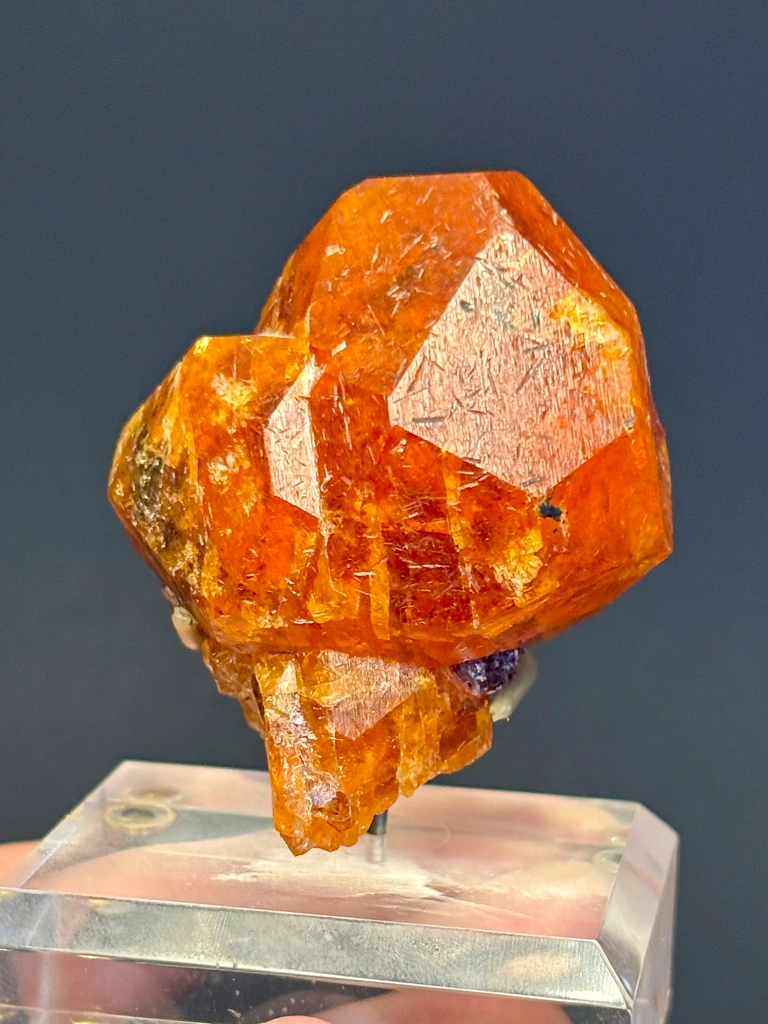
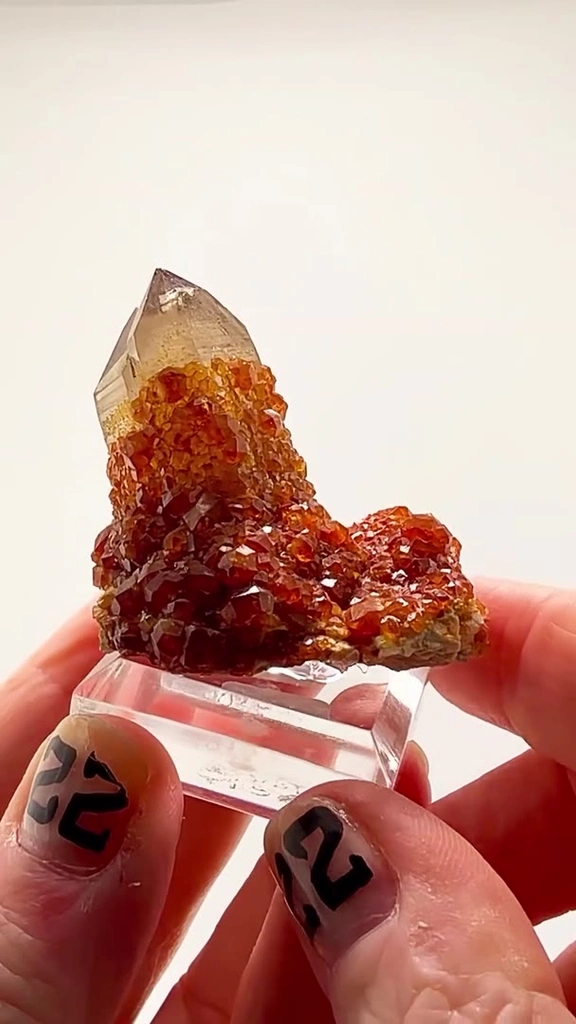
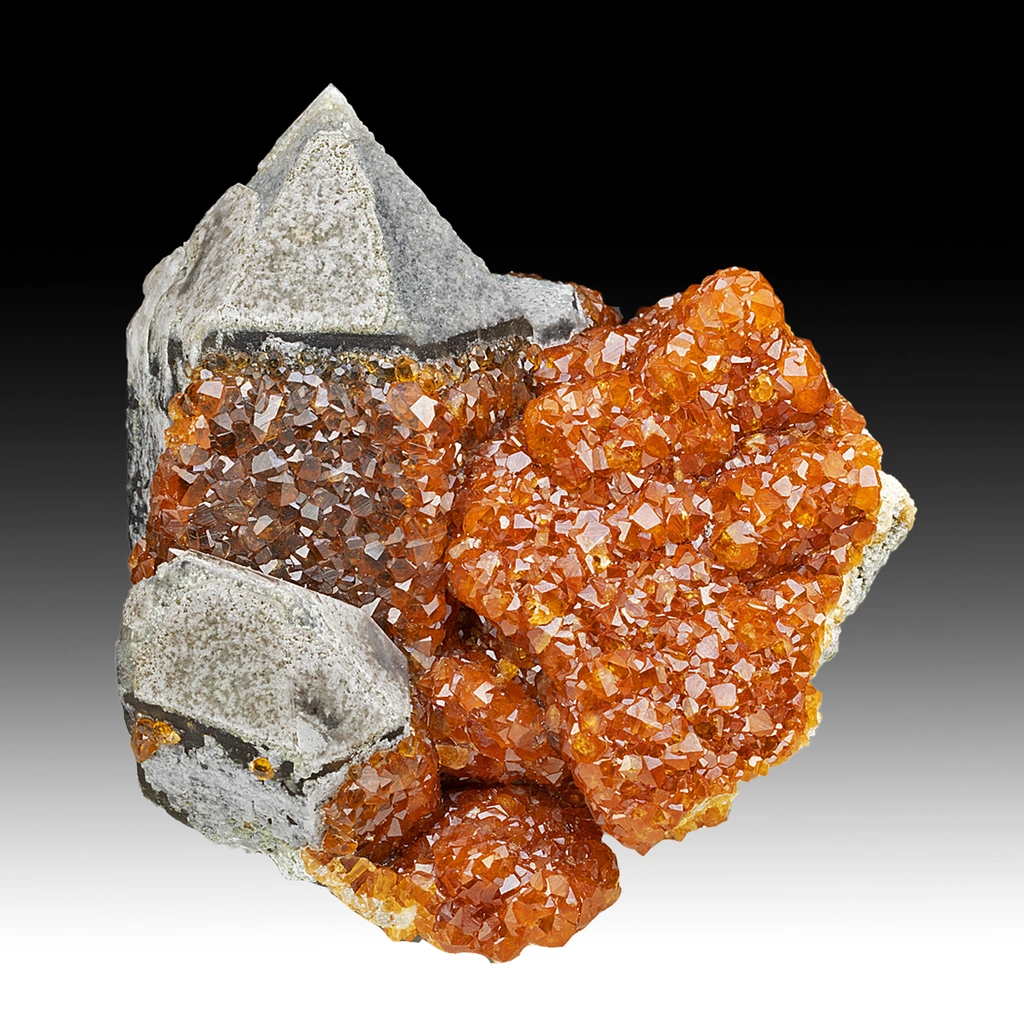
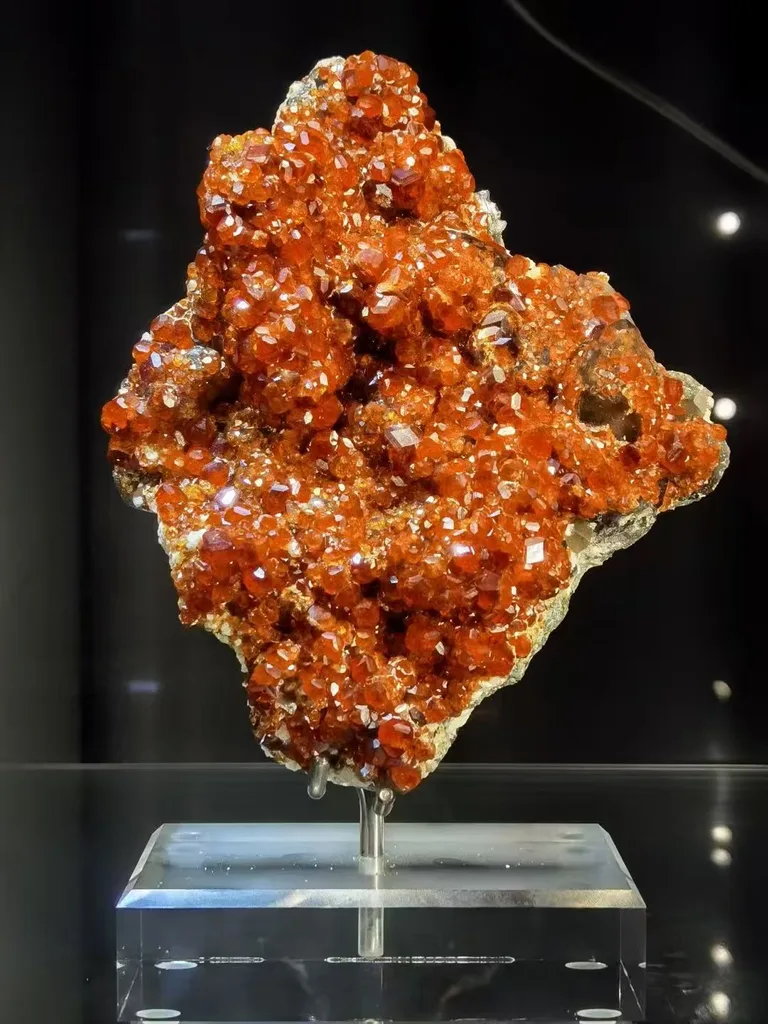
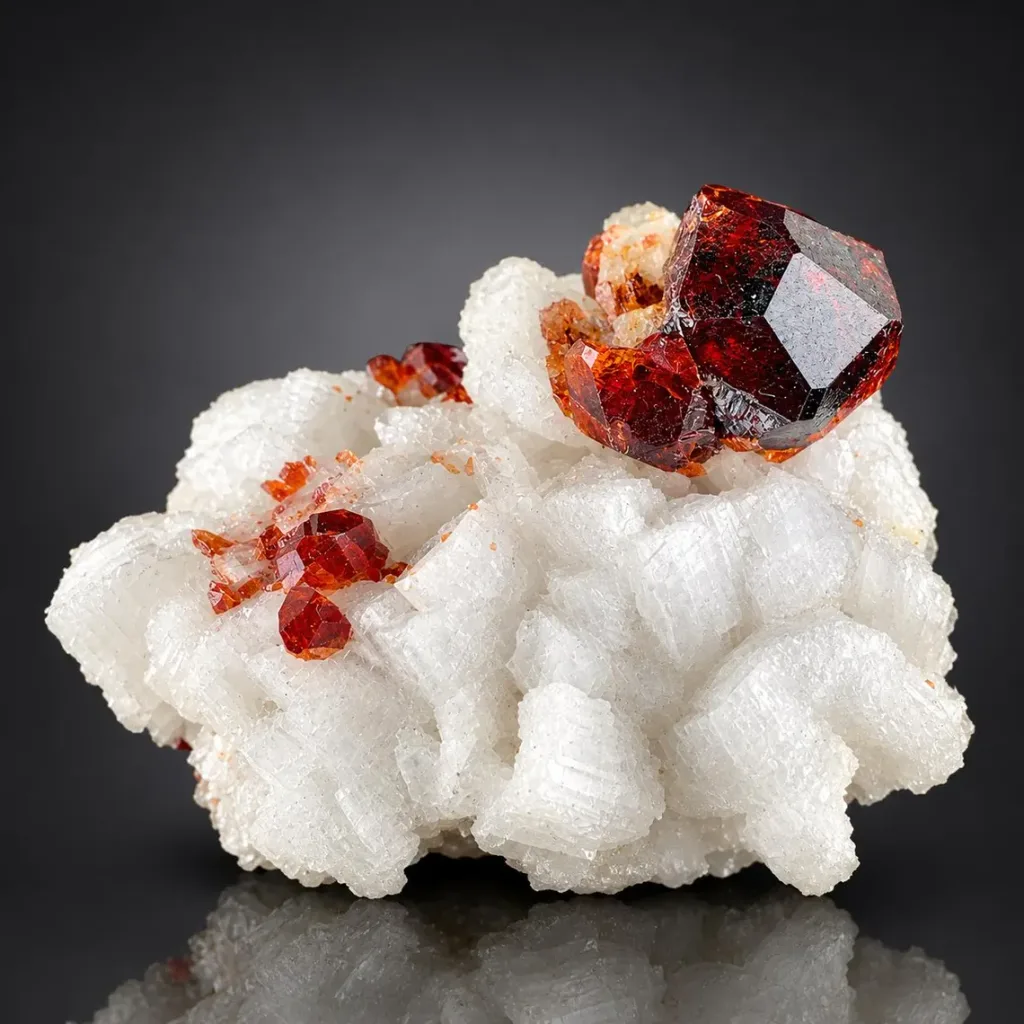
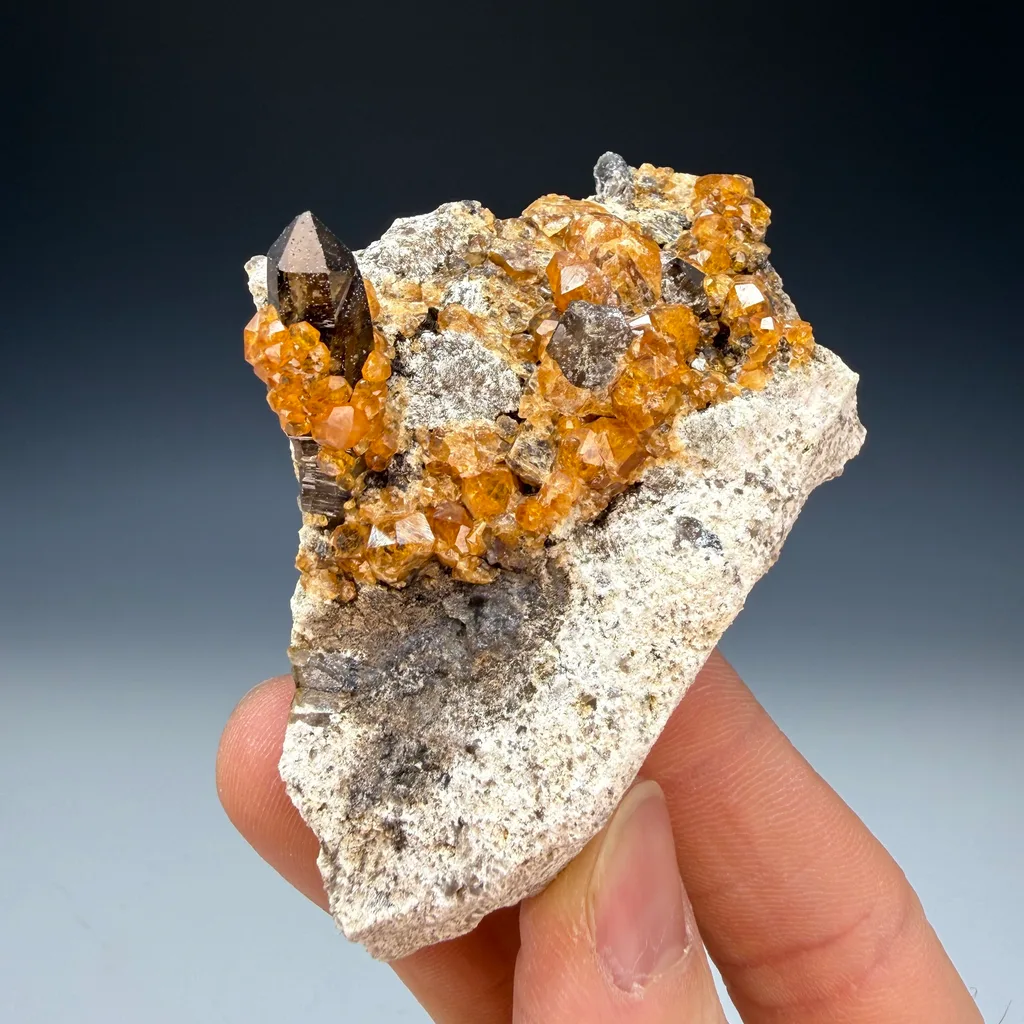
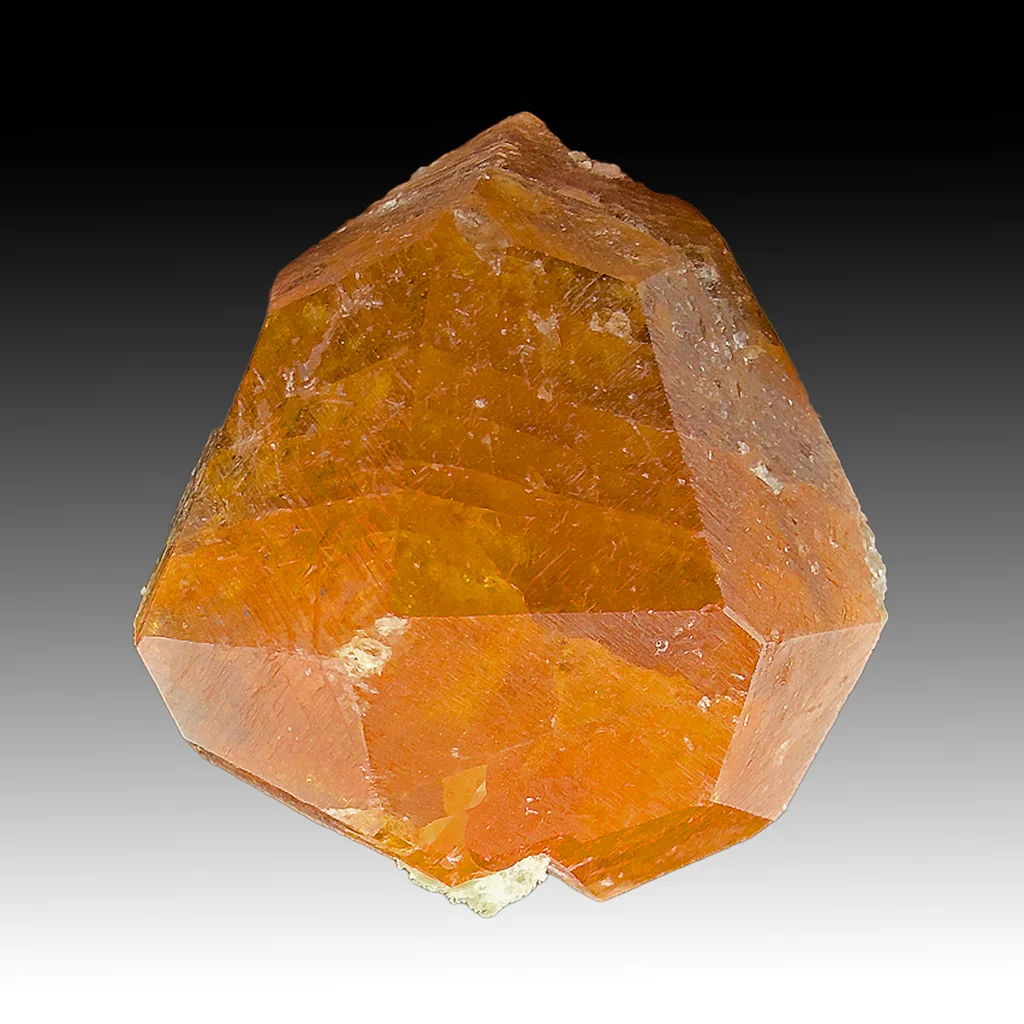
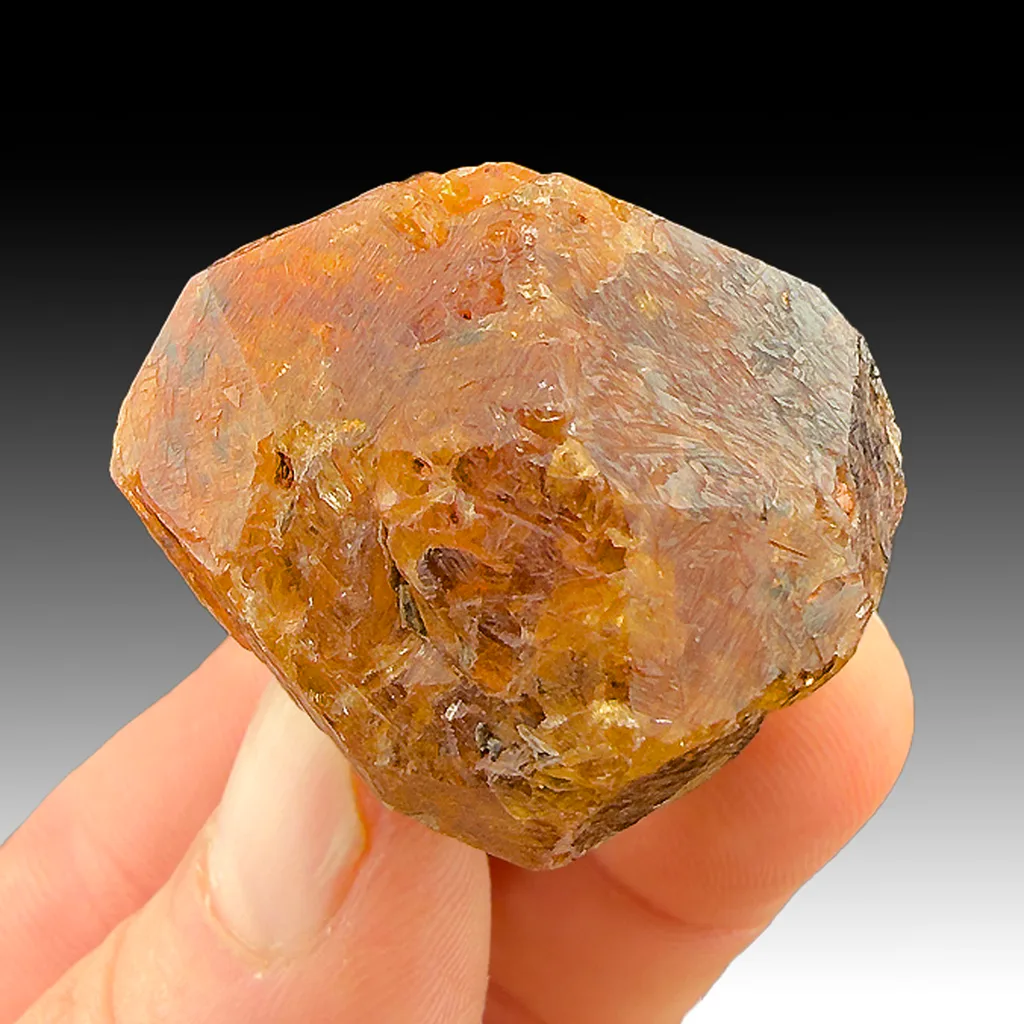
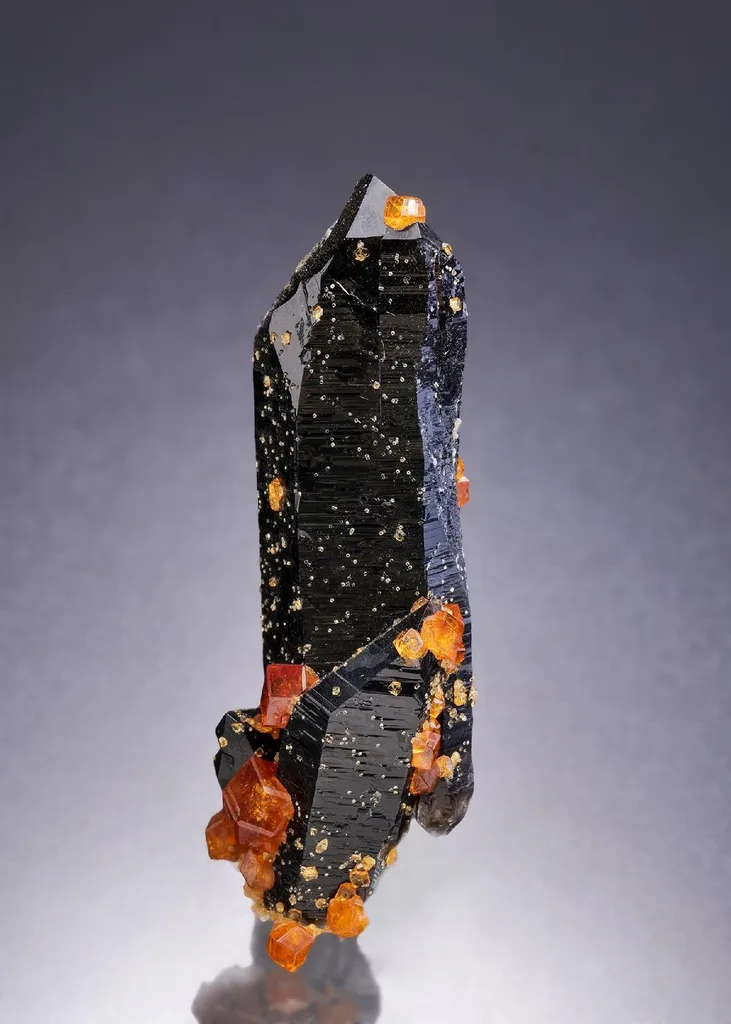
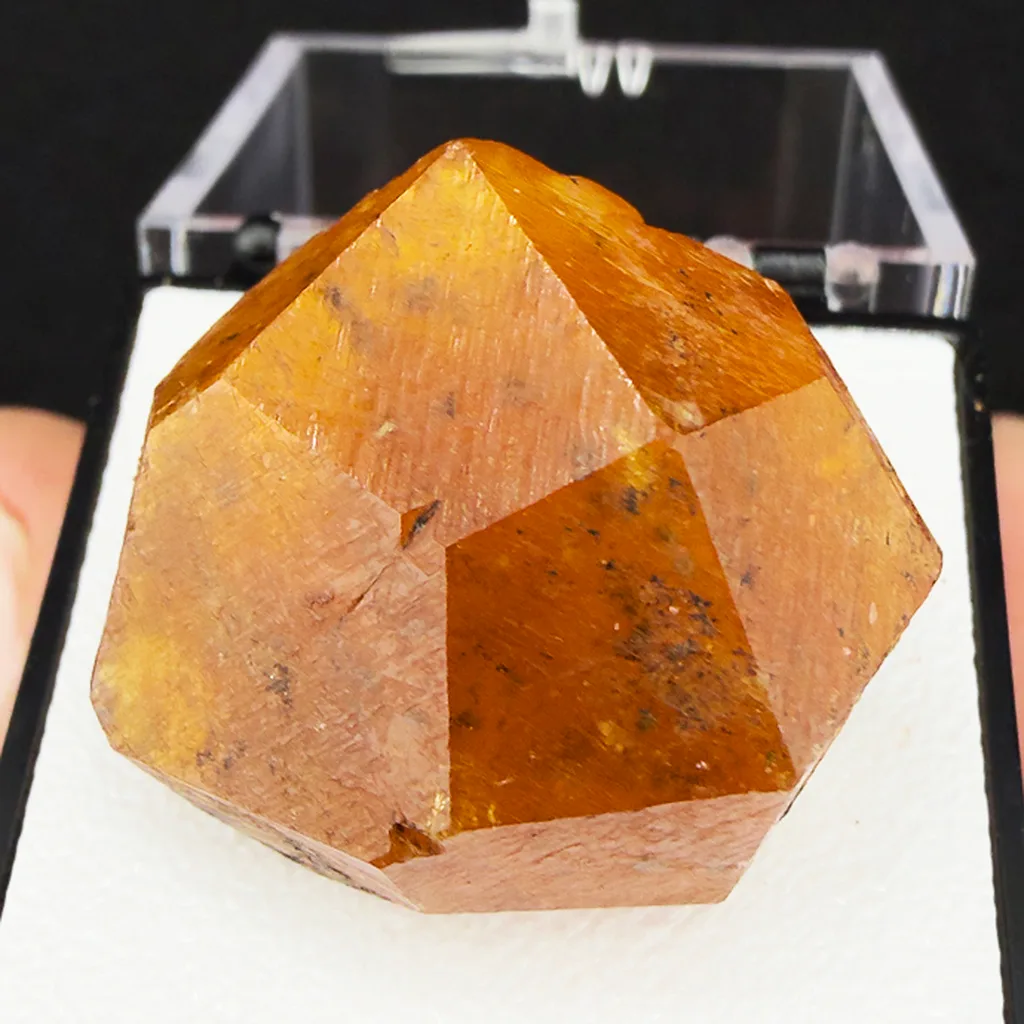
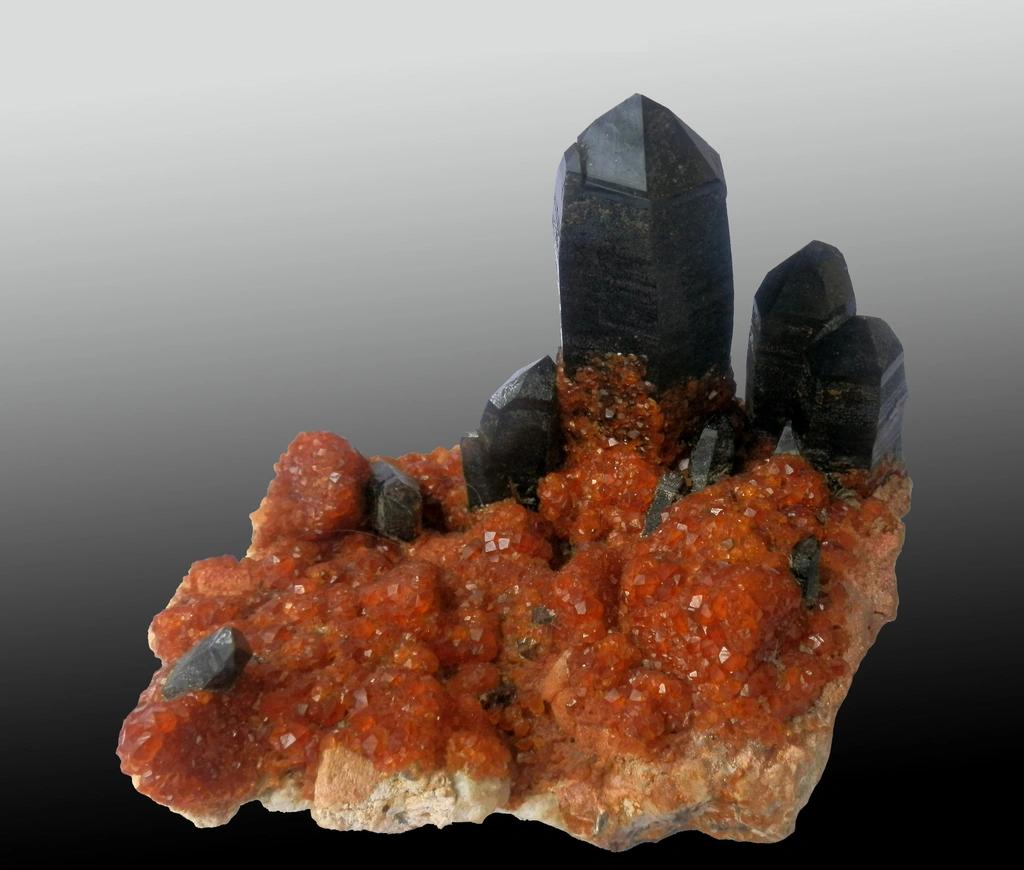
Spessartine is a garnet mineral in the garnet group, typically forming deep orange to reddish-orange crystals with a glassy to adamantine lustre. It commonly occurs in well-formed dodecahedra or trapezohedra and is prized for its vibrant color and clarity in well-crystallized specimens. Notable localities include China and Pakistan, where high-quality crystals are sought after by collectors for their color and crystallographic perfection.
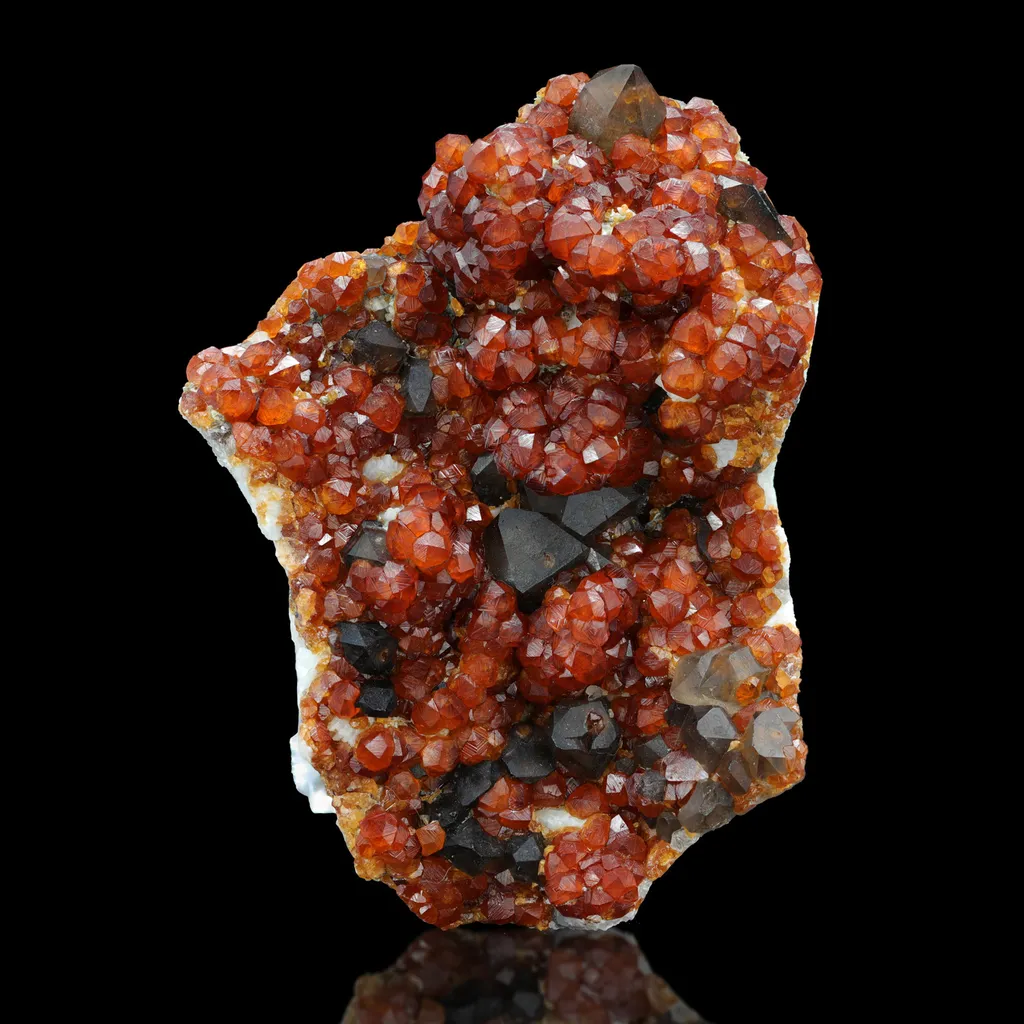
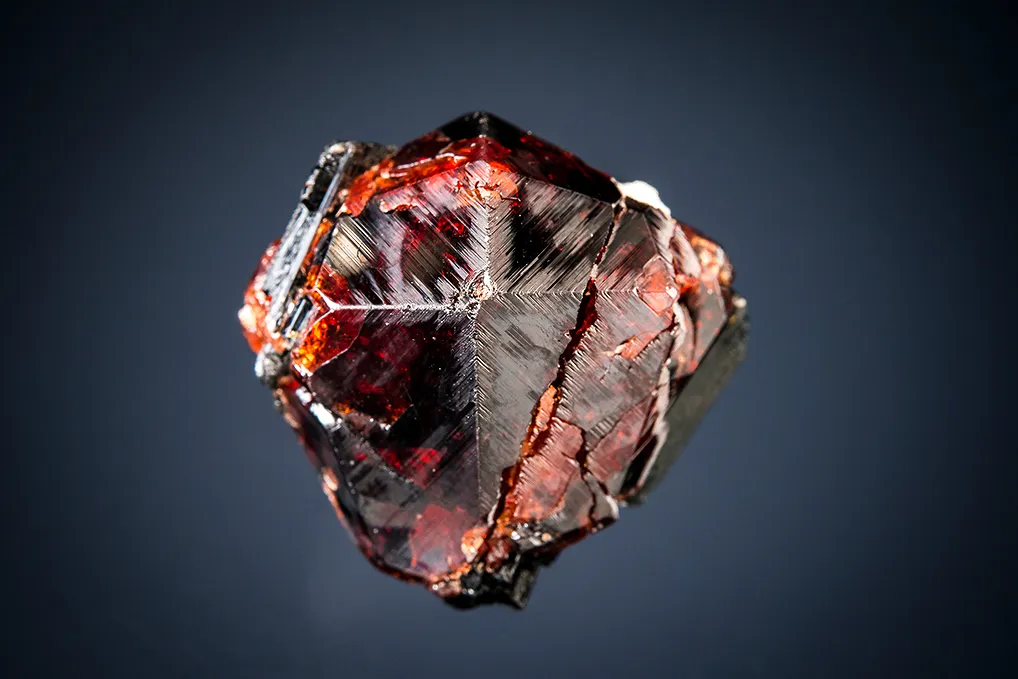
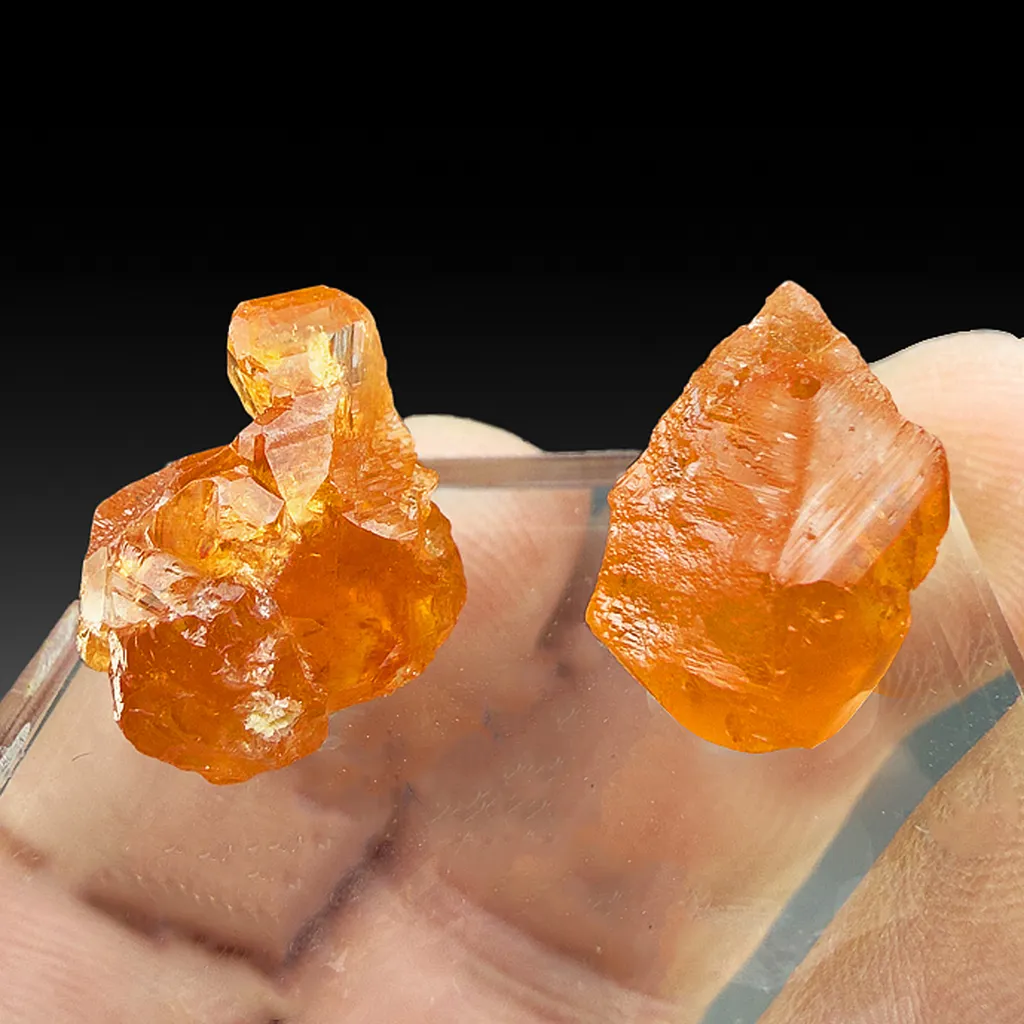
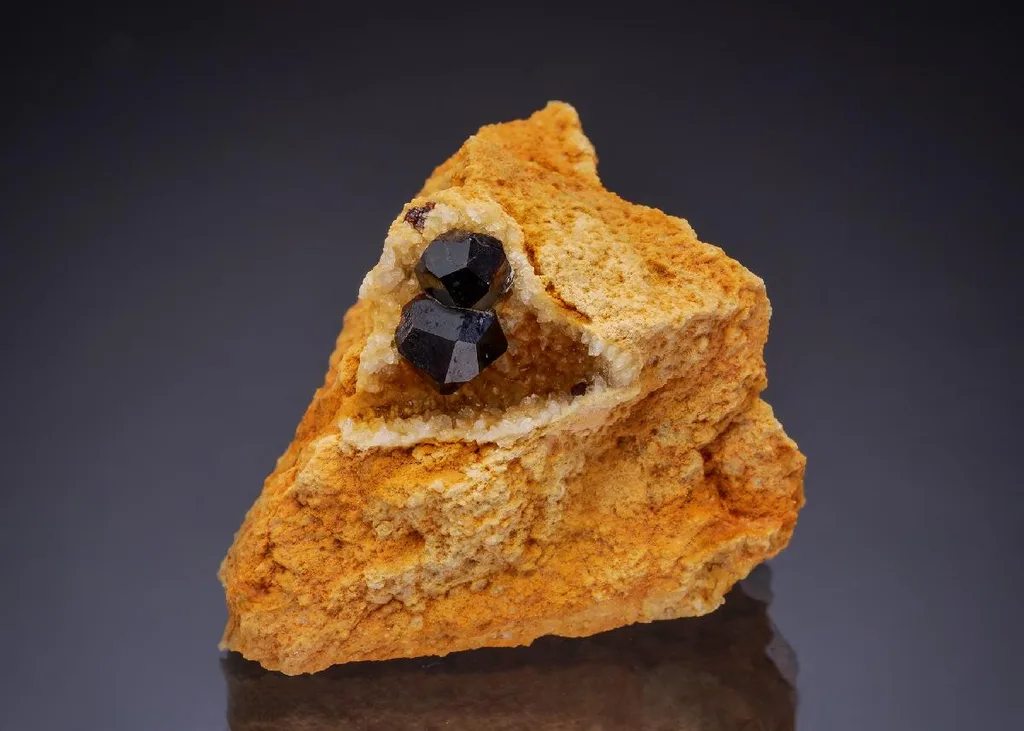
Collectors value spessartine for its striking hue, size, and the ease with which its crystals can be distinguished from other garnets. The mineral can occur in pegmatites and metamorphic rocks, often associated with other garnets and manganese-bearing minerals. While color can range to yellow-orange in some specimens, the strongest material displays a vivid orange to red-orange tone with a bright, smooth surface that highlights its transparent to translucent nature. Specimens from diverse locales, including Tanzania, Brazil, and the USA, contribute a range of crystal forms and habit, broadening the appeal for cabinet displays and study.