
Guide
26 for sale · $100–$155,000 USD
174 in the gallery
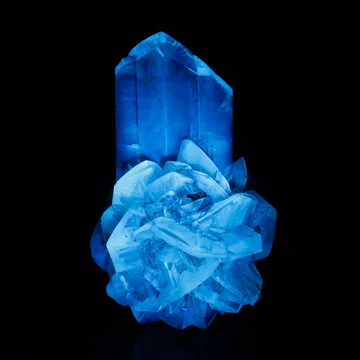
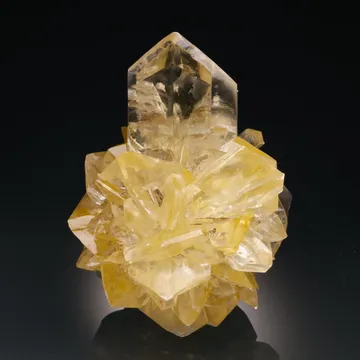
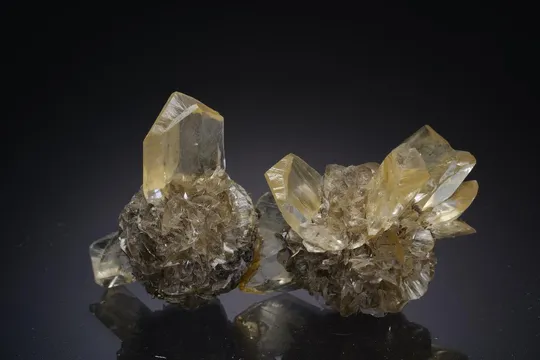
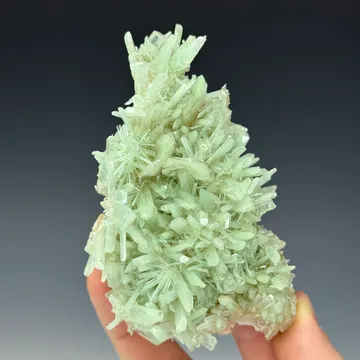
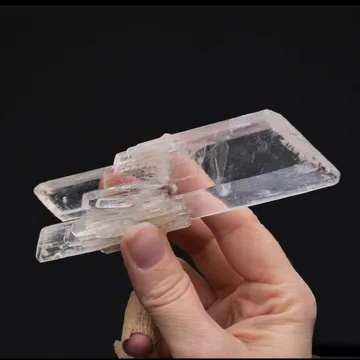
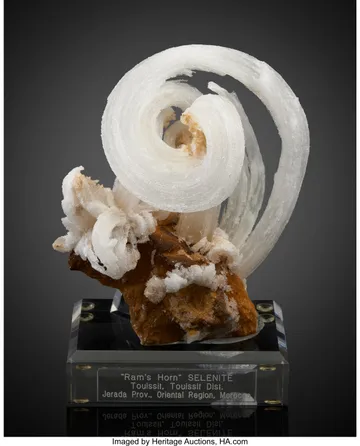
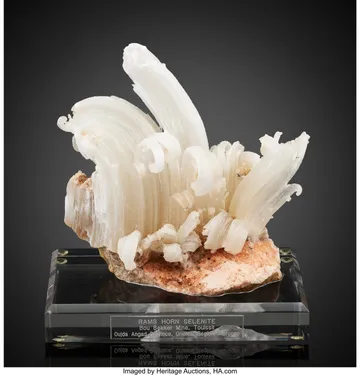
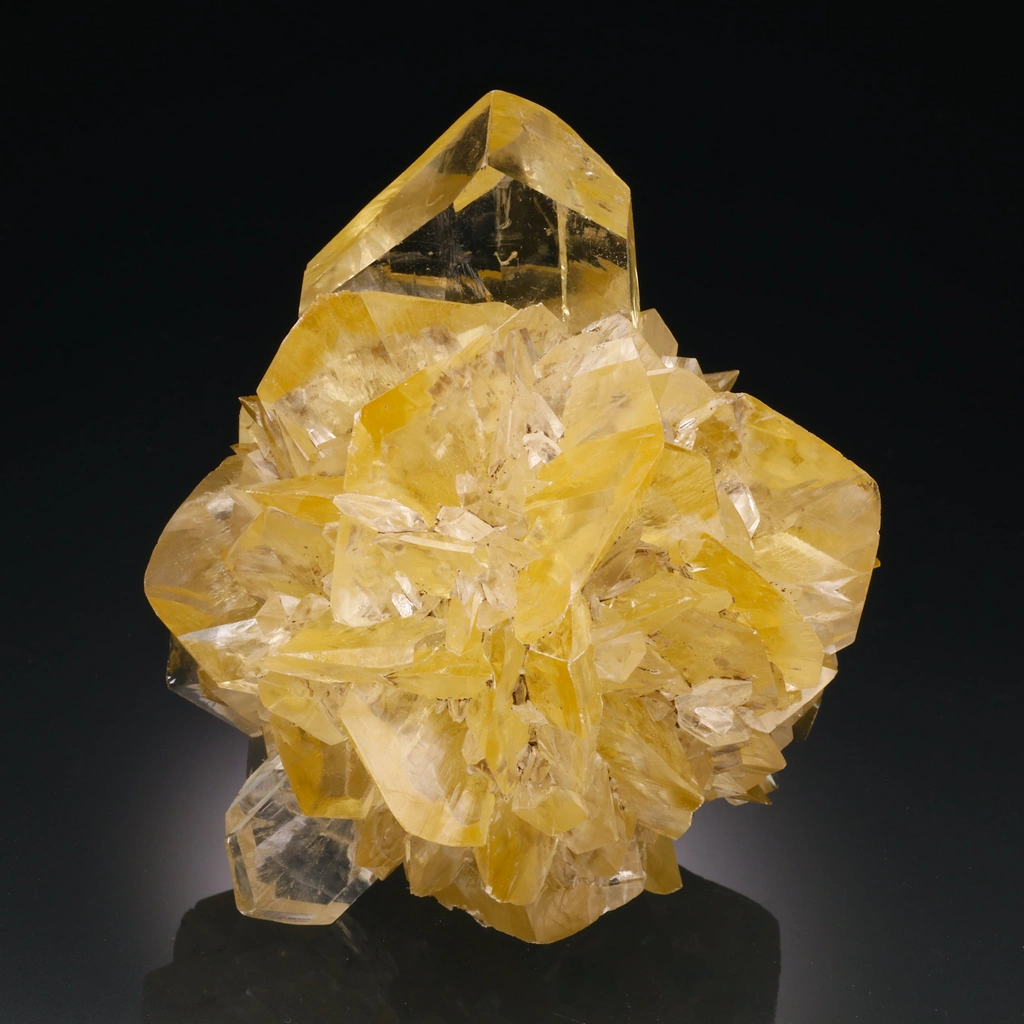
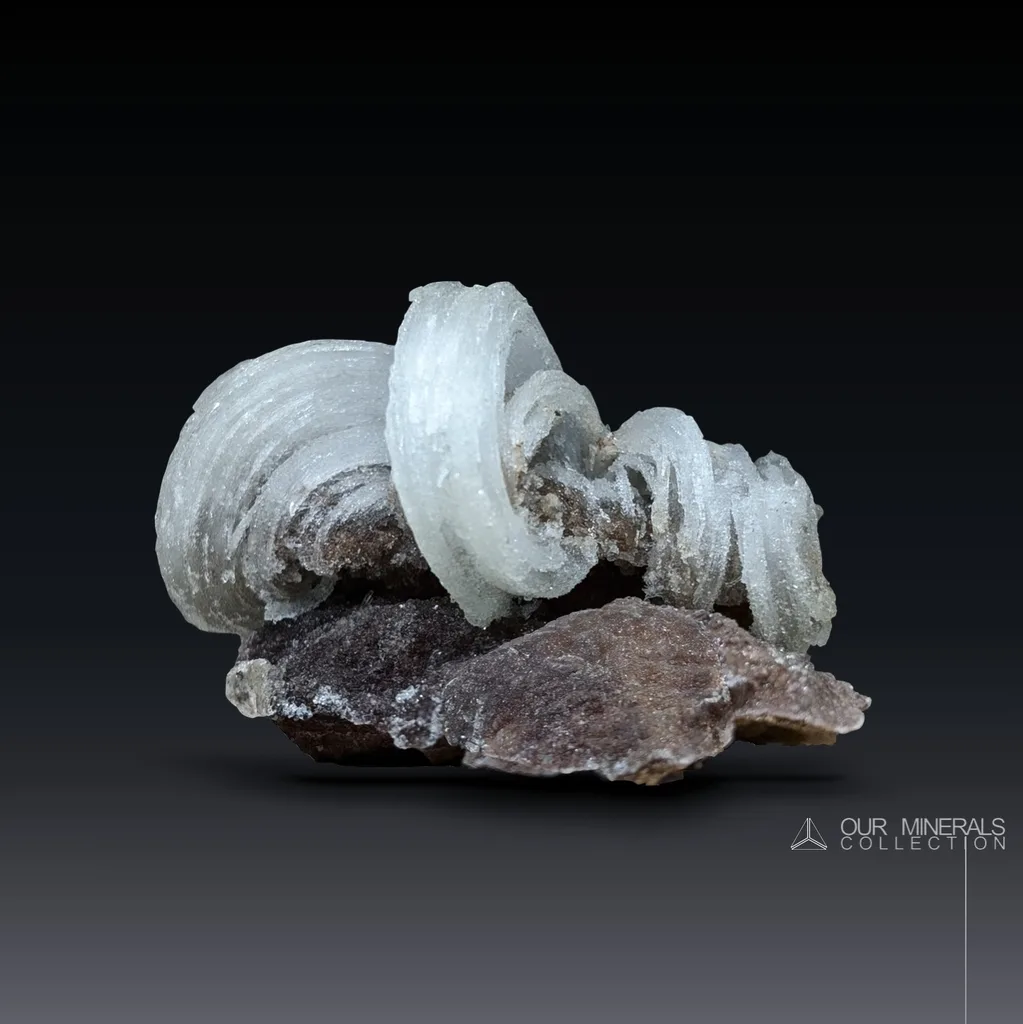
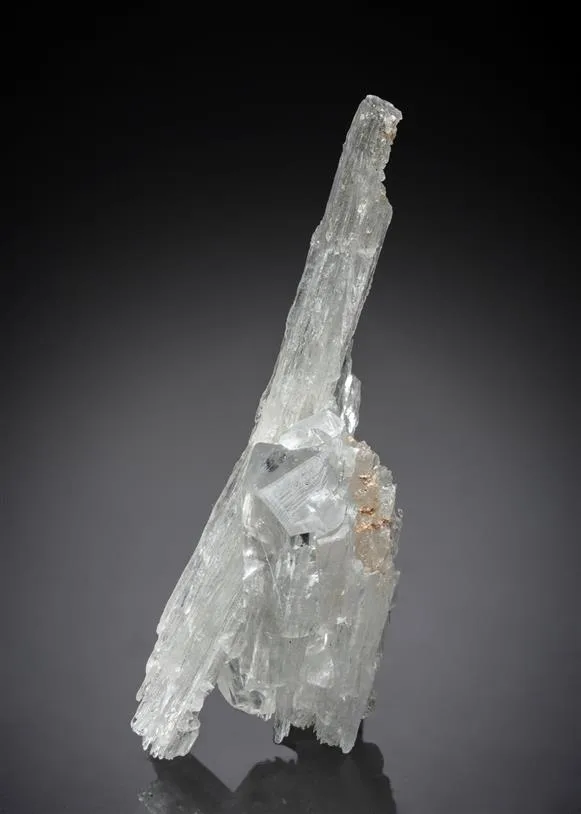
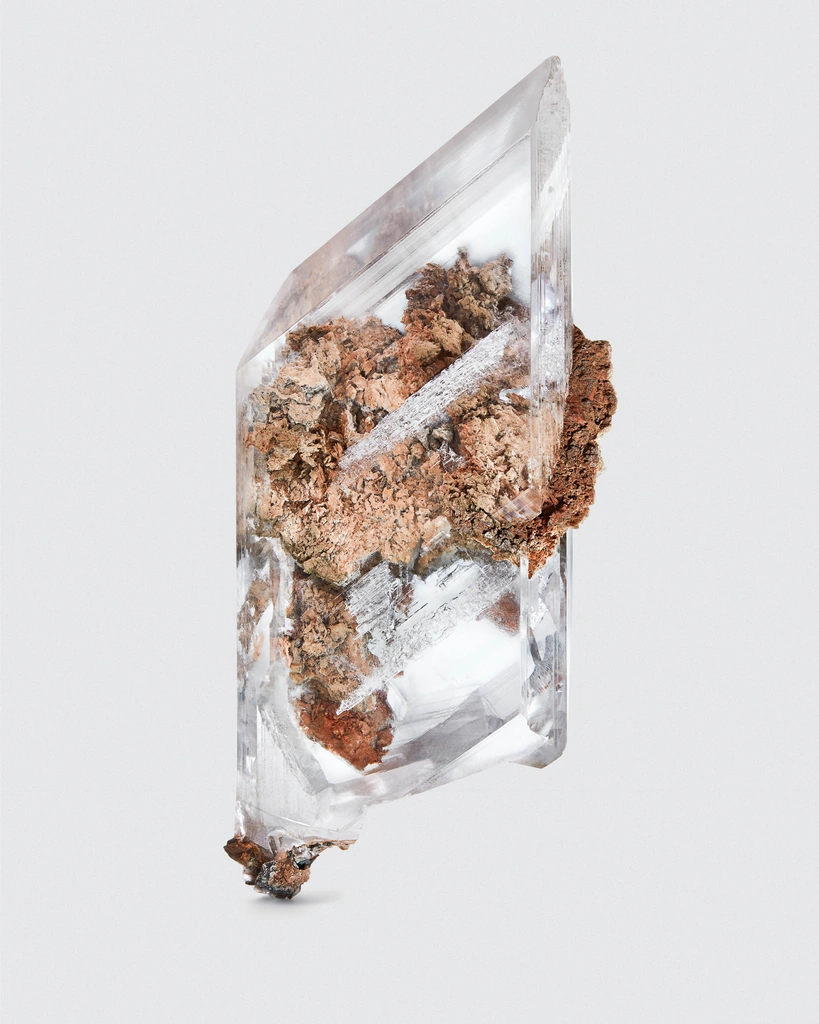
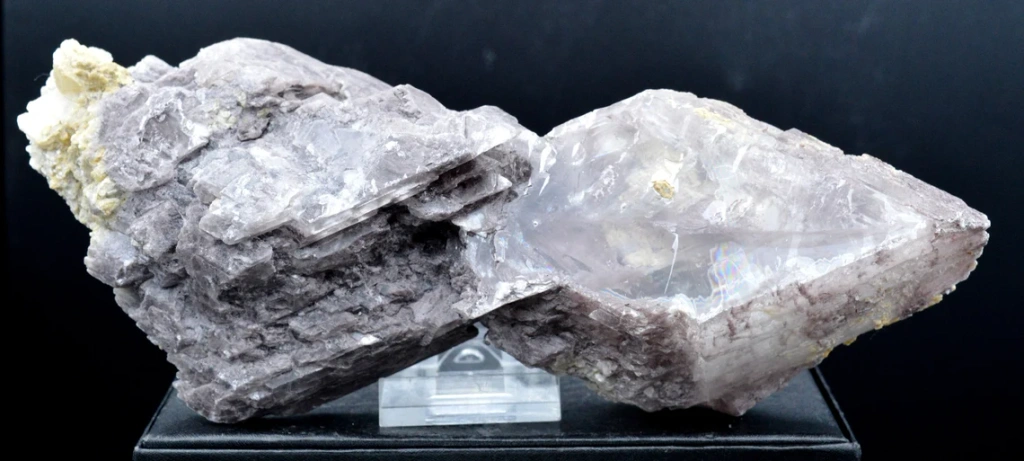
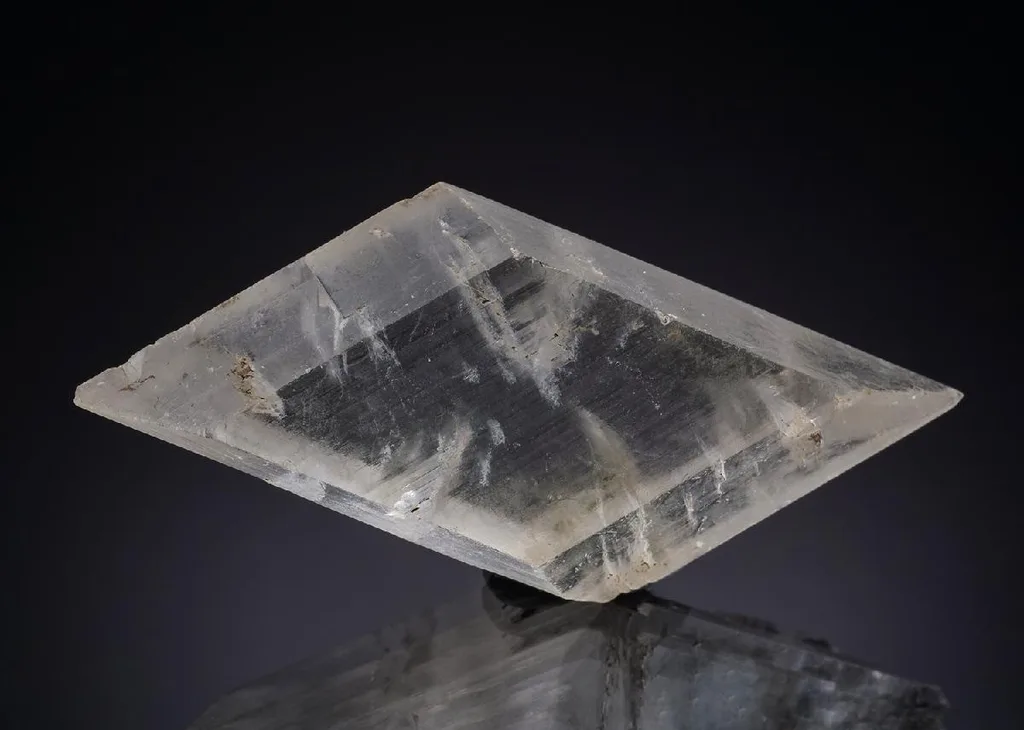
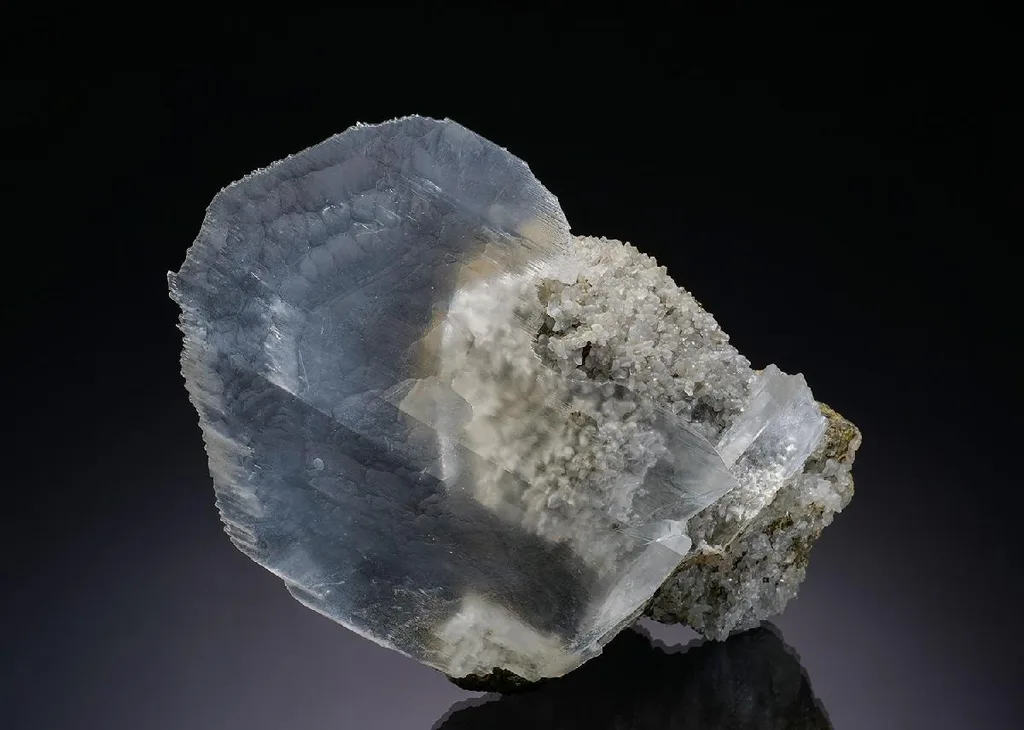
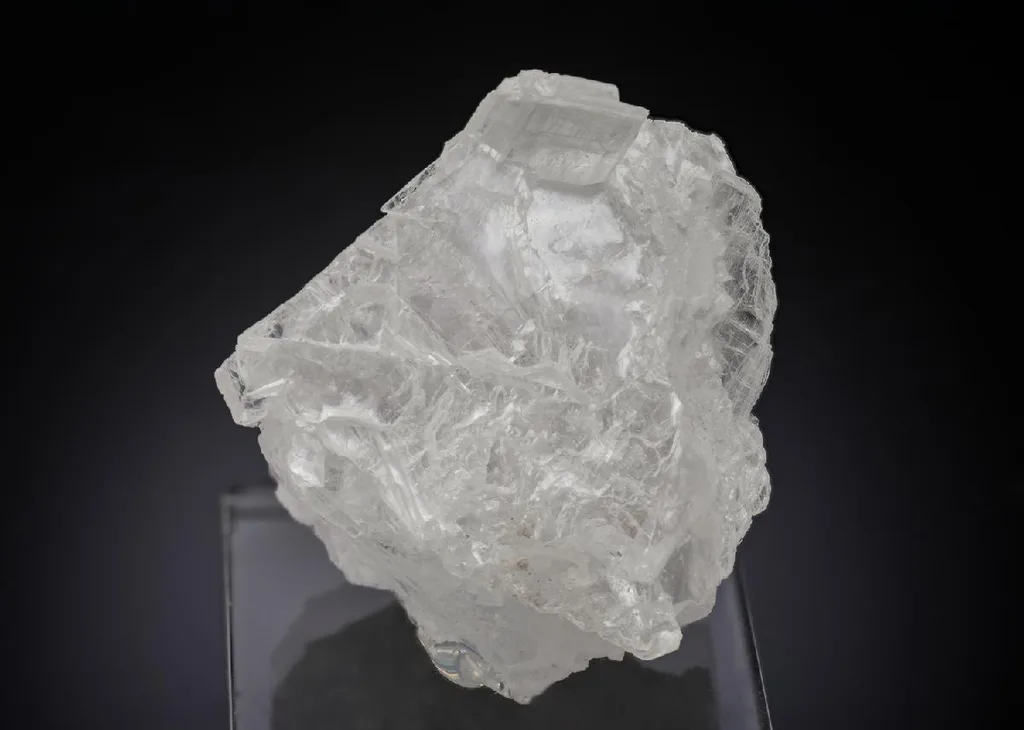
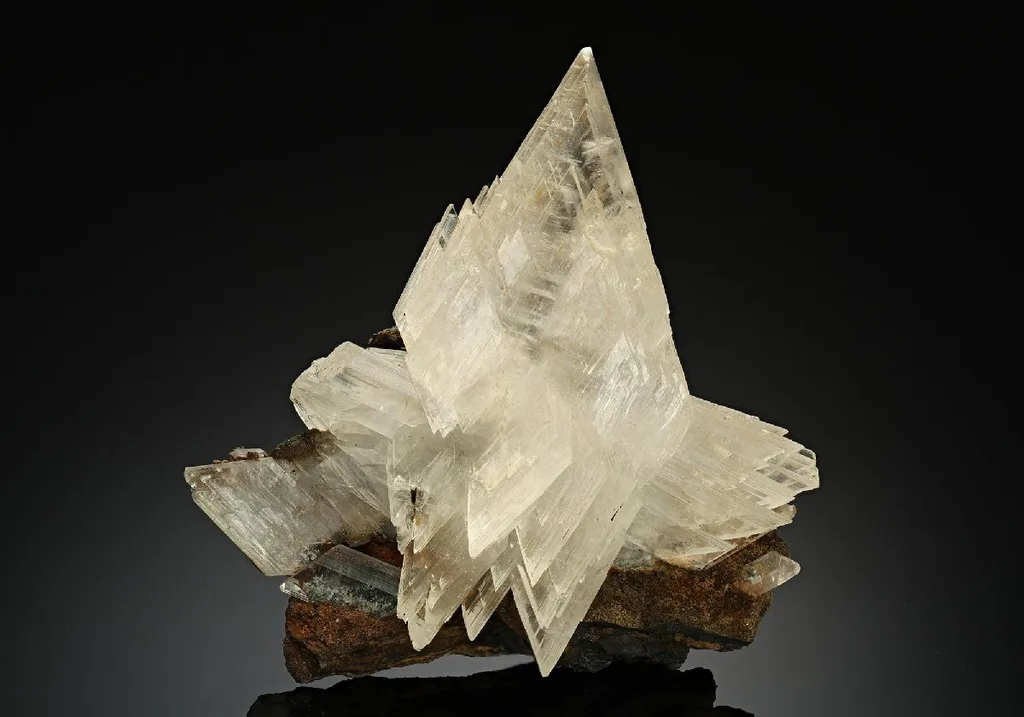
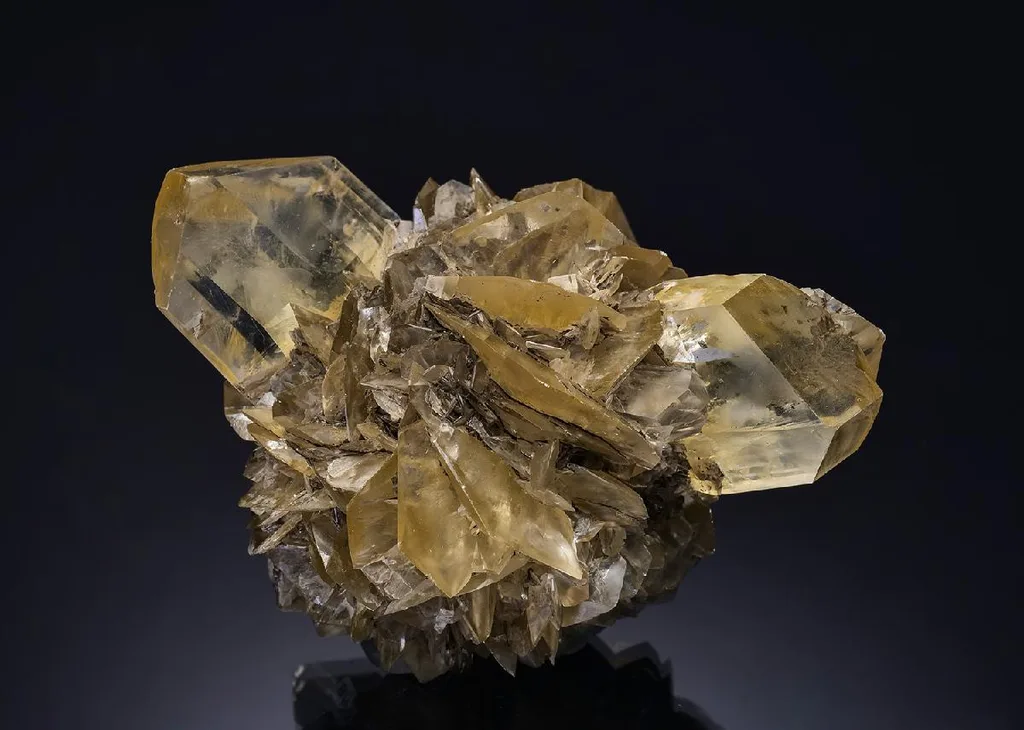
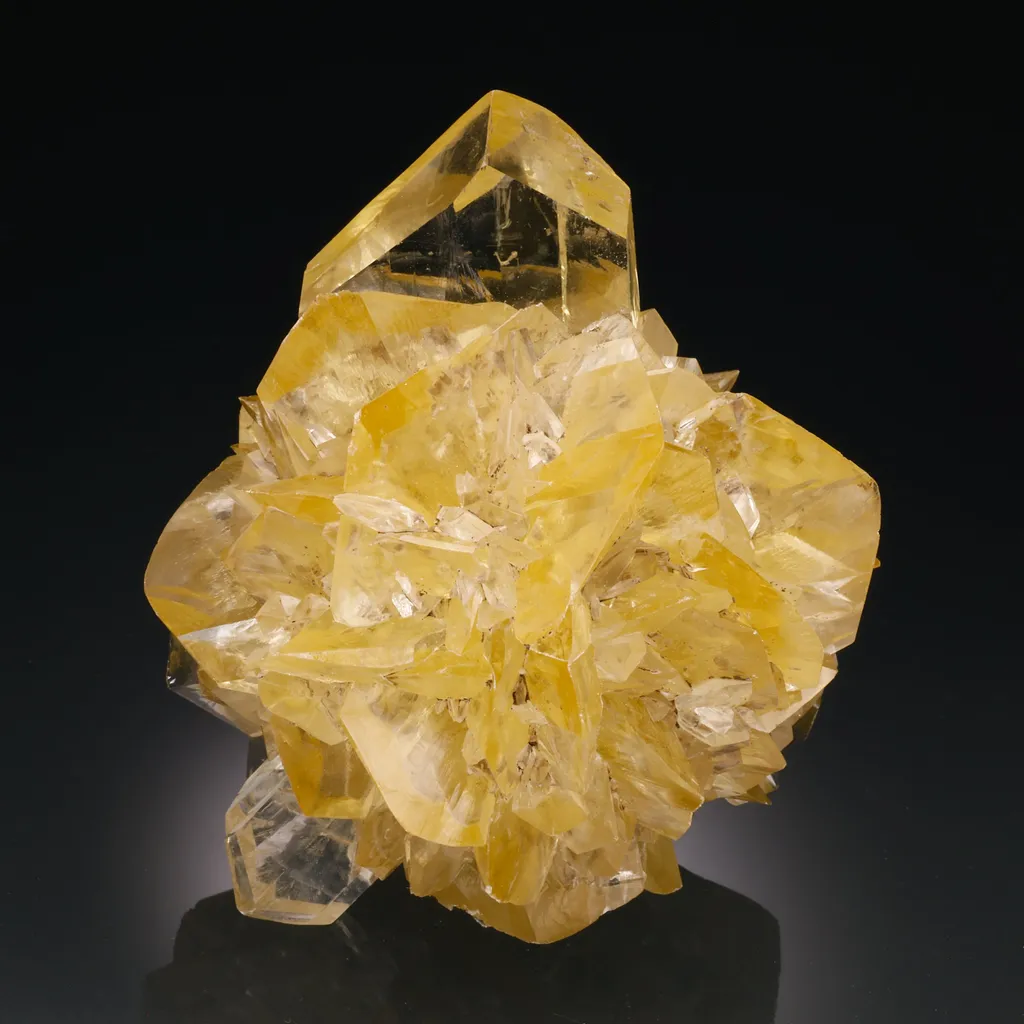
Selenite is a variety of the mineral gypsum distinguished by its translucence and a characteristic bladed or crystal habit. When fresh, it often presents a gleaming, pearly lustre and can form graceful, transparent blades that are easy to observe with the naked eye. In nature it occurs in masses or fibrous aggregates, sometimes as heighted selenite crystals that reveal silky or satin-like surfaces. Commonly found in arid, evaporite environments, selenite can form in caves as selenite sheets or in beds where evaporation concentrates dissolved calcium and sulfate.
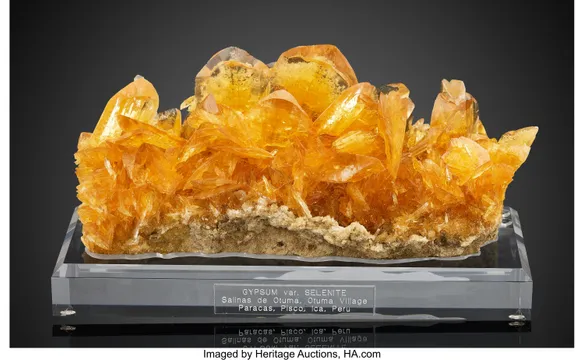
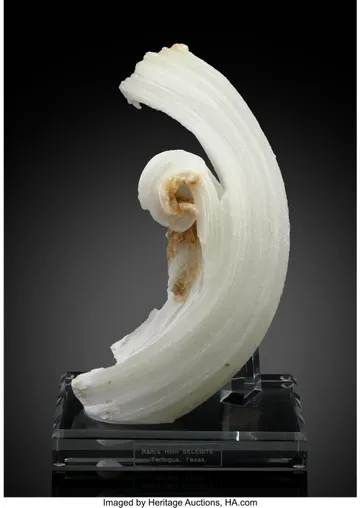
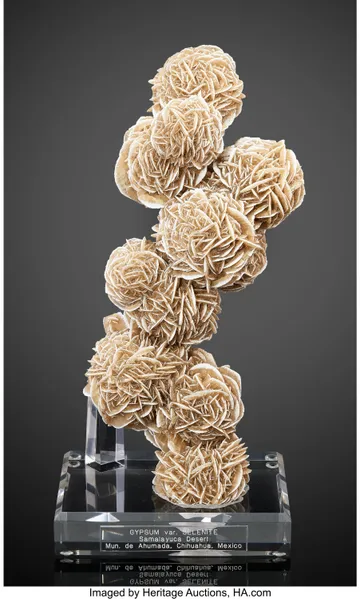
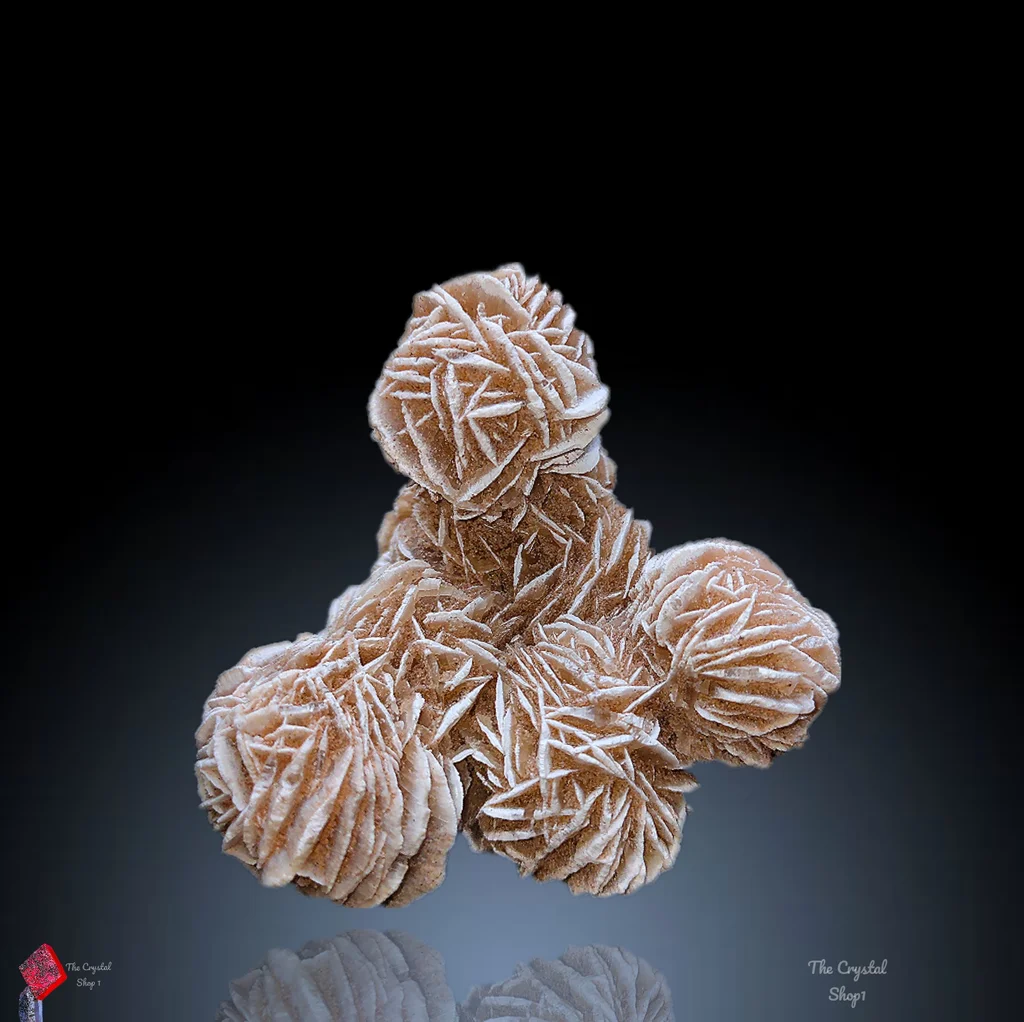
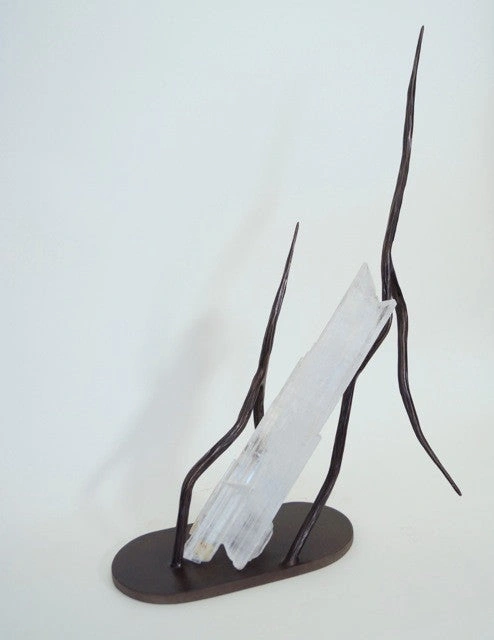
Notable specimens come from several well-known localities, including Mexico, the United States, Canada, Peru, and Australia, where gypsum-rich deposits yield long, slender crystals and selenite rosettes. Collectors prize selenite for its delicate appearance, easy translucence, and the way light travels through thin blades, creating a subtle glow. It is often sought after for display when cut or shaped into clusters that emphasize its luminous quality, and for the way it forms in sculptural crystal habits that are both decorative and scientifically interesting.