
Scheelite specimens for sale
113 for sale ยท $120โ$12,500 USD
378 in the gallery
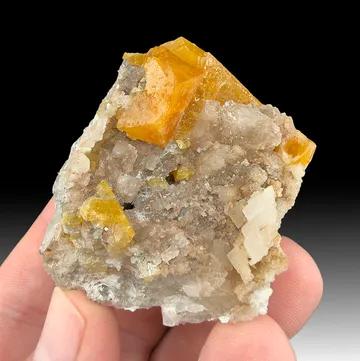
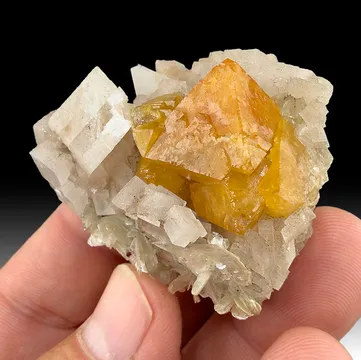
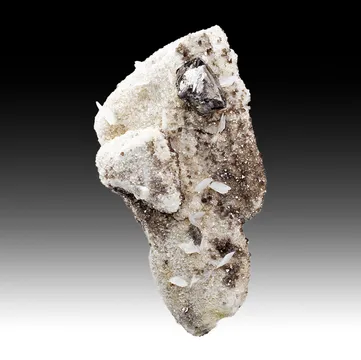
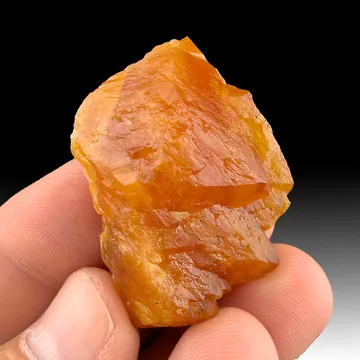
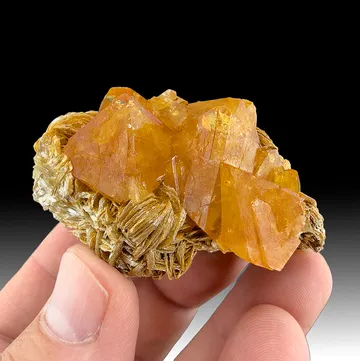
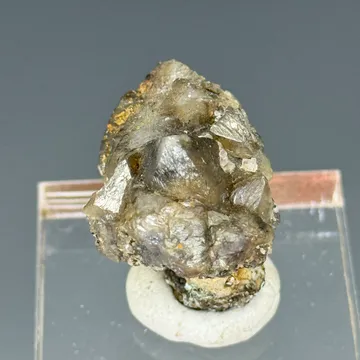
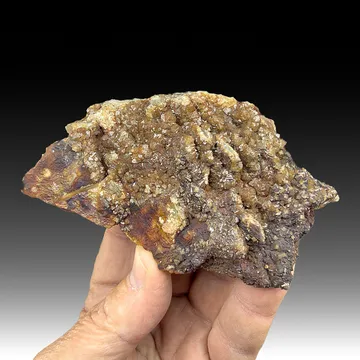
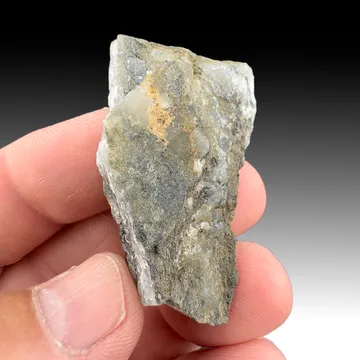
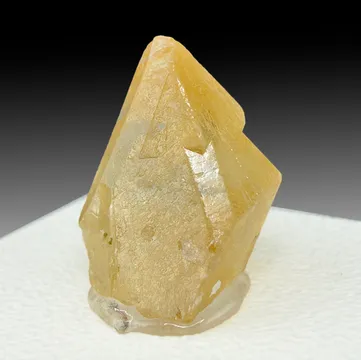
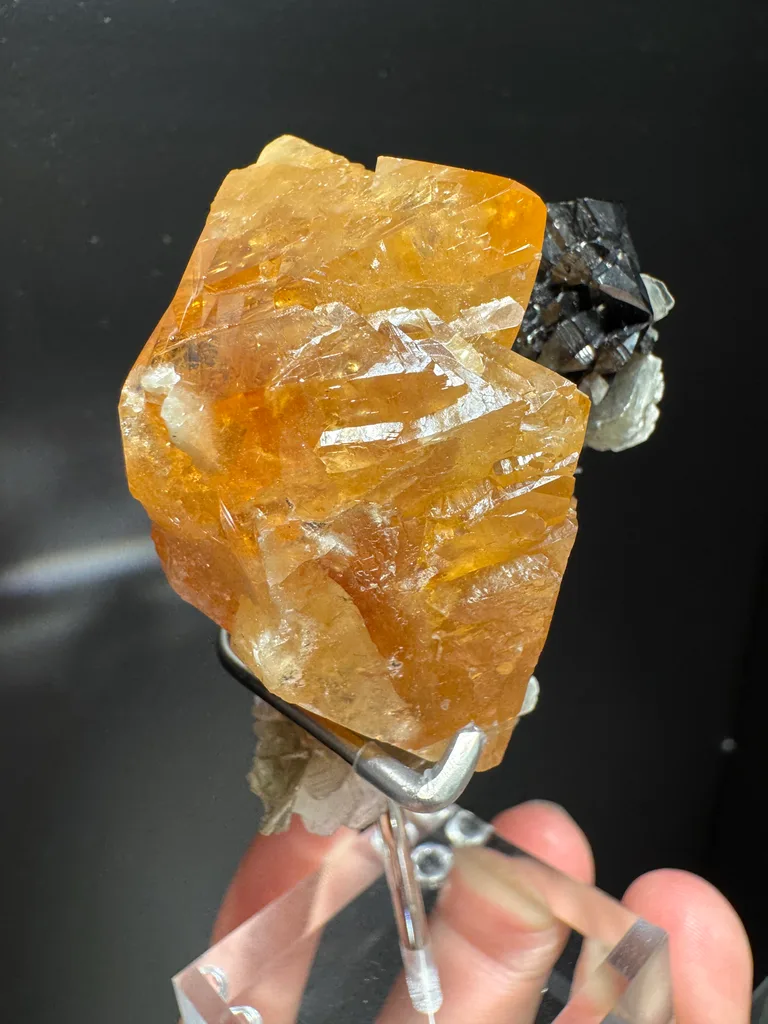
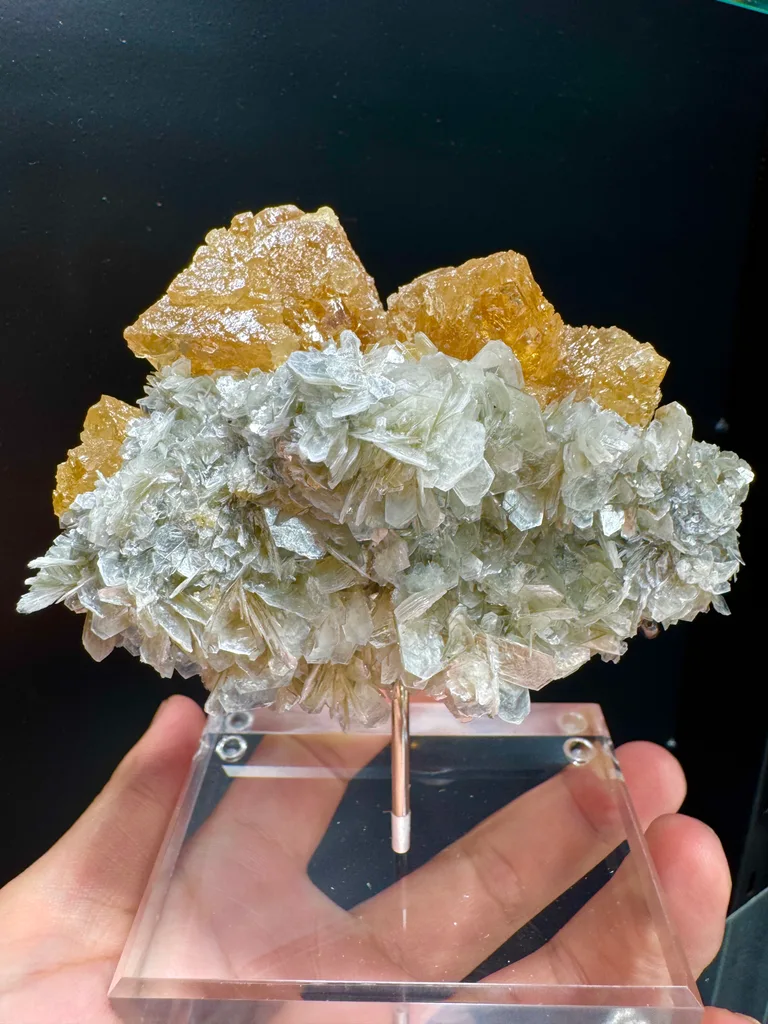
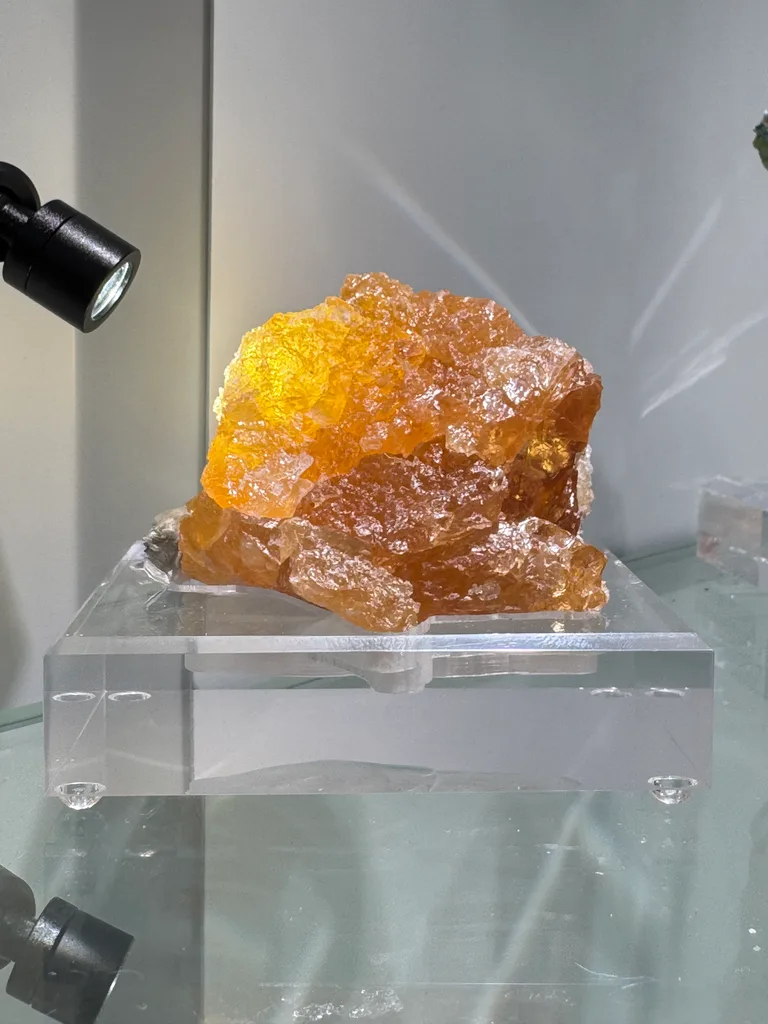
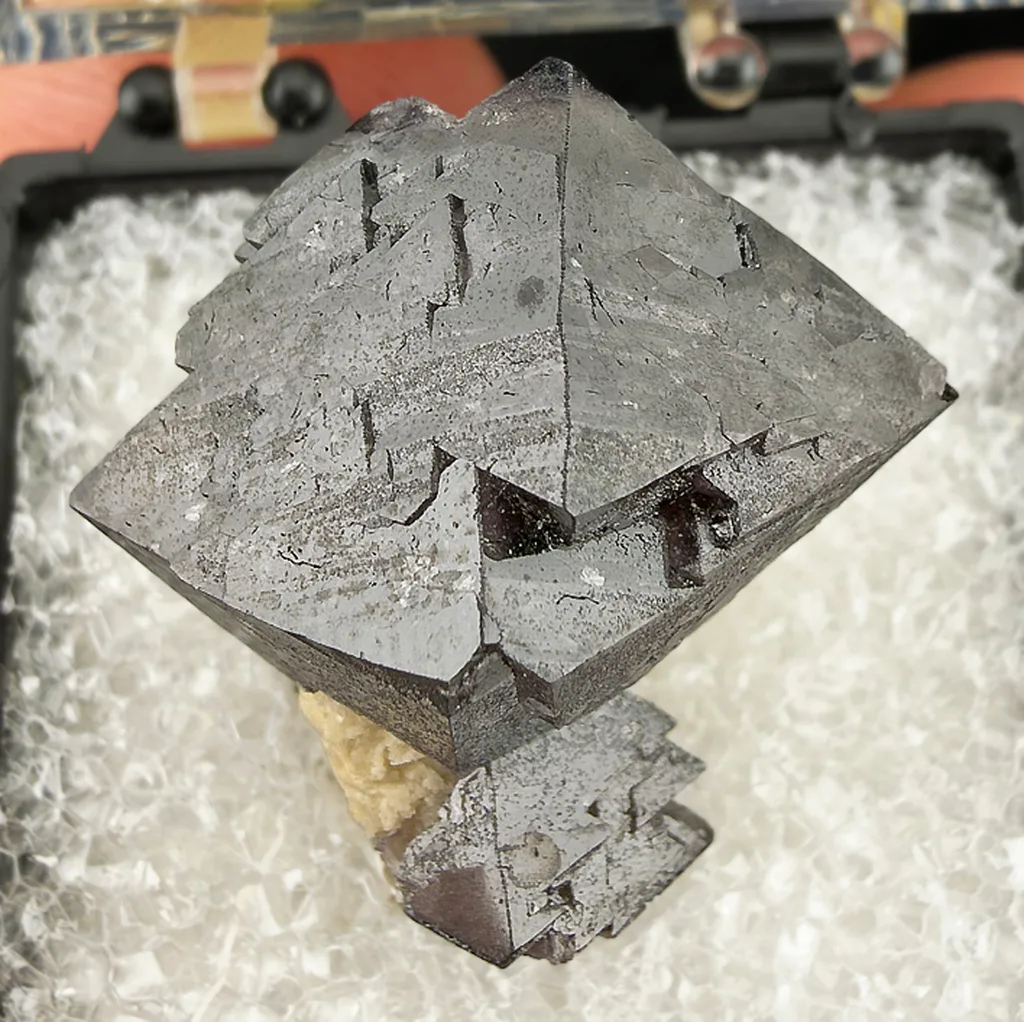
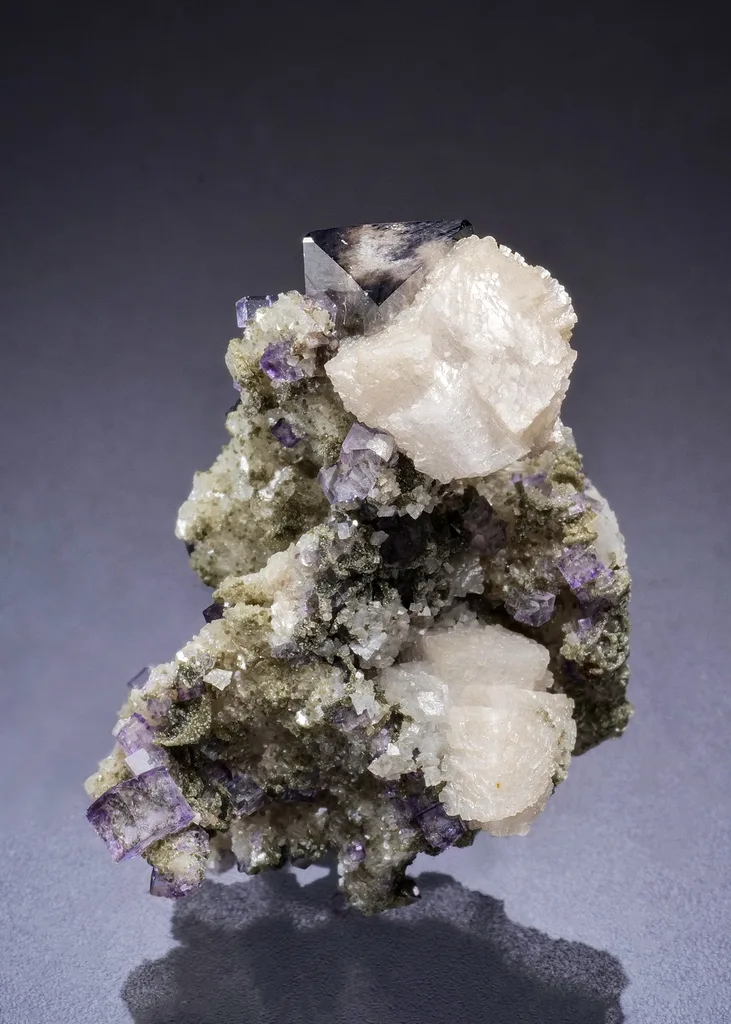
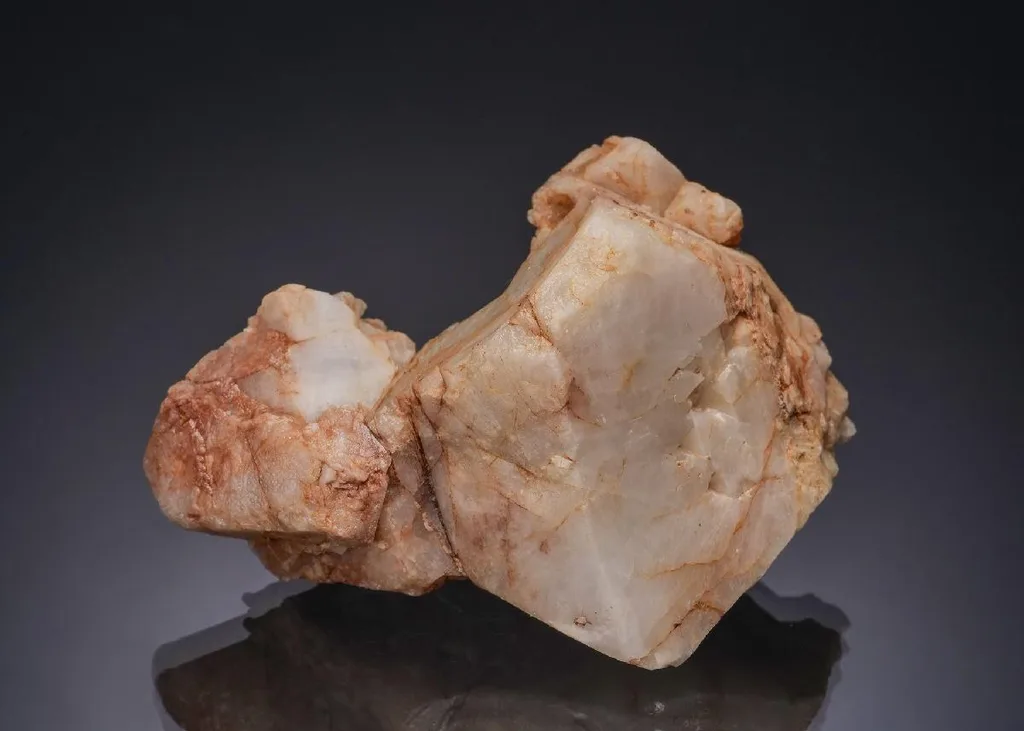
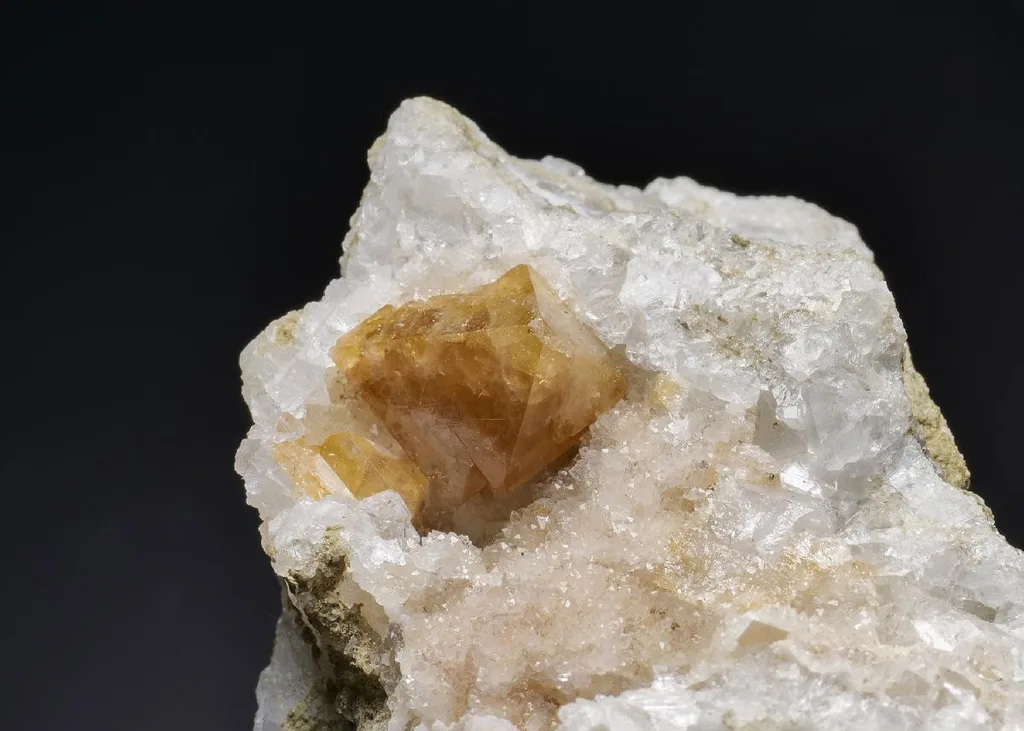
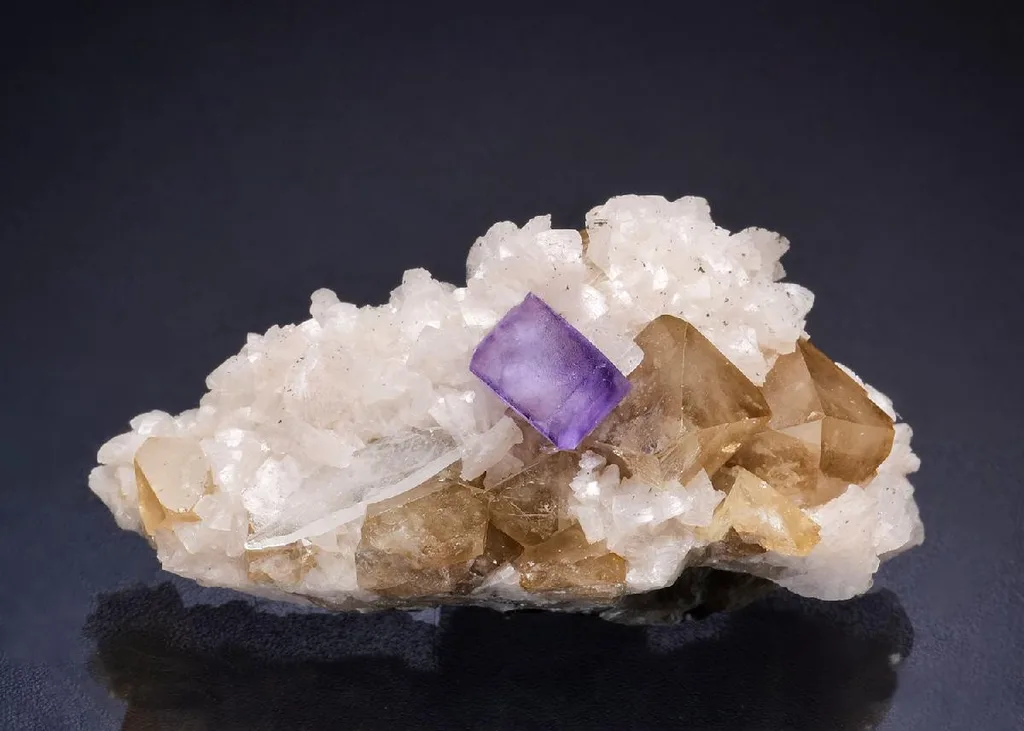
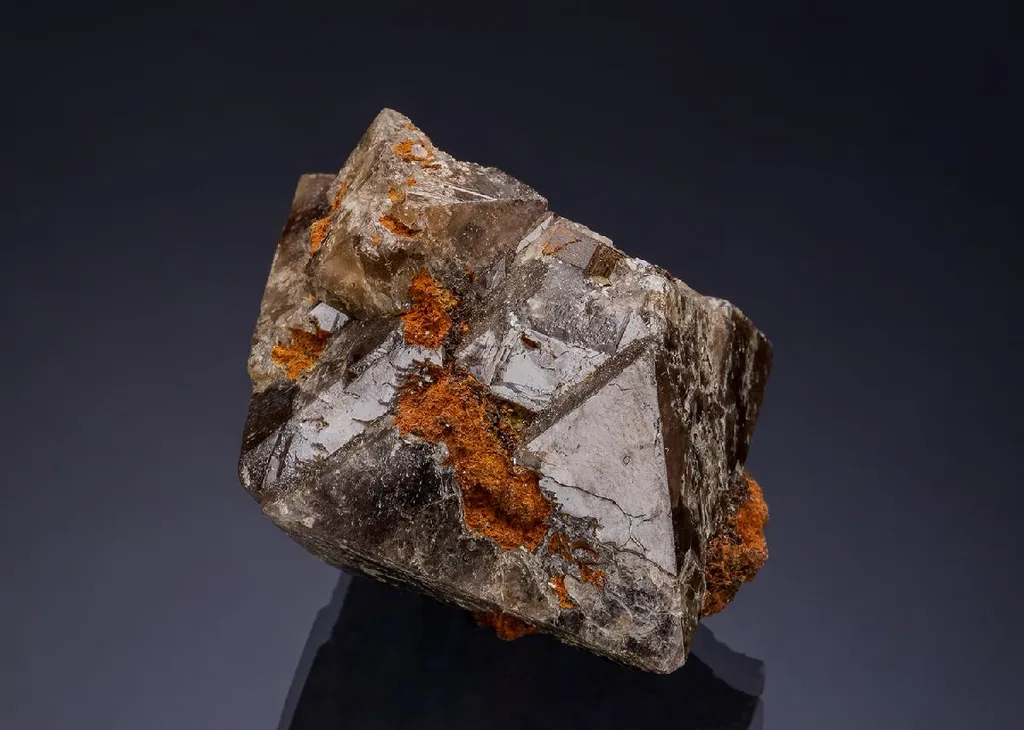
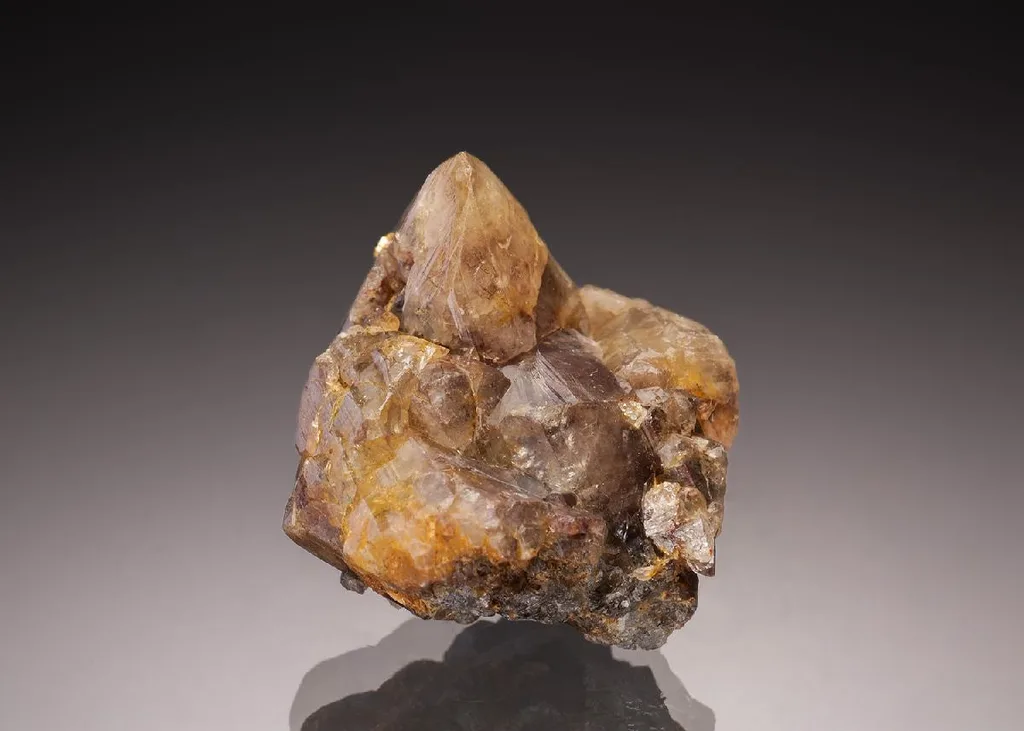
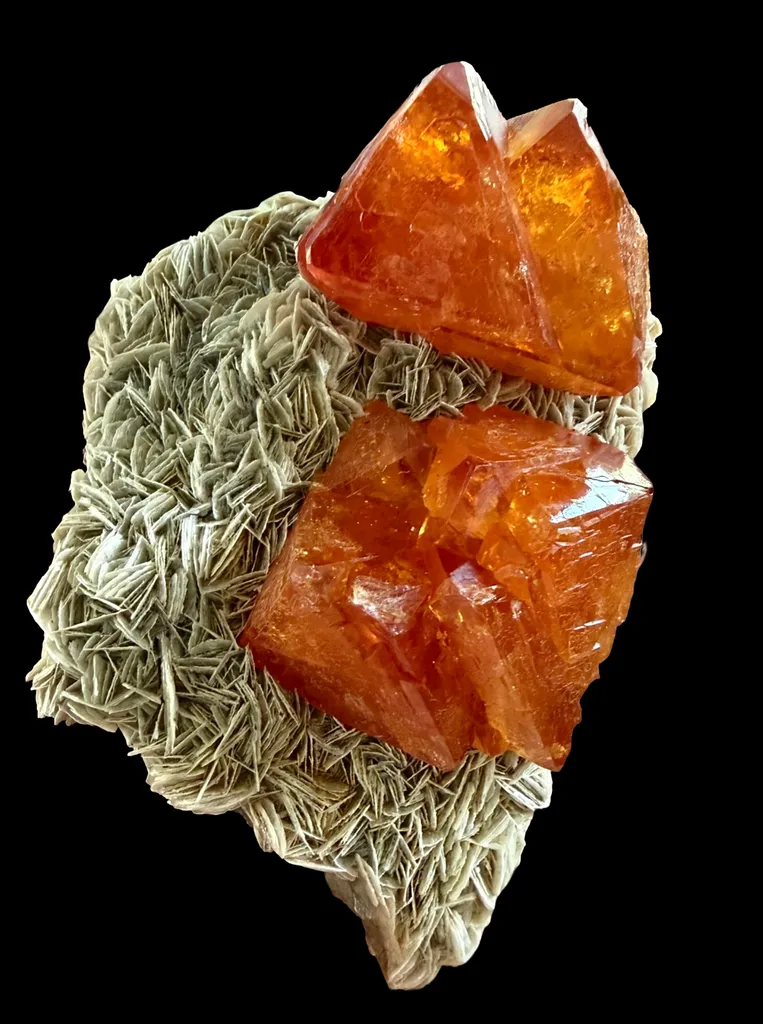
Scheelite is a calcium tungstate mineral that crystallizes in the tetragonal system. It commonly forms prismatic to tabular crystals with a glassy to adamantine luster and can display a range of colors from pale yellow to brown, often revealing a transparent to translucent character in well-formed crystals. Crystals may occur singly or in clusters and can fluoresce a bright blue under shortwave ultraviolet light, a feature prized by collectors for display and educational value.
- Formula
- Ca(WO4)
- Rarity
- Common
- Stability
- Stable
- Collector interest
- Moderate Interest
- Classification notes
- Oxide mineral; Tungsten oxide group; calcium tungstate (CaWO<sub>4</sub>)
Key characteristics
- Crystal system
- tetragonal
- Mohs hardness
- 4.5โ5
- Specific gravity
- 5.9โ6.1
- Luster
- vitreous, adamantine, greasy
- Transparency
- transparent, translucent, opaque
- Color
- colorless, white, gray, brown, yellow, orange, green
- Streak
- white
- Cleavage
- distinct
- Fracture
- uneven, subconchoidal
- Crystal habit
- pyramidal, tabular, granular, massive, druzy
- Gem mineral
- Fluorescent: blue, white, yellow
- Classic / historic
Buy Scheelite specimens
View all 113Where Scheelite is found
Top localities
- Yaogangxian Mine46 specimens
- Pingwu Co.14 specimens
- Baia Sprie7 specimens
- Huanggang Mine7 specimens
- Tae Hwa Mine7 specimens
- Pingwu beryl mine5 specimens
- Morro Velho mine4 specimens
- Traversella Mine4 specimens
- Camp Bird Mine3 specimens
- Carrock Mine3 specimens
Guides
All guides

Scheelite from Mount Xuebaoding, China
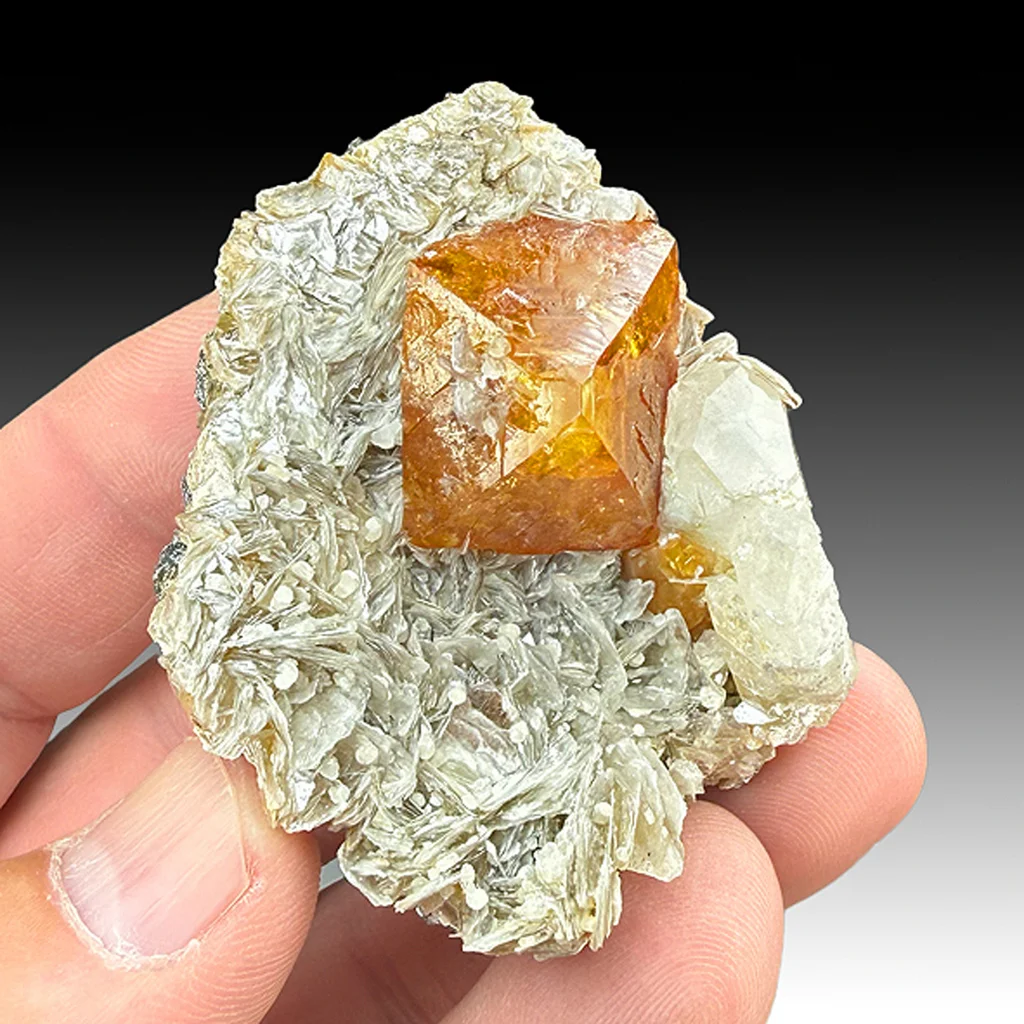
Mount Xuebaoding scheelite, China โ renowned for large, euhedral yellow-orange crystals against silver muscovite, a flagship locality prized by collectors.Read guide
Scheelite from Huanggang Mine, Inner Mongolia, China
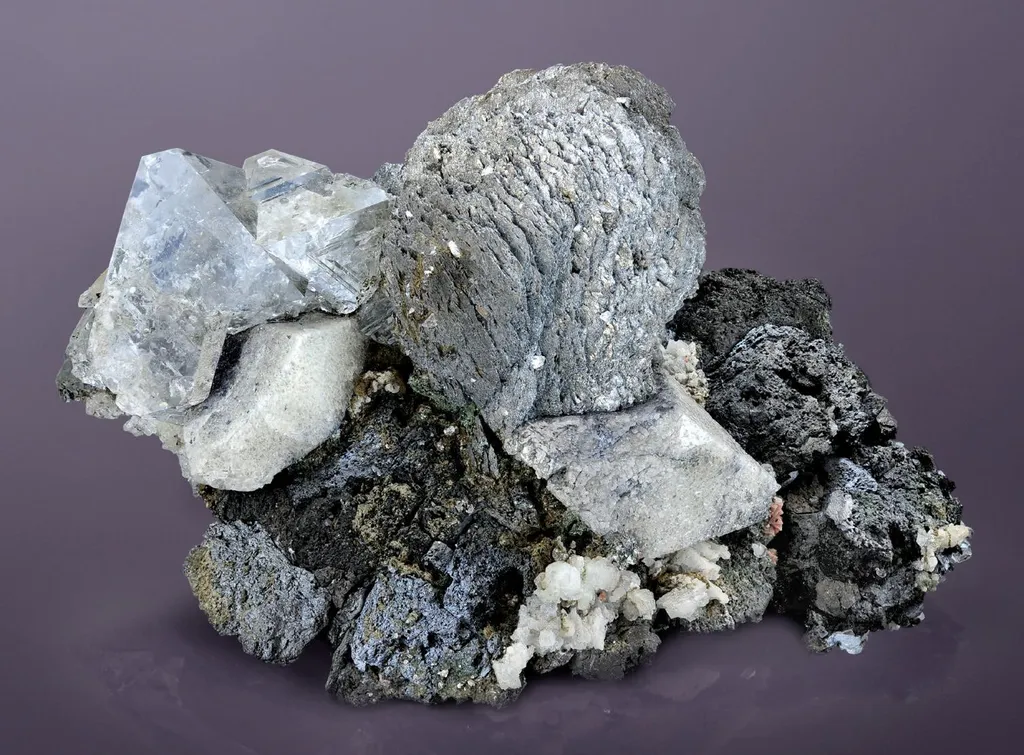
Scheelite from Huanggang Mine, Inner Mongolia: pale, sculptural tetragonal crystals with magnetite and arsenopyrite, UV fluorescence and molybdenite inclusions.Read guideAbout Scheelite
Notable specimens come from historic tungsten districts, with China and the United States among the countries known for well-crystallized examples. Other important localities include Germany and Pakistan, where scheelite can appear as sharp, gemmy crystals associated with quartz or fluorite within pegmatitic or skarn environments. Collectors seek scheelite for its classic crystal forms, striking luster, and the interplay of color and transparency in high-quality pieces. The mineralโs prominence in classic mineral collections and its relevance to ore genesis studies also make it a valued addition to curated displays.