Guide
26 for sale · $180–$9,000 USD
166 in the gallery
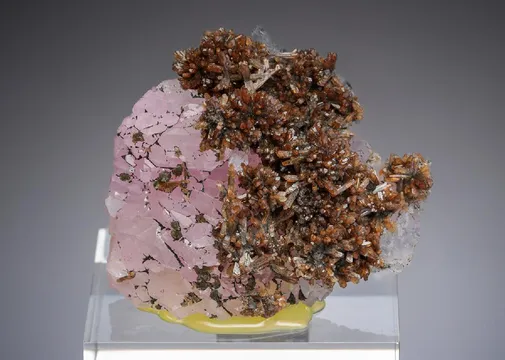
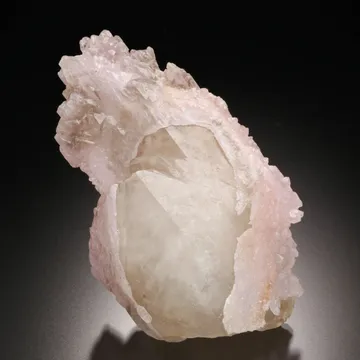
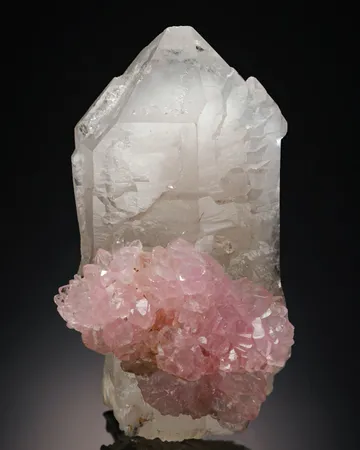
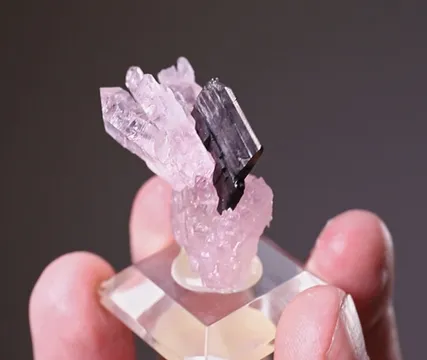
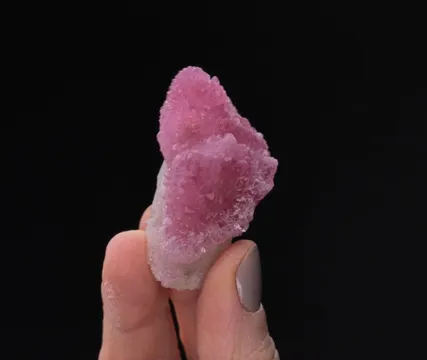
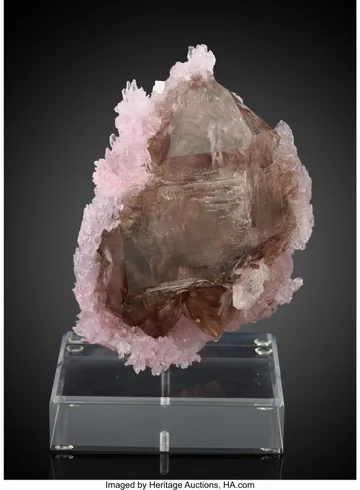
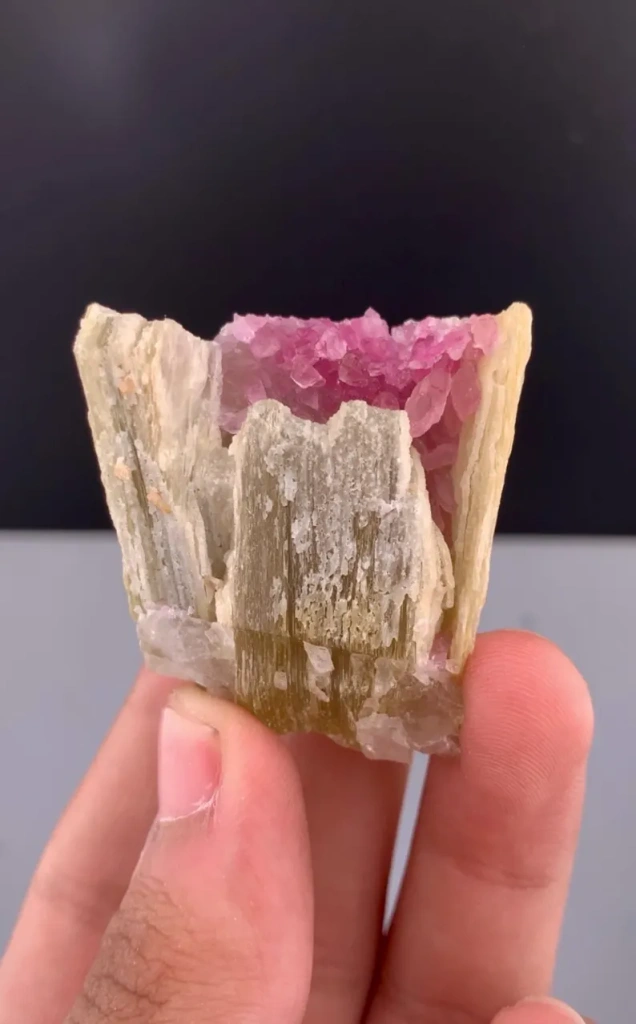
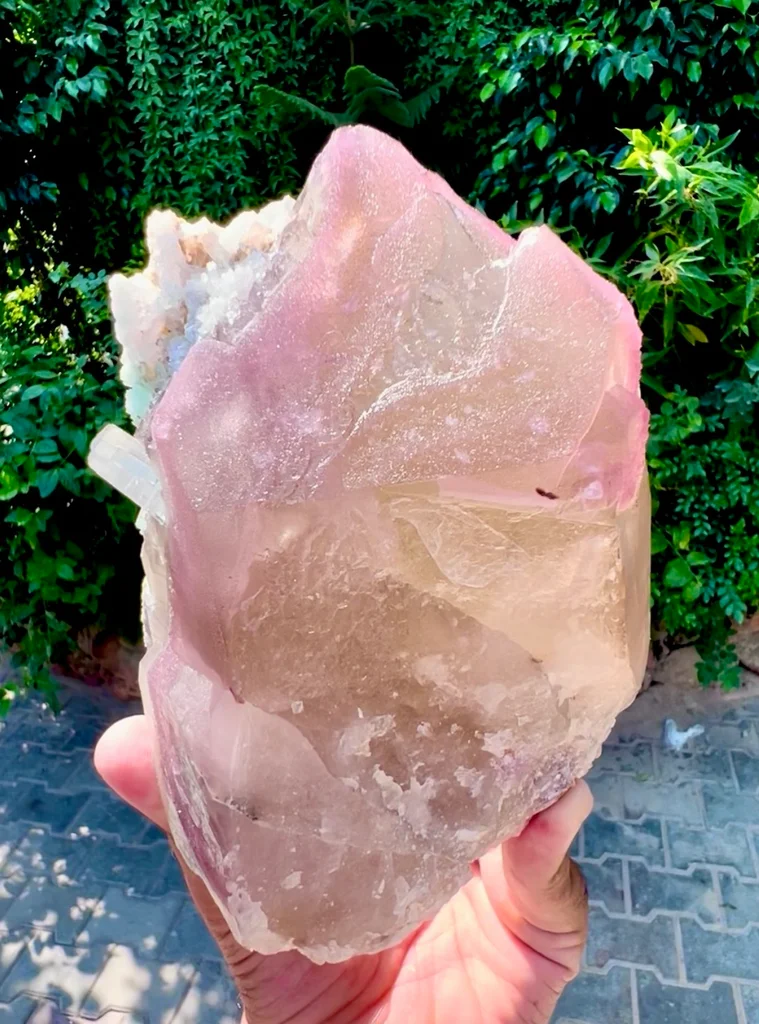
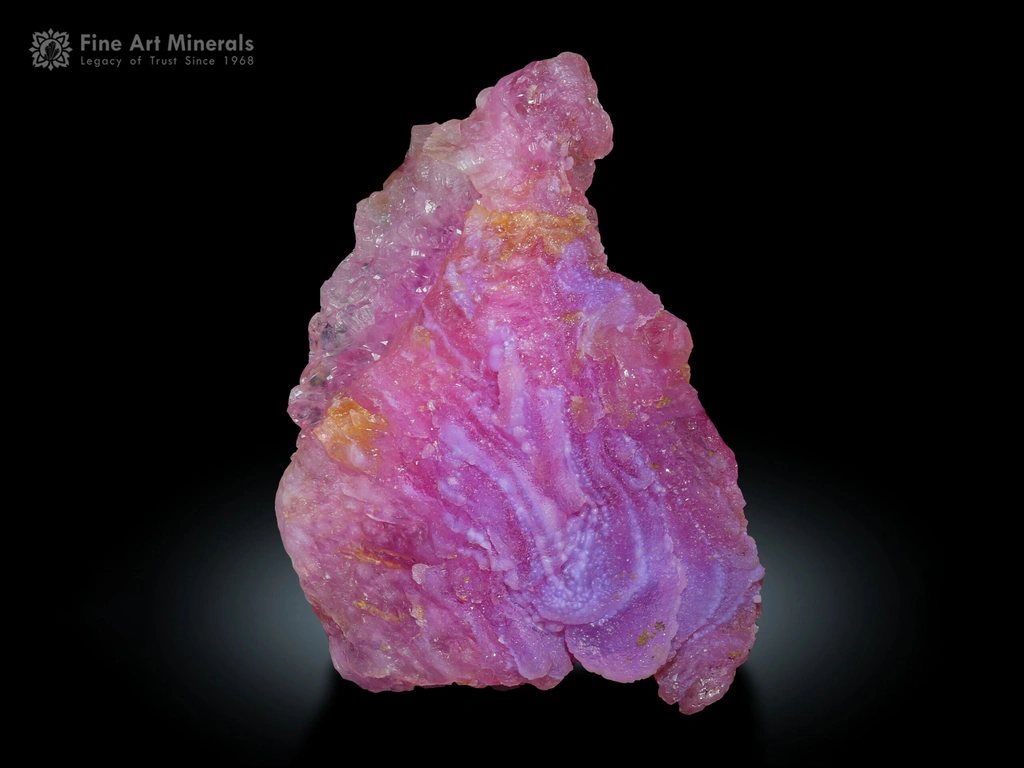
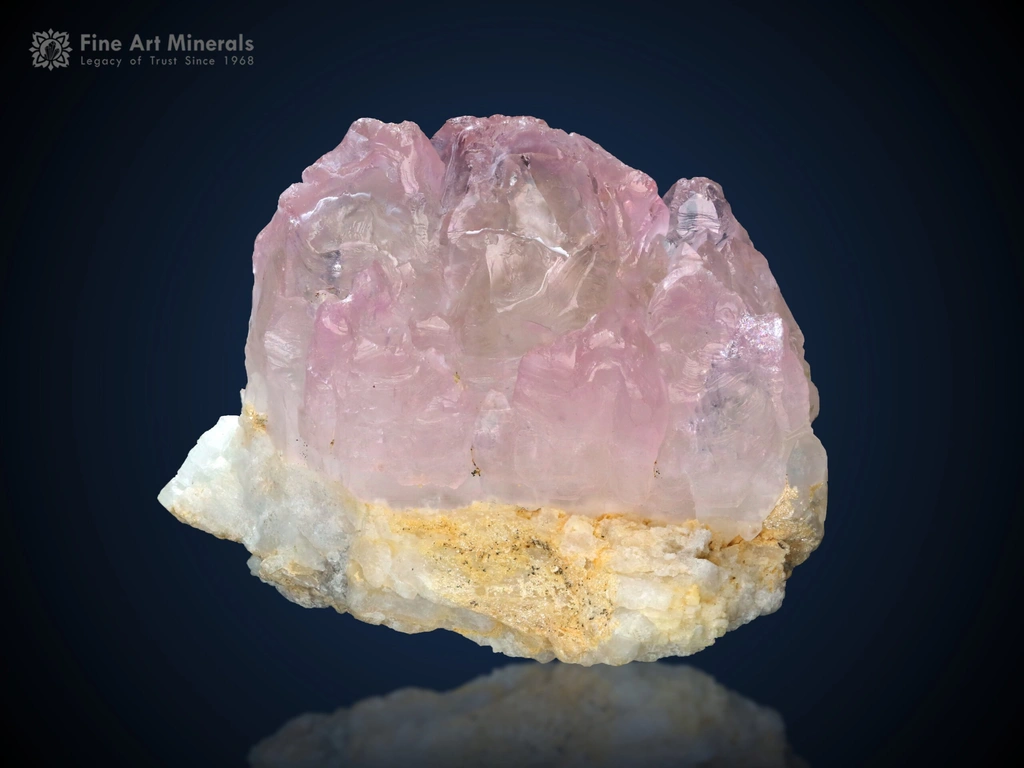
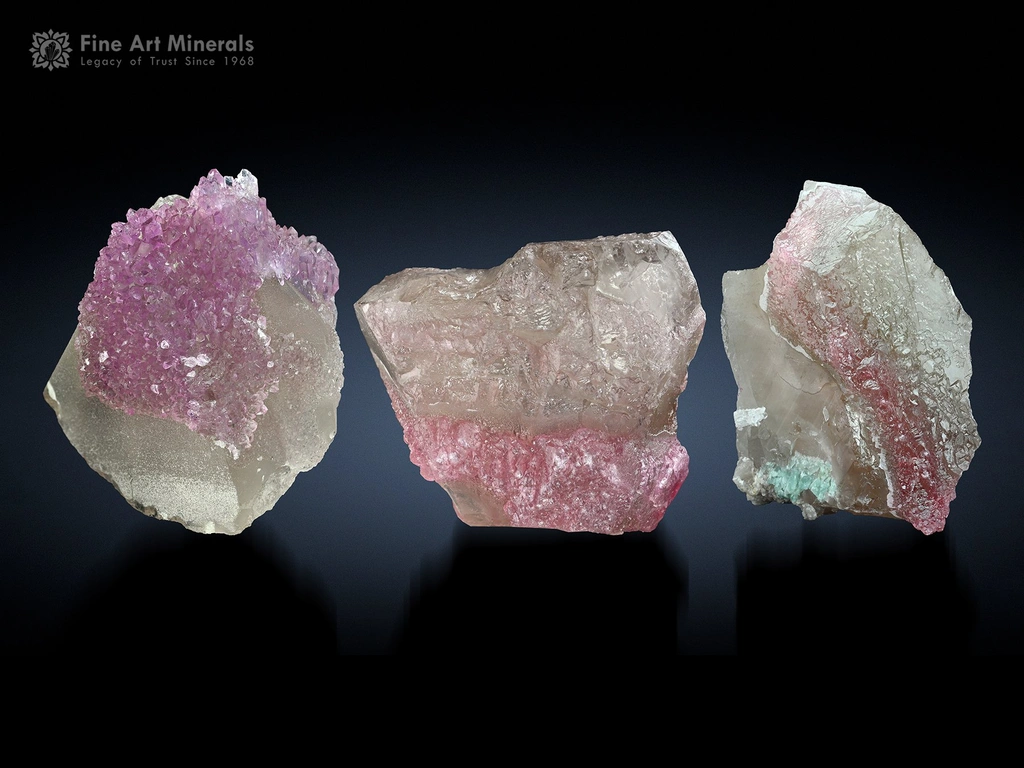
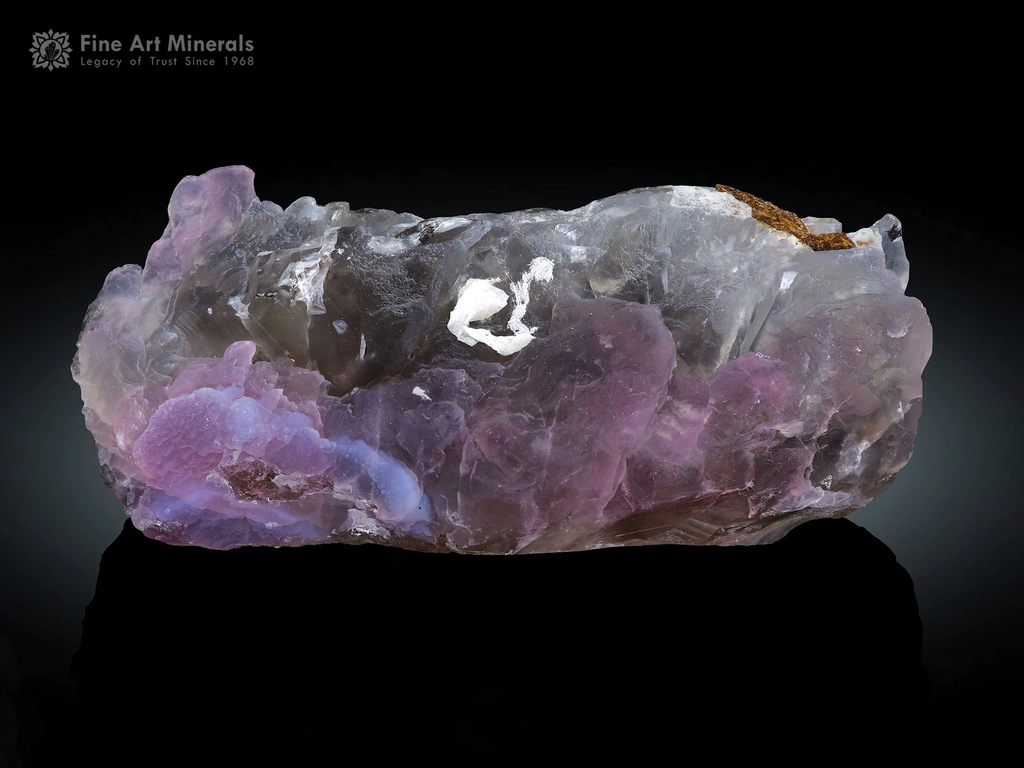
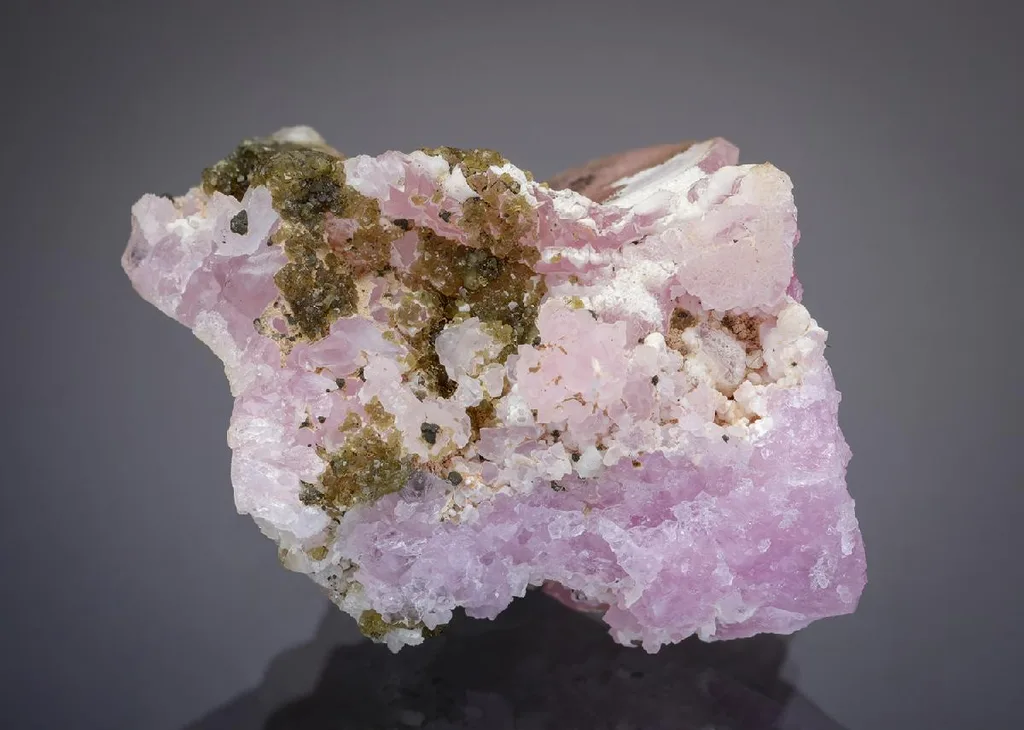
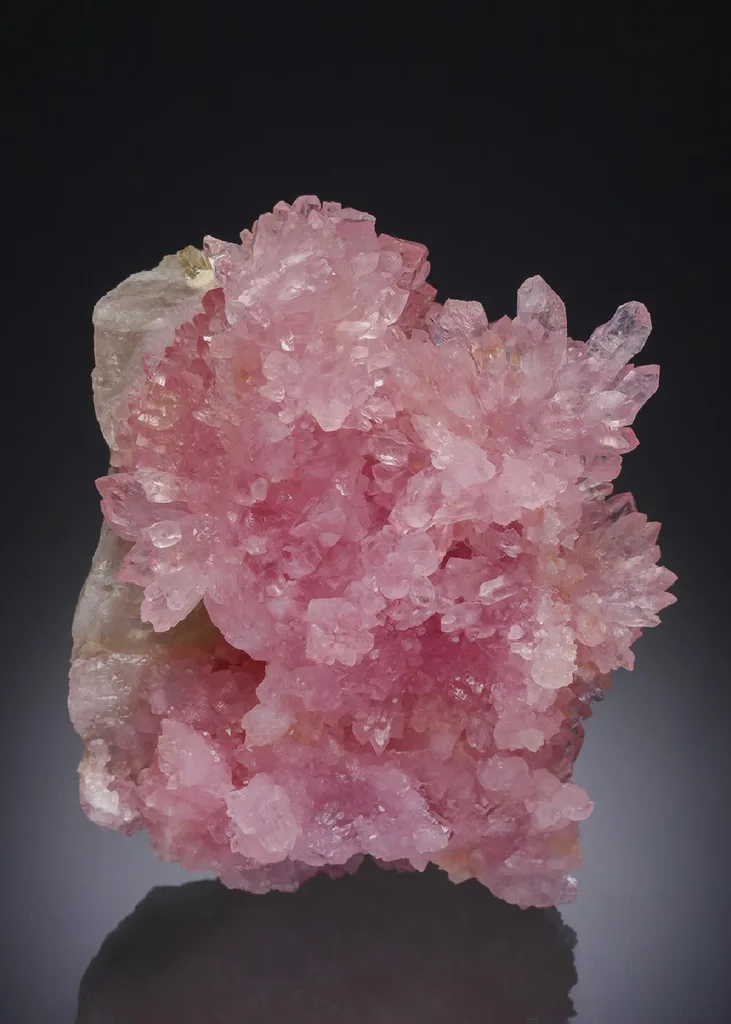
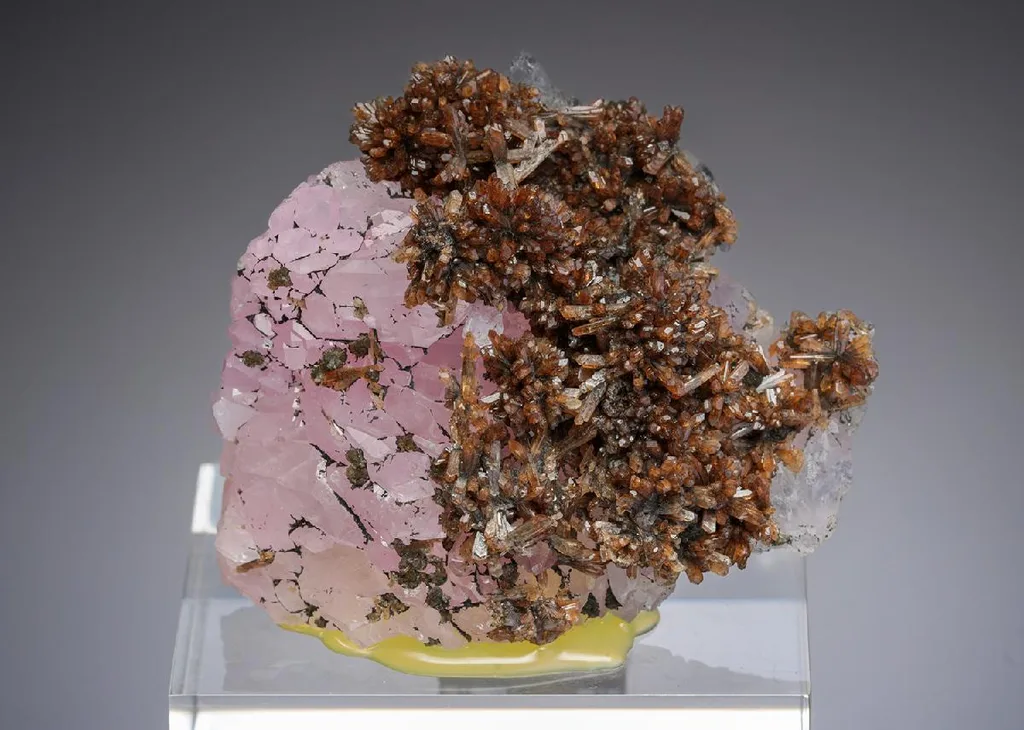
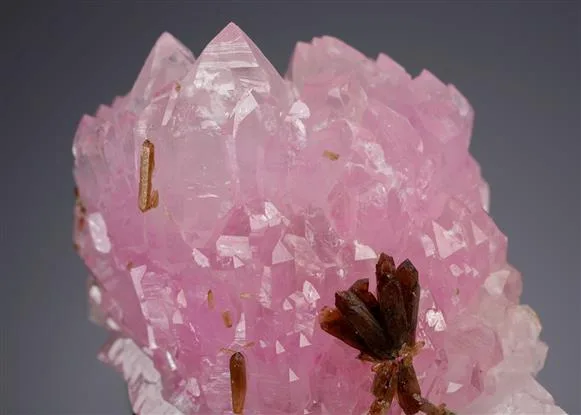
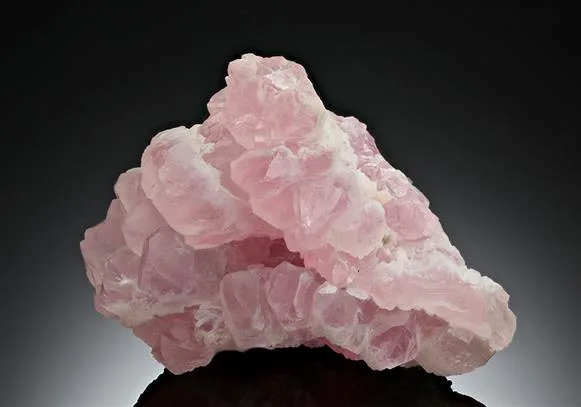
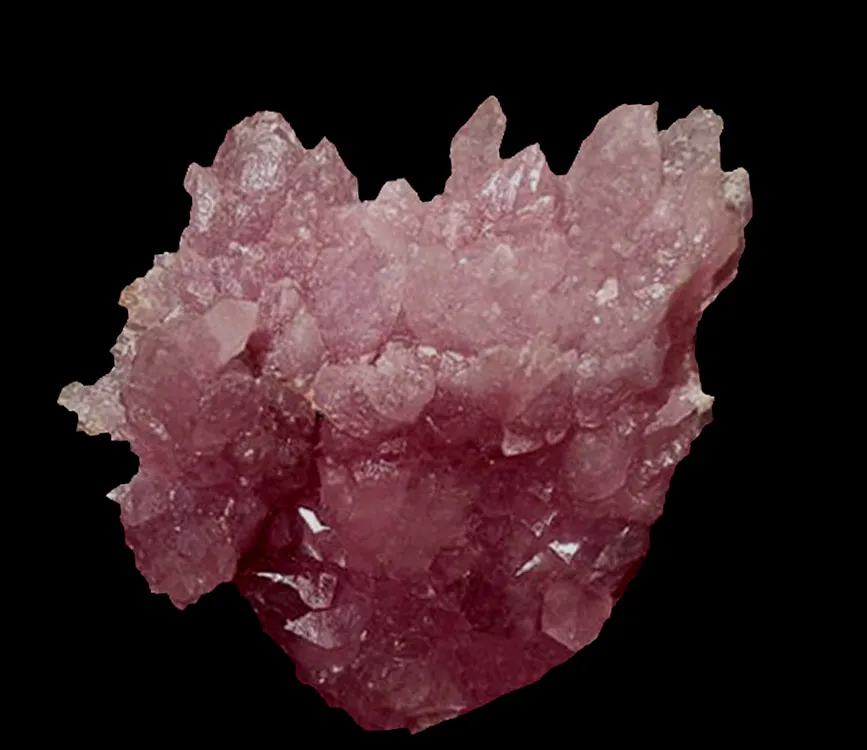
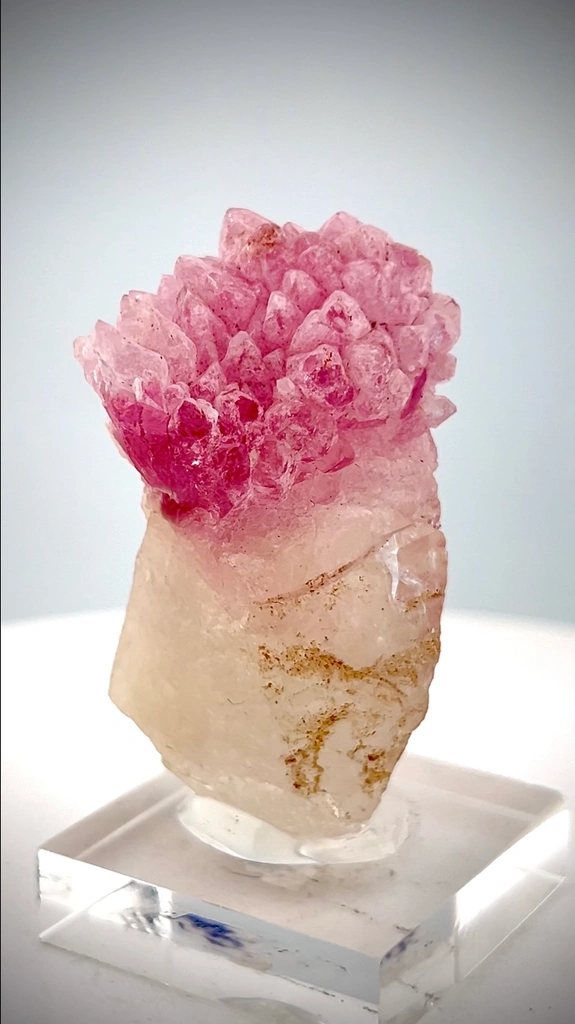
Rose quartz is a pink to rose-red variety of quartz, typically color-zoned by trace amounts of titanium, iron, or tin, and often showing a glassy to vitreous lustre. It occurs in massive form rather than well-defined crystals, and its color can be enhanced in heat-treated specimens. Notable localities include Brazil, the United States, Afghanistan, Myanmar, and Pakistan, where large, color-saturated masses are collected for their soft, rosy hue and size. Collectors value rose quartz for its gentle coloration, chatoyant-like sheen in polished surfaces, and the way the mineral can form in extensive, chunk-like aggregates that highlight its pale pink tones.
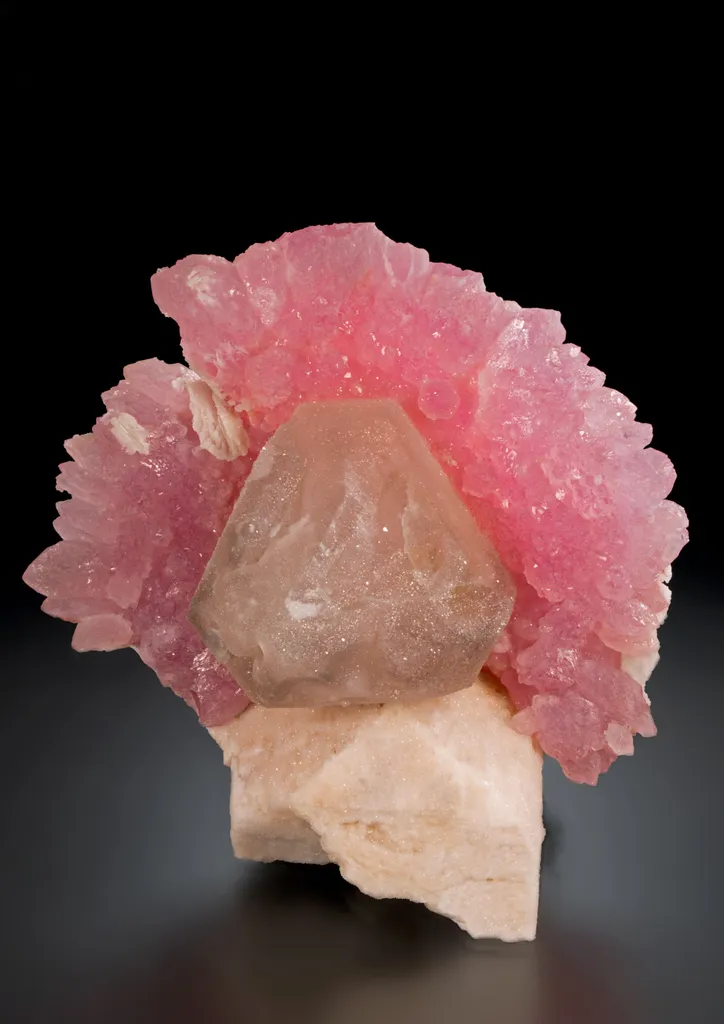
In hand specimens and polished slabs, rose quartz presents a pale to deep pink with a translucent to opaque appearance in larger masses. The crystals are not typically sharp or well-formed, and the habit is more massive than crystalline. While rose quartz lacks strong crystal faces, its aesthetic appeal lies in the color and the way light interacts with its translucent to near-opaque body; pleasing for display as nodules or decorative pieces. For many collectors, the broad, softly colored masses from listed sources offer a visual anchor for collections focused on rose hues within the quartz family.