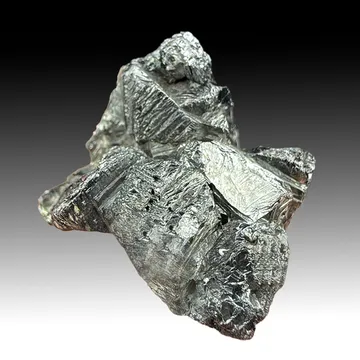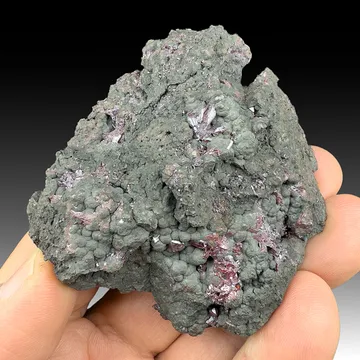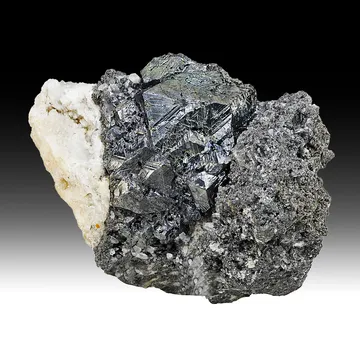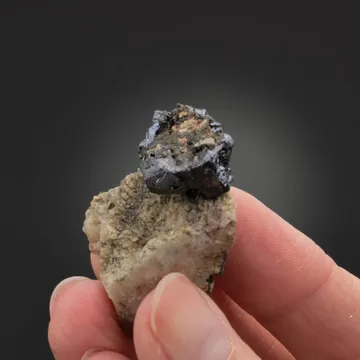

Pyrargyrite specimens for sale
84 for sale · $65–$15,000 USD
230 in the gallery
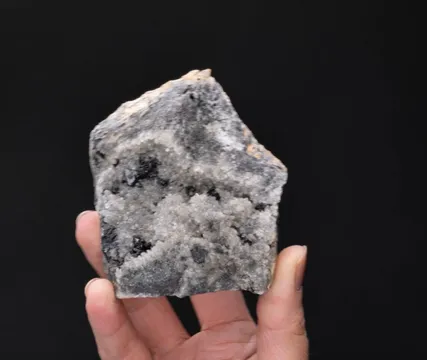
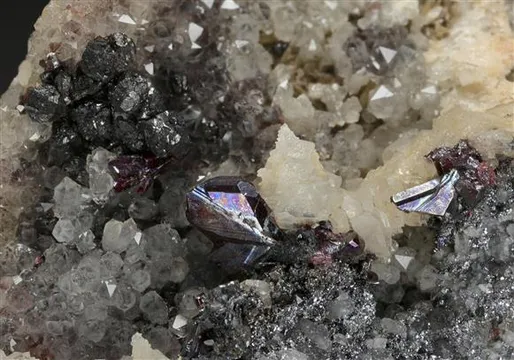
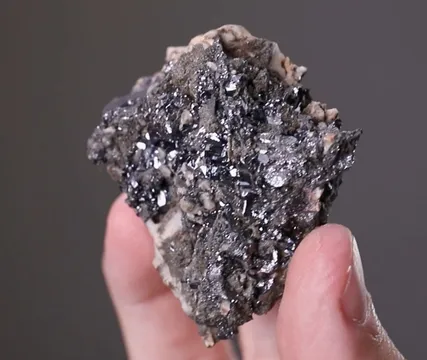
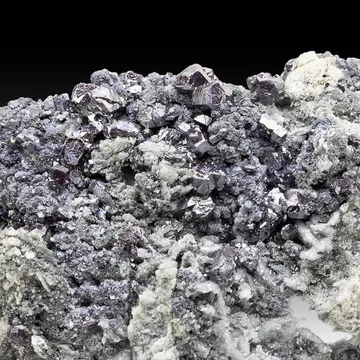
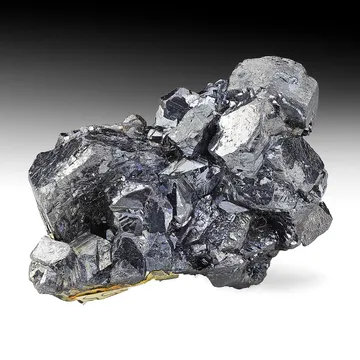
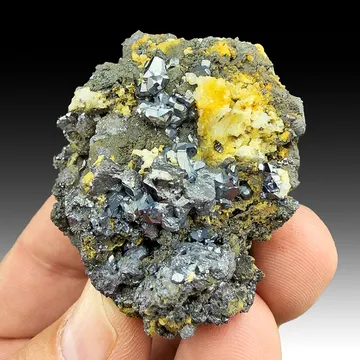
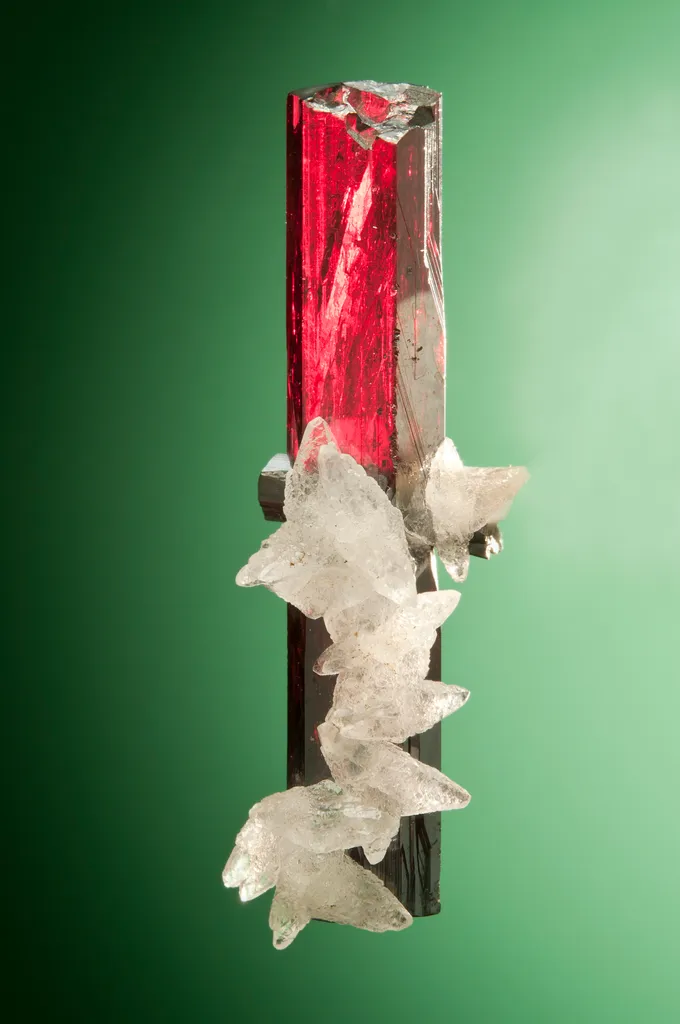
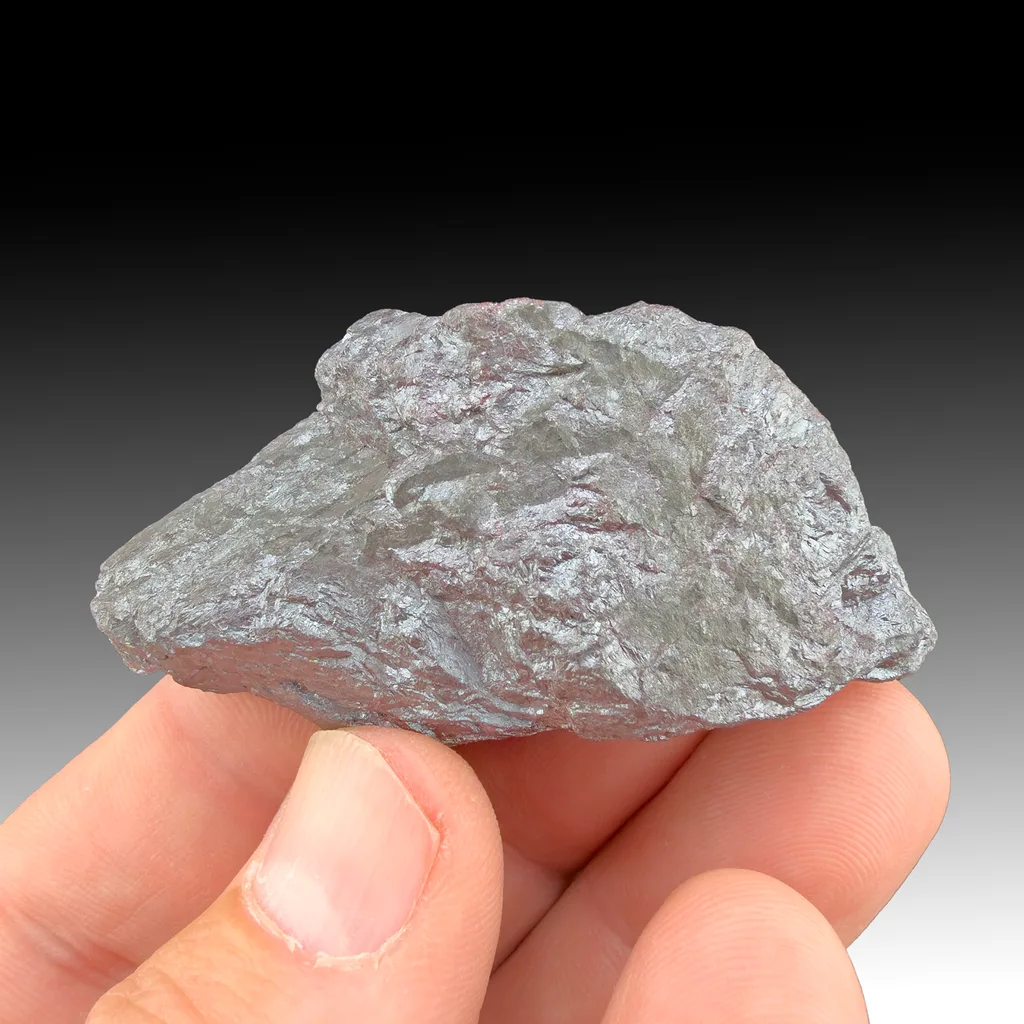
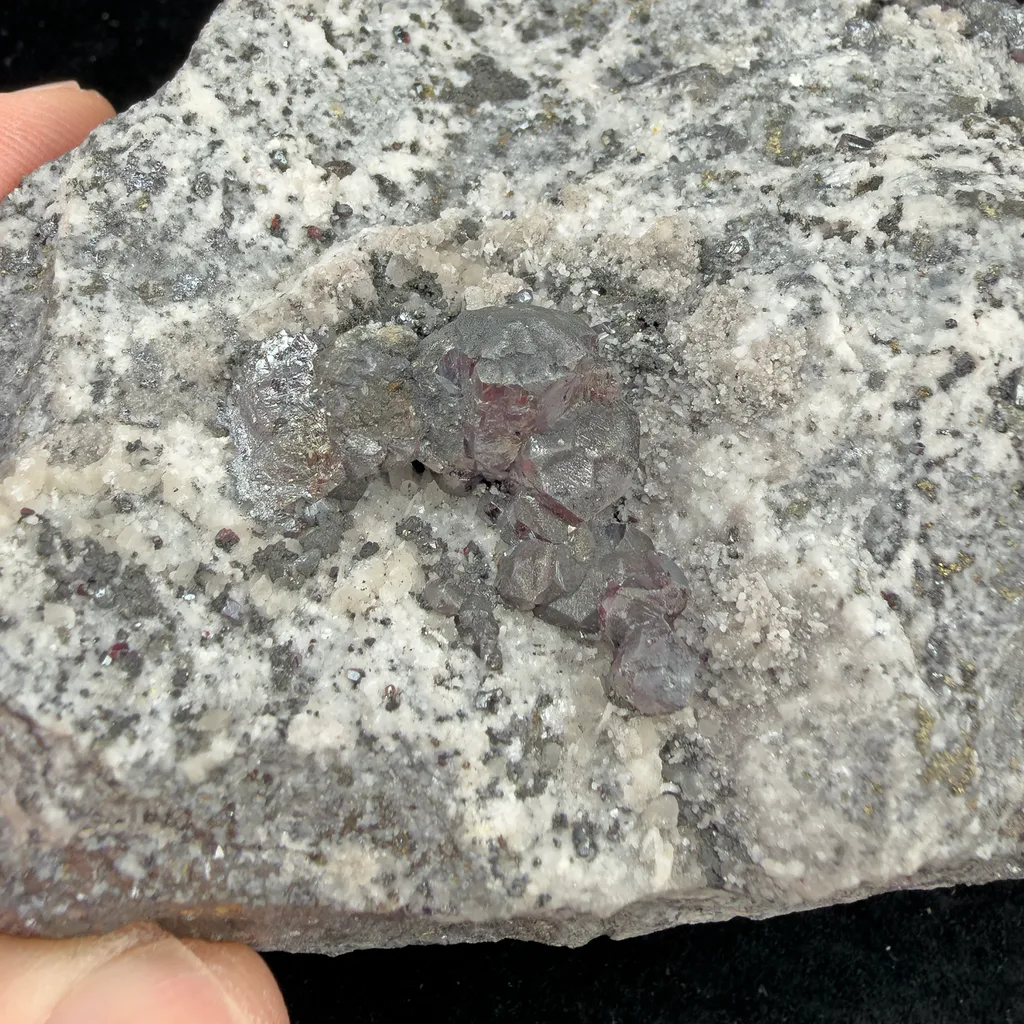
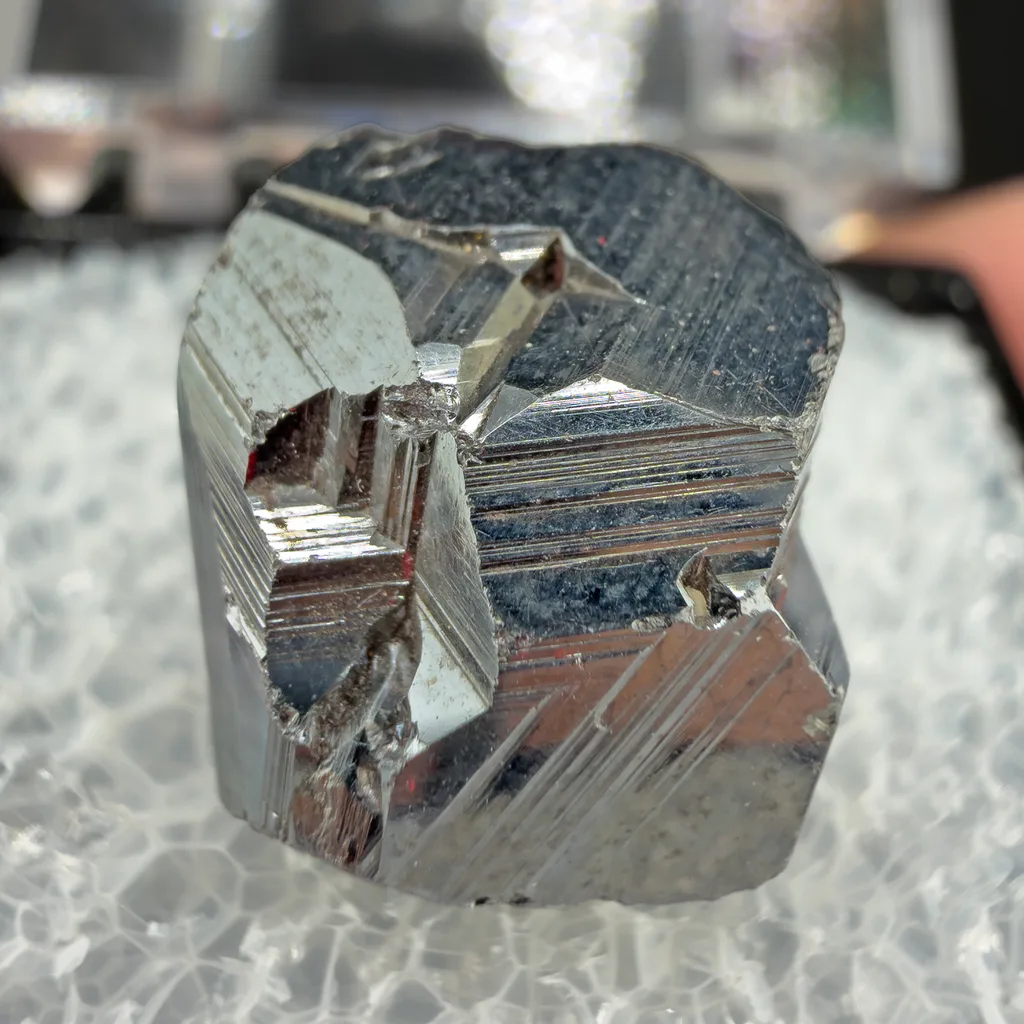
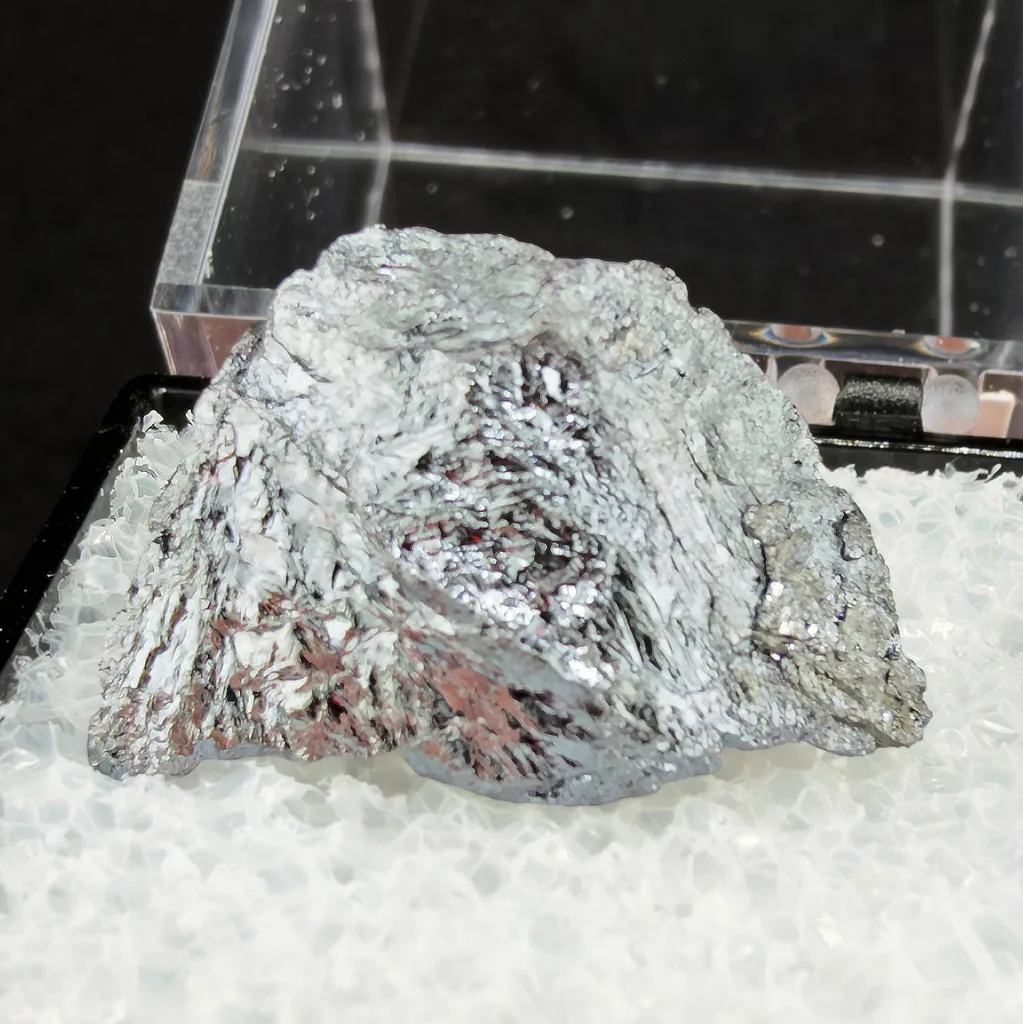
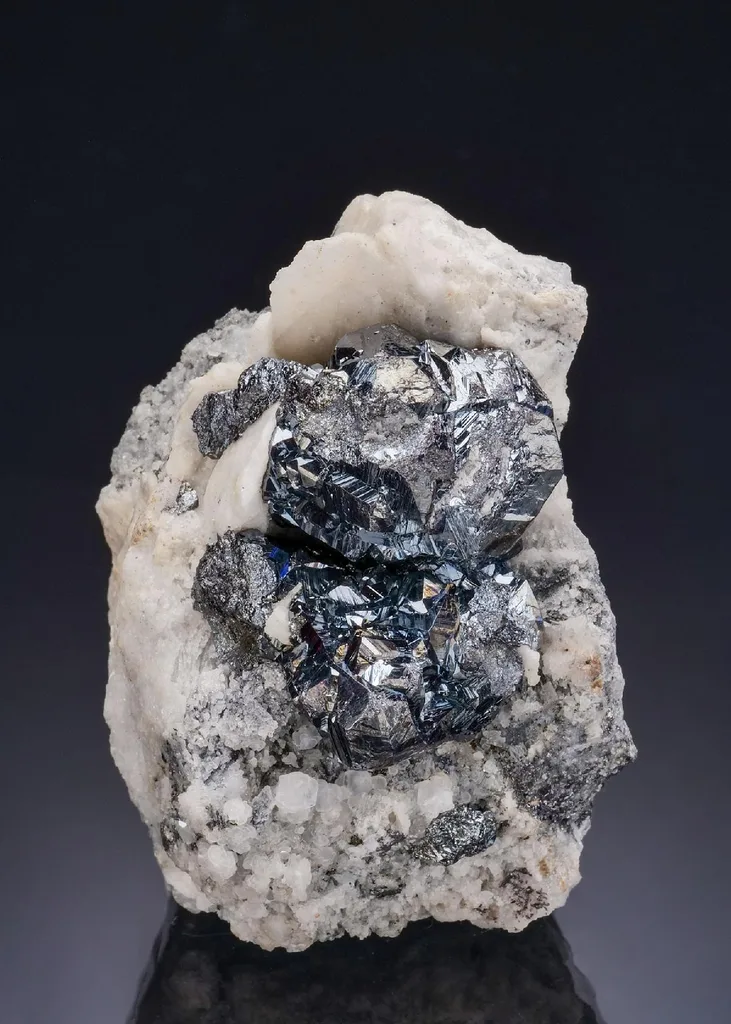
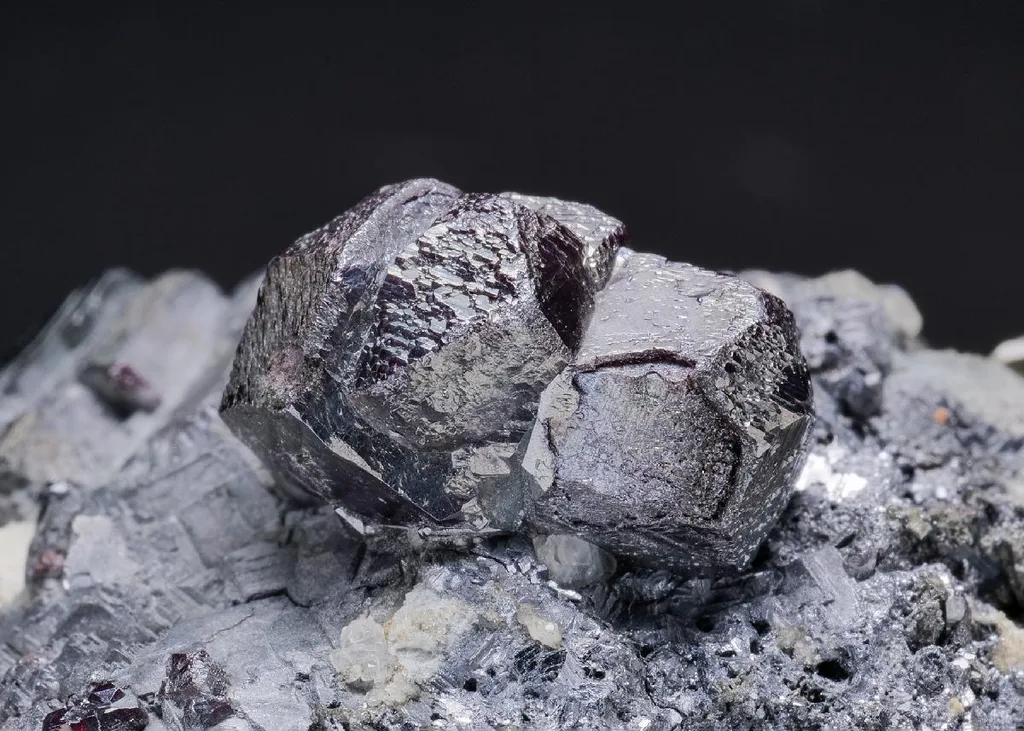
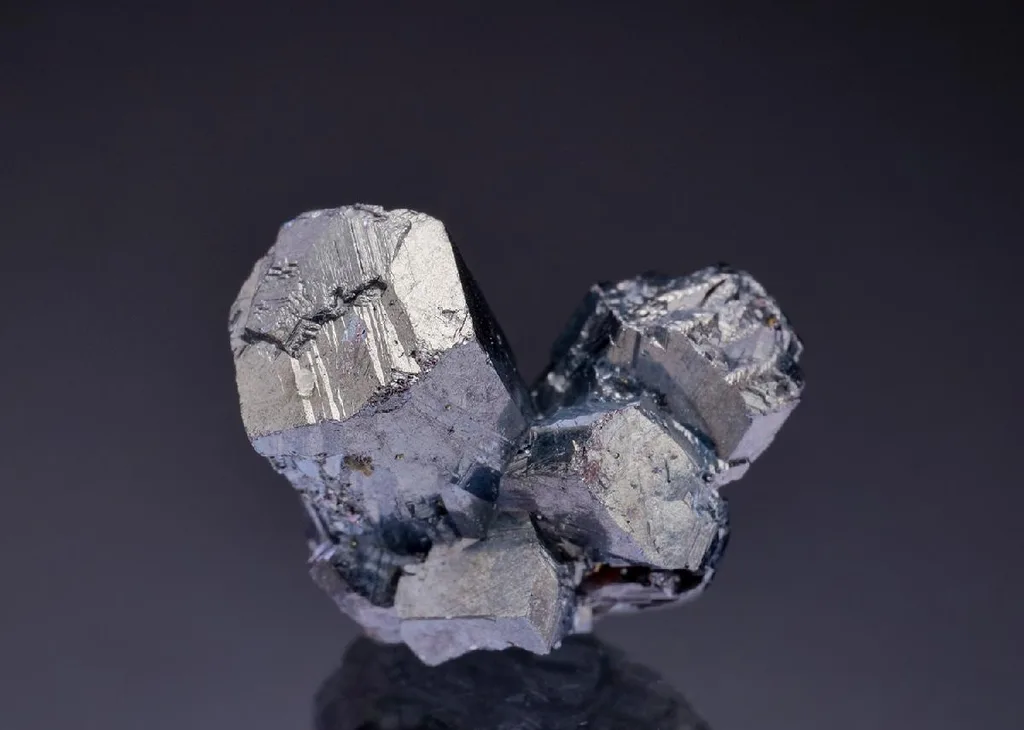
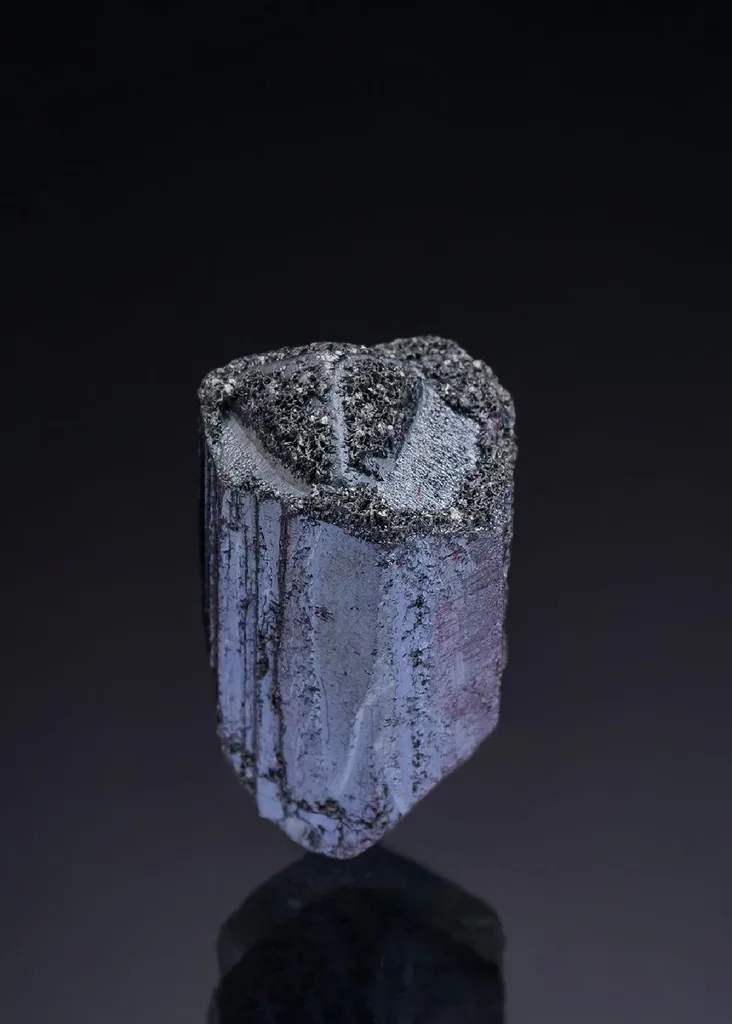
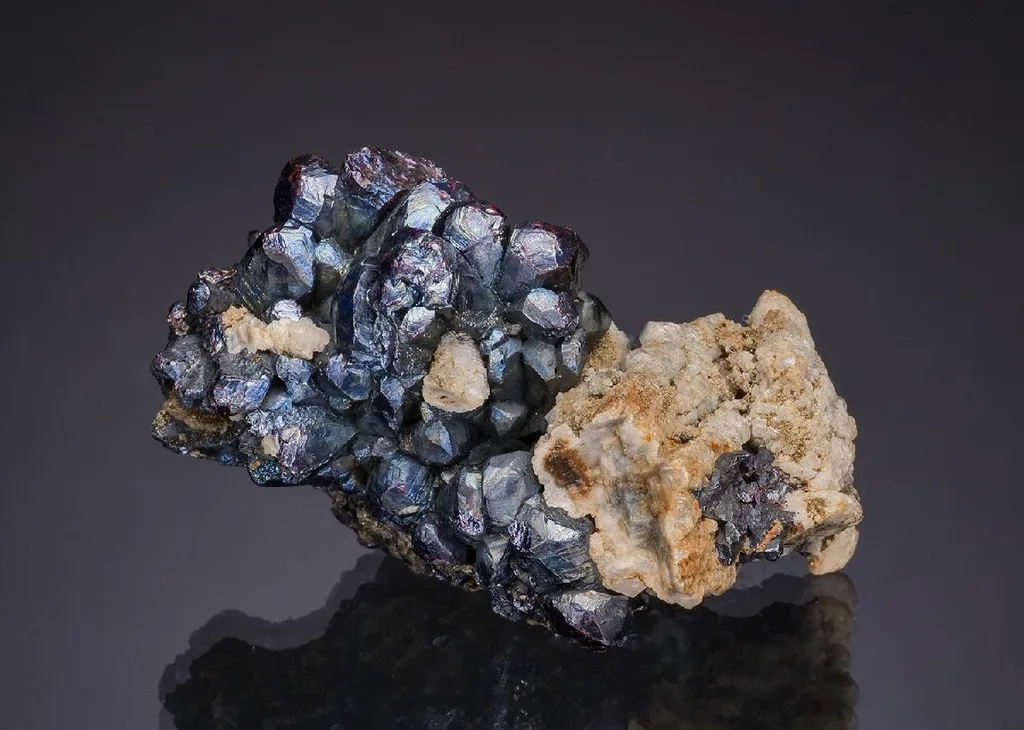
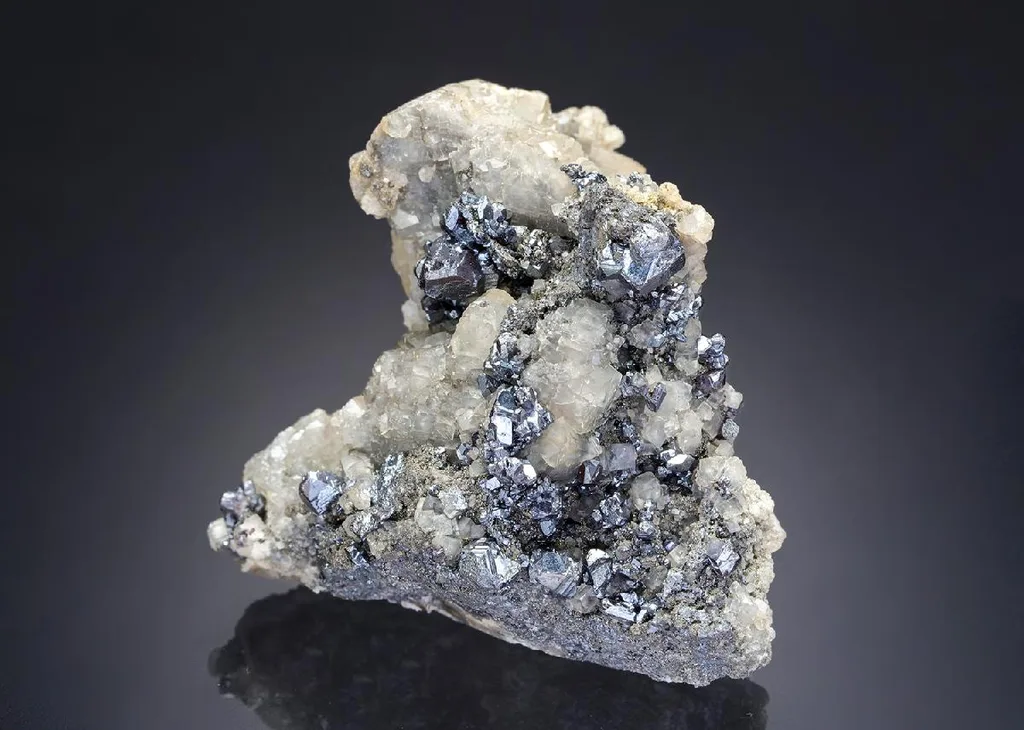
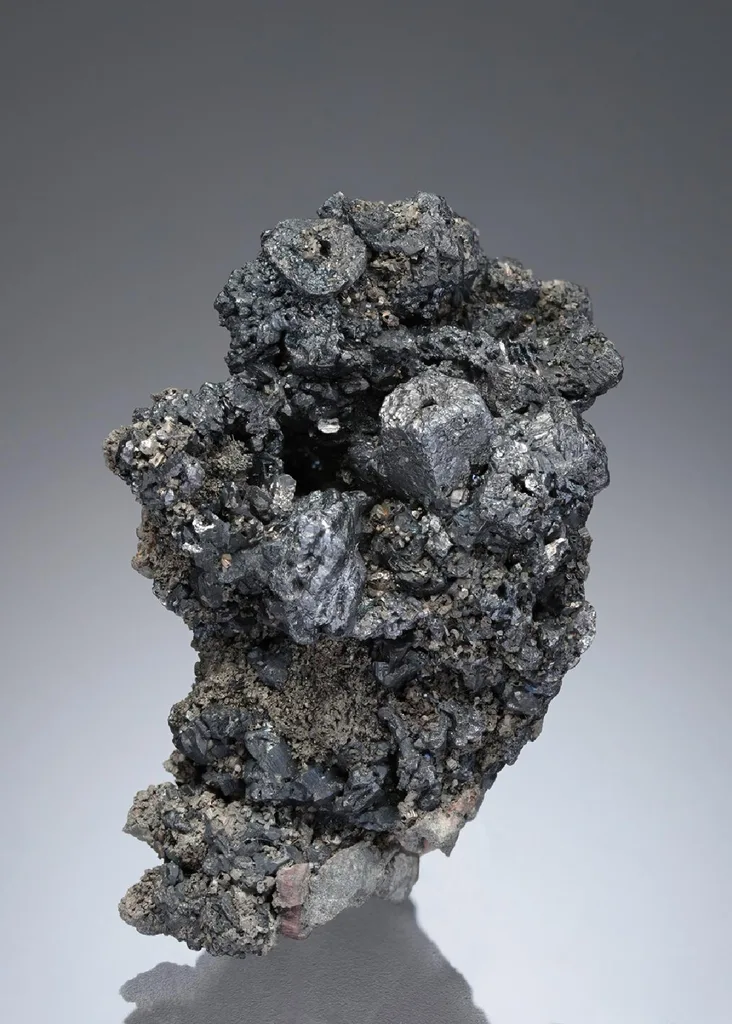
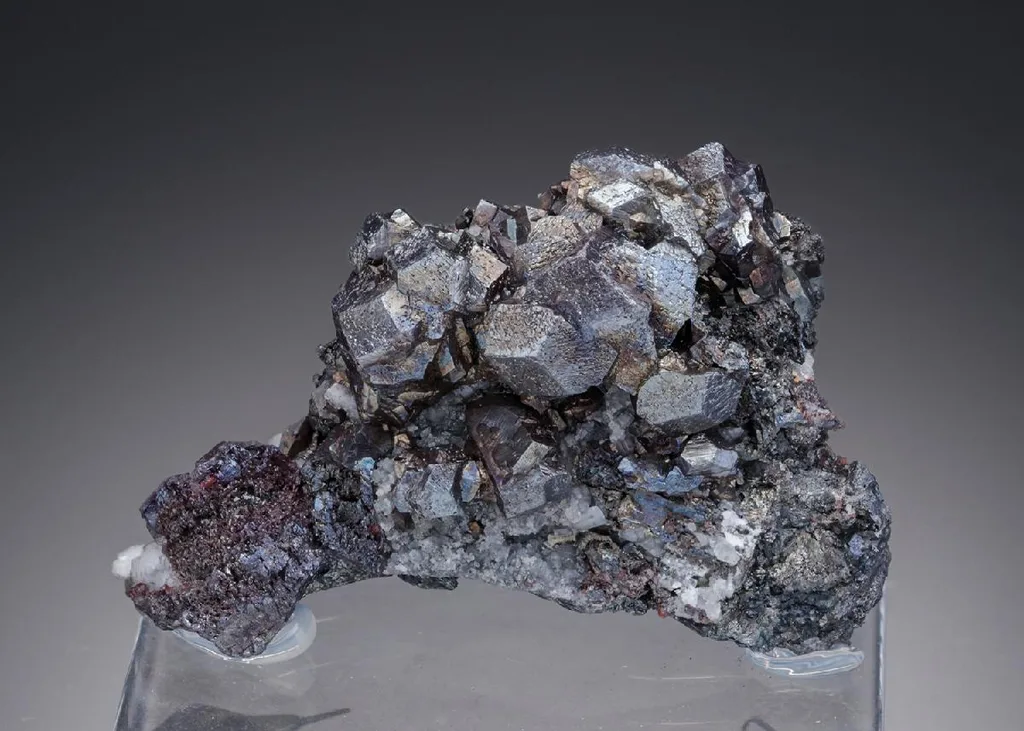
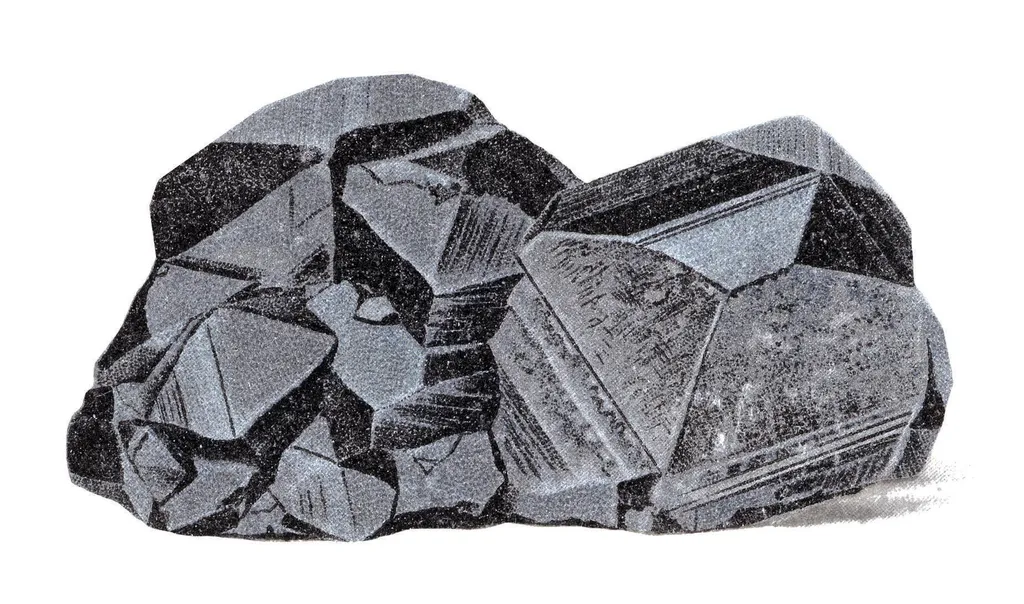
Pyrargyrite is a silver antimony sulfide mineral that crystallizes in the orthorhombic system, typically forming slender, prismatic to tabular crystals with a bright metallic lustre. Its color ranges from deep red to purplish-black or brownish-red, often enhancing its geometric faces and terminations. Habit can include chunky aggregates or freestanding crystals, and it frequently accompanies other sulfosalts in hydrothermal shoots. Natural specimens from classic mines present a striking contrast between the dark background and the bluish-silver reflexes that can appear when light catches the crystal faces.
- Formula
- Ag3SbS3
- Rarity
- Rare
- Stability
- Stable
- Collector interest
- Very High Interest
- Classification notes
- Sulfide mineral; Sulfosalt (argentian sulfosalts)
Key characteristics
- Crystal system
- trigonal
- Mohs hardness
- 2.5
- Specific gravity
- 5.77–5.86
- Luster
- adamantine, submetallic
- Transparency
- transparent, translucent, opaque
- Color
- red, gray, black
- Streak
- red
- Cleavage
- distinct
- Fracture
- conchoidal, uneven
- Crystal habit
- prismatic, rhombohedral, granular, massive
- Light-sensitive
- Classic / historic
Buy Pyrargyrite specimens
View all 84Where Pyrargyrite is found
Top localities
- St Andreasberg Mining District27 specimens
- Fresnillo16 specimens
- St Andreasberg16 specimens
- Samson Mine15 specimens
- San Genaro Mine14 specimens
- Freiberg11 specimens
- Proaño Mine8 specimens
- Guanajuato6 specimens
- San Juan de Rayas Mine6 specimens
- Churprinz Friedrich August Erbstolln Mine5 specimens
Guides
All guides

Pyrargyrite from St Andreasberg Mining District, Germany
St Andreasberg pyrargyrite, Harz Mountains, Germany; famed for dark ruby-silver crystals, sharp forms, and historic cabinet pieces prized by collectors.Read guide
Pyrargyrite from Fresnillo Municipality, Zacatecas, Mexico
Fresnillo pyrargyrite: dark, lustrous trigonal crystals from steel-black to red backlit; cabinet-quality habit and a key Mexican silver-ore history.Read guideAbout Pyrargyrite
The richest sources historically include German and Mexican localities, with notable contributions from the Czech Republic, Peru, and Bolivia. In museums and collections, pyrargyrite is valued for its vivid coloration and the sharpness of its crystal forms, sometimes displayed with associated minerals such as silver sulphosalts or orpiment. Collectors prize well-formed crystals that reveal crisp edges and an even luster, which are more readily found in dry, stable pockets of hydrothermal veins. Overall, pyrargyrite remains a classic sulfosalt specimen that showcases the complex chemistry and mineralogy of silver-bearing sulfides.