
Guide
212 for sale · $20–$55,000 USD
866 in the gallery
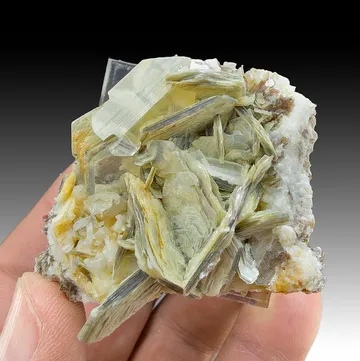
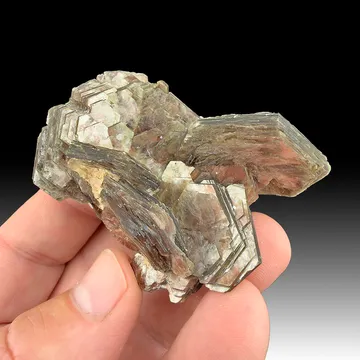
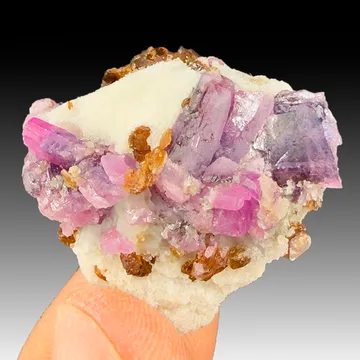
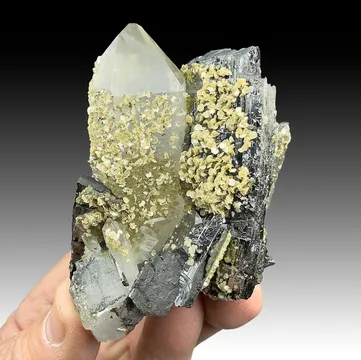
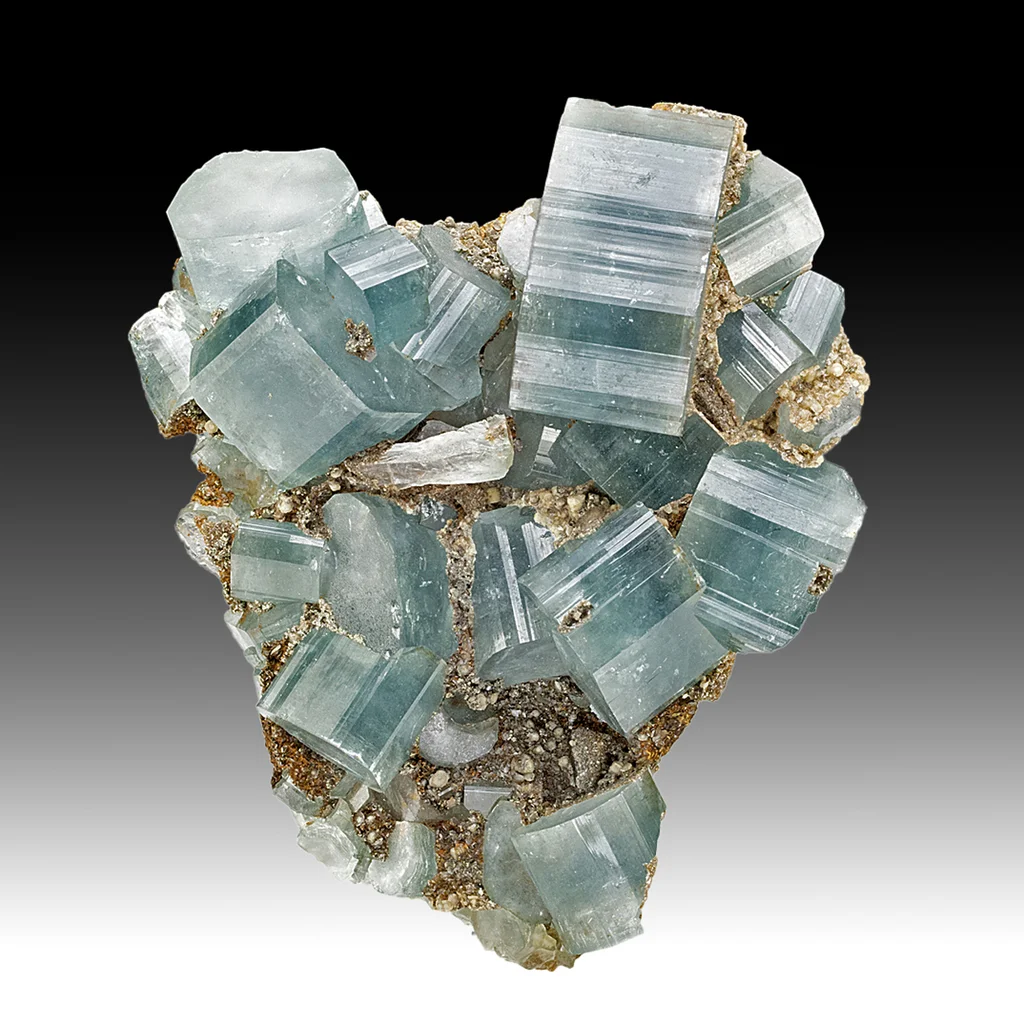
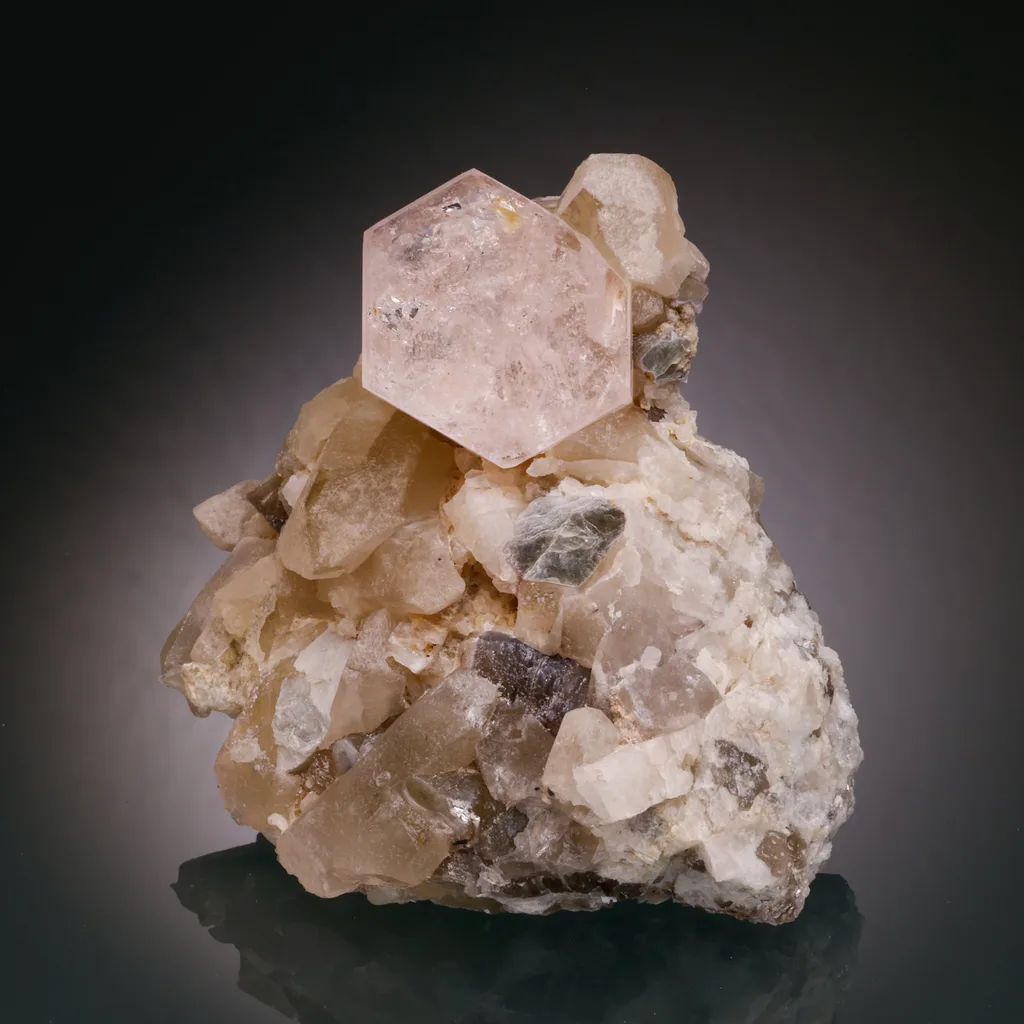
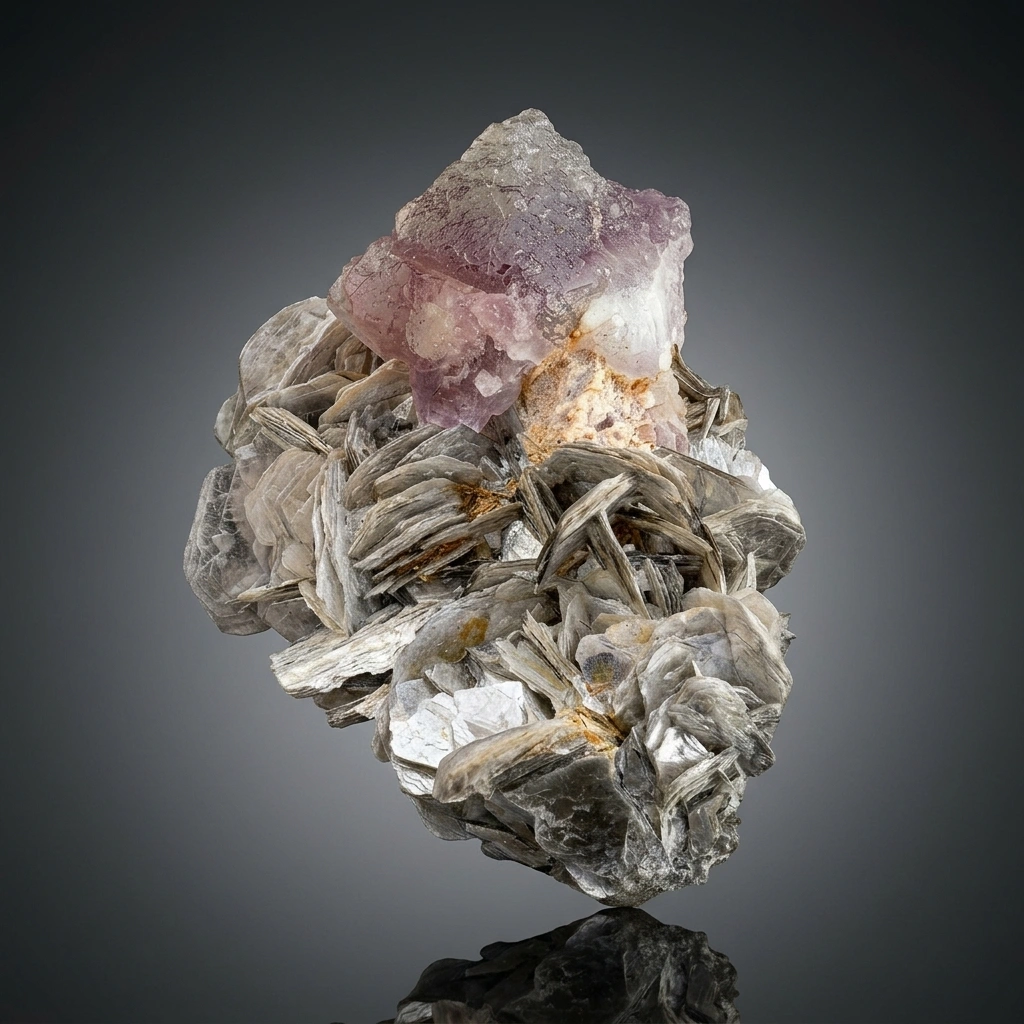
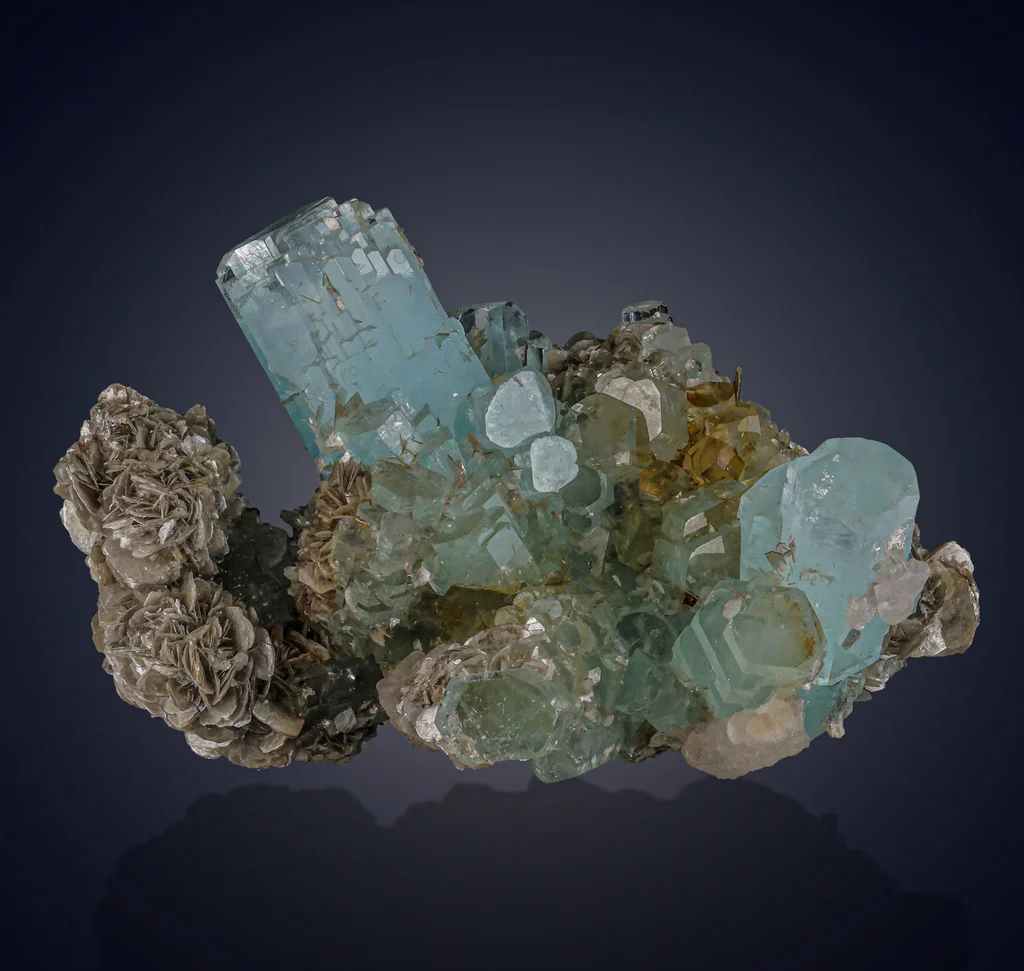
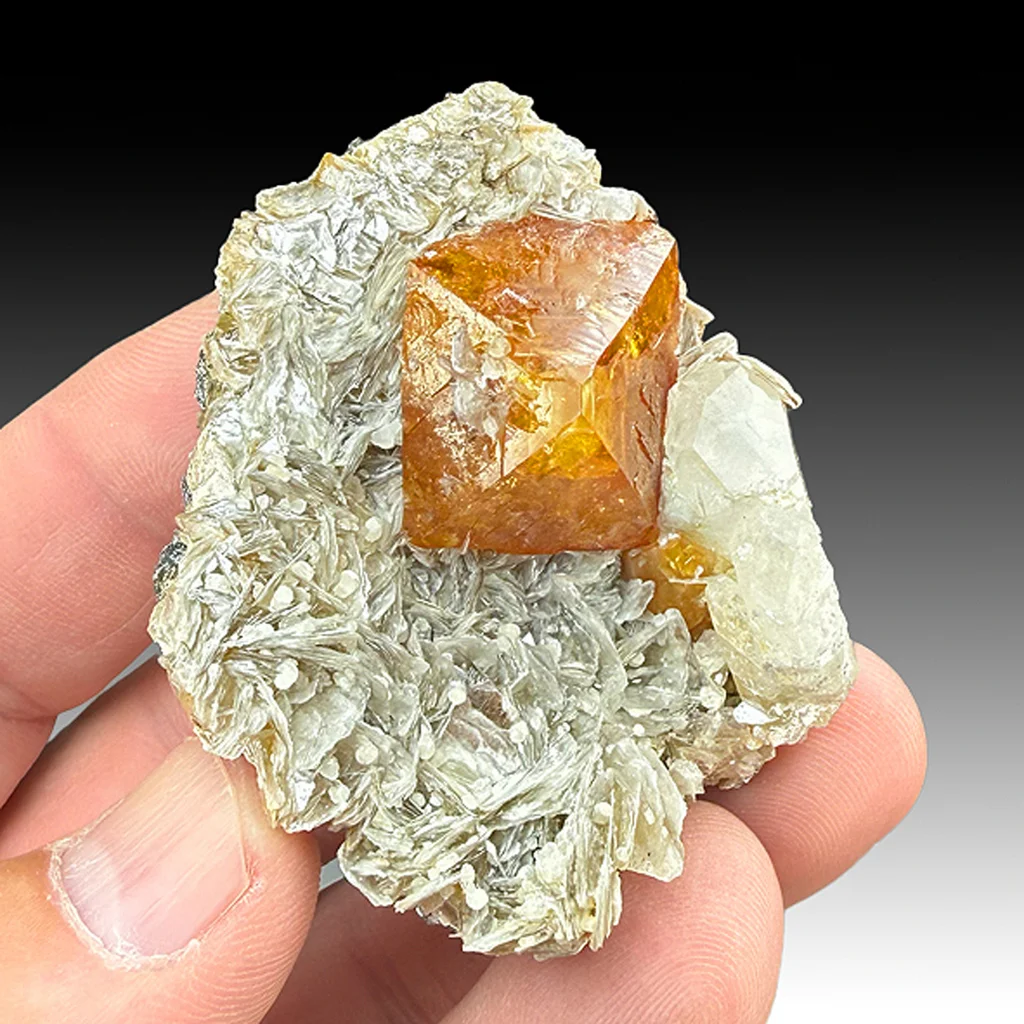
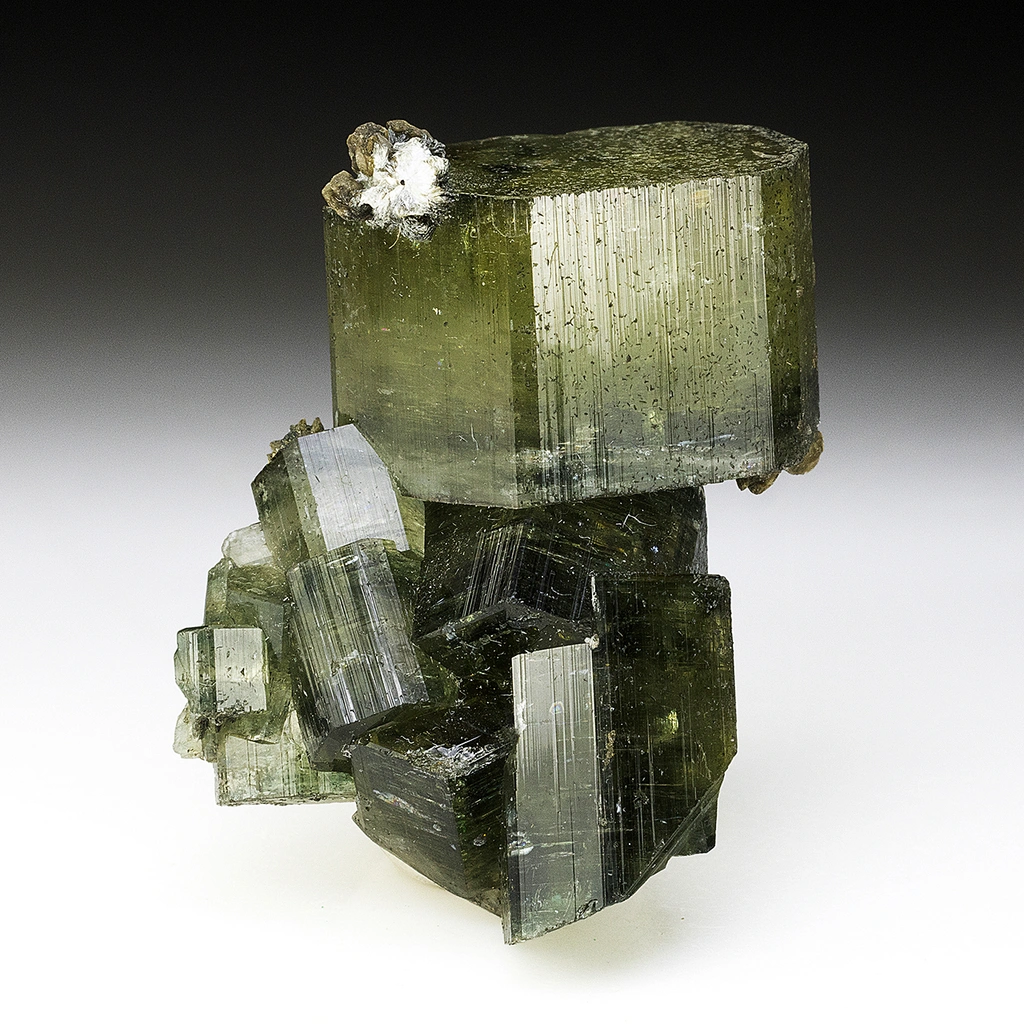
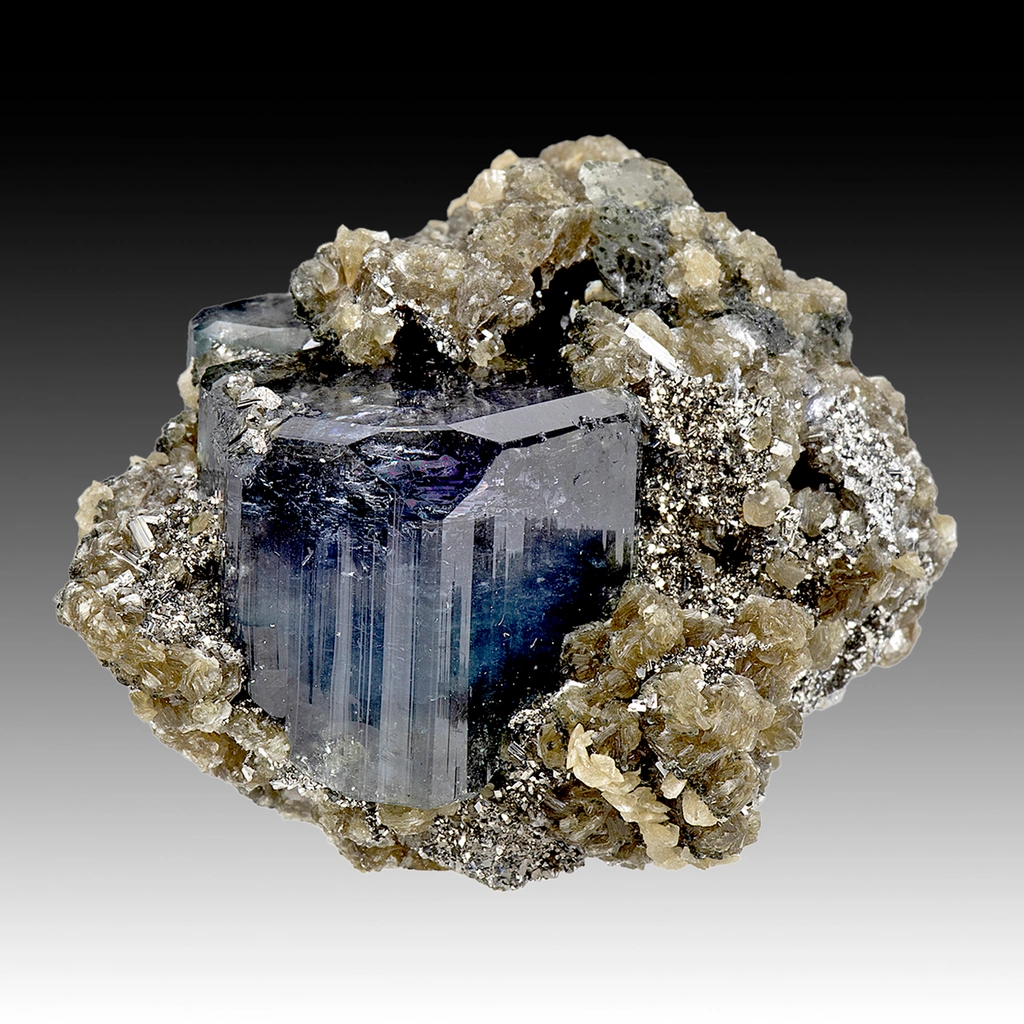
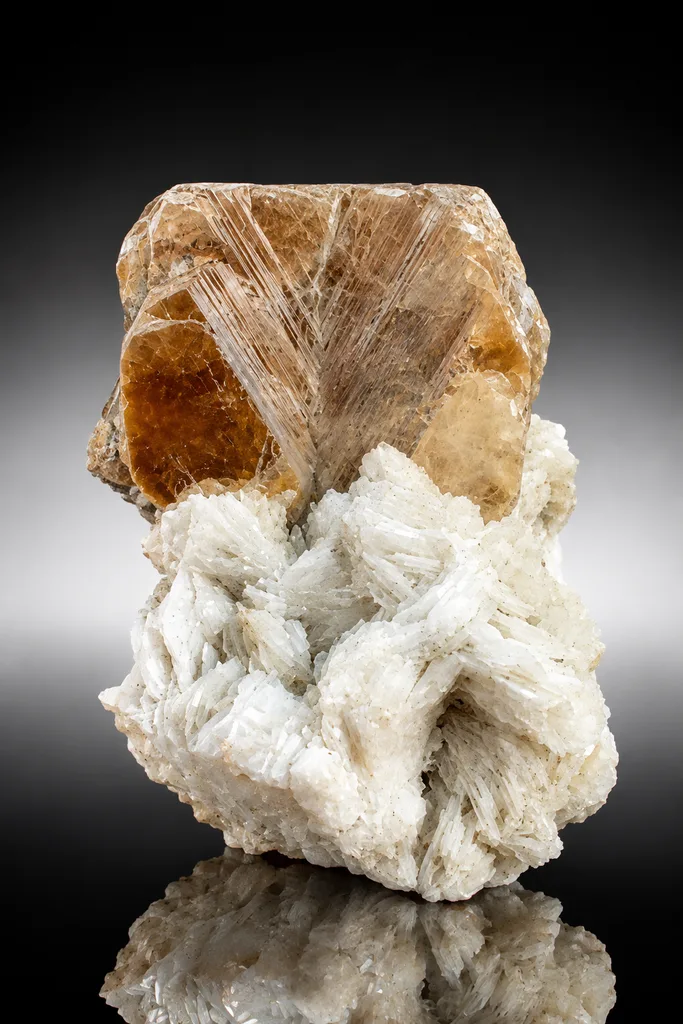
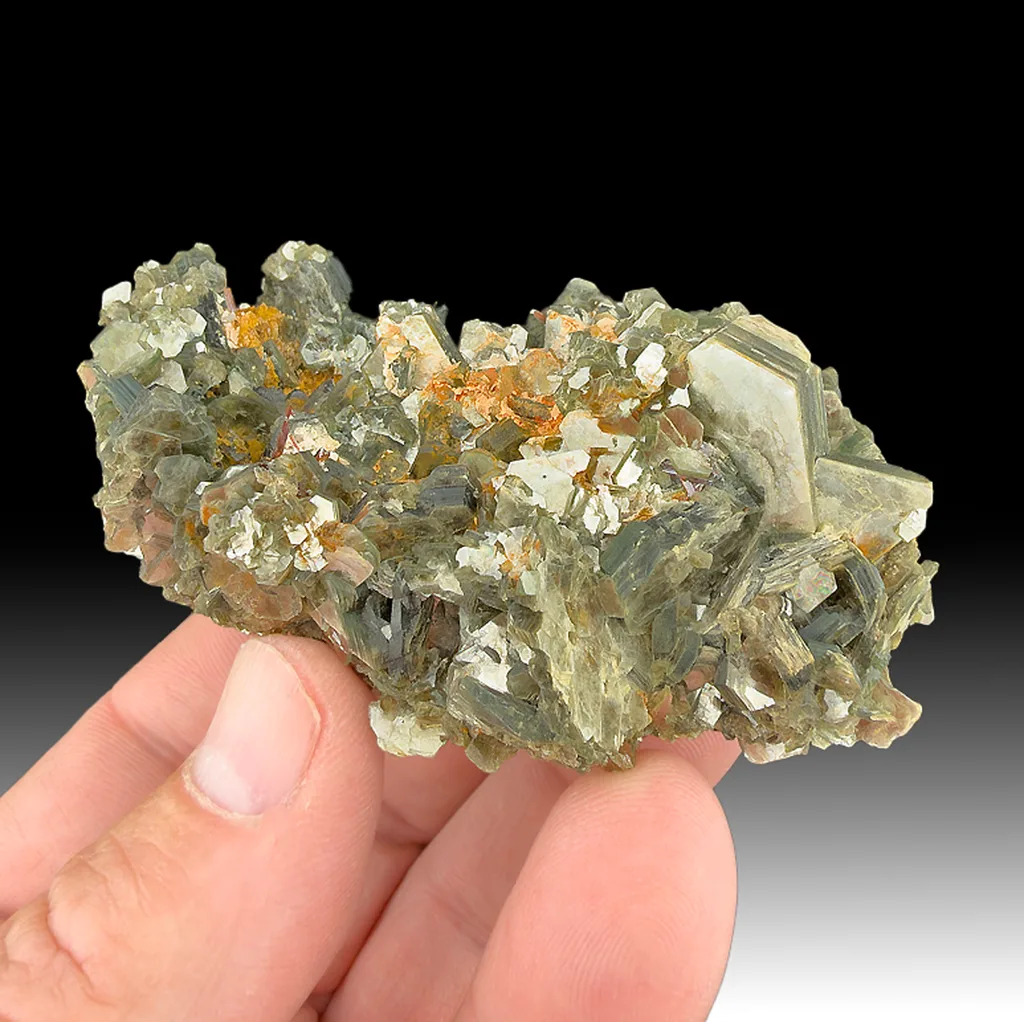
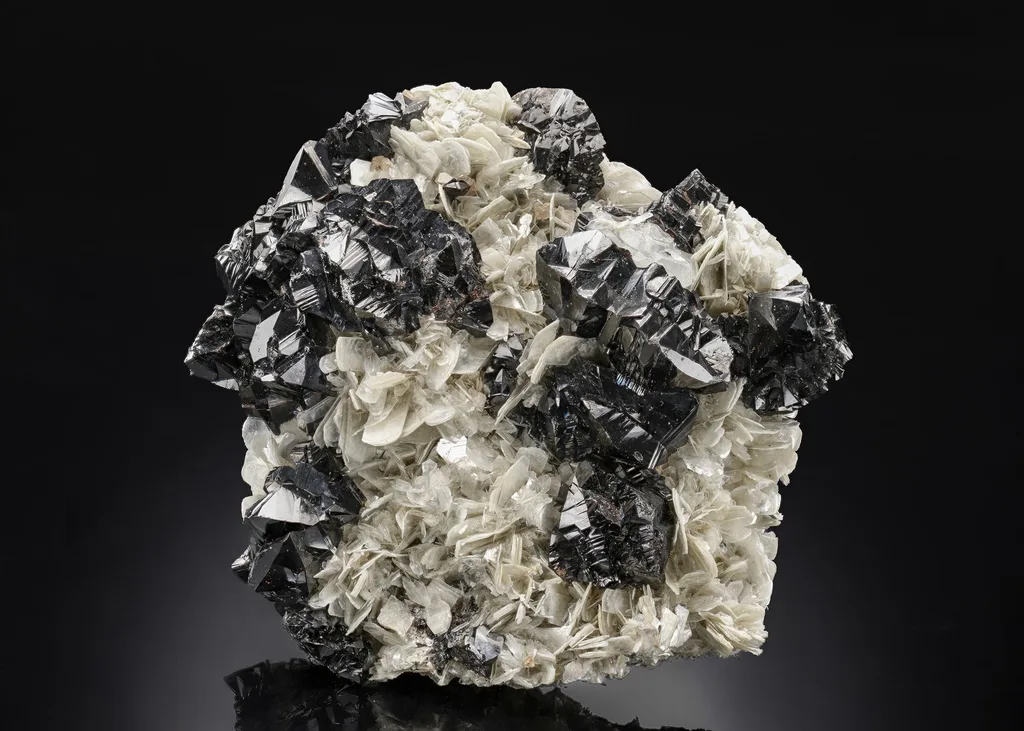
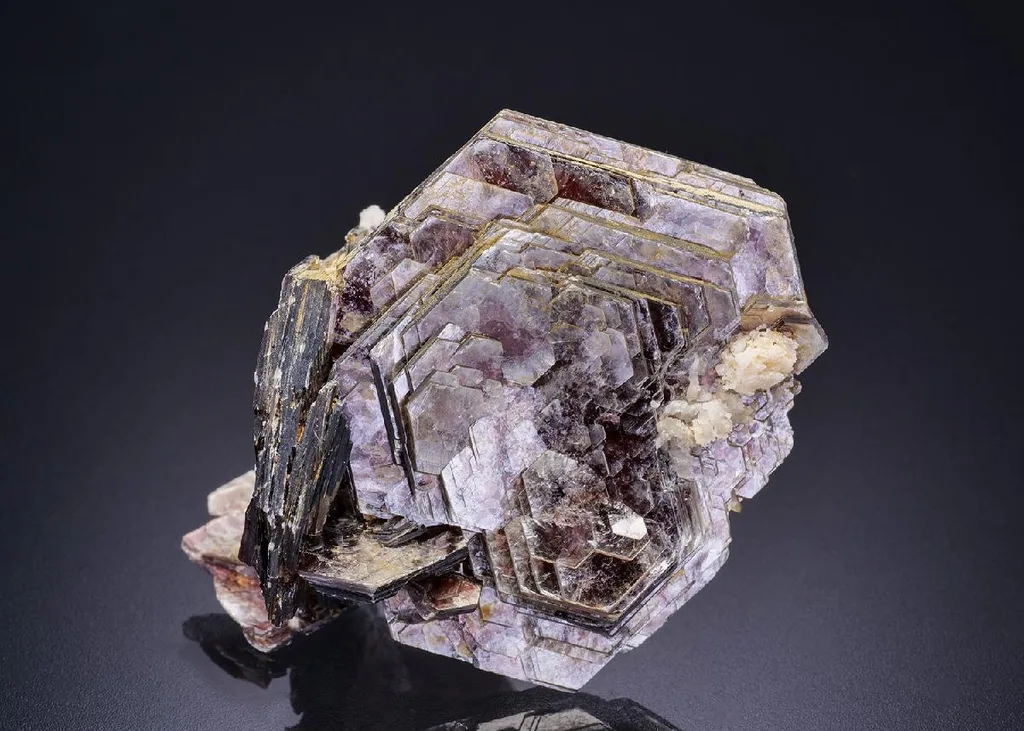
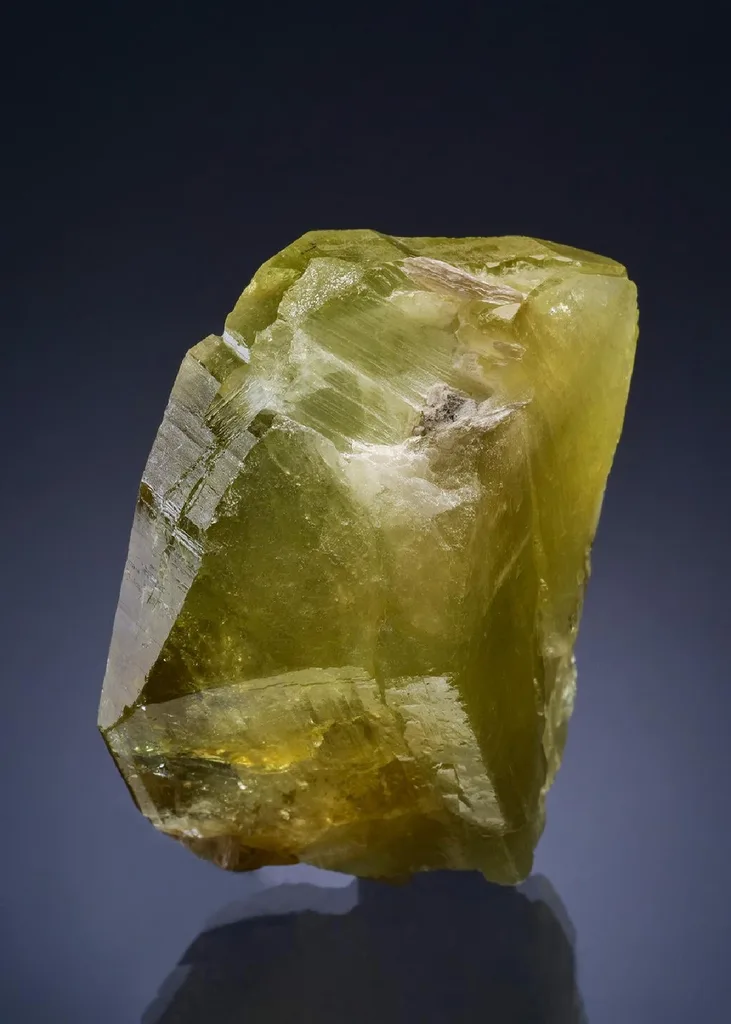
Muscovite is a phyllosilicate mineral in the mica group, known for its layered sheet structure and perfect basal cleavage that results in flexible, thin plates. The mineral commonly forms as tabular, prismatic crystals with a vitreous to pearly luster and pale to brownish hues, sometimes exhibiting a glassy sheen on fresh faces. It occurs in a variety of metamorphic and igneous environments, often associated with other micas and feldspars, and is frequently found in schists, pegmatites, and hydrothermal veins.
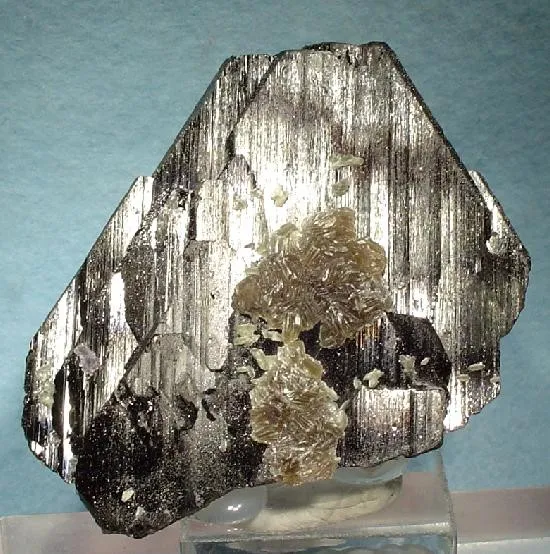
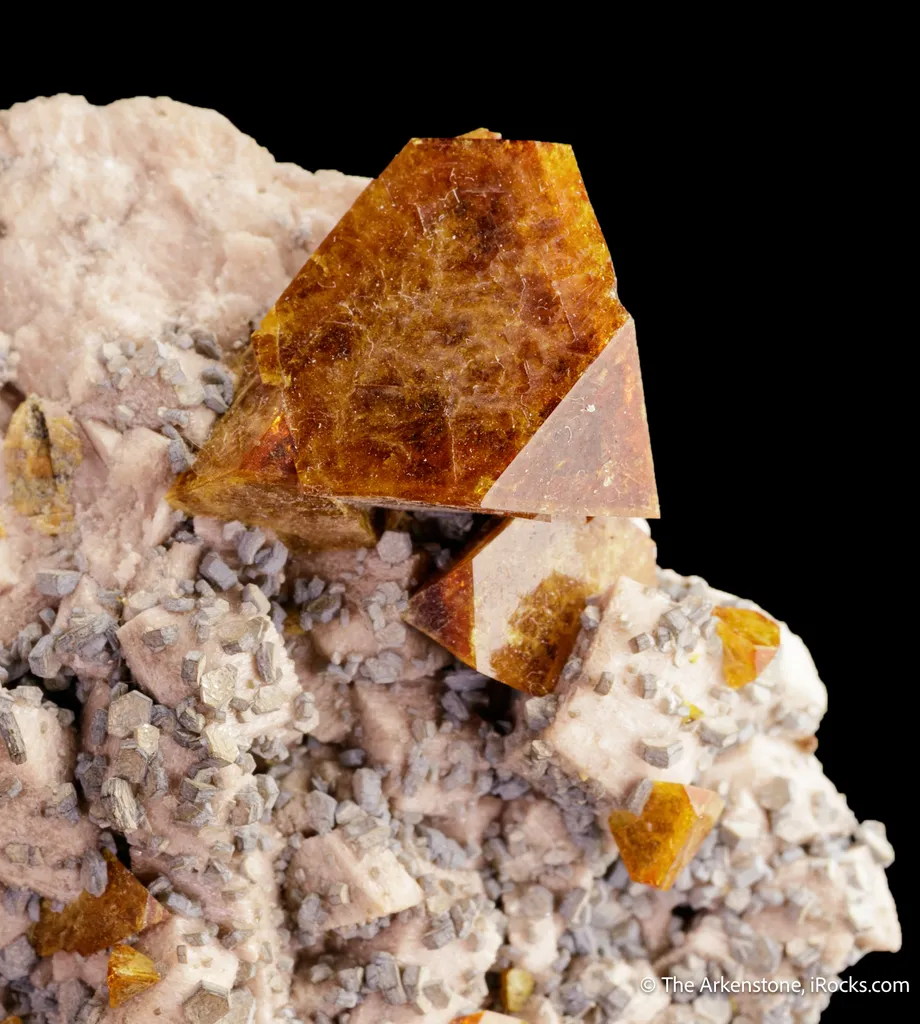
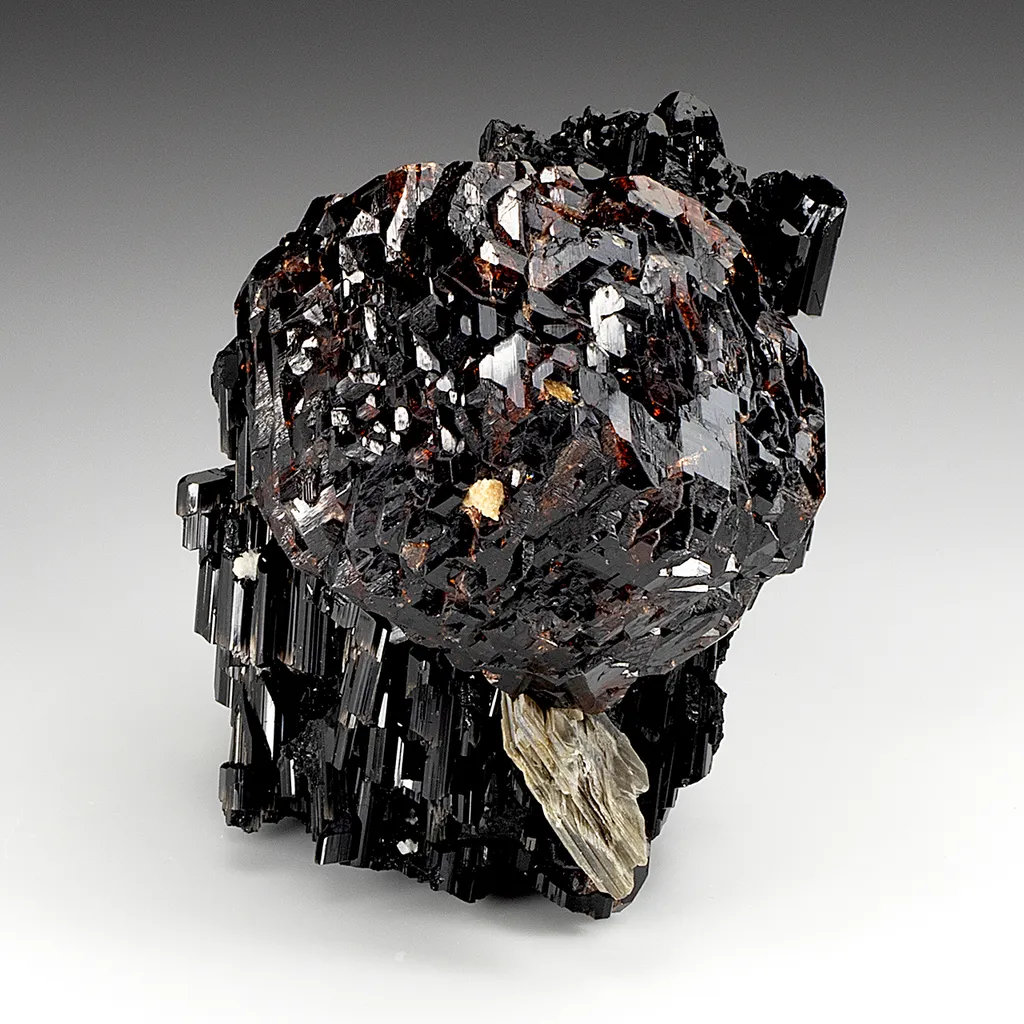
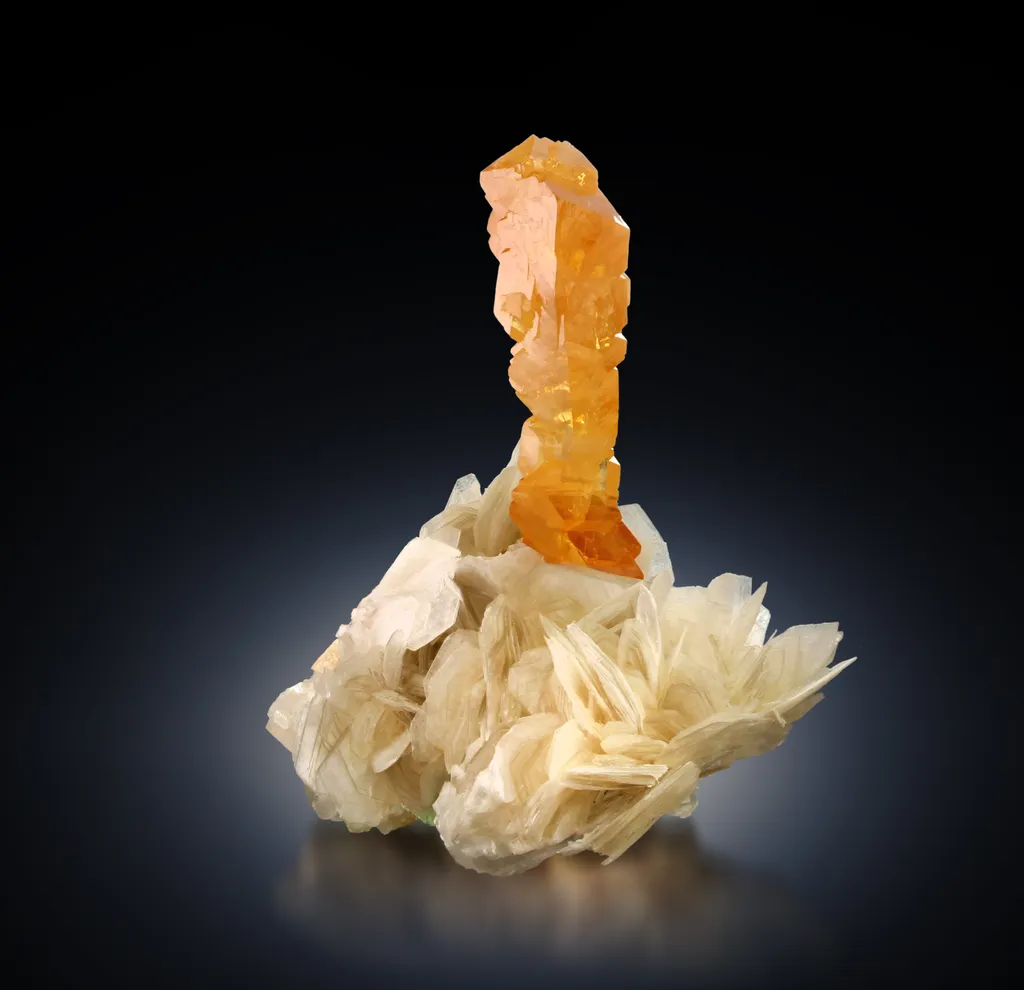
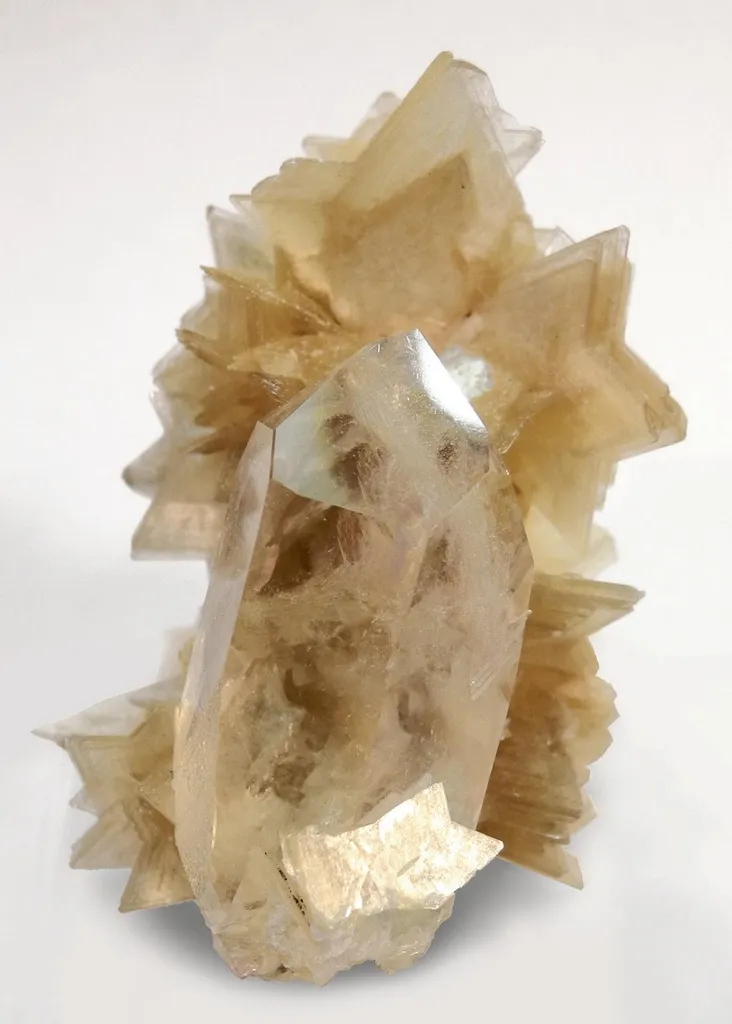
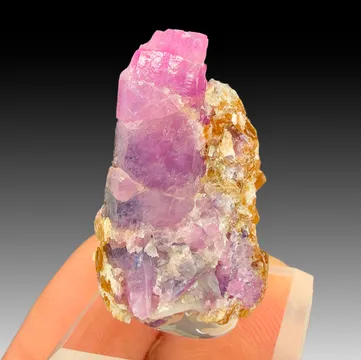
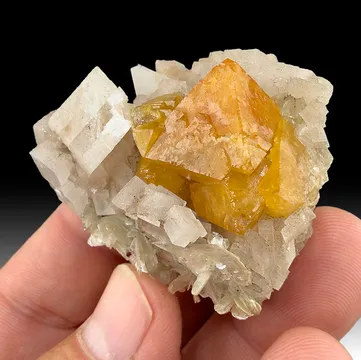
Notable specimen sources include gemmy, colorless to pale-colored crystals from pegmatites and metamorphic rocks in Pakistan, China, and Brazil, as well as well-crystallized sheets from the United States and Portugal. Collectors prize Muscovite for its attractive sheet habit, the ease of preparation to reveal parallel plates, and the way its cleavage surfaces catch light, producing a shimmering, almost metallic reflection. While often valued for its aesthetic potential in micromounts and cabinet pieces, Muscovite also serves as a window into the mineralogy of mica-bearing assemblages and the high-temperature, low-pressure conditions under which it forms.