Guide
264 for sale · $60–$20,000 USD
1,046 in the gallery
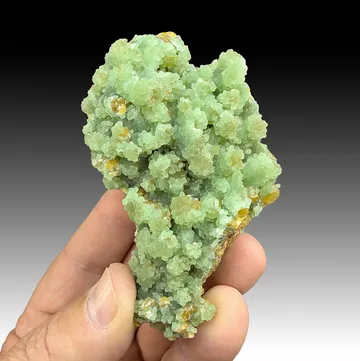
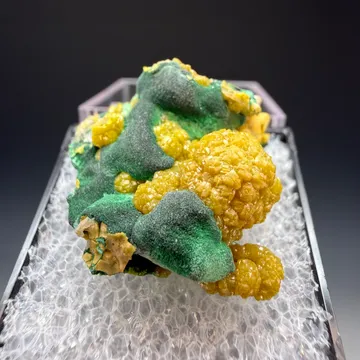
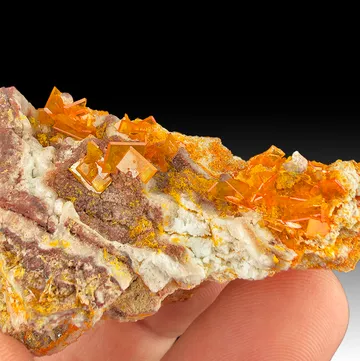
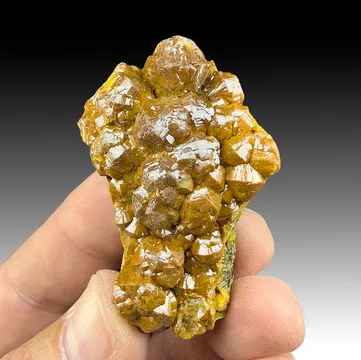
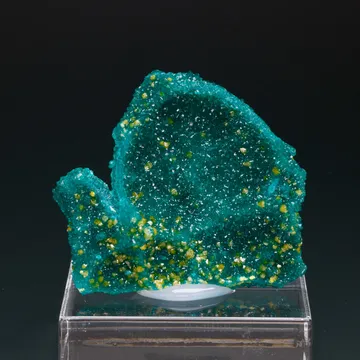
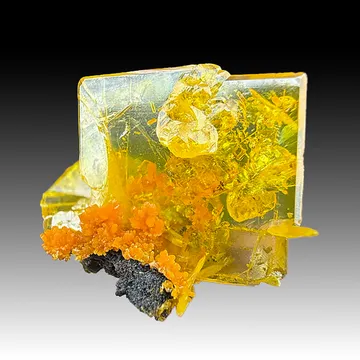
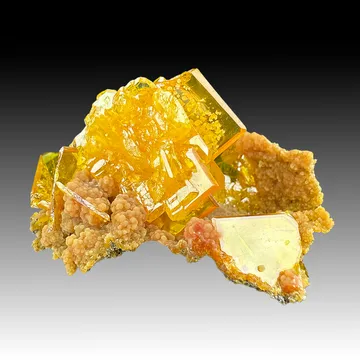
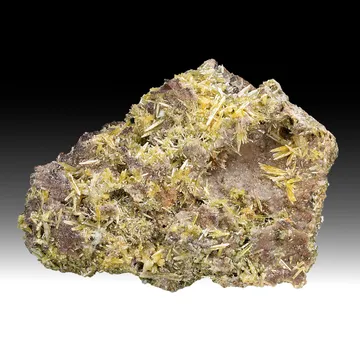
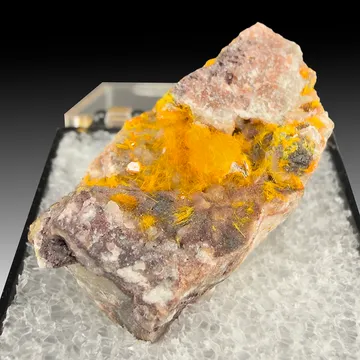
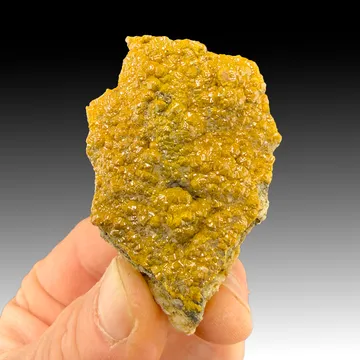
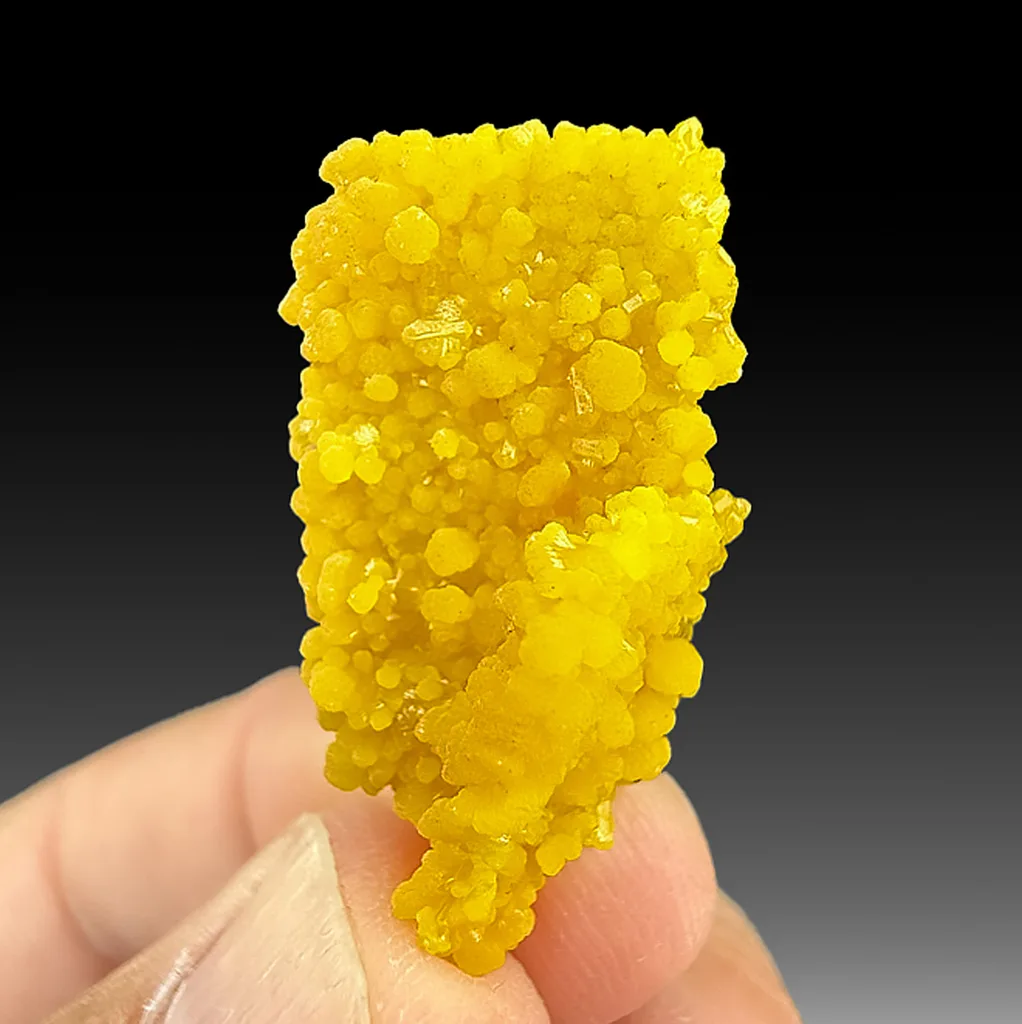
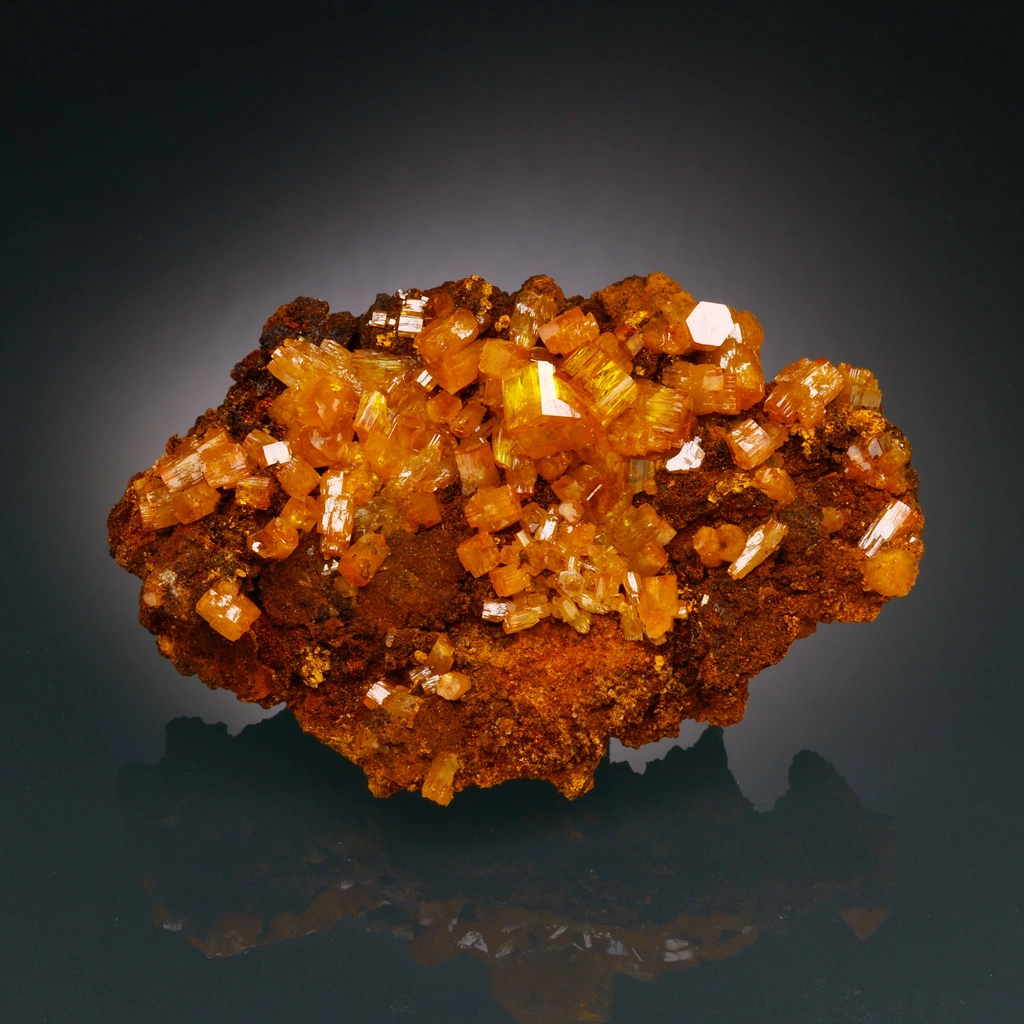
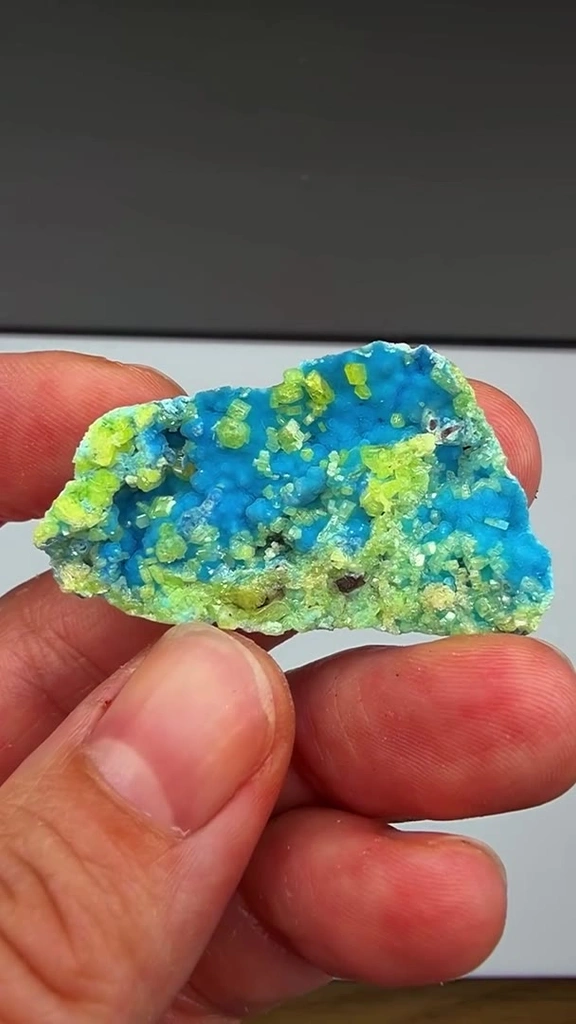
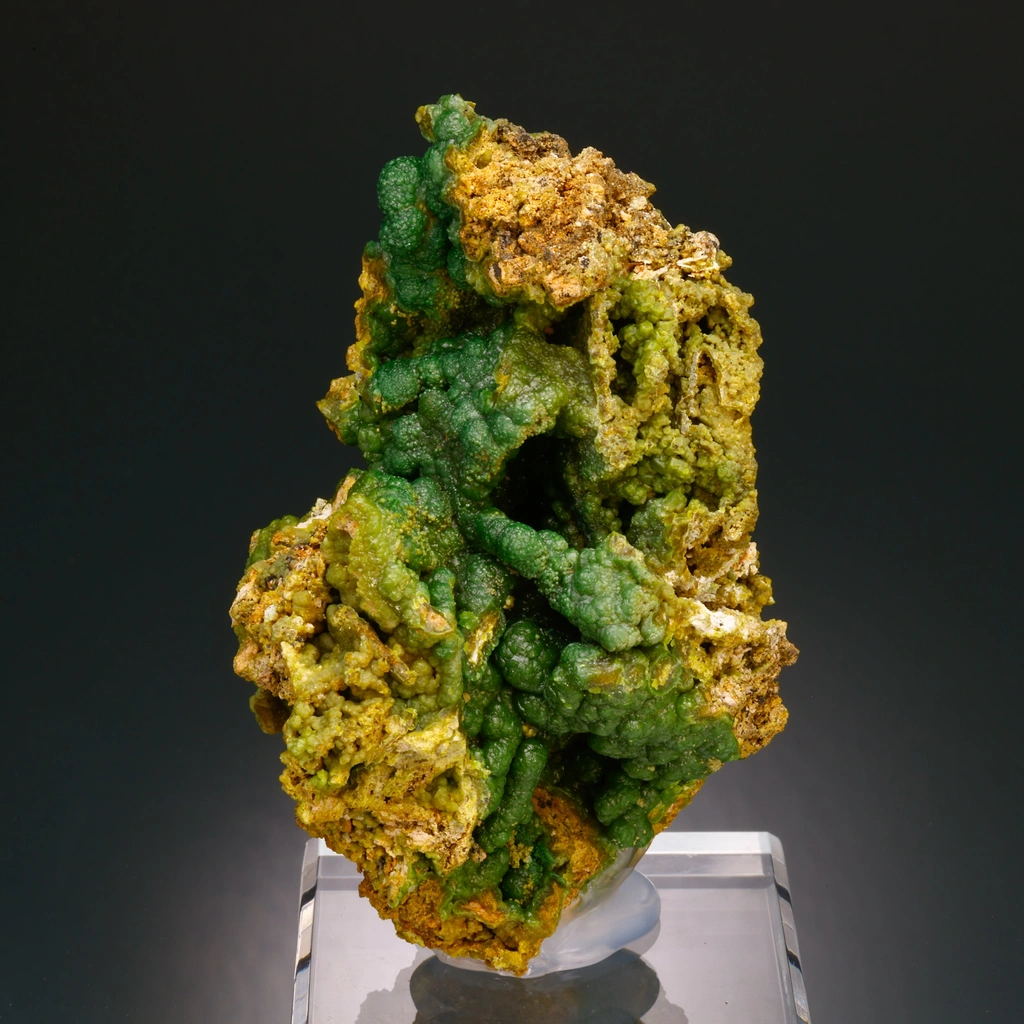
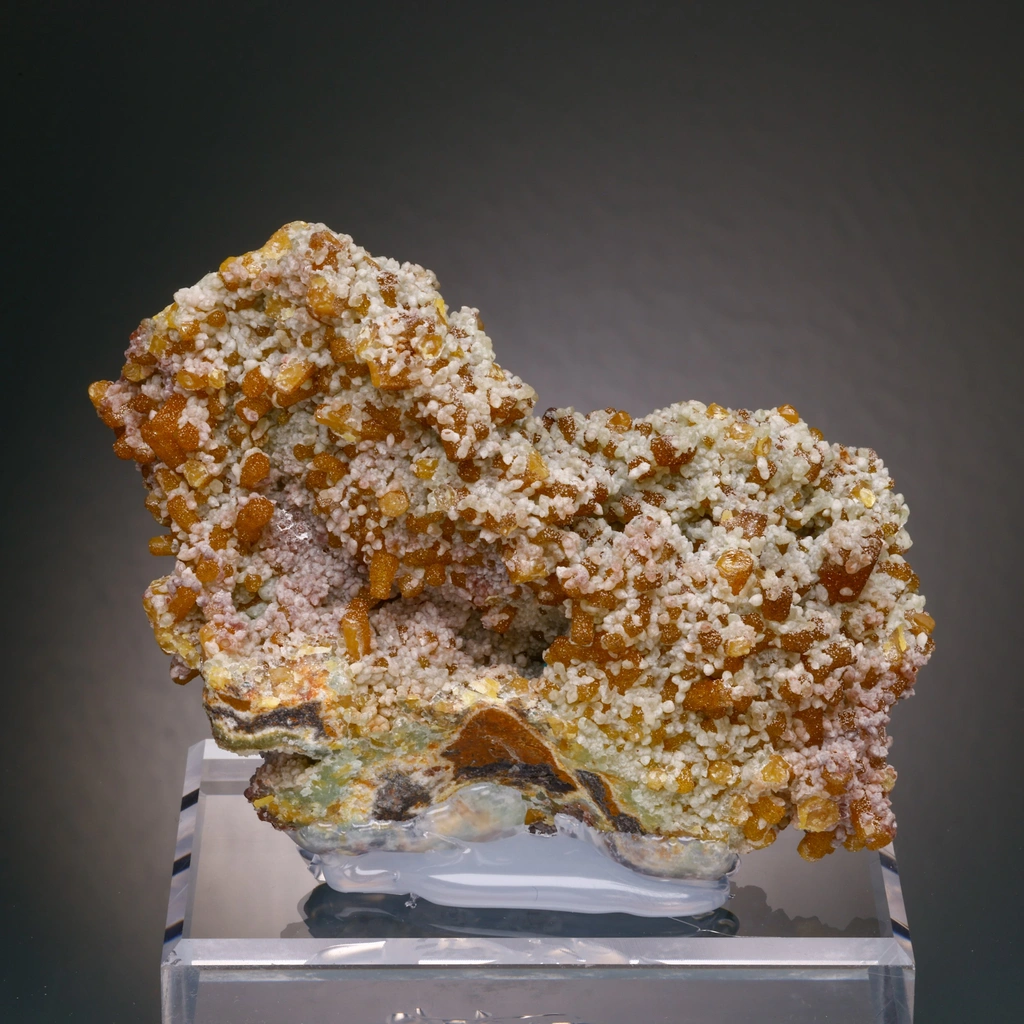
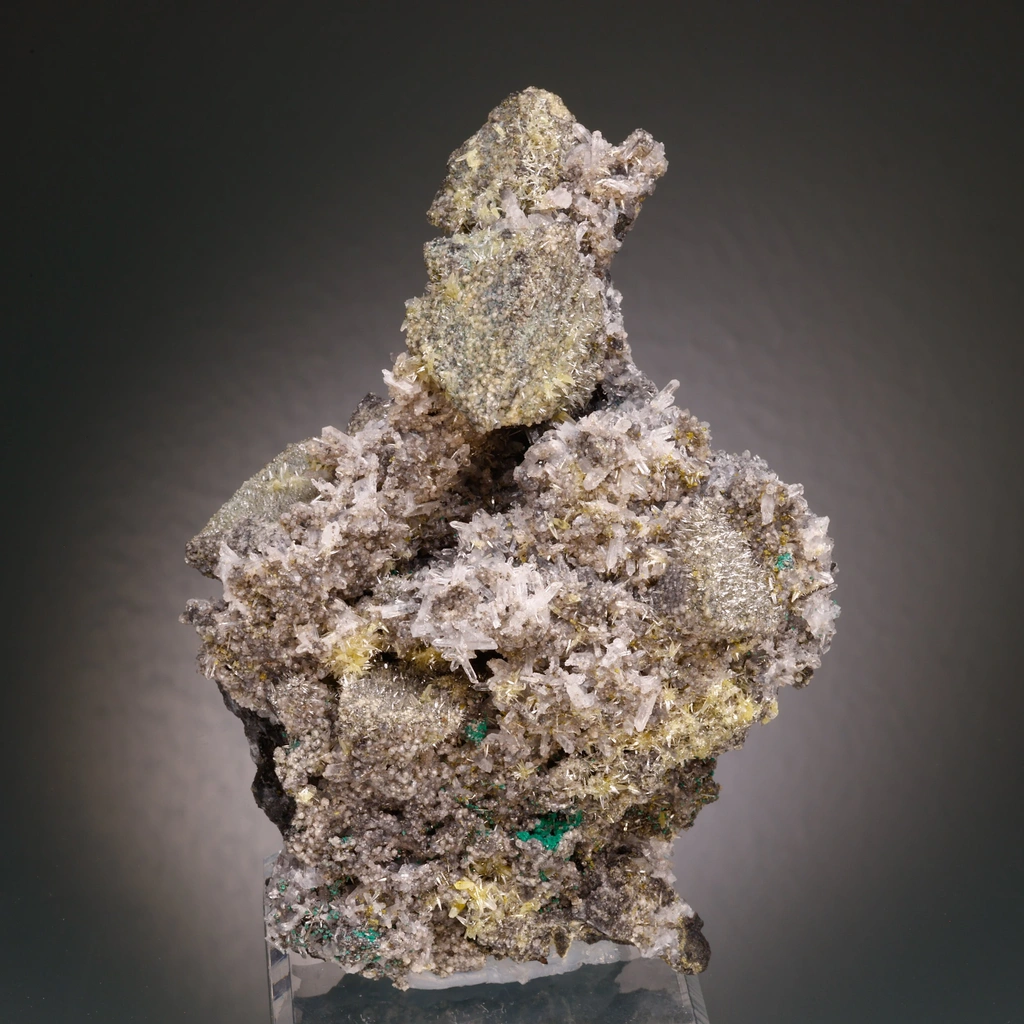
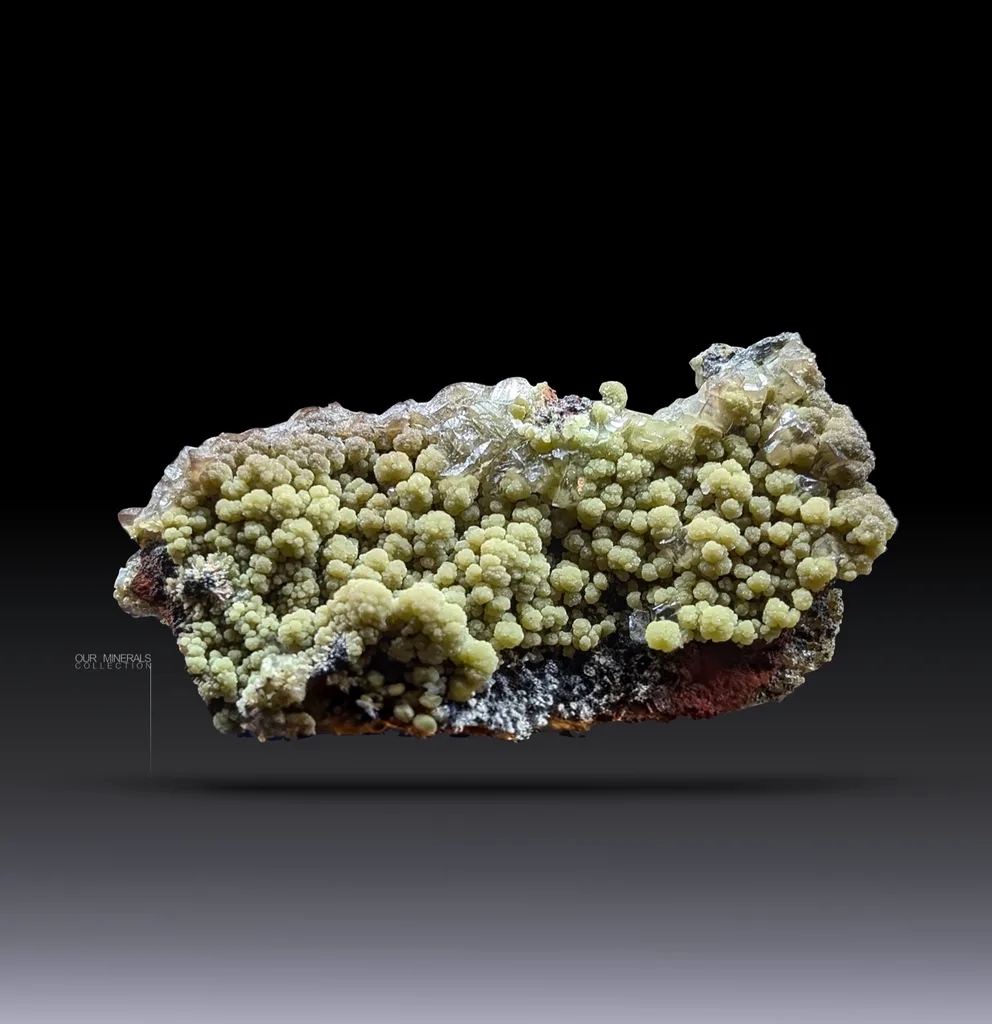
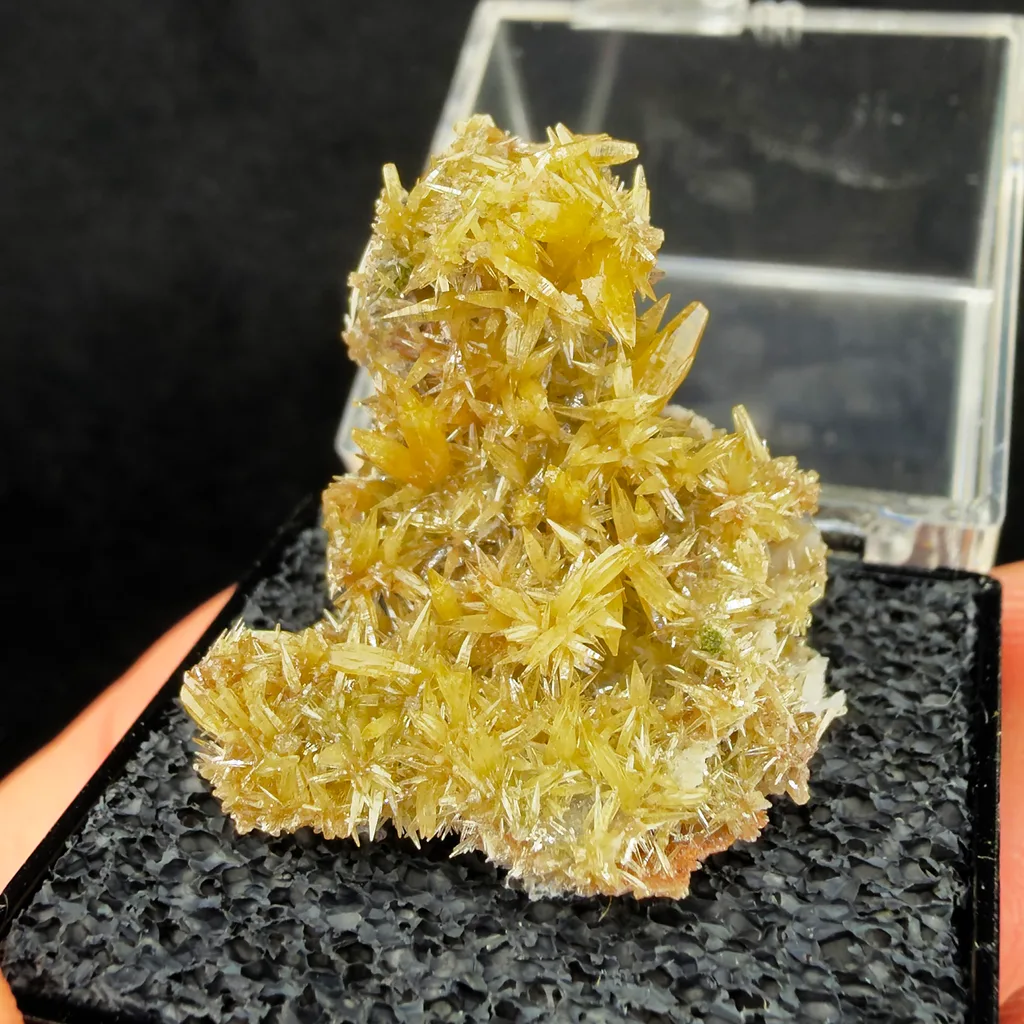
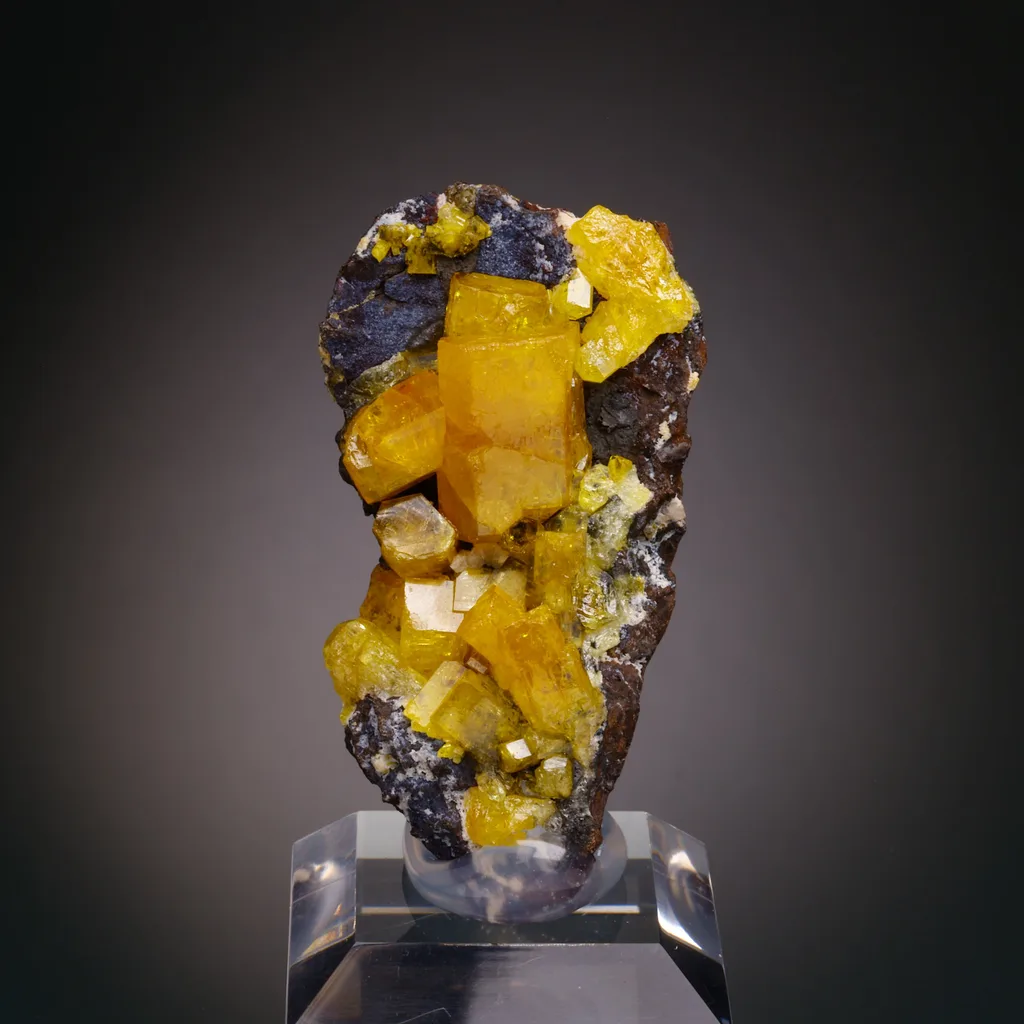
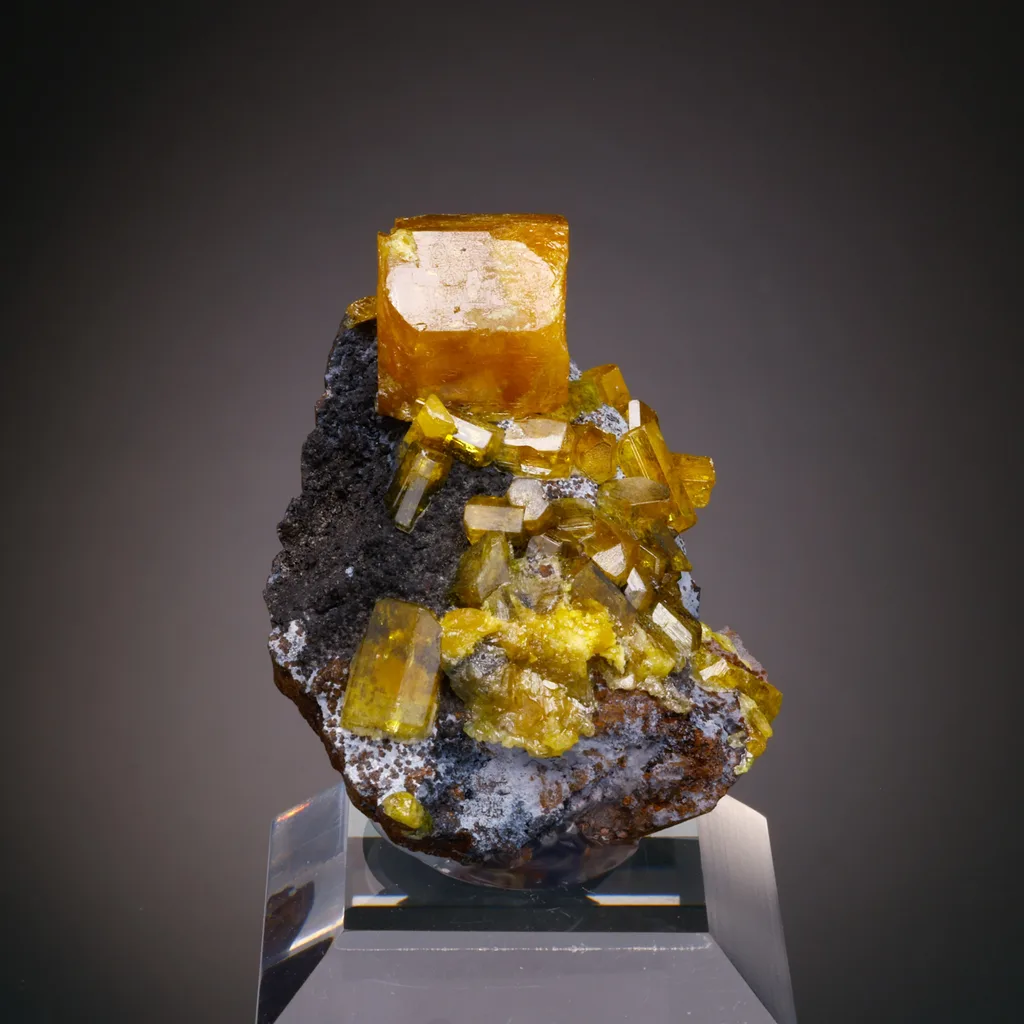
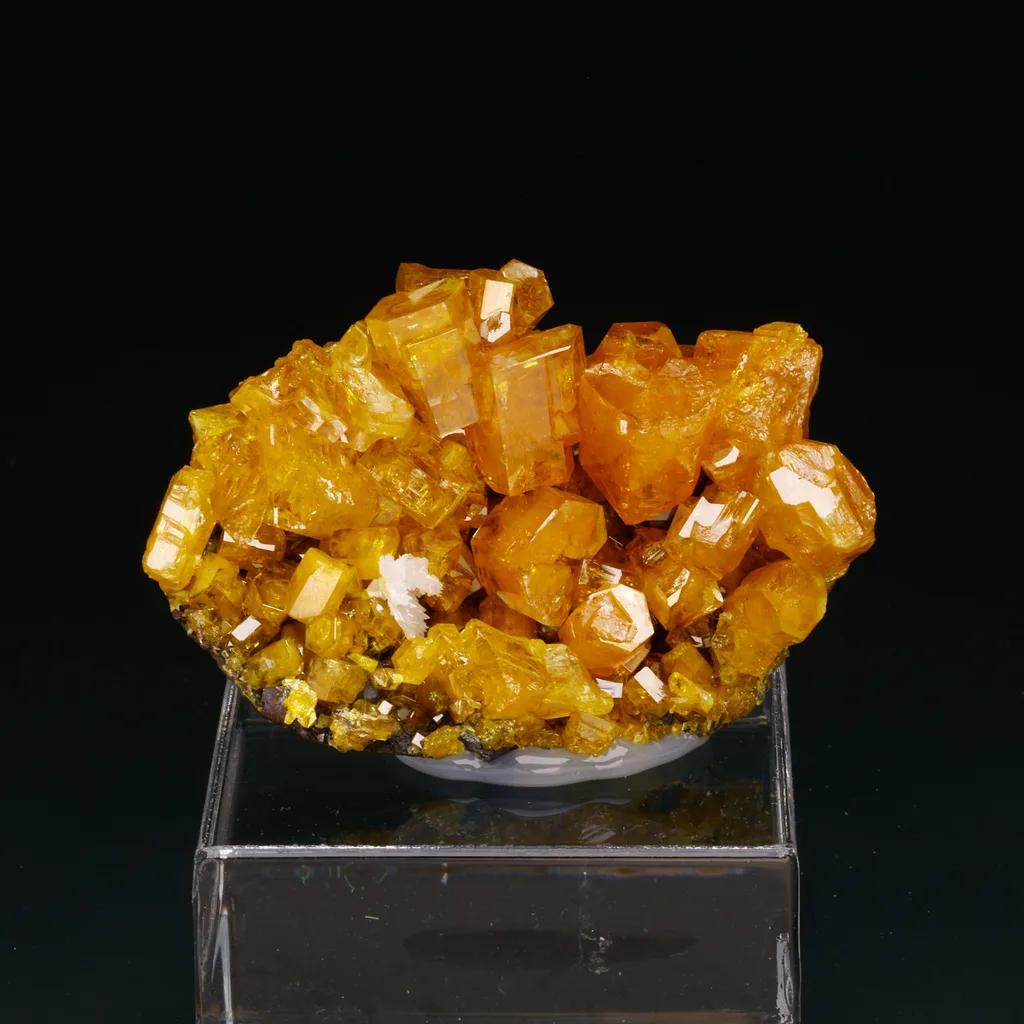
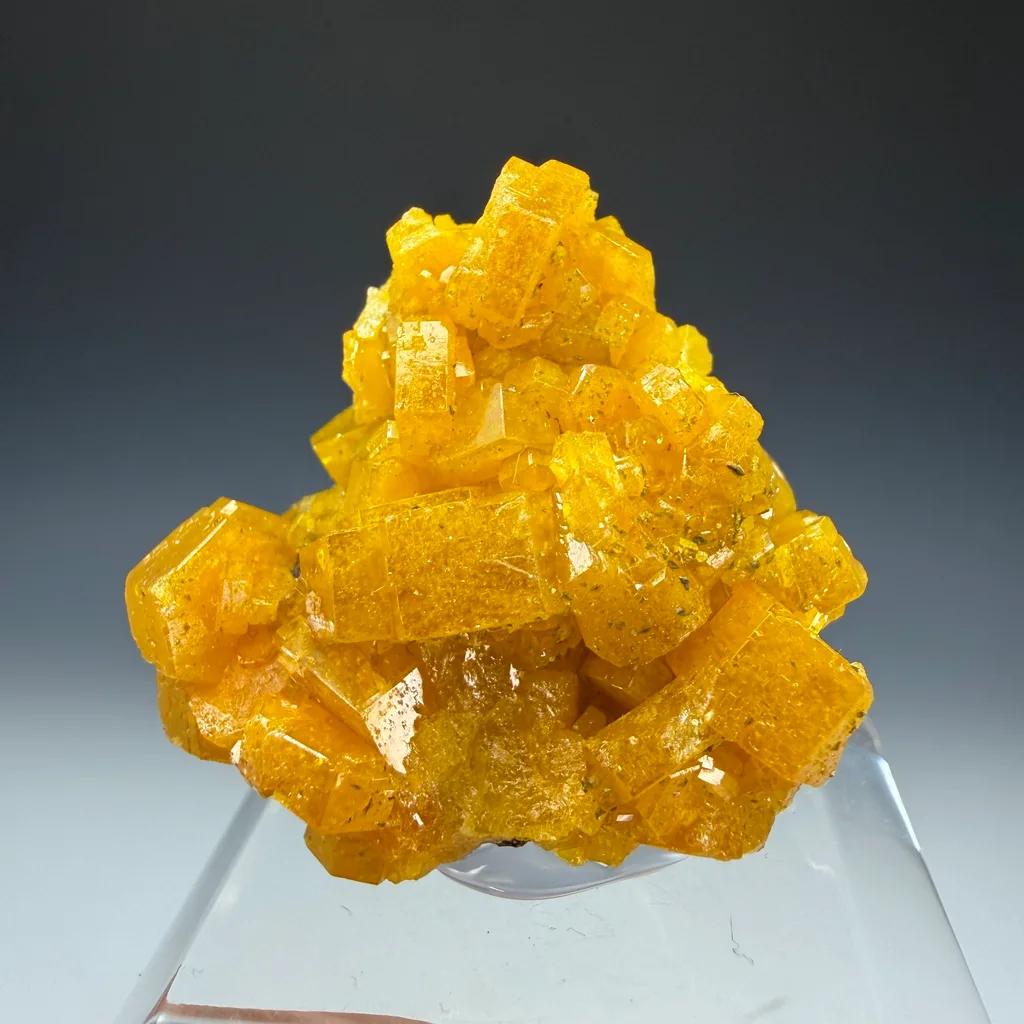
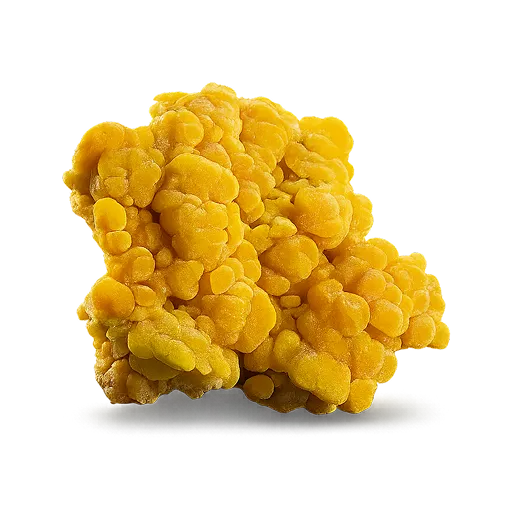
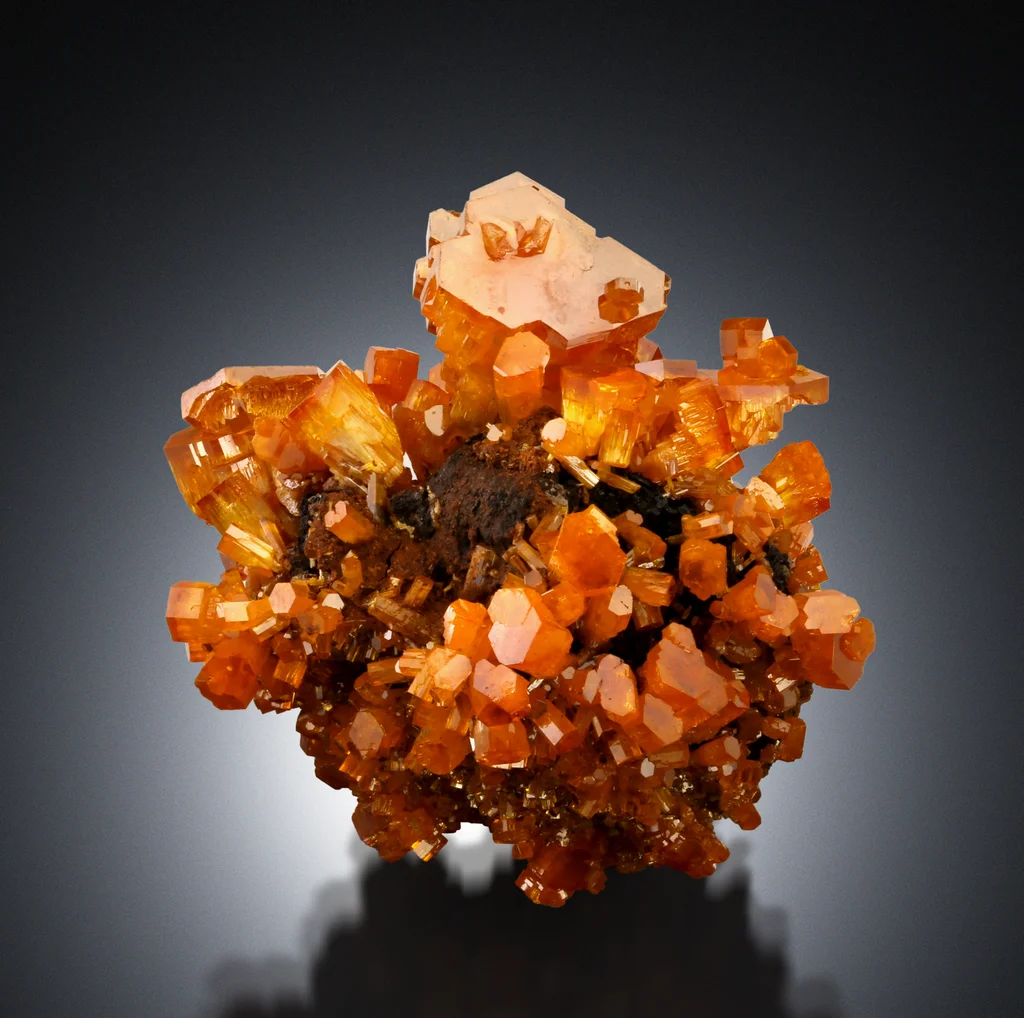
Mimetite is a lead phosphate chloride mineral that forms slender to stout prismatic crystals and often occurs in hexagonal tabular habits. It typically shows a yellow to greenish-yellow color with a resinous to vitreous lustre and can form botryoidal or radiating aggregates that catch the light in cabinets and displays. Notable specimens come from classic pockets in Mexico and Namibia, with additional material from the UK, the USA, and China contributing to the species’ museum and collection appeal.
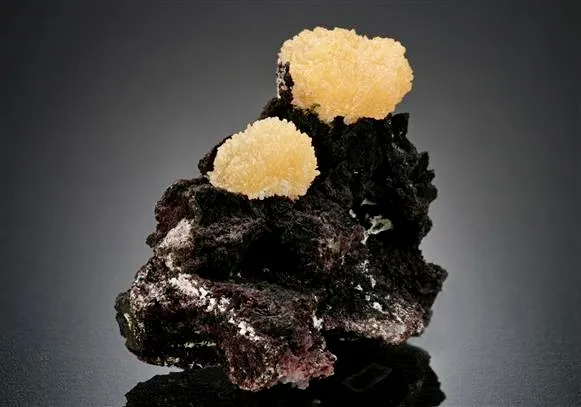
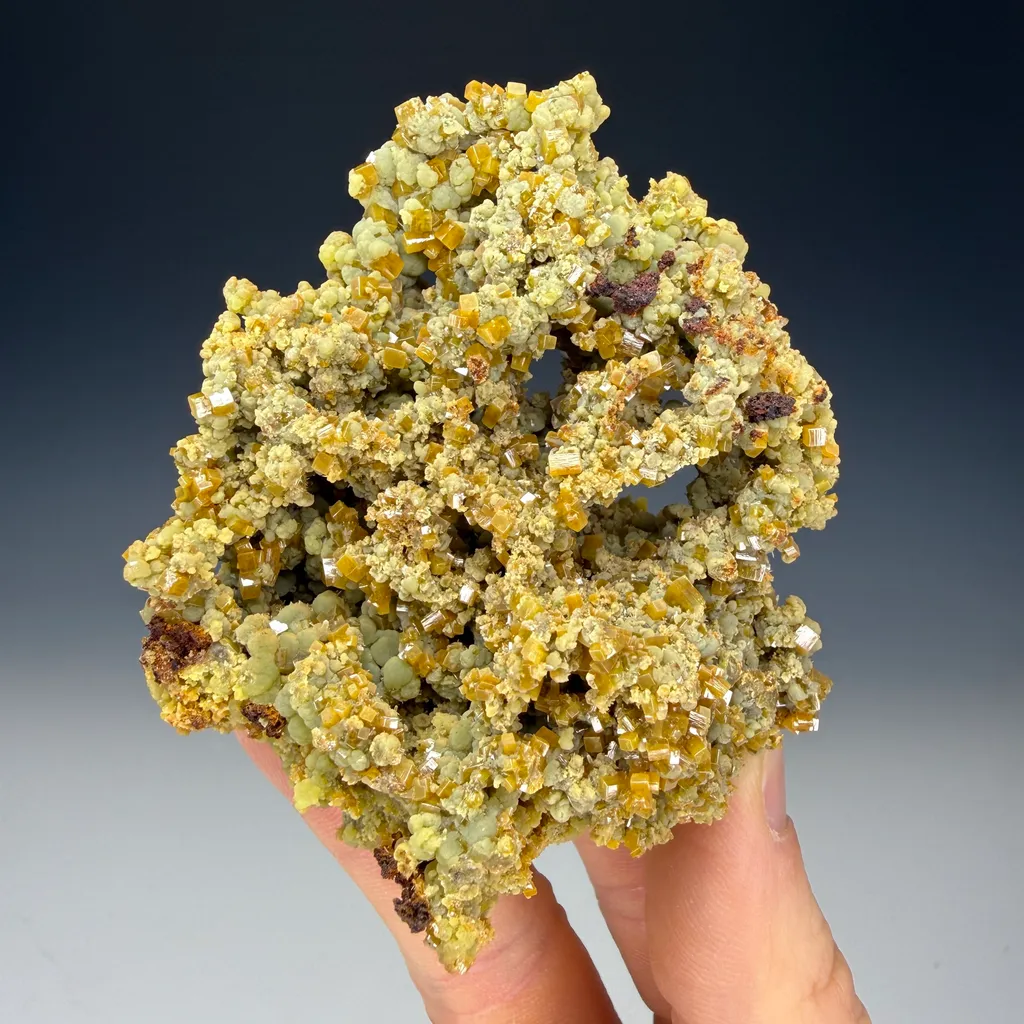
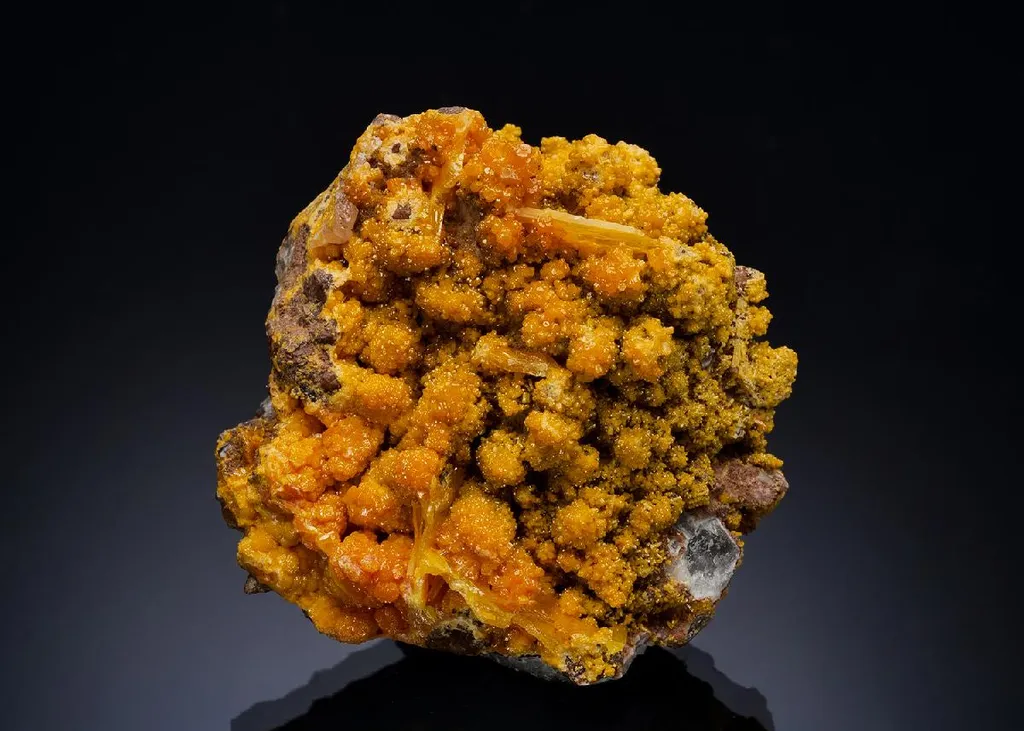
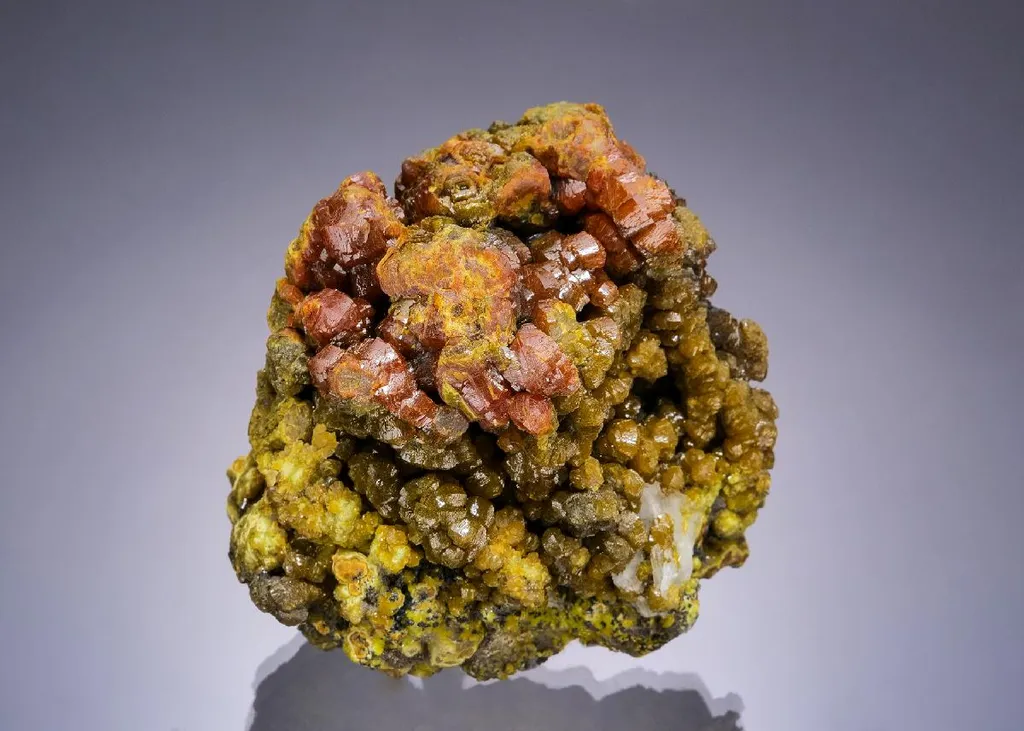
Collectors value mimetite for its bright color, sharp crystal forms, and the way it often fills vugs in associated lead minerals. Fine specimens from famed Mexican localities exhibit clean, well-formed crystals, while Namibian material is prized for its contrast against dark host rocks and for dramatic, densely clustered habits. The mineral’s relative rarity in highly aesthetic crystals, paired with its vivid hues, makes mimetite a sought-after addition for display, especially when paired with quartz or smithsonite to illustrate classic secondary-mineral parageneses.