Guide
16 for sale · $175–$12,500 USD
59 in the gallery
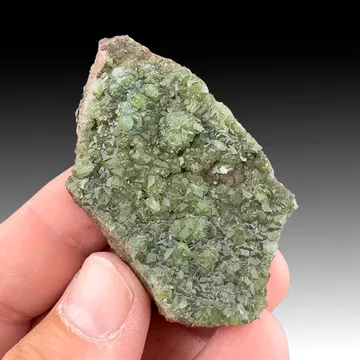
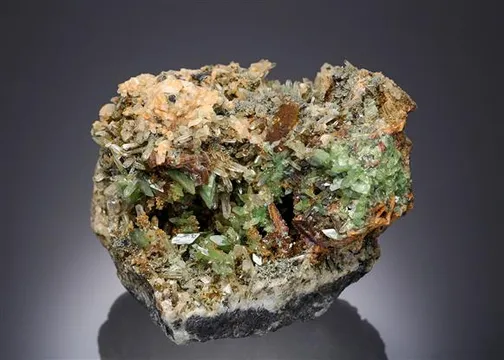
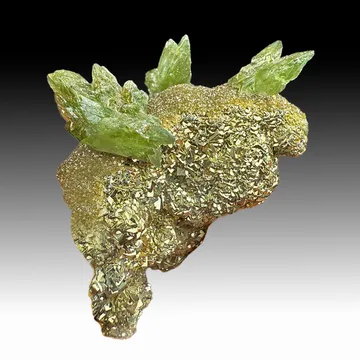
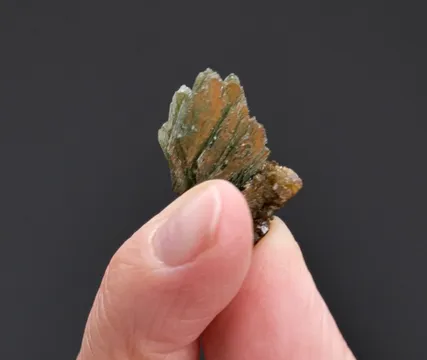
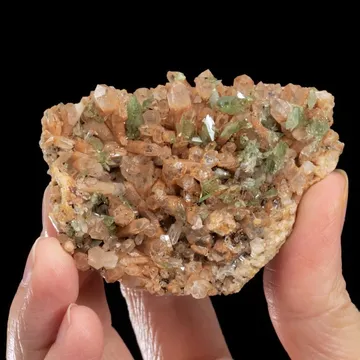
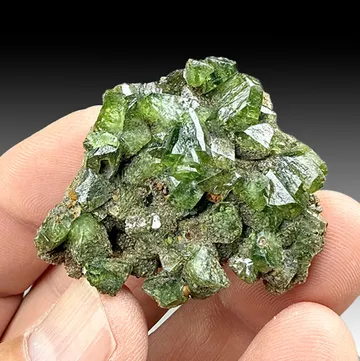
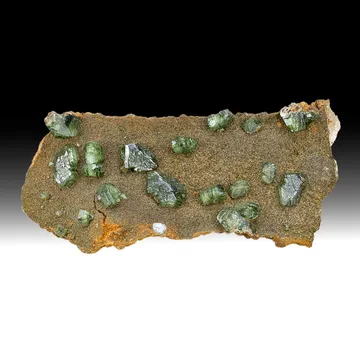
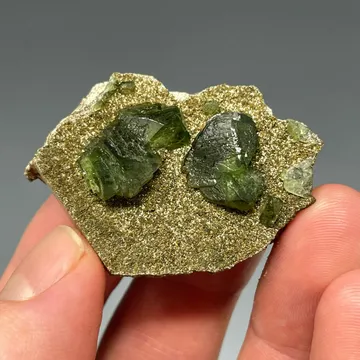
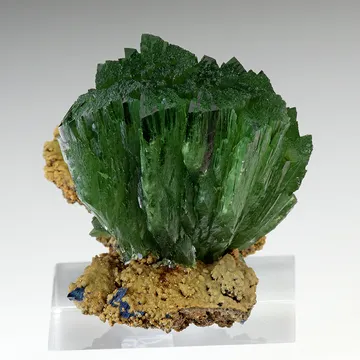
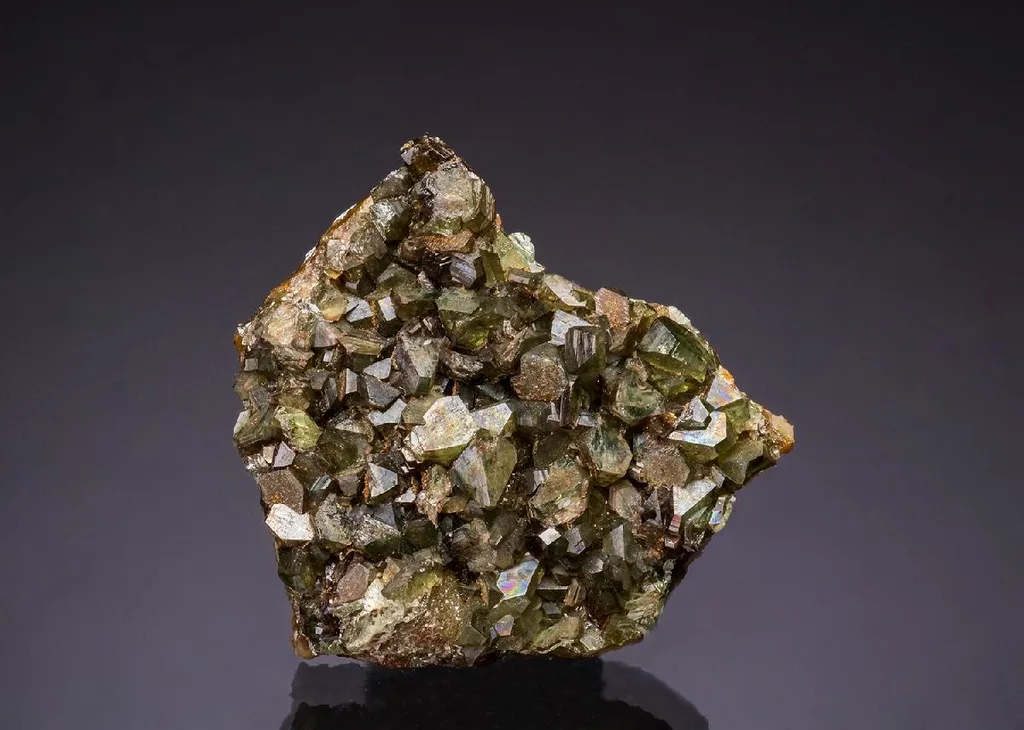
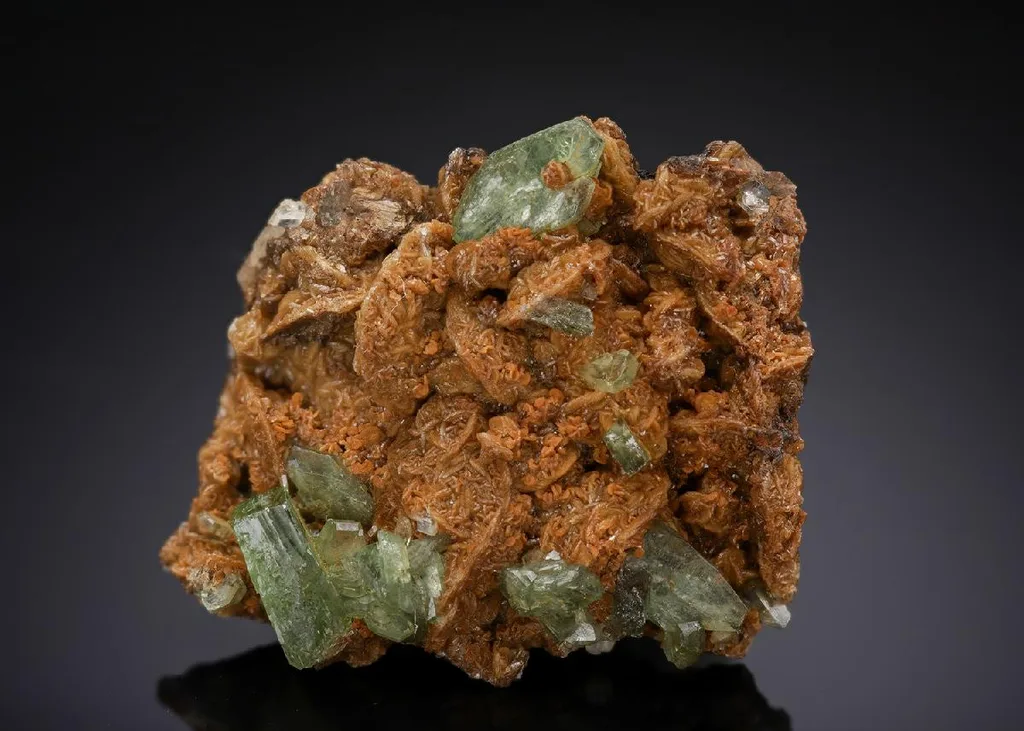
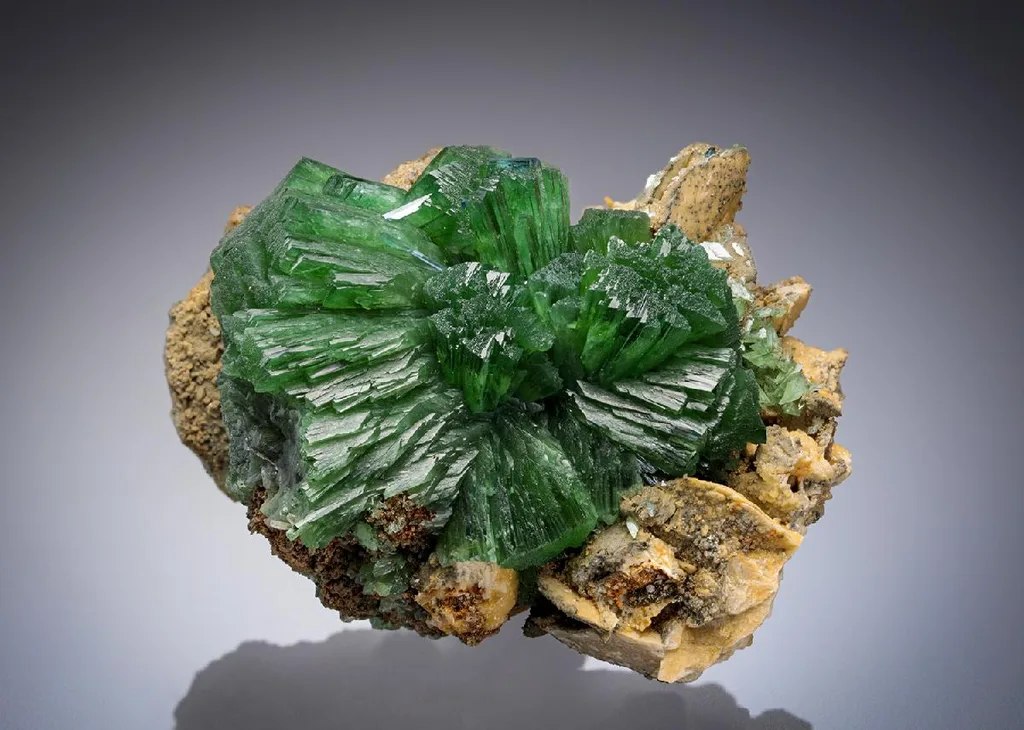
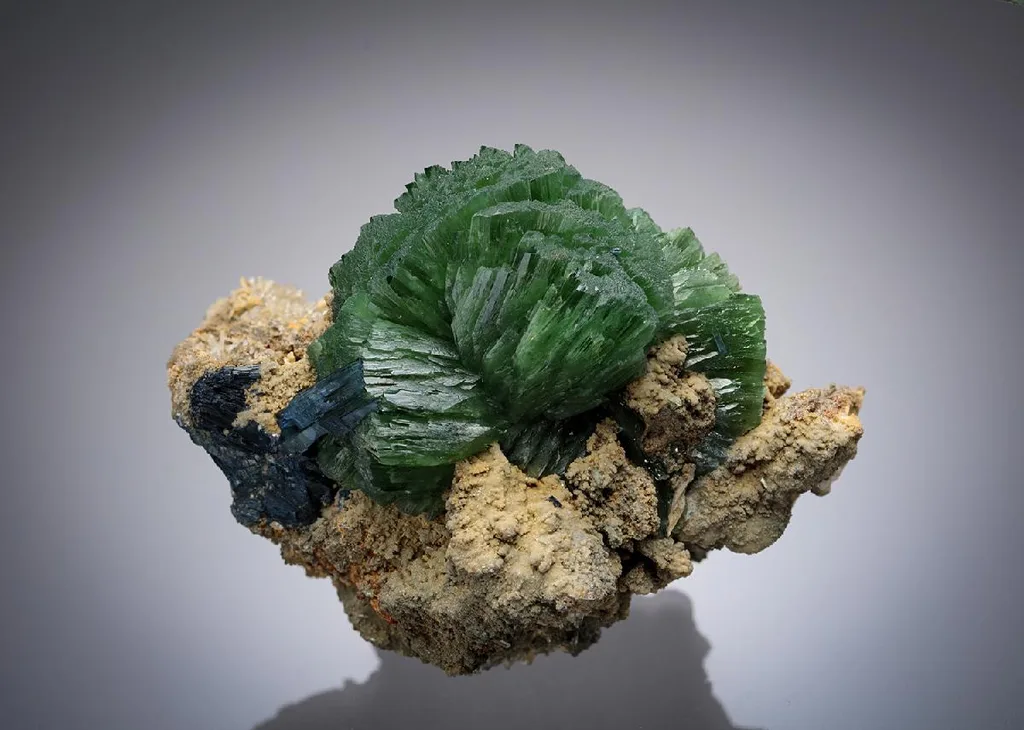
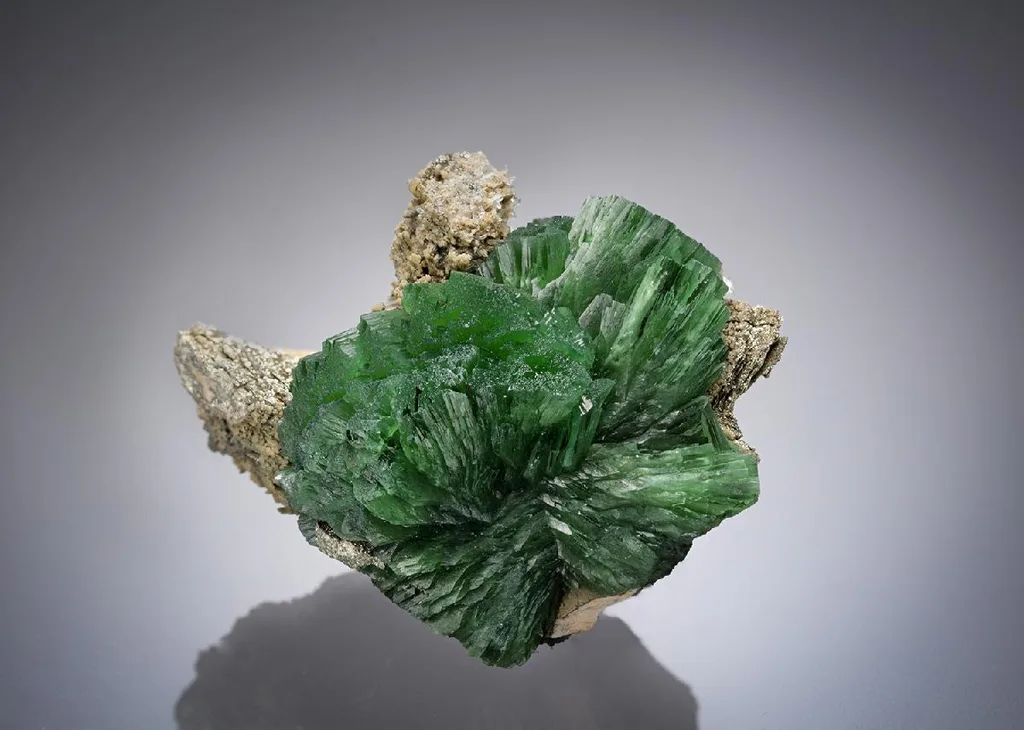
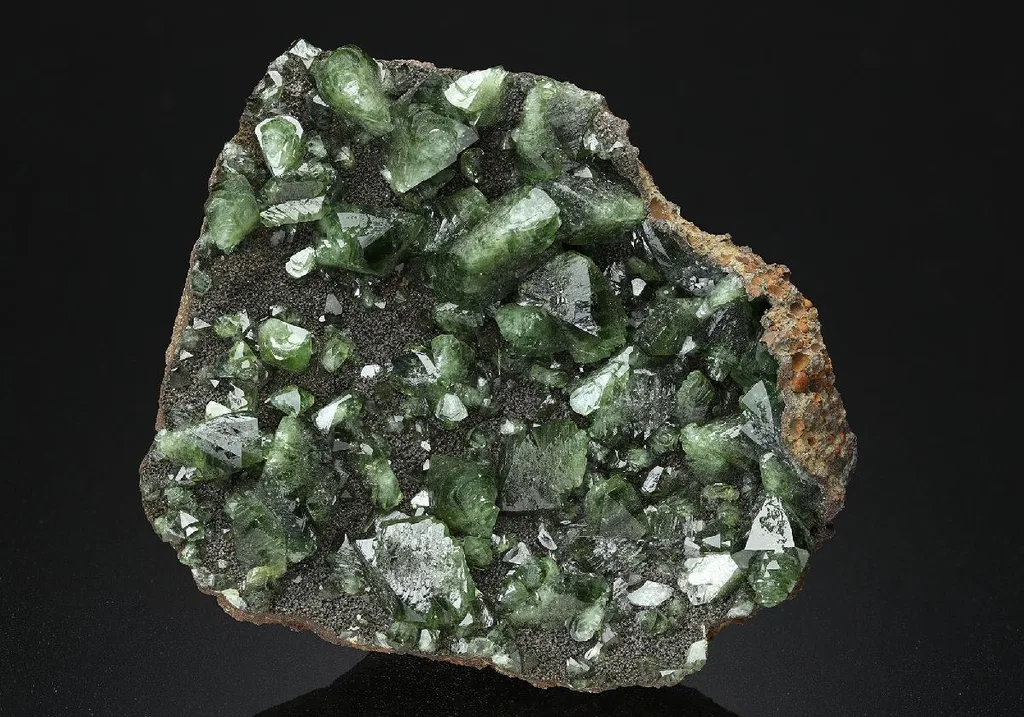
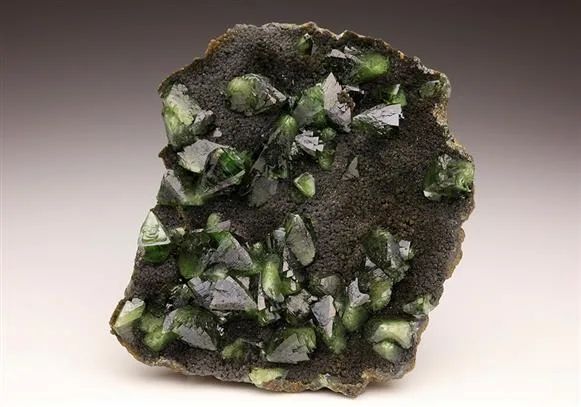
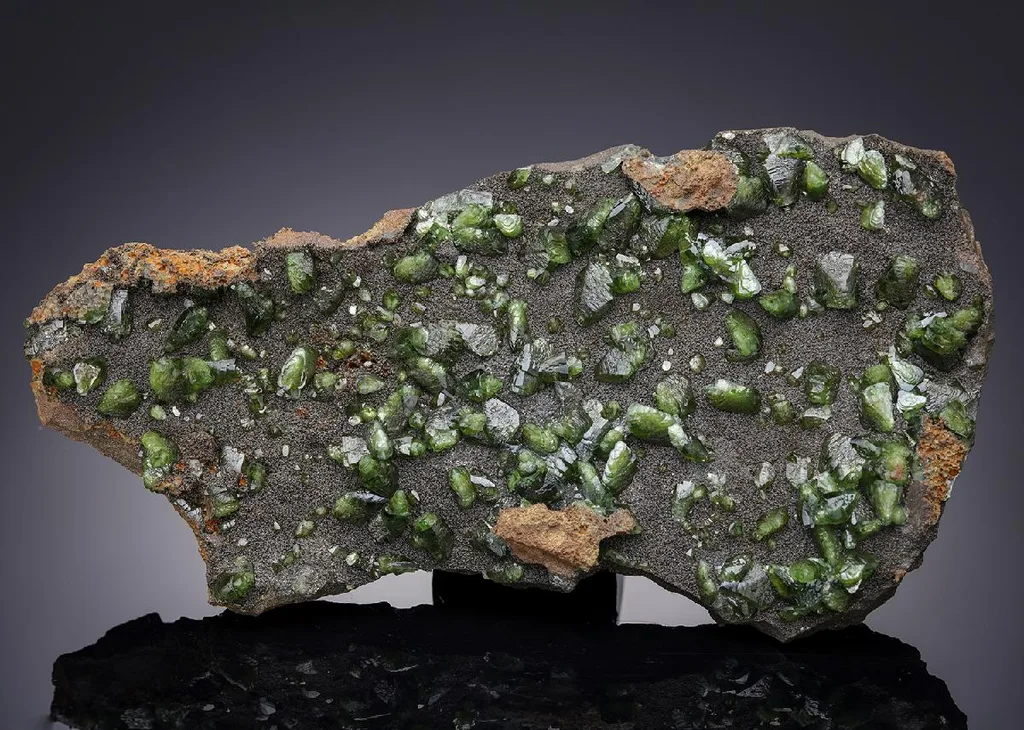
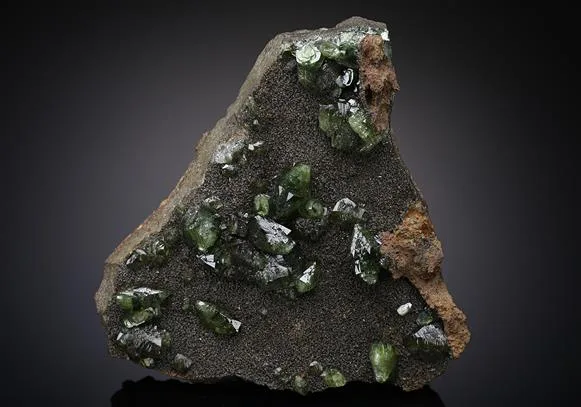
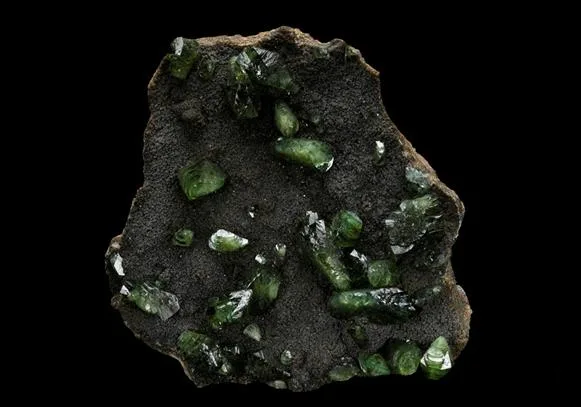
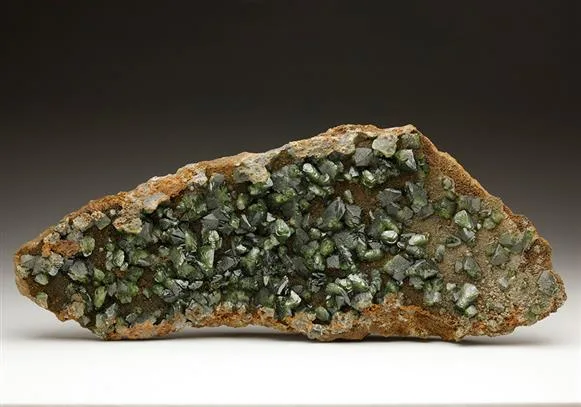
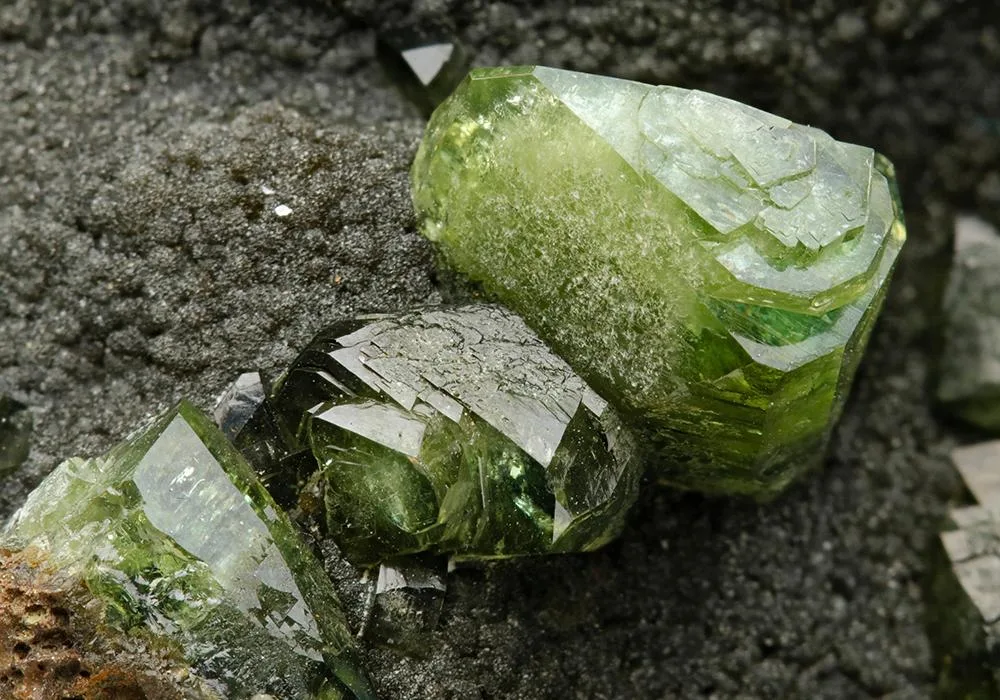
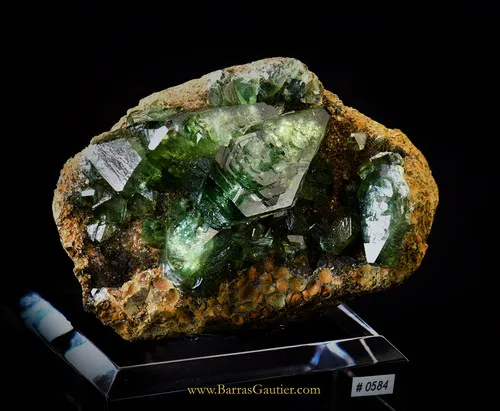
Ludlamite is a hydrated iron phosphate mineral with the formula Fe2+3(PO4)2·4H2O. It typically forms as soft, vitreous to pearly crystals in phosphate-bearing hydrothermal environments, often presenting a pale green to blue-green color and a translucent to transparent appearance in well-formed specimens. Crystals can show a platy or tabular habit, sometimes forming aggregates or delicate sprays that highlight its subtle luster and mineralogical clarity. Notable specimens have been collected from Bolivia, Mexico, the United States, Brazil, and the United Kingdom, where secondary mineral localities and detailed crystallization histories contribute to its identification and appeal.
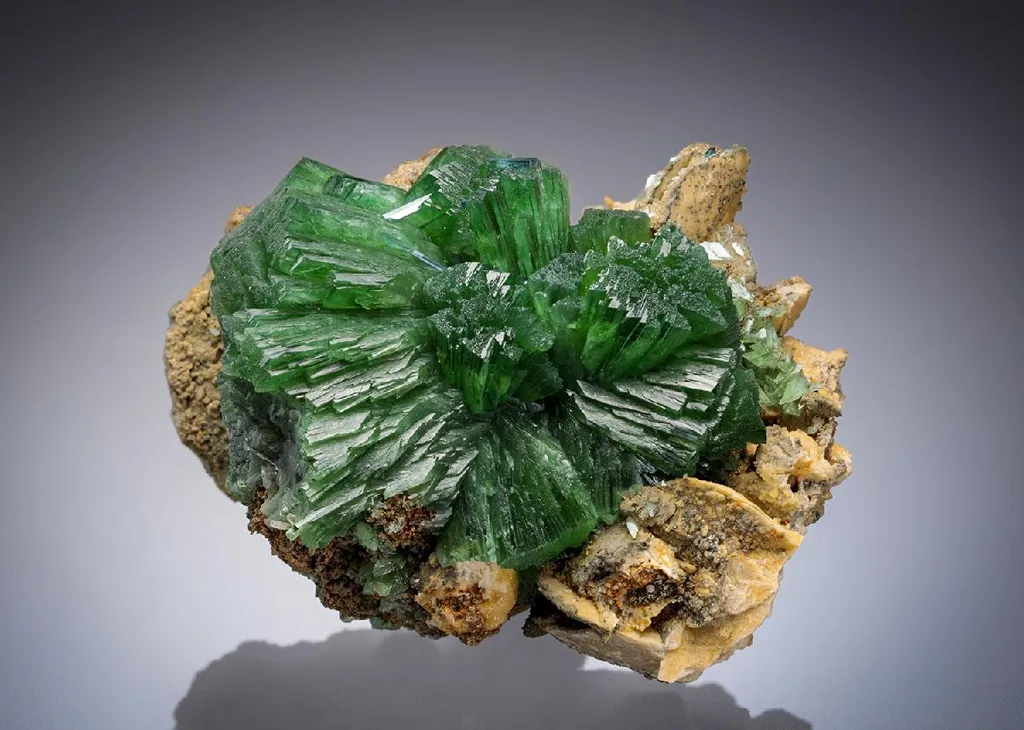
Collectors value ludlamite for its crisp color, high hydration, and the way it displays in hand sample or cabinet settings. While often found in association with other phosphate minerals, its hydration state and glassy shine make it a distinctive presence in a display case, especially when paired with complementary minerals that illuminate its pale green tones. The mineral’s relative rarity and the finesse of its crystal forms add a layer of interest for micromounts and larger display pieces alike, inviting careful handling to preserve its delicate hydration and clarity.