

Guide

9 for sale · $30–$7,500 USD
26 in the gallery
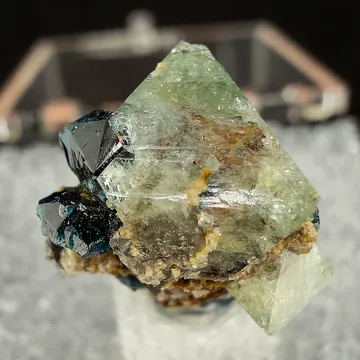
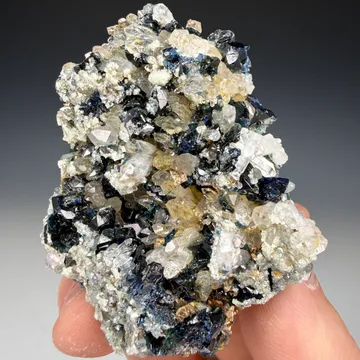
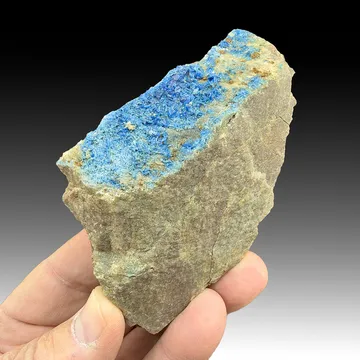
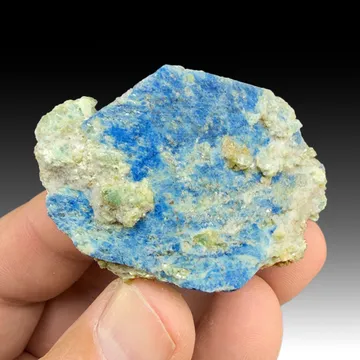
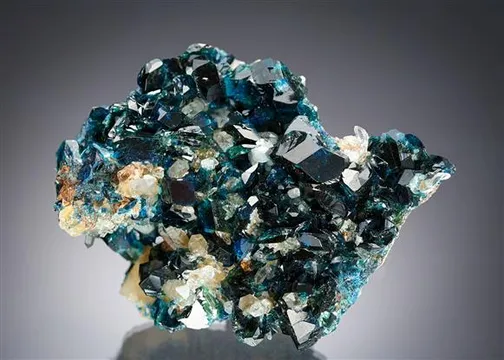
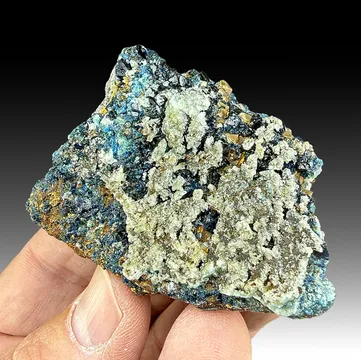
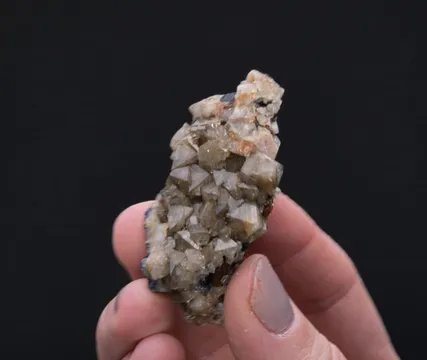
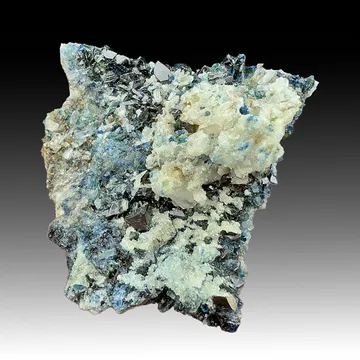
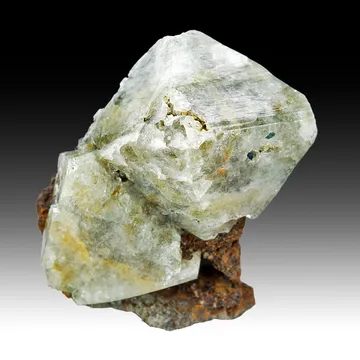
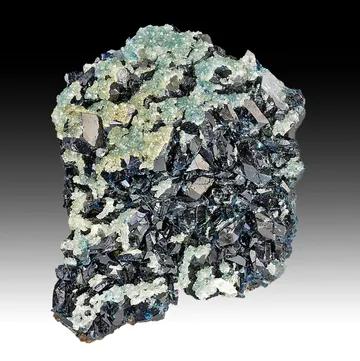
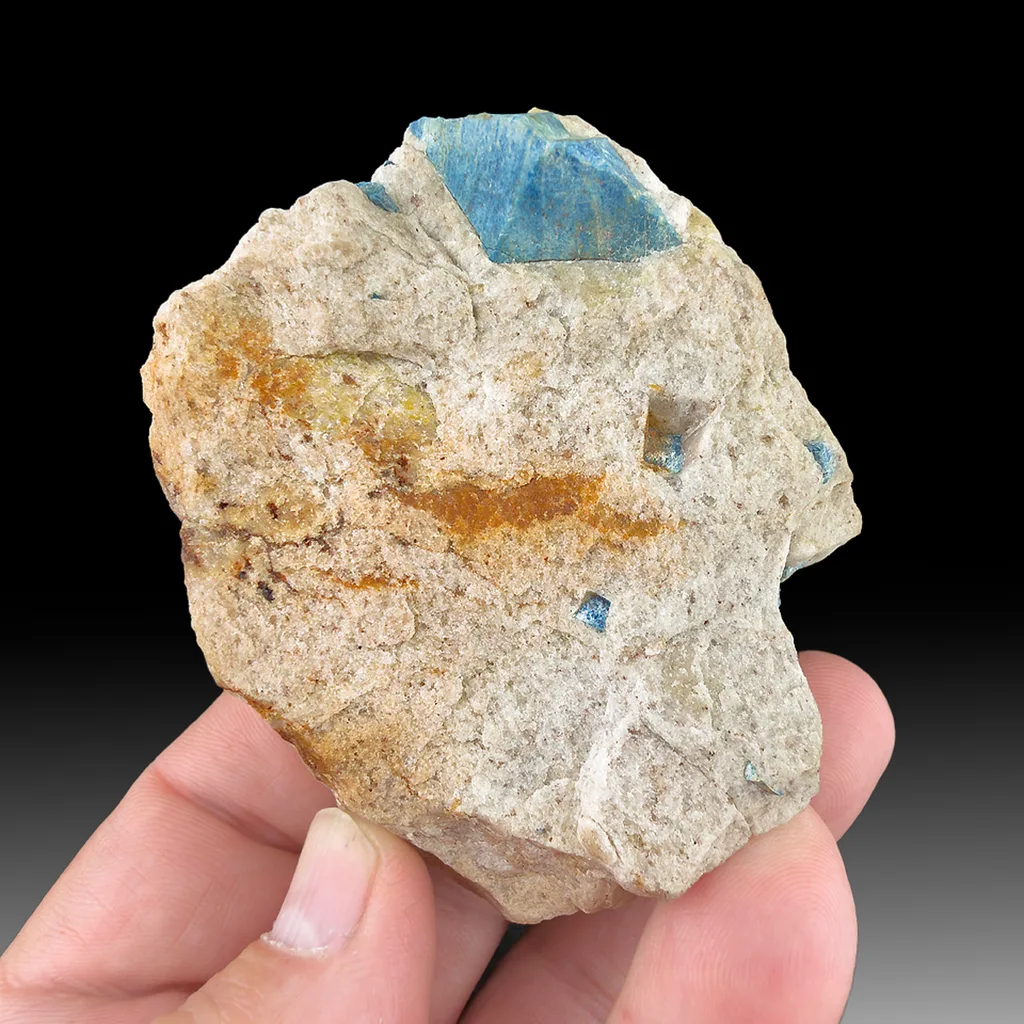
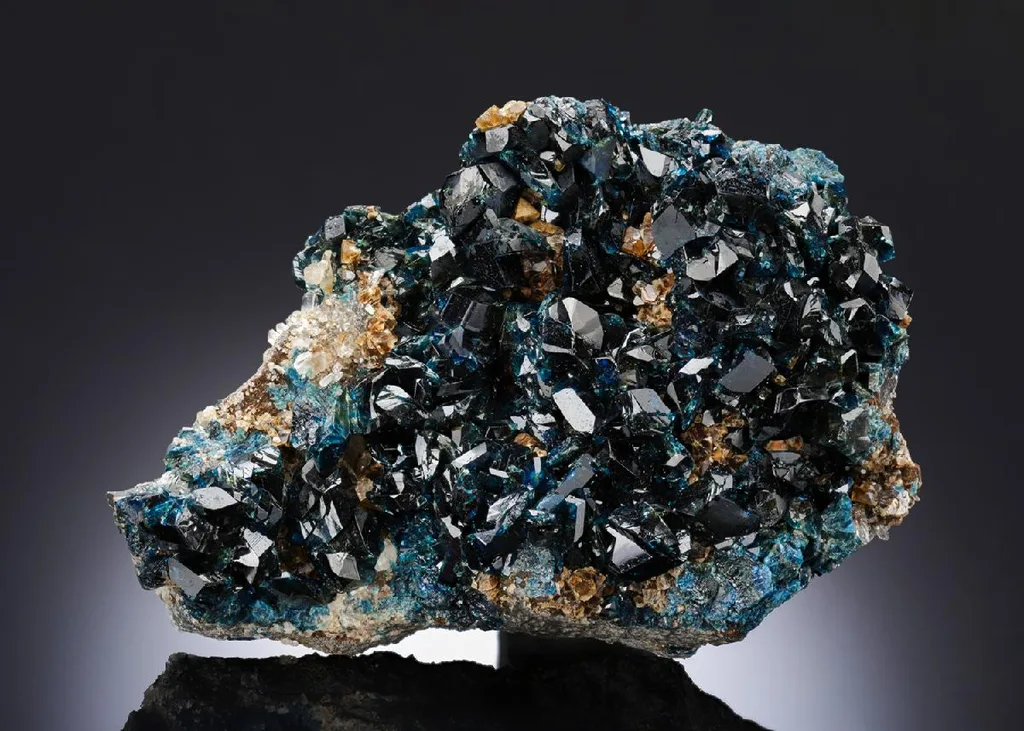
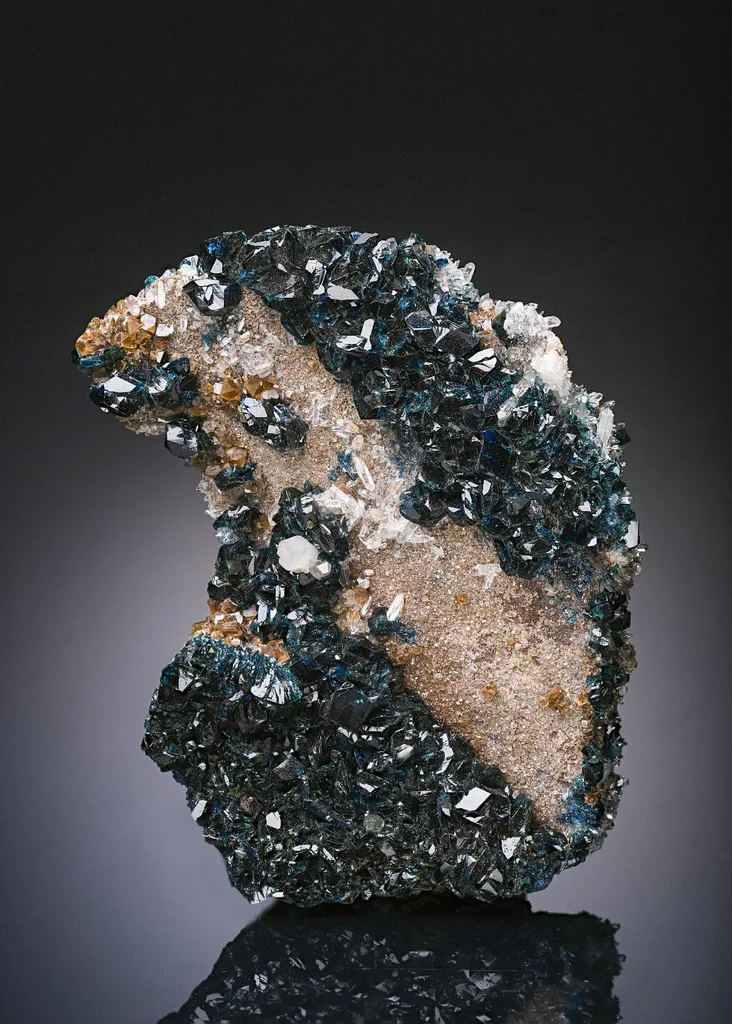
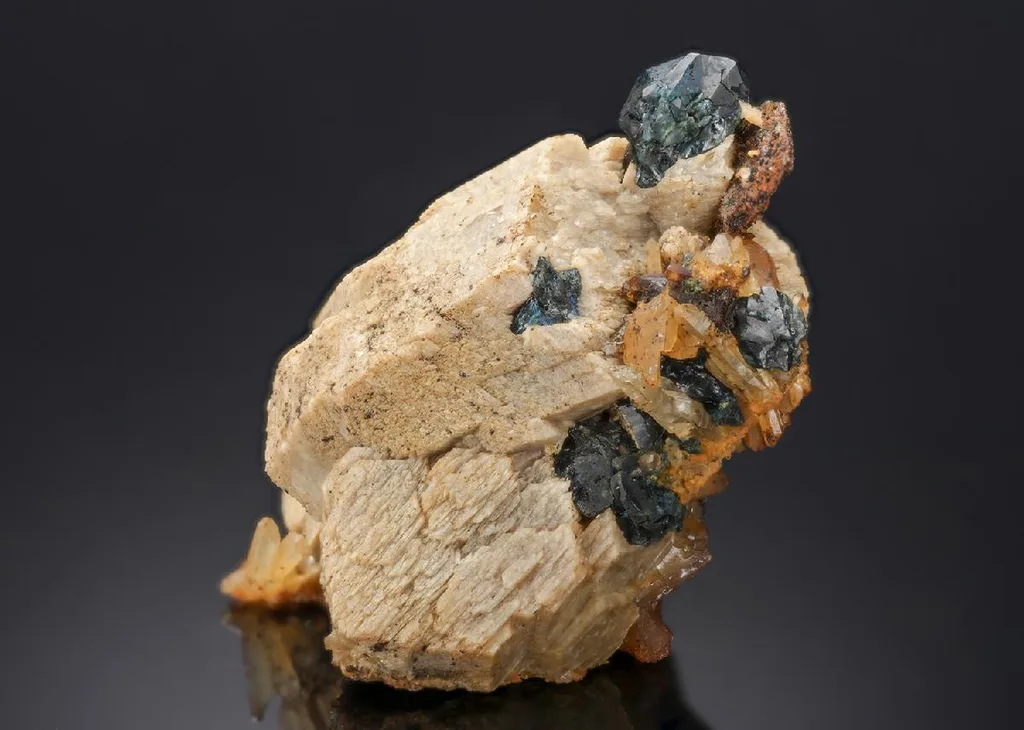
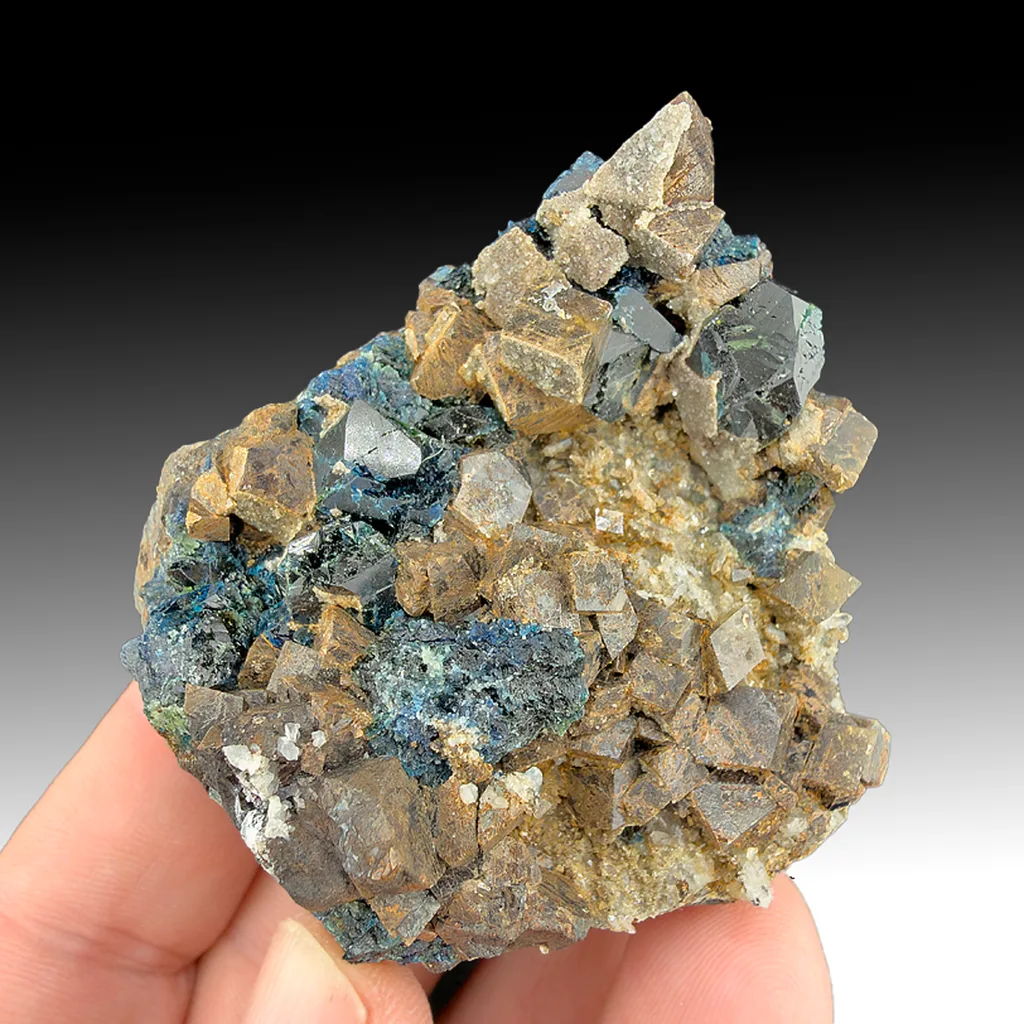
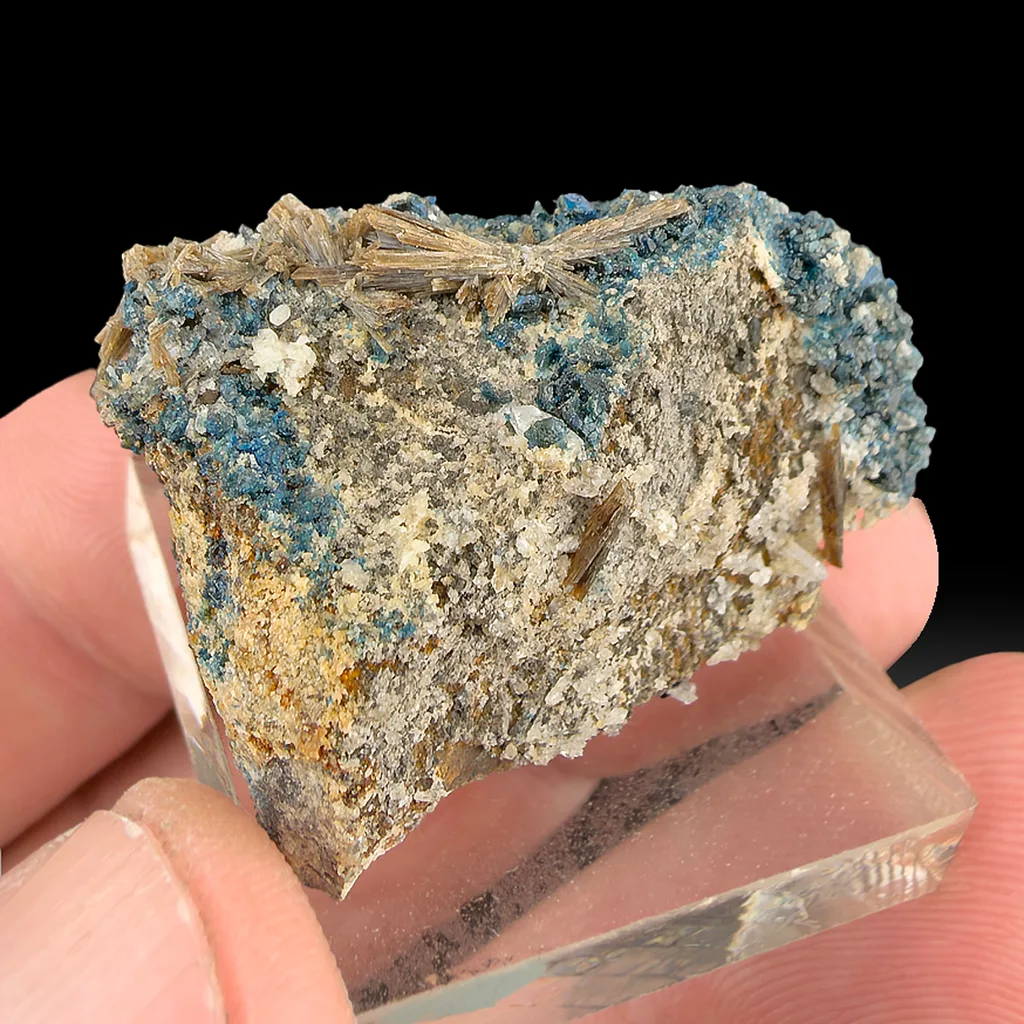
Lazulite is a mineral species in the phosphate group, typically forming blue to blue-violet, transparent to translucent crystals in well-formed prismatic habits. The crystals often exhibit a vitreous to slightly pearly luster and may occur in aggregates or as isolated prisms, sometimes with a basal pinacoid. Notable specimens come from classic phosphate terrains in countries such as Canada, the United States, Pakistan, Austria, and Afghanistan, where hydrothermal and pegmatitic environments have produced striking, gemmy crystals. Collectors prize lazulite for its vivid color and the way it contrasts with associated minerals in mineral-rich pockets.
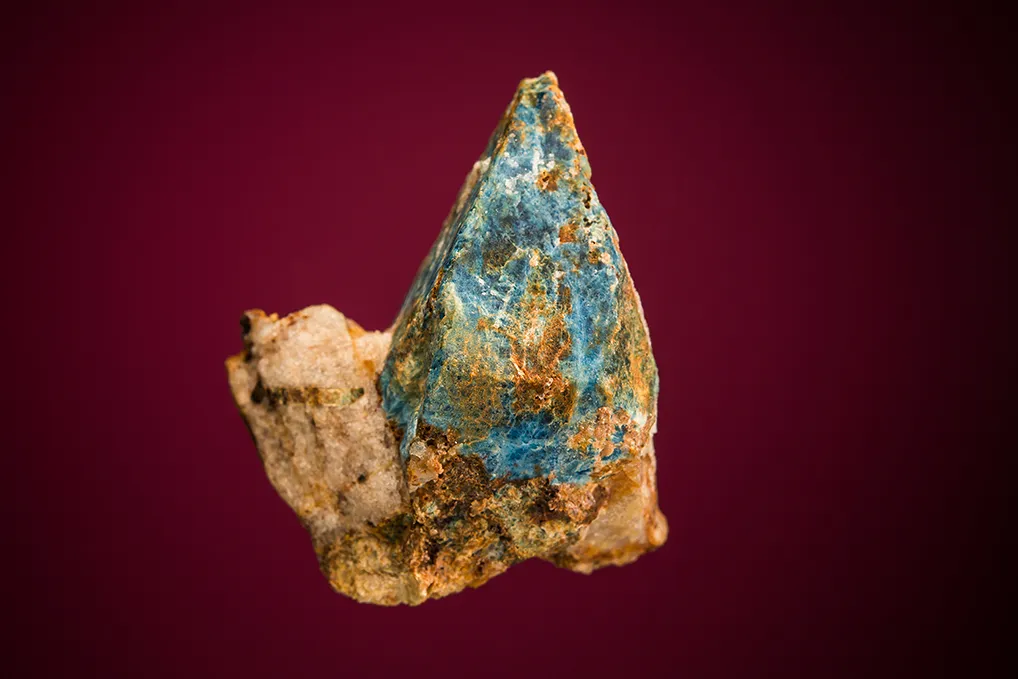
In collecting, lazulite is valued for its clear to deep-blue hues and the potential for sharp, well-defined faces that catch light. Crystalline forms can display silky sheen and subtle color zoning, which adds interest when seen in hand specimens or display cabinets. While not as common as more widespread phosphates, premium lazulite finds tend to come from historic mining regions and high-quality pegmatites, where meticulous trimming and careful storage preserve the crystals’ natural luster and color for study and display.