
Guide
29 for sale · $21–$10,000 USD
48 in the gallery
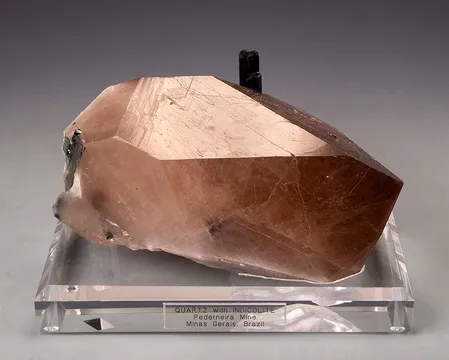
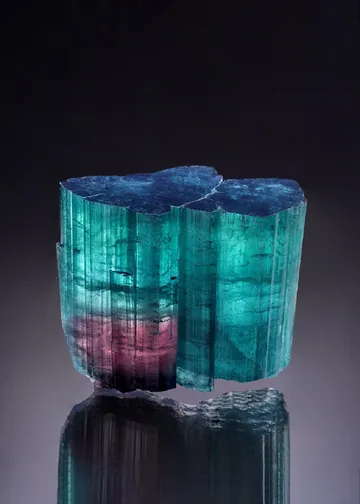
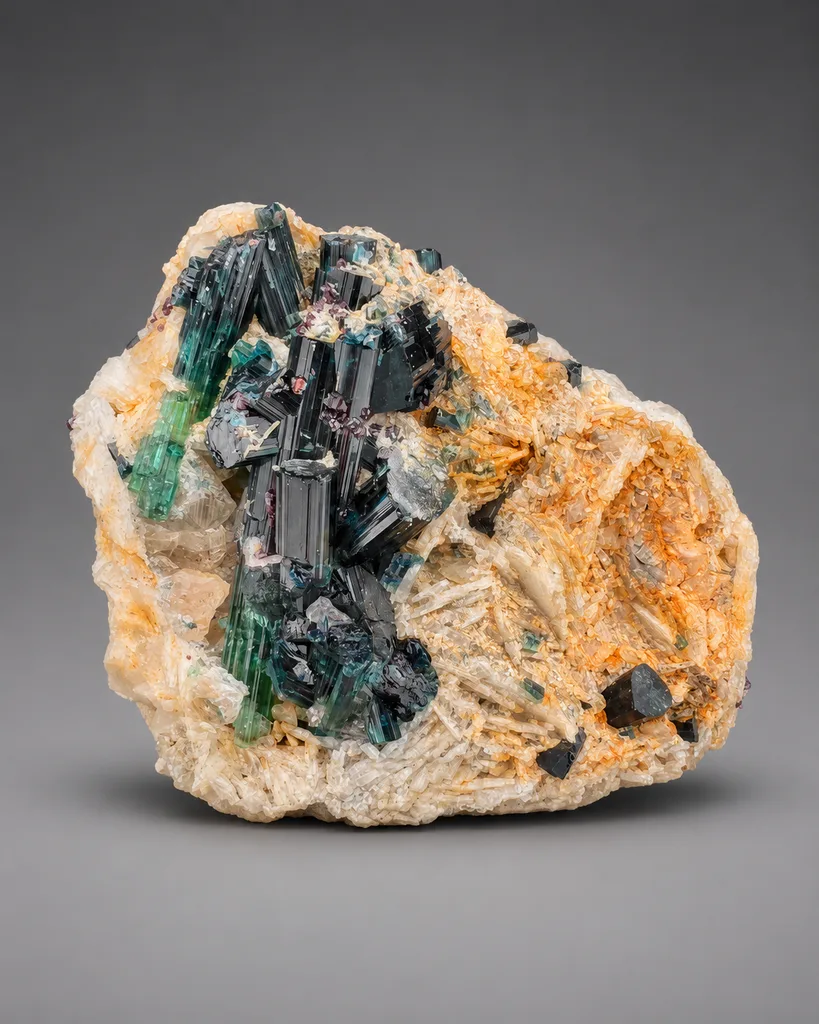
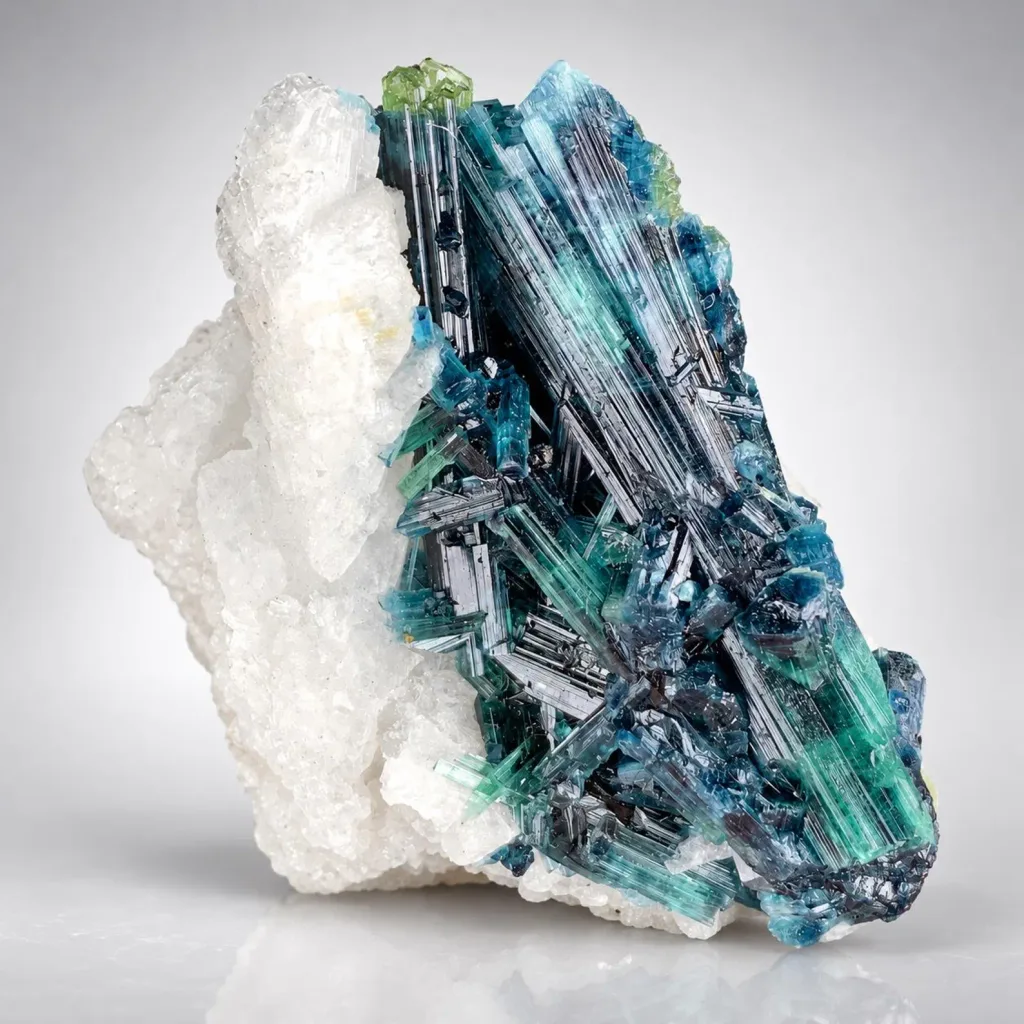
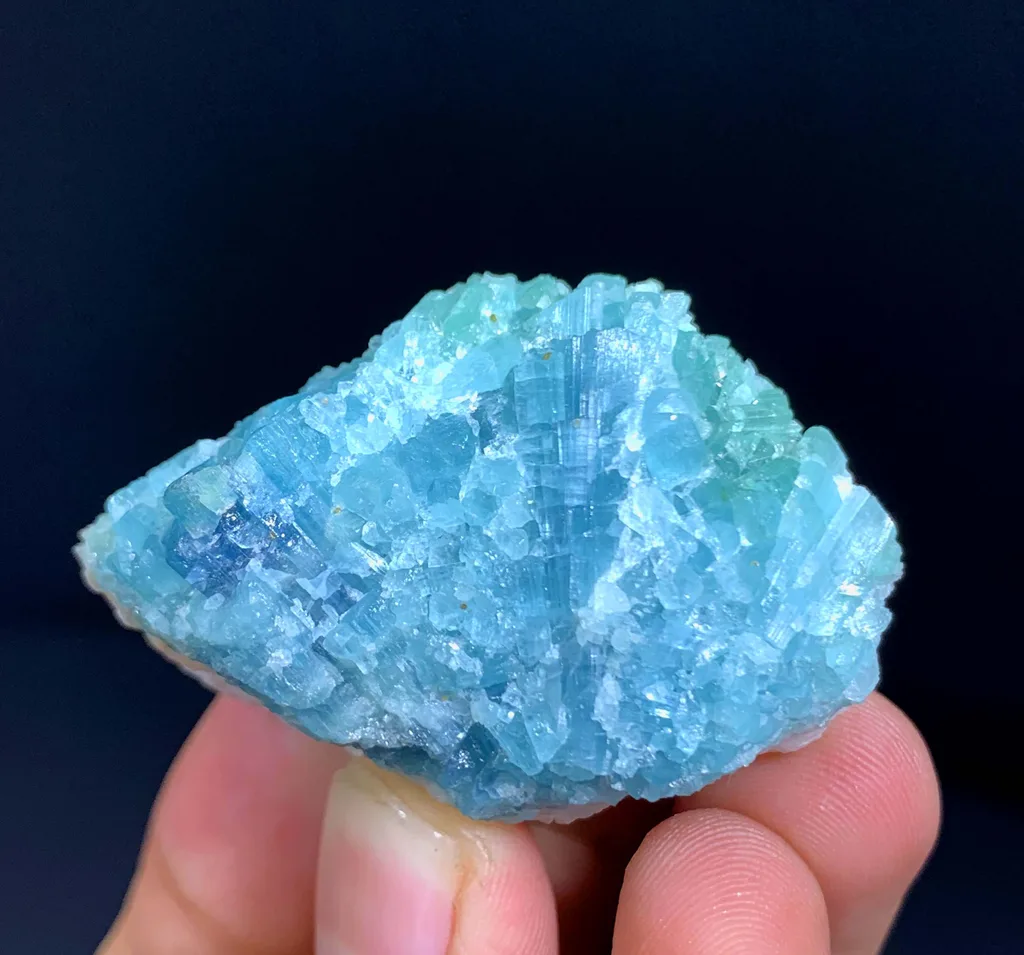
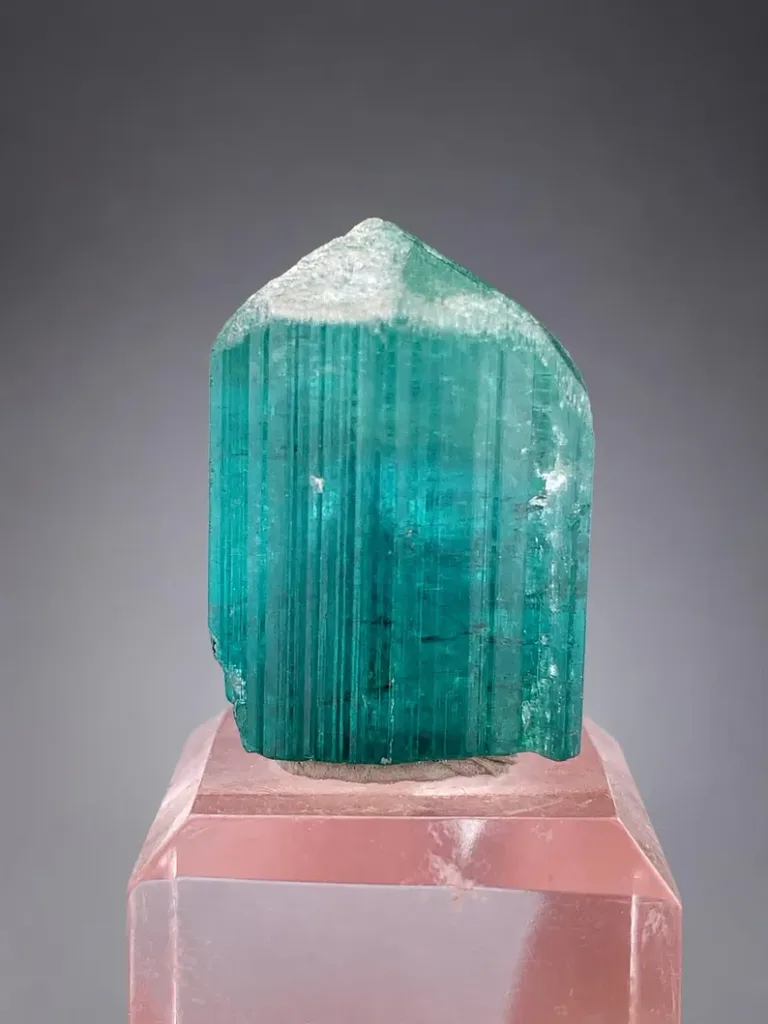
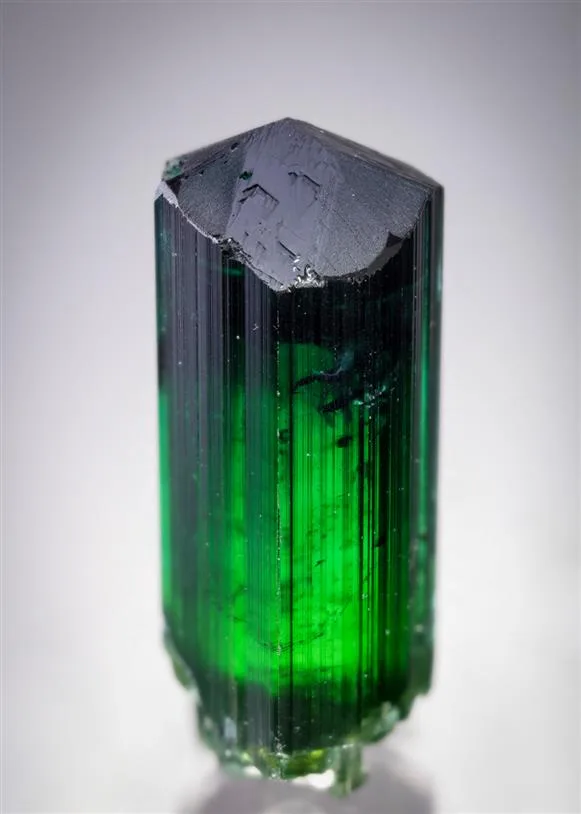
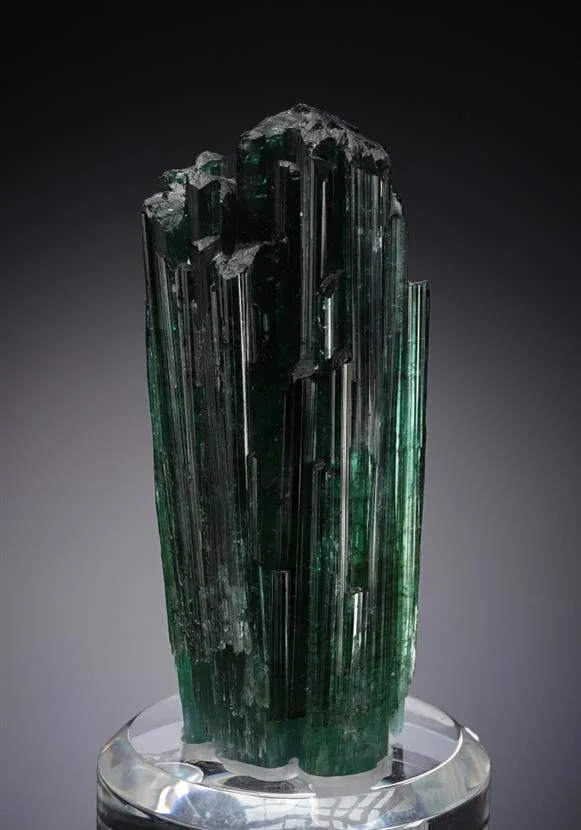
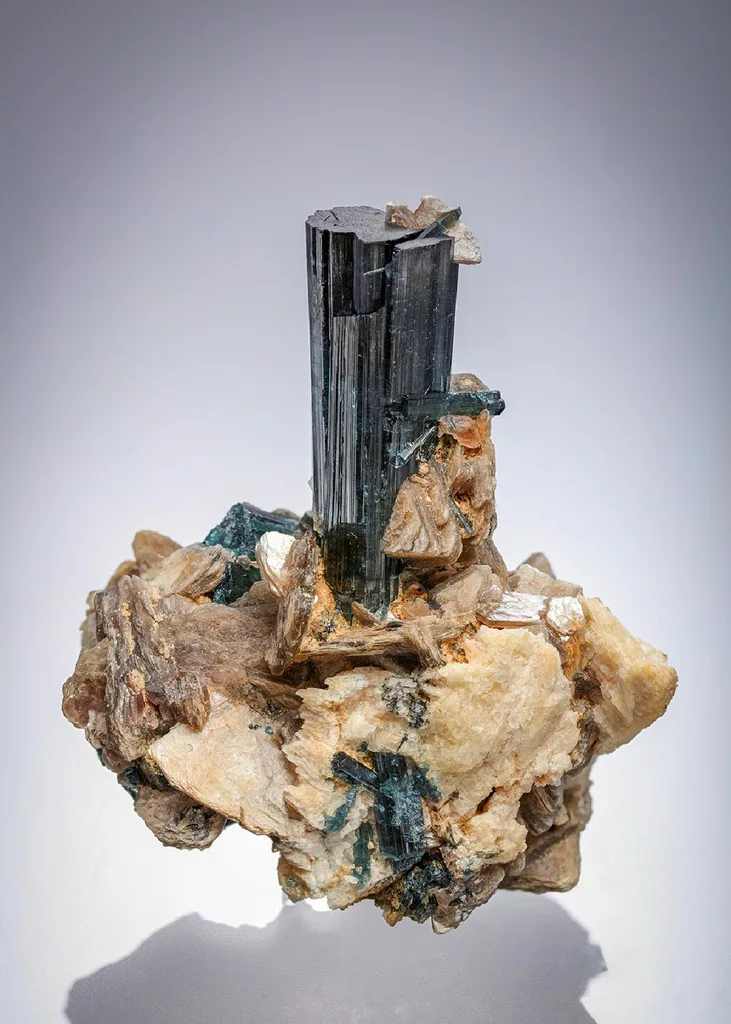
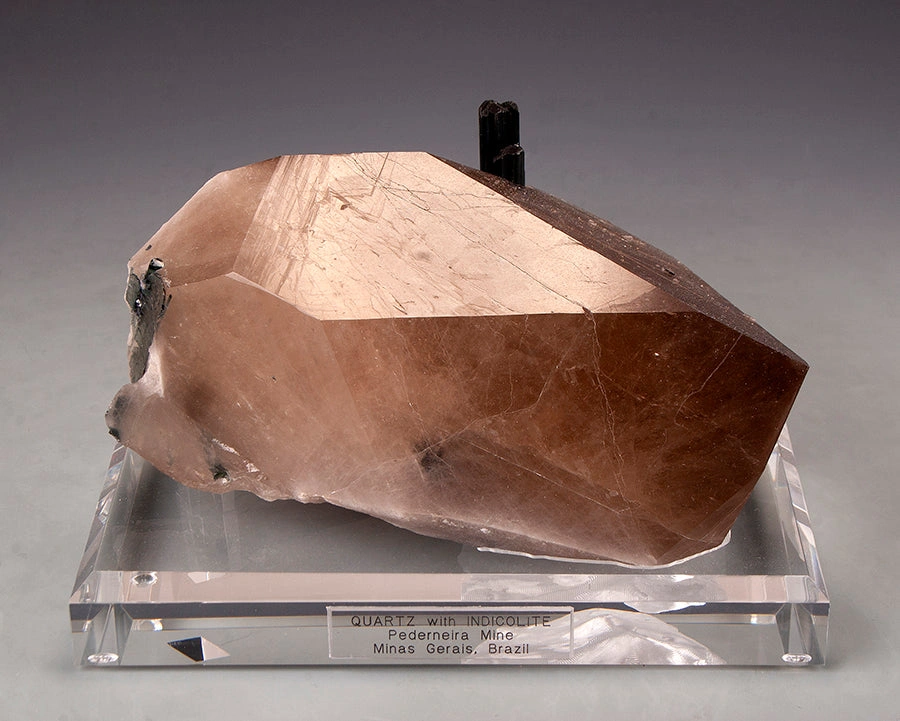
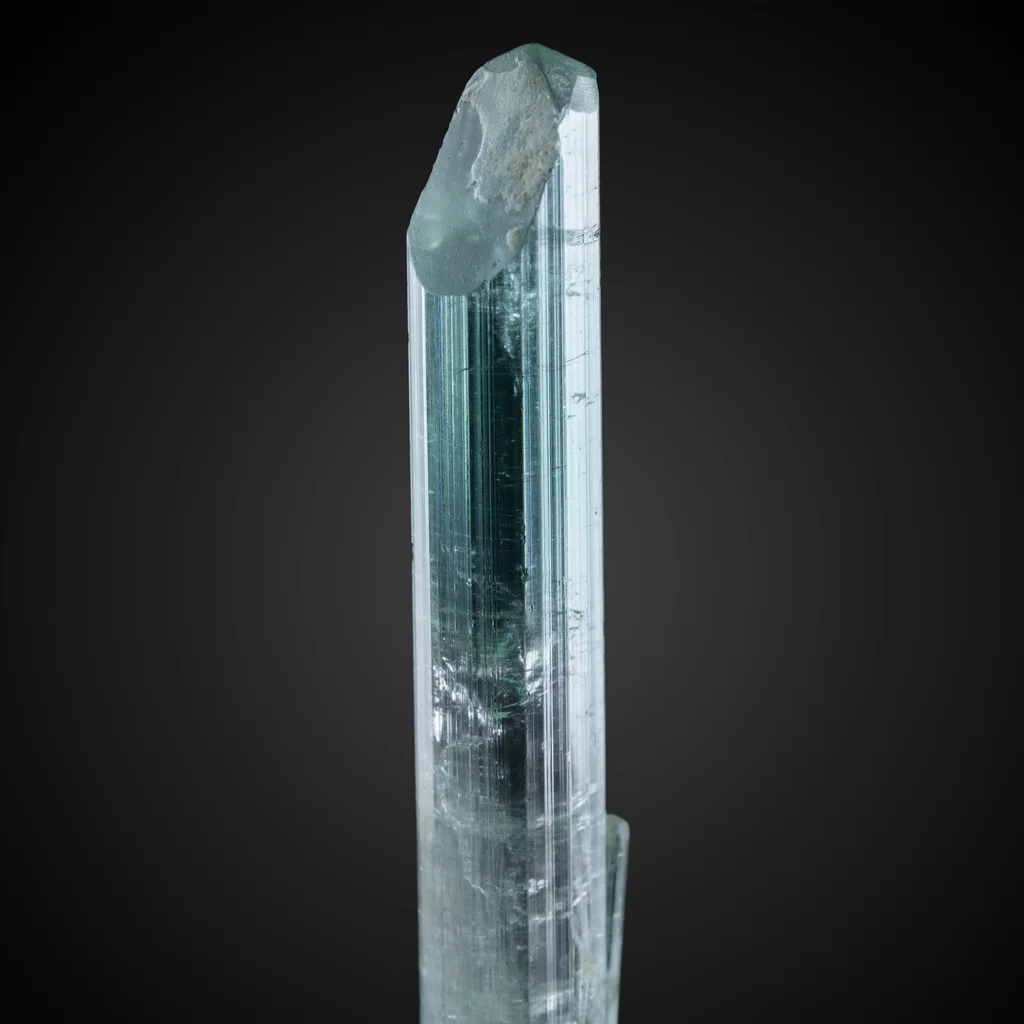
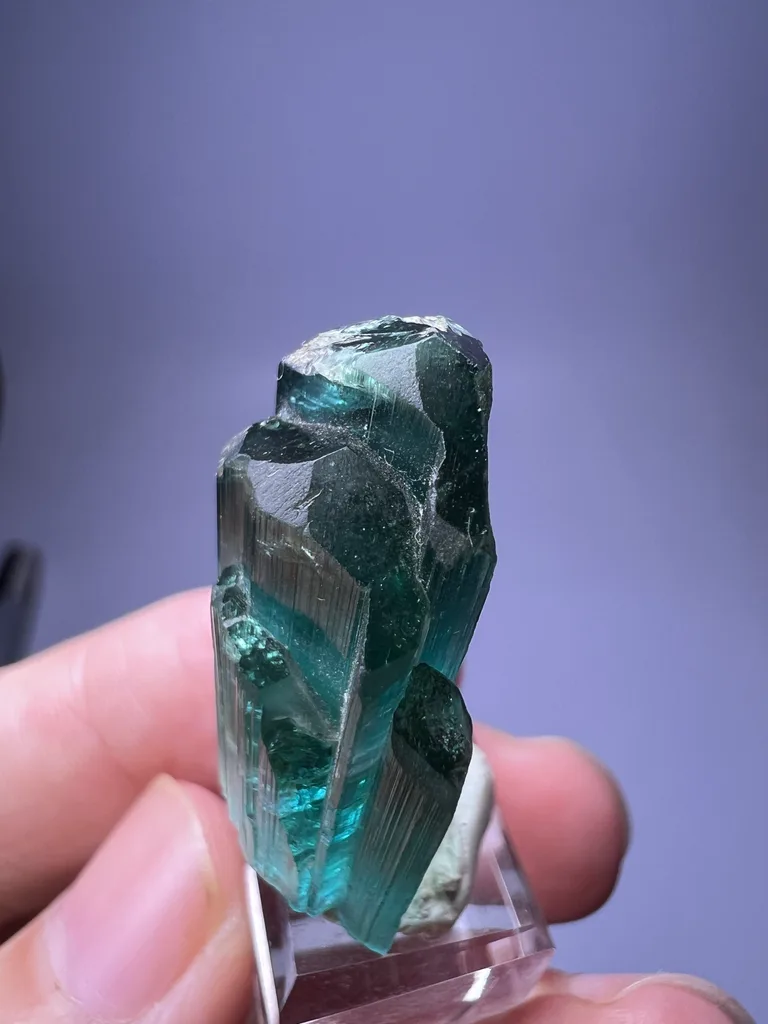
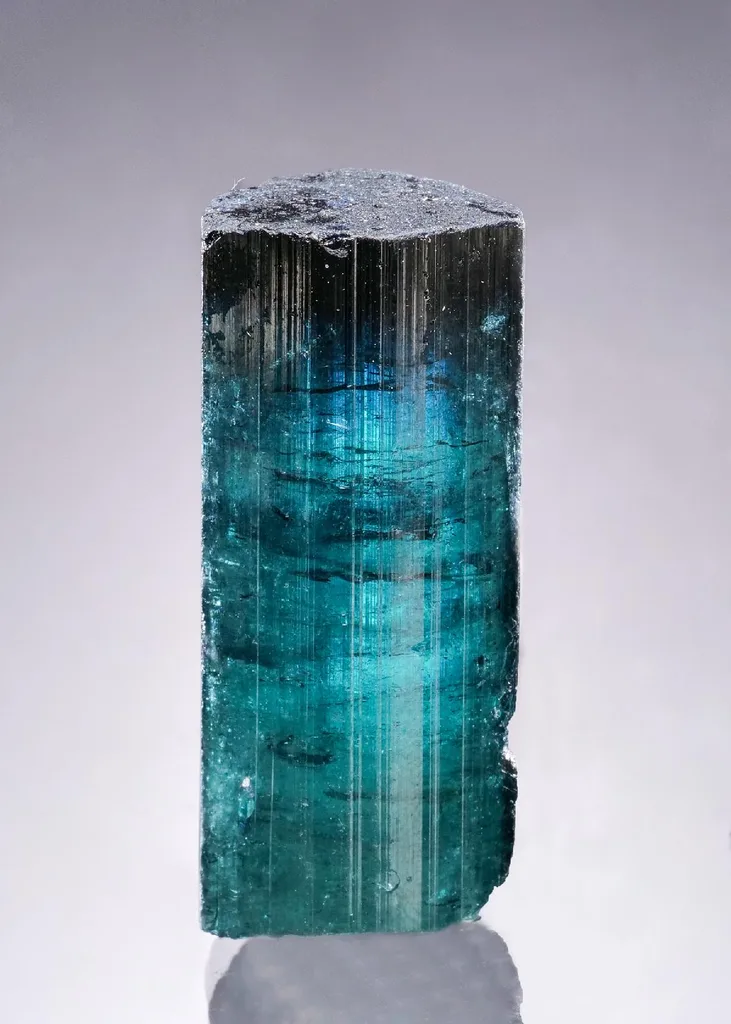
Indicolite is the blue variety of tourmaline, commonly forming deep blue to blue-green crystals with a vitreous luster and well-defined triangular prism habits. Crystals may show stepped terminations and zoning that reveals a spectrum from pale to intense blue, often with parallel growth patterns along elongated prisms. Notable specimens come from classic localities in Brazil and Afghanistan, with significant material also reported from the United States, Pakistan, and Namibia. The species is highly regarded for its vivid color, relative rarity in gem quality forms, and attractive crystal aesthetics that suit both cabinet display and collection highlights.
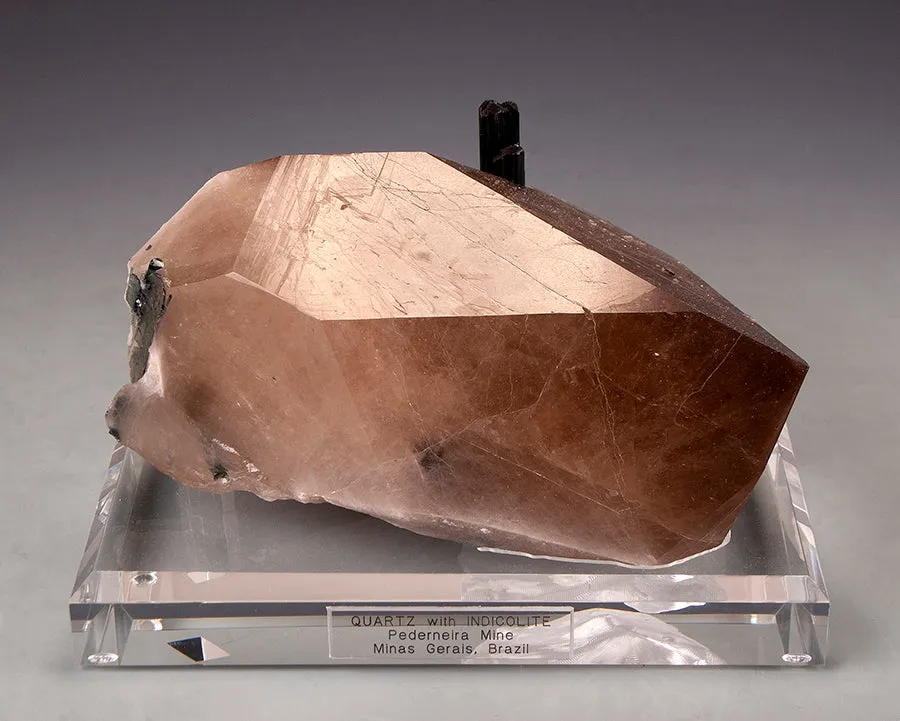
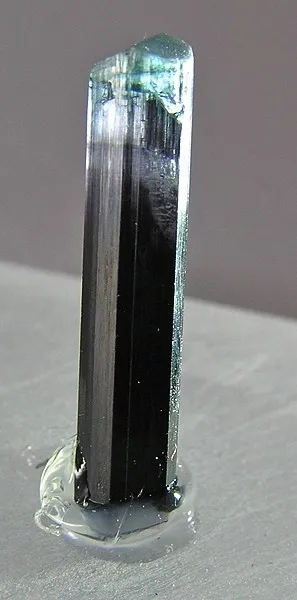
Collectors value indicolite for its color purity and crystal clarity, especially when paired with clean, lustrous faces and minimal inclusions. In museum and private collections, well-formed indicolite crystals showcase the characteristic tourmaline triply refractive behavior and strong pleochroism, displaying different hues from blue to teal when viewed from different angles. The mineral’s association with other tourmaline varieties and pegmatite environments adds to its interest, making good specimens from classical pegmatites particularly sought after by enthusiasts.