Guide

177 for sale · $50–$7,000 USD
481 in the gallery
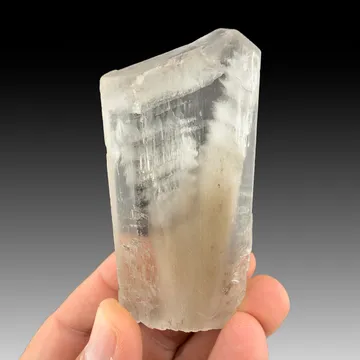
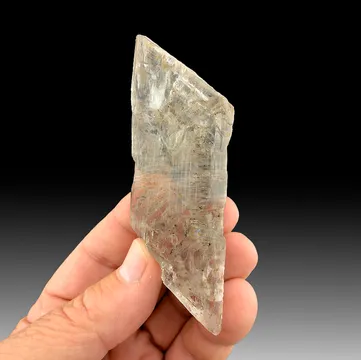
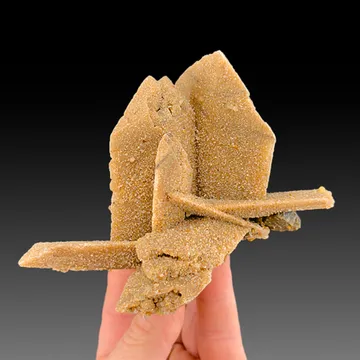
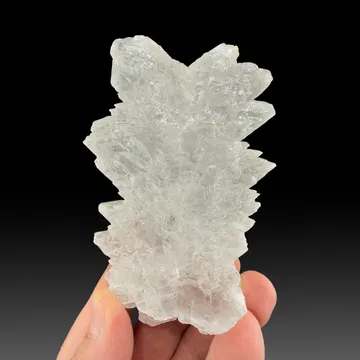
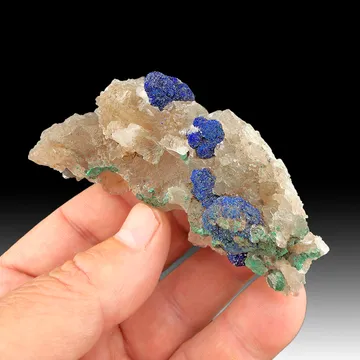
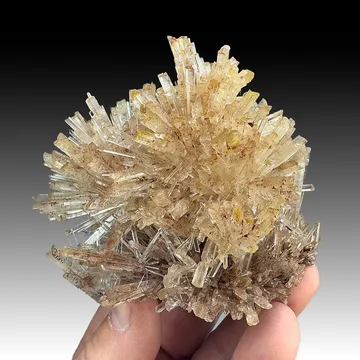
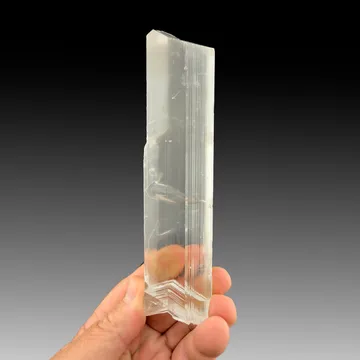
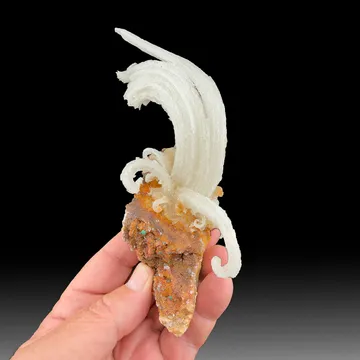
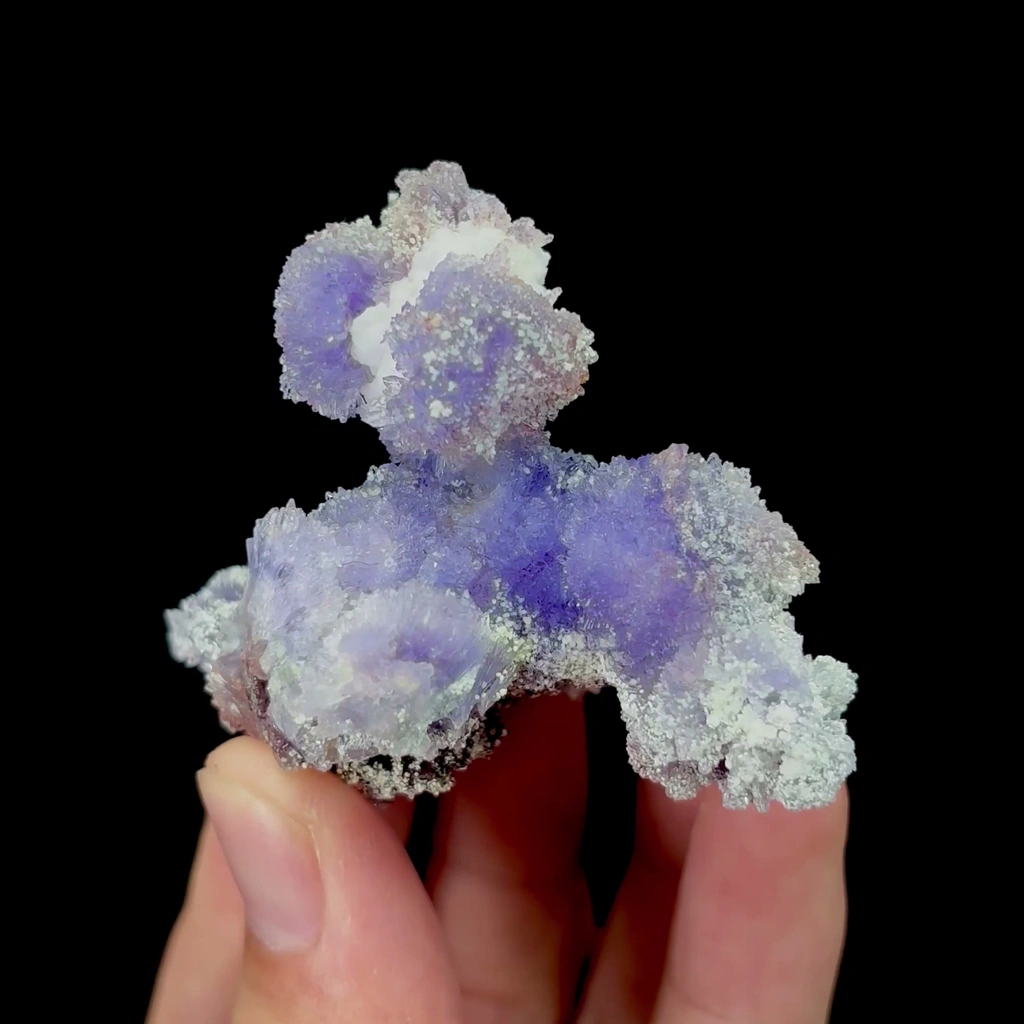
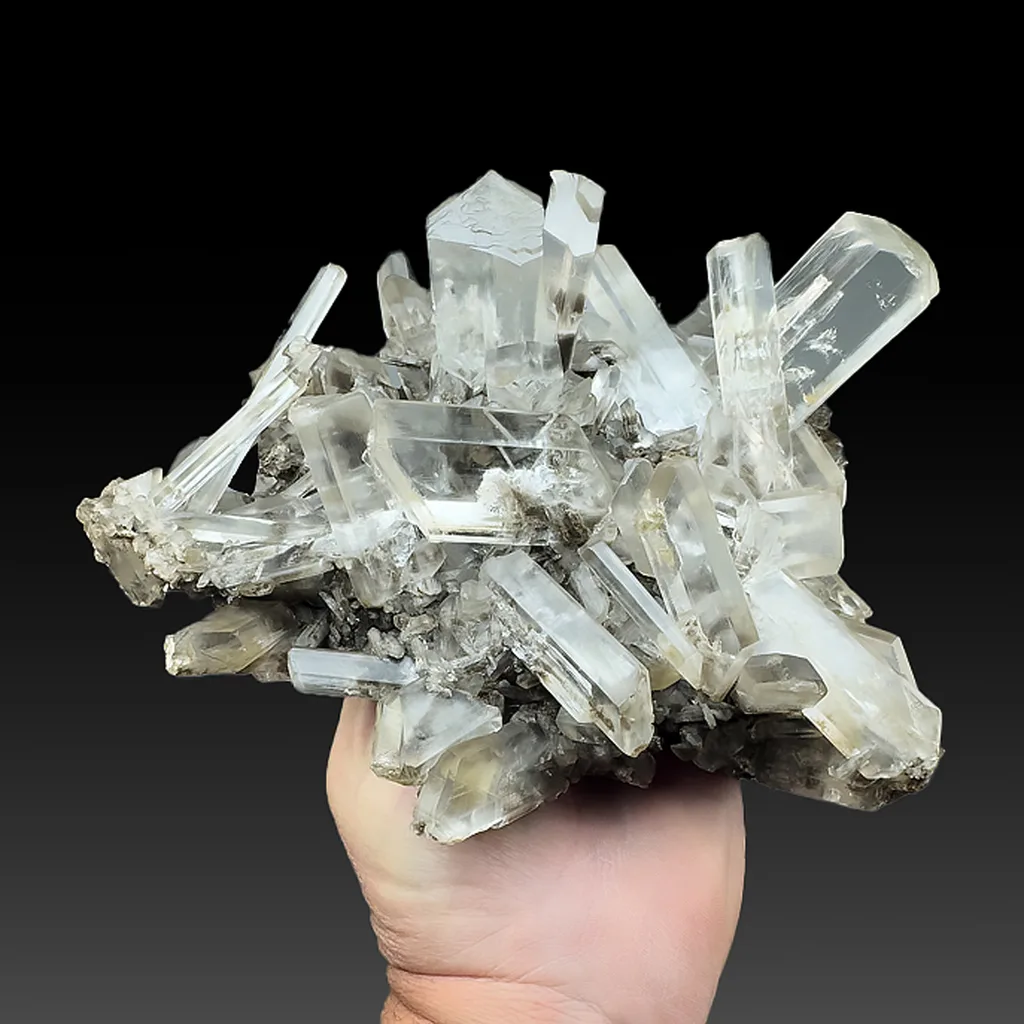
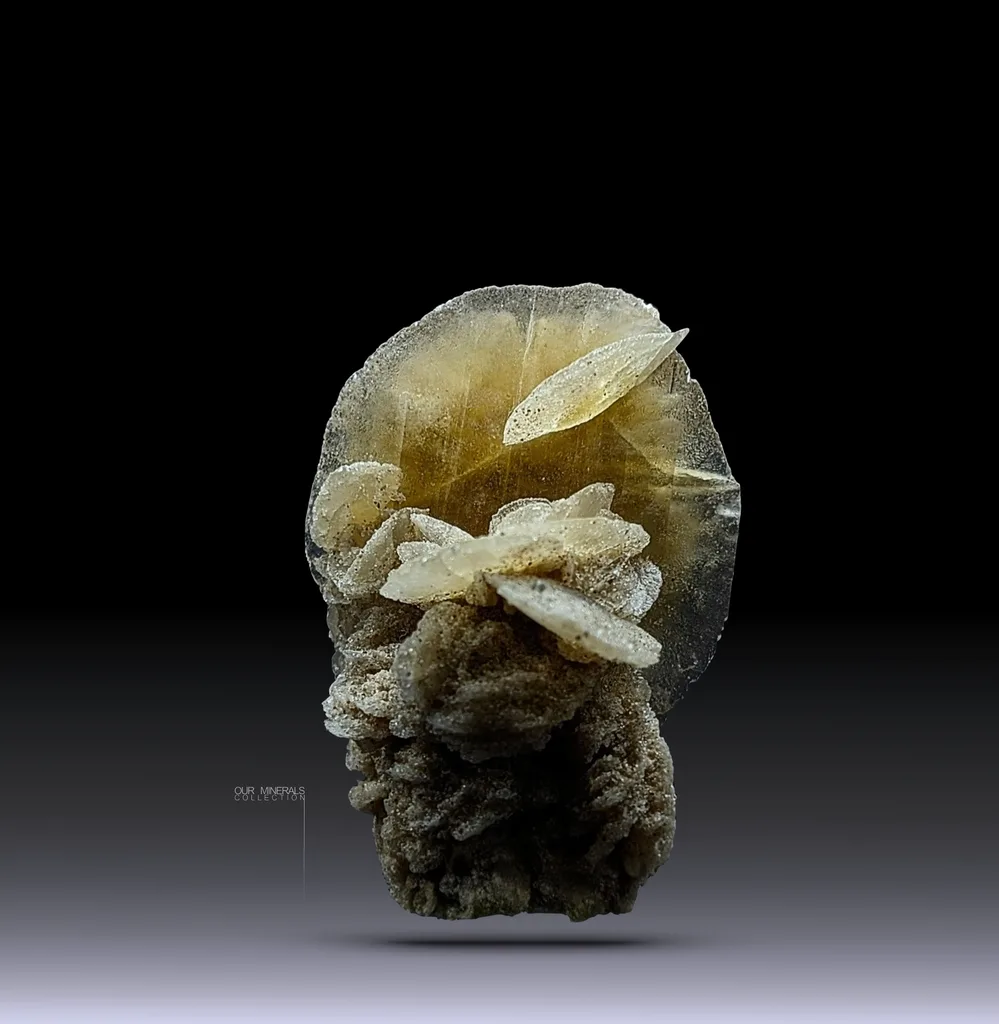
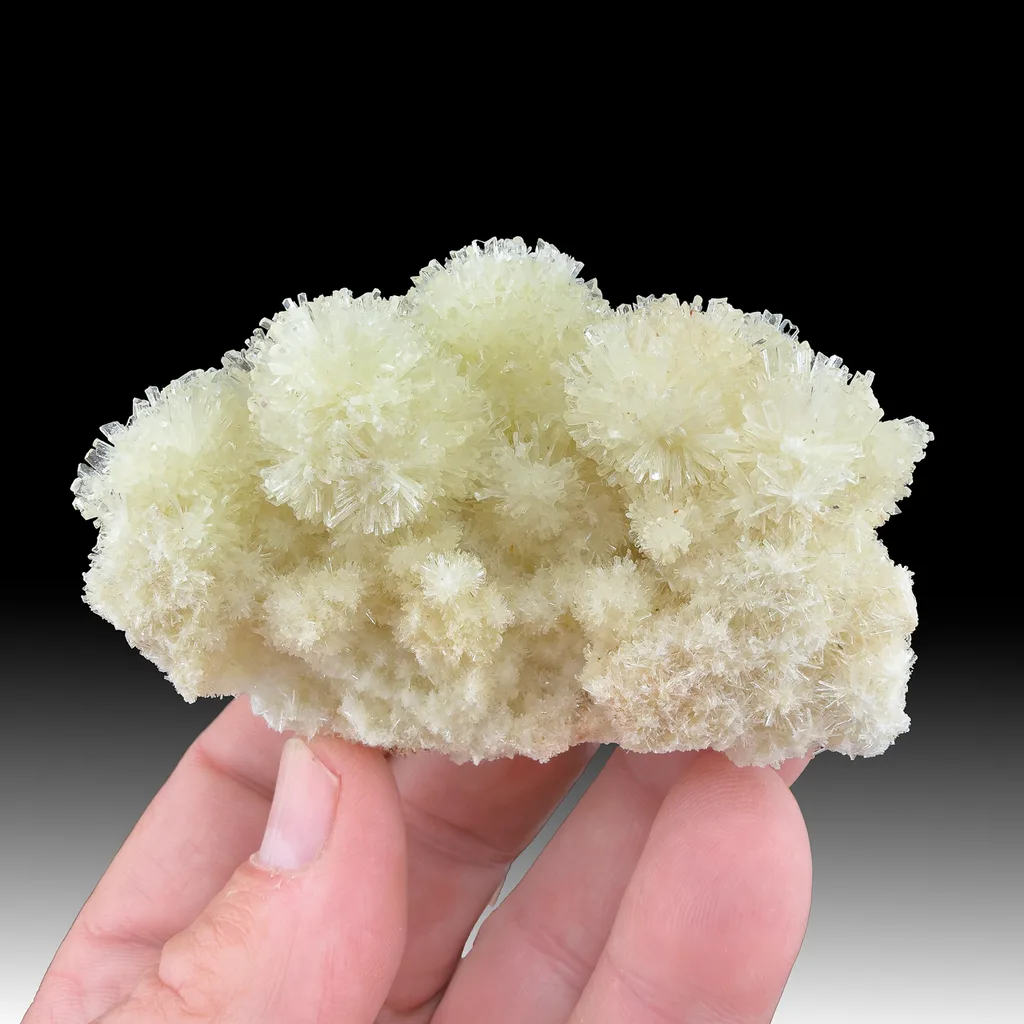
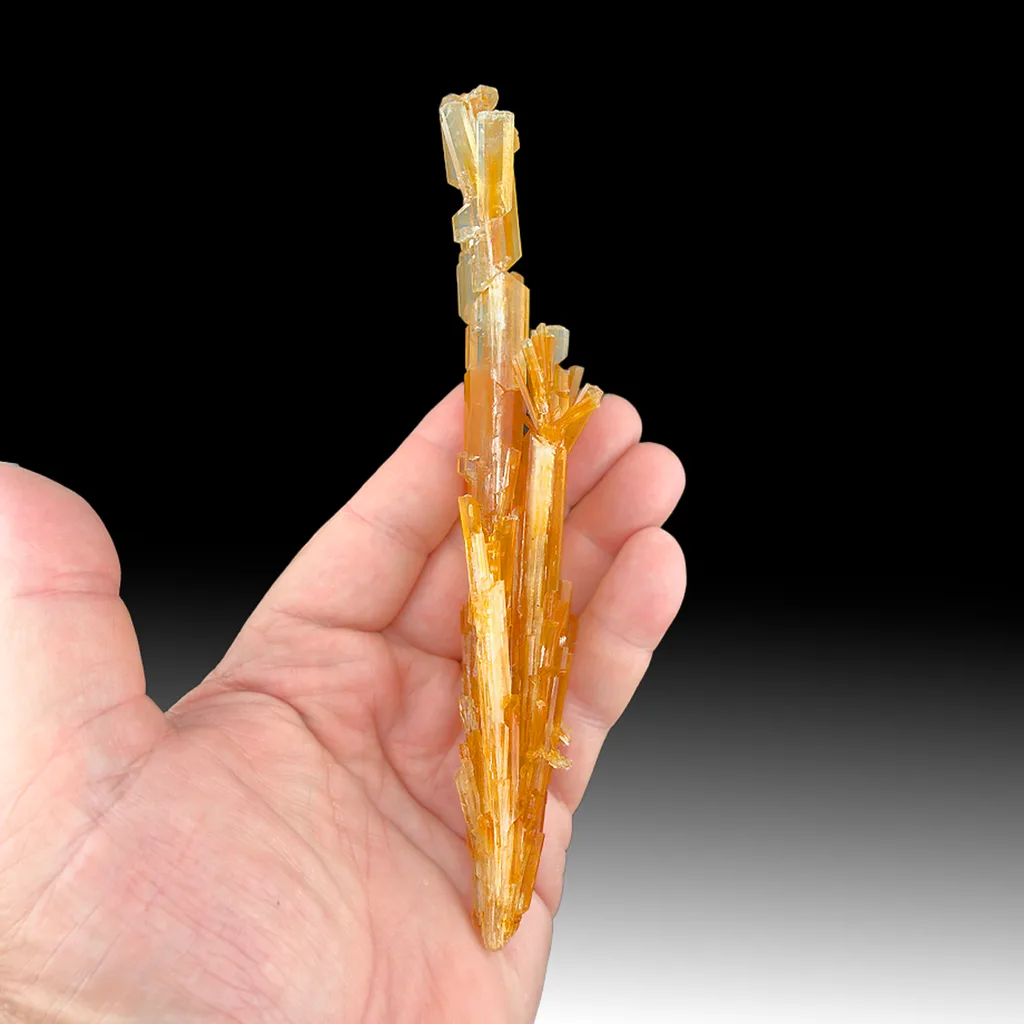
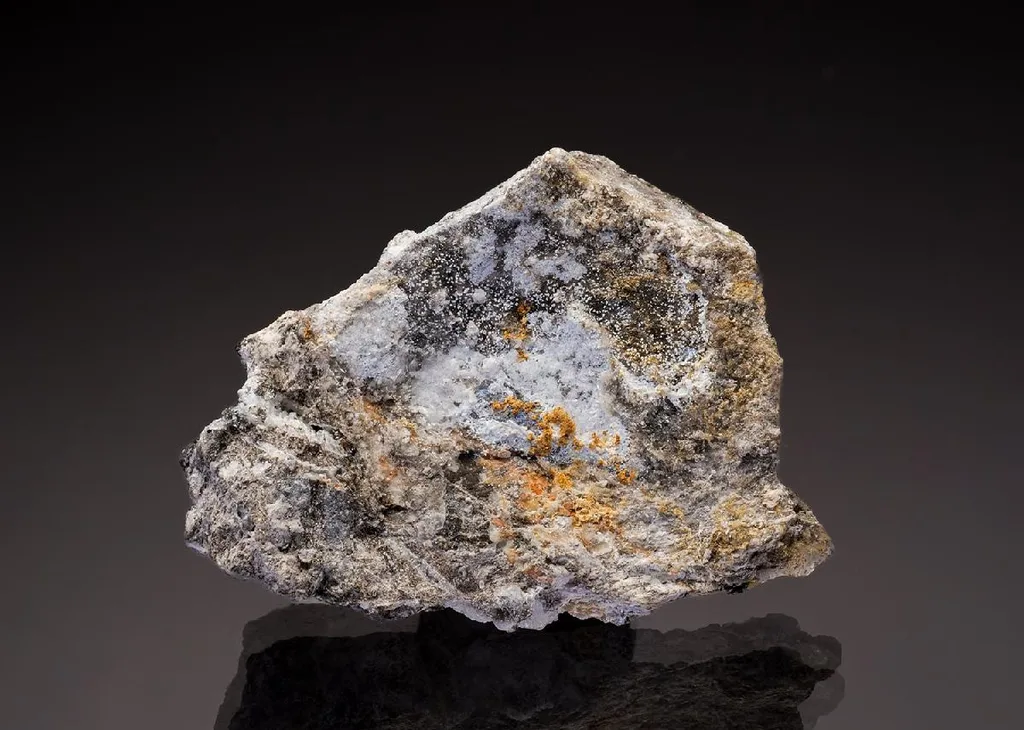
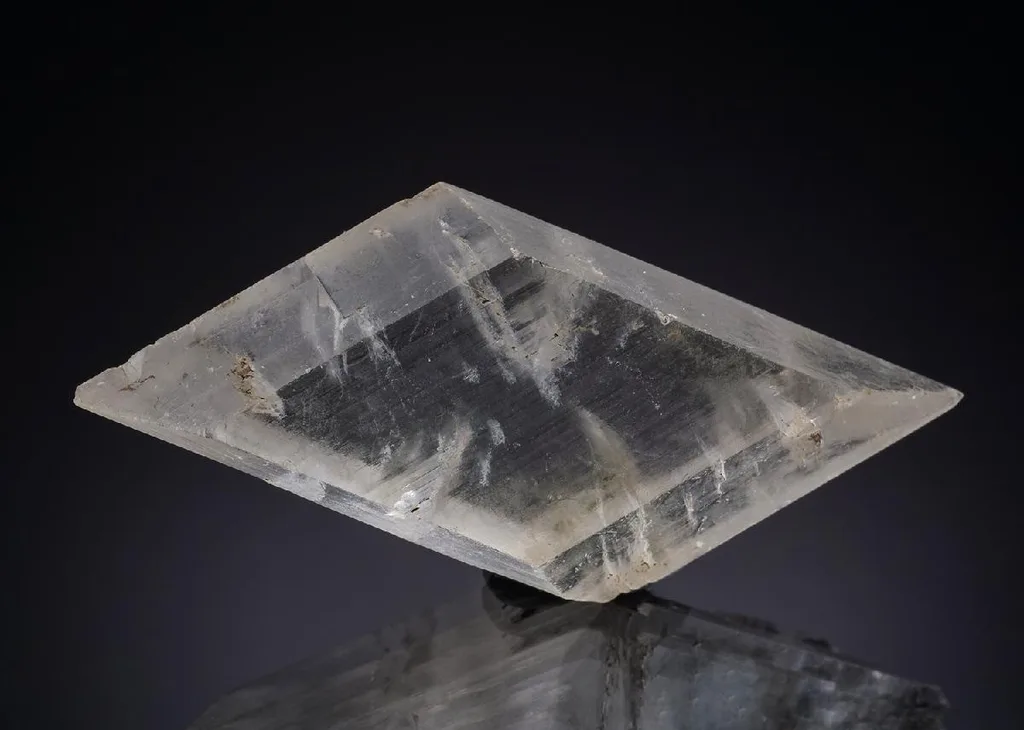
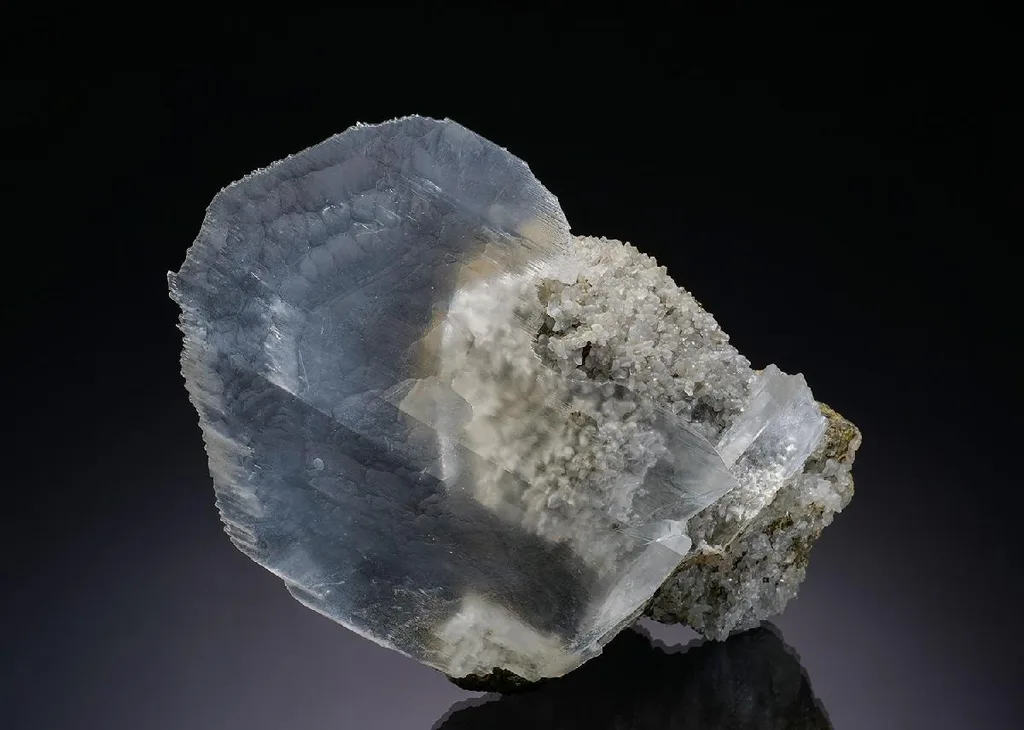
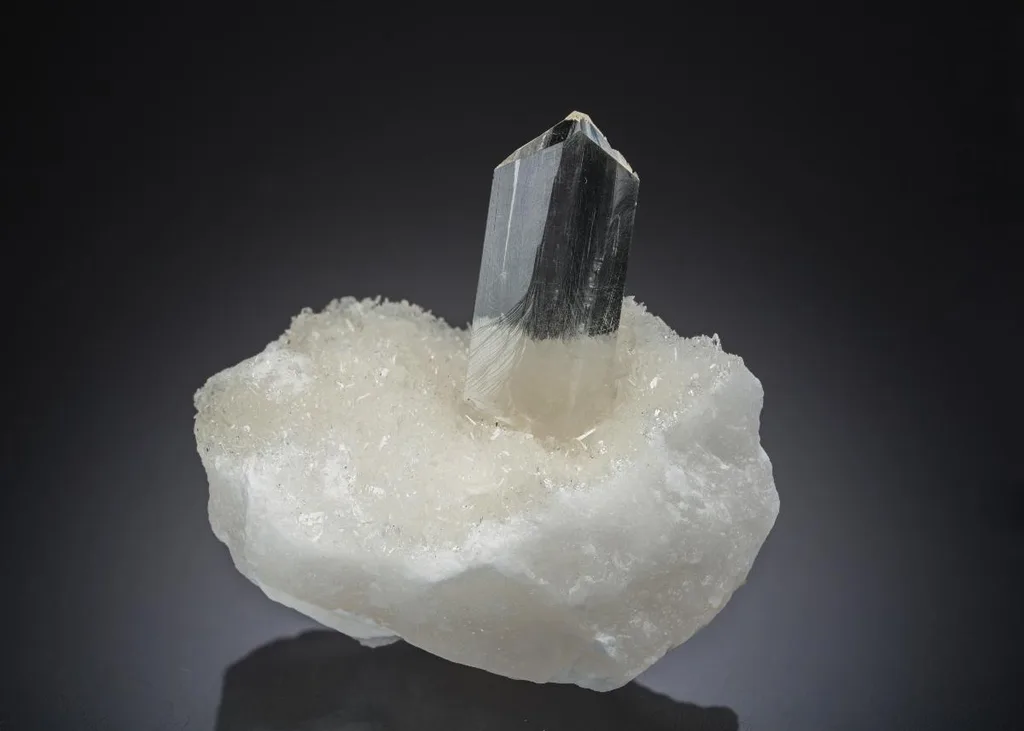
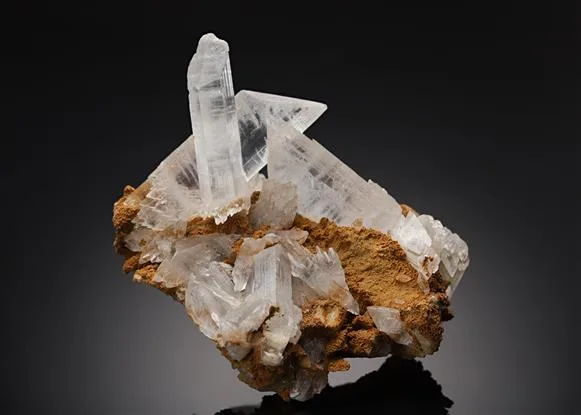
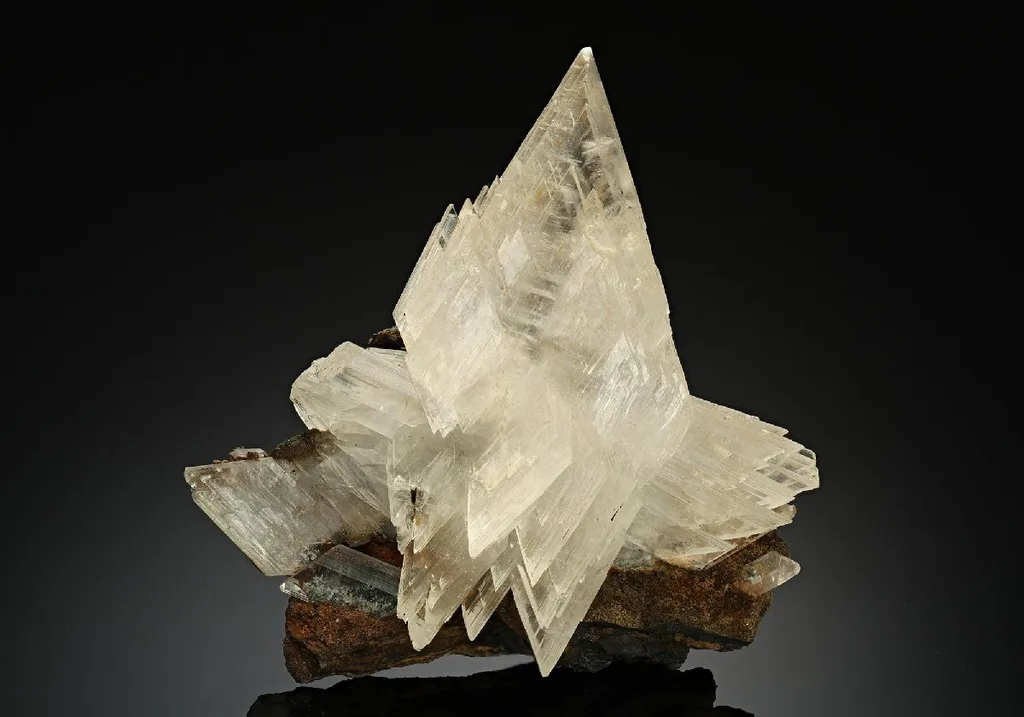
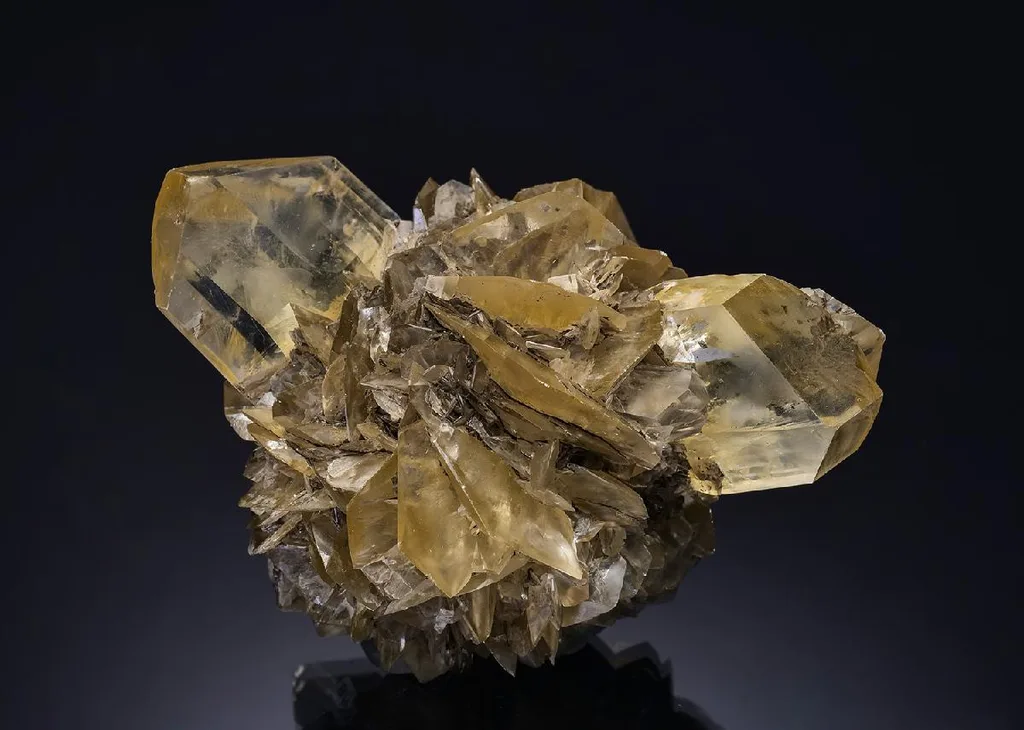
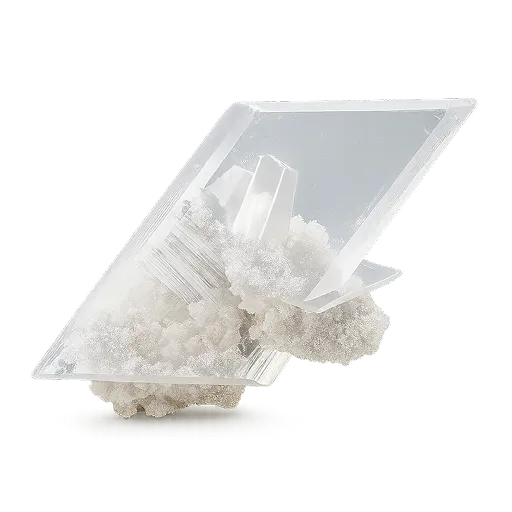
Gypsum is a common sulfate mineral that forms as colorless to white crystals and masses, often displaying a silky to pearly luster. It occurs in a variety of habits, including tabular crystals, fibrous masses, and translucent to transparent sheets in alabaster and satin spar forms. Dependent on setting, gypsum can be found in evaporite environments and hydrothermal veins, with notable specimens emerging from decomposed sedimentary rocks and evaporitic beds. High-quality crystals from classic localities exhibit sharp termination and lustrous faces, while alabaster shows smooth, opaque to translucent sculpted forms ideal for carvings and display.
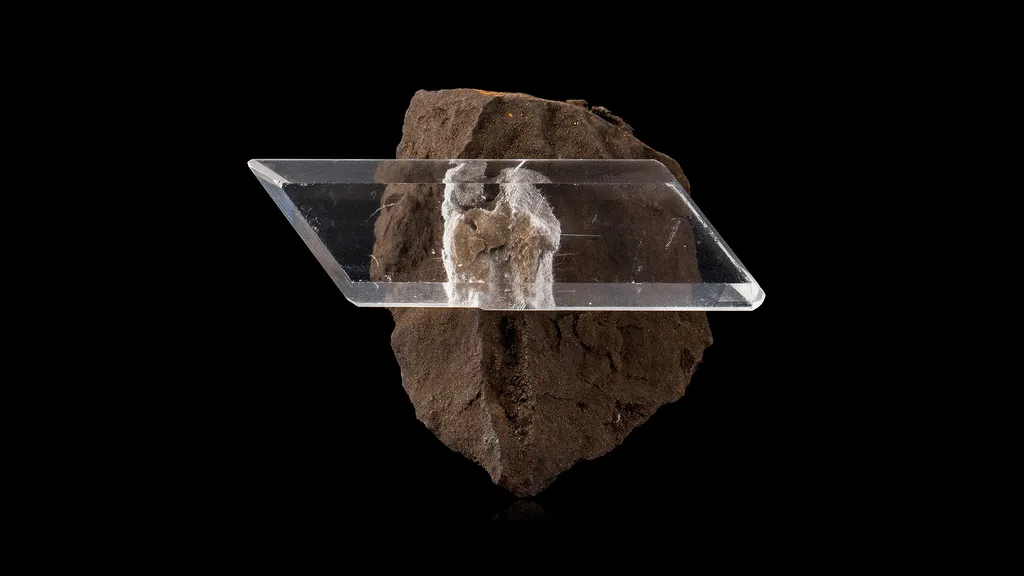
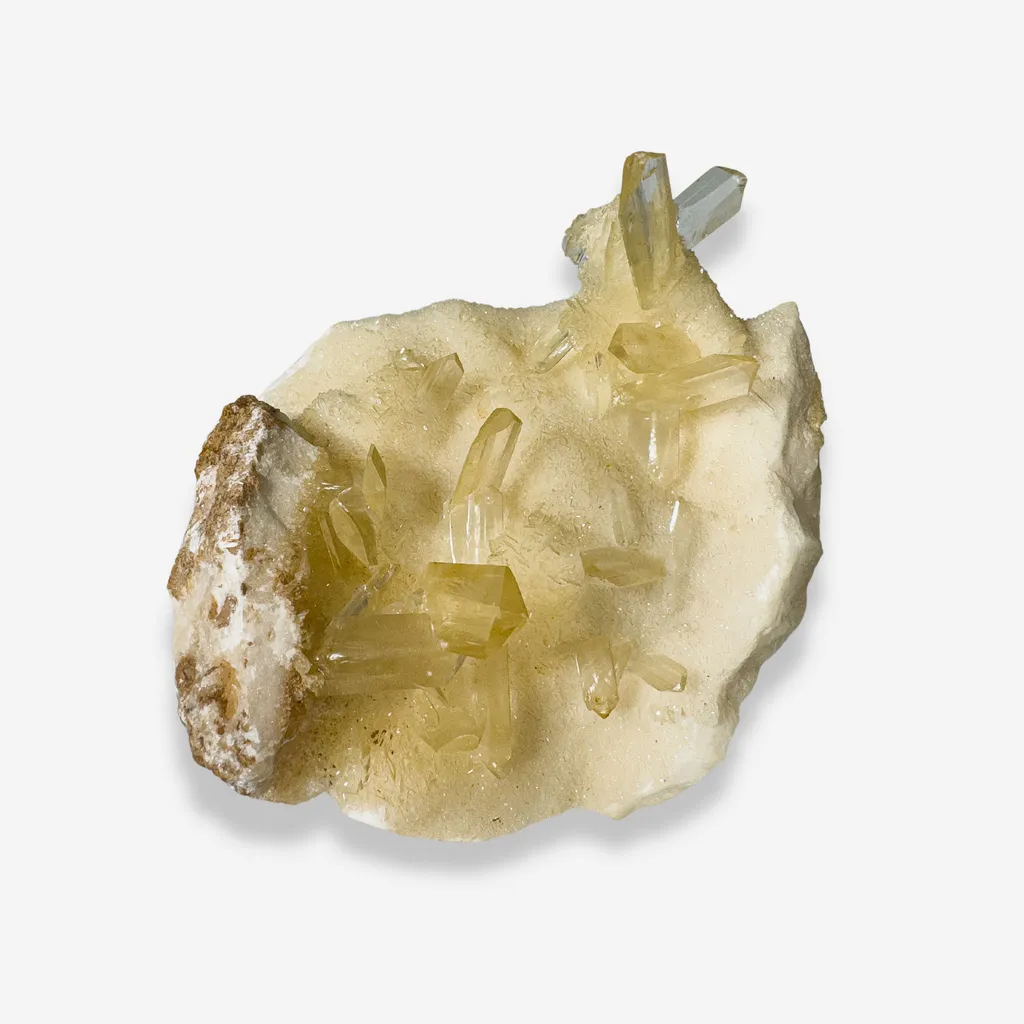
Collectors prize gypsum for its range of appearances, from delicate, nearly transparent crystals to creamy, sculpted masses in alabaster. Classic destinations such as Mexico, the United States, Canada, Peru, and Australia yield a steady supply of well-formed specimens, reflecting gypsum’s widespread occurrence in sedimentary basins and arid climates. The mineral’s soft hardness and distinct cleavage make it an approachable addition for display mineral cabinets, while souvenir-grade alabaster remains popular with carvers and collectors seeking soft, workable material that still carries a classic mineral presence.