$160Median
4Sold (12 mo)
$60Last sale
17 for sale · $60–$3,000 USD
66 in the gallery
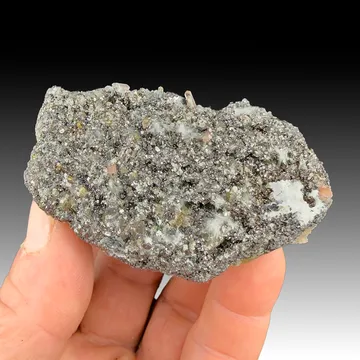
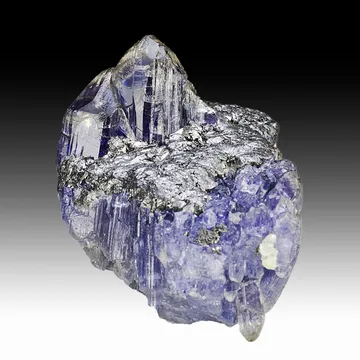
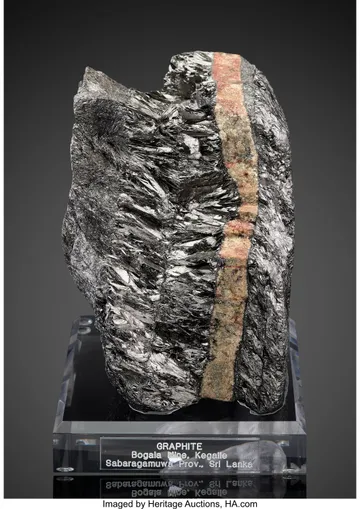
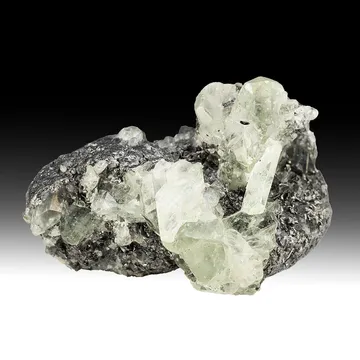
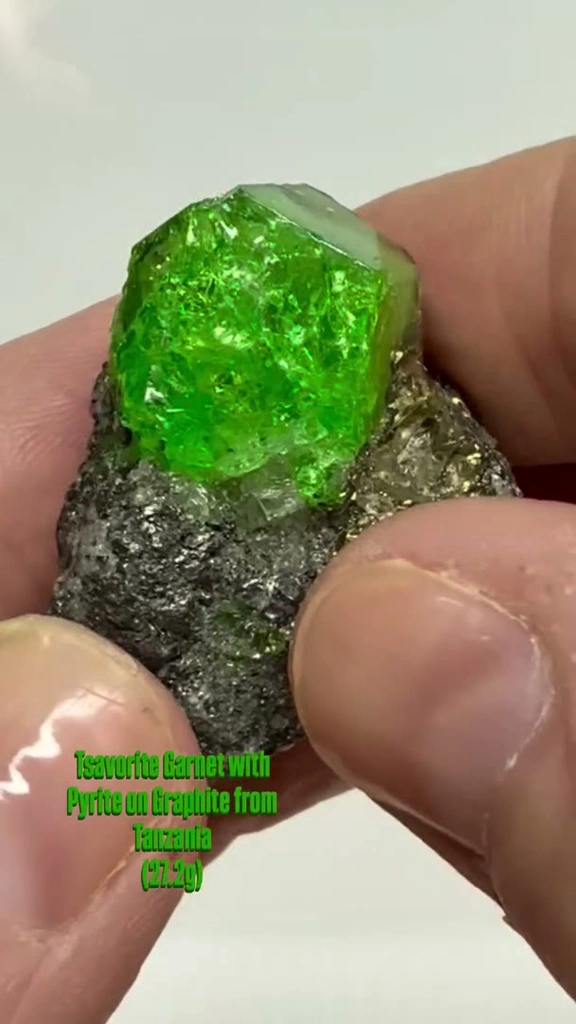
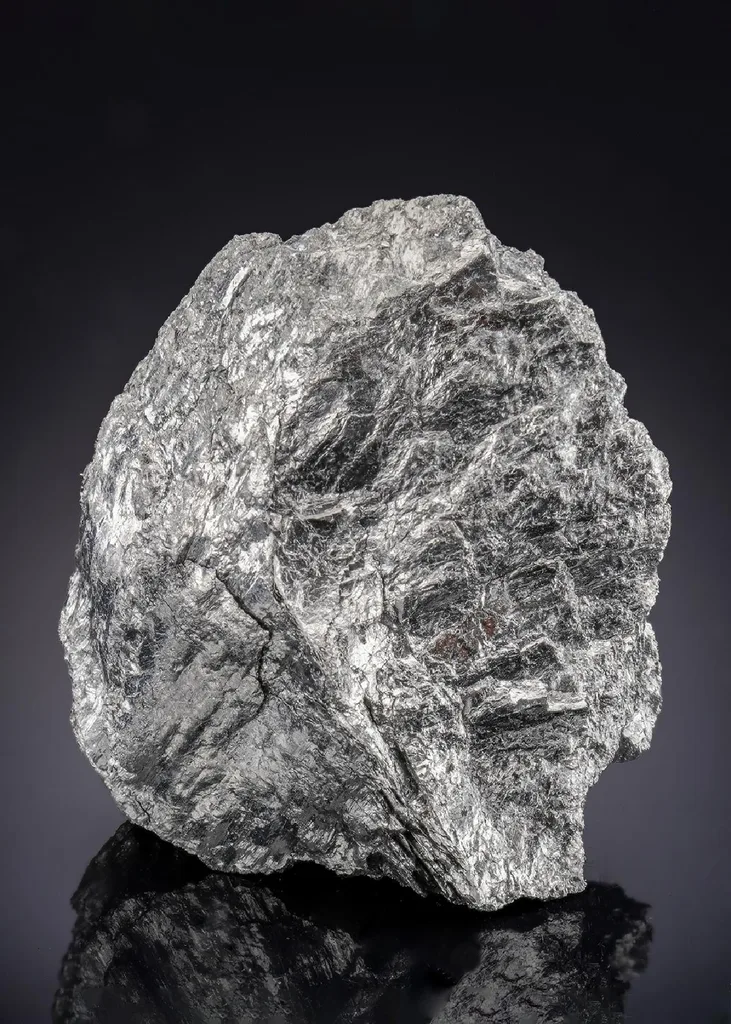
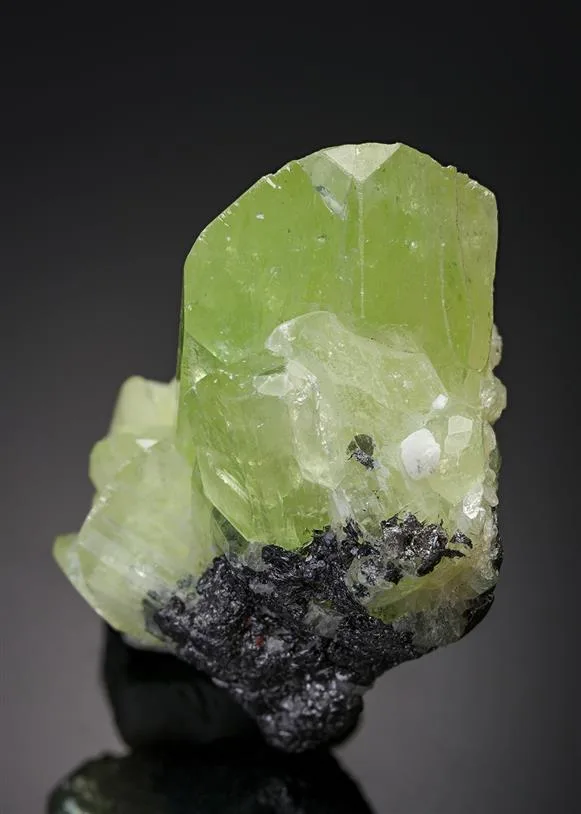
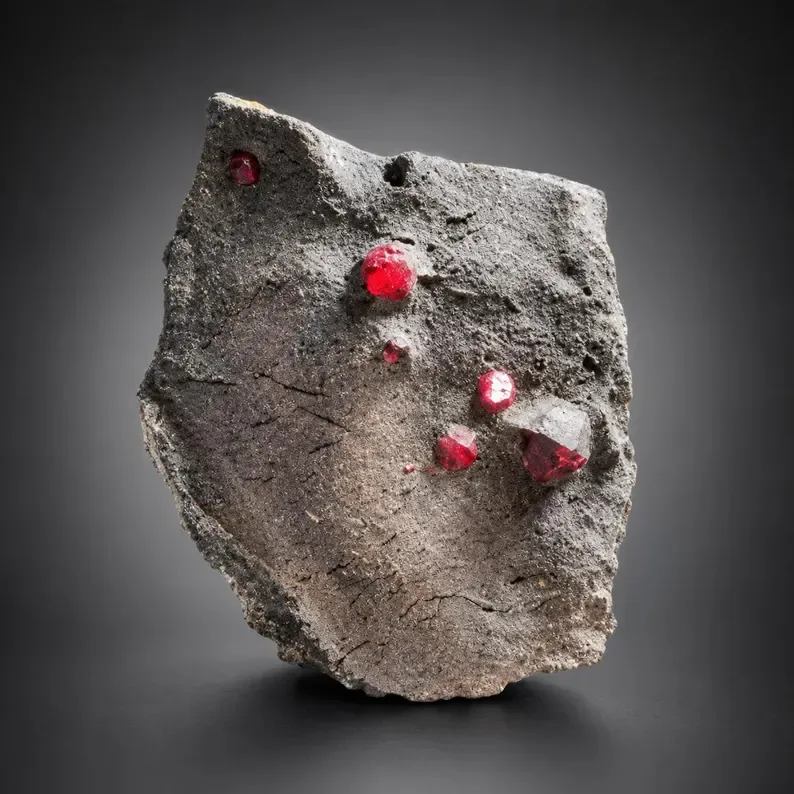
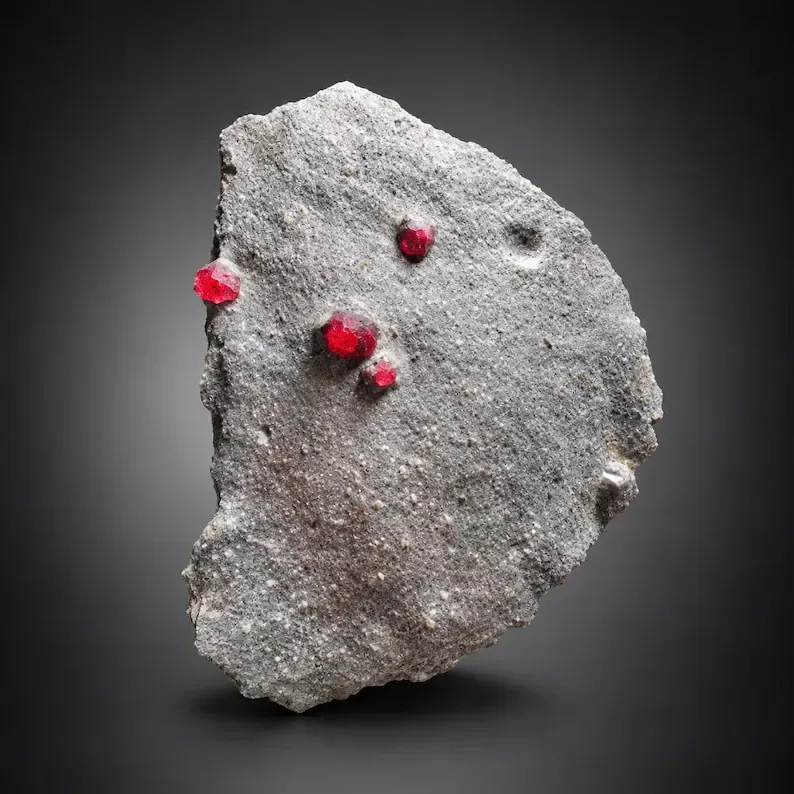
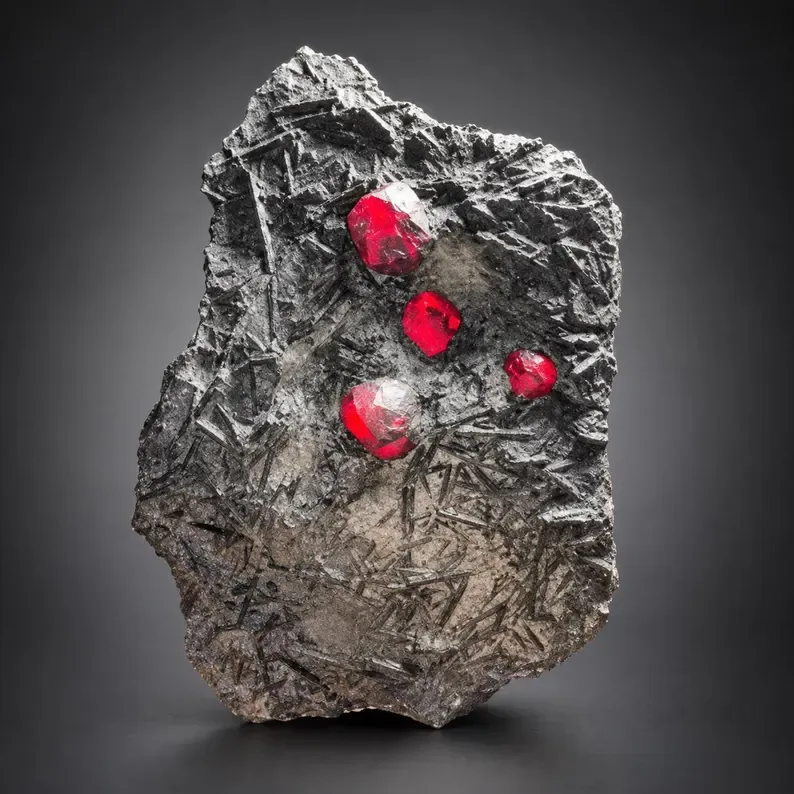
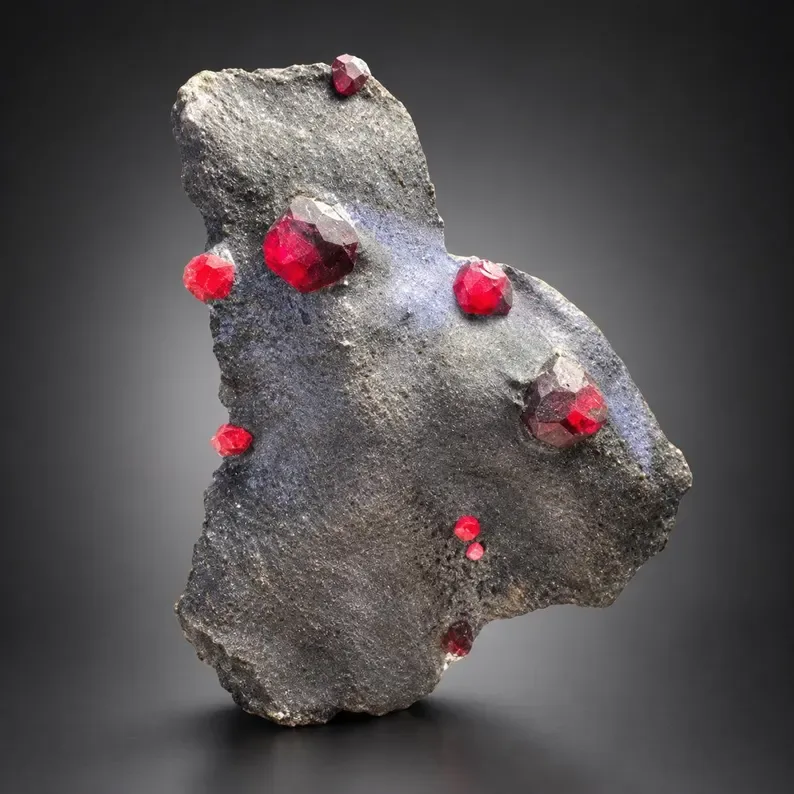
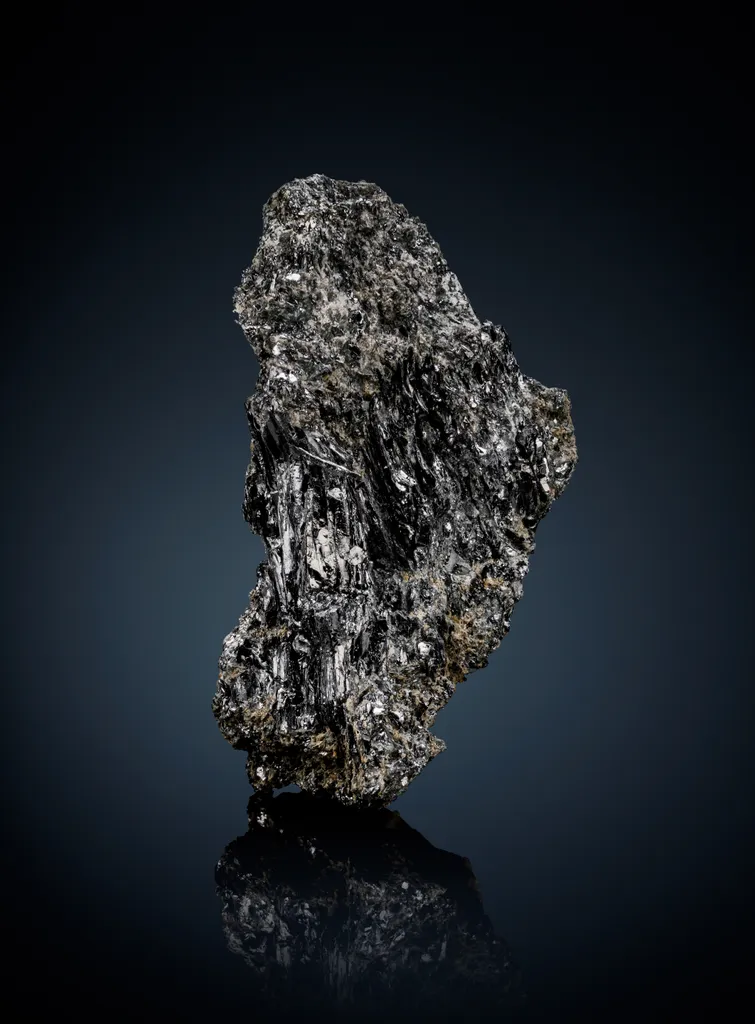
Graphite is a mineral of carbon known for its metallic to submetallic luster and sub-conchoidal to granular fracture. It commonly forms in flakes, sheets, or compact masses, often presenting a gray to black color with a distinctive silvery sheen on polished surfaces. Tugged by its highly variable habit, graphite can appear as lustrous plates or as compact, greasy-looking masses that leave a mark when rubbed against paper.
Notable localities include Tanzania, Canada, the United States, Sri Lanka, and China, where specimens range from large, glossy flakes to chunky, crystalline grains. Collectors prize well-formed growths with bright metallic luster and clean, planar faces, as well as large, lustrous flakes that reveal the mineral’s characteristic cleavage..Graphite’s appeal lies in its historical significance in pencil manufacture and its easy-to-prepare cleavage, which makes slice-and-polish pieces accessible to display. It also serves as a visually versatile accessory for mineral displays, pairing well with other carbon-bearing or metallic minerals to highlight both contrast and texture.