
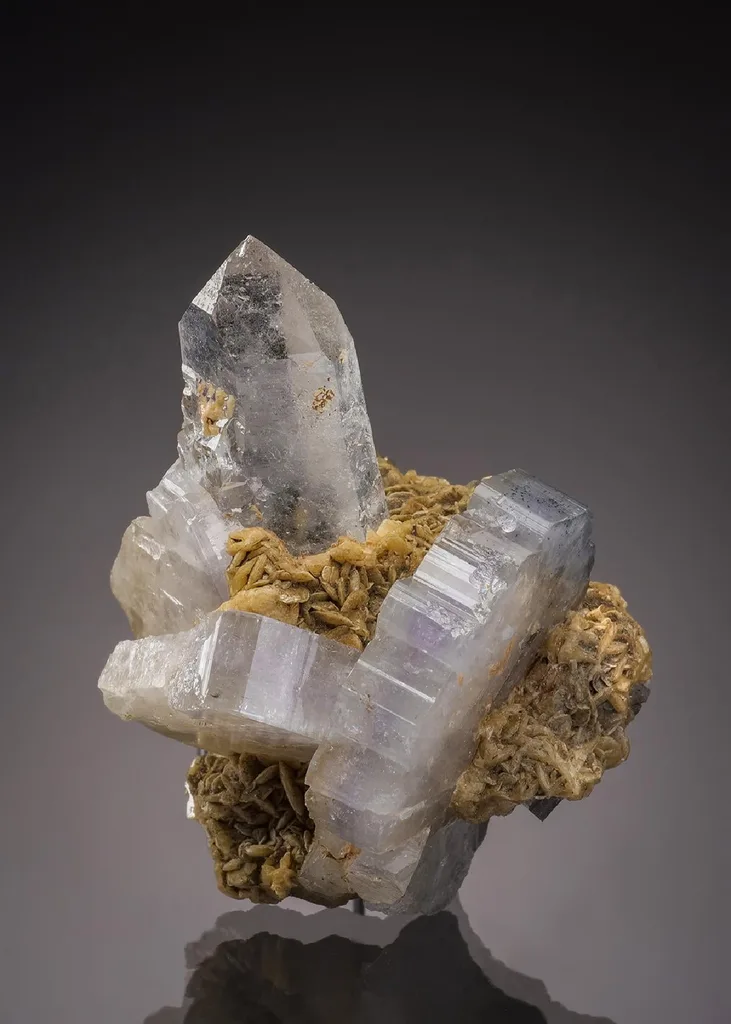

Guide

132 for sale · $40–$85,000 USD
879 in the gallery
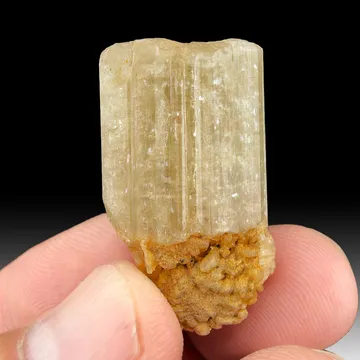
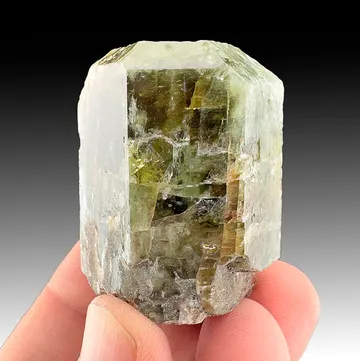
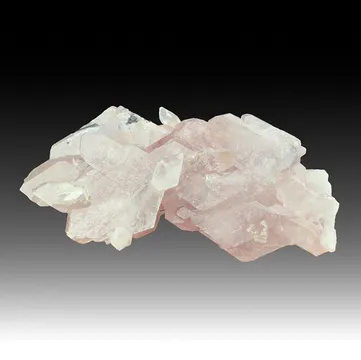
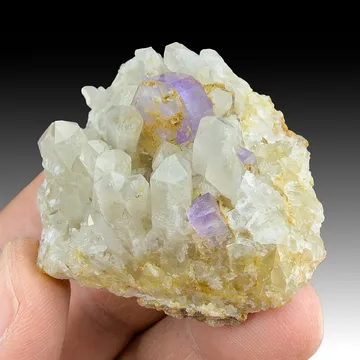
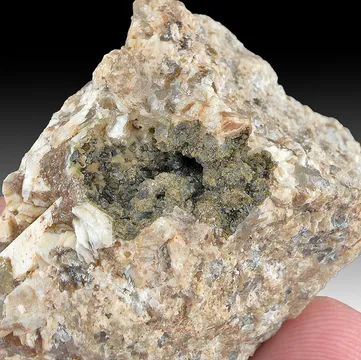
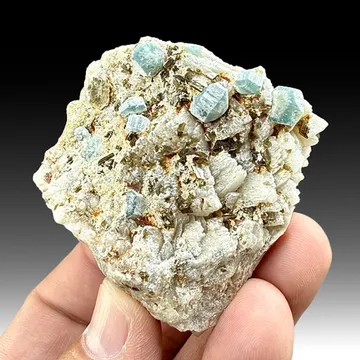
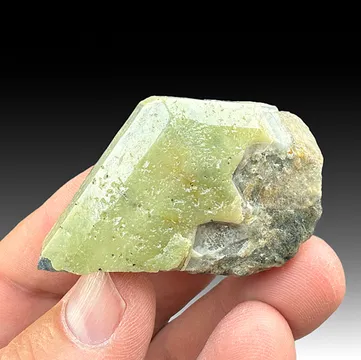
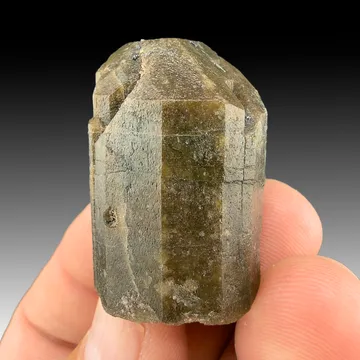
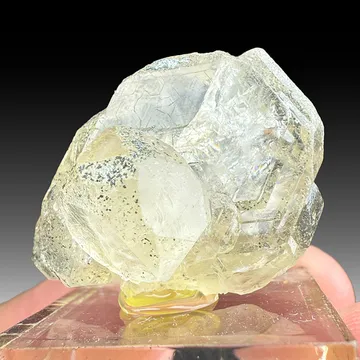
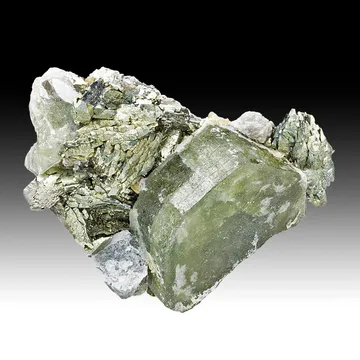
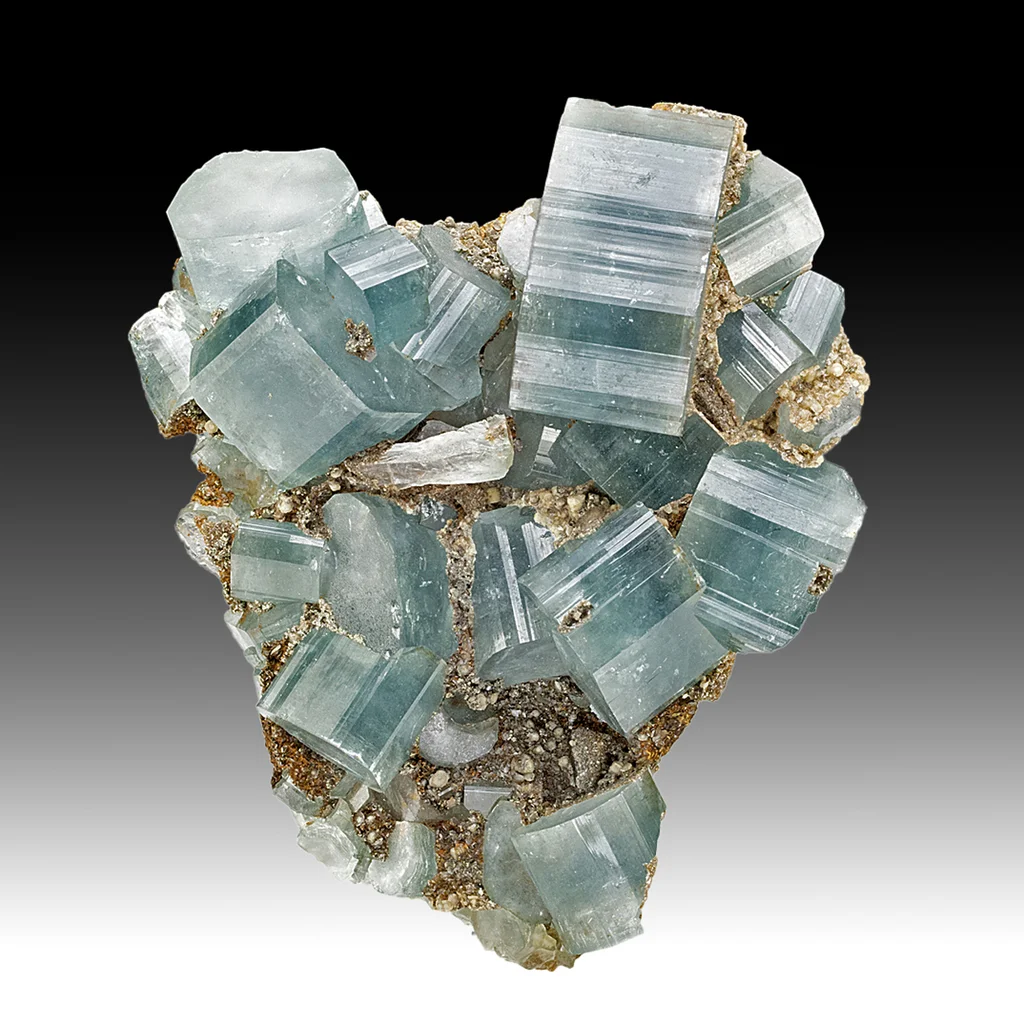
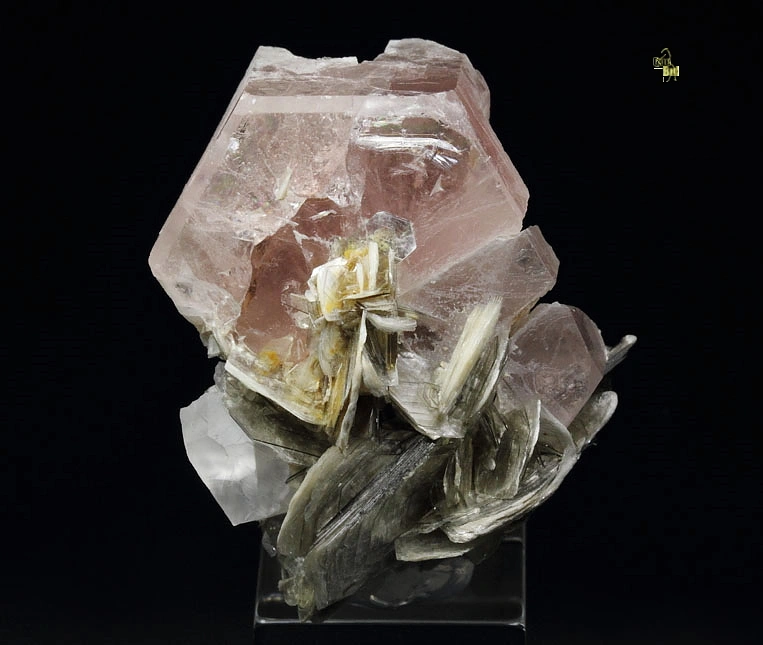
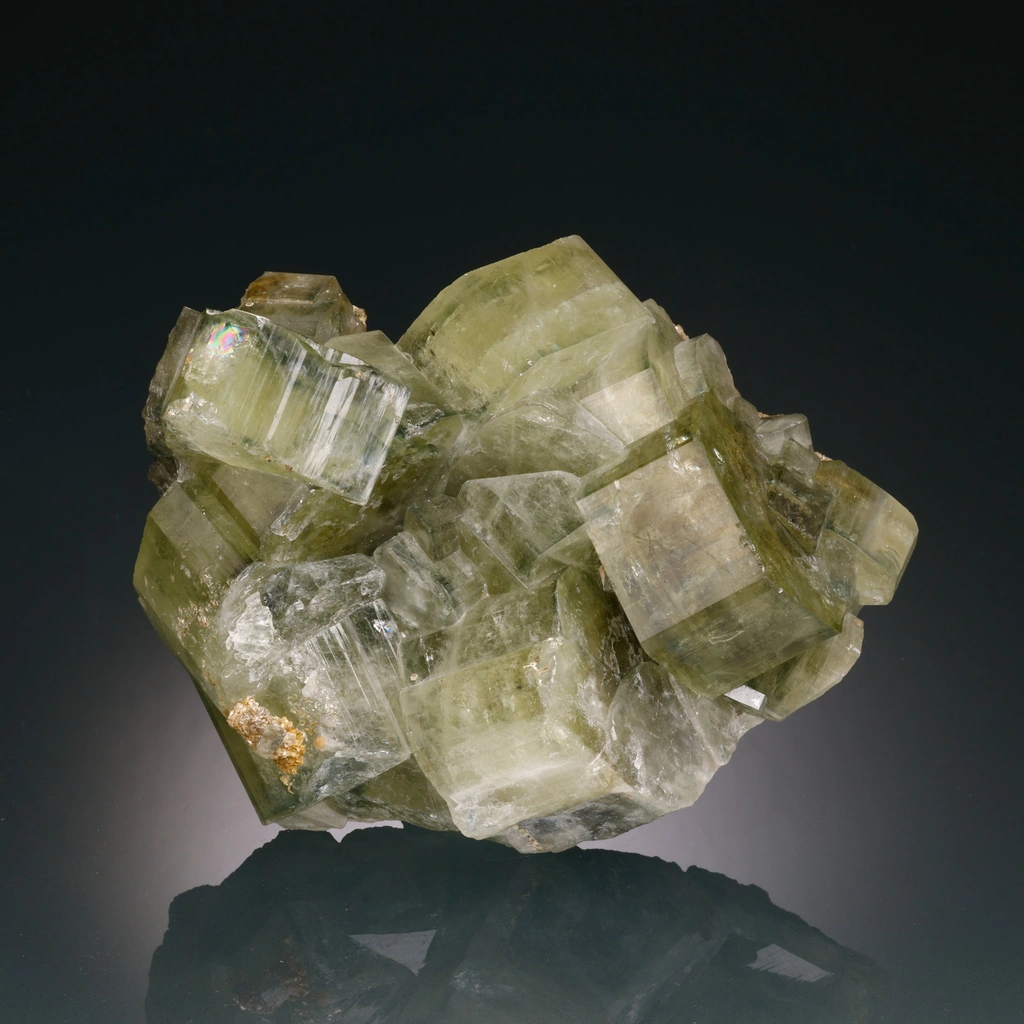
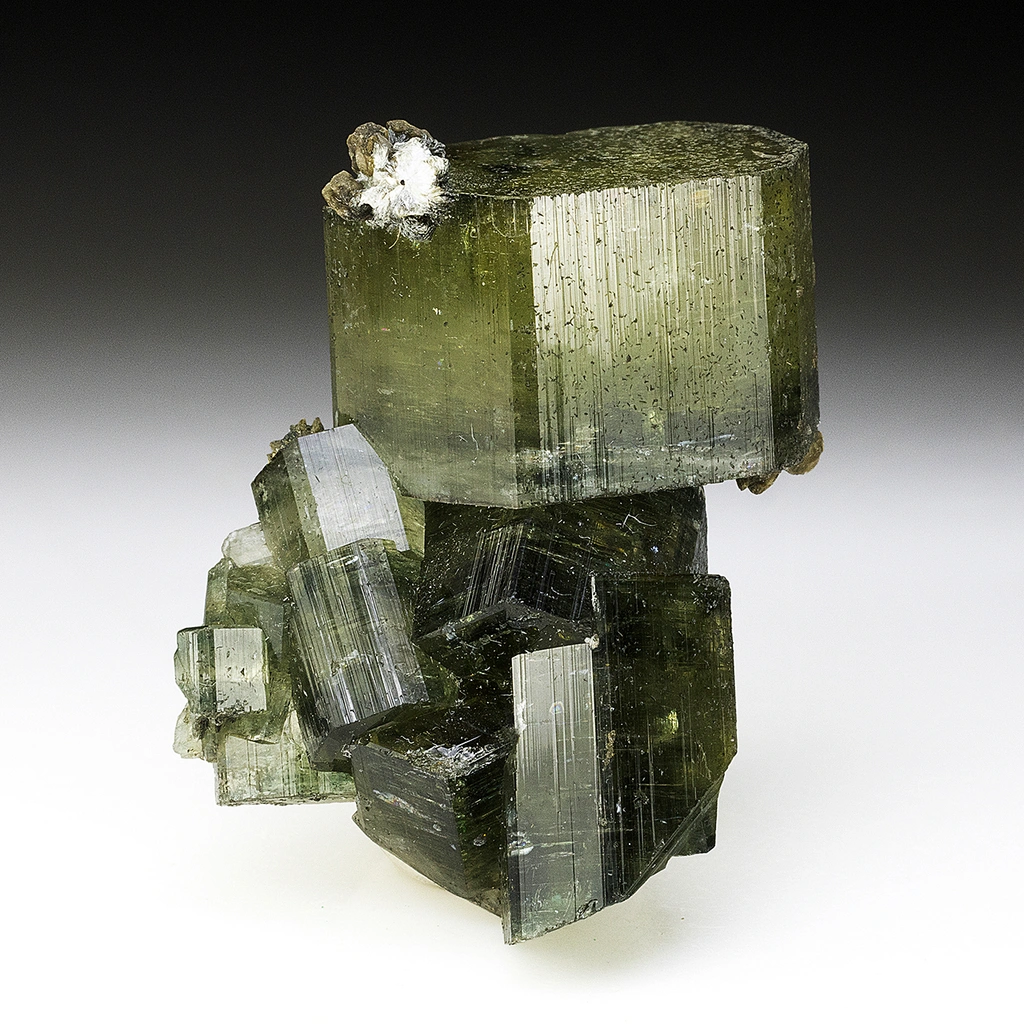
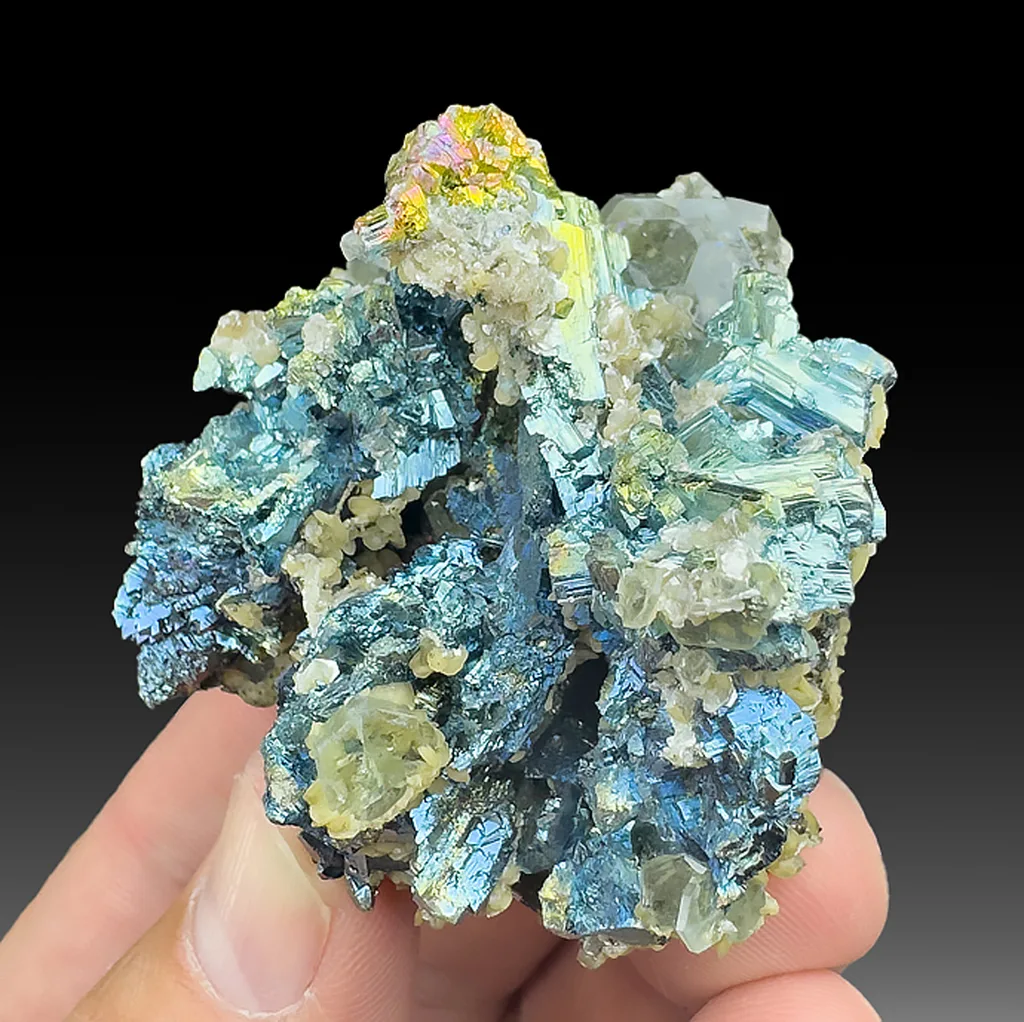
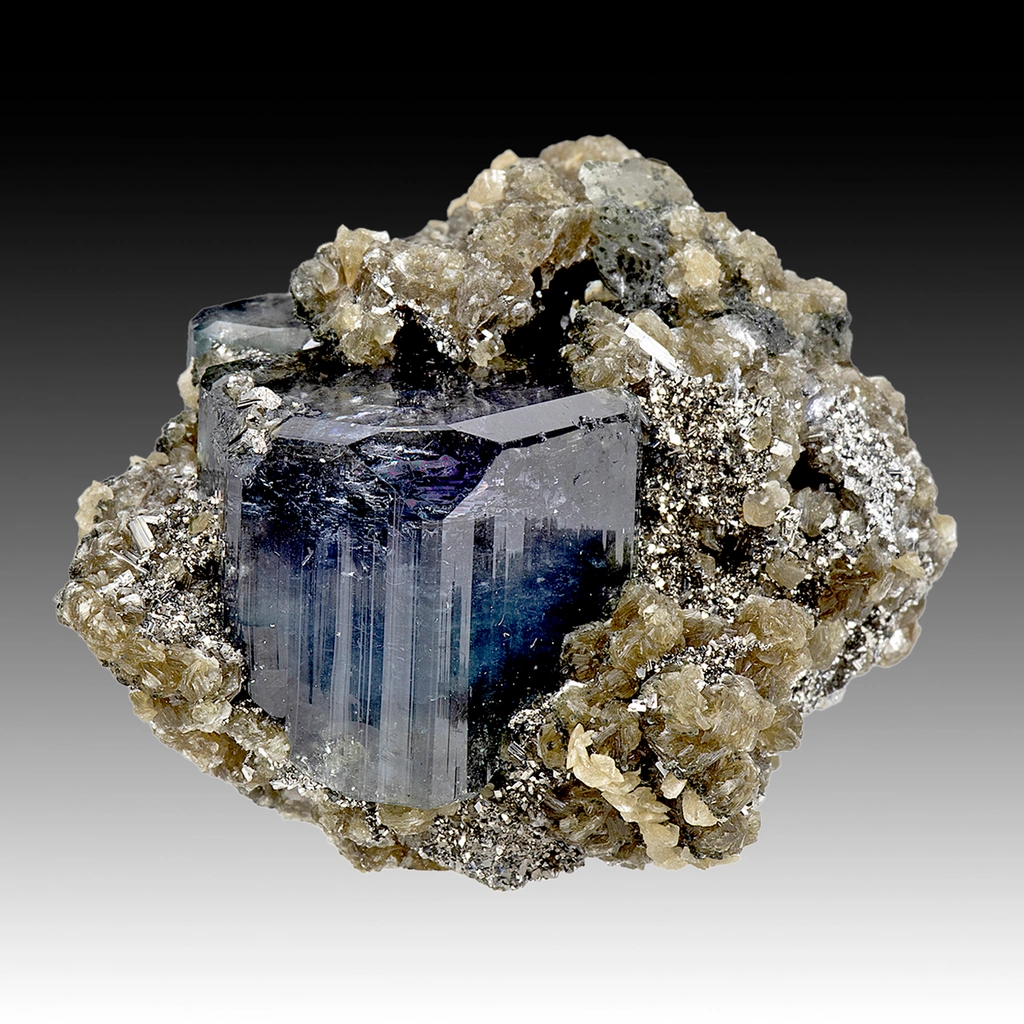
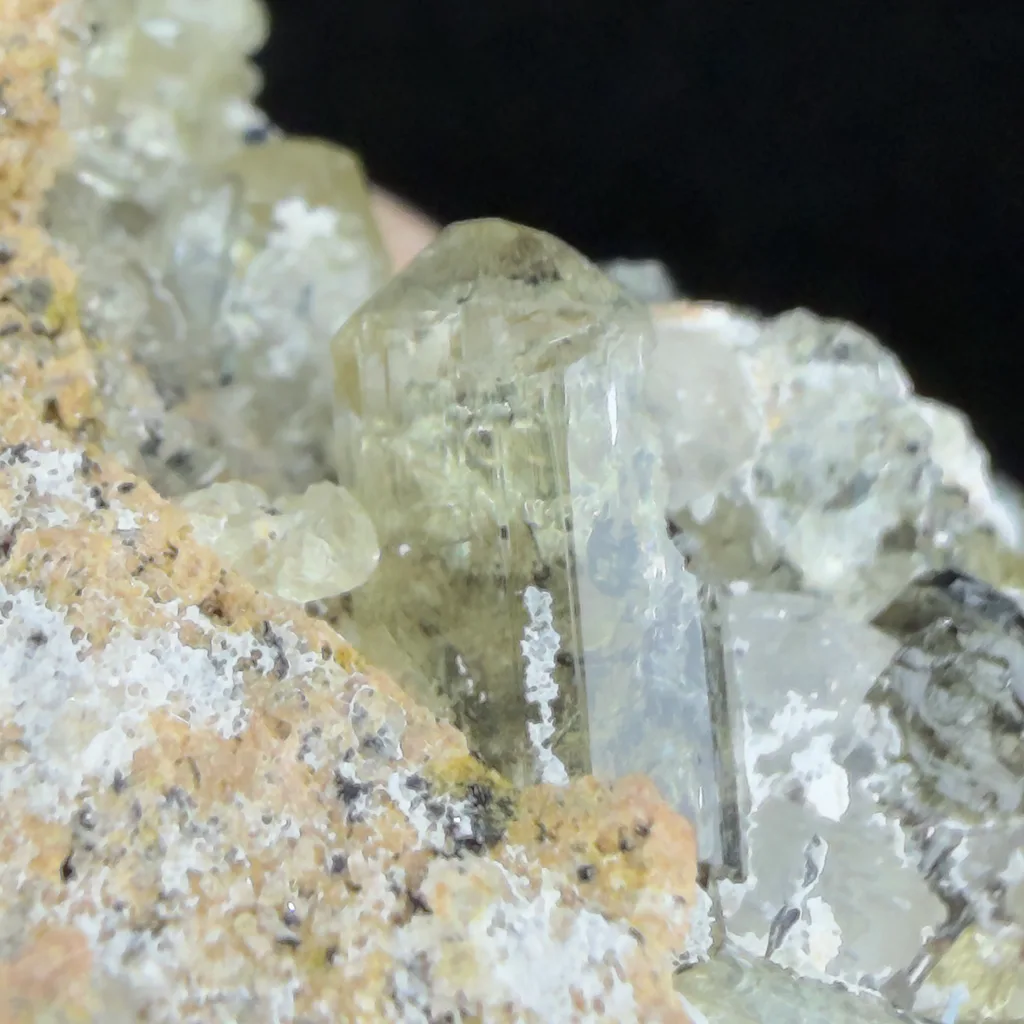
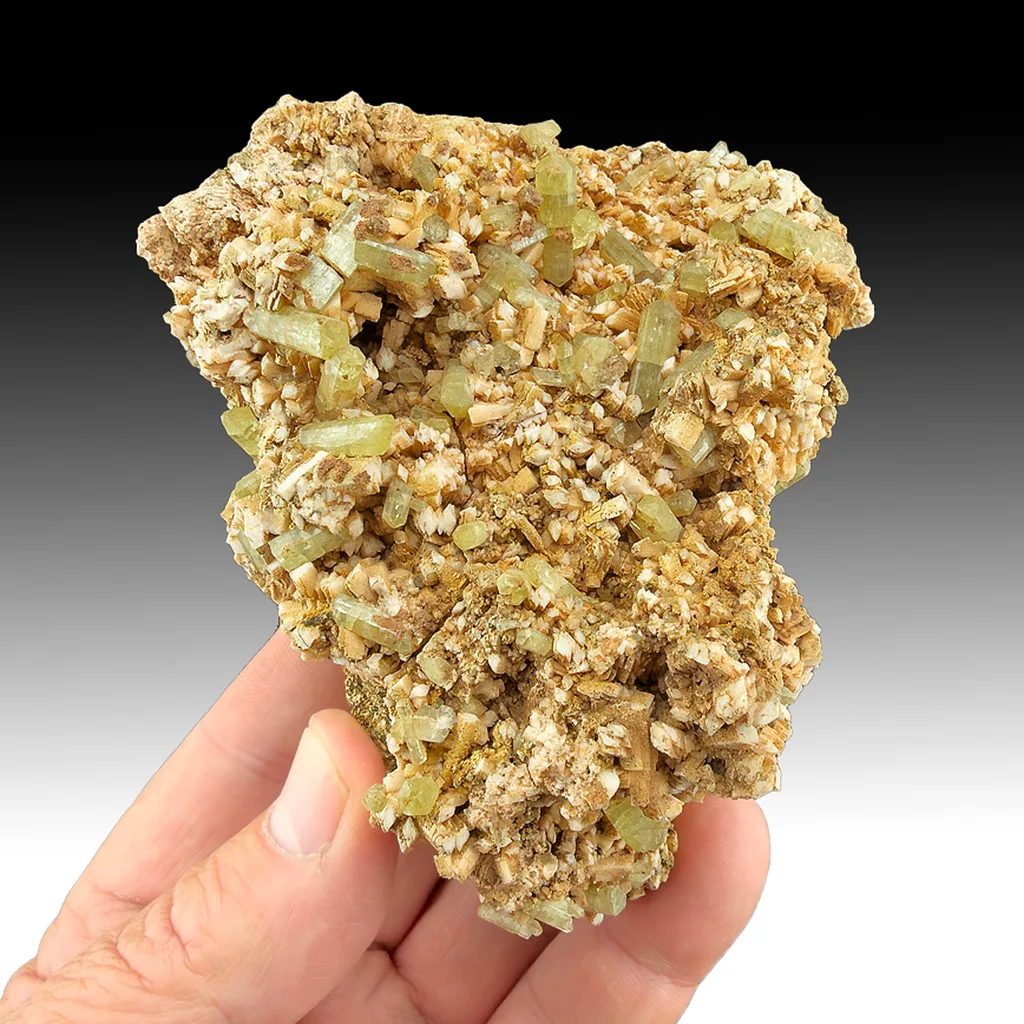
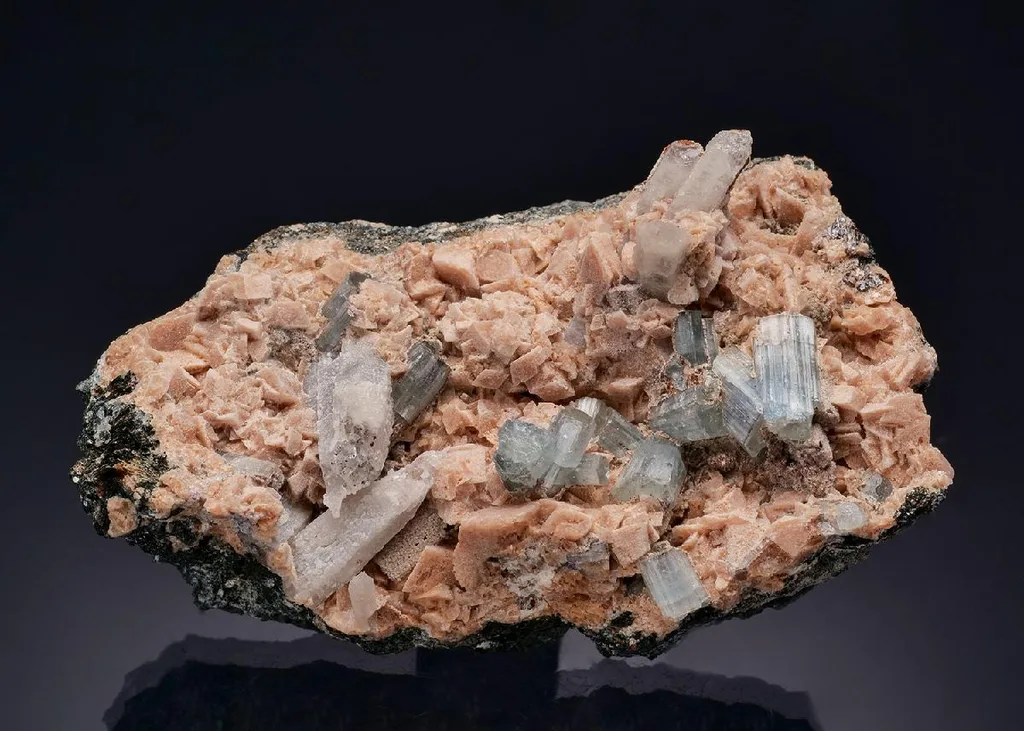
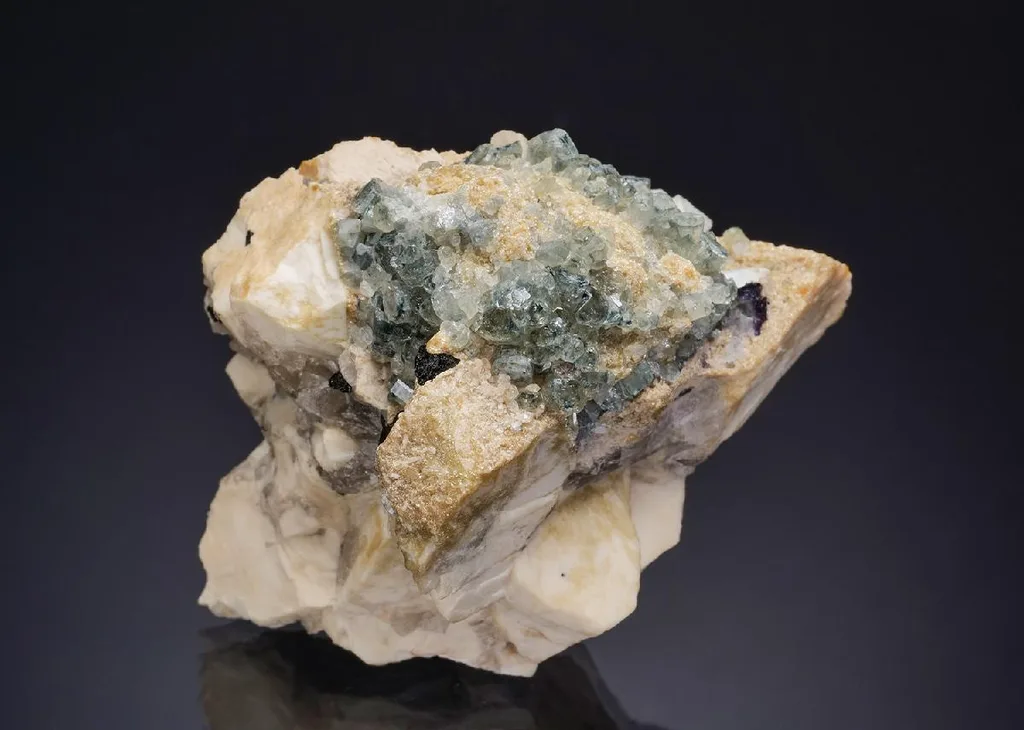
Fluorapatite is a phosphate mineral in the apatite group, crystallizing in hexagonal systems and commonly forming prismatic crystals with a glassy to subadamantine luster. It occurs in a range of colors from colorless to pale green or brown, often in skeletal or tabular habits, and can be associated with hydrothermal ore deposits or pegmatites. Notable specimens have come from classic localities in Portugal and Brazil, with other important finds in the United States, Pakistan, and Mexico, reflecting its widespread occurrence in granitic and skarn environments.
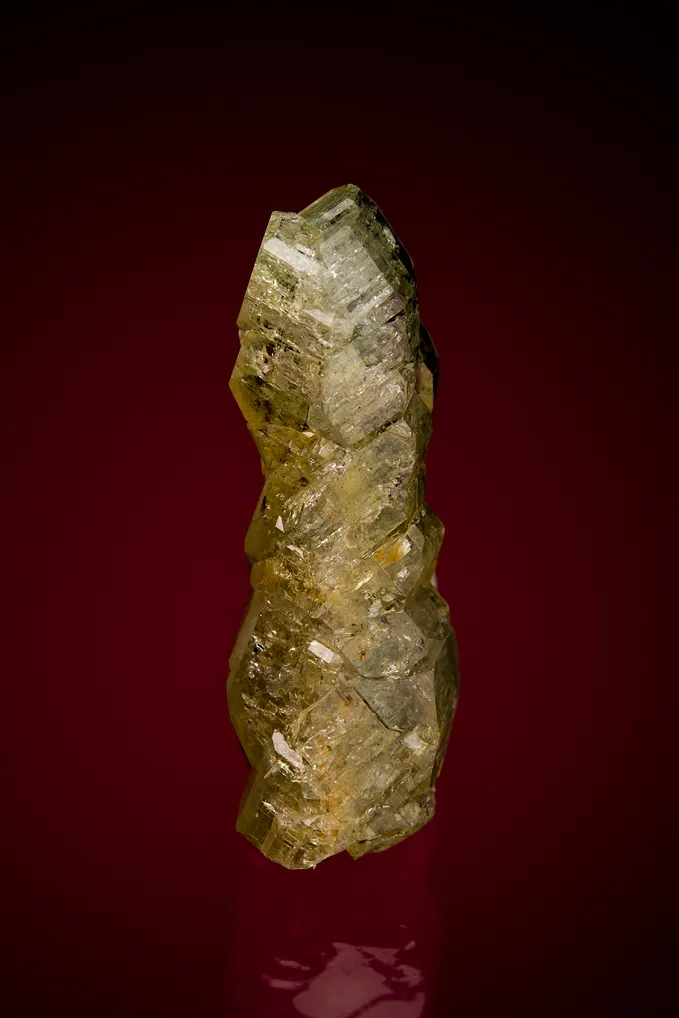
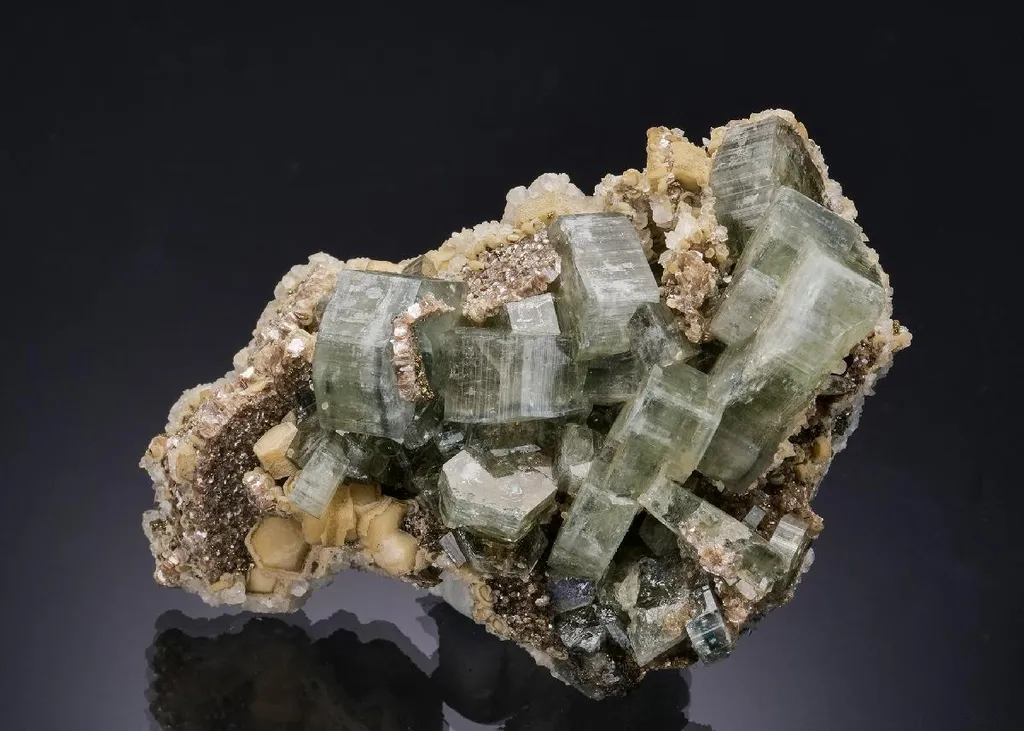
Collectors value fluorapatite for its clarity, color, and habit, as well as its geological context within phosphate-bearing rocks. While individual crystals can be modest in size, these minerals frequently form aesthetically appealing aggregates and attachment crystals that showcase the mineral’s vitreous shine and subtle color variance. The species serves as a window into silicate- and phosphate-rich hydrothermal processes, and its association with other apatite varieties often adds intrigue to every specimen for display or study.