Guide
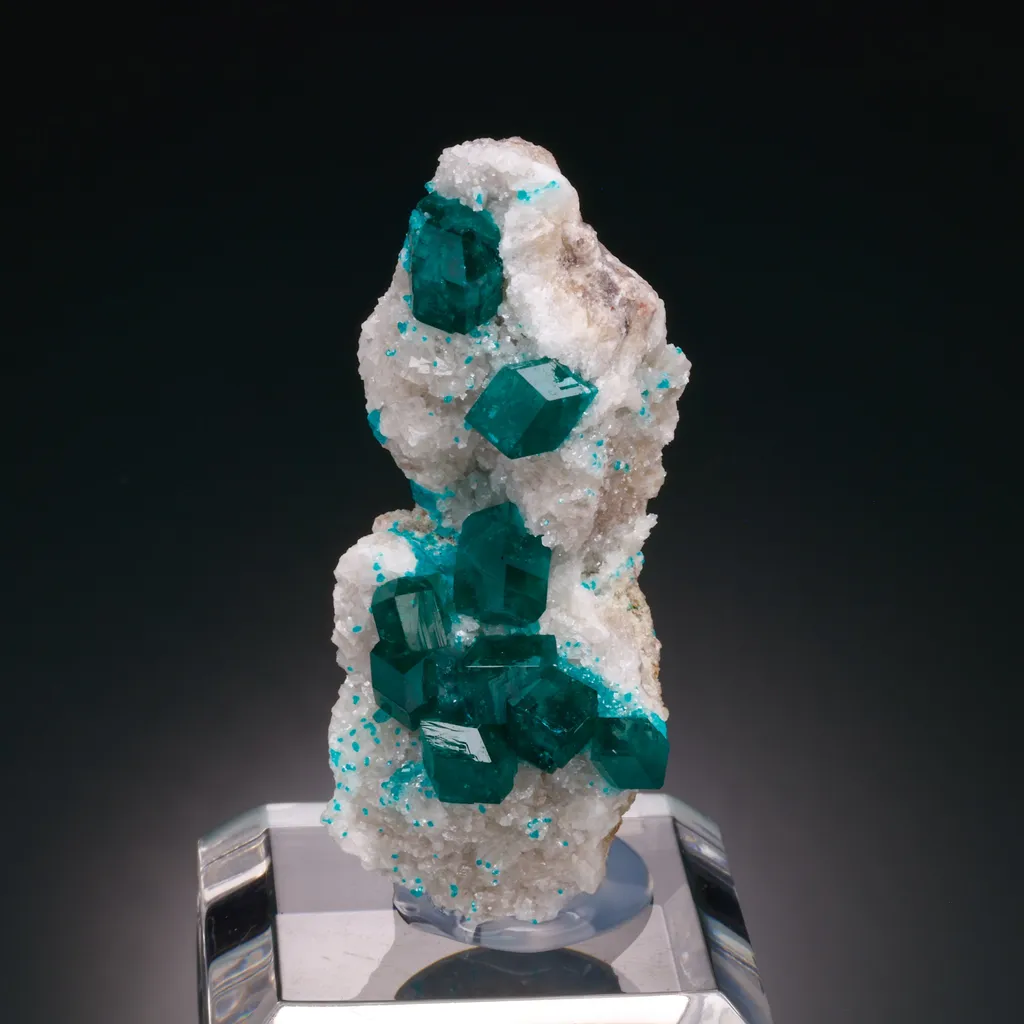
357 for sale · $100–$165,000 USD
409 in the gallery
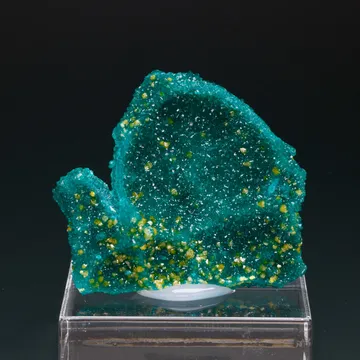
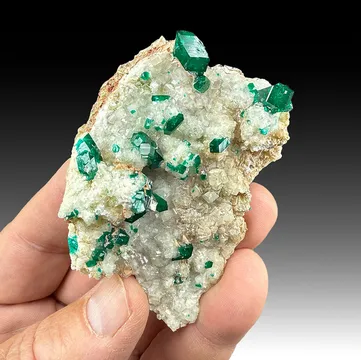
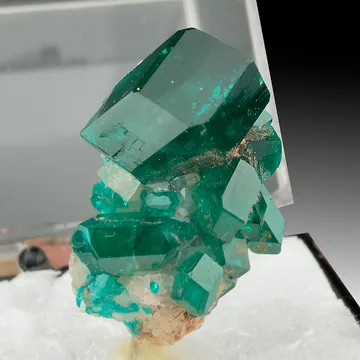
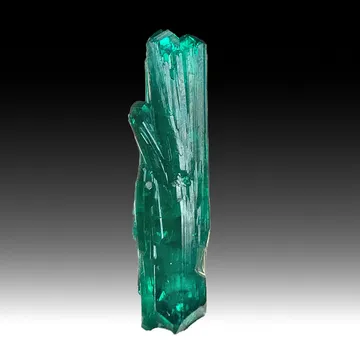
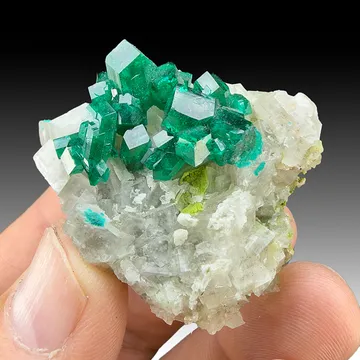
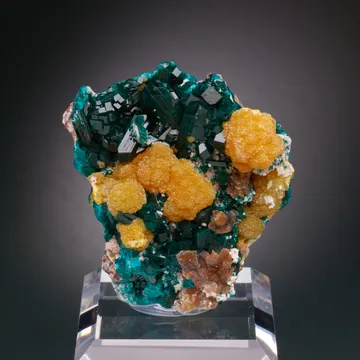
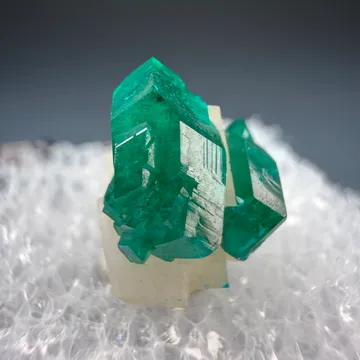
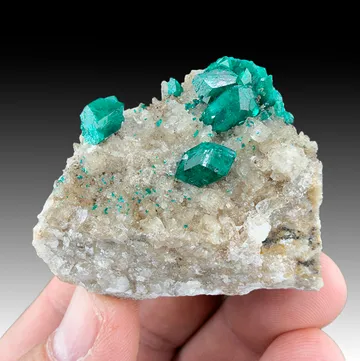
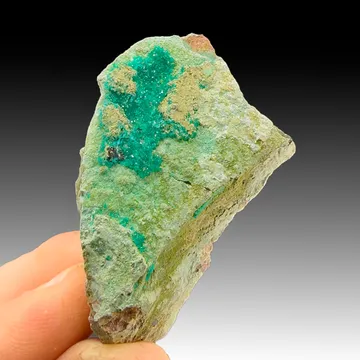
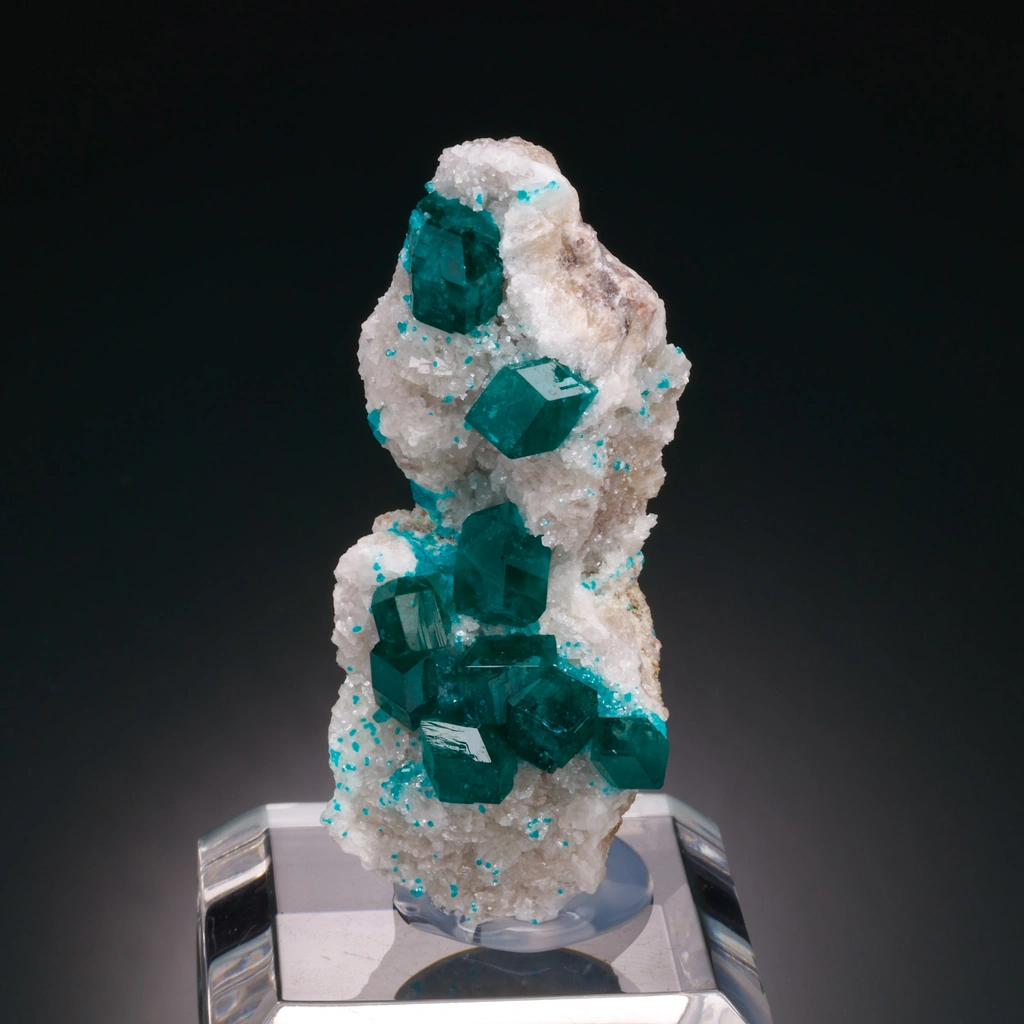
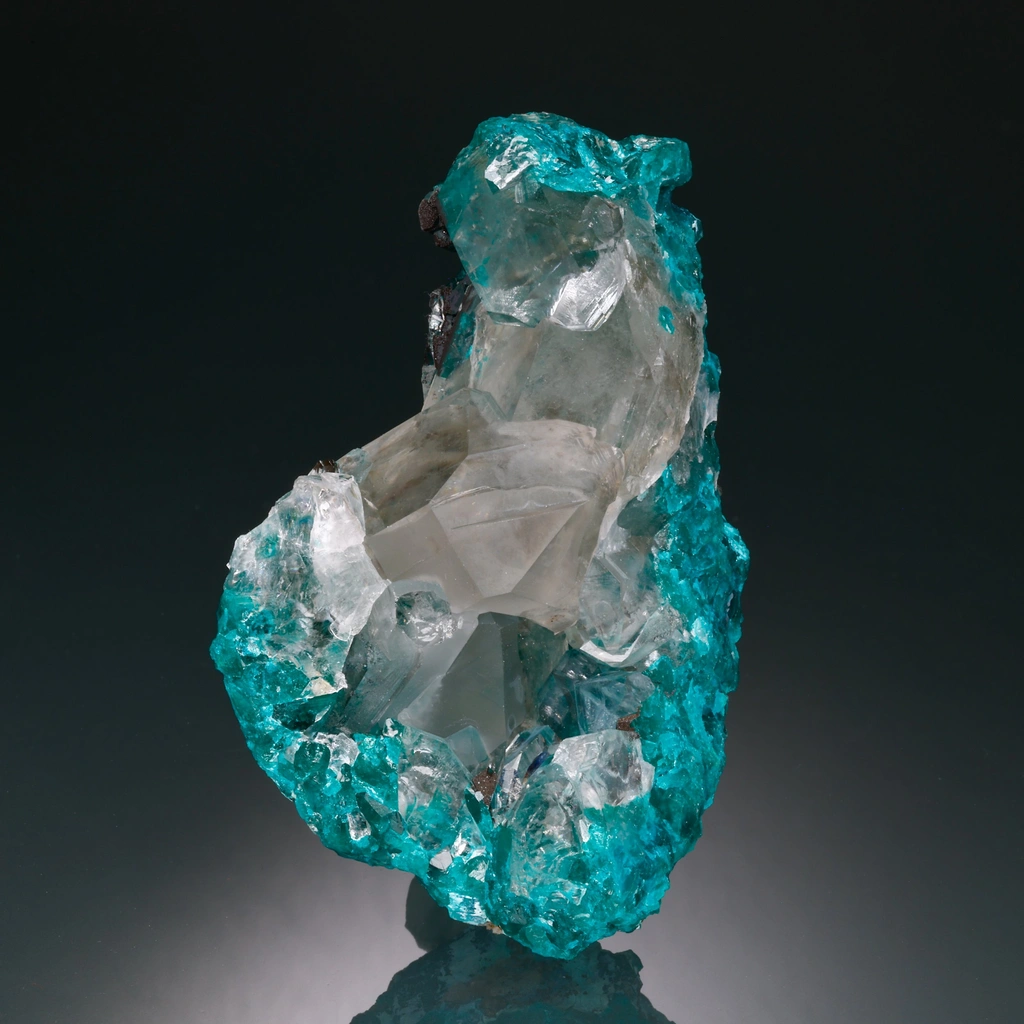
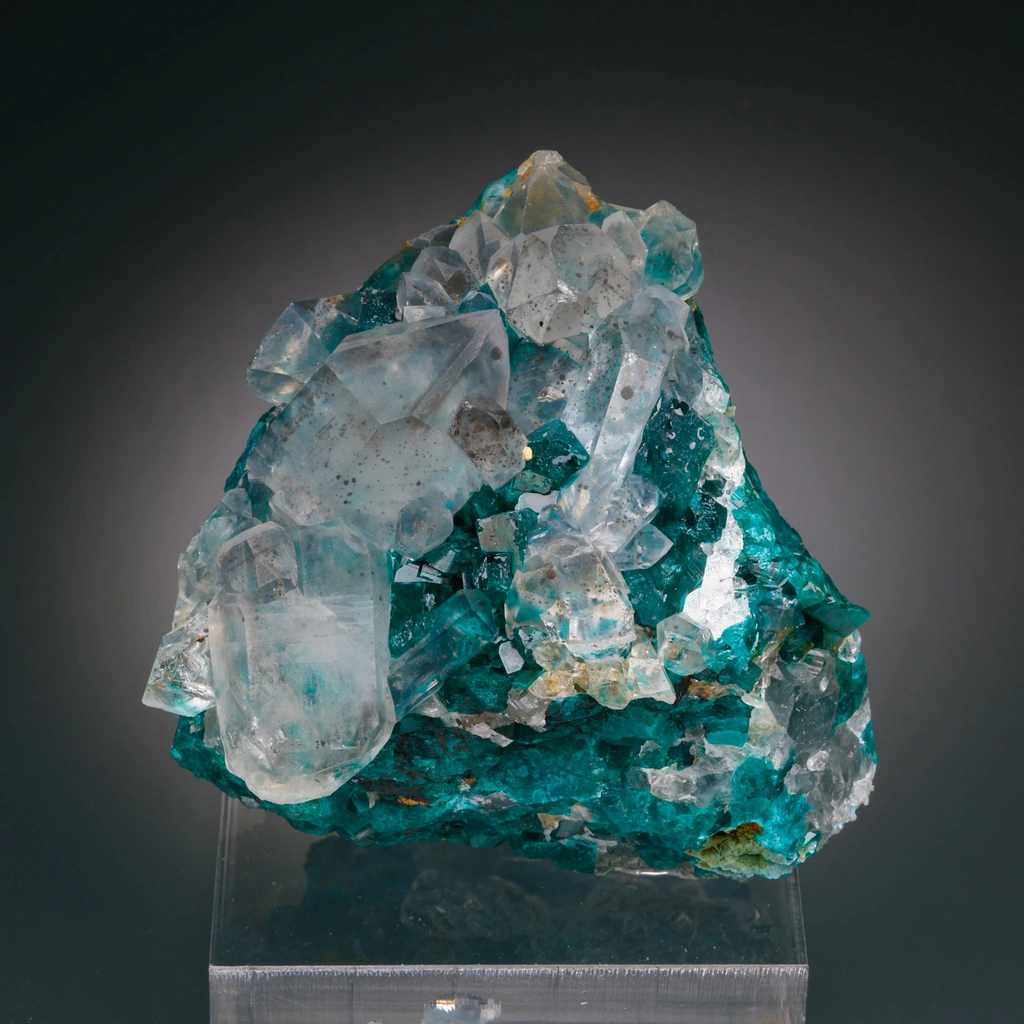
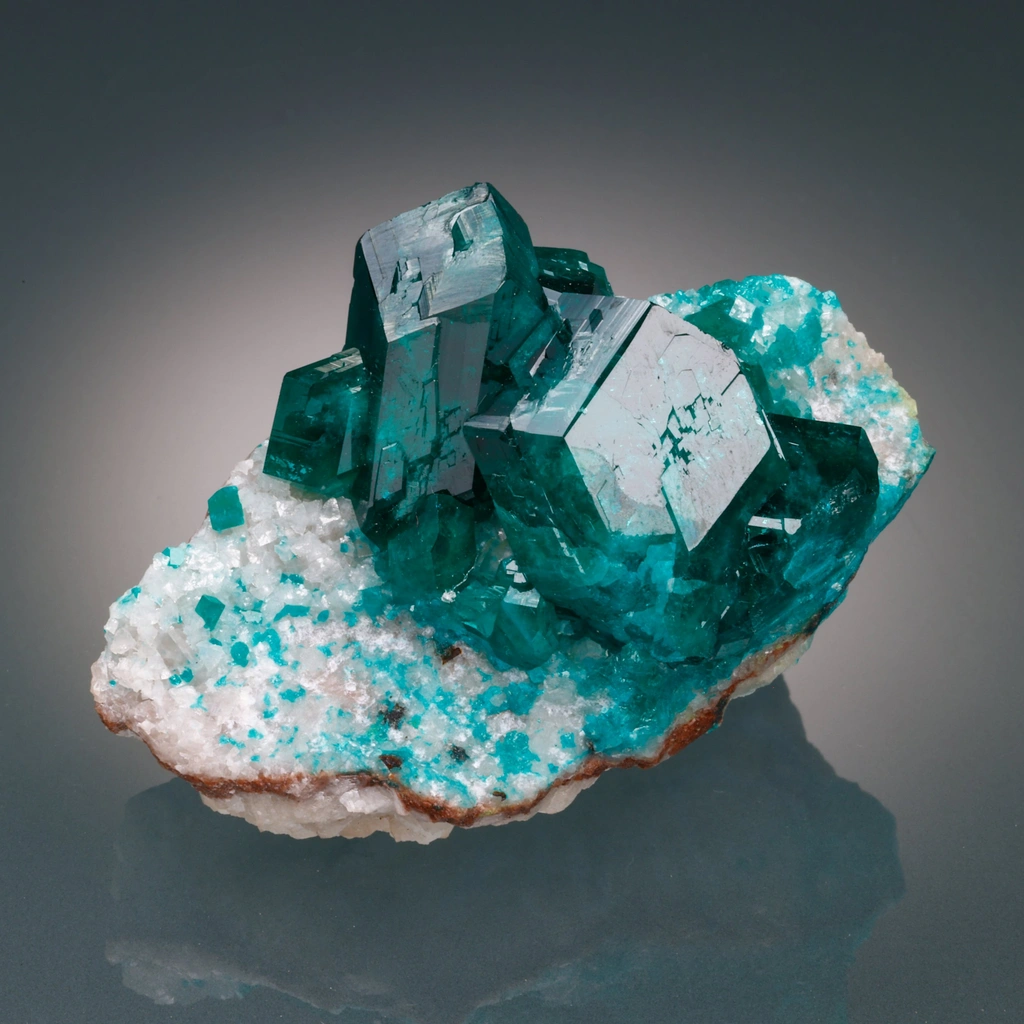
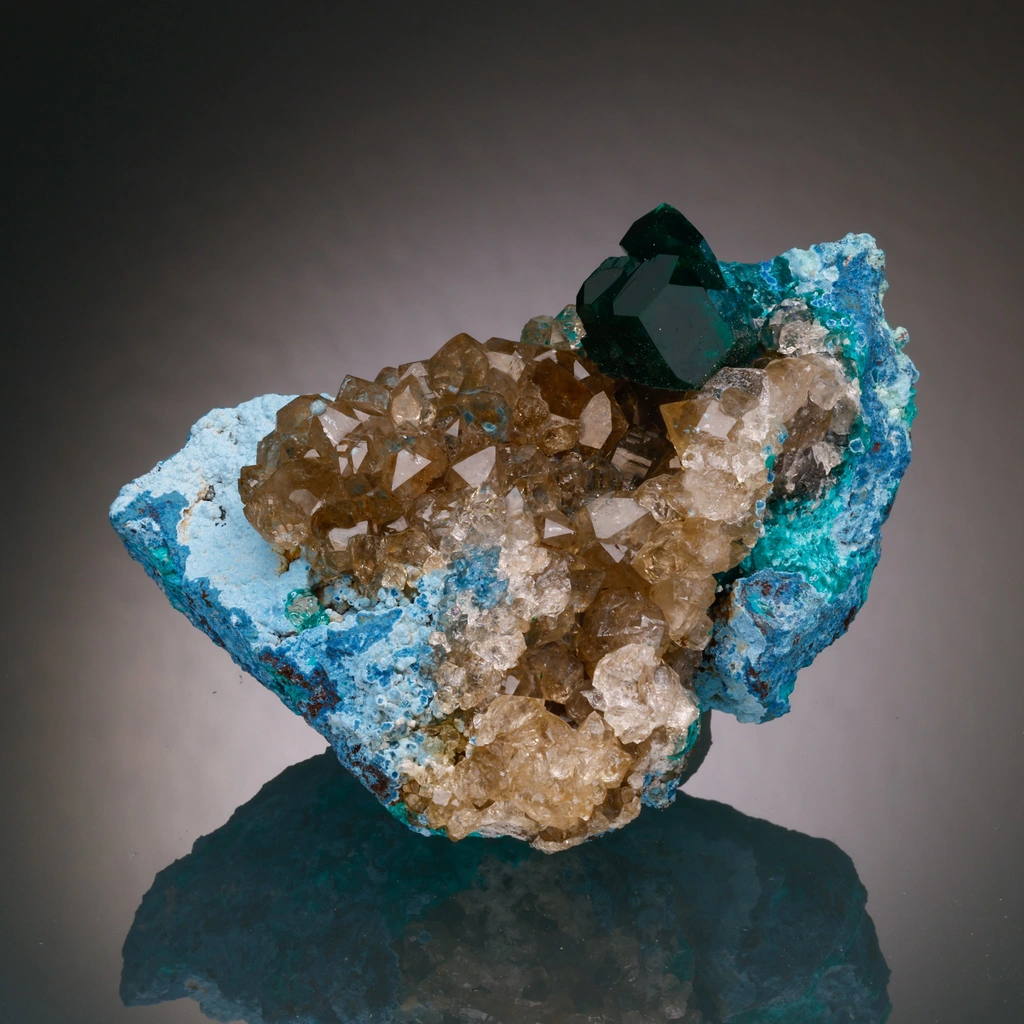
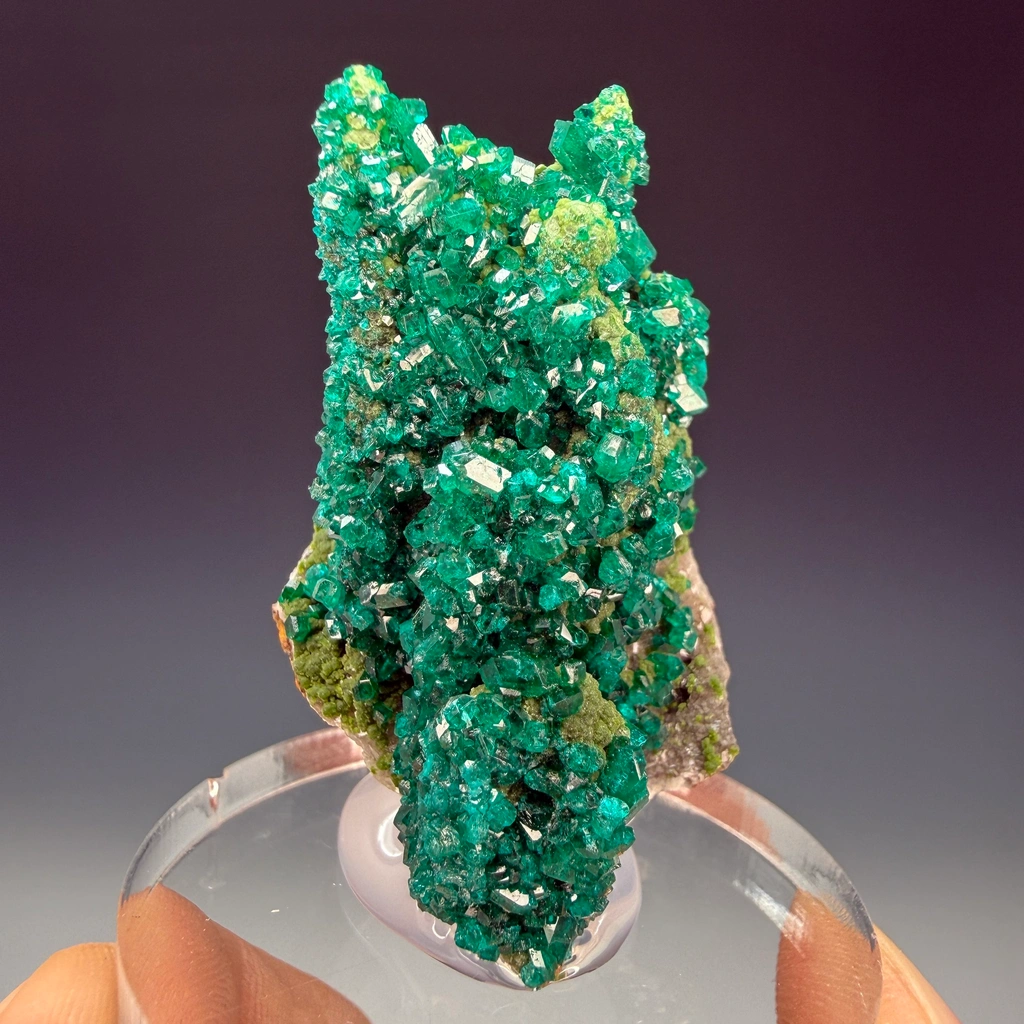
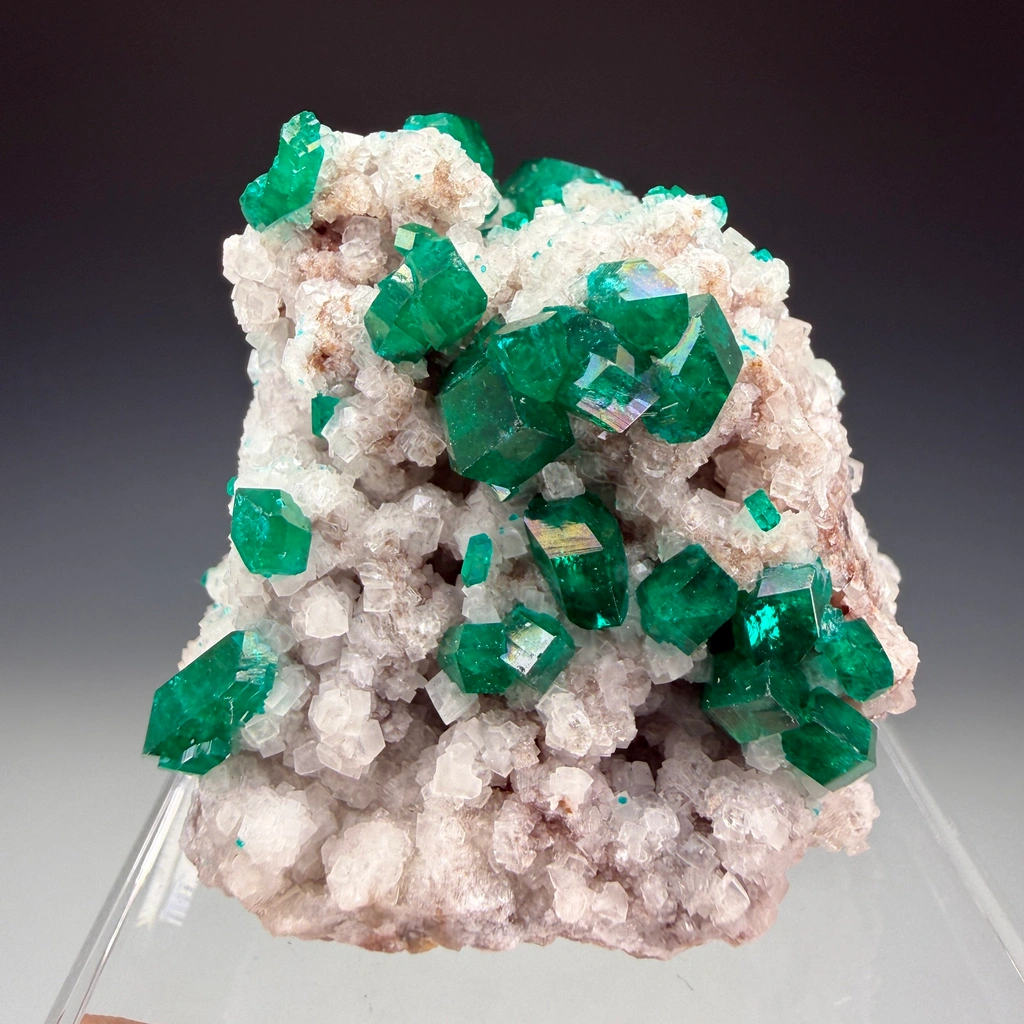
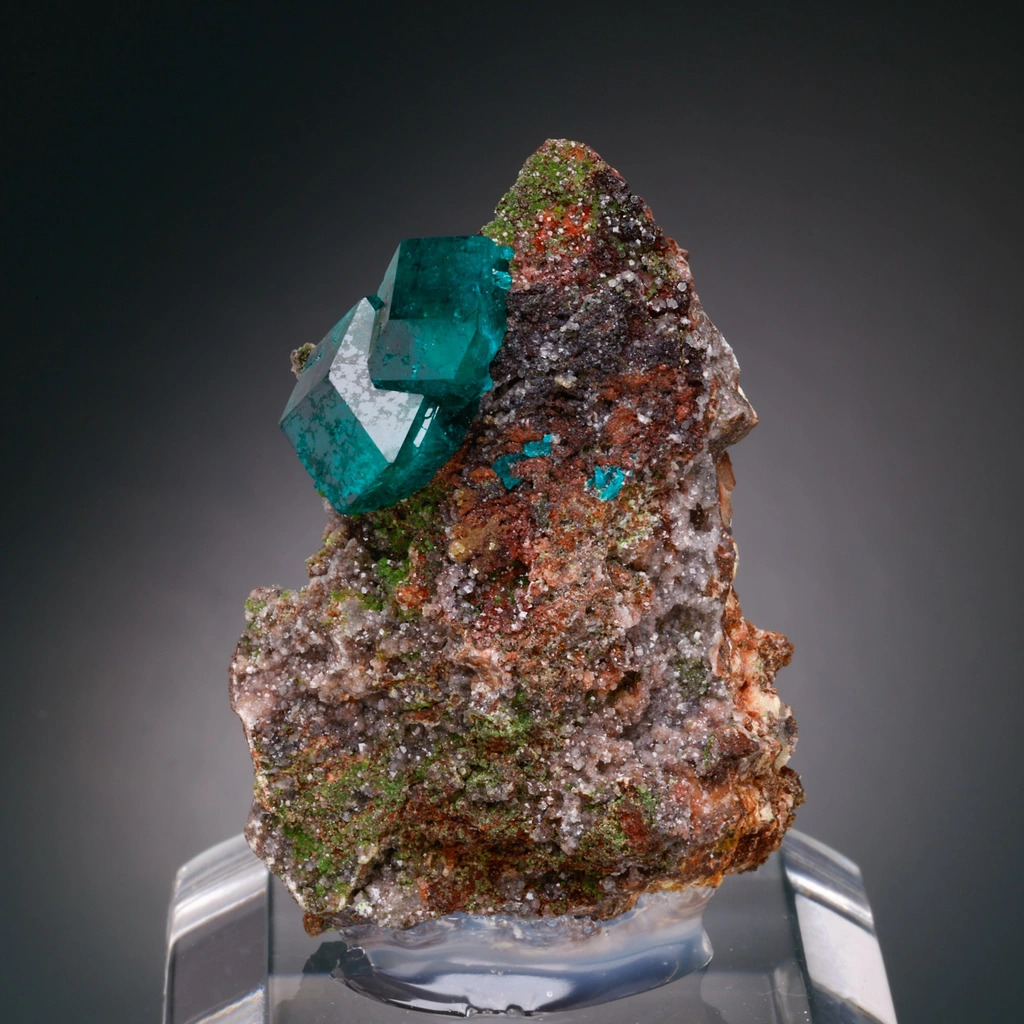
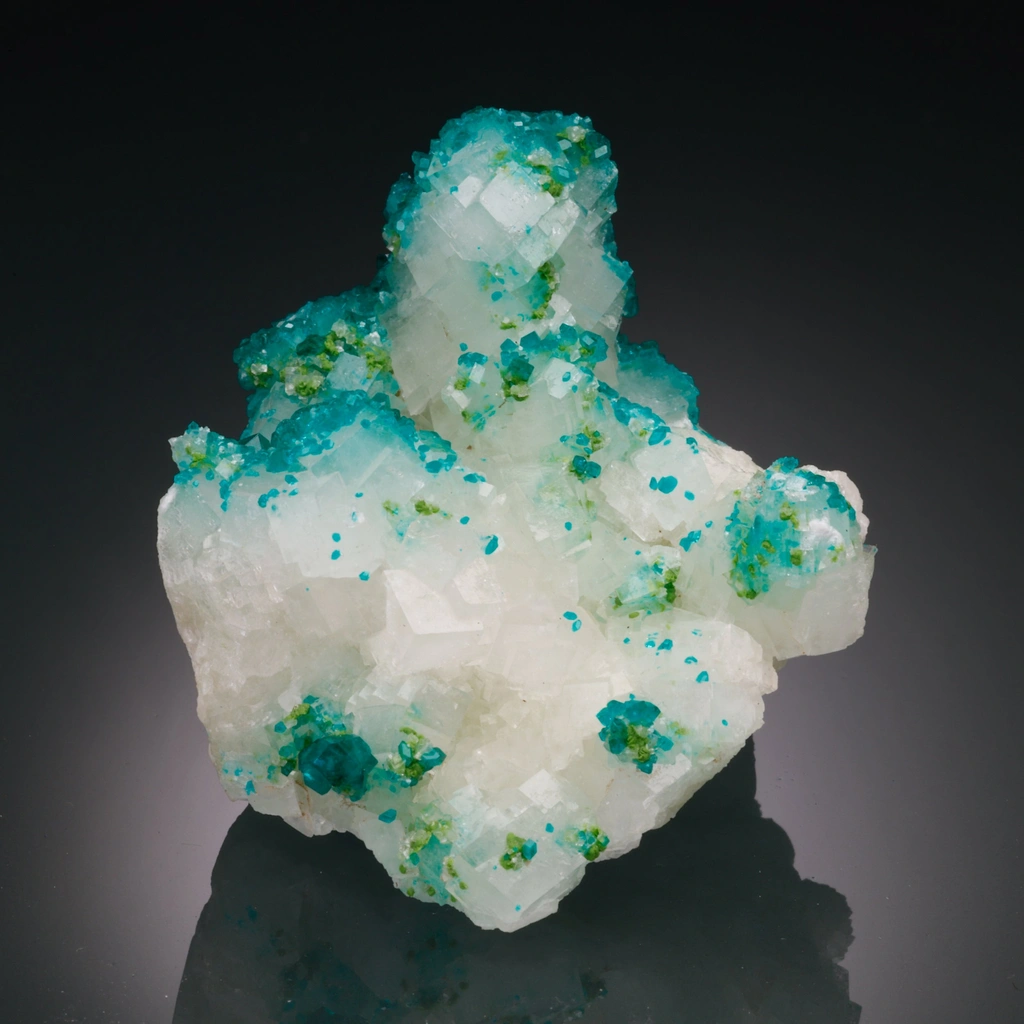
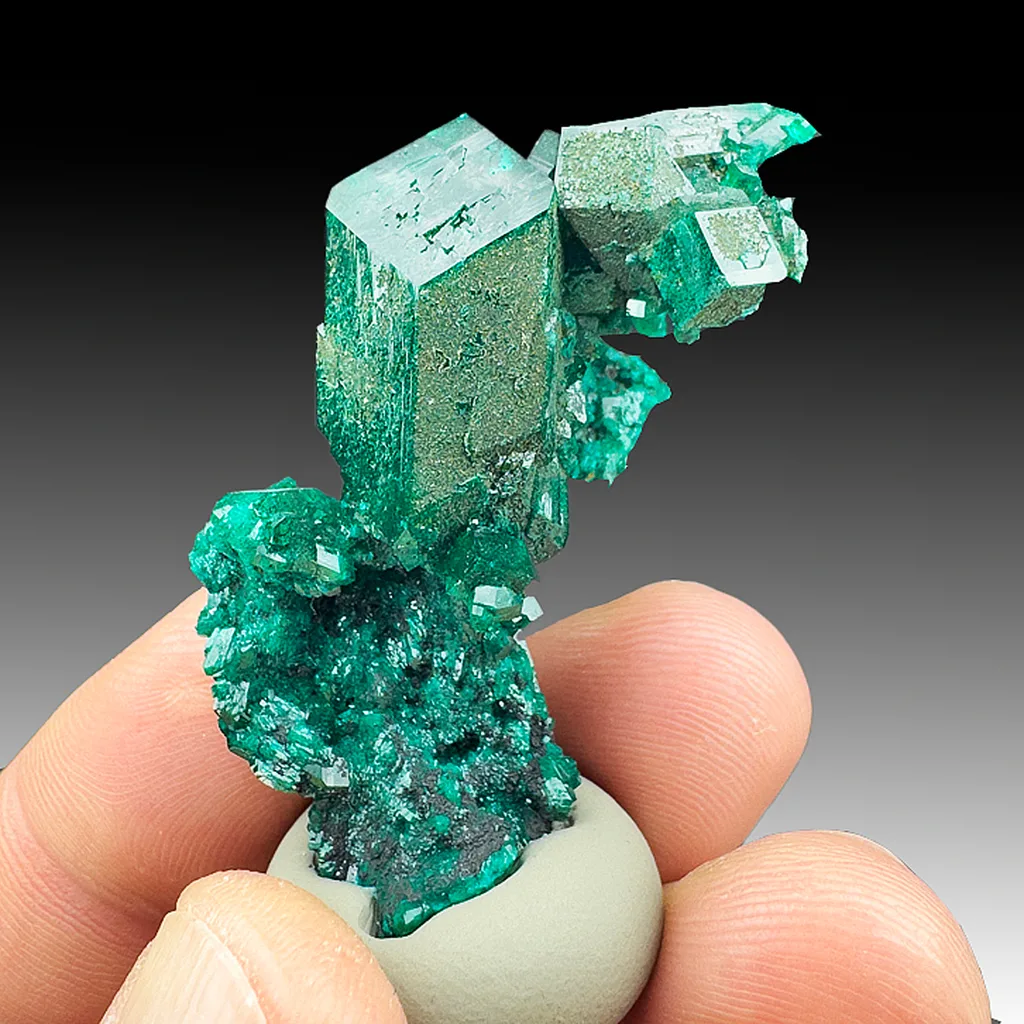
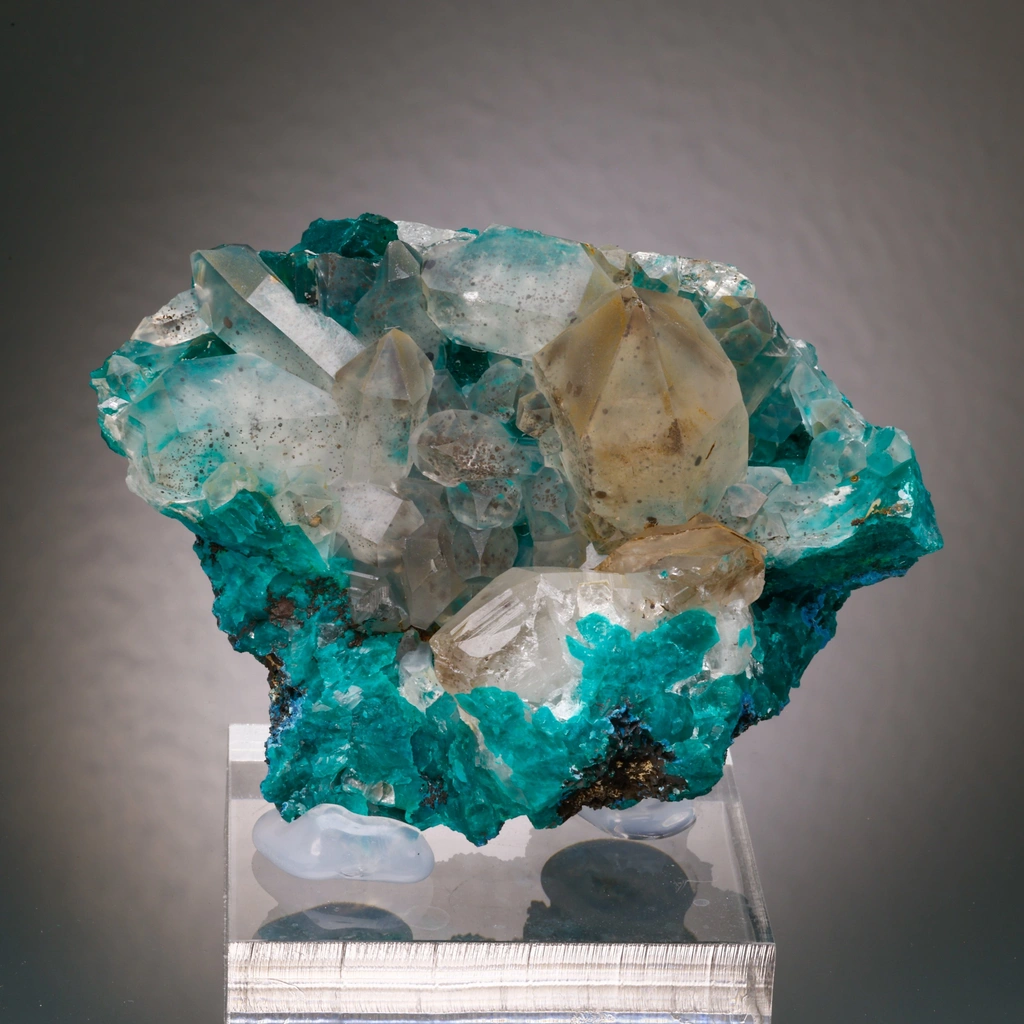
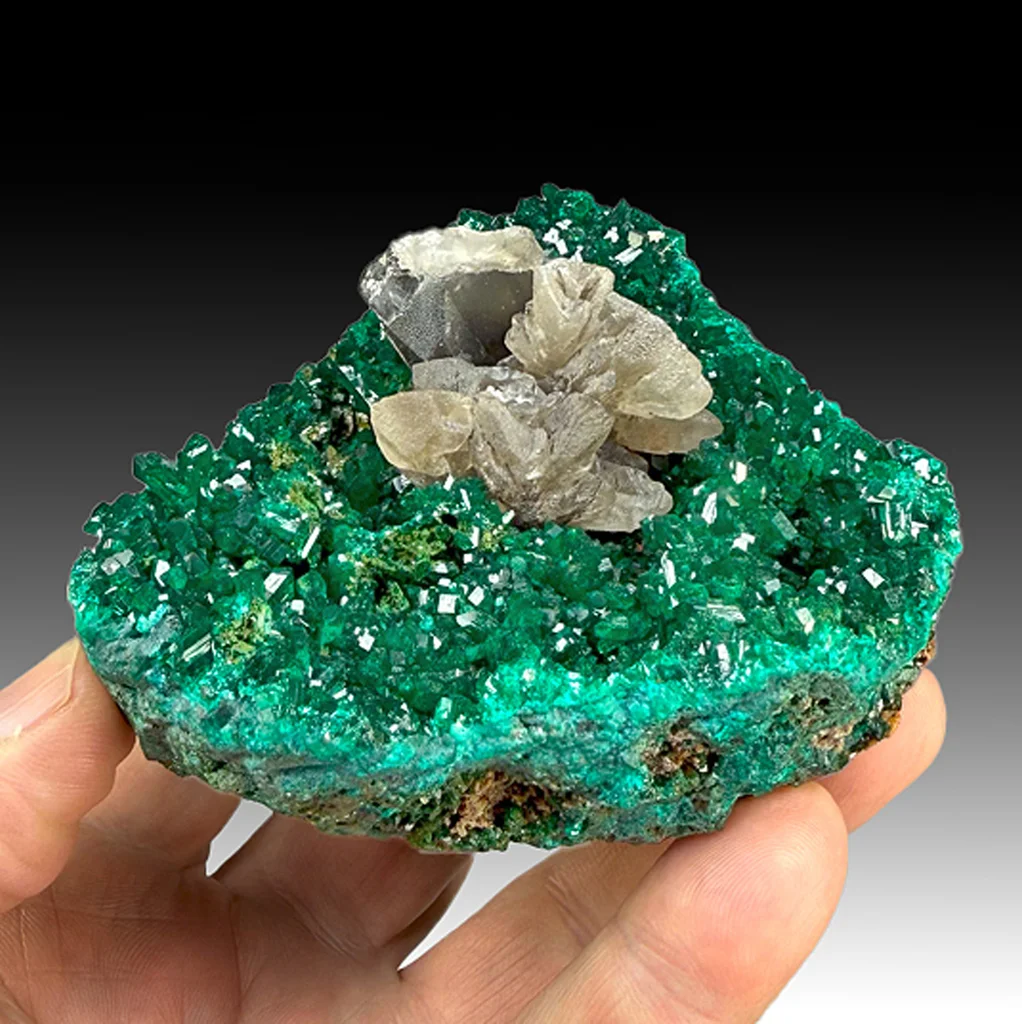
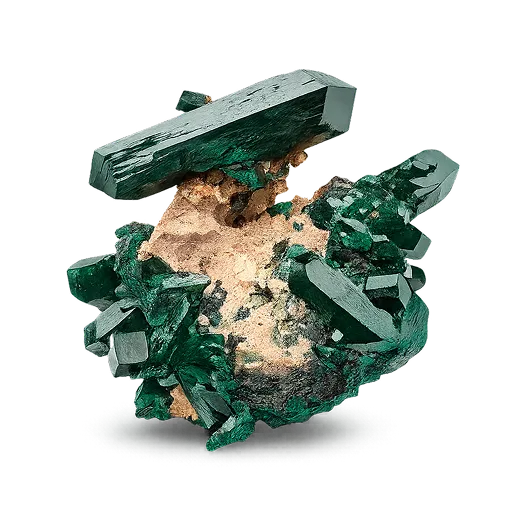
Dioptase is a copper silicate mineral that forms deep emerald-green crystals. It commonly occurs in prismatic to tabular habit and can exhibit a glassy to vitreous lustre, which makes its saturated color particularly striking under light. Among the best known specimens are from Namibia, the Republic of the Congo, and Kazakhstan, where rich, gemmy crystals have attracted collectors for generations.
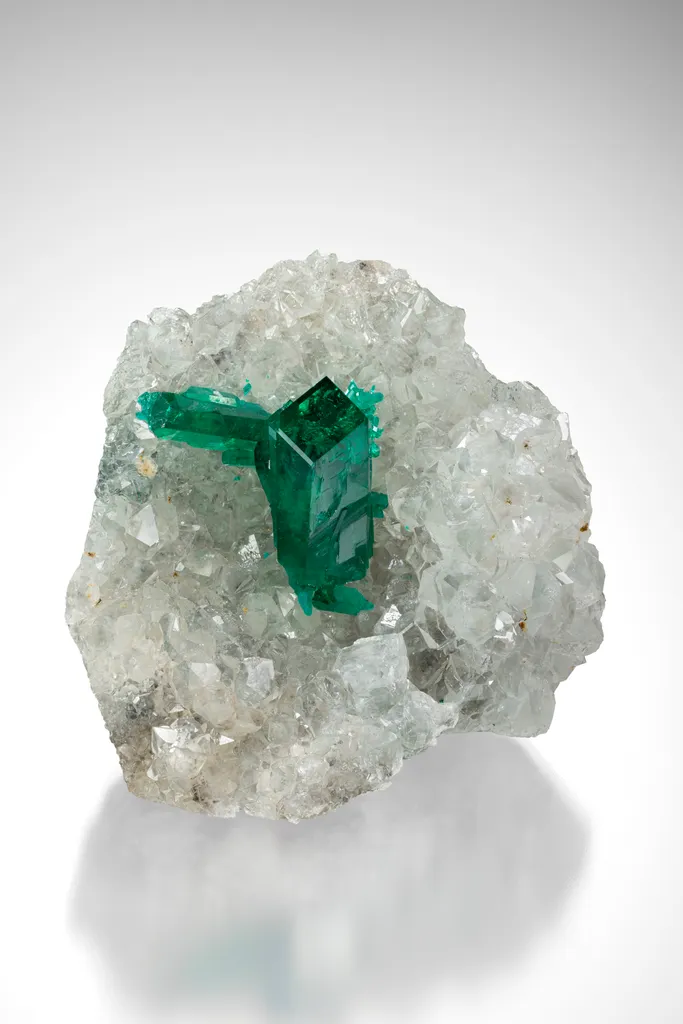
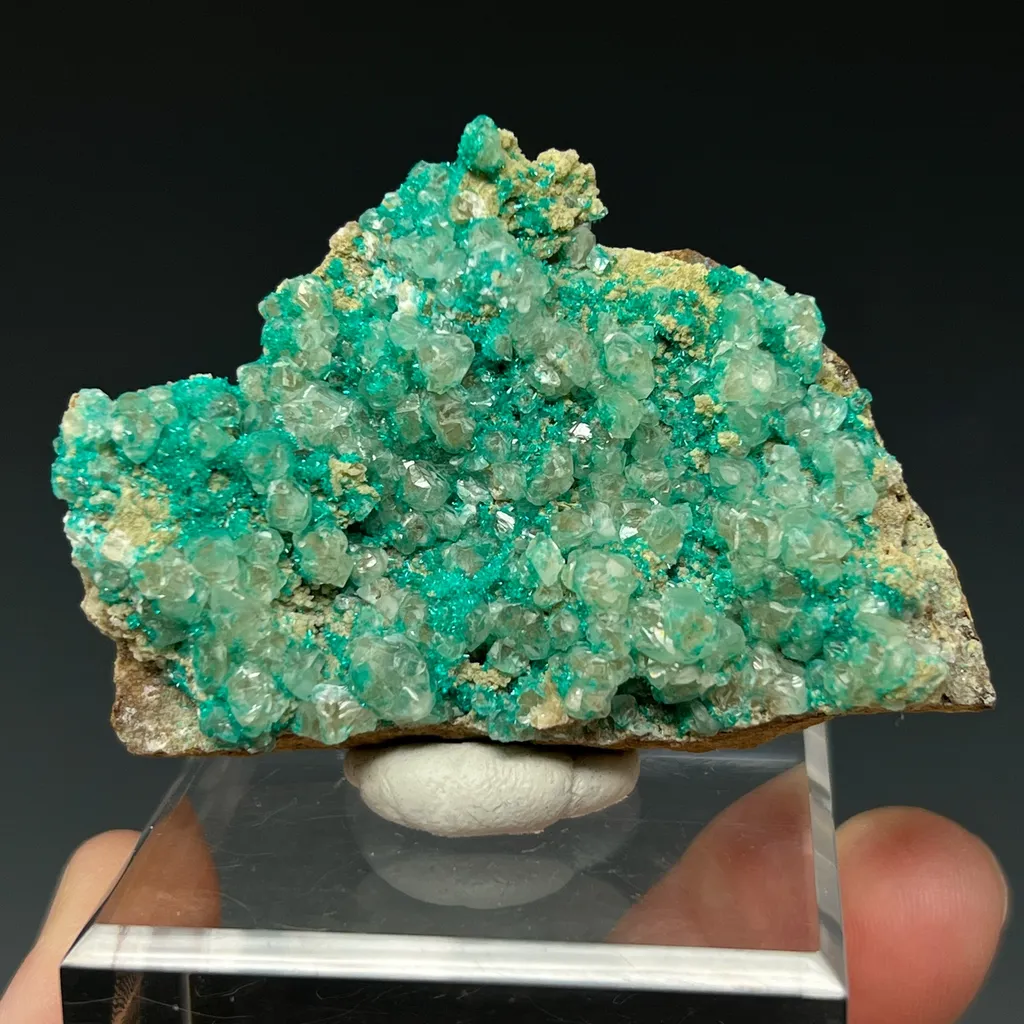
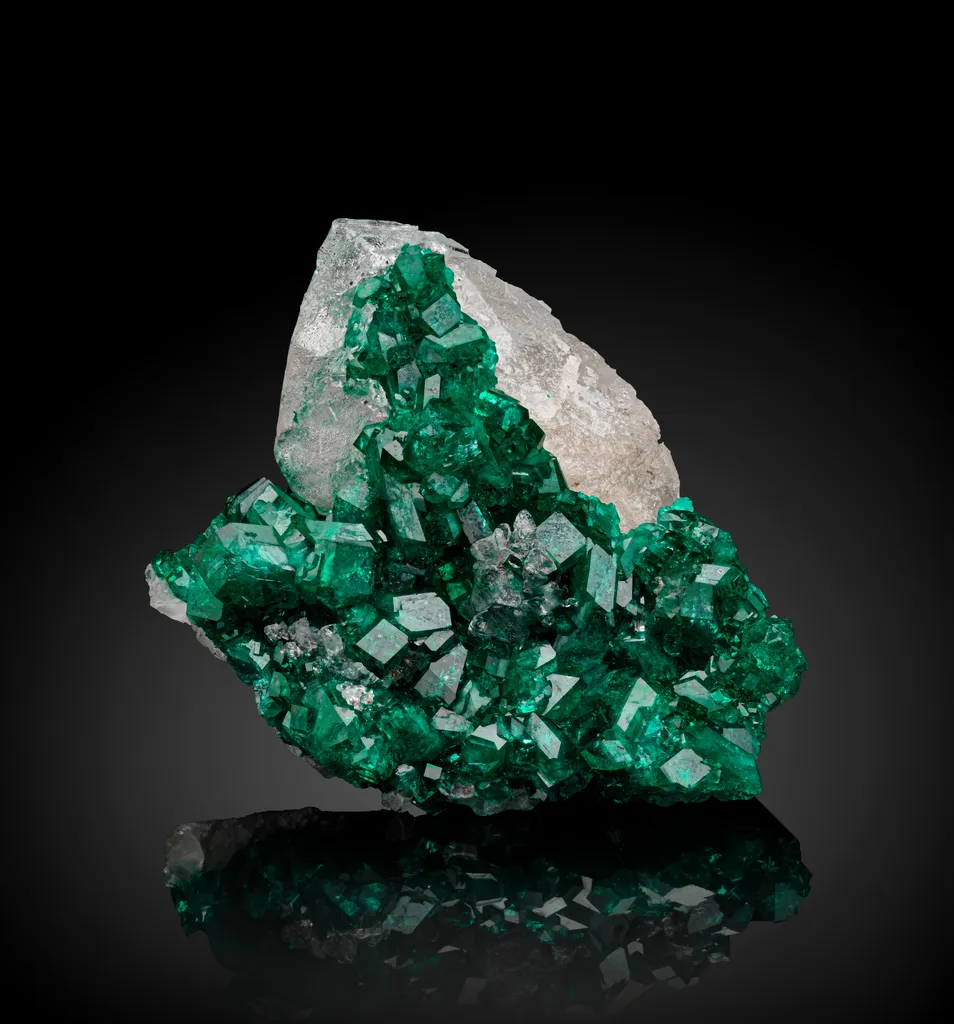
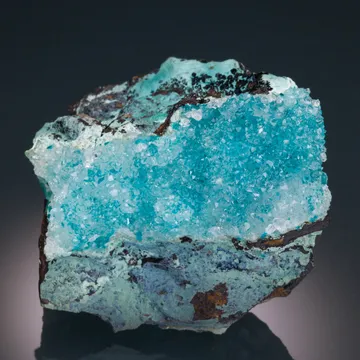
Collectors prize dioptase for its intense color and contrasting associations with quartz, malachite, and chrysocolla in the same pocket. Fine crystals often occur as sharp, lustrous prisms or clusters, sometimes accompanied by associated minerals that enhance display value. Although the mineral can be fragile, well-formed dioptase from classic localities remains a sought-after addition to mature collections, prized for both aesthetic appeal and crystal morphology.