Guide
18 for sale · $17–$750 USD
121 in the gallery
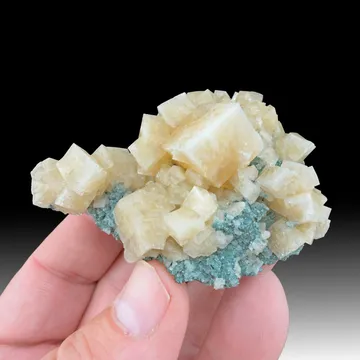
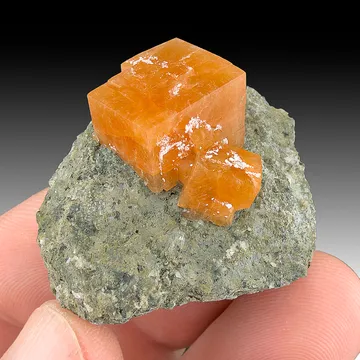
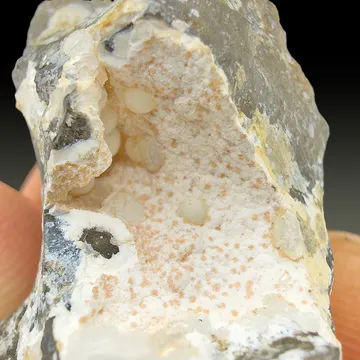
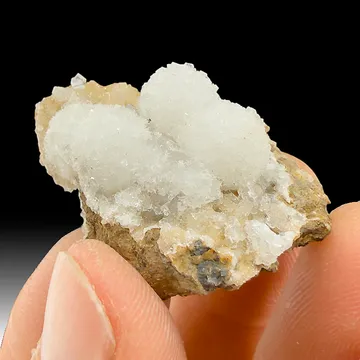
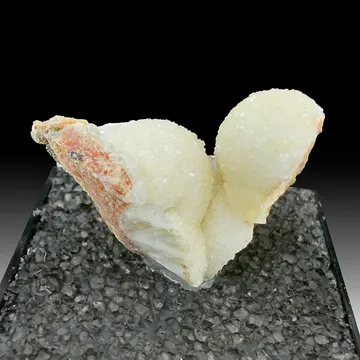
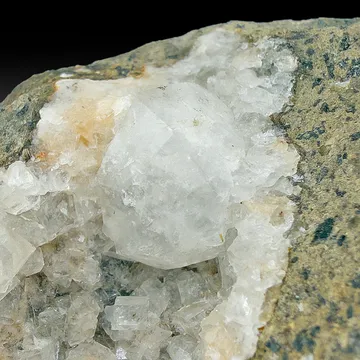
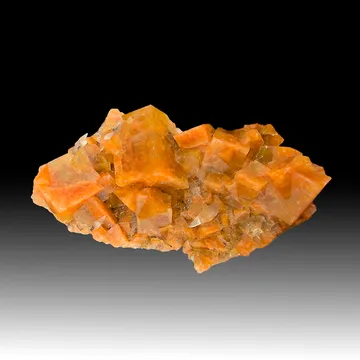
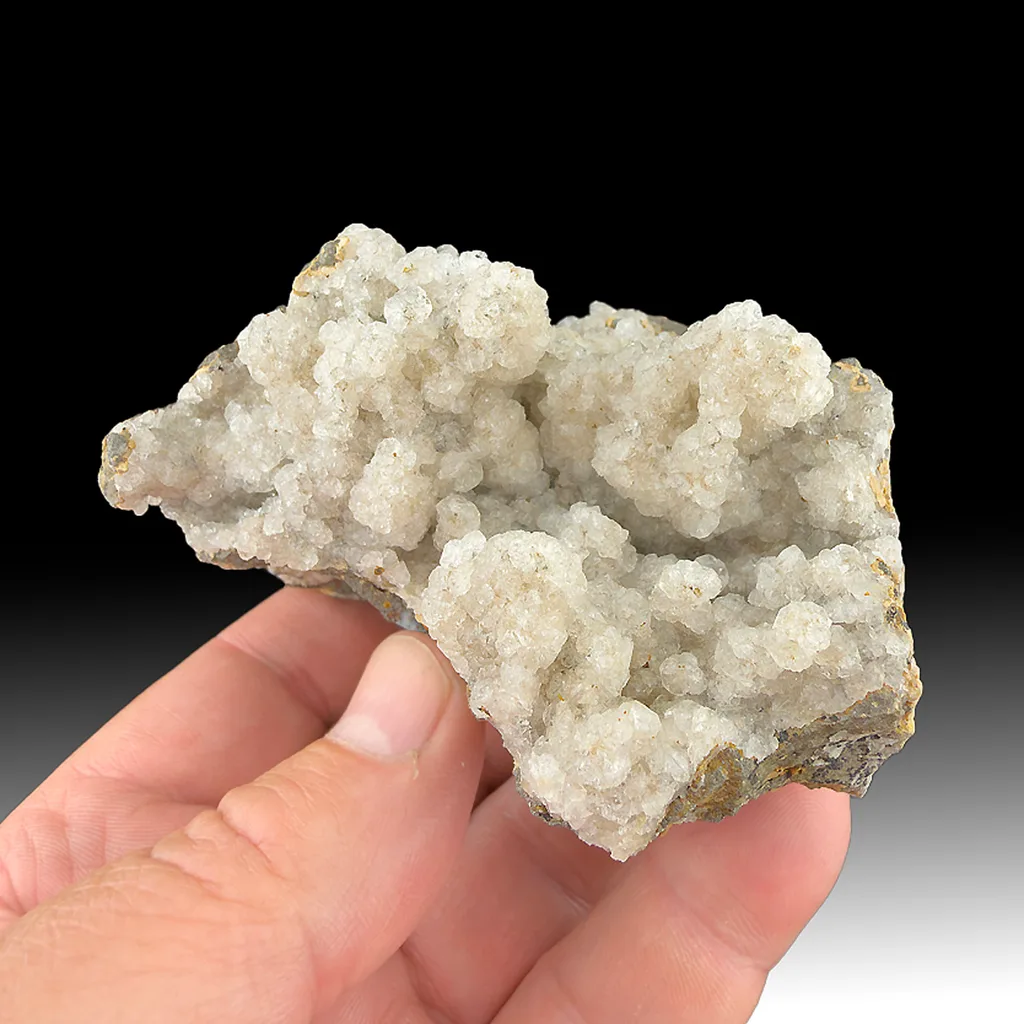
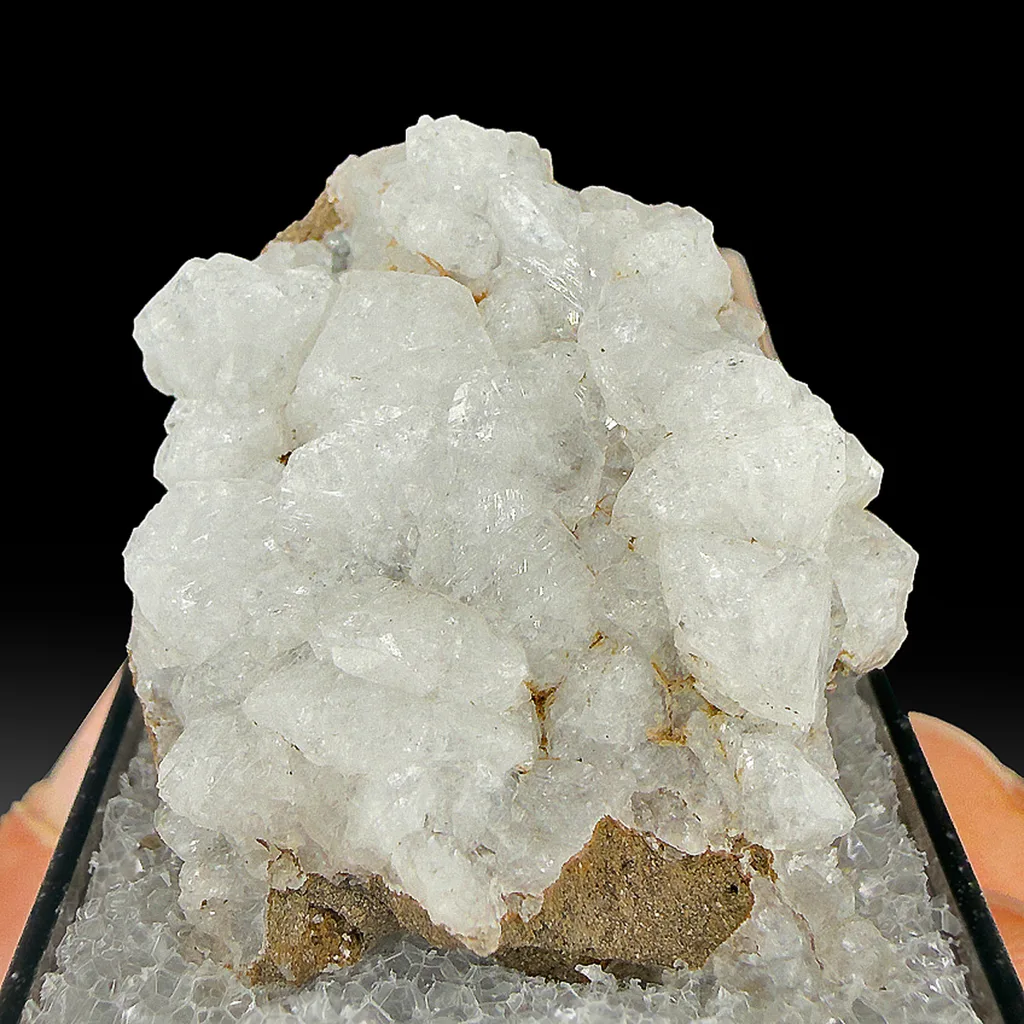
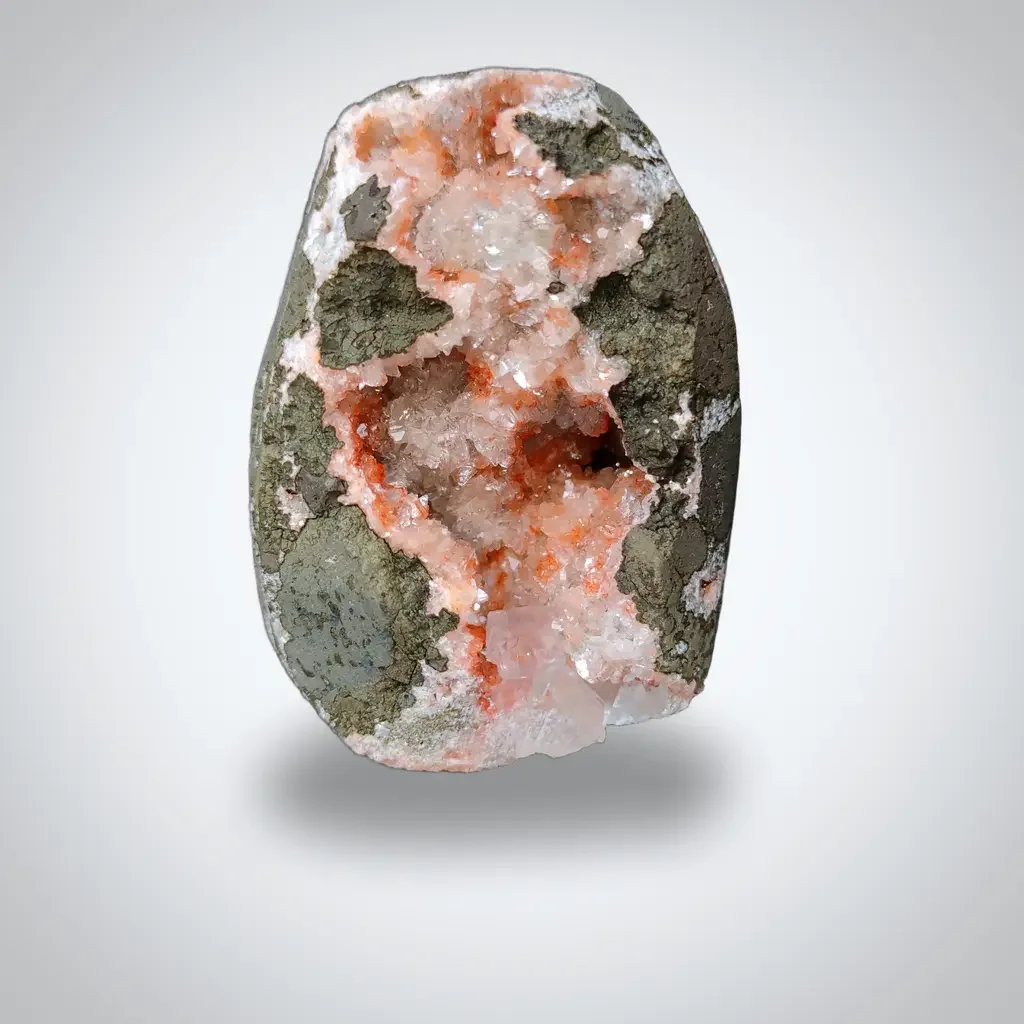
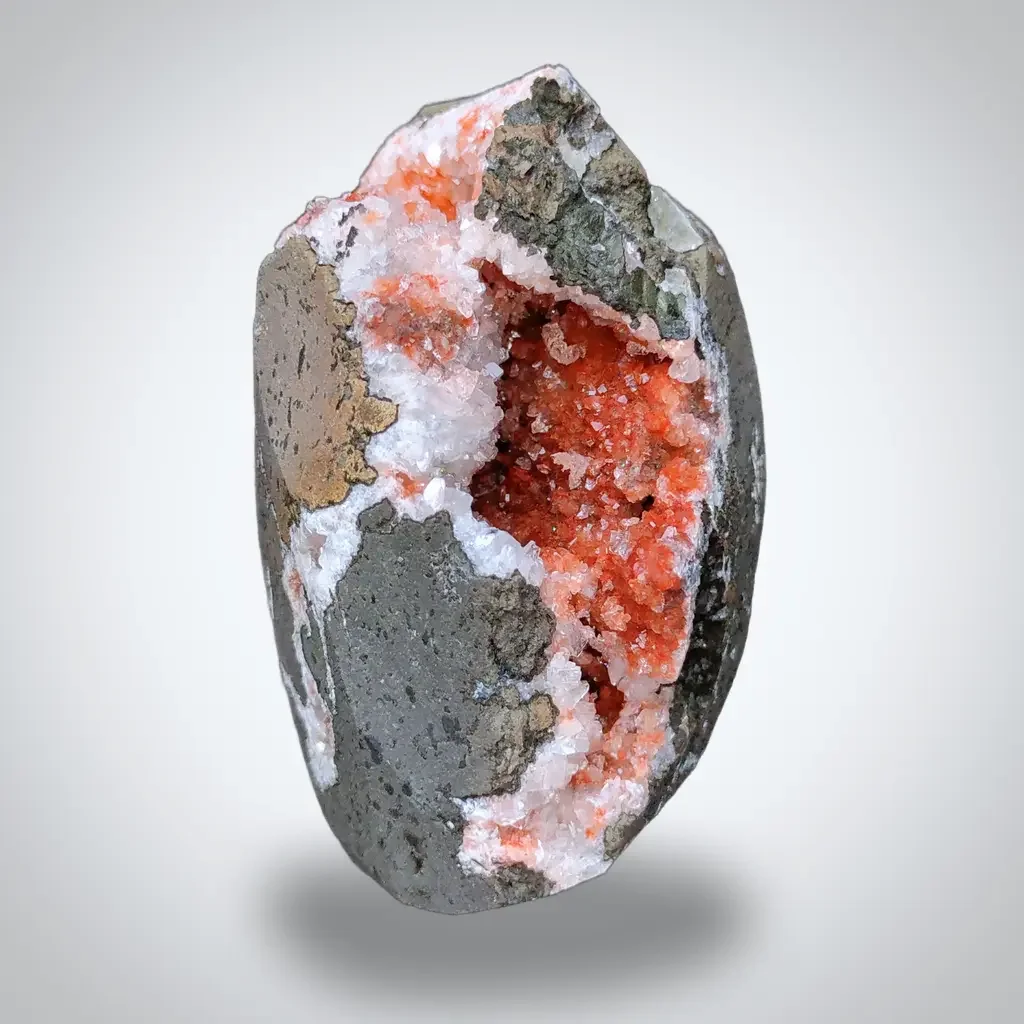
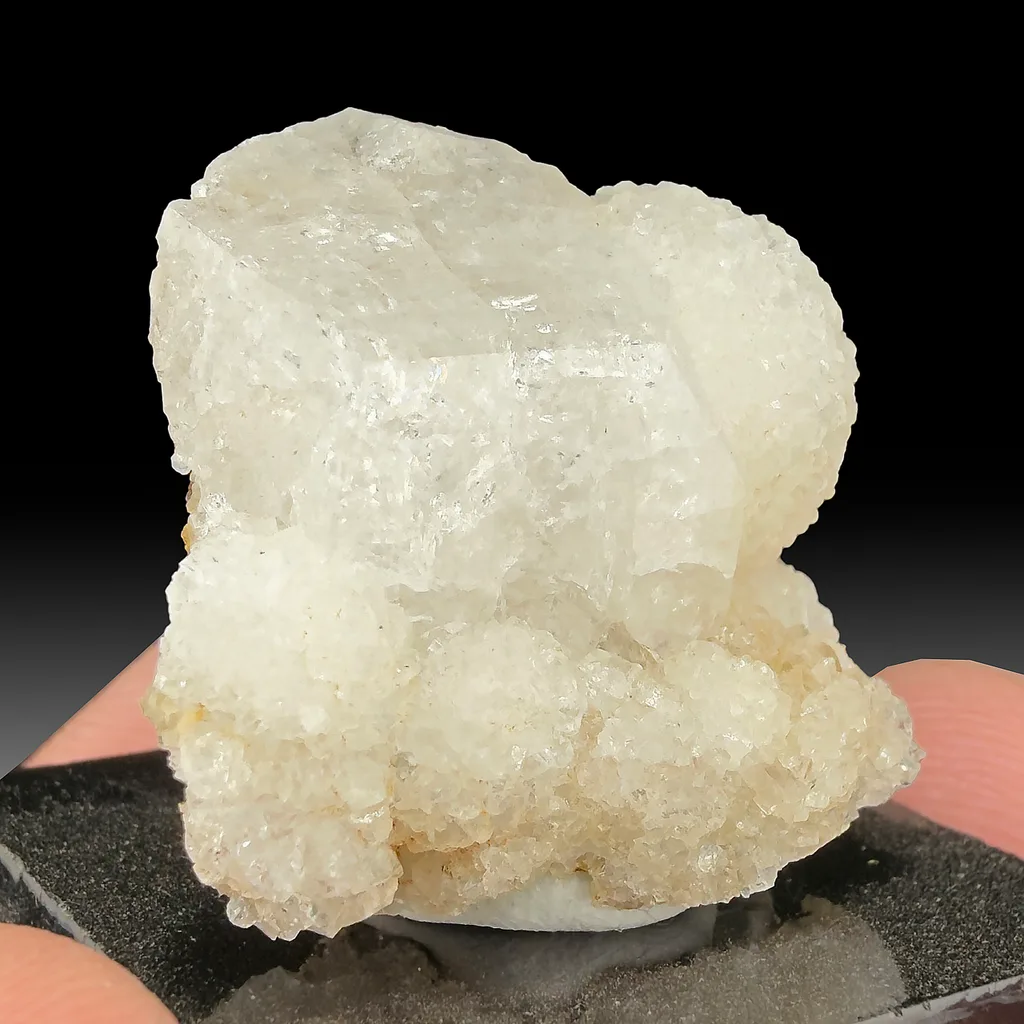
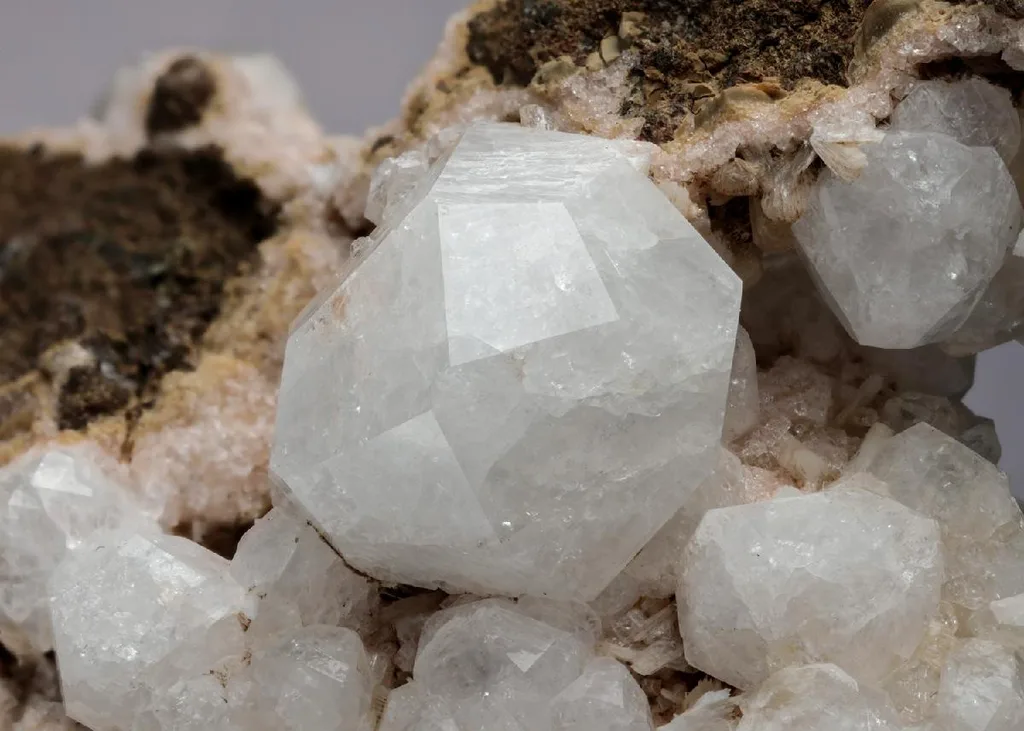
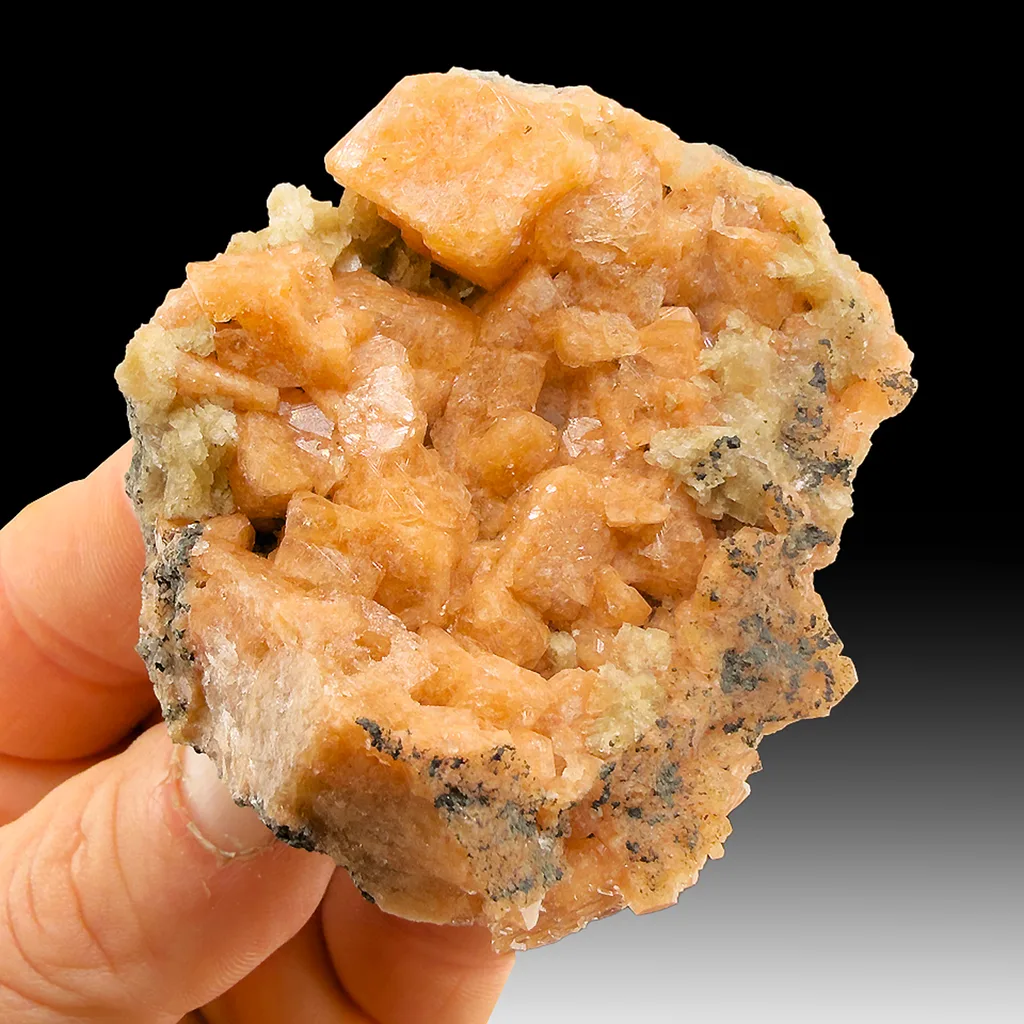
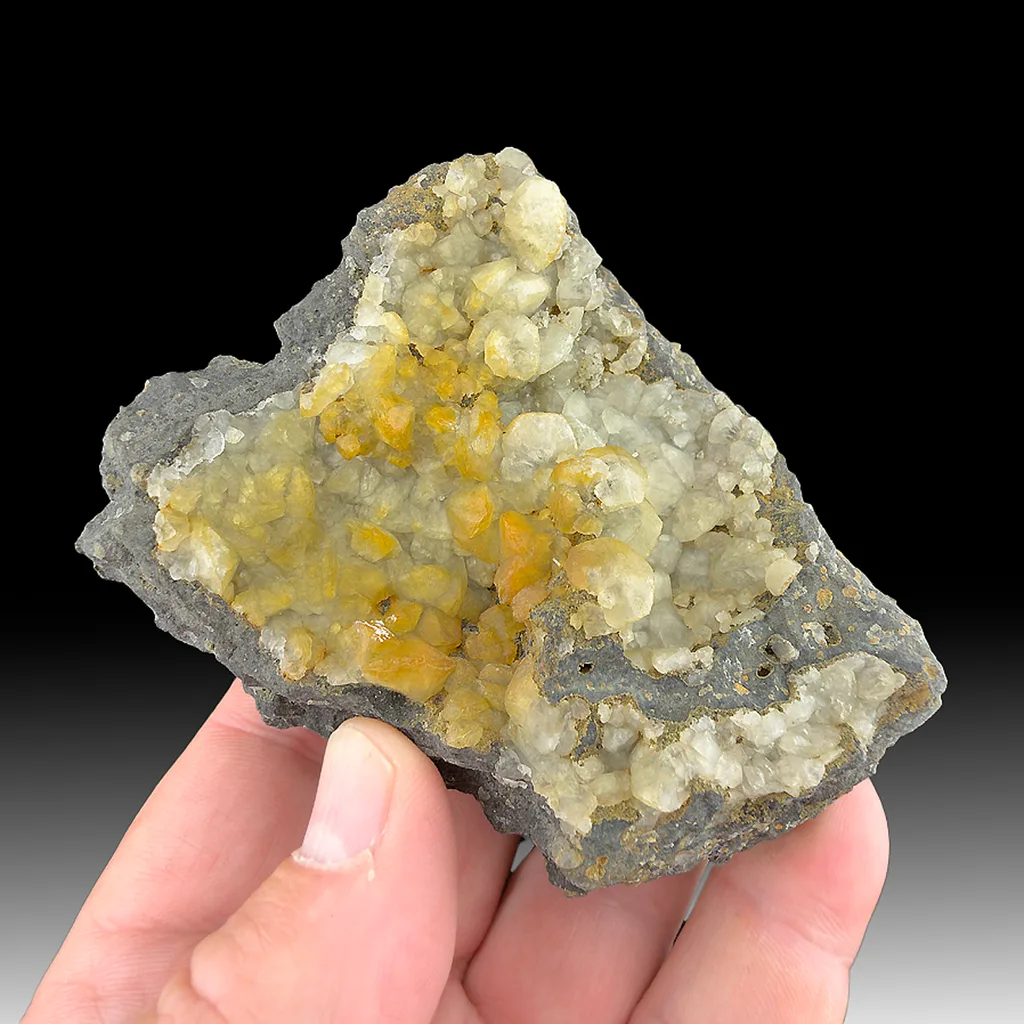
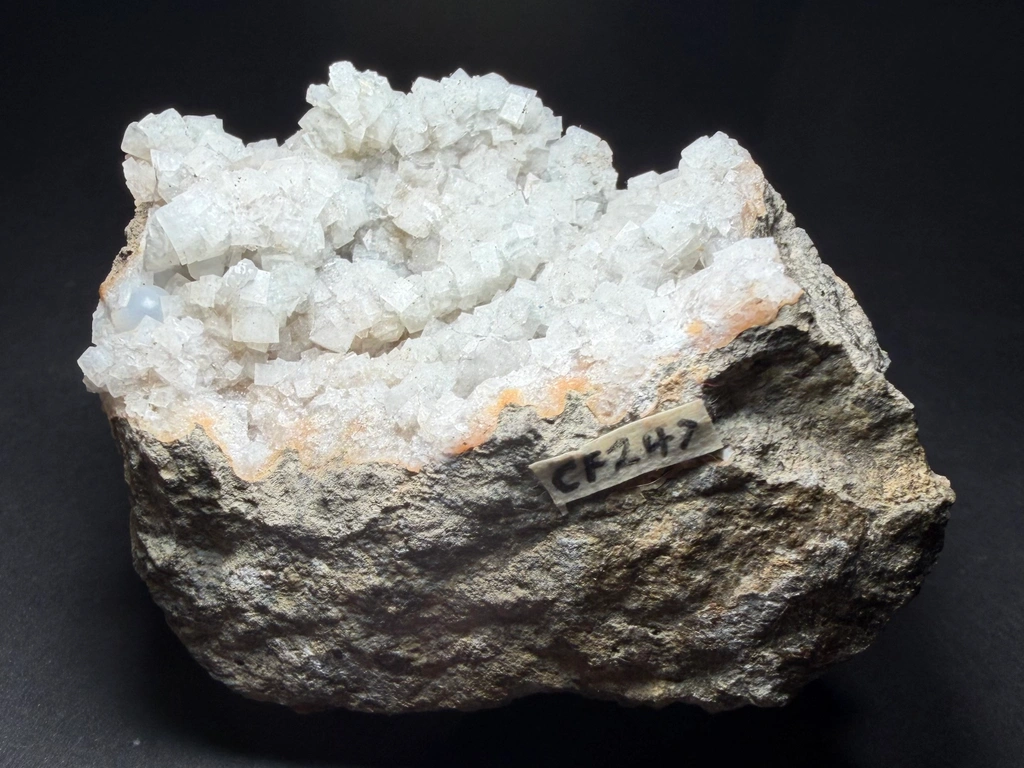
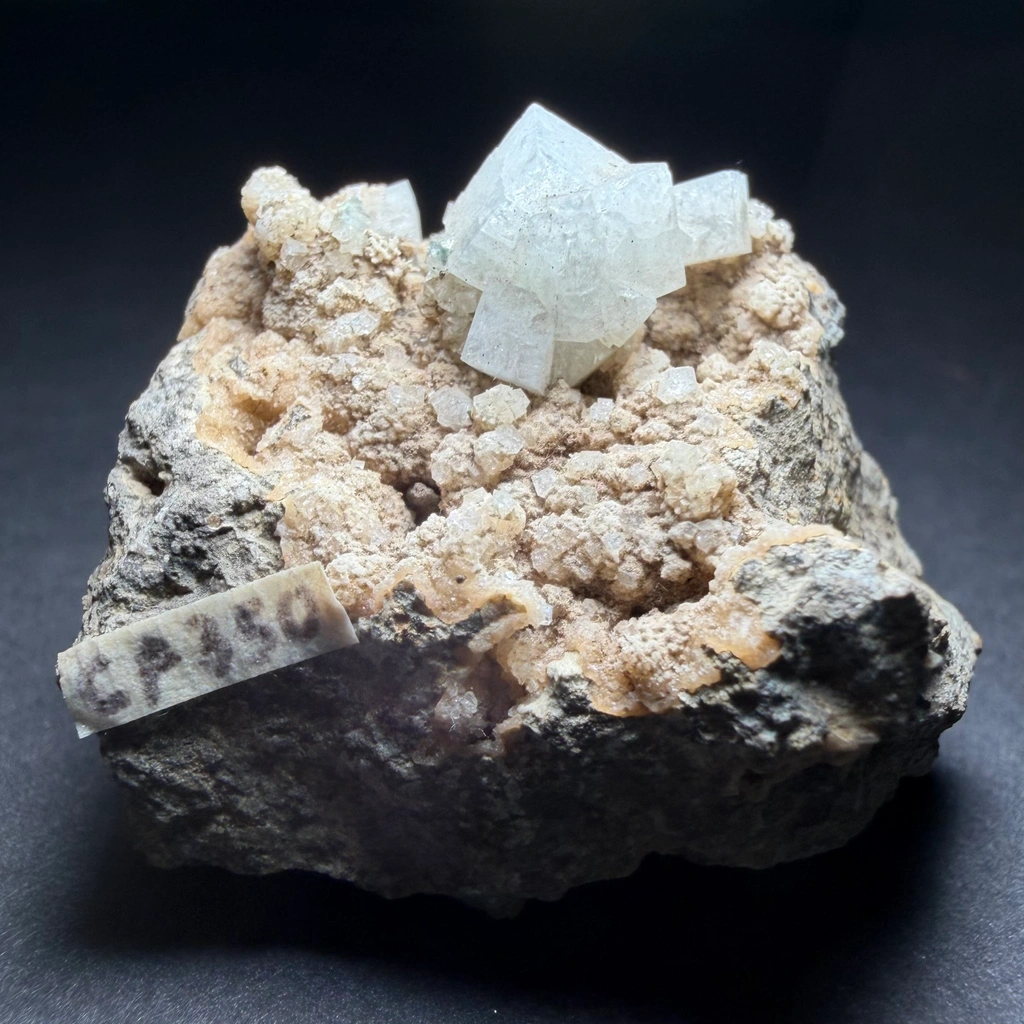
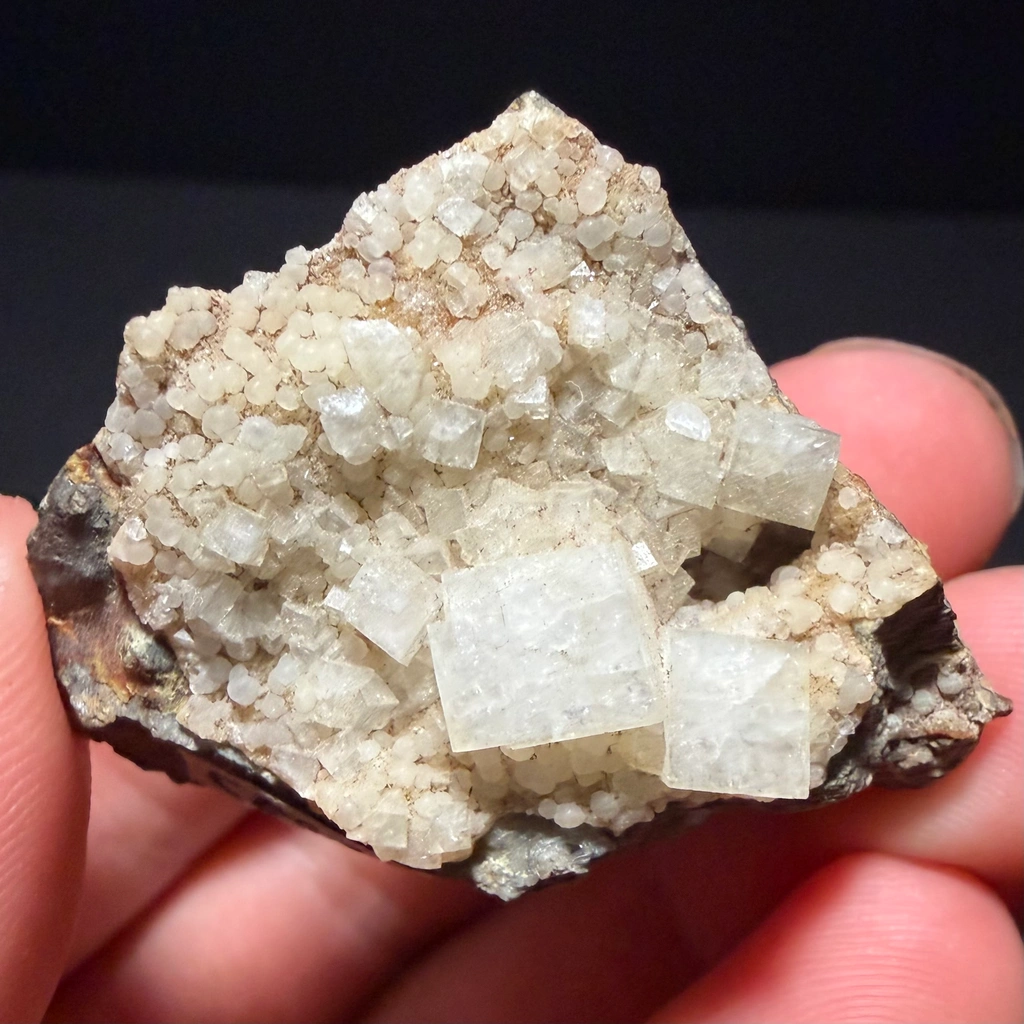
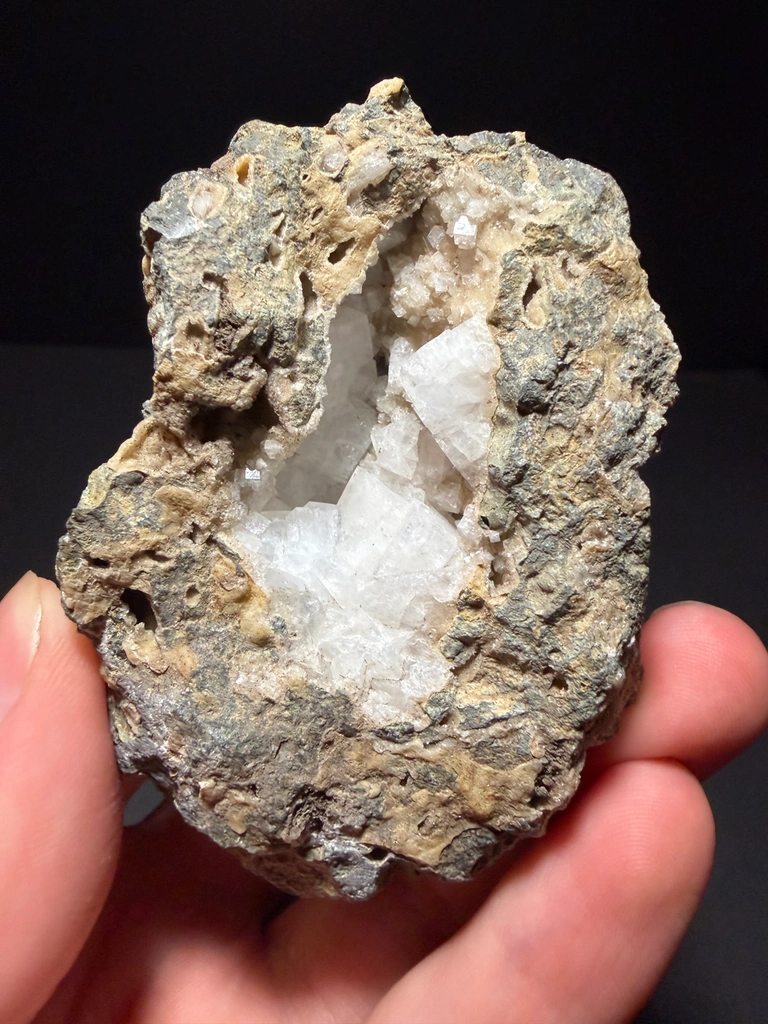
Chabazite is a hydrated calcium, potassium, sodium aluminosilicate belonging to the zeolite group. It typically forms as transparent to pale-colored, often orange or reddish crystals that display a rhombohedral habit and a vitreous to resinous luster. The mineral commonly occurs in volcanic tuyas and cavities within basalt and rhyolite, where low-temperature hydrothermal conditions promote its crystallization as zeolite-rich aggregates. Iconic specimens come from classic zeolite locales such as the United States, Canada, and other regions noted for large, well-formed chabazite crystals and robust diagnostic crystal mosaics.
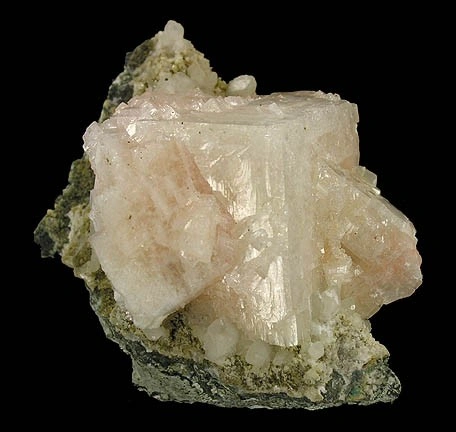
Collectors prize chabazite for its sculptural crystal forms, well-developed faces, and the way light interacts with its transparent to translucent material. The variety and habit—often in cluster sprays or geode-like pockets—make it an attractive centerpiece for display, especially when paired with other zeolites in similar matrix. Quality specimens reveal sharp edges, good translucency, and pleasing color zoning, attributes that further enhance their appeal to mineral enthusiasts seeking specimens with both aesthetic and geological interest.