
Aurichalcite specimens for sale
36 for sale · $290–$7,500 USD
235 in the gallery
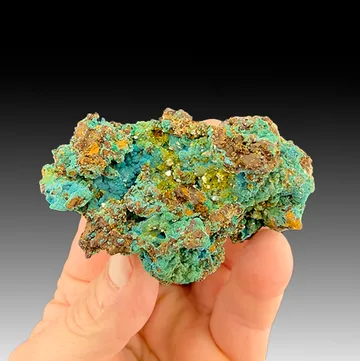
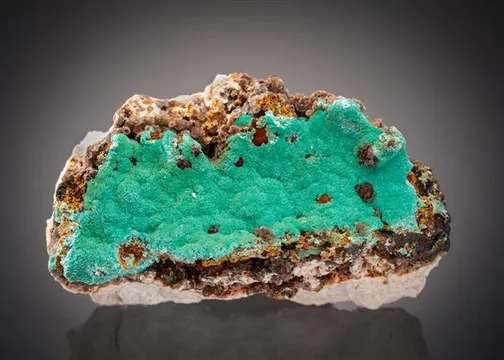
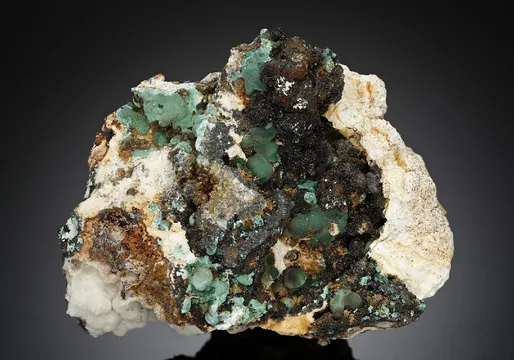
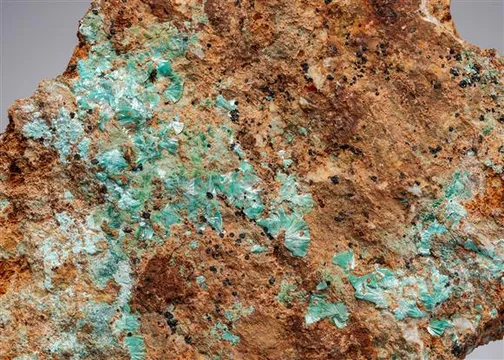
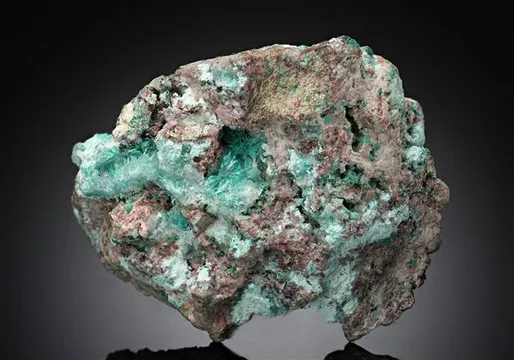
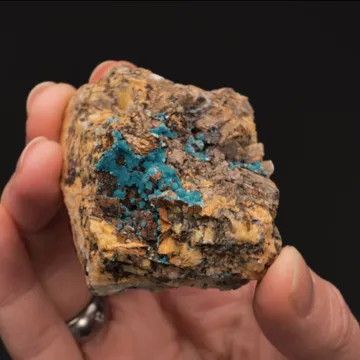
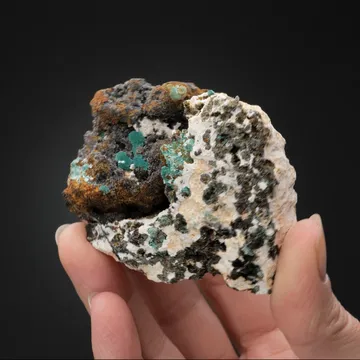
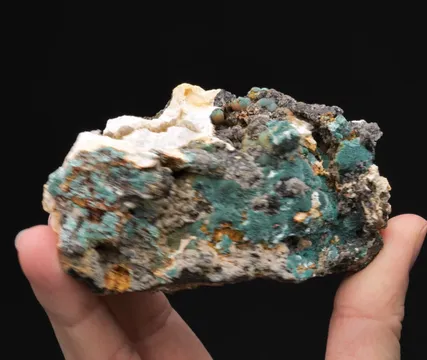
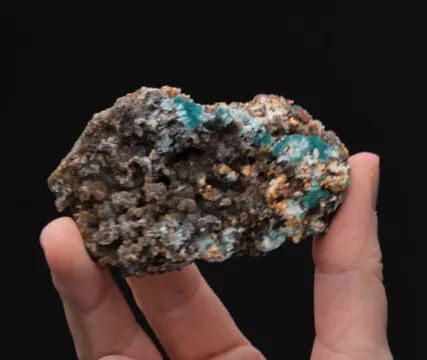
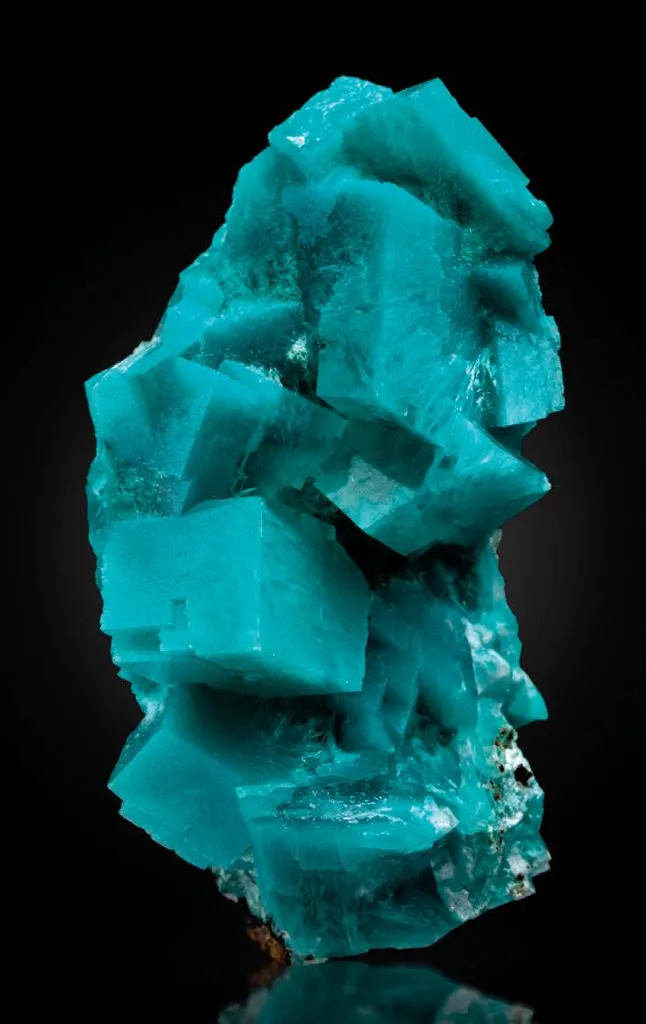
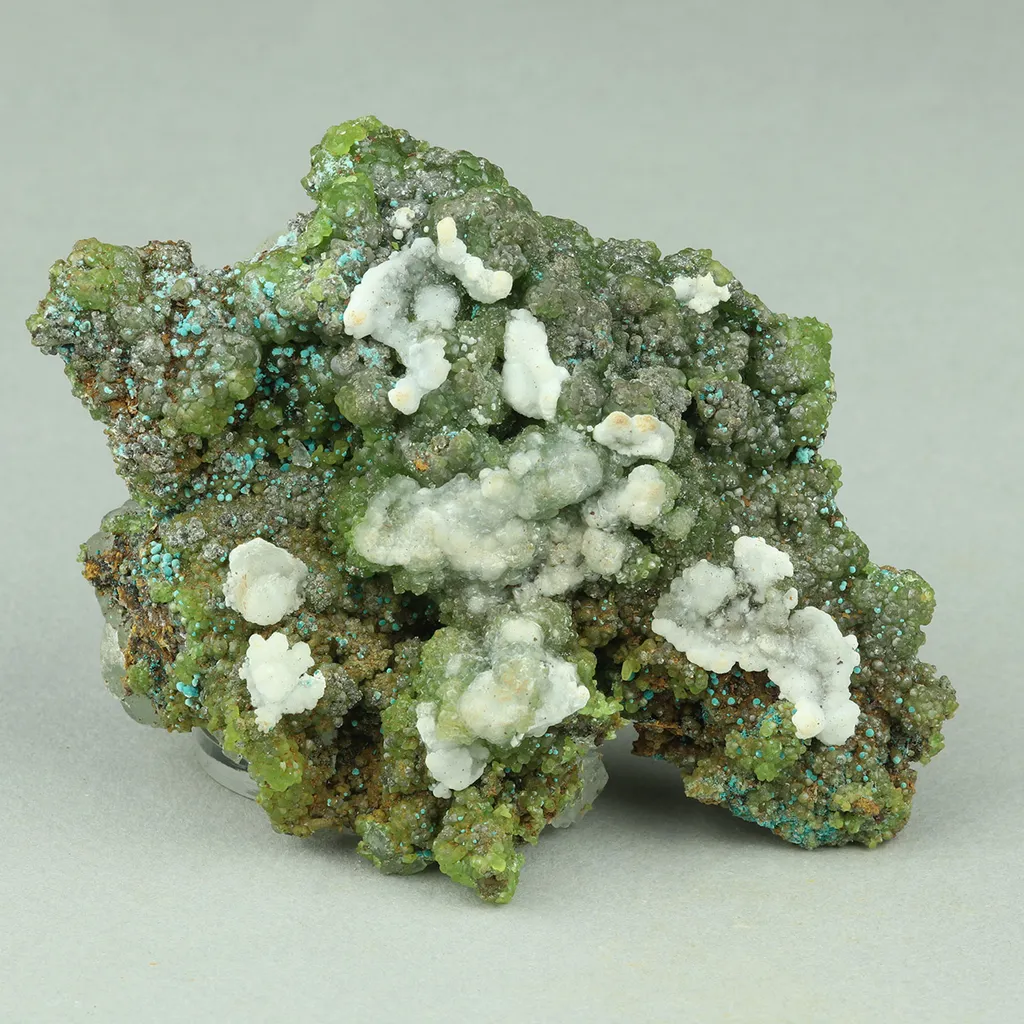
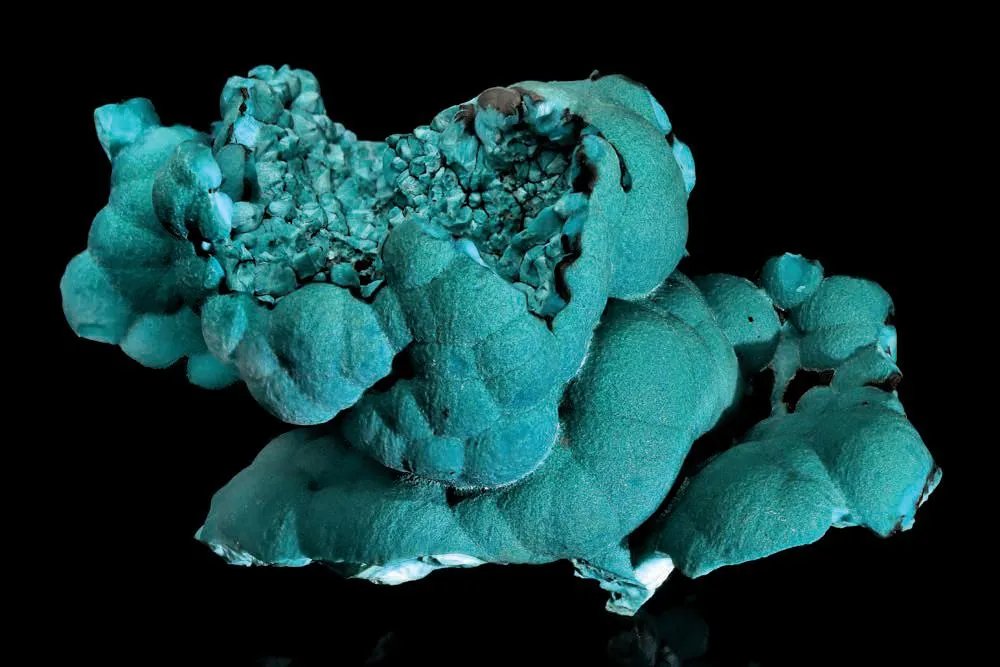
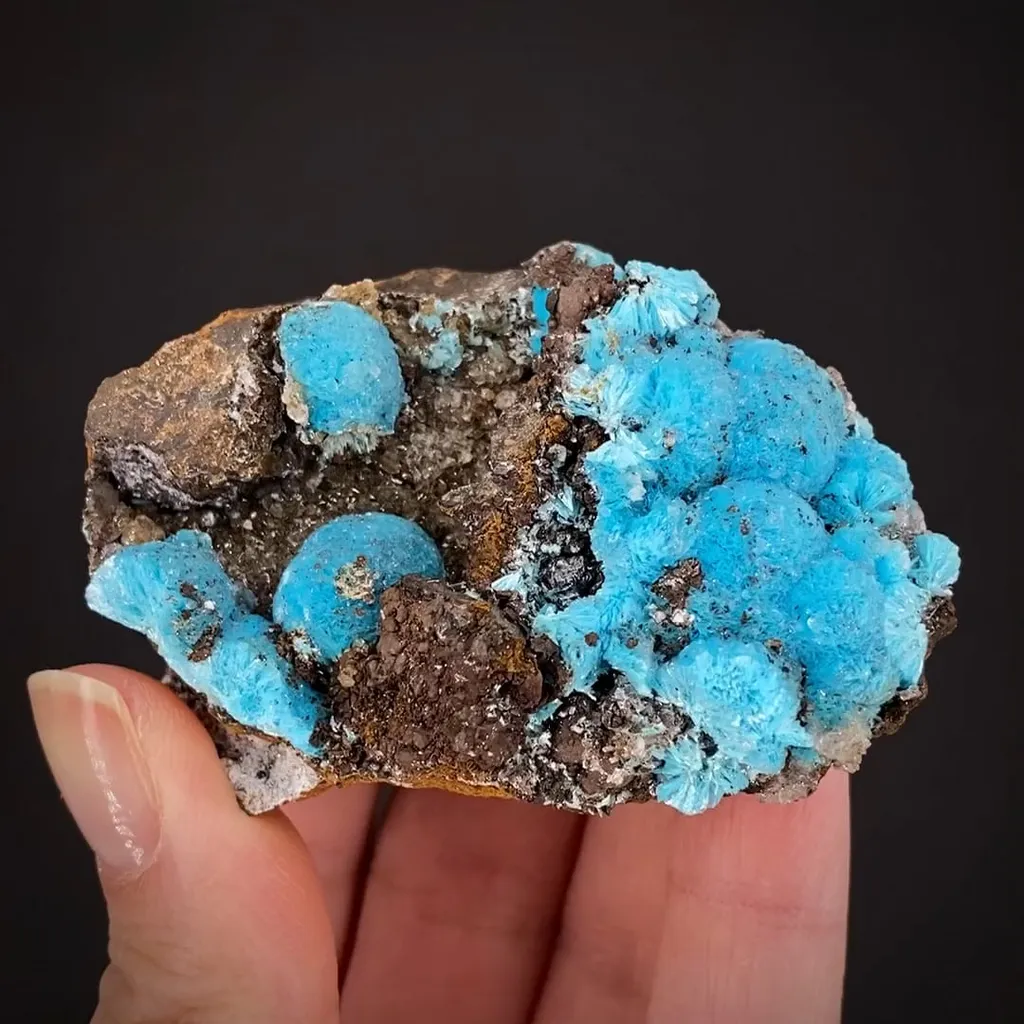
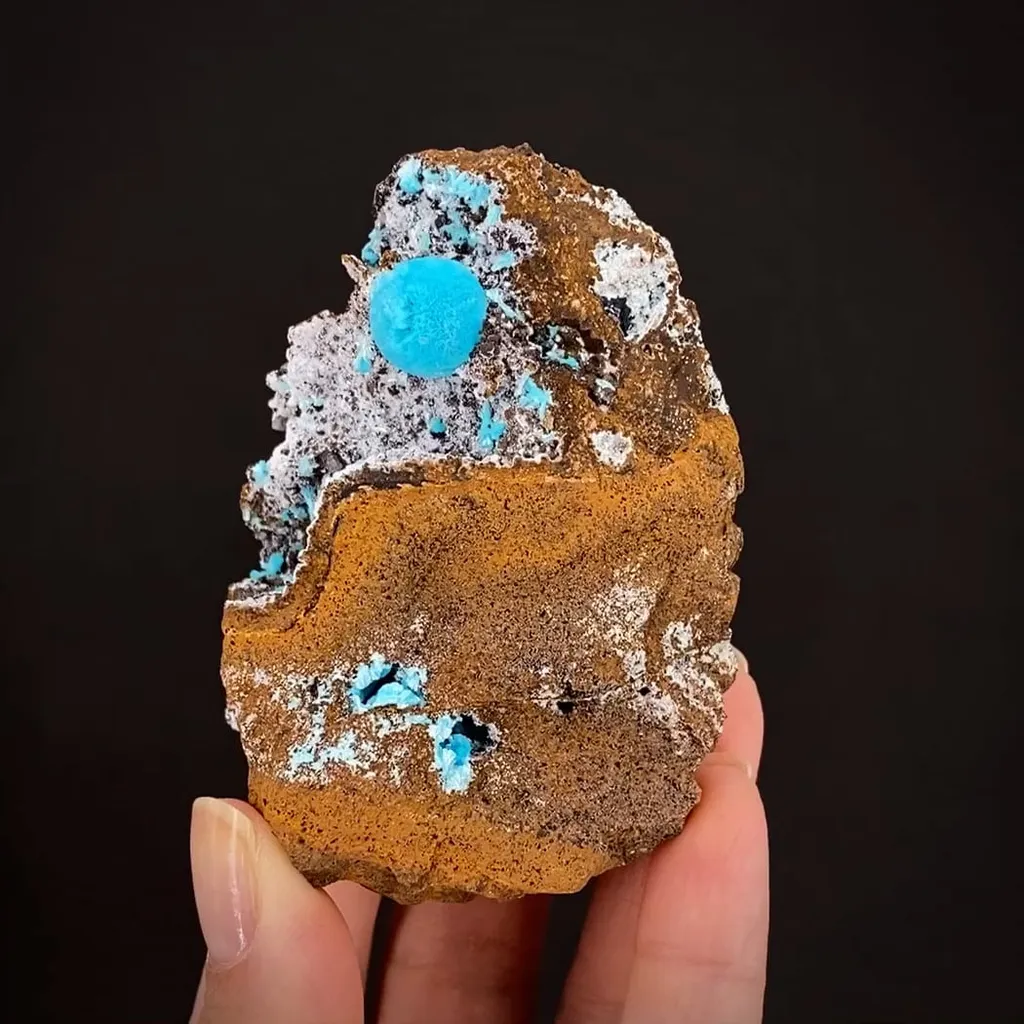
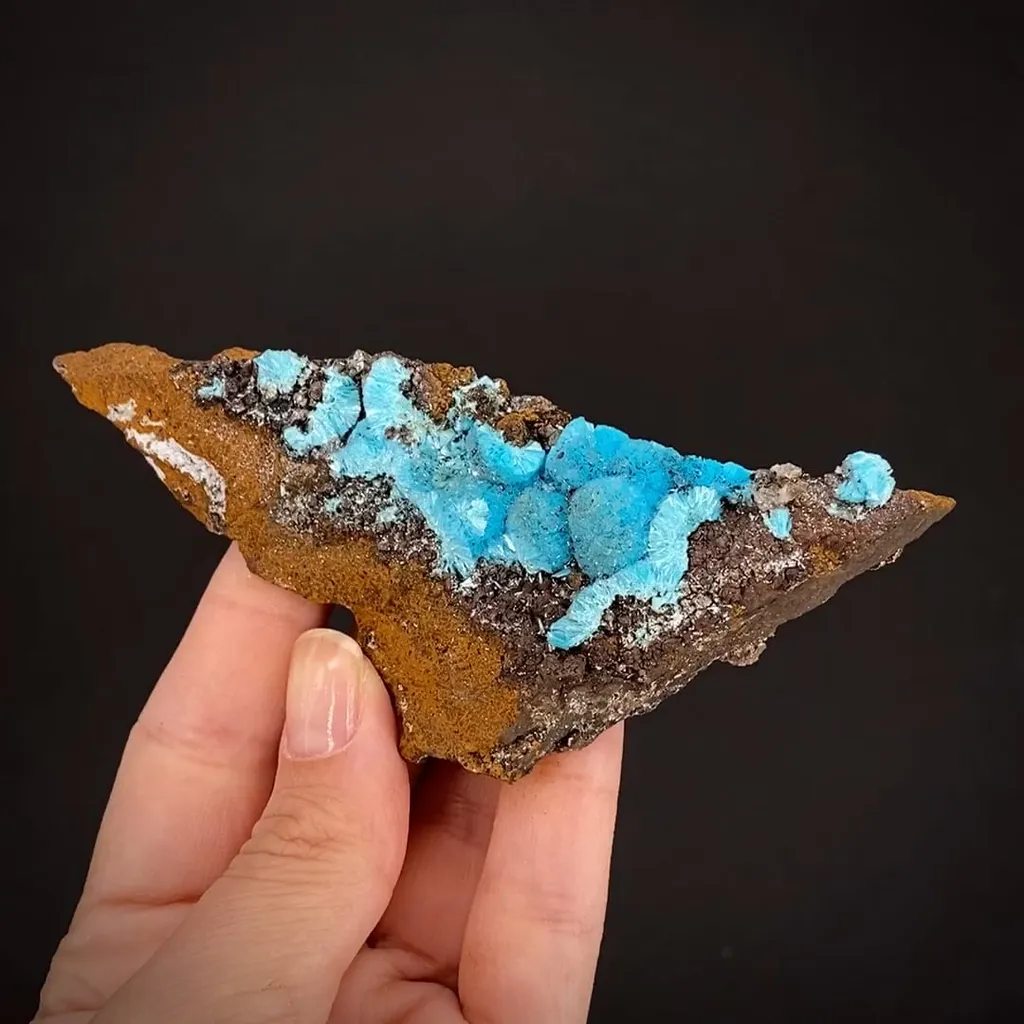
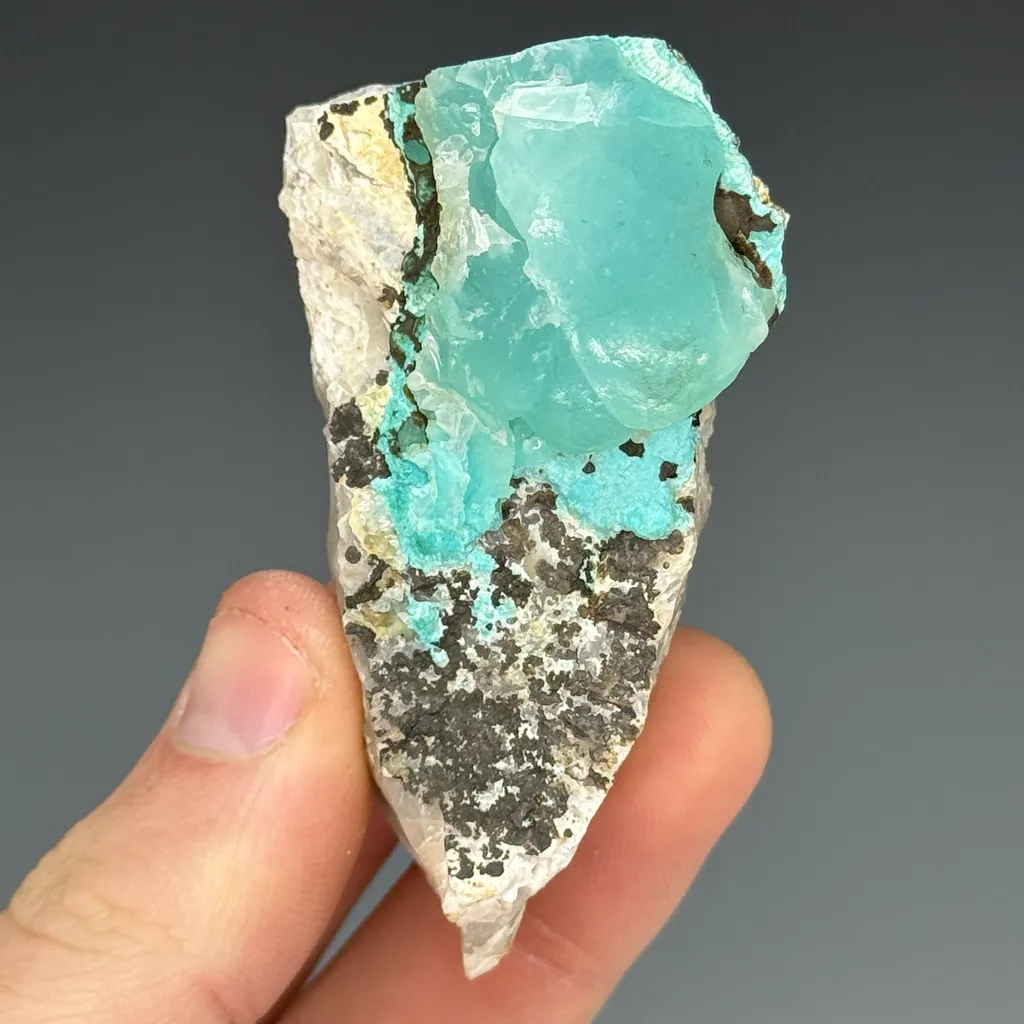
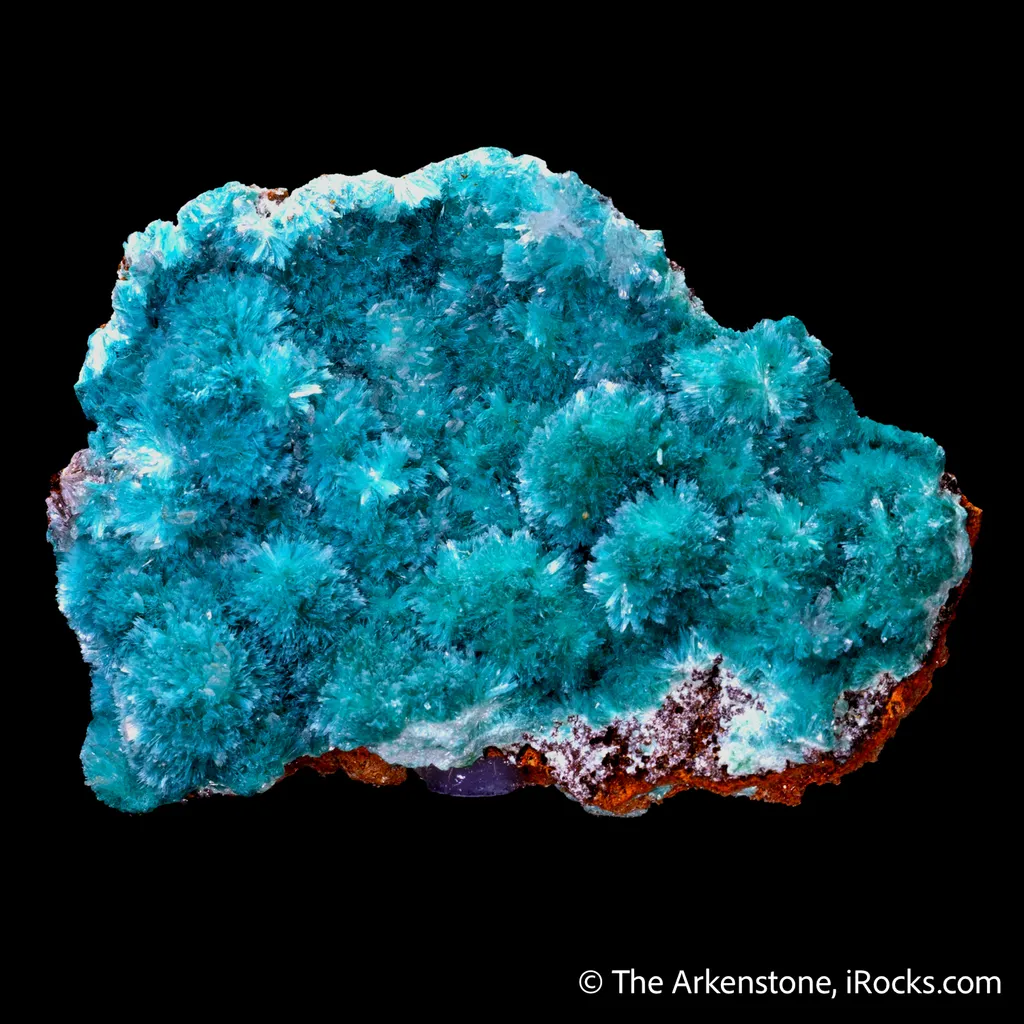
Aurichalcite is a carbonate hydroxy mineral that forms as fibrous to tabular aggregates, often displaying a pale blue to blue-green color and a silky to vitreous luster. It commonly occurs in oxidized zinc and copper ore deposits, associated with minerals such as smithsonite, hemimorphite, and malachite, and it can form delicate, radiating crystals or crusts on matrix. Localities with notable crystallization include parts of Mexico and the United States, where vug fillings and pocket specimens reveal its characteristic slender, needlelike or acicular habits and soft, pastel hues.
- Formula
- (Zn,Cu)5(CO3)2(OH)6
- Rarity
- Common
- Stability
- Moderately Stable
- Collector interest
- Moderate Interest
- Classification notes
- Carbonate mineral; carbonate-hydroxy with copper and zinc (IMA, Strunz 5.BA)
Buy Aurichalcite specimens
View all 36Where Aurichalcite is found
Guides
All guides


Aurichalcite from Tsumeb, Namibia
Aurichalcite from Tsumeb, Namibia — pale blue-green acicular crystals and feathery sprays in an oxidized zinc-copper system; prized for freshness and texture.Read guide
Aurichalcite from Ojuela Mine, Mapimí, Mexico
Aurichalcite, from Ojuela Mine, Mapimí, Mexico — vivid blue-green acicular tufts on rusty gossan; prized for color, texture, and iconic locality specimens.Read guide
Aurichalcite from Lavrion Mining District, Greece
Aurichalcite, Lavrion, Greece: pale blue-to-blue-green fibrous sprays; valued for association pieces, district context, and collector appeal.Read guide
Aurichalcite from Kelly Mine, Magdalena, New Mexico, USA
Aurichalcite from Kelly Mine, Magdalena, New Mexico — blue-green botryoidal crusts, notable for the locality’s zinc-lead history and prized by serious collecto…Read guideAbout Aurichalcite
Collectors prize aurichalcite for the subtle color and textures it presents in mineral suites, as well as its association with copper and zinc oxide environments. Specimens from classic Mexican and North American localities tend to be more vividly colored and well-formed, making them sought after for display and cabinet collections. While relatively common in some oxidized zones, high-quality, well-crystallized pieces remain desirable for their aesthetic balance of color, sheen, and form.