$500Median
245Sold (12 mo)
$125Last sale
Tsumeb mine is a world-famous Pb-Zn deposits of Late-Proterozoic age in the Otavi Mountain Land in Namibia. Although already exhausted, had produced numerous stunning specimens that make "Tsumeb" a legendary in mineral world.
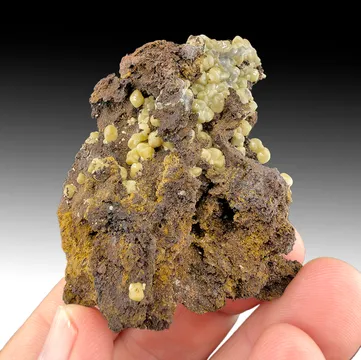
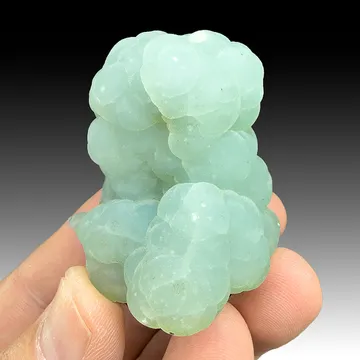
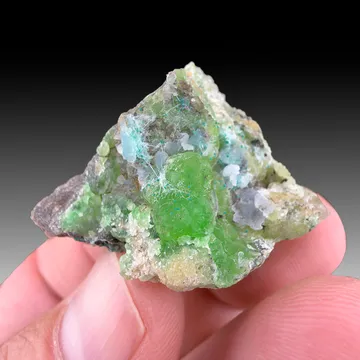
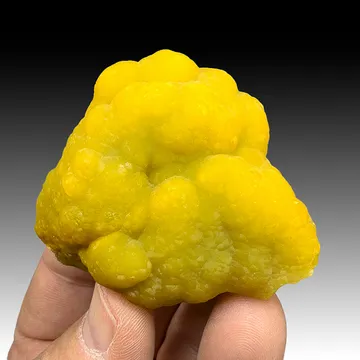
Tsumeb is a part of the Northern Carbonate Platform of the Pan African Damara orogeny. Post-collision rift allowed sediments deposited, multifarious interactions between magma, hydrothermal solutions, sediments, and wall rocks enhanced the local mineralization. Among the 366 valid minerals were found in Tsumeb, smithsonite stands out. Smithsonites from Tsumeb are world classic that characteristic by their various colors, large crystals, diverse habits, associations, and of course, high quality.
Smithsonite is usually generated as the zinc carbonate produced from sphalerite oxidation reacts with calcites and other carbonates from the surrounding rock. Galena is always found with sphalerite, because Zn and Pb love sulfur at a reduced environment. Oxidation of galena will produce cerussite or anglesite, depend on the fluid chemistry, but explains why smithsonite sometimes found with secondary lead minerals. Some places like Elmwood, Tennessee or MVT type deposits (see my pervious posts) may have potential to find such mineralizations once found the oxidation zones.
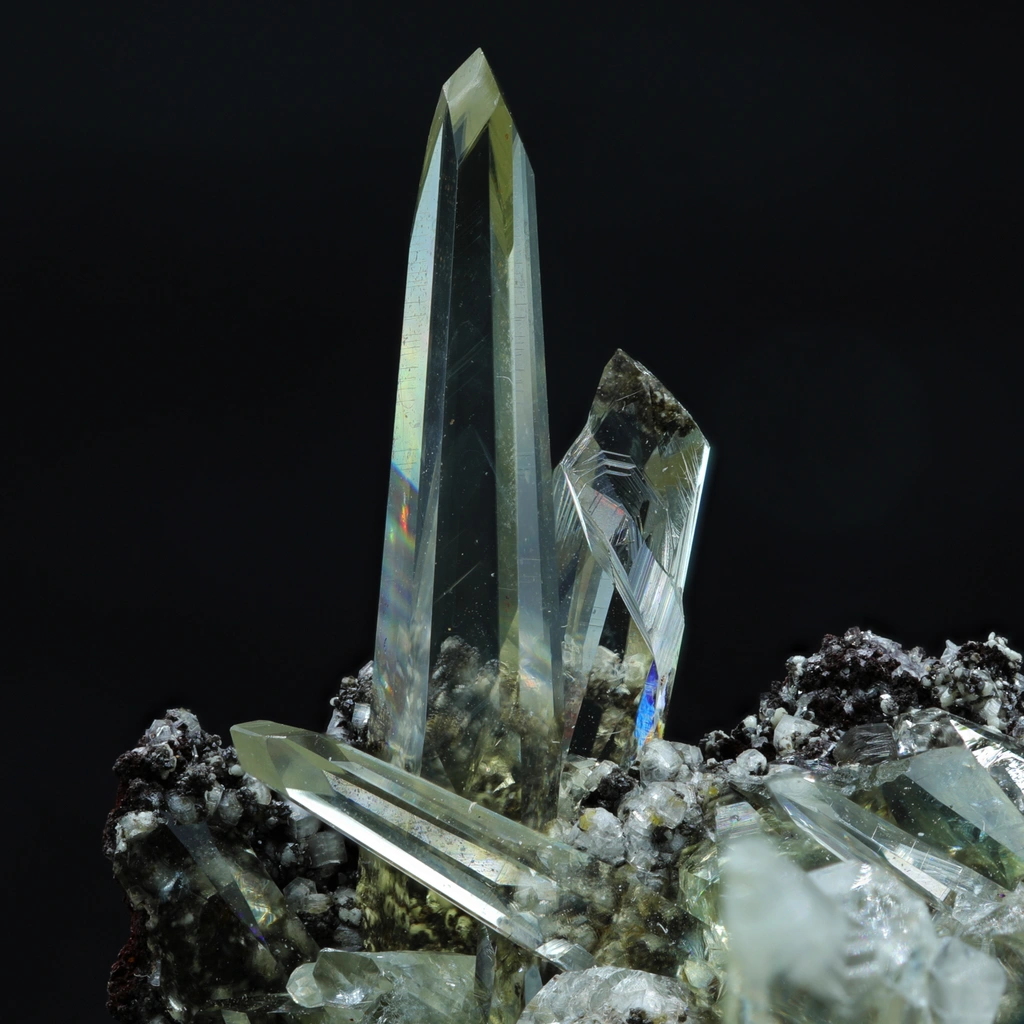
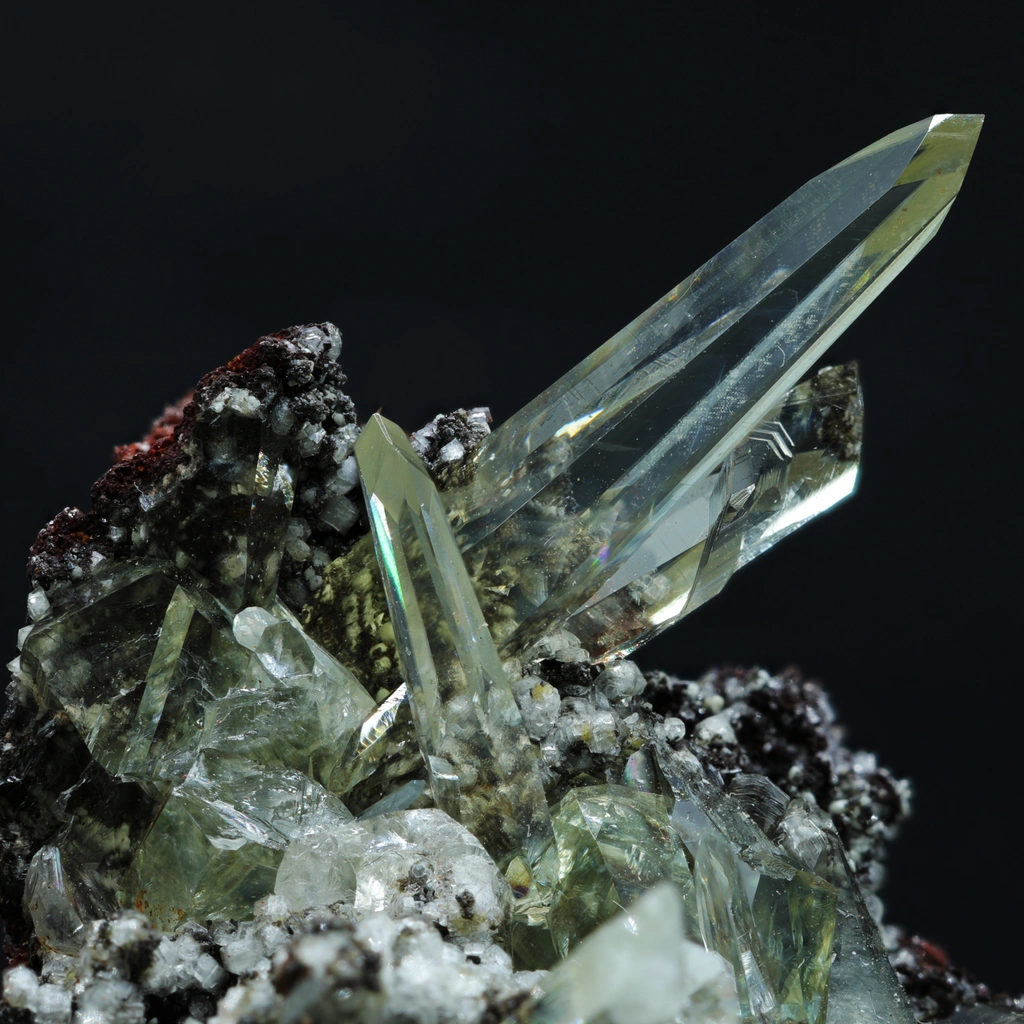
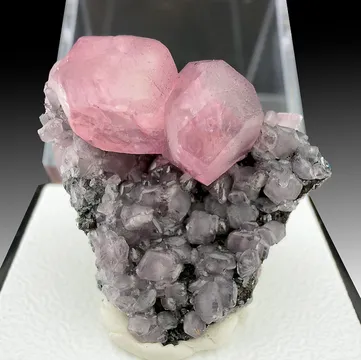
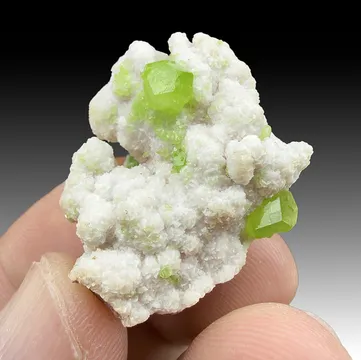
This specimen below shows a distinct looking than most of smithsonites, even for Tsumeb. Prism smithsonites usually don't have a glassy luster due to the secondary/parallel growth textures or inclusions. This is a special specimen that has superb quality. I was told this was a small find in the 1970s.
Smithsonite, 2.8cm, FOV 20mm, Tsumeb, Oshikoto Region, Namibia
Jingnan (Tom) Zhang Coll & Photo
Comments