$165Median
511Sold (12 mo)
$200Last sale
Recent salesSee more
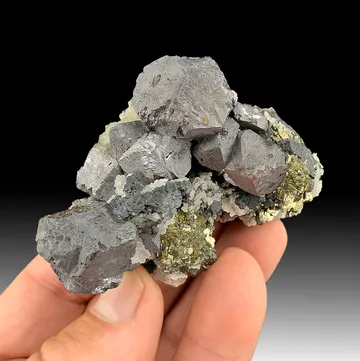
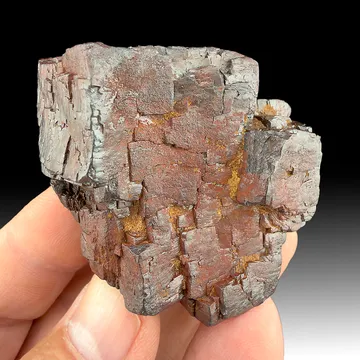
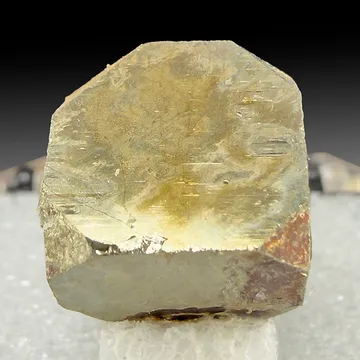
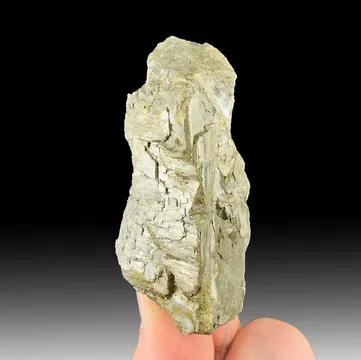
Sulfur is an essential element in a wide range of environments including the lithosphere, biosphere, hydrosphere, and atmosphere. Sulfur mainly resides in the Earth's mantle and a trace element in silicate melts such as granites. However, sulfur can be locally concentrated in highly evolved magmatic systems and typically associated with ore deposits. Although pyrite is probably the most common sulfide minerals, rare in silisic systems, but a great indicator of gold, uranium, tin, tungsten deposits.
Pyrite in granite is uncommon and usually low abundance. Most of magmatic sulfur are lost during whether degassing or sequestered by chalcophile (sulfur-like) elements in the lower crust. In a reduced magmatc environment, the sulfur compound is H2S, which is circulated hydrothermal fluids and transport to the depositional sites, and finally, deposition of sulfide minerals through interaction of these fluids with the wall rock until the system cooled below 300℃. During this stage, biotite may be consumed because this is the phase that carries Fe2+, and hydrothermally altered feldspars may be also observed, evidenced by clay minerals in the pocket.
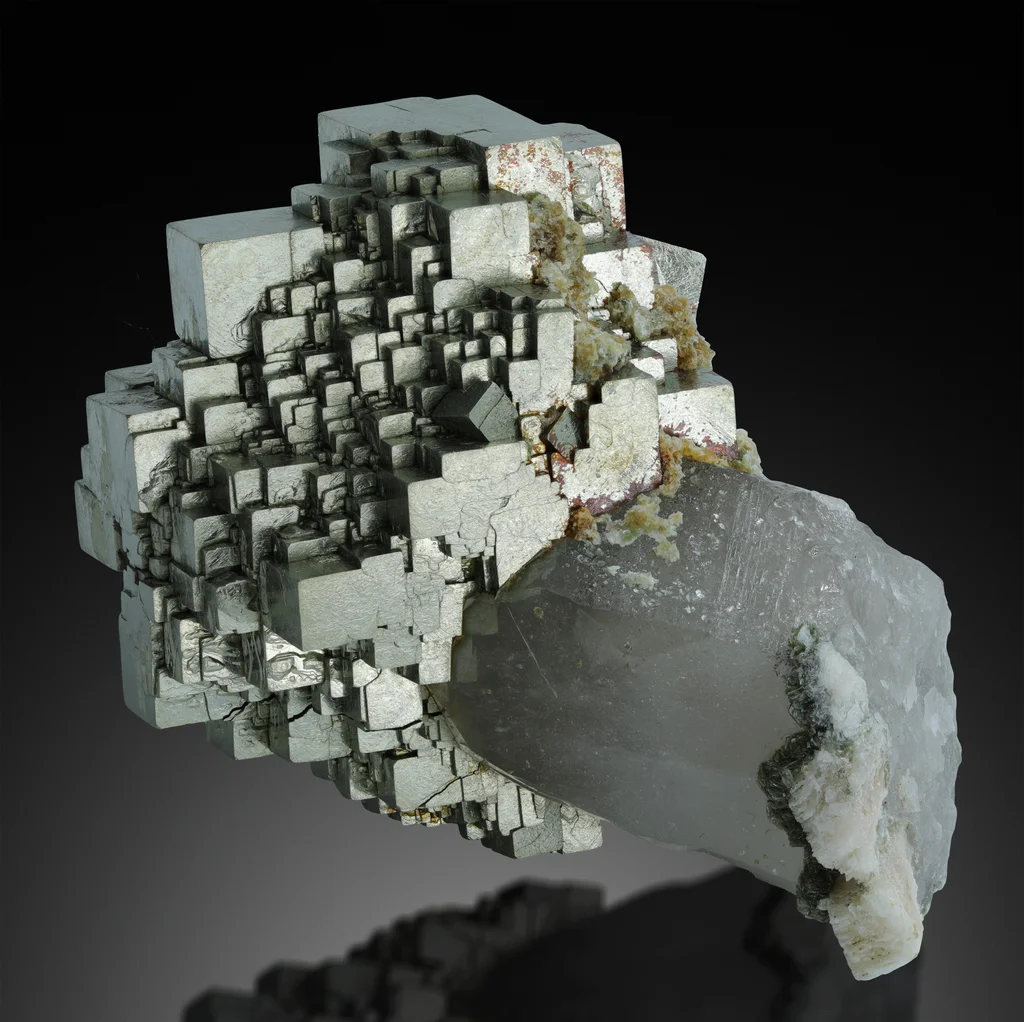
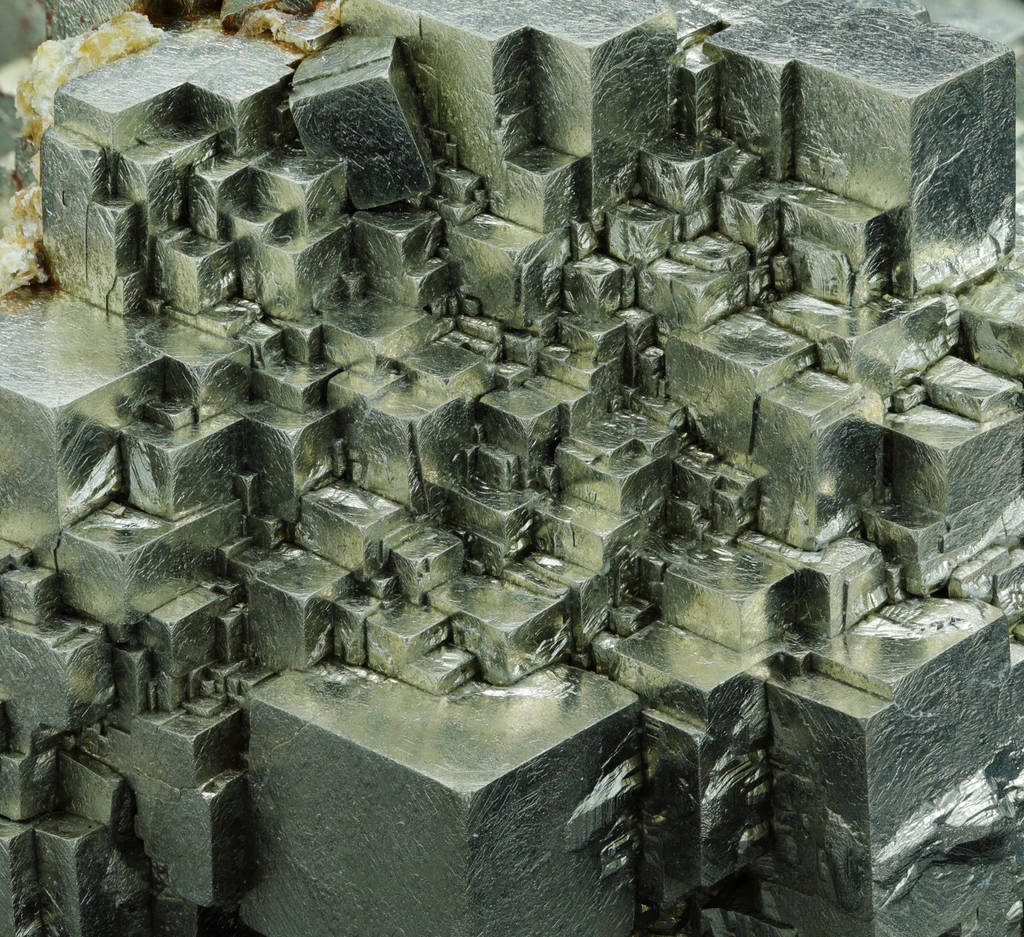
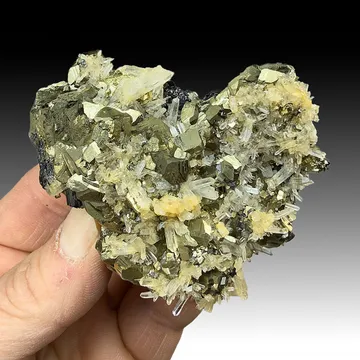
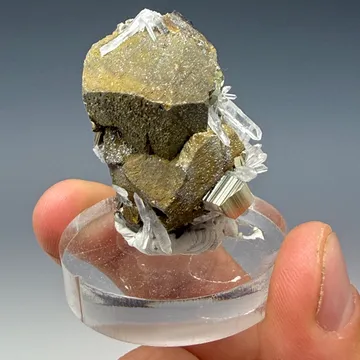
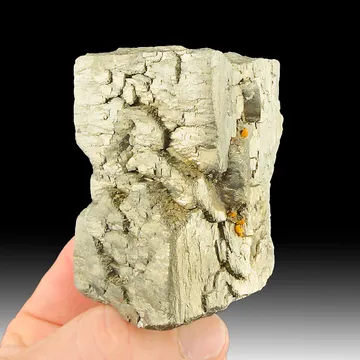
This specimen I acquired last year as a gift is from my specialized locality, Tongbei. It shows remarkable pyrite cubes with stepped crystal faces perched on a smokey quartz crystal.
Pyrite on Quartz, 4.3cm, Wushan Spessartine Mine, Tongbei, Yunxiao Co., Zhangzhou, Fujian, China
Jingnan "Tom" Zhang Coll & Photo
Comments