Guide
5 for sale · $300–$1,200 USD
24 in the gallery
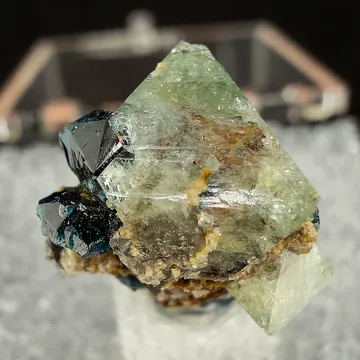
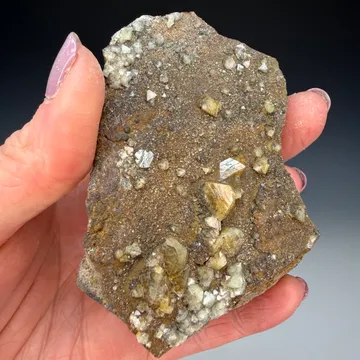
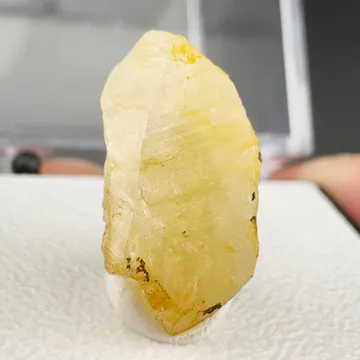
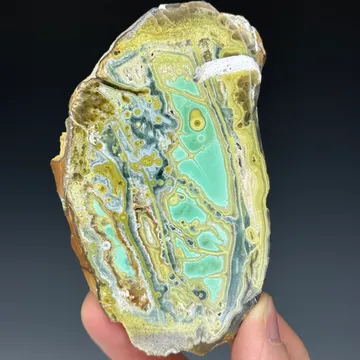
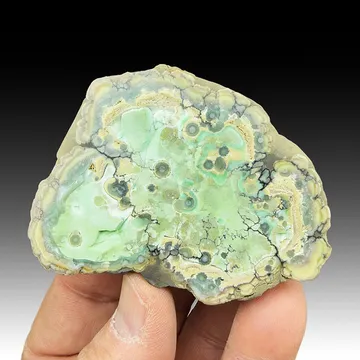
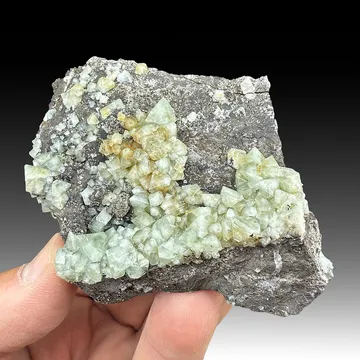
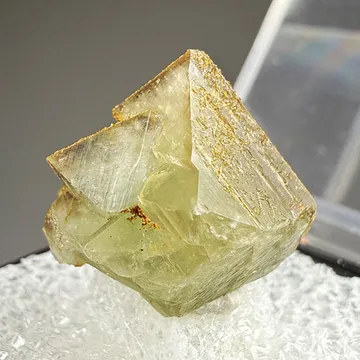
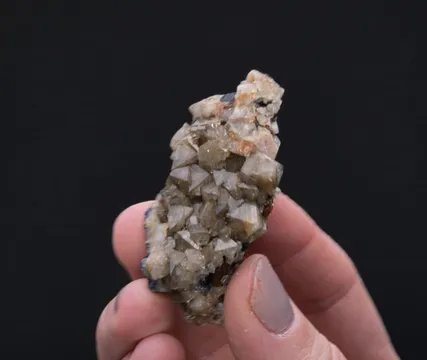
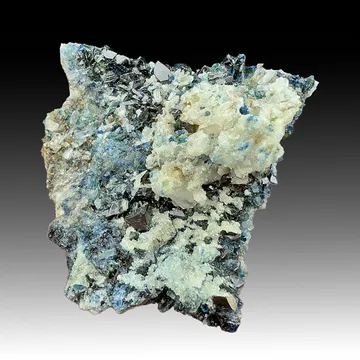
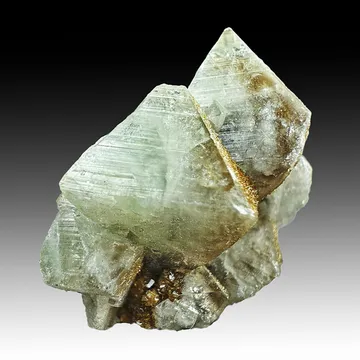
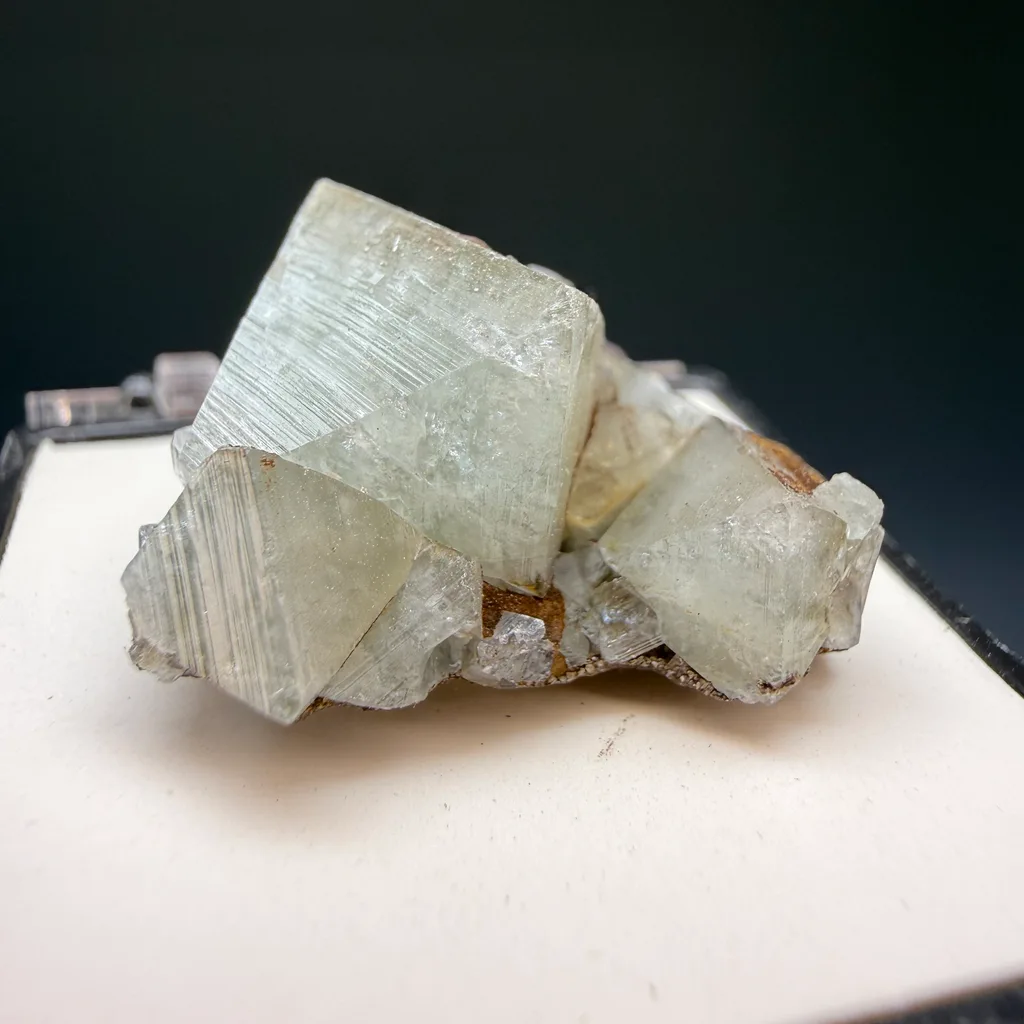
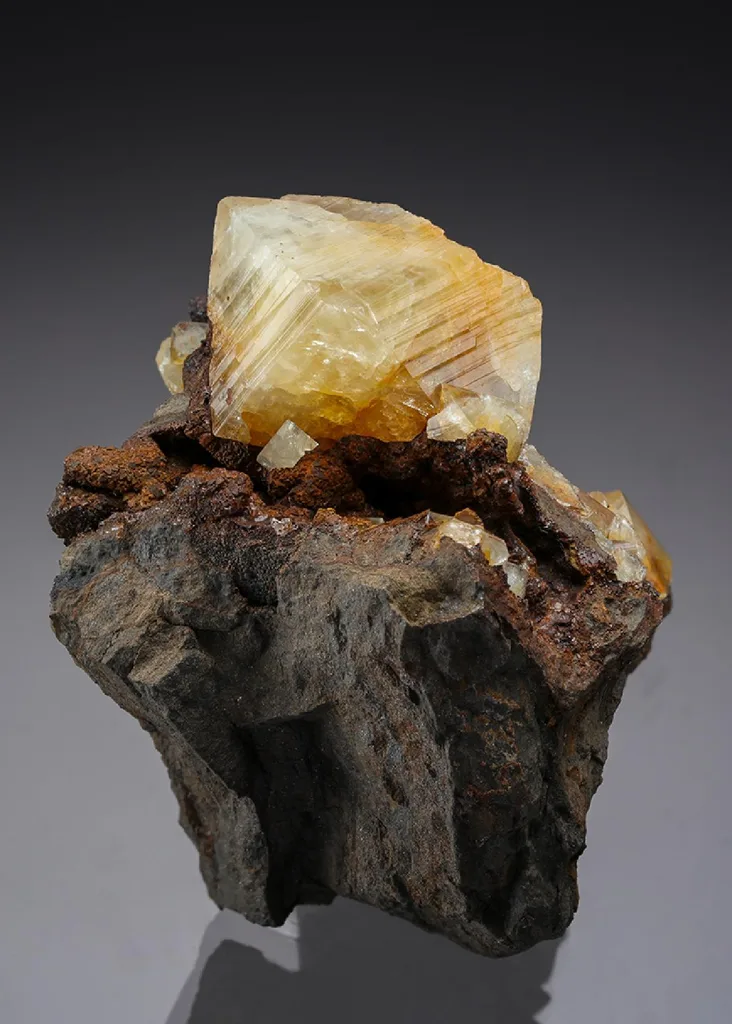
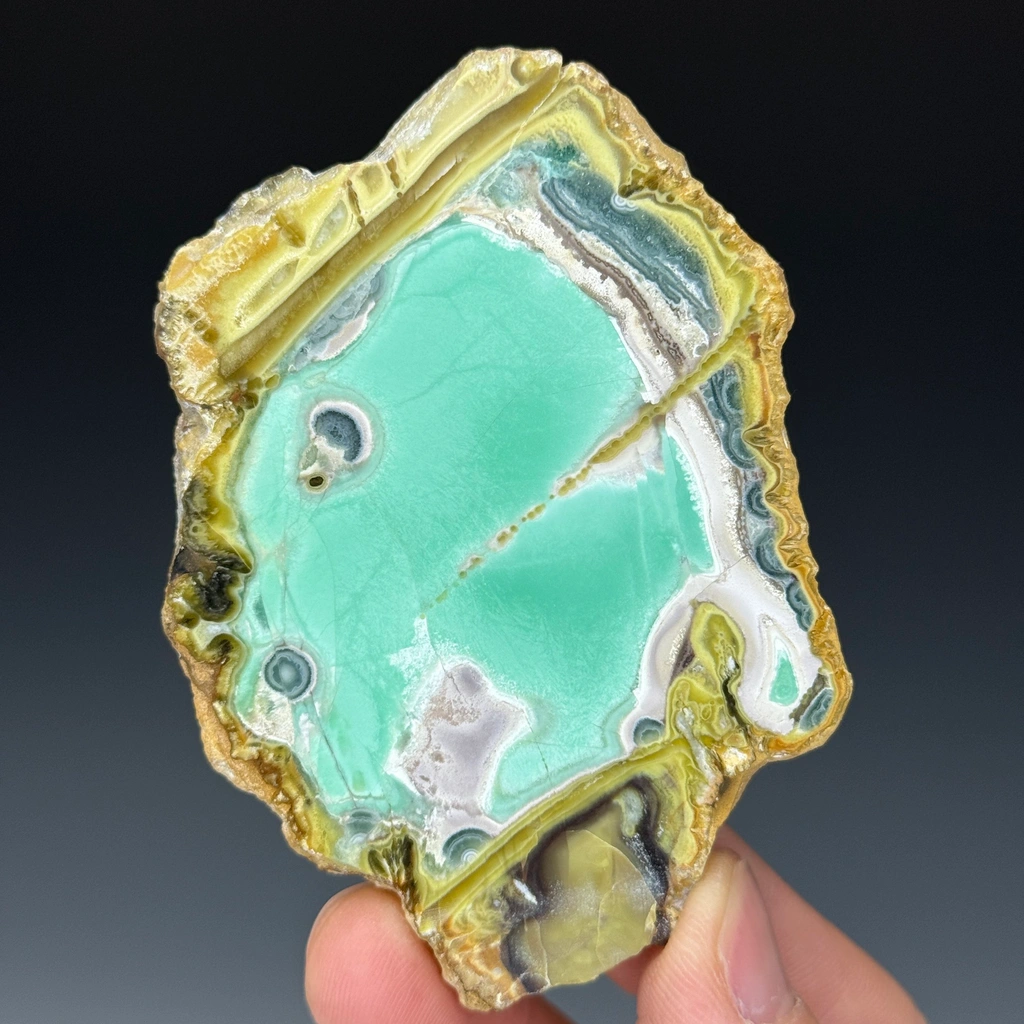
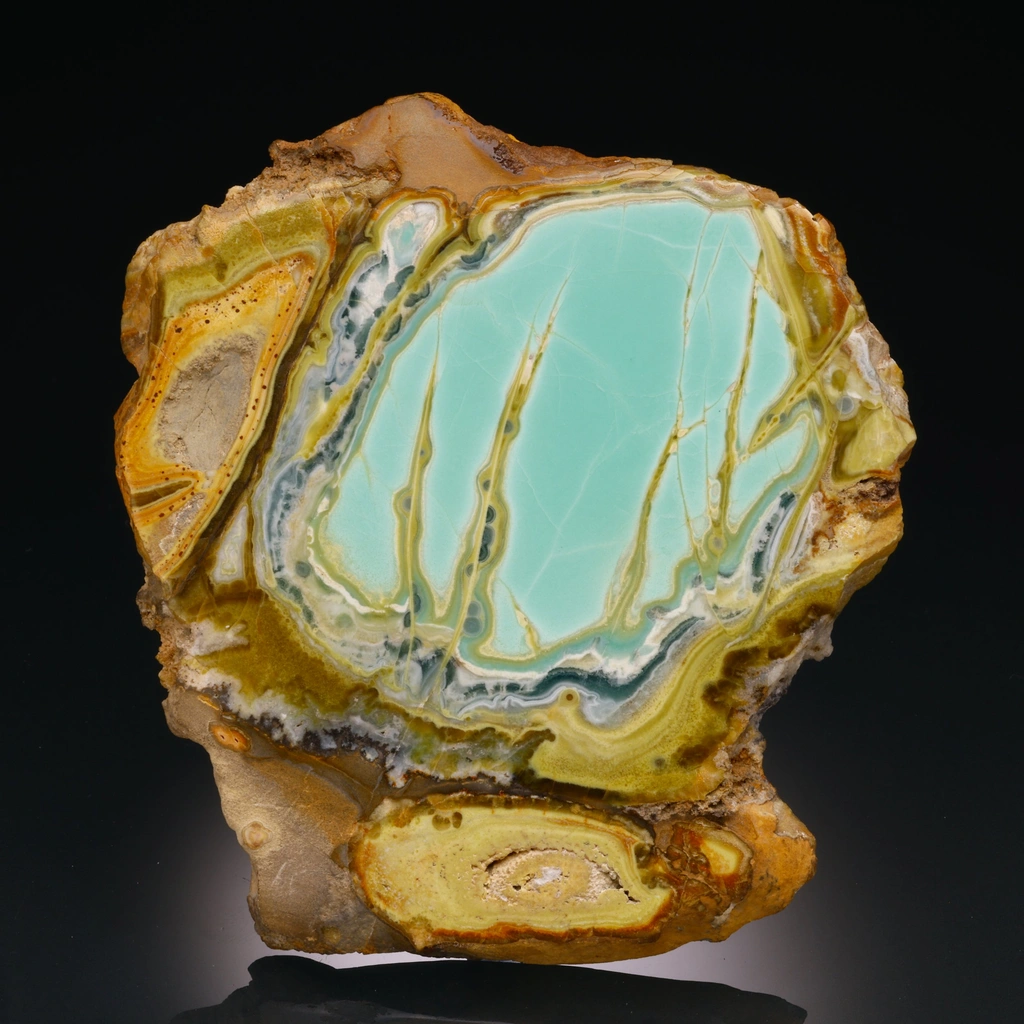
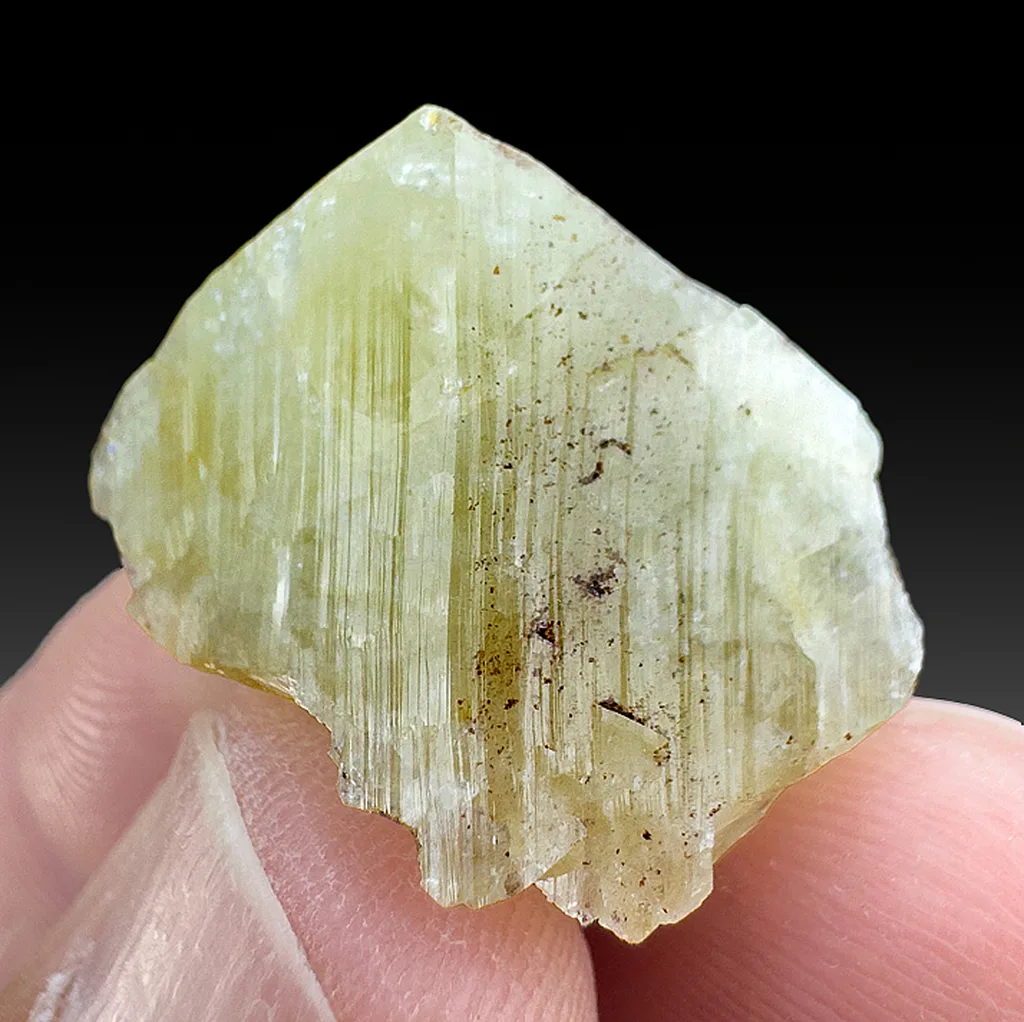
Wardite is a phosphate mineral with the chemical formula NaAl3(PO4)2(OH)4·2H2O. It typically forms as soft, platy to tabular crystals that display a pearly to silky lustre and can appear in pale yellow to orange hues. The mineral often occurs in layered or fibrous aggregates and is commonly associated with other phosphate minerals in alteration zones of pegmatites and hydrothermal environments. Distinguished by its hydrated structure, wardite can form in secondary environments where sodium, aluminum, and phosphate ions concentrate, and it remains relatively soft on the Mohs scale with modest stability in humidity when polished specimens are prepared for display. Notable specimens have been reported from Canada, the United States, Australia, and Brazil, contributing to its appeal for collectors seeking unusual phosphates with delicate color and a distinctive habit.
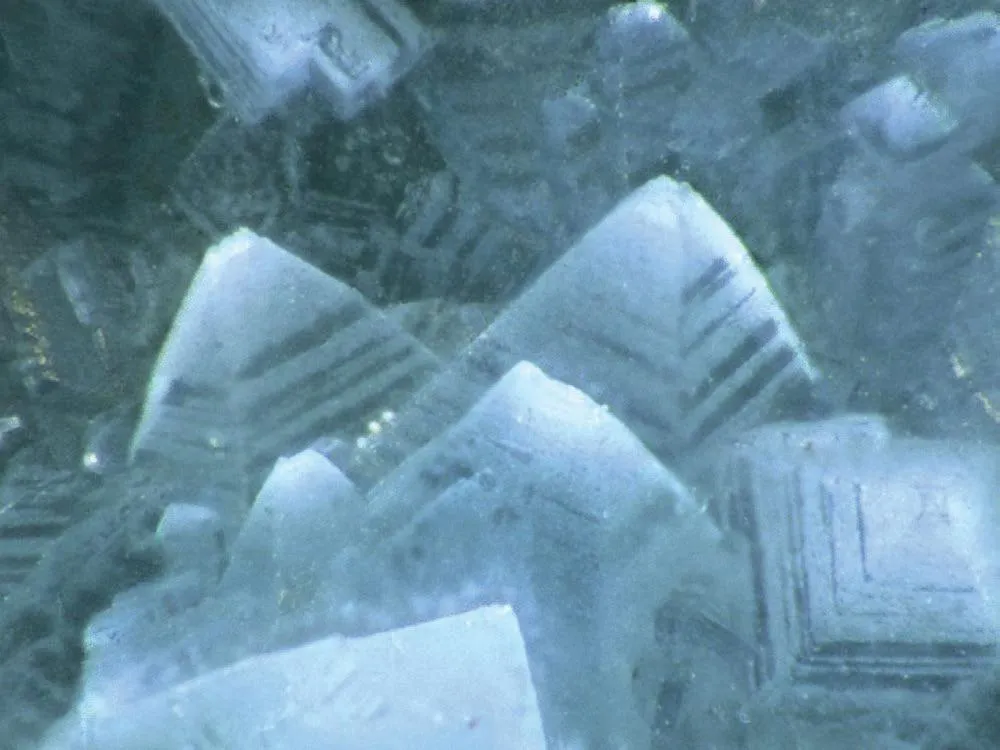
Collectors value wardite for its rarity in large, well-formed crystals and its pleasant, warm color in polished cuts or cabinet specimens. The combination of its silky luster, hydration layers, and association with other phosphates makes it a compelling addition to a mineral cabinet, especially for those focusing on phosphate minerals or secondary alteration products from pegmatitic environments.