$83Median
2Sold (12 mo)
$90Last sale
2 in the gallery
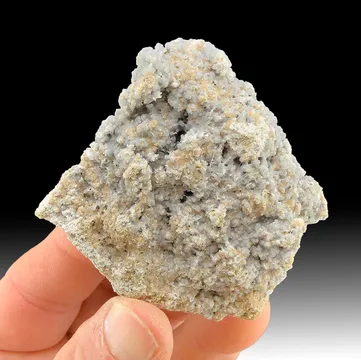
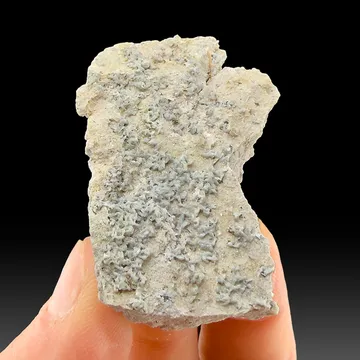
Tridymite is a high-temperature polymorph of silica (SiO2) that forms as colorless to pale yellow crystals with a vitreous luster. It typically occurs in vesicles within volcanic rocks, lava flows, and tektites, where rapid cooling preserves its distinctive, often euhedral crystal shapes. While not as abundant as quartz or cristobalite, tridymite crystals can be found in several notable localities worldwide, including volcanic regions and exotic glassy formations, contributing to its appeal among collectors who seek silica varieties from unique geological settings.
Collectors value tridymite for its rarity in crystallized form and its association with eruptive processes. The mineral displays a range of habits from acrystalline to well-formed crystals, offering a delicate, glassy appearance that contrasts with more common silica species. Provenance from classic high-temperature environments and its occasional presence in fine-pointed or tabular crystals make tridymite a sought-after piece for mineral cabinets, particularly for those assembling a collection focused on silica polymorphs or vesicular volcanic deposits.