$310Median
3Sold (12 mo)
$310Last sale
31 in the gallery
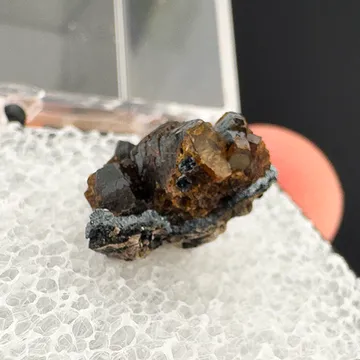
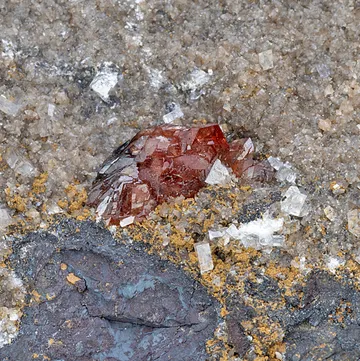
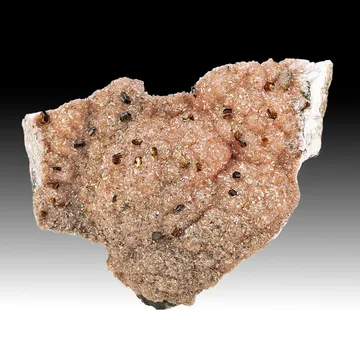
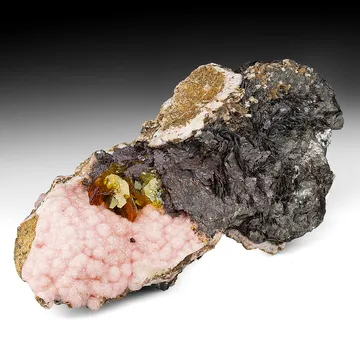
Shigaite is a manganese aluminum hydroxide mineral that typically forms as small, platy to tabular aggregates. The color range is brown to orange-brown with a dull to earthy lustre, and crystals are commonly flaky or layered, sometimes appearing in micro-crystalline masses. The mineral’s locality data highlight notable specimens from South Africa and the United States, where it occurs in hydrothermal or supergene environments associated with manganese-rich ore deposits. Collectors prize shigaite for its rarity, distinctive composition, and the way its habit reveals the mineral’s crystallographic layering at the micro scale.
In hand samples, shigaite’s appearance is often subtle, making it a good candidate for display alongside other Mn-rich minerals. While not usually dramatic in crystal size, the mineral’s mineralogical intrigue lies in its composition and the context of its formation, offering a window into manganese-aluminum hydrothermal processes. Specimens from proven deposits provide reference points for identifying shigaite and appreciating its place among manganese-bearing minerals in modern collections.