Scorodite specimens for sale
20 for sale · $140–$15,000 USD
67 in the gallery
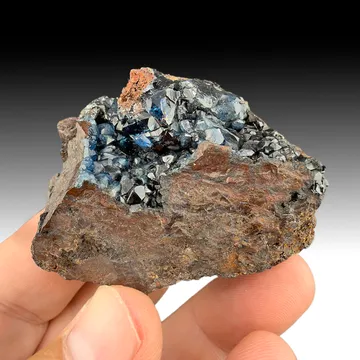
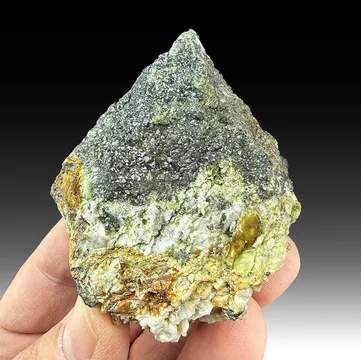
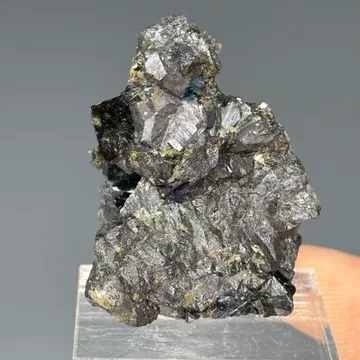
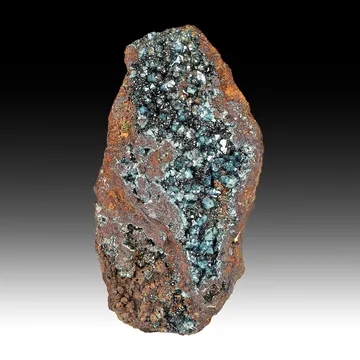
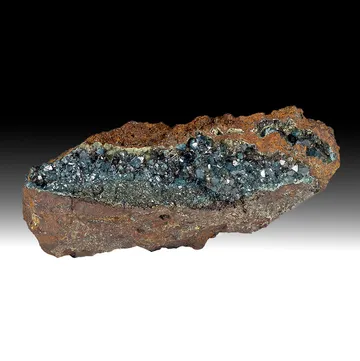
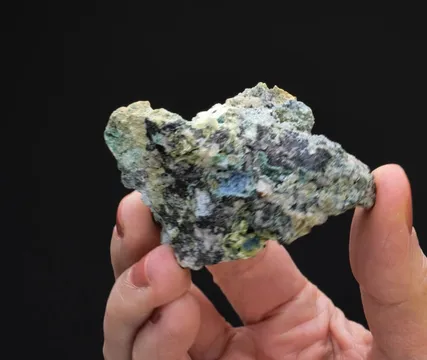
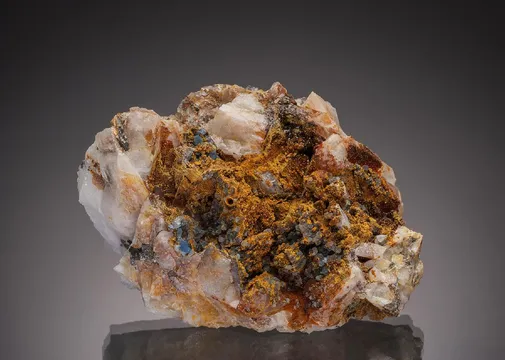
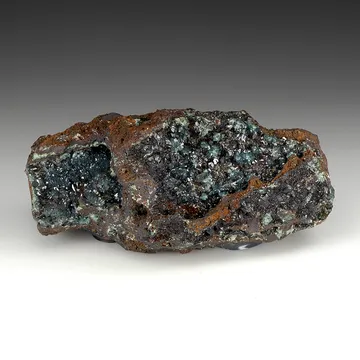
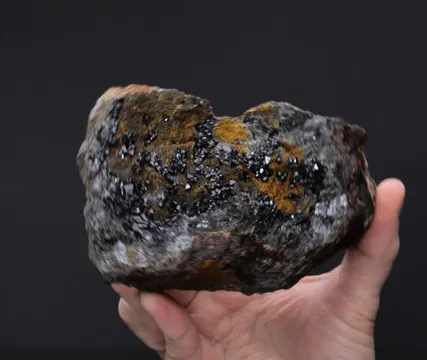
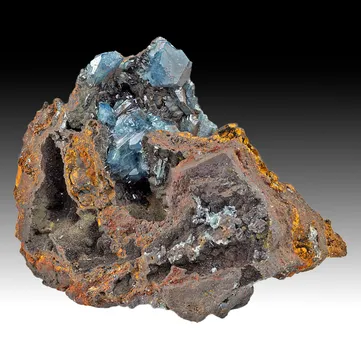
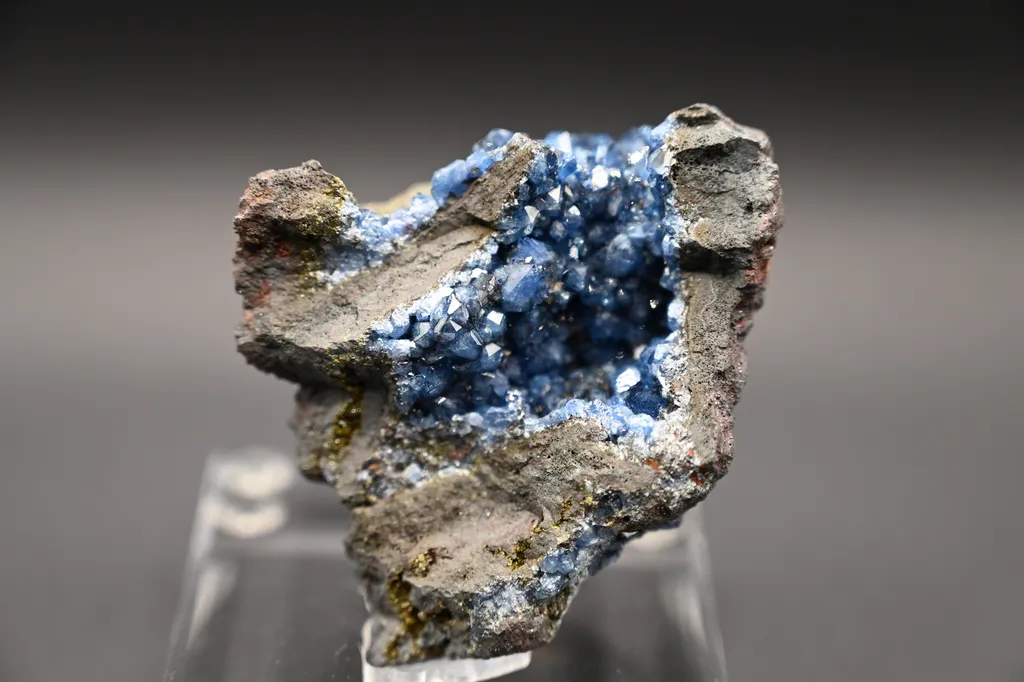
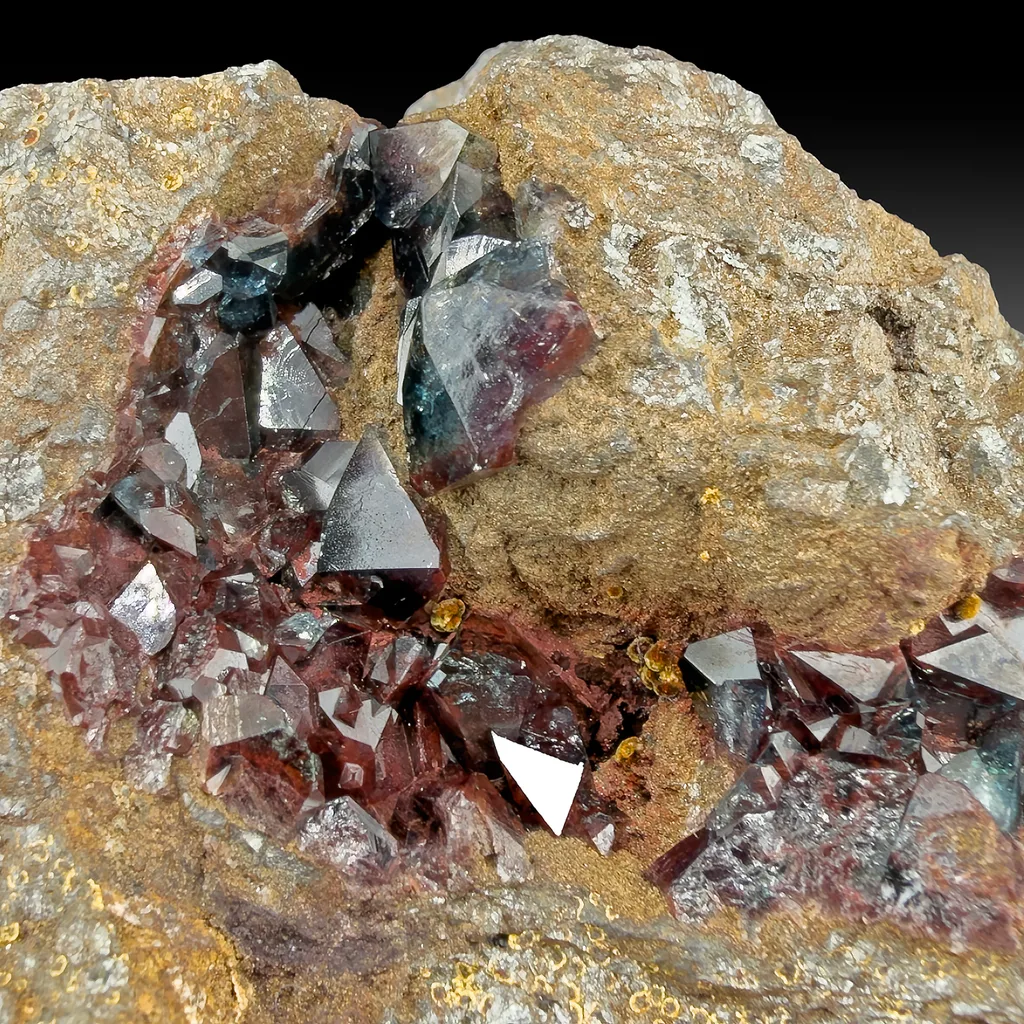
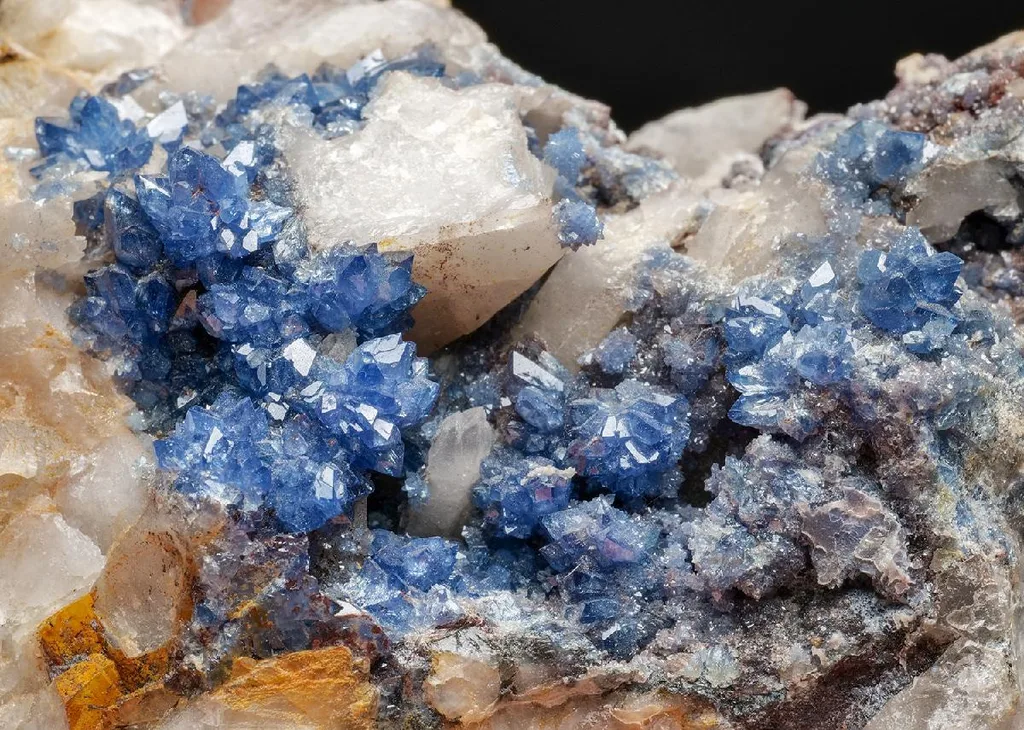
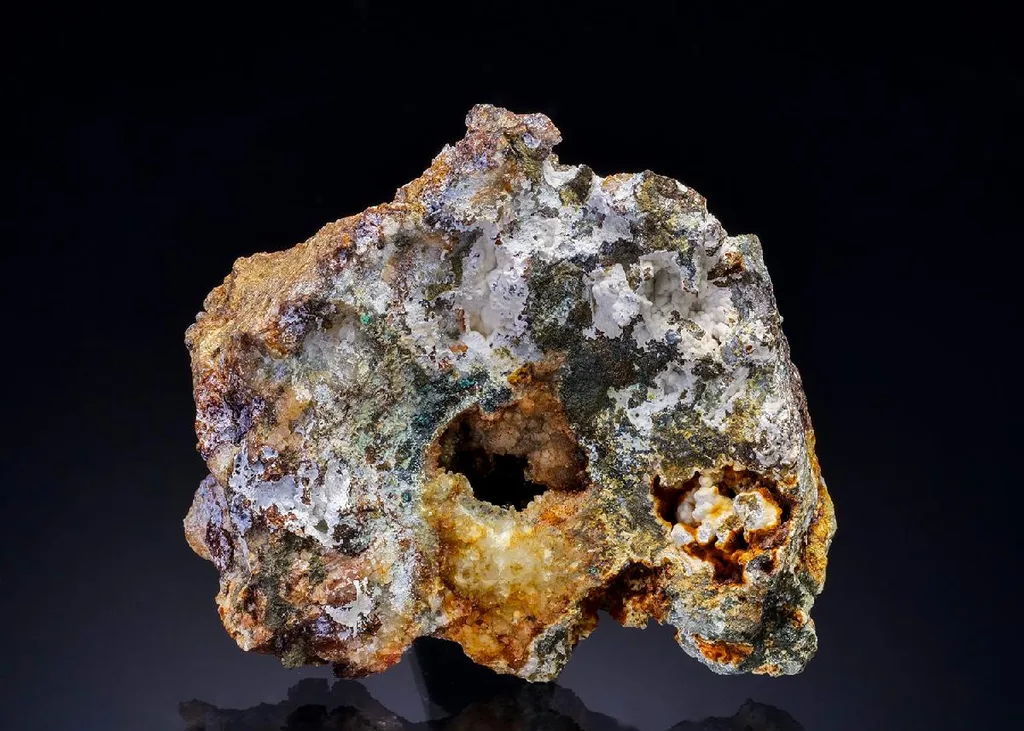
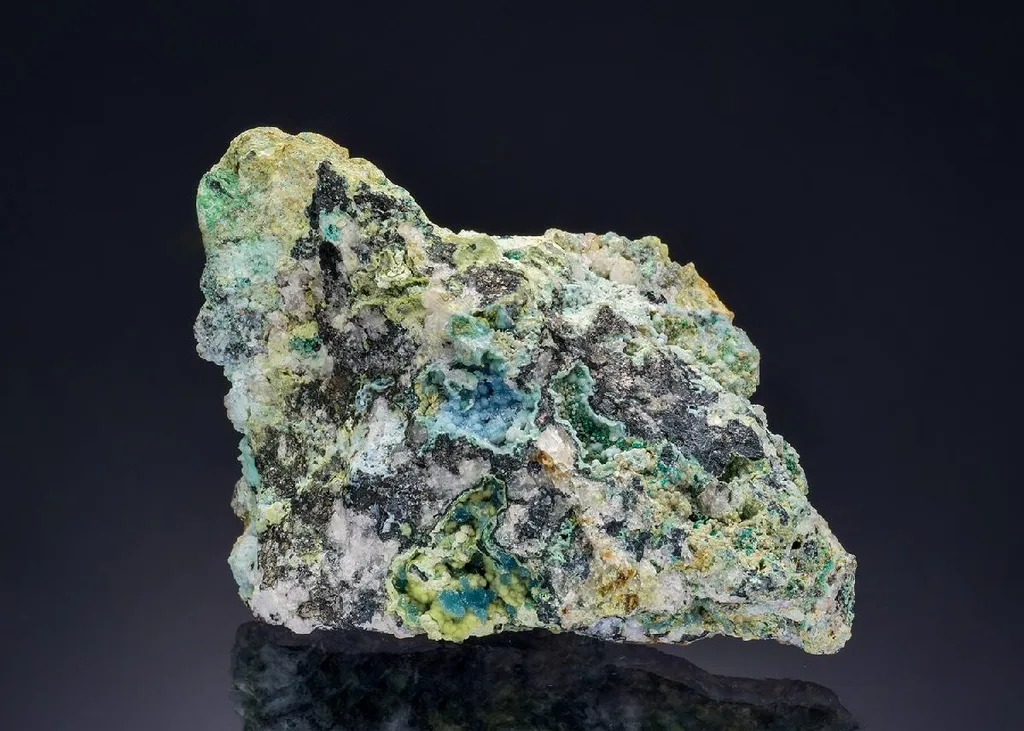
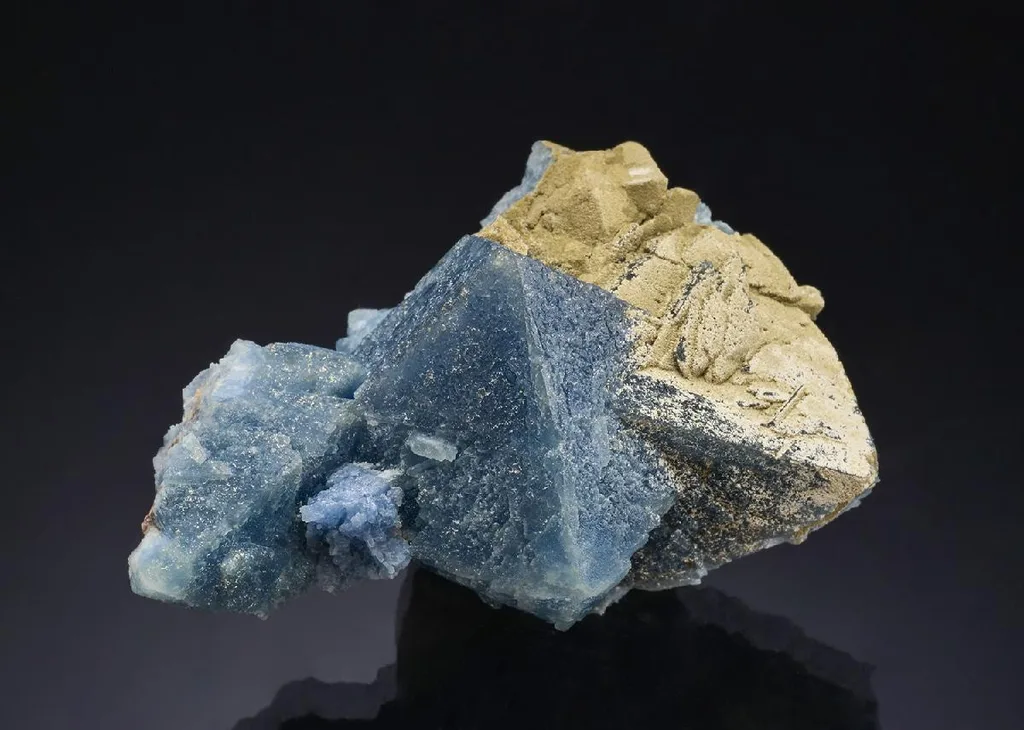
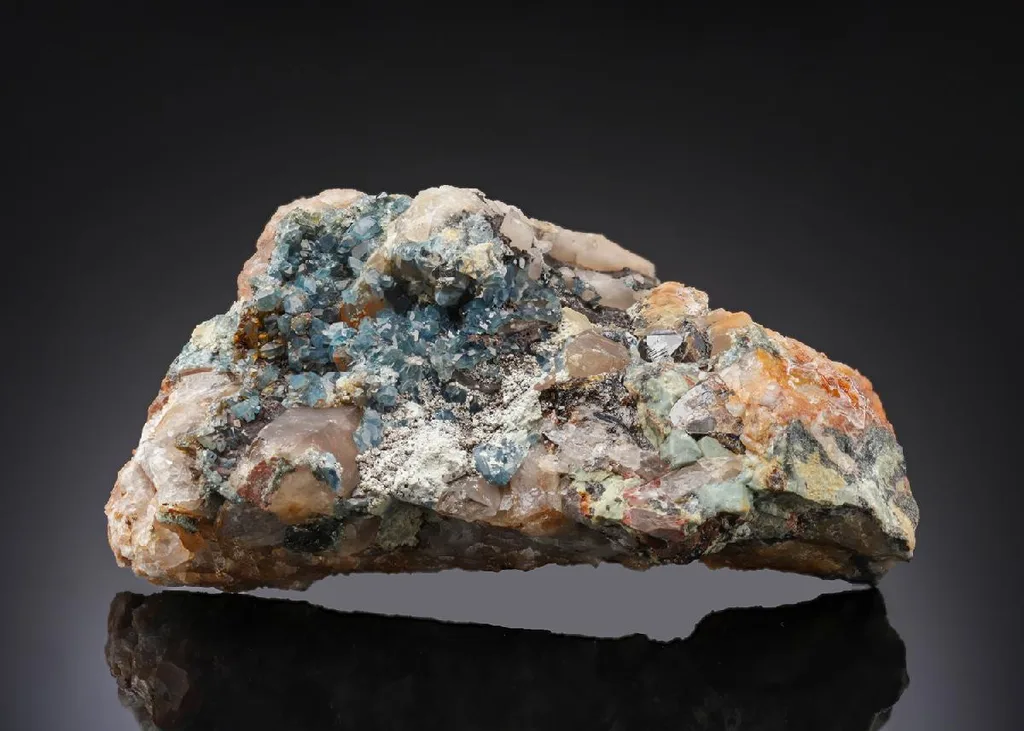
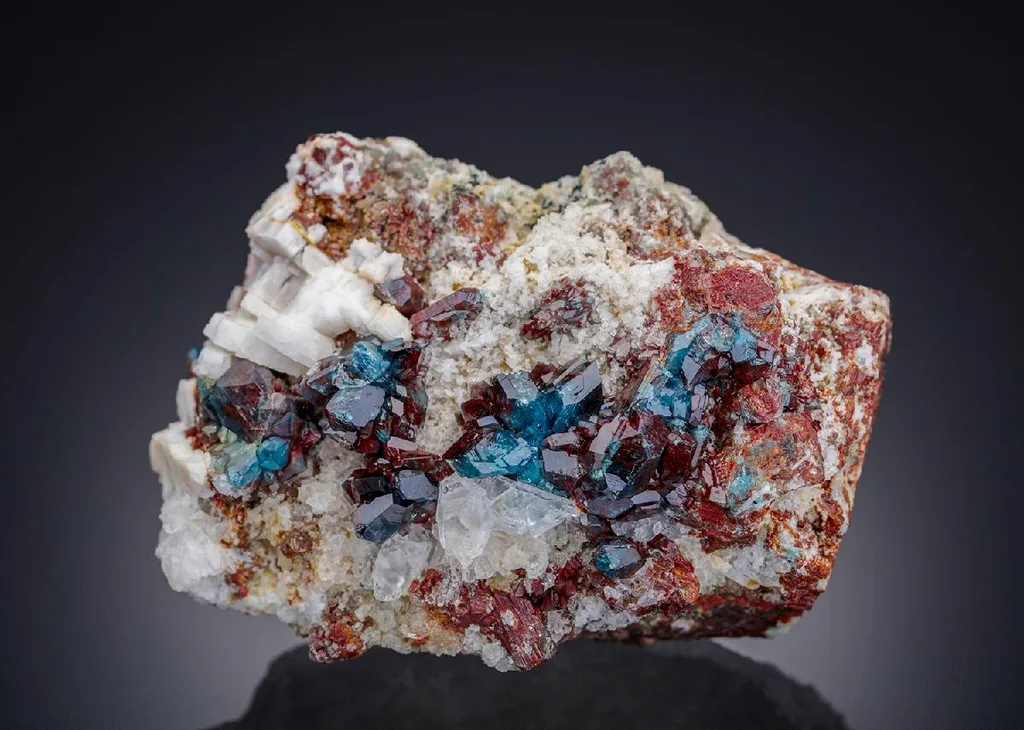
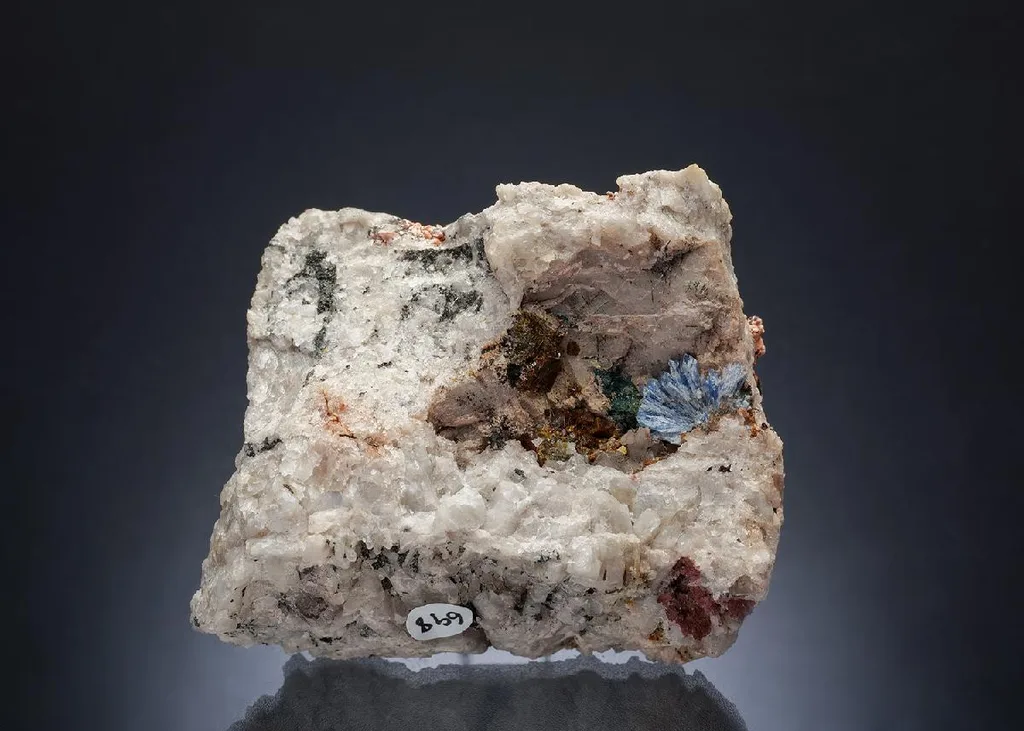
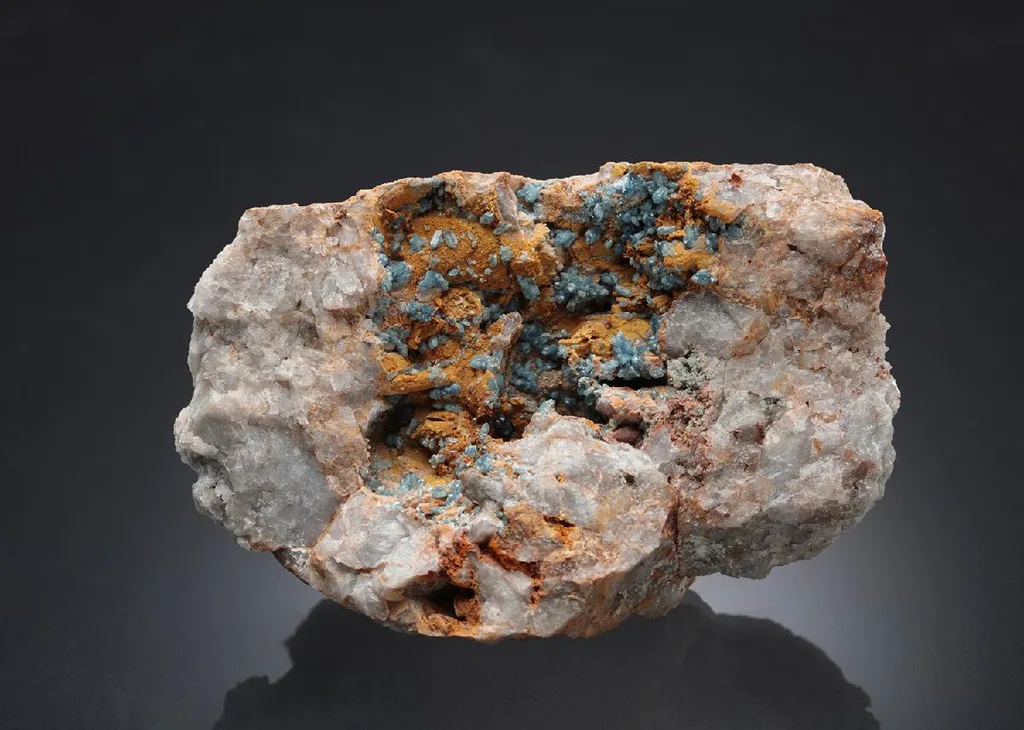
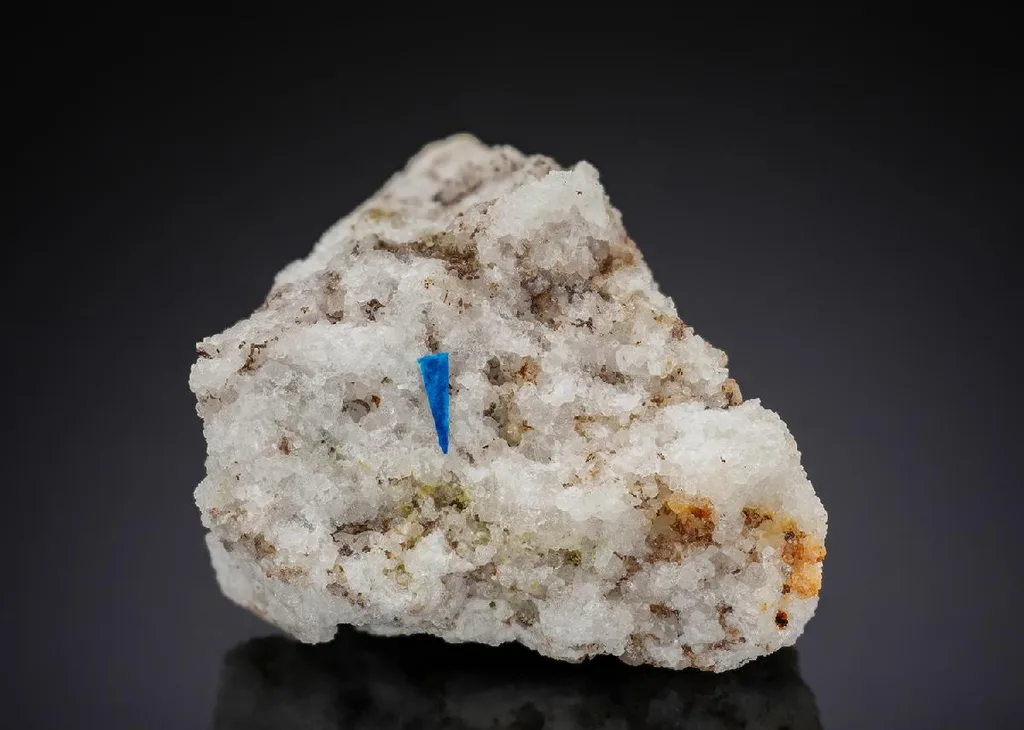
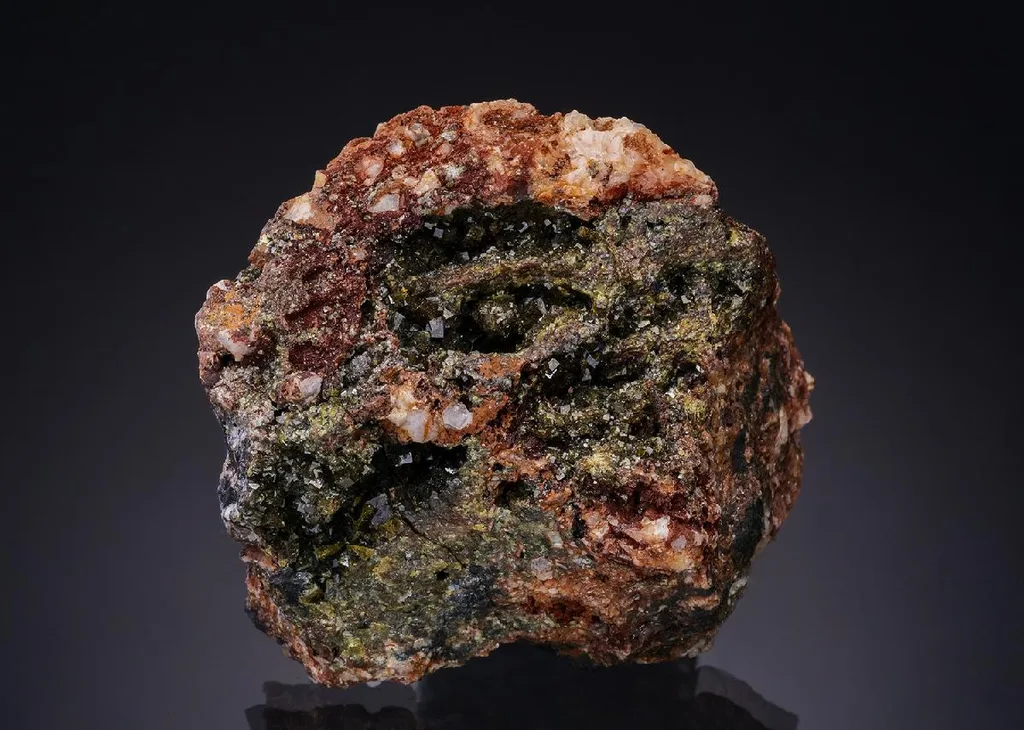
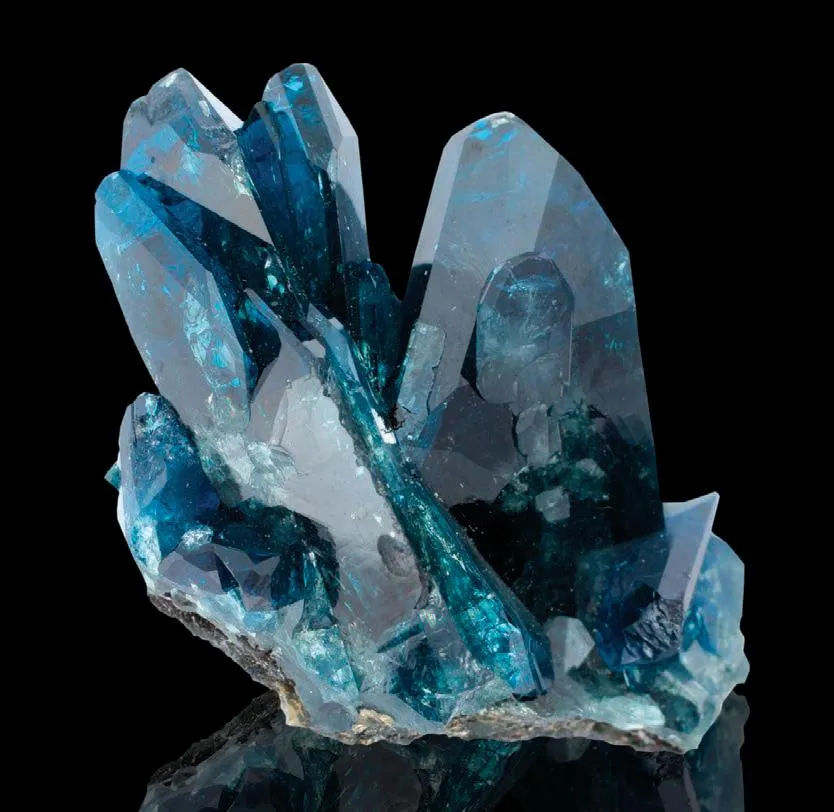
Scorodite is an arsenate mineral with chemical formula Fe3+AsO4·2H2O. It typically forms tabular to prismatic crystals and platy to fibrous aggregates that can show a vitreous to resinous lustre. Crystals are commonly green, yellow-green, or brownish, and transparency ranges from translucent to opaque. The mineral often occurs in hydrothermal vein environments and is frequently found alongside other arsenates and iron minerals, with notable localities yielding well-formed specimens.
- Formula
- Fe3+AsO4 · 2H2O
- Rarity
- Common
- Stability
- Moderately Stable
- Collector interest
- Moderate Interest
- Classification notes
- Arsenates; Hydrated iron arsenate, with formula FeAsO4·2H2O
Key characteristics
- Crystal system
- orthorhombic
- Mohs hardness
- 3.5–4
- Specific gravity
- 3.1–3.3
- Luster
- vitreous, adamantine
- Transparency
- transparent, translucent
- Color
- colorless, gray, brown, yellow, green, blue
- Streak
- white, green
- Cleavage
- distinct
- Fracture
- subconchoidal, uneven
- Crystal habit
- prismatic, pyramidal, tabular, druzy, granular, massive
- Classic / historic
Buy Scorodite specimens
View all 20Where Scorodite is found
Top localities
- Ojuela Mine20 specimens
- Cabrestante Mine14 specimens
- Potosi Mine7 specimens
- Tsumeb4 specimens
- Hezhou3 specimens
- Wheal Gorland3 specimens
- Aghbar Mine2 specimens
- El Cobre2 specimens
- Santa Rosa Mine2 specimens
- East Gunnislake Mine1 specimen
Guides
All guides

Scorodite from Tsumeb Mine, Namibia
Scorodite - blue to violet crystals from Tsumeb Mine, famed for alexandrite-like color shifts, blade-like habits, and rarity in the mine's oxidation zones.Read guide
Scorodite from Ojuela Mine, Mexico
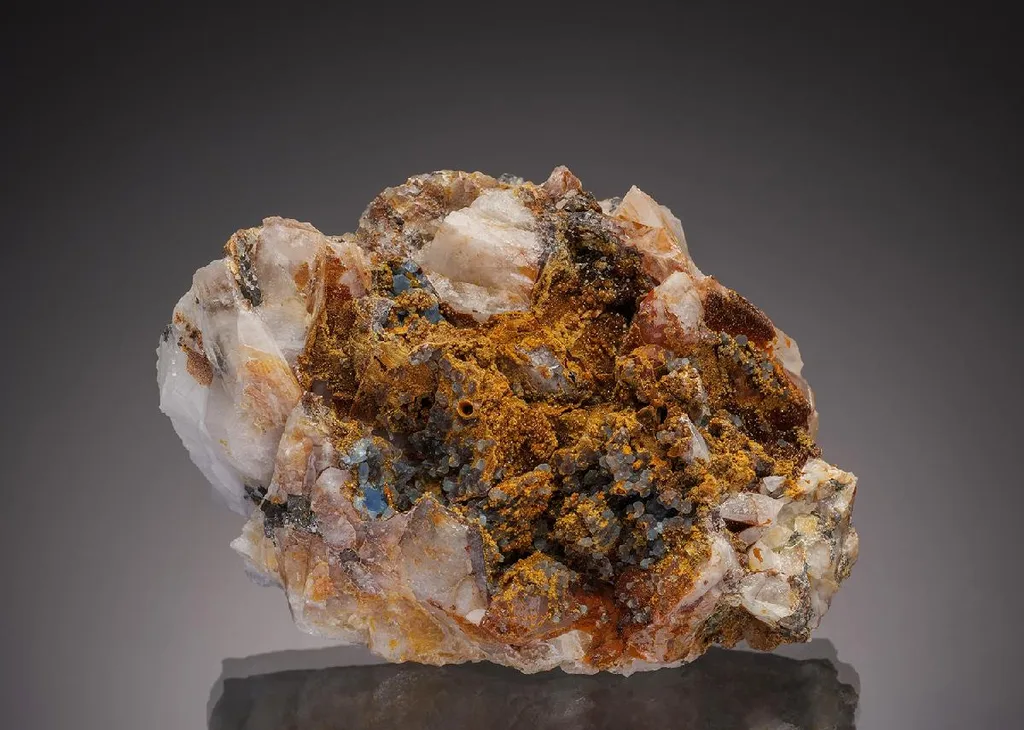
Scorodite: blue to blue-green crystals from the Ojuela Mine, notable for sharp forms in goethite/limonite gossan, a rare arsenate prized by collectors.Read guideAbout Scorodite
Prominent sources include China, Mexico, Namibia, the United Kingdom, and the United States, where scorodite forms in oxidized zones and at mine dumps. Specimens from these localities are prized for sharp crystal faces, distinctive color zoning, and the contrasting matrix they can inhabit. Collectors value scorodite for its aenigmatic crystal habits and the way it records secondary alteration processes in hydrothermal systems, which makes aesthetically appealing, mineralogically informative pieces suitable for display and study.