
Scapolite specimens for sale
24 for sale · $50–$12,000 USD
26 in the gallery
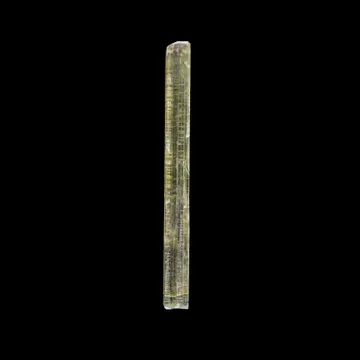
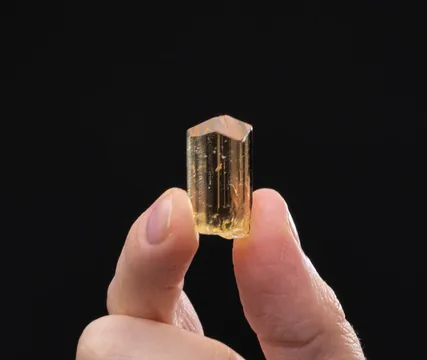
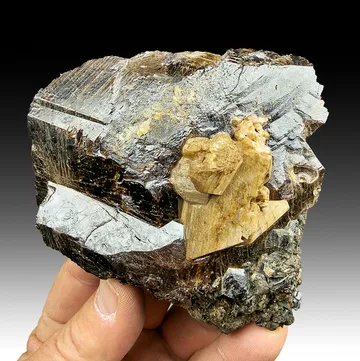
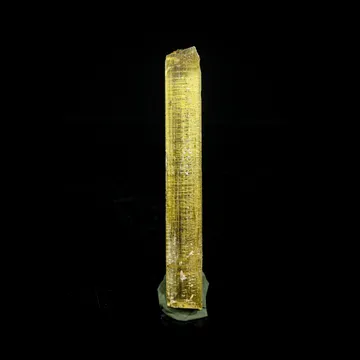
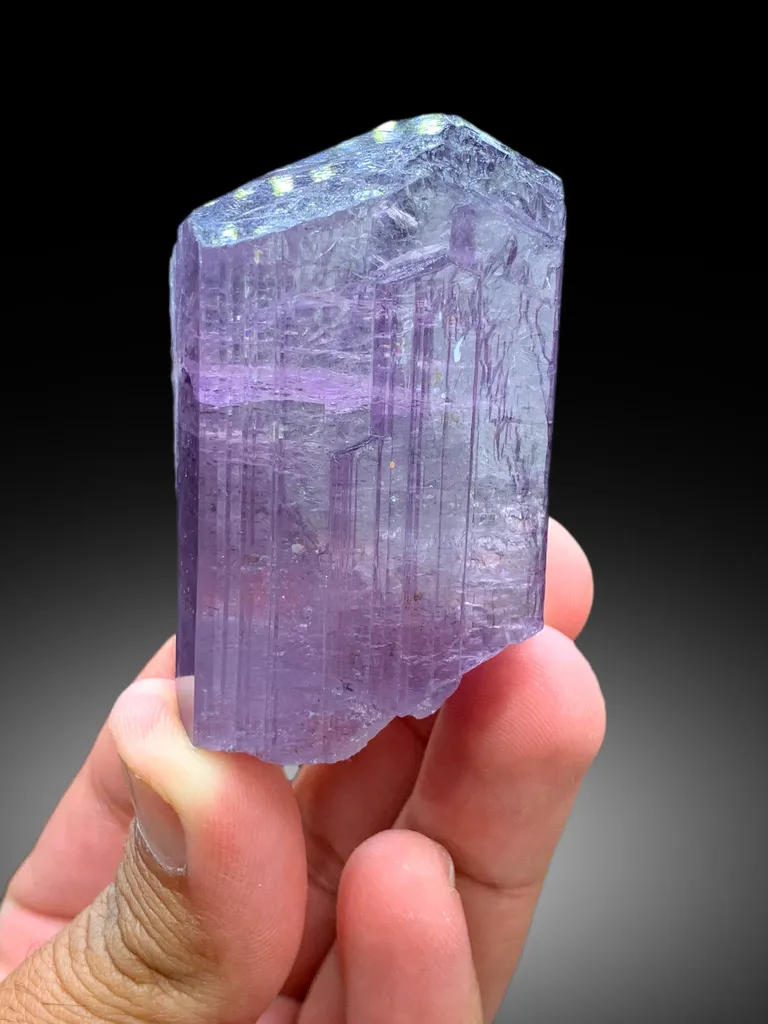
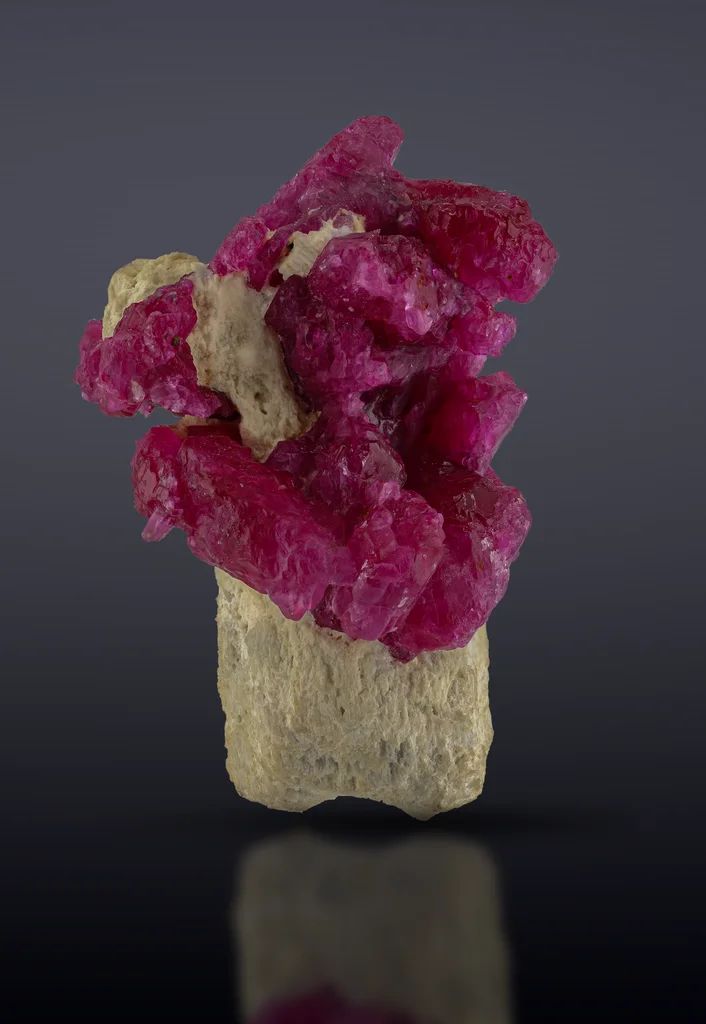
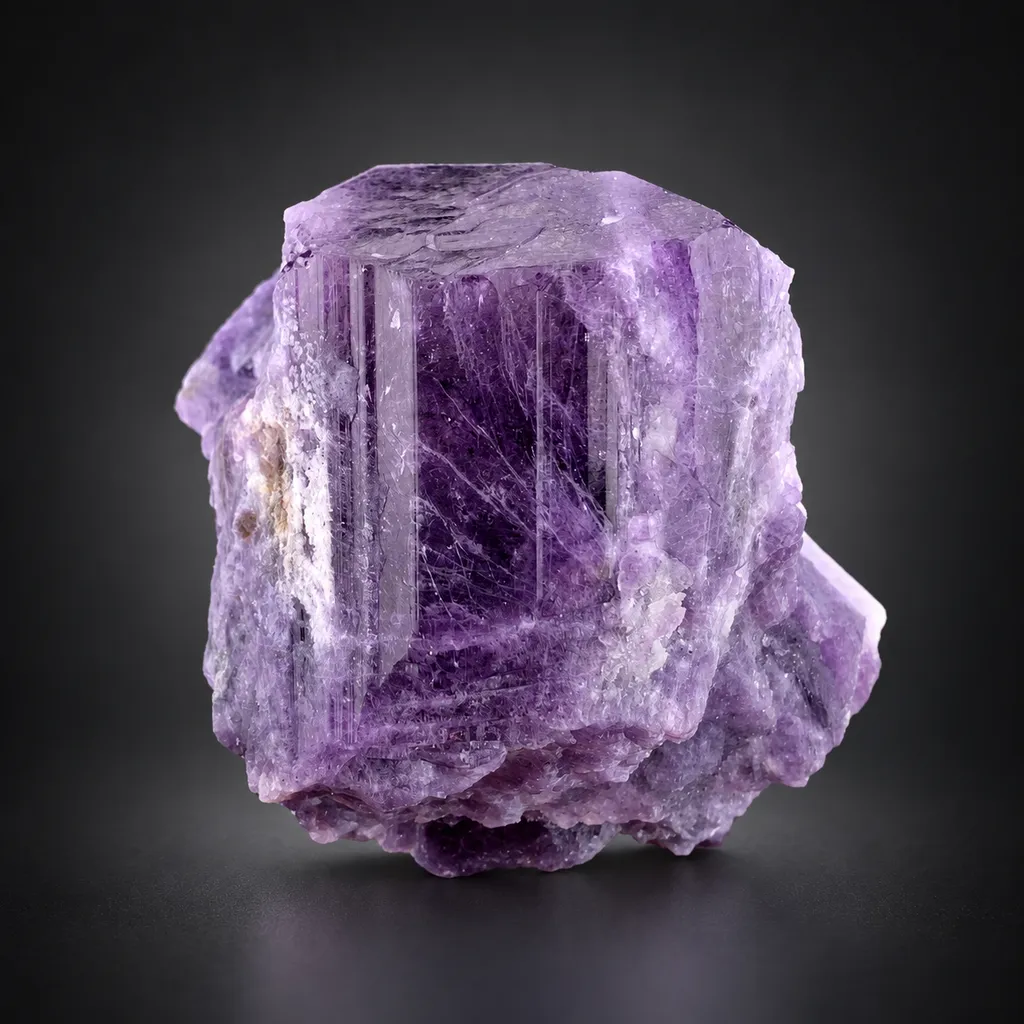
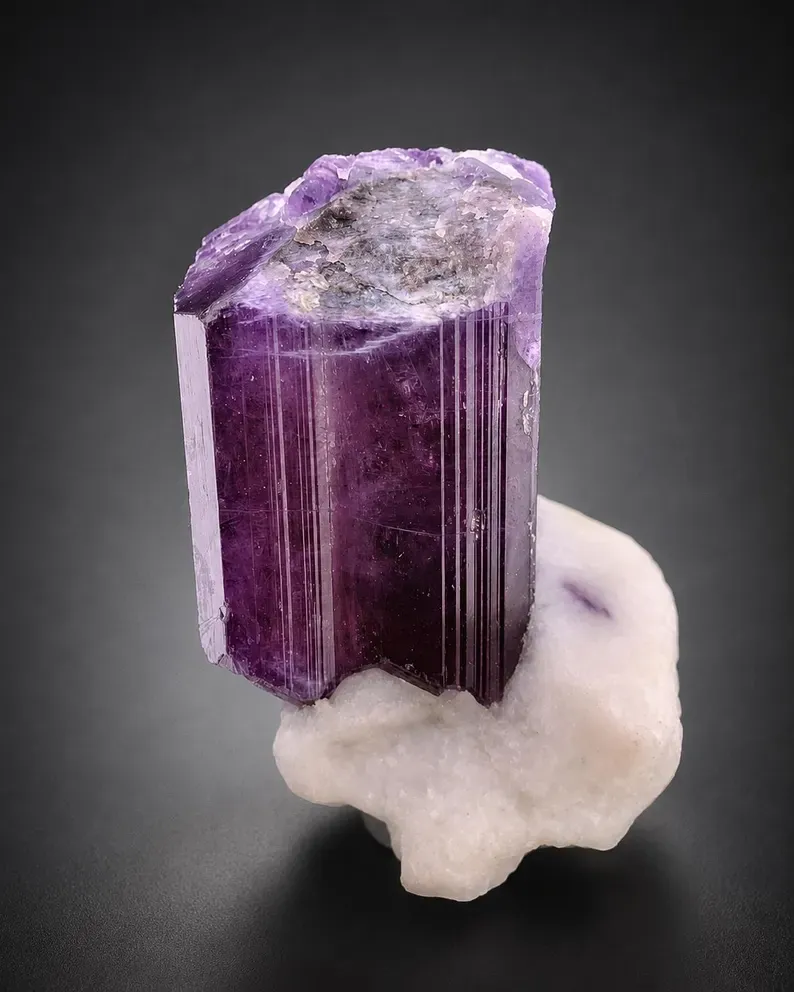
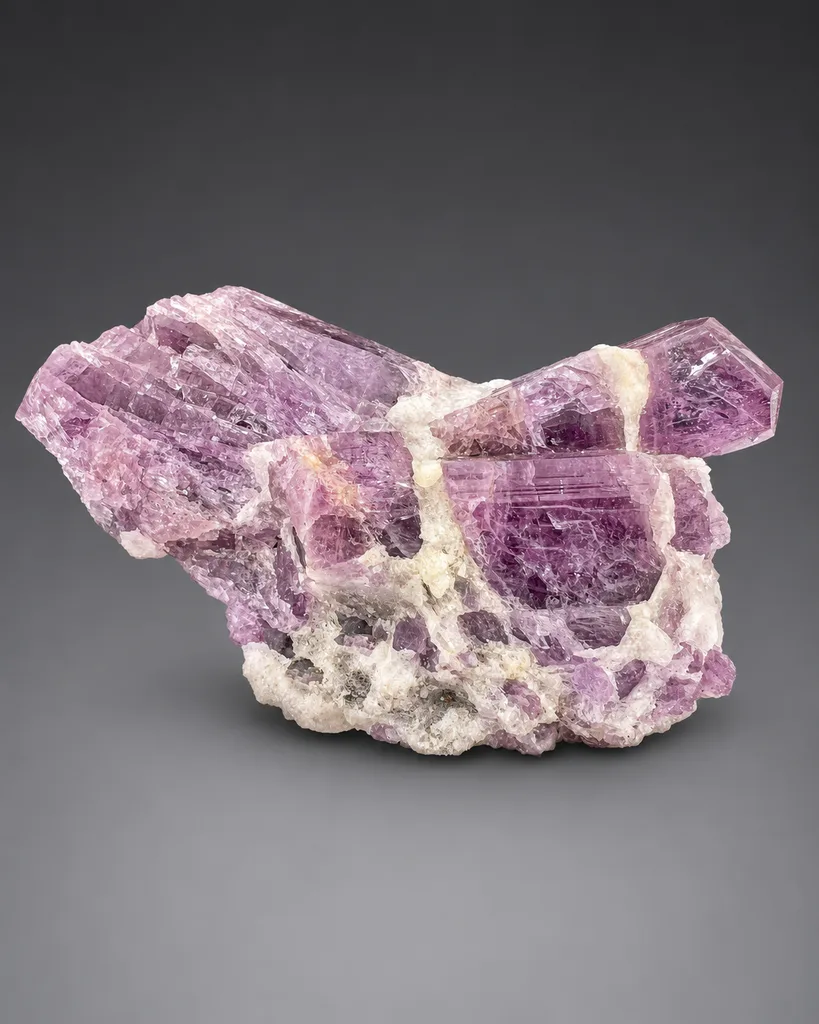
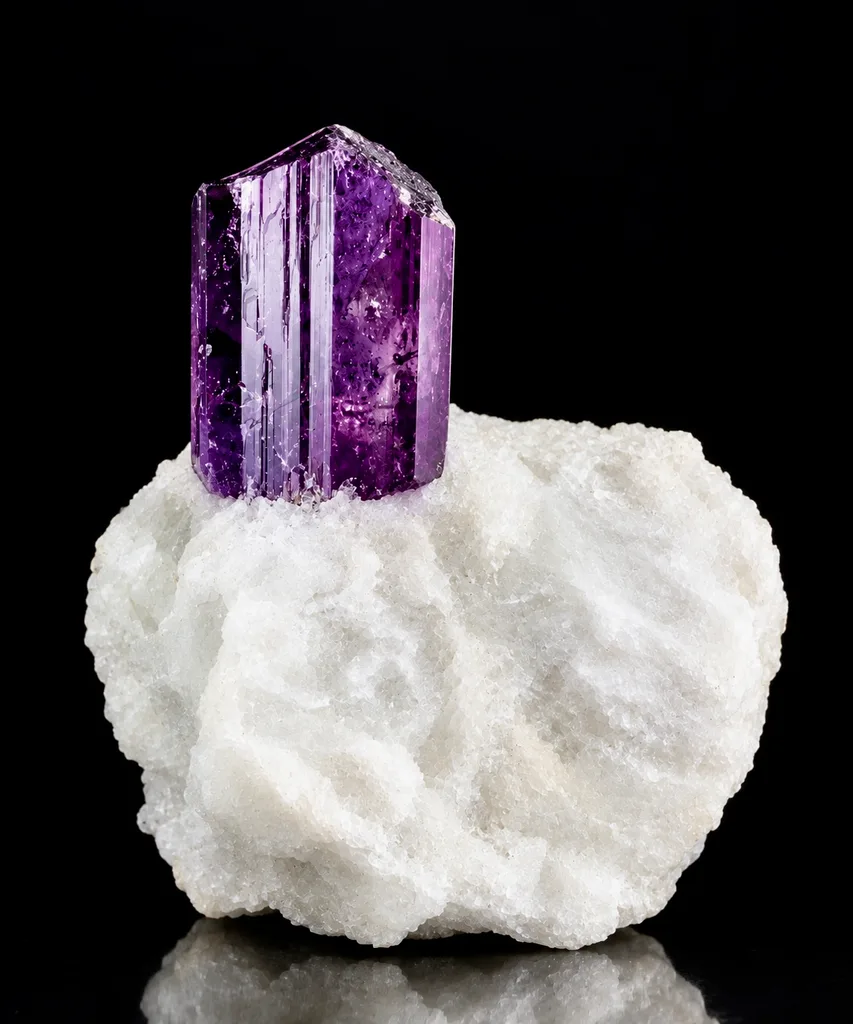
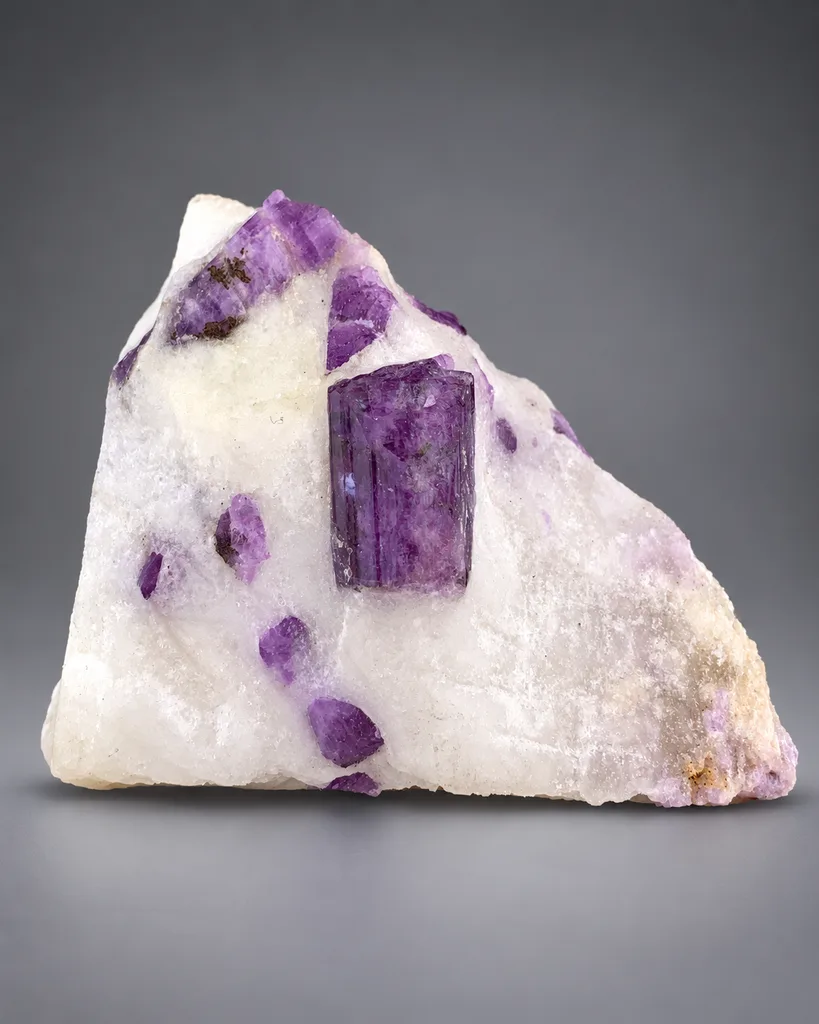
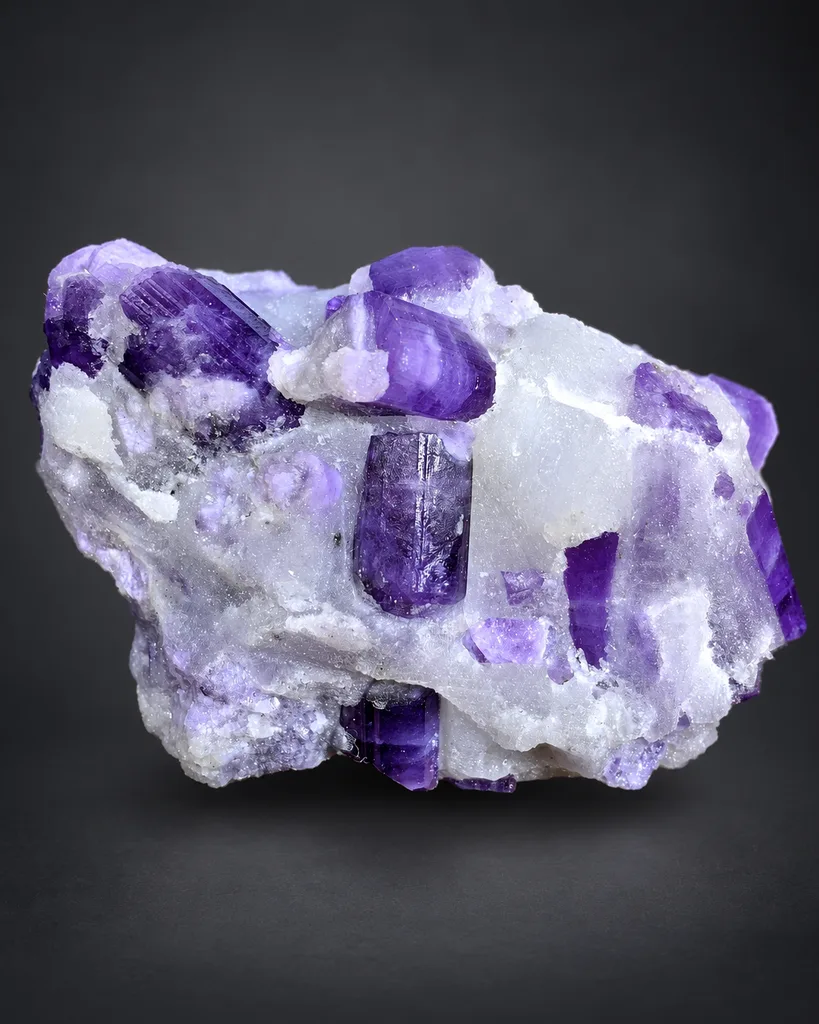
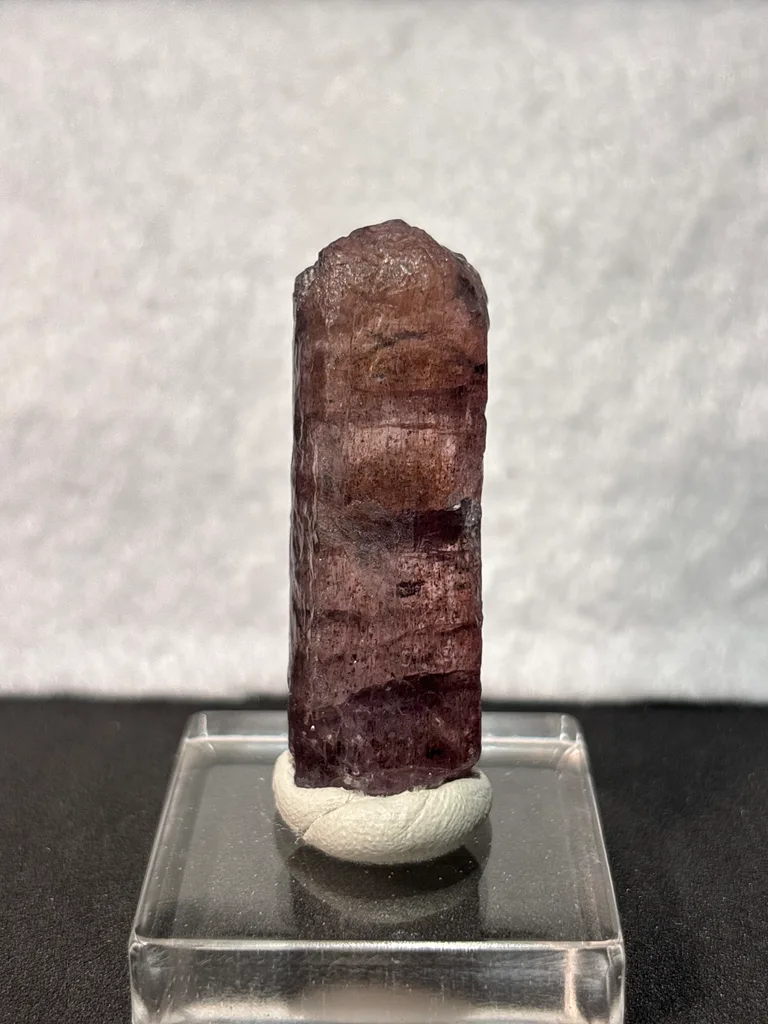
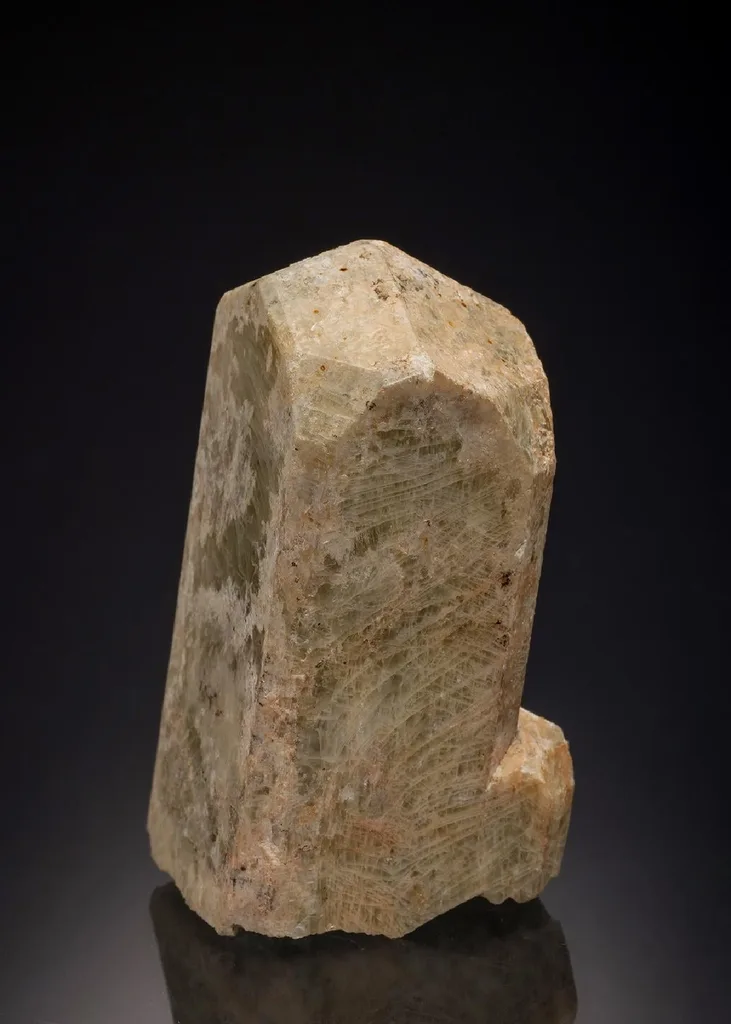
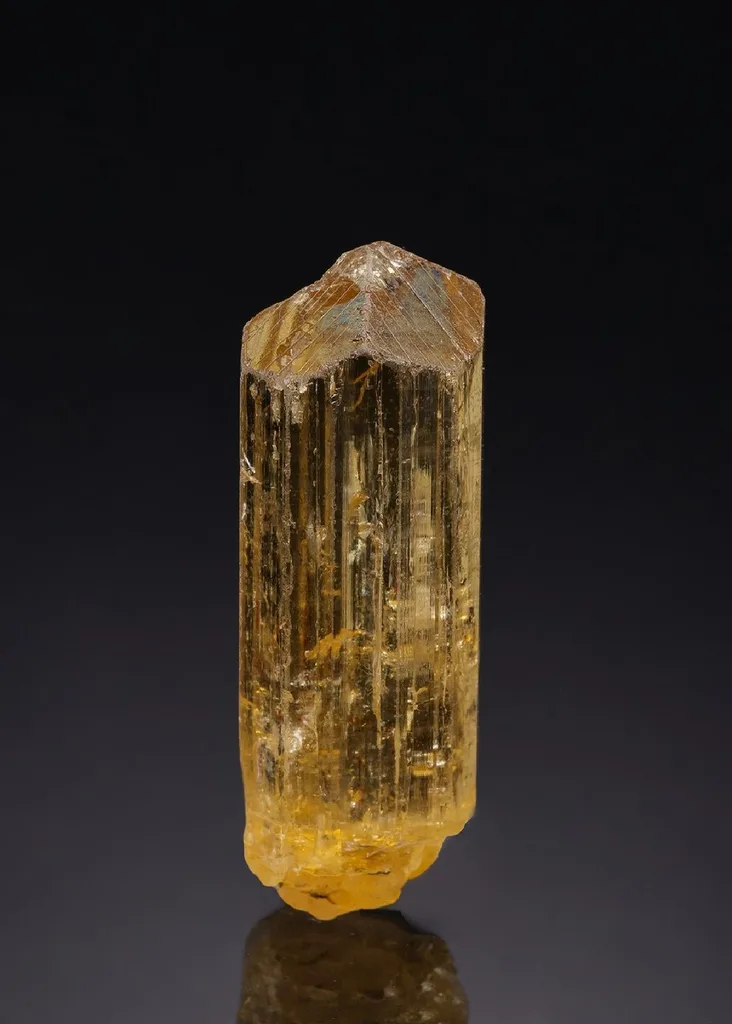
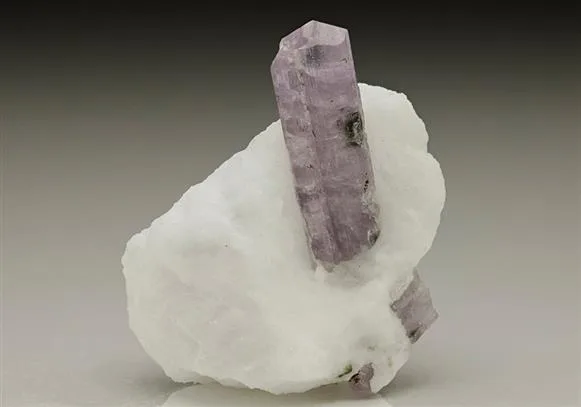
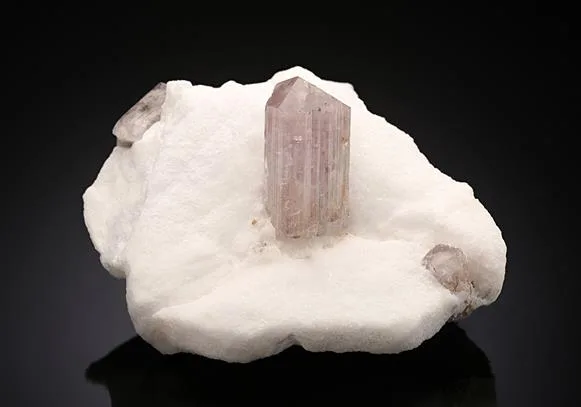
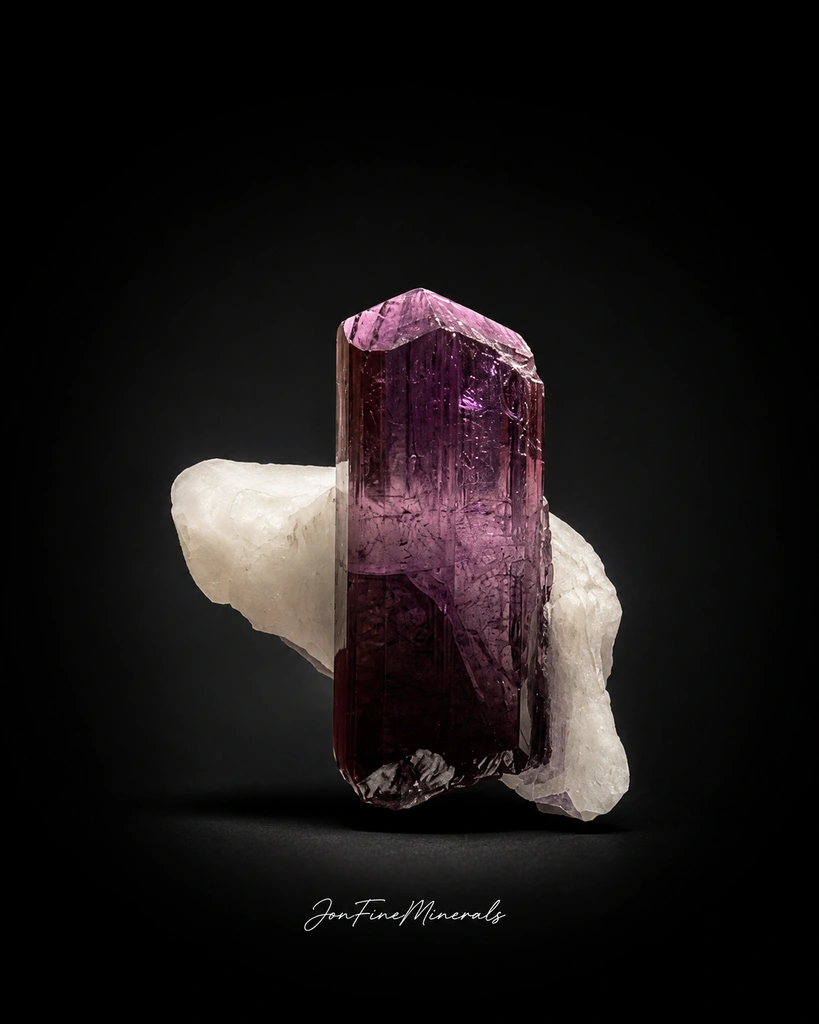
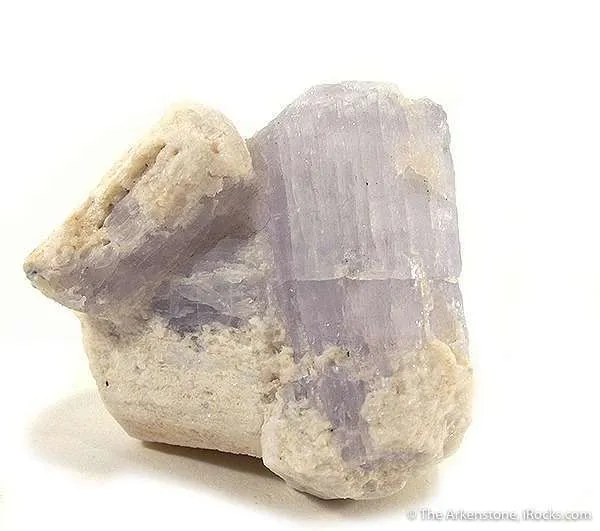
Scapolite is a mineral that forms as tabular to prismatic crystals, often exhibiting a vitreous to silky luster. It typically presents in colors ranging from pale yellow to orange, with pinkish hues in certain variants, and occurs in crustal rocks as associates with feldspars and micas. Crystals can be transparent to translucent and may display a pale, glassy appearance when well-formed, with a simple to moderate cleavage that influences how specimens are prepared for display.
- Formula
- (Na,Ca)4Al3(Al,Si)3Si6O24(Cl,CO3,SO4)
- Rarity
- Common
- Stability
- Stable
- Collector interest
- Moderate Interest
- Classification notes
- Tectosilicate; scapolite group
Key characteristics
- Crystal system
- tetragonal
- Mohs hardness
- 5–6
- Specific gravity
- 2.5–2.8
- Luster
- vitreous, pearly
- Transparency
- transparent, translucent, opaque
- Color
- colorless, white, gray, yellow, orange, pink, violet, blue, green, brown
- Streak
- white
- Cleavage
- good
- Fracture
- uneven, subconchoidal
- Crystal habit
- prismatic, massive, granular
- Gem mineral
- Fluorescent: yellow, orange, pink
Buy Scapolite specimens
View all 24Where Scapolite is found
Top localities
- Morogoro3 specimens
- Karur2 specimens
- Merelani Hills2 specimens
- Tanzania1 specimen
- Aricanga mine1 specimen
- Badakhshan1 specimen
- Feilluns1 specimen
- Franklin Mine1 specimen
- Itaguaçu1 specimen
- Ladjuar Medam1 specimen
Guides
All guides

Scapolite from Mogok Valley, Myanmar
Scapolite from Mogok Valley, Myanmar, glassy colorless to pale yellow crystals with lavender and pink hues; valued as gem material and locality specimens.Read guide
Scapolite from Badakhshan, Afghanistan
Scapolite from Badakhshan, Afghanistan: lilac to violet prismatic crystals from Kokcha Valley–Sar-e-Sang, notable for fluorescence and tenebrescence, highly pr…Read guideAbout Scapolite
Prominent localities for Scapolite include Afghanistan, China, Tanzania, Myanmar, and Canada, where specimens are prized for their size, clarity, and color zoning. The mineral often forms in pegmatites and metamorphic environments, sometimes occurring alongside other silicates in vein systems, which yields specimens with well-defined crystal shapes and attractive surface facets. Collectors value Scapolite for its range of color varieties and the rarity of exceptionally clean, well-formed crystals from certain pockets, making well-crystallized pieces a sought-after addition to many cabinets.