
Guide
10 for sale · $500–$6,000 USD
57 in the gallery
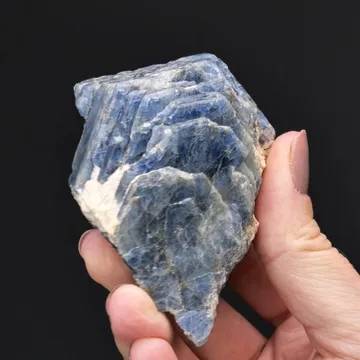
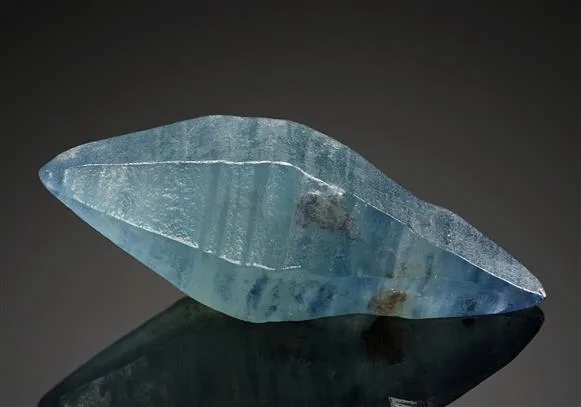
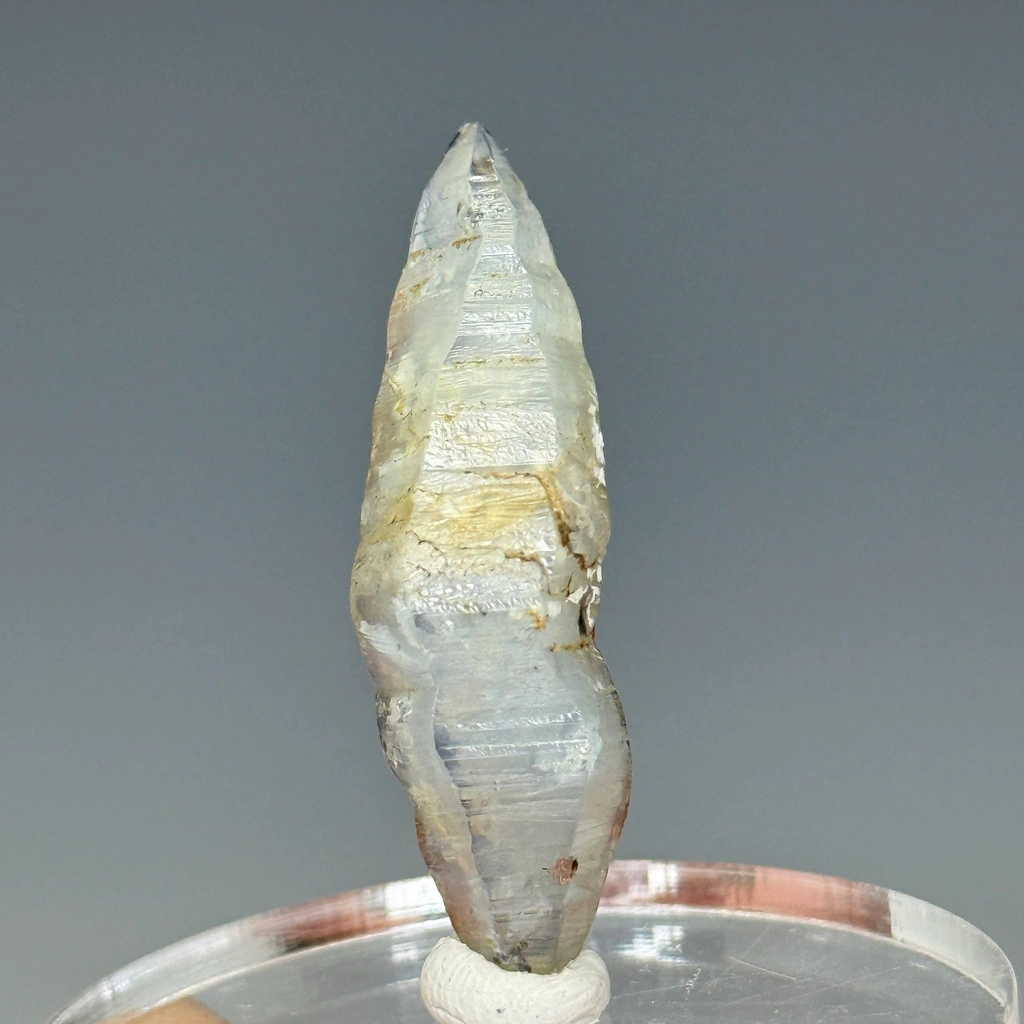
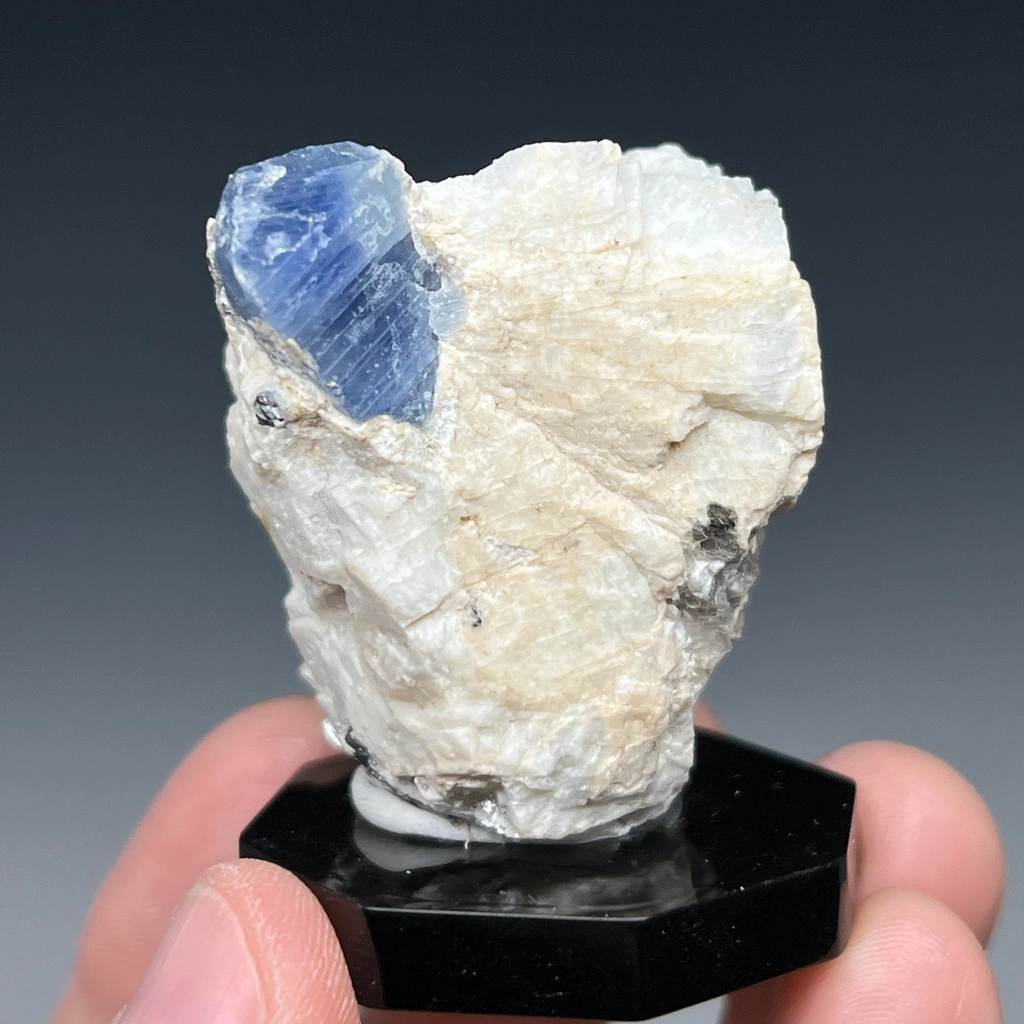
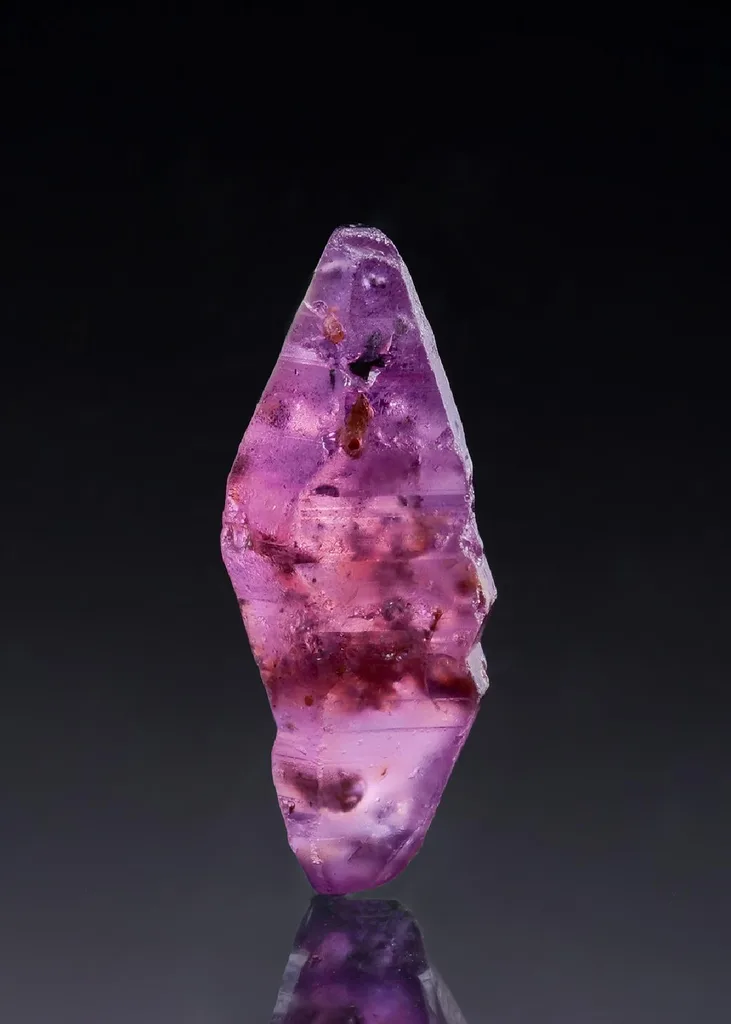
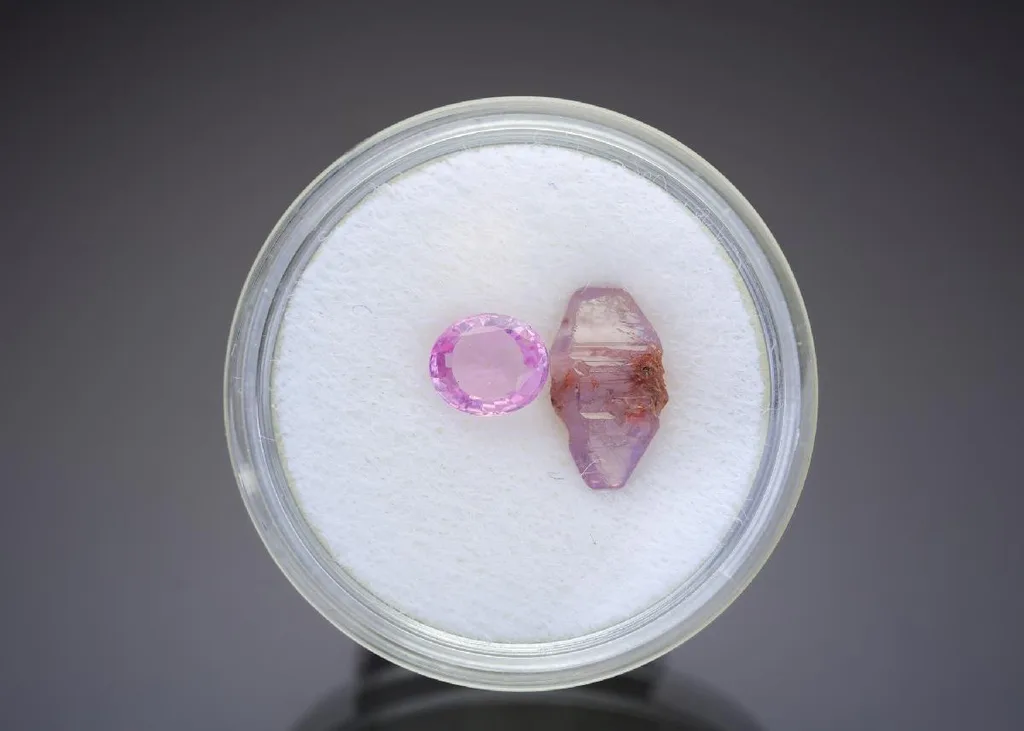
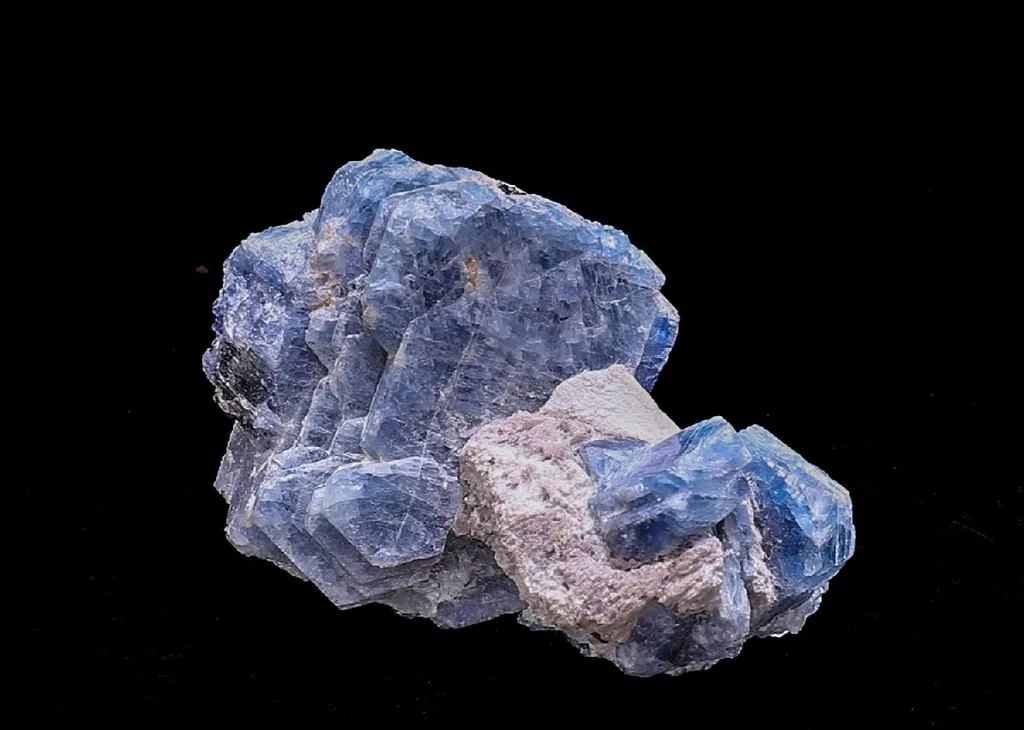
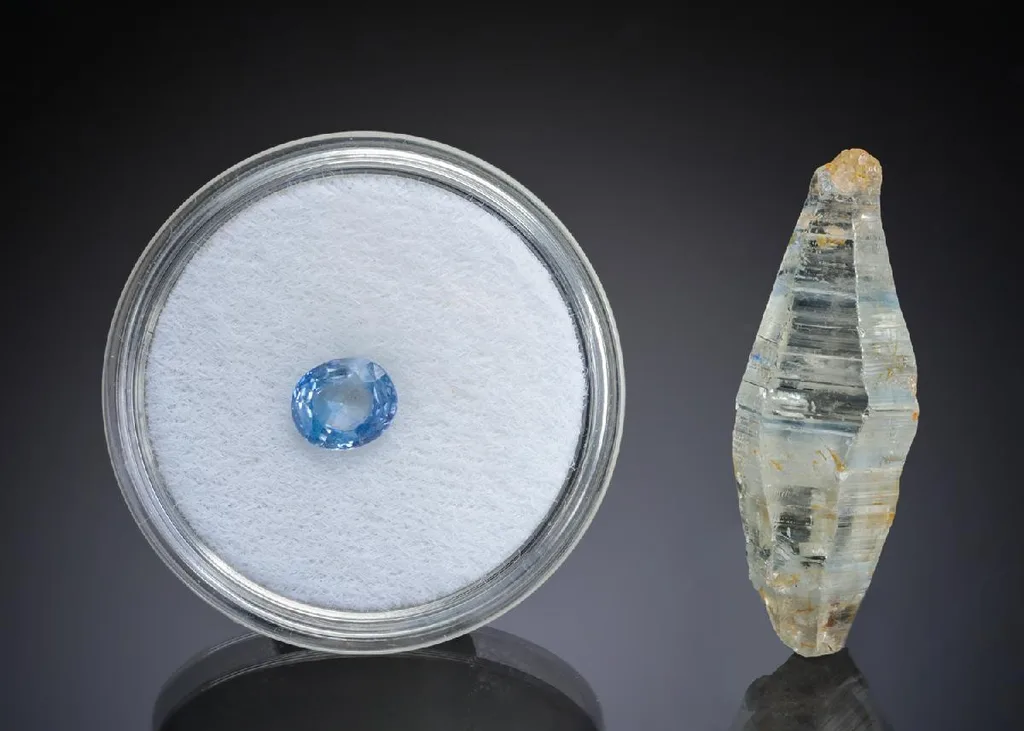
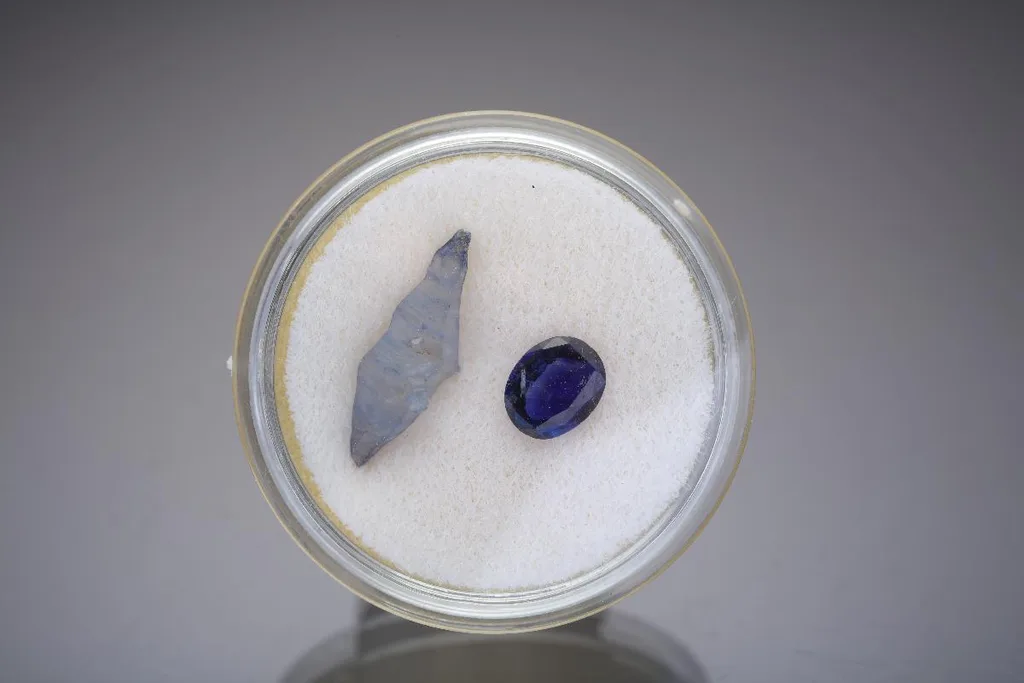
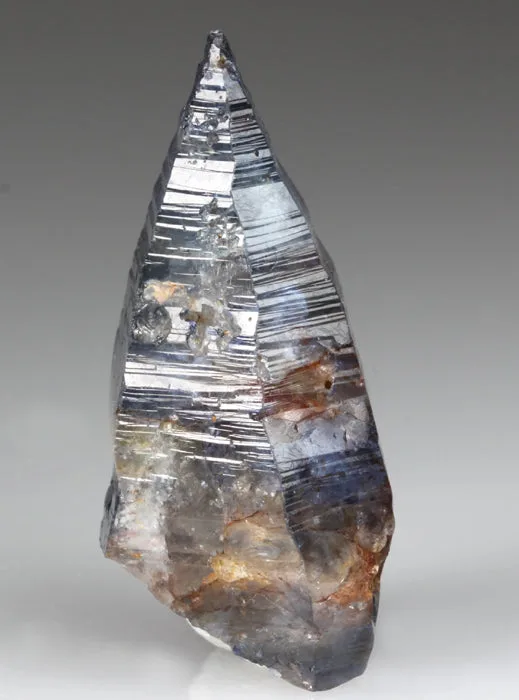
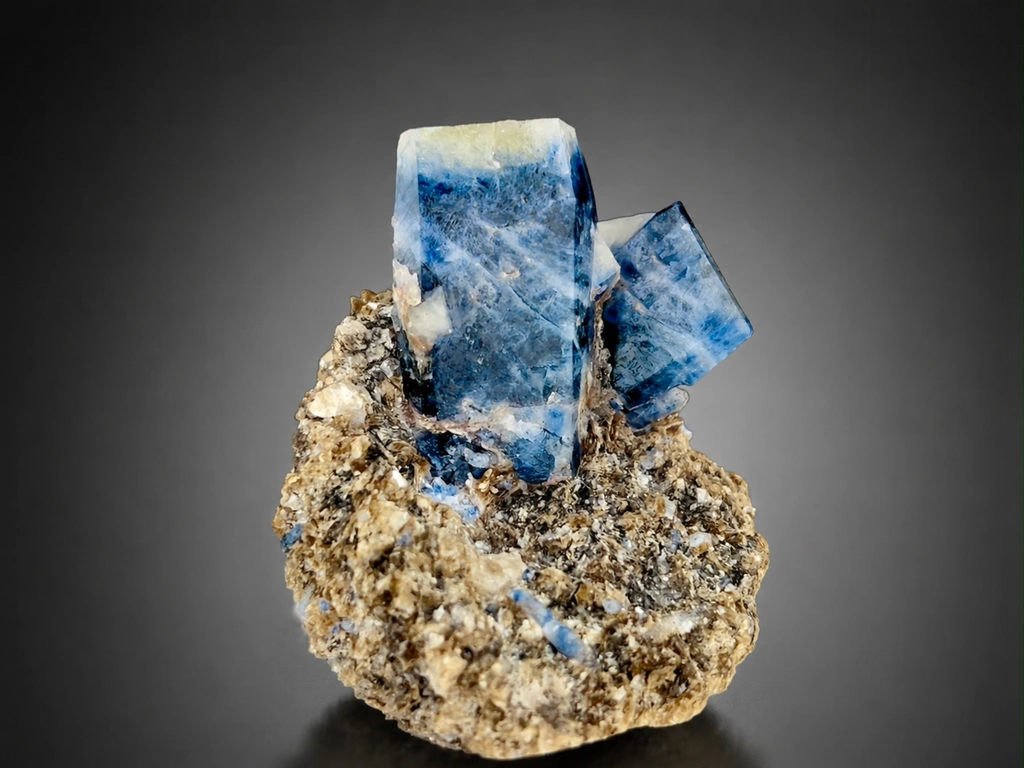
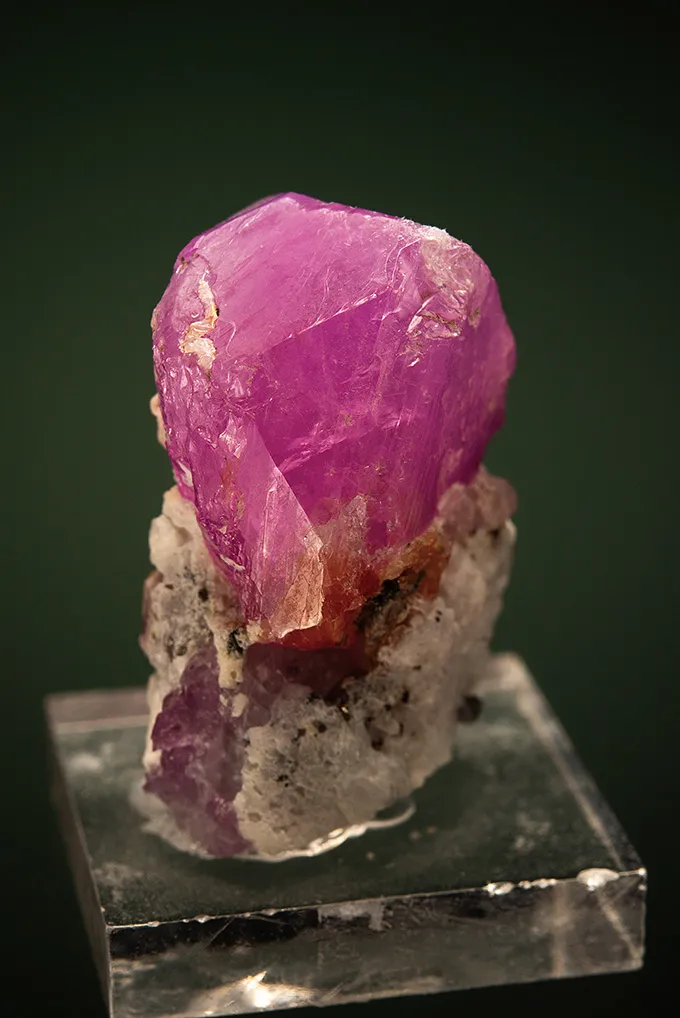
Sapphire is a versatile gemstone variety of corundum, well known for its hardness and range of blue tones, though it occurs in many colors. Typical specimens display a vitreous to subadamantine luster with hexagonal crystal habit and well-formed prismatic faces, often showing vivid blue hues reinforced by iron and titanium impurities. Fine crystals and well-cut sapphire gems come from classic localities such as Sri Lanka and Myanmar, with notable productions from Madagascar, Tanzania, and Russia adding to the species’ diversity of color and clarity.
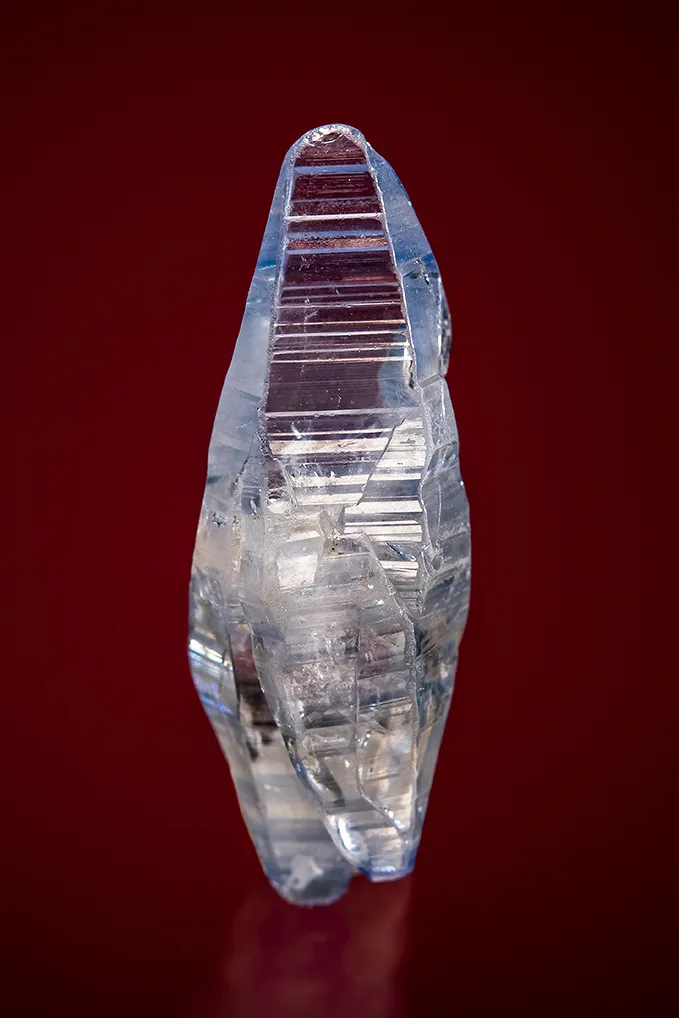
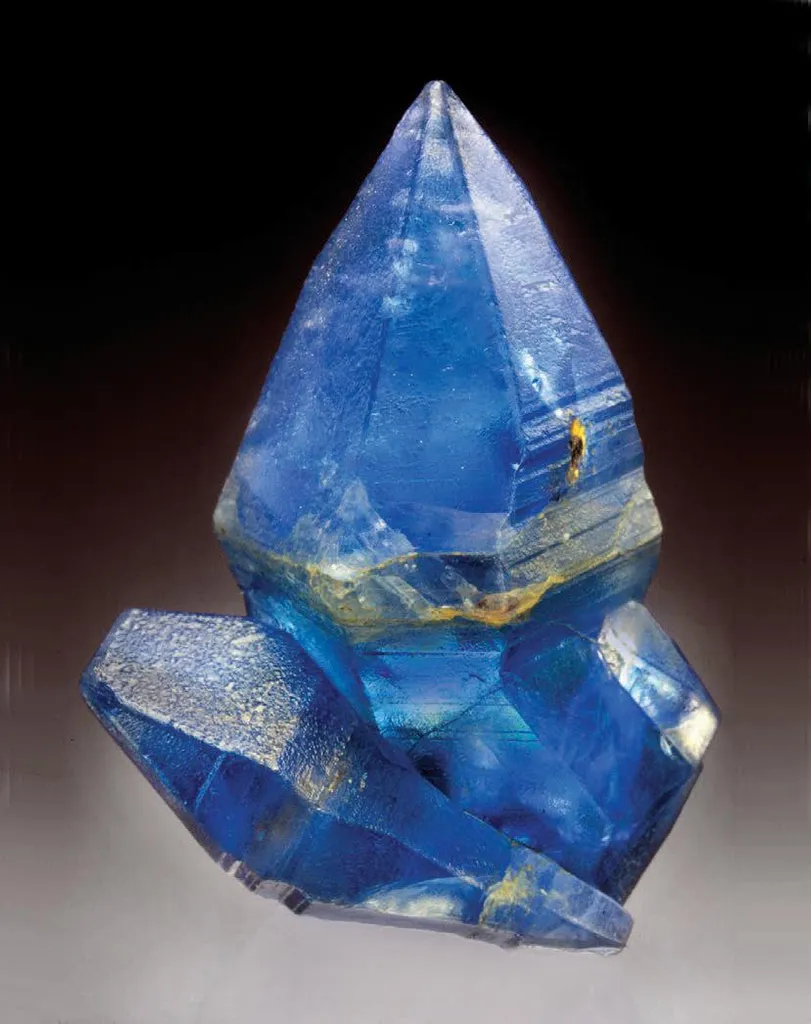
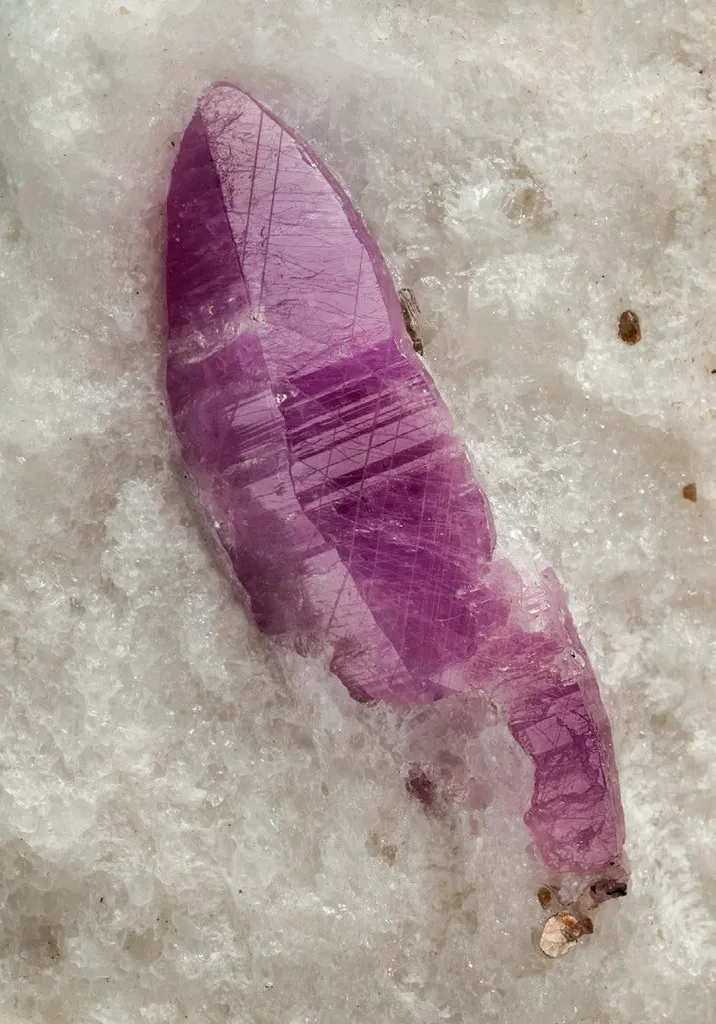
For collectors, sapphires represent a long-standing mineral favorite due to their durability, luster, and array of shades. High-quality blue sapphires from historical mines or pristine facies are prized for their color zoning, transparency, and crystal form, while colored sapphires from broader localities expand the range of display options. The combination of rarity in certain hues, classic localities, and the mineral’s well-documented geological settings sustains interest among enthusiasts who value both aesthetics and a storied provenance.