$5,000Median
1Sold (12 mo)
$5,000Last sale
13 in the gallery
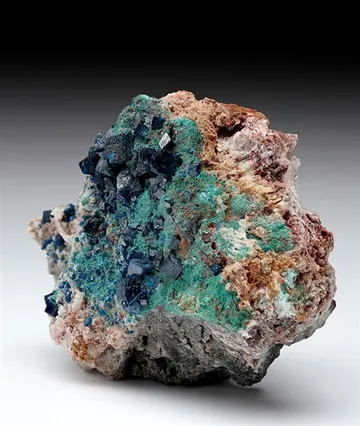
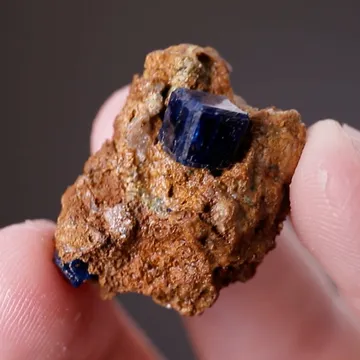
Pseudoboleite is a lead copper chloride hydroxide mineral that forms as complex, often tabular to prismatic crystals. It typically displays a pale to yellow-brown coloration and a resinous to adamantine to subvitreous luster, with a habit that can include slender, elongated crystals or compact masses. The mineral occurs in oxidized zones of sulfidic ore deposits, and classic specimens have been reported from Mexican and Chilean localities, among others, where arid or semi-arid climates help preserve fragile crystals.
Collectors value pseudoboleite for its rarity and striking crystal forms, especially when well-formed, sharp crystals are accompanied by accompanying minerals like cabrerite or vanadochlorite in the same paragenesis. Specimens from notable mine sites often show crisp termination and a delicate, nearly translucent appearance that contrasts with the dense matrix material. While not as common as more widespread copper minerals, pseudoboleite offers a compelling glimpse into the complex chemistry of lead and copper halide systems and presents an attractive addition to high-quality oxide assemblages.