$155Median
4Sold (12 mo)
$250Last sale
3 for sale · $250–$850 USD
20 in the gallery
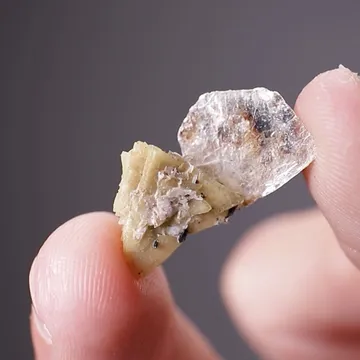
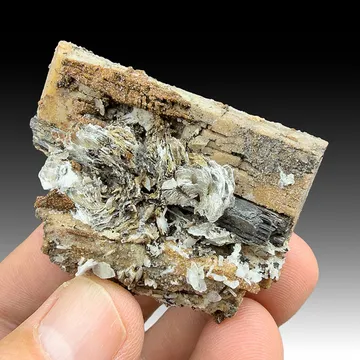
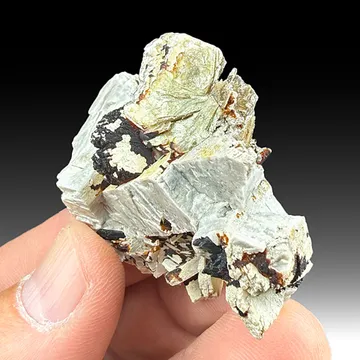
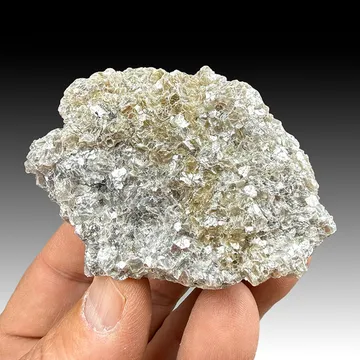
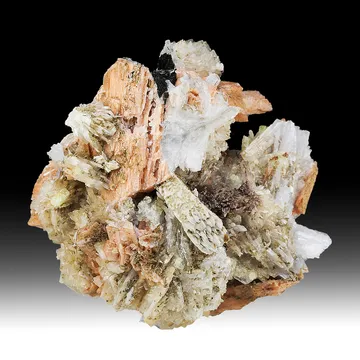
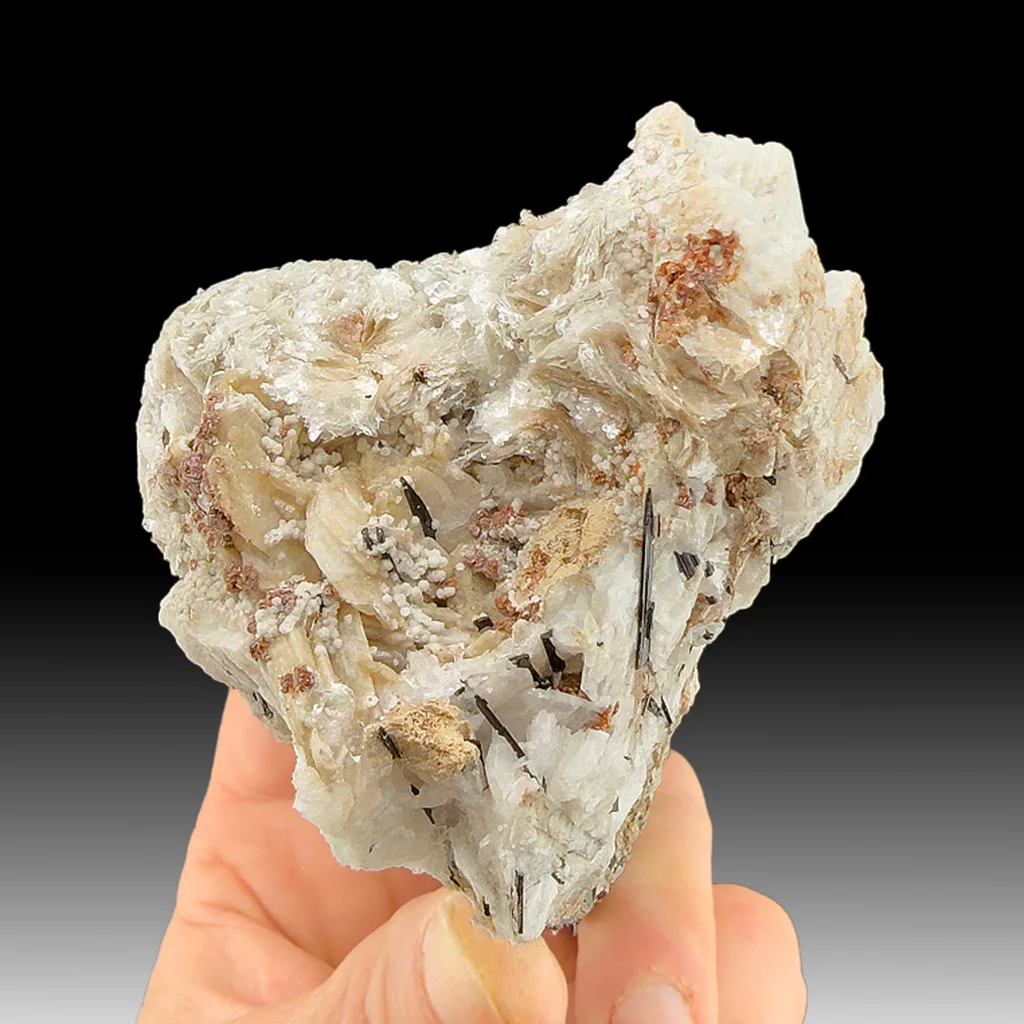
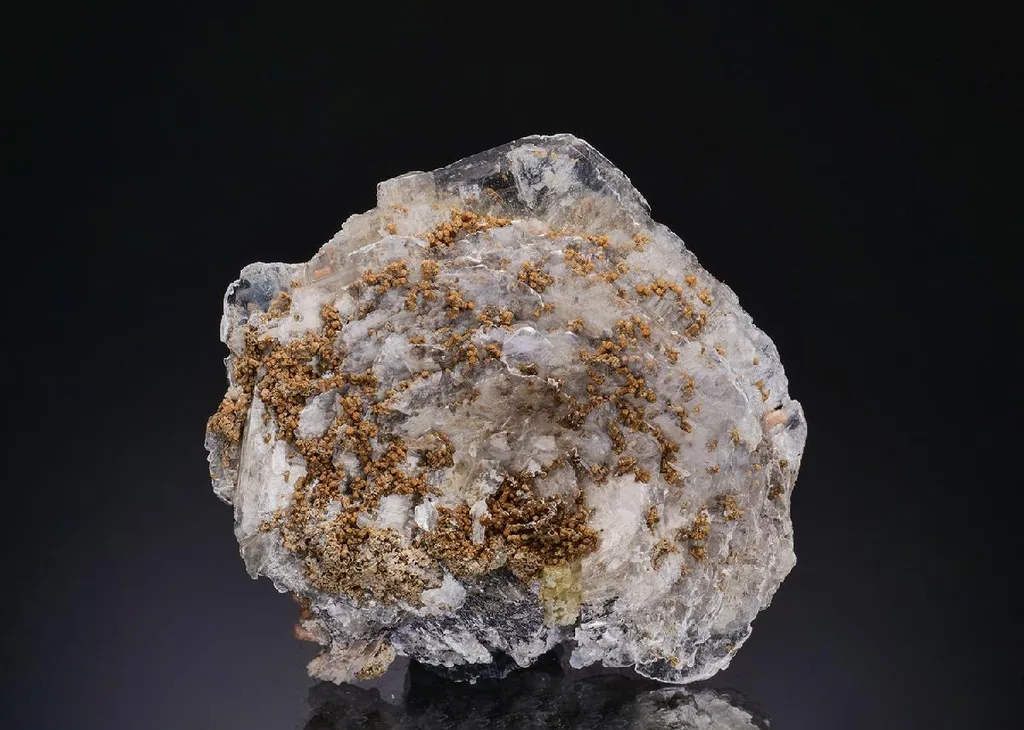
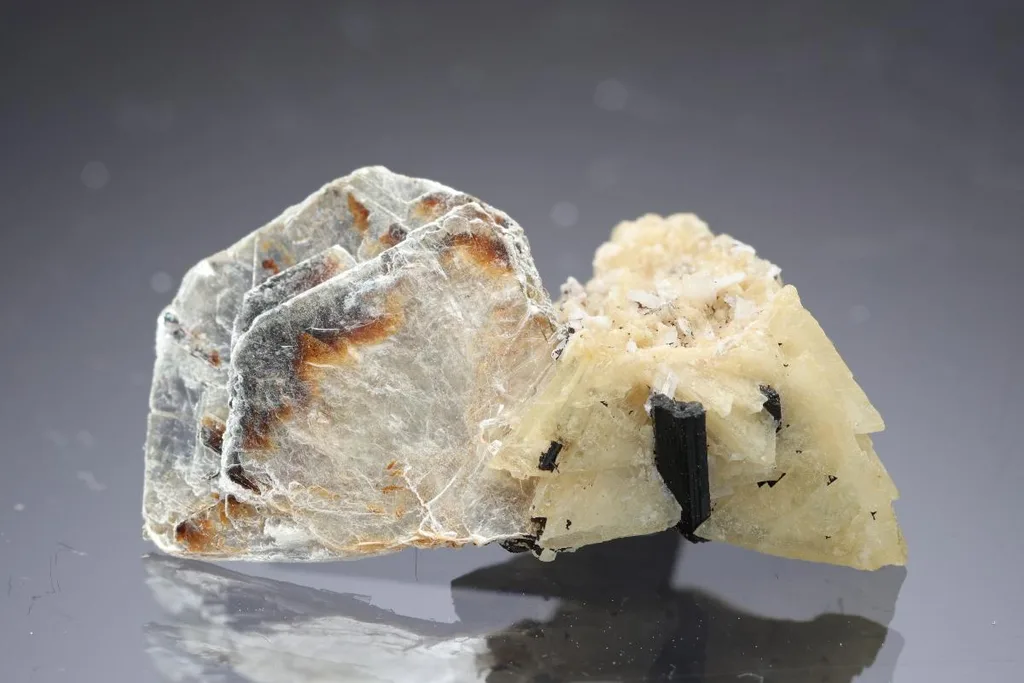
Polylithionite is a mica-group mineral that forms in potassium-rich, aluminous pegmatites and granitic environments. It typically appears as small, well-formed crystals or microcrystalline masses with a vitreous to pearly luster. The mineral’s color can range from colorless to pale yellow, and it often occurs in foliated or layered habit consistent with other micas. Specimens are prized when associated with their alkali-rich mineral assemblages, and are frequently found in zoned crystals that reveal subtle internal color zoning under reflected light.
Notable localities include Canada and Brazil, where cracking or hydrothermal alteration in pegmatites can produce clear or lightly tinted polycrystalline aggregates. In polished sections, polylithionite can exhibit a soft, translucent appearance that rewards careful brushing and illumination. Collectors value it for its rarity and the scientific interest of its fluorine-rich composition, alongside its affiliation with other alkali-rich mineral groups. While modest in size, well-prepared crystals can serve as distinctive specimens within a mineral cabinet, especially when paired with complementary minerals from pegmatitic zones.