






Plagionite specimens for sale
5 for sale · $250–$8,500 USD
3 in the gallery
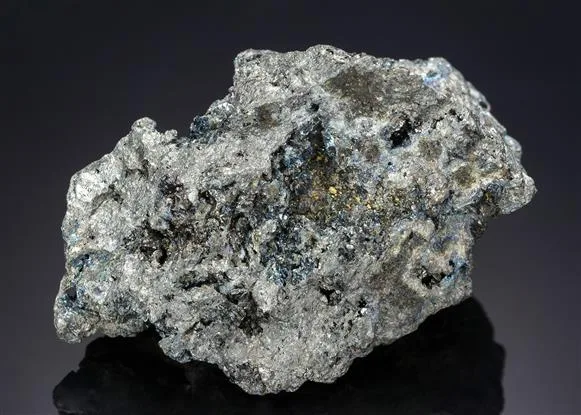
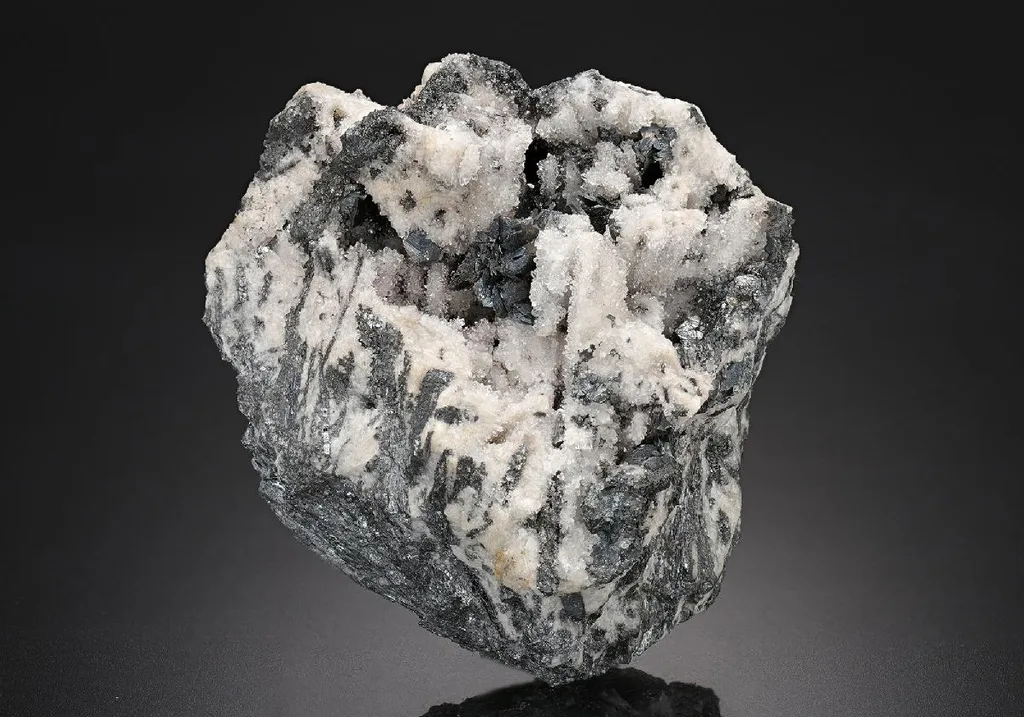
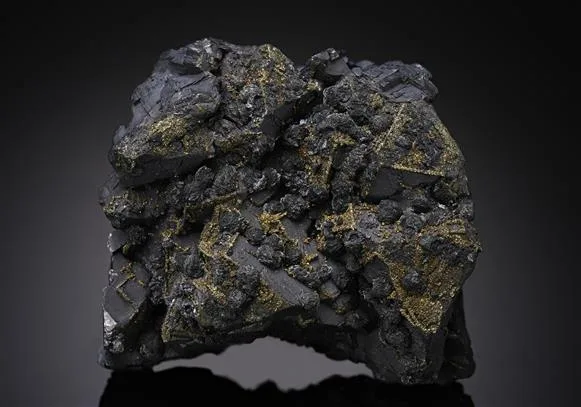
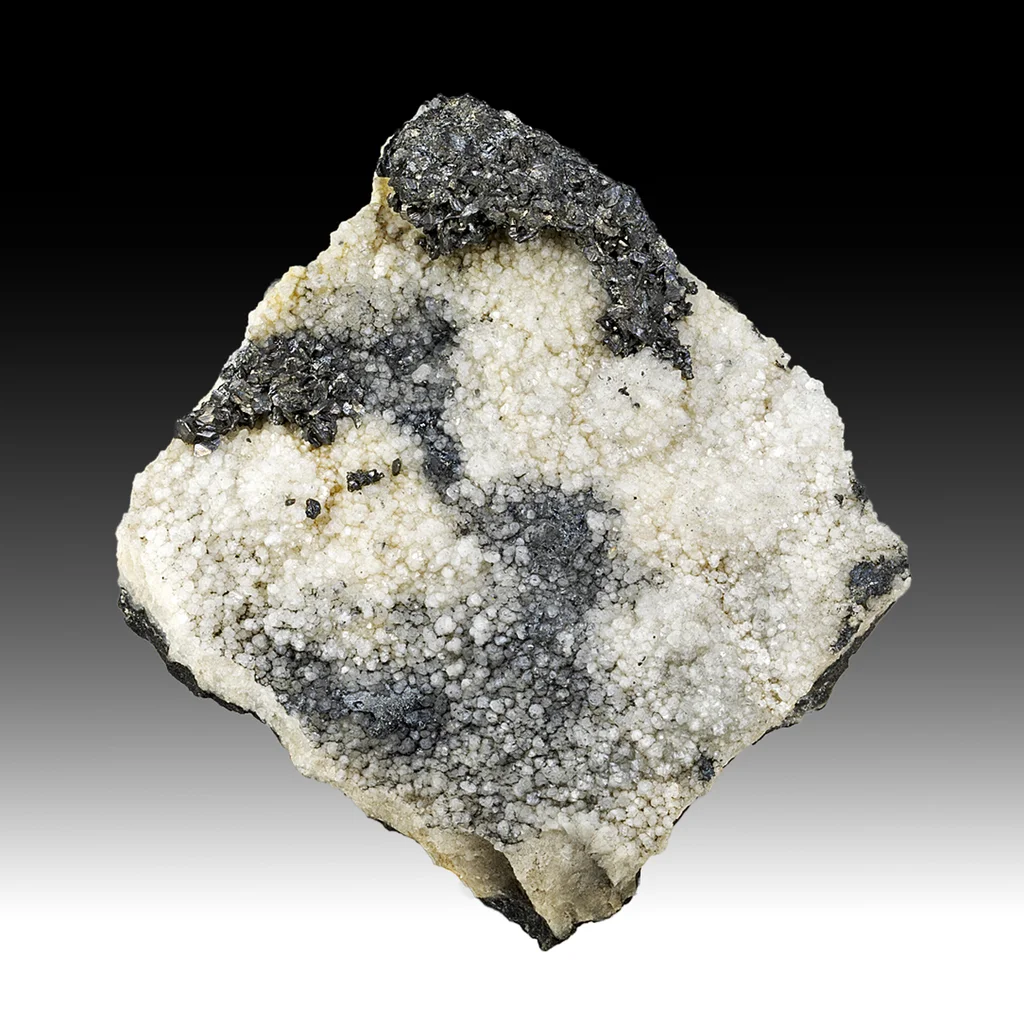
Plagionite is a sulfide sulfosalt with the chemical composition Pb5Sb8S17 and a monoclinic crystal system. It presents a metallic lustre, typically opaque gray to black coloration, and a relatively low hardness of about 2.5, making it prone to scratching. Specimens often occur as botryoidal, granular, massive, or tabular aggregates, with a streak that matches the body colour and a characteristic uneven fracture.
- Formula
- Pb5Sb8S17
- Rarity
- Rare
- Stability
- Stable
- Collector interest
- Moderate Interest
- Classification notes
- Sulfides - Sulfosalts
Key characteristics
- Crystal system
- monoclinic
- Mohs hardness
- 2.5
- Specific gravity
- 5.4–5.6
- Luster
- metallic
- Transparency
- opaque
- Color
- gray, black
- Streak
- gray, black
- Cleavage
- perfect
- Fracture
- uneven
- Crystal habit
- botryoidal, granular, massive, tabular
- Classic / historic
Buy Plagionite specimens
View all 5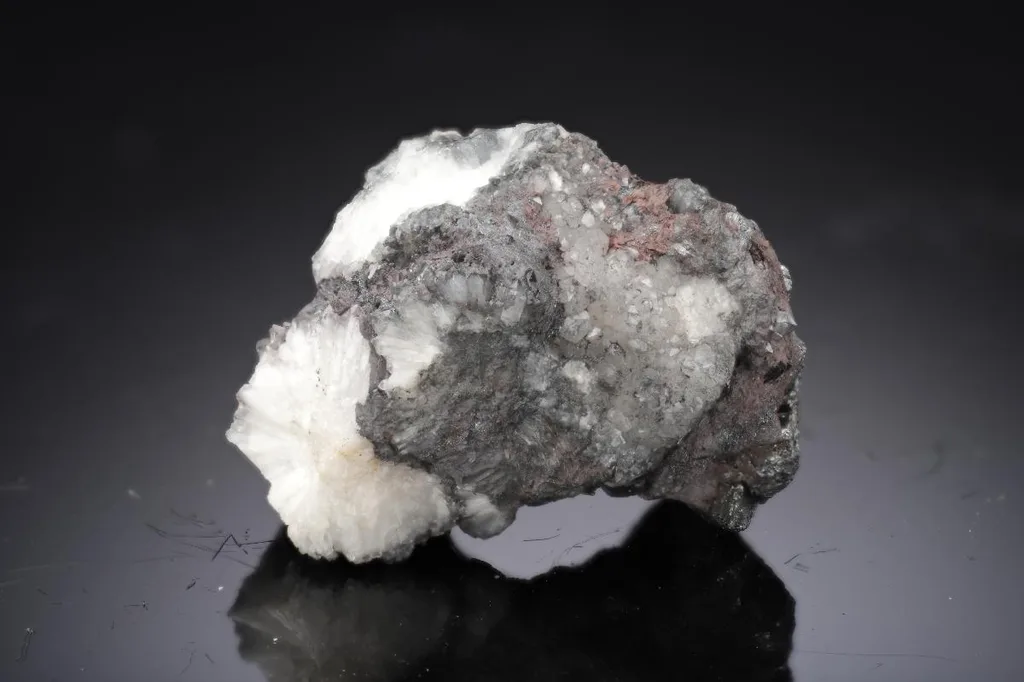
Where Plagionite is found
Top localities
- San José Mine2 specimens
About Plagionite
Notable localities for Plagionite include Bolivia and Germany, where collectors have long sought out well-formed crystals and cohesive masses. In Bolivia, pieces from historic mining districts are prized for their size and the contrast between dark surfaces and any exposed reflective facets. In Germany, specimens tend to emphasize the mineral’s crisp tabular forms and compact botryoidal textures, offering a different aesthetic within the same sulfide family.
Collectors value Plagionite for its distinct sulfosalt chemistry and its combination of subdued colour with a robust metallic sheen. The mineral’s brittle hardness and clear cleavage mean pieces with clean faces and good luster stand out in a cabinet, while more massive or granular forms provide a contrasting, textural display. When well-preserved, Plagionite can be an attractive addition to a sulfide-focused collection.