$150Median
1Sold (12 mo)
$150Last sale
Recent salesSee more
6 in the gallery
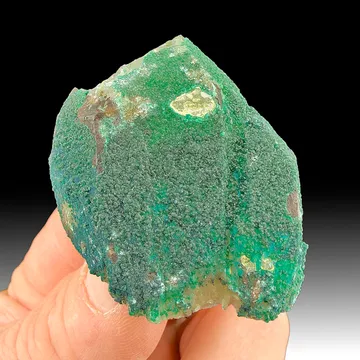
Philipsburgite is a hydrated phosphate mineral with a monoclinic crystal system. It typically forms green, transparent crystals or masses with a vitreous luster and a green streak, and it commonly shows no distinct cleavage. The mineral’s formula reflects its copper and zinc content with arsenate and phosphate, tied to its hydrated, hydroxyl-bearing structure.
Notable specimens have been reported from the United States, where collecting sites expose Philipsburgite’s characteristic green colors and delicate crystal forms. In hand specimens, its color and translucency make for attractive displays, while its relative rarity adds to its appeal for specimen-focused drawers and mineral fans. Philipsburgite’s modest hardness (Mohs 3–4) and gravity around 4.07 place it within reach of careful handling and mounting for display, rather than heavy cabinet use.
Collectors appreciate Philipsburgite for its combination of color, crystal habit, and the intrigue of phosphates with mixed arsenate and phosphate groups. Its hydrated nature and association with hydroxy-containing frameworks offer a window into mineral formation conditions, making pieces valuable as study rocks for those documenting secondary phosphate assemblages and copper- and zinc-bearing minerals.